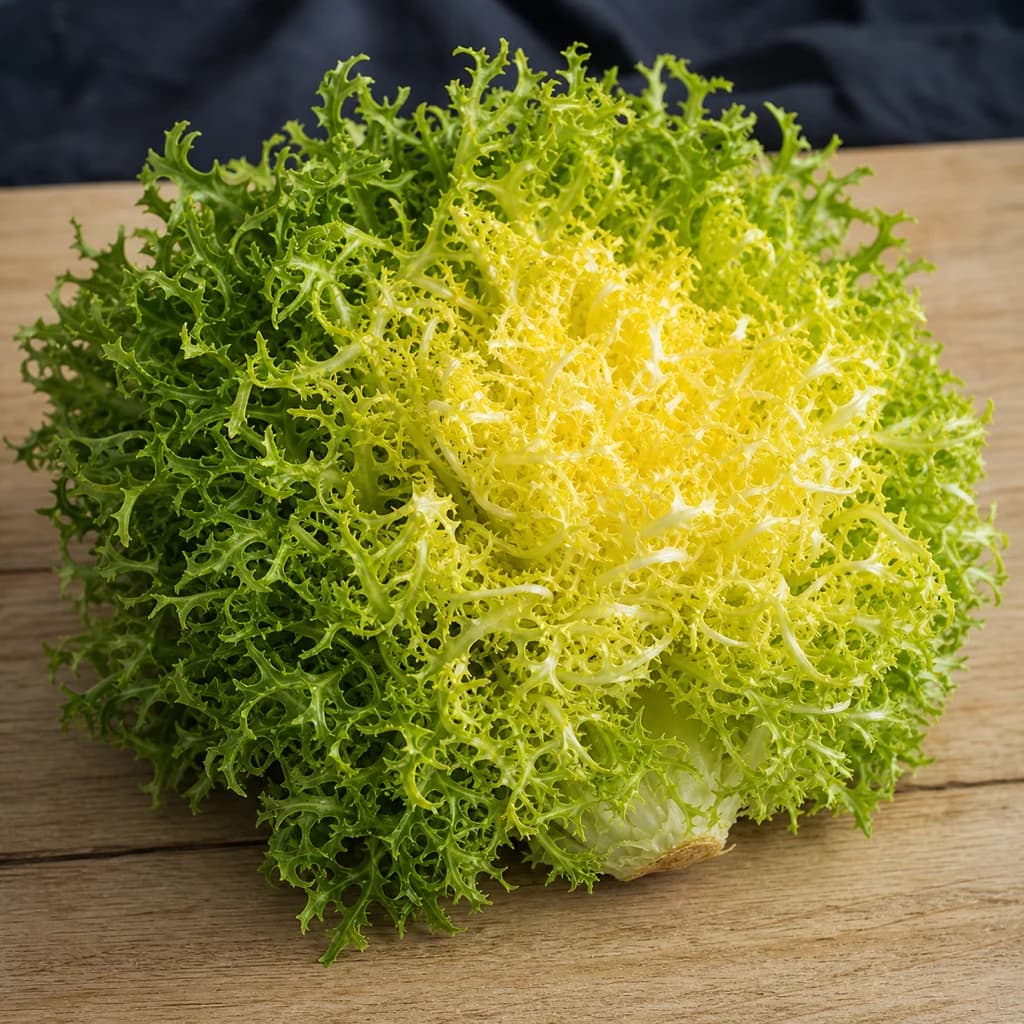
Natural form
A whole frisée head shows its pale yellow center and frizzy green outer leaves.
Teaches the reader the full plant's characteristic curly frilled leaves and color gradient from creamy center to green edges.
Produce
Frisée
Curly, frizzy endive with a mildly bitter bite, used in salads like the classic lyonnaise.
Frisée is a variety of endive with slender, curly, frilly leaves that range from pale yellow-white at the center to green at the edges. It has a crisp texture and mildly bitter flavor that stands up to warm dressings, famously in the salade lyonnaise with bacon lardons and a poached egg. The pale inner leaves are milder than the darker outer ones.
Frisée is the curly member of the endive family (Cichorium endivia var. crispum), distinguished by its tight rosette of deeply ruffled, frizzled leaves that range from bright green at the exterior to pale yellow or ivory at the blanched heart. Native to the Mediterranean and developed extensively in French cultivation, it carries a characteristic mild bitterness—concentrated in the outer leaves and softened in the center—that makes it distinctive among salad greens. The ruffled texture creates air pockets that hold light dressings gracefully while wilting quickly under heavy ones; this behavior demands timing and restraint in the kitchen. Frisée has enough body and bitterness to stand up to strong accompaniments like bacon fat, blue cheese, and aged vinegars, yet enough delicacy to wilt gracefully in warm preparations. Its visual drama—the contrast between deep green curls and pale heart—makes it as useful for presentation as for flavor, and it is the defining green of the classic Lyonnaise salad tradition. The practice of blanching hearts by tying the outer leaves dates to at least the 18th century in France and remains standard for premium use; commercial production replicates this by excluding light from the center during growth. When purchasing, the finest, most tender leaves come from the heart; outer leaves are progressively more bitter and fibrous, and excessive bitterness indicates overly mature or stressed plants.
- Measured in
- g
- Storage
- Fridge
Types & varieties
Traditional French variety with very frizzed, delicate leaves; the standard for authentic Lyonnaise salad
Large-curled variety with robust leaves; holds up better to heavy dressings and warm applications
A finer, more delicate curly type; favored in French fine dining for its tender texture and refined appearance
Heavily frilled variety with pale hearts; Belgian/French heirloom type prized for its visual elegance
Common uses
Tips & pitfalls
- Tie the outer leaves together 3–5 days before harvest to blanch the heart, producing pale, tender leaves—this commercial technique works in home gardens and yields a superior product
- Trim and discard the thick central ribs of outer leaves; they remain fibrous even when cooked and dominate the texture
- Tear leaves by hand rather than cutting to prevent bruising—frisée bruises easily, turning brown at cut edges
- Use a light hand with dressing—frisée's ruffled texture clings to vinaigrette and becomes sodden within minutes
- Add frisée to mixed salads just before serving; it wilts faster than sturdier greens like romaine or iceberg
- Toast breadcrumbs separately in butter before scattering over Lyonnaise salad to preserve crunch; adding them early results in soggy coating
- When purchasing, select bright green leaves without yellowing, browning, or wilting—avoid heads that feel overly moist or have mushy spots
- Refrigerate immediately after purchase; frisée deteriorates rapidly at room temperature, losing both texture and flavor
- For a milder flavor, soak trimmed leaves in ice water for 15 minutes before dressing—this tempers bitterness noticeably
- Select younger, uniformly green heads for milder flavor; excessive bitterness indicates overly mature or stressed plants
Nutrition
Energy
71 kJ · per 100 g
Where the calories come from
Protein
1.3g
3% DV
Carbs
3.4g
1% DV
Fat
0.2g
0% DV
Fiber
3.1g
11% DV
Sugars
0.3g
of which
Sodium
22mg
1% DV
Source · USDA FoodData Central · Endive, raw
View on FDC →In the shops
Matched grocery products
No matched grocery products for Frisée yet.
Good to know
- Botanical name
- Cichorium endivia var. crispum
- Family
- Asteraceae (chicory/endive family)
- Origin
- Mediterranean region; cultivated extensively in France
- Season
- Peak fall through early spring; available year-round from greenhouse production
- Color
- Outer leaves deep green; inner heart pale yellow to white when blanched
- Flavor
- Mildly bitter; nutty and more delicate in the pale heart
- Texture
- Frizzled, ruffled leaves; tender when young, slightly coarser in outer leaves
- Storage
- Refrigerate unwashed in a loose plastic bag for 5–7 days; wash just before use
- Yield
- Approximately 70–75% edible after trimming outer leaves and tough ribs
Substitutes
- Escarole — Flat-leaf endive (Cichorium endivia var. latifolium); less frizzled but similarly bitter; substitute 1:1 in cooked applications
- Radicchio — Different species (Cichorium intybus); more bitter, purple/red color; best for cooked uses or when color contrast is desired
- Belgian endive (Witloof) — Different species, tightly packed cylindrical heads; milder, less textured; not interchangeable raw but works in cooked preparations
- Arugula — Provides bitterness and delicate texture but lacks body and visual drama; use half the quantity as it is more pungent
- Curly kale — Massively different texture and flavor; requires massage or cooking; not a true substitute but works in warm preparations
Pairs with
Also called
Curly Endive · Chicory Frisée
Related
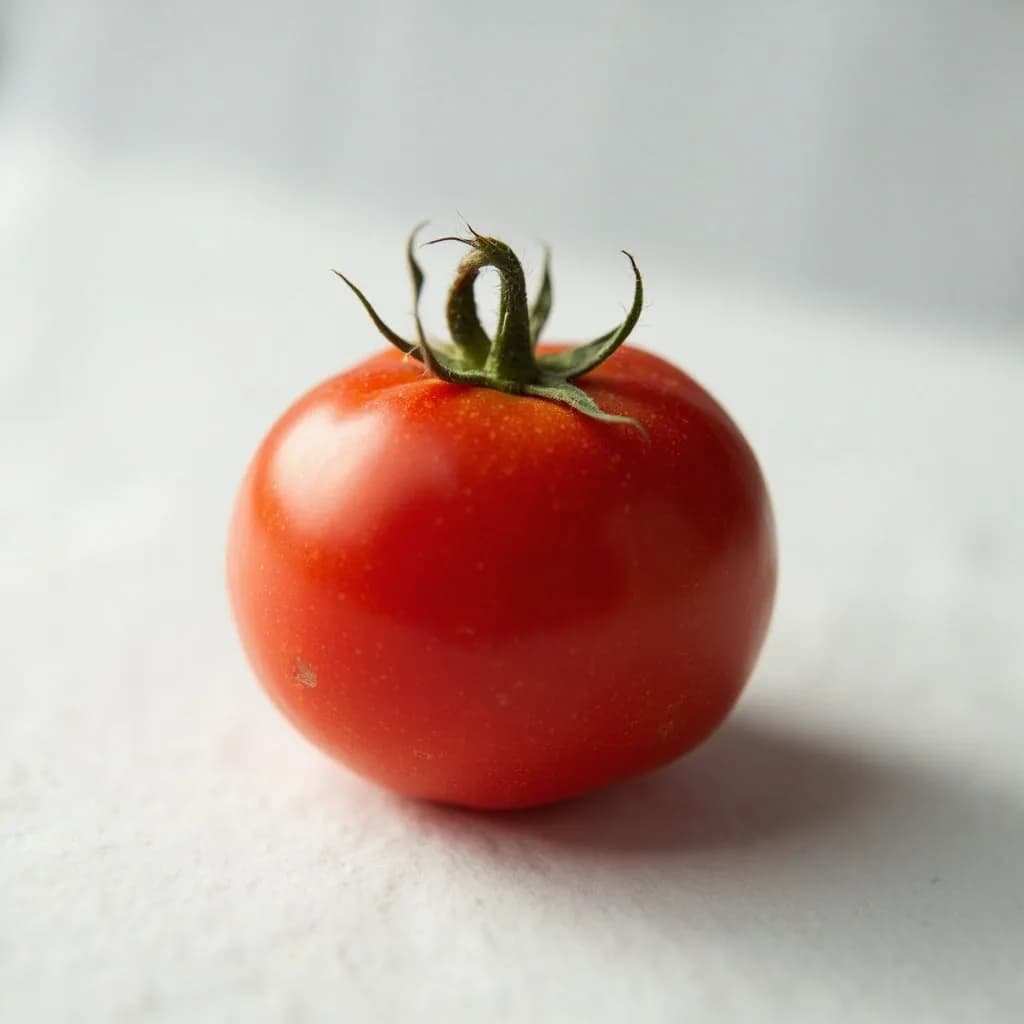
Tomato
Juicy, sun-sweet fruit for sauces, salads, and slow-cooked depth
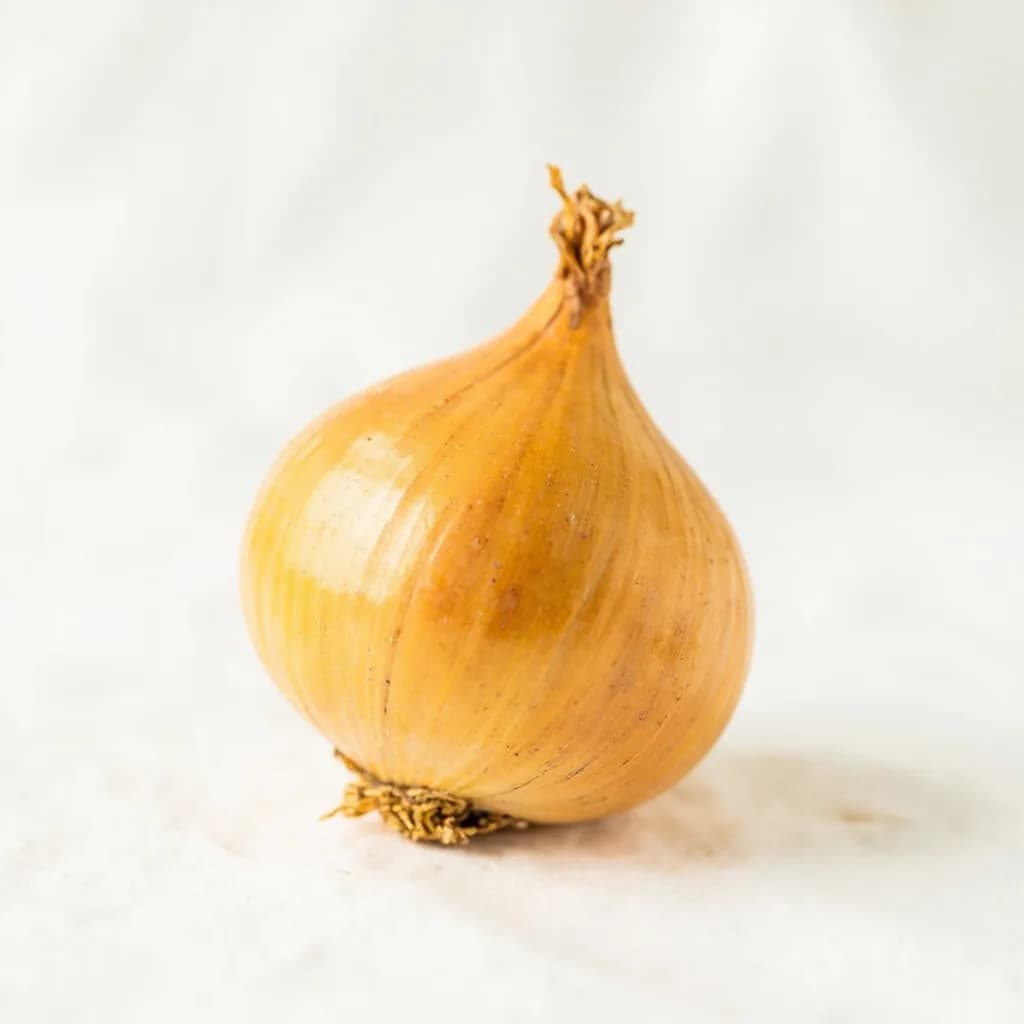
Yellow Onion
The aromatic backbone of soups, sofritos, and braises
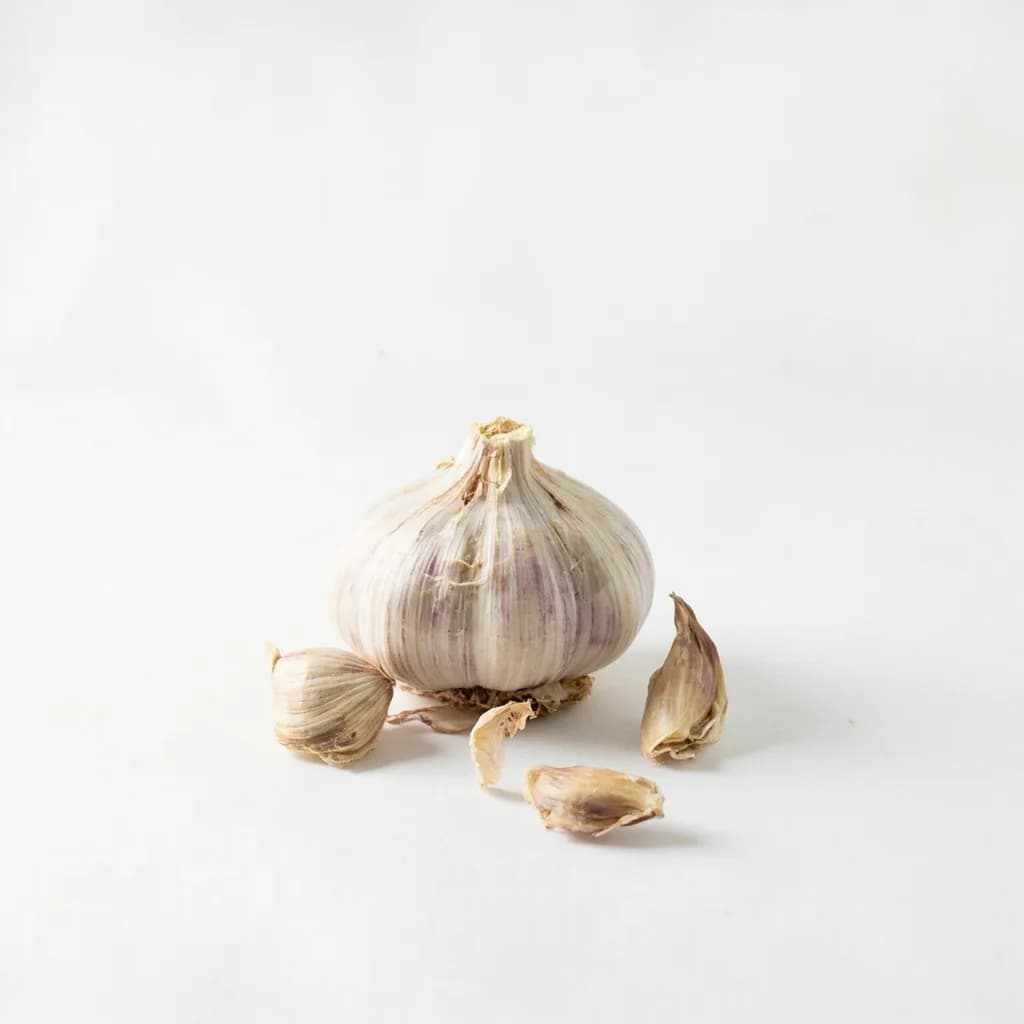
Garlic
Pungent cloves that perfume nearly every savory dish
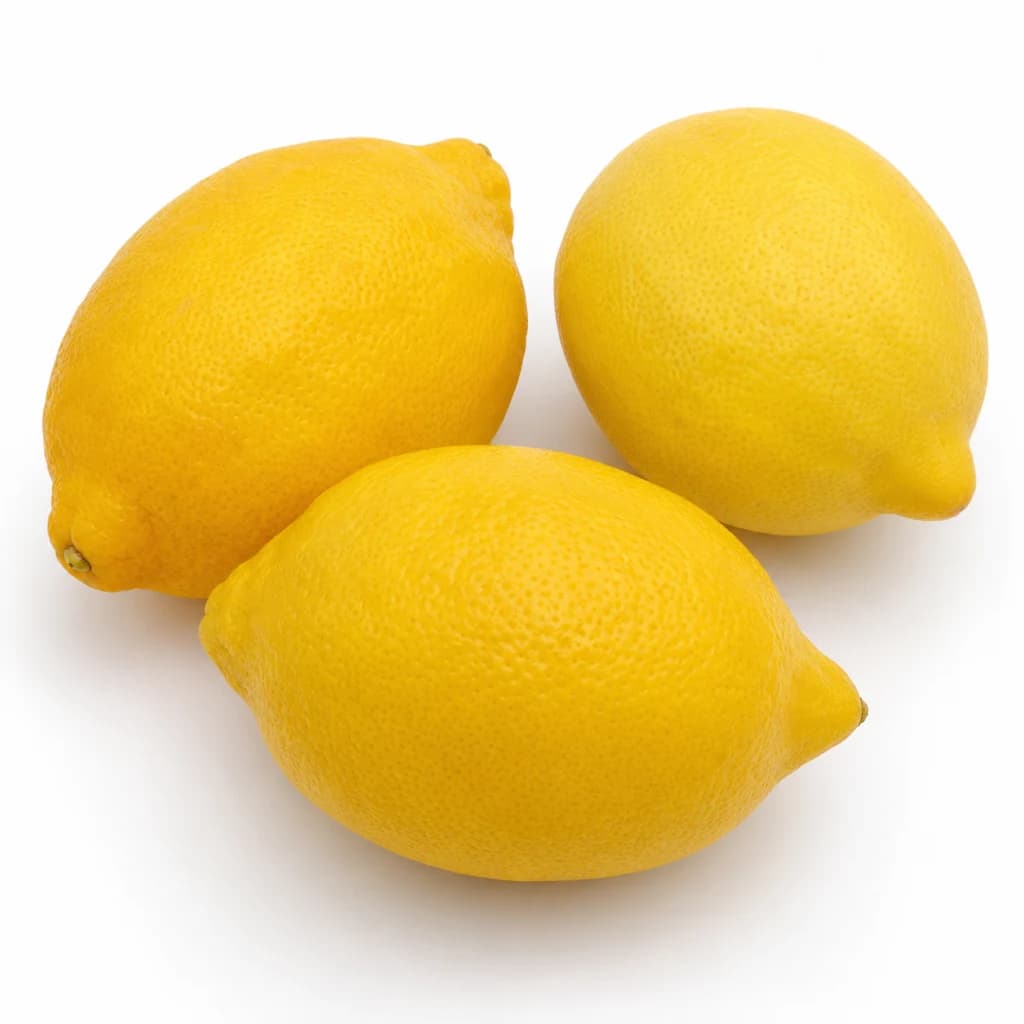
Lemon
Bright, acidic citrus that wakes up almost any dish
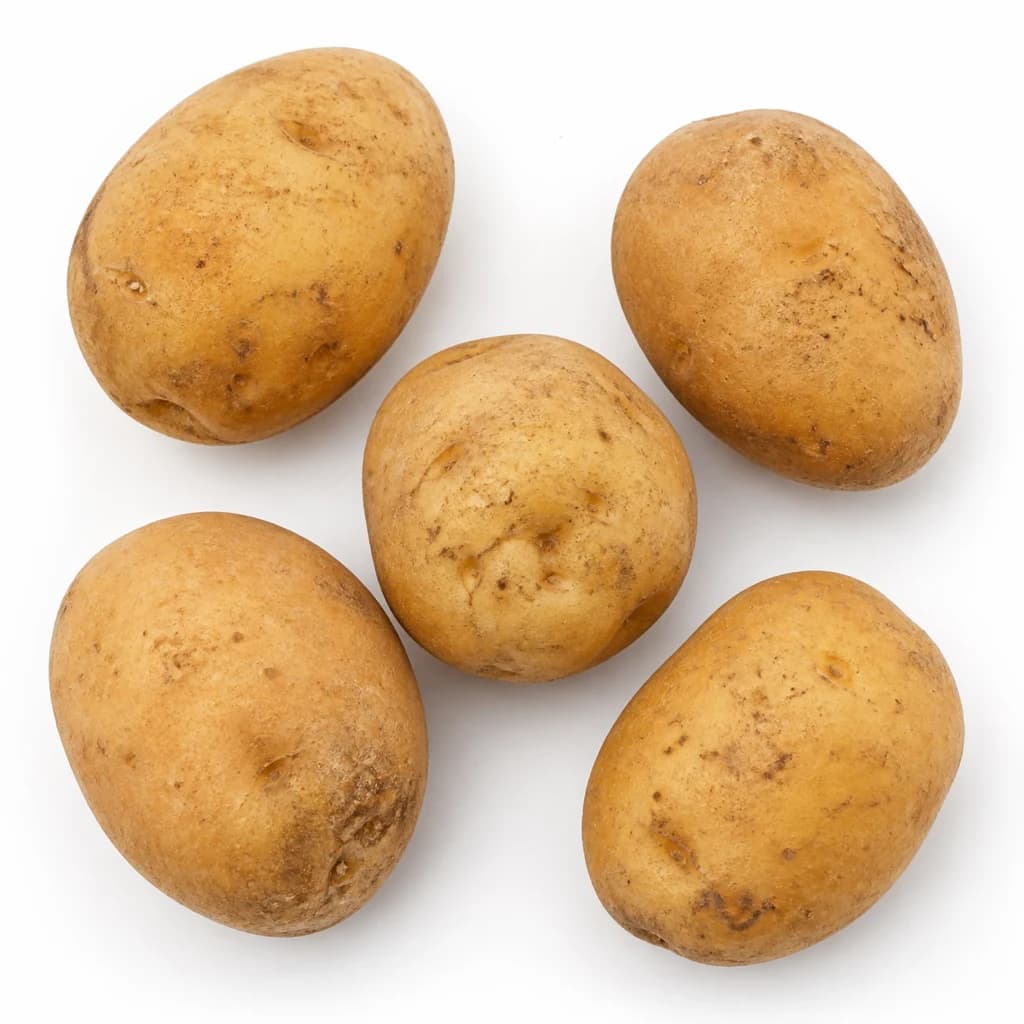
Potato
Humble, hearty staple — roast, mash, fry, or boil
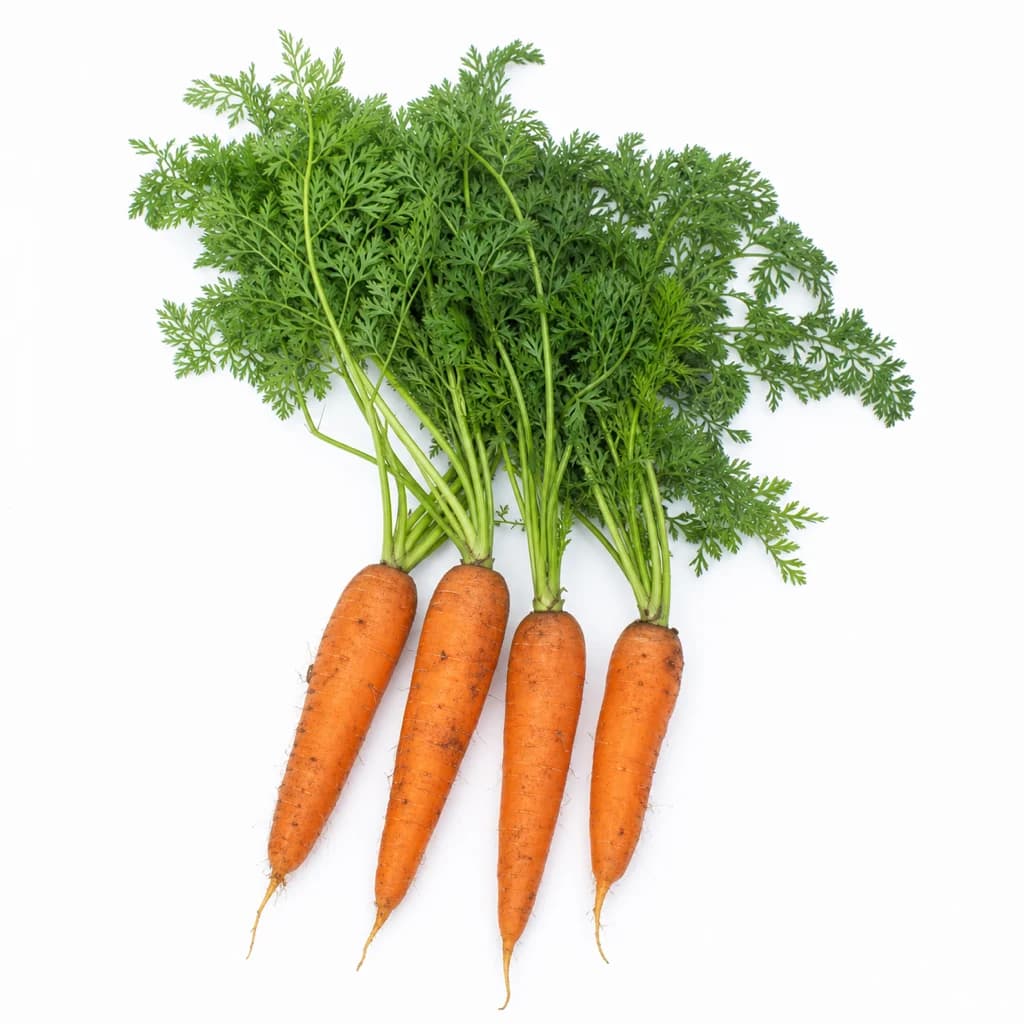
Carrot
Sweet, crunchy root — raw, roasted, or the base of a sofrito
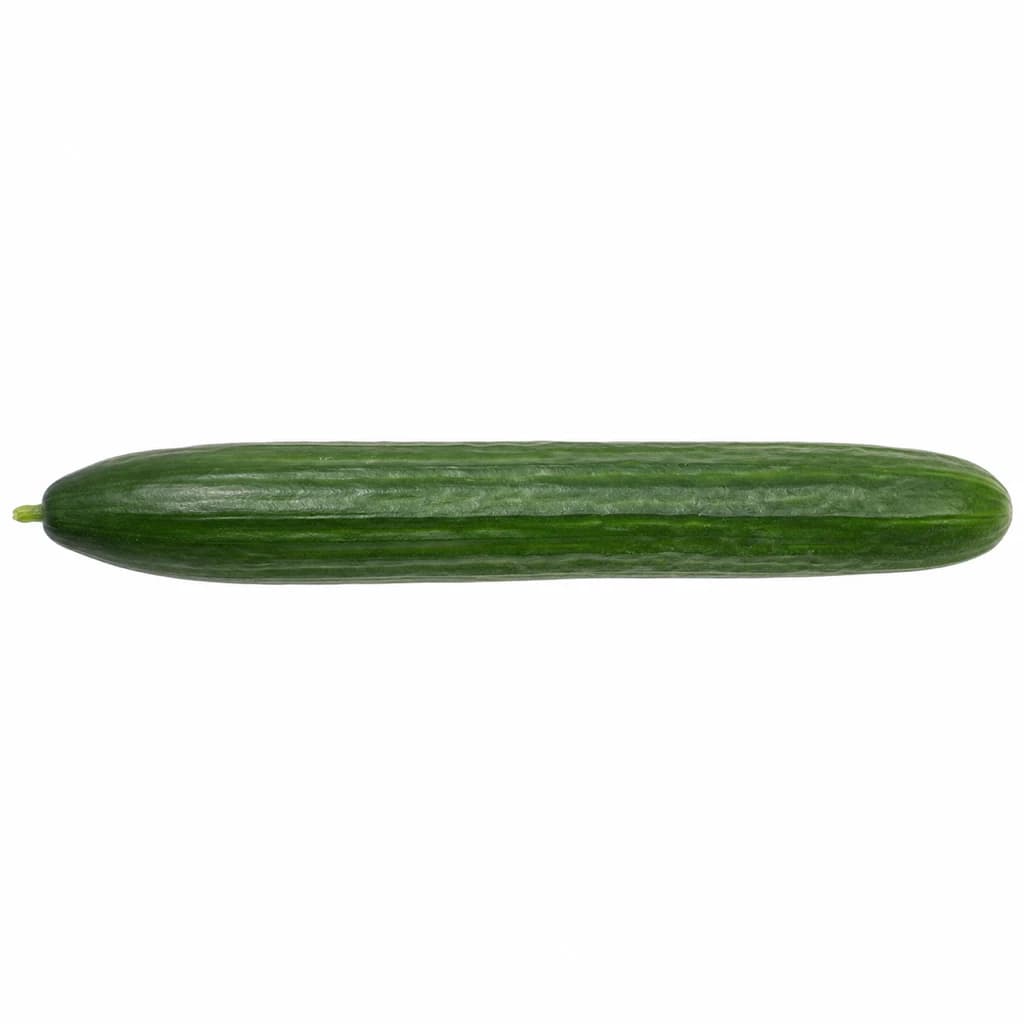
Cucumber
Cool, crisp, and watery — for salads, pickles, and tzatziki

Lettuce
Crisp leaves for salads, wraps, and a fresh crunch