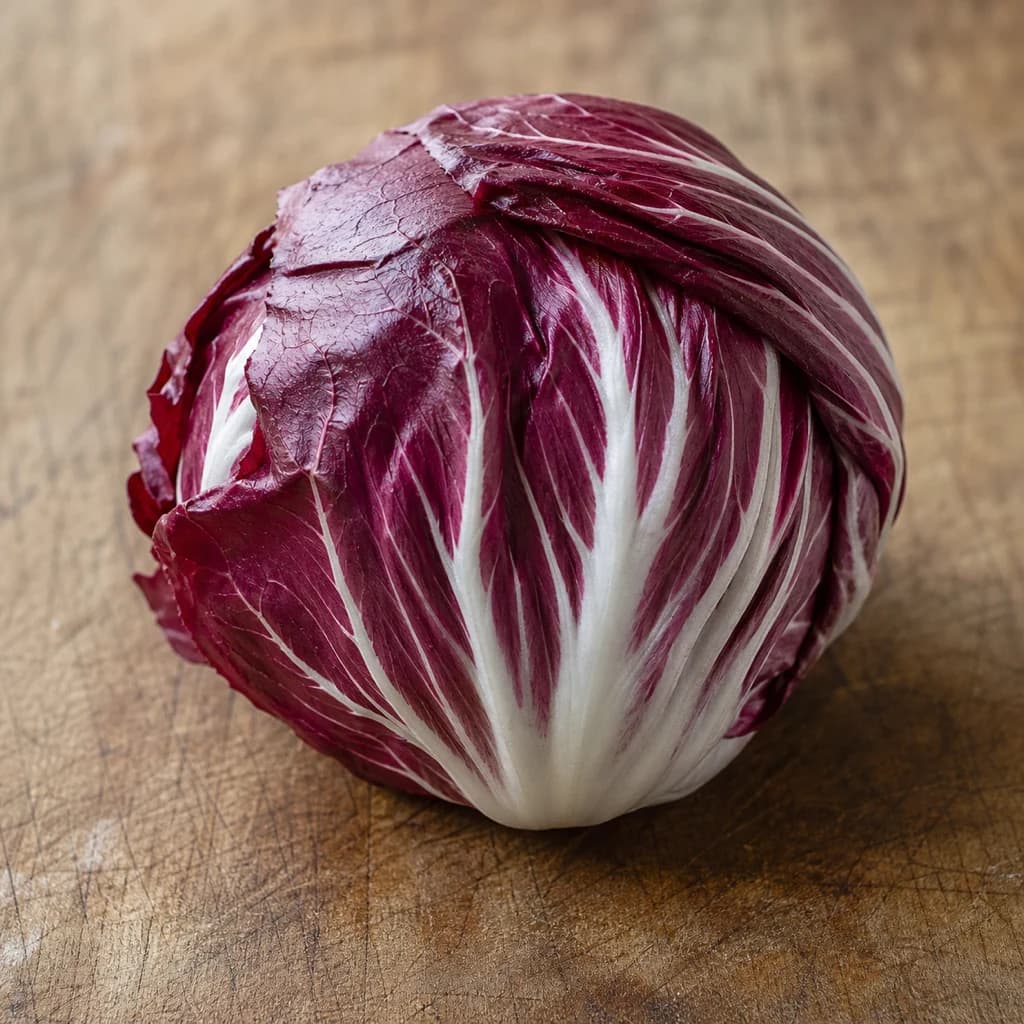
Natural form
A whole Chioggia radicchio head showing its compact, round shape and vivid red-purple leaves.
Shows the reader exactly what to look for when buying radicchio — the round globe form, deep coloring, and papery outer leaves of the most common variety.
Produce
Radicchio
Deep red-purple chicory with white veins and a crisp, pleasantly bitter taste.
Radicchio is a leafy Italian chicory with striking red-purple leaves and white ribs, known for its crisp texture and bitter, slightly peppery flavor. It is shredded raw into salads, or grilled, roasted and braised to mellow its bitterness and bring out sweetness. It is common in northern Italian cooking, especially the Treviso and Chioggia types.
Radicchio is a cultivated leaf chicory (Cichorium intybus var. foliosum) prized for its striking appearance and bold, bittersweet flavor. Its deep burgundy-red leaves with prominent white veining result from a specialized cultivation technique called forcing: after the main growth phase, plants are dug up, their roots trimmed, and the heads replanted in darkness or tightly covered. This blanching process suppresses chlorophyll production, allowing anthocyanin pigments to develop and creating the vegetable's characteristic color contrast. Native to the Veneto region of northern Italy, radicchio has been cultivated since the 16th century, with production concentrated around Treviso, Chioggia, and Verona. The bitterness comes from sesquiterpene lactones concentrated in the white rib tissue — these compounds are desirable in moderation, lending depth and complexity that sweet or fatty accompaniments can balance. Cooking transforms radicchio fundamentally: high heat caramelizes natural sugars while breaking down bitter compounds, producing a mellower, more complex flavor than the raw vegetable. Most American supermarkets carry only the round Chioggia variety; seek Italian markets or specialty grocers for the more distinctive Treviso and Castelfranco types.
- Measured in
- piece
- Storage
- Fridge
Types & varieties
Round, compact head resembling a small cabbage; most common variety in U.S. markets; moderately bitter
Elongated, tightly packed leaves with prominent white ribs; premium variety with intense color and complex flavor; IGP-protected designation
Earlier-maturing, looser version of Tardivo; less intense than its late-season counterpart
Round head with deep red color; firm texture; widely used in restaurant kitchens
Loose head with cream-yellow to white leaves speckled with red; mildest variety, almost sweet; visually striking in salads
Grown near Lusia; lighter-colored leaves; traditionally milder; sold young as baby radicchio
Understanding the Forcing Process
The distinctive appearance and flavor of premium radicchio — particularly Treviso Tardivo — results from a labor-intensive forcing method developed in the Veneto region. After the main growing season, plants are harvested, roots are trimmed, and heads are replanted in dark, humid conditions or covered tightly to exclude light. This simulates stress conditions that trigger the plant's defense mechanisms: without light for photosynthesis, chlorophyll cannot form, allowing anthocyanin pigments to dominate and creating the deep red coloration. Simultaneously, the plant redirects energy to the core leaves, producing tightly packed, tender leaves with concentrated flavor. This process explains why properly forced radicchio has such intense color contrast between red leaves and white ribs — and why improperly stored or older radicchio, which has been exposed to light and begun reverting to green, loses its characteristic beauty and develops off-flavors.
- Look for firm heads with vivid, uniform coloring and no green tinges on outer leaves
- IGP (Indicazione Geografica Protetta) certification on Treviso Tardivo guarantees authentic forcing methods
- Chioggia, being more widely cultivated, is less dependent on forcing and therefore more consistently available
Common uses
Tips & pitfalls
- Select firm, compact heads with vibrant, uniform burgundy-red color; avoid any with yellowing outer leaves, soft spots, or green tinges
- Remove only 1–2 outer leaves if bitterness is overwhelming — some bitter notes are characteristic and desirable
- Core the base slightly before grilling or roasting to help leaves separate and char evenly
- Grill or roast at high heat (400°F/200°C or above) for 5–10 minutes to caramelize natural sugars before bitterness dissipates
- When using raw, tear leaves by hand rather than cutting to avoid bruising the white ribs
- Balance raw radicchio with sweet (honey, dried fruit), acidic (lemon, vinegar), or fatty (cheese, nuts) ingredients
- Do not overcook — overcooked radicchio becomes slimy and intensely bitter; brief cooking only
- Store dry in the refrigerator; moisture accelerates spoilage and degrades crisp texture within days
- To reduce bitterness for sensitive palates, soak separated leaves in ice water for 30 minutes or massage with salt, rest 10 minutes, then rinse
- Peak quality appears in late fall and winter when cool nights concentrate sugars and deepen color
Nutrition
Energy
96 kJ · per 100 g
Where the calories come from
Protein
1.4g
3% DV
Carbs
4.5g
2% DV
Fat
0.3g
0% DV
Fiber
0.9g
3% DV
Sugars
0.6g
of which
Sodium
22mg
1% DV
Source · USDA FoodData Central · Radicchio, raw
View on FDC →In the shops
Matched grocery products
No matched grocery products for Radicchio yet.
Good to know
- Scientific name
- Cichorium intybus var. foliosum
- Origin
- Veneto region, northern Italy (Treviso, Chioggia); cultivated since the 16th century
- Peak season
- October through March; available year-round in most markets
- Flavor profile
- Bitter and slightly spicy raw; mellows to bittersweet and complex when grilled or roasted
- Color
- Deep burgundy-red to purple-red leaves with prominent white veining
- Storage
- Refrigerate unwrapped in crisper drawer up to 1 week; texture declines noticeably after 5 days
- Growing method
- Forcing (blanching in darkness) develops characteristic color and reduces natural bitterness
- Cultivation
- Commercially grown primarily in Italy's Veneto, Friuli, and Lombardy regions
Substitutes
- Belgian endive — Similar compact shape and bitter flavor; slightly milder; acceptable 1:1 substitute raw or grilled
- Red cabbage — More shreddable texture and sweeter; works in cooked applications but lacks radicchio's characteristic bite
- Frisée — Bitter, curly leaf chicory; different texture but comparable flavor; good in salads
- Red Belgian endive (Rhodiva) — Red-leafed variety of endive; similar bitter notes and elongated shape; direct substitute
- Red kale — Sturdy texture when cooked; not bitter; acceptable in grilled or roasted applications where texture is the priority
Pairs with
Also called
Italian Chicory
Related
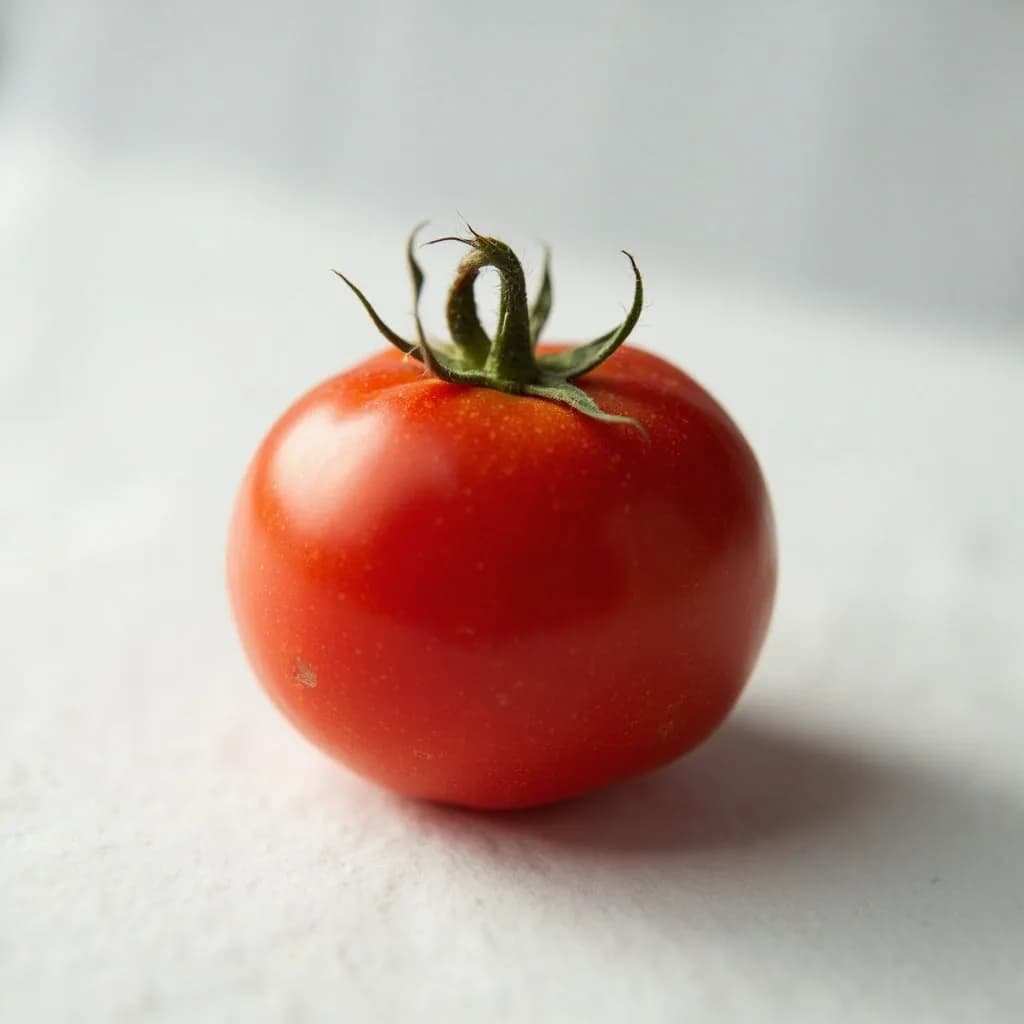
Tomato
Juicy, sun-sweet fruit for sauces, salads, and slow-cooked depth
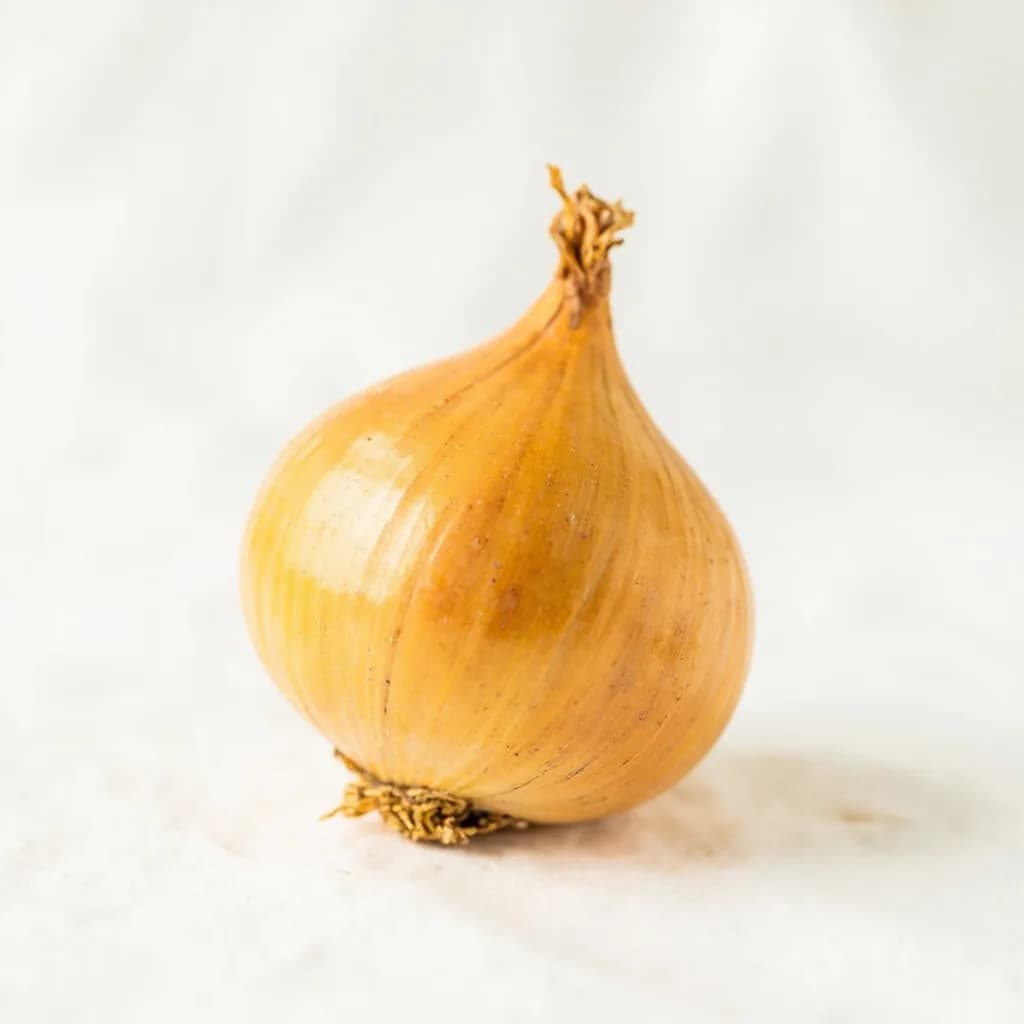
Yellow Onion
The aromatic backbone of soups, sofritos, and braises
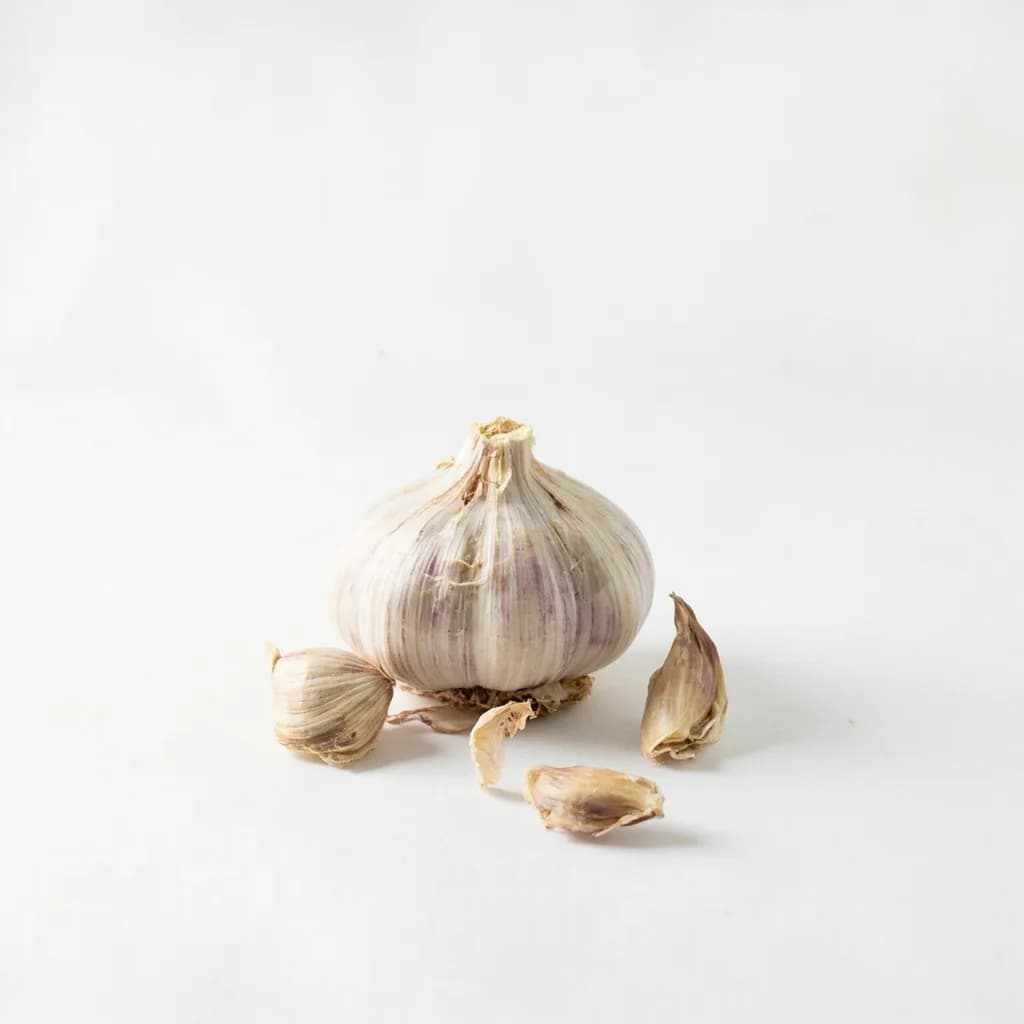
Garlic
Pungent cloves that perfume nearly every savory dish
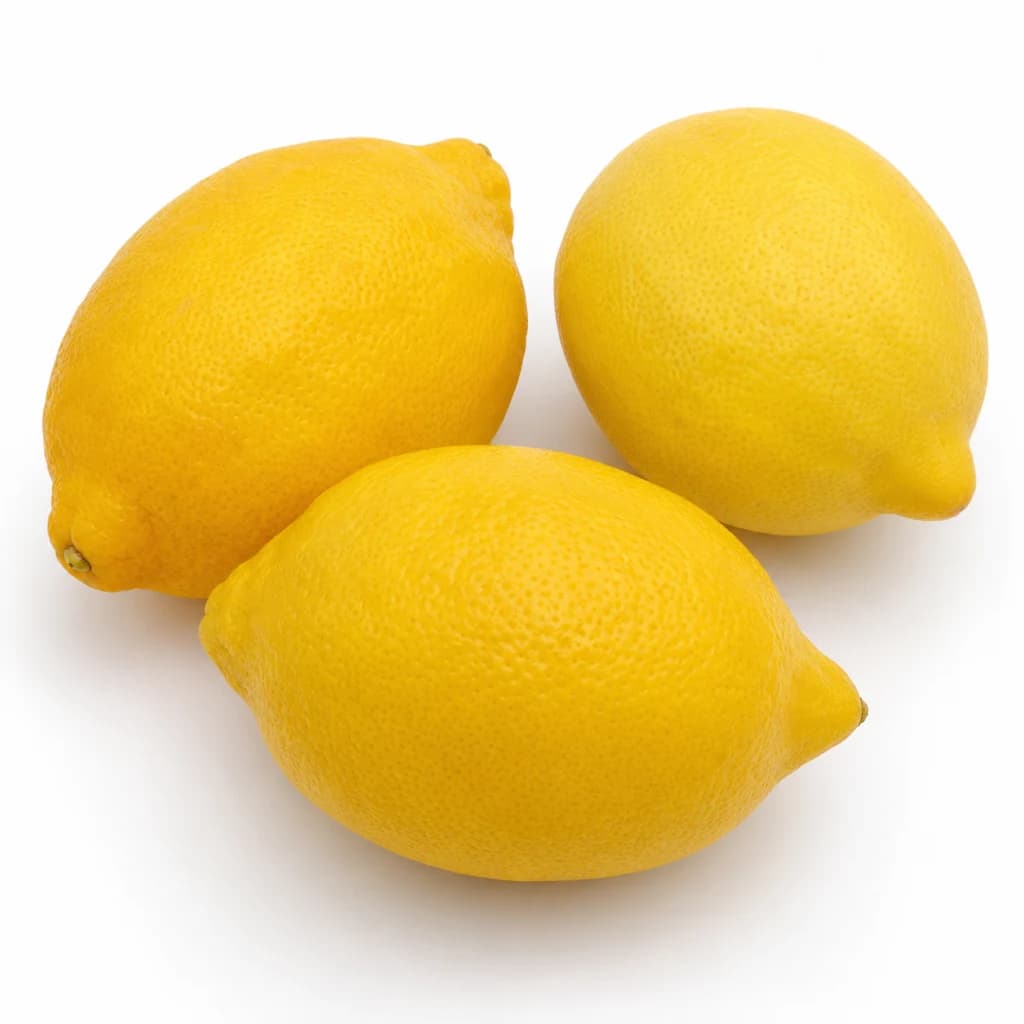
Lemon
Bright, acidic citrus that wakes up almost any dish
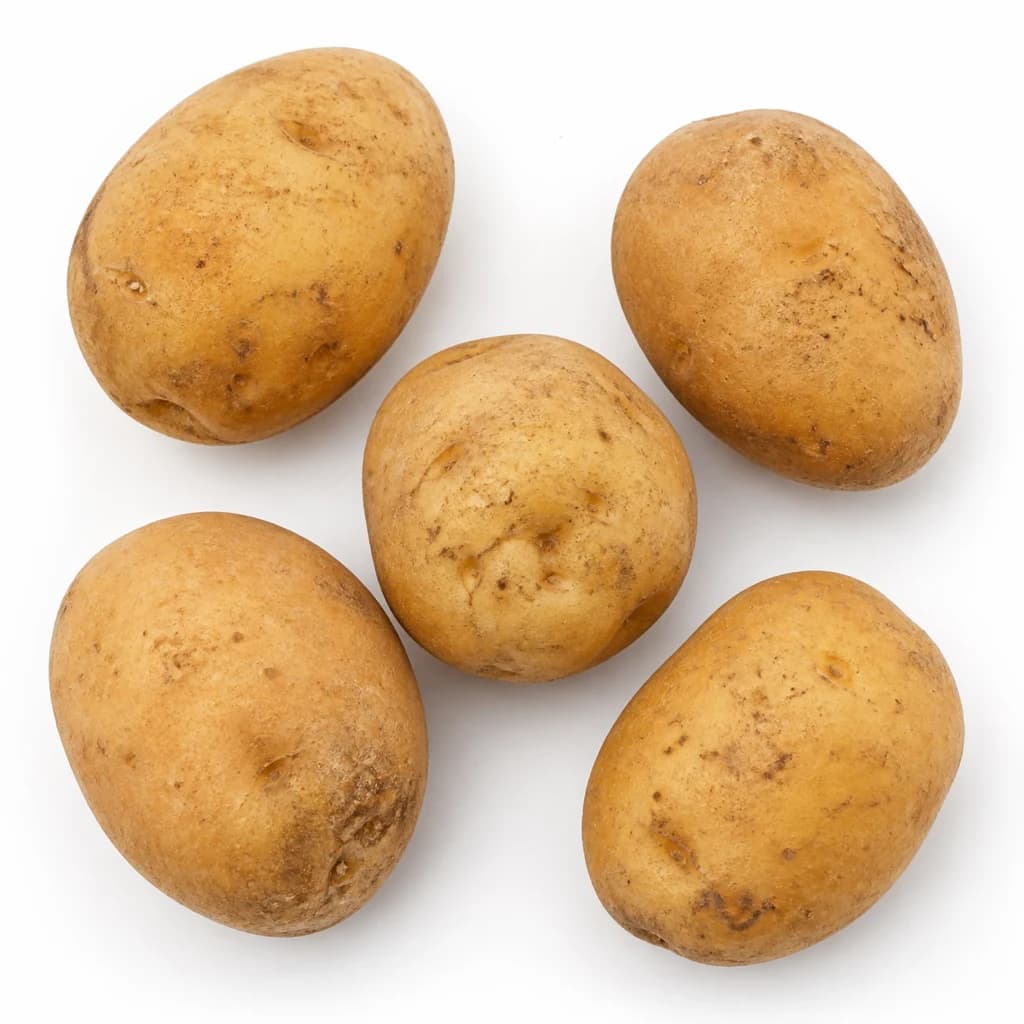
Potato
Humble, hearty staple — roast, mash, fry, or boil
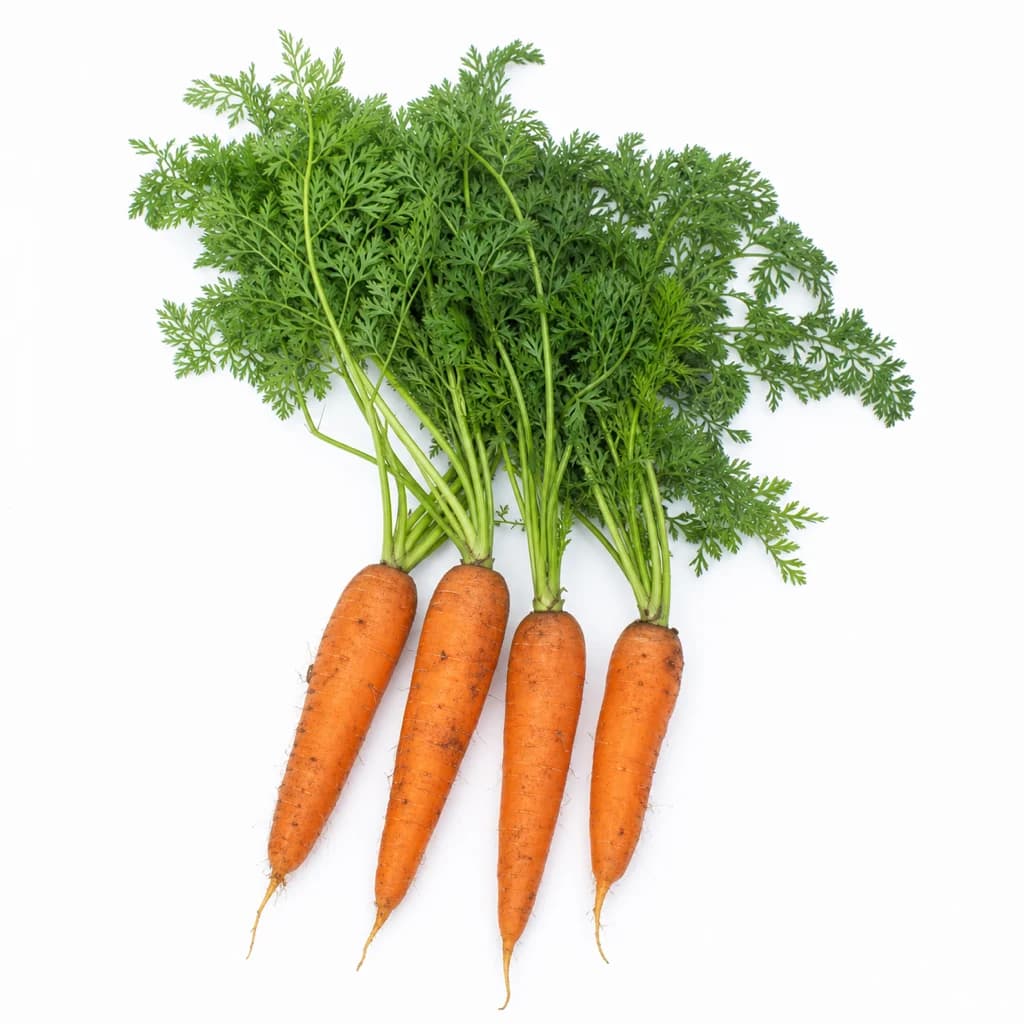
Carrot
Sweet, crunchy root — raw, roasted, or the base of a sofrito
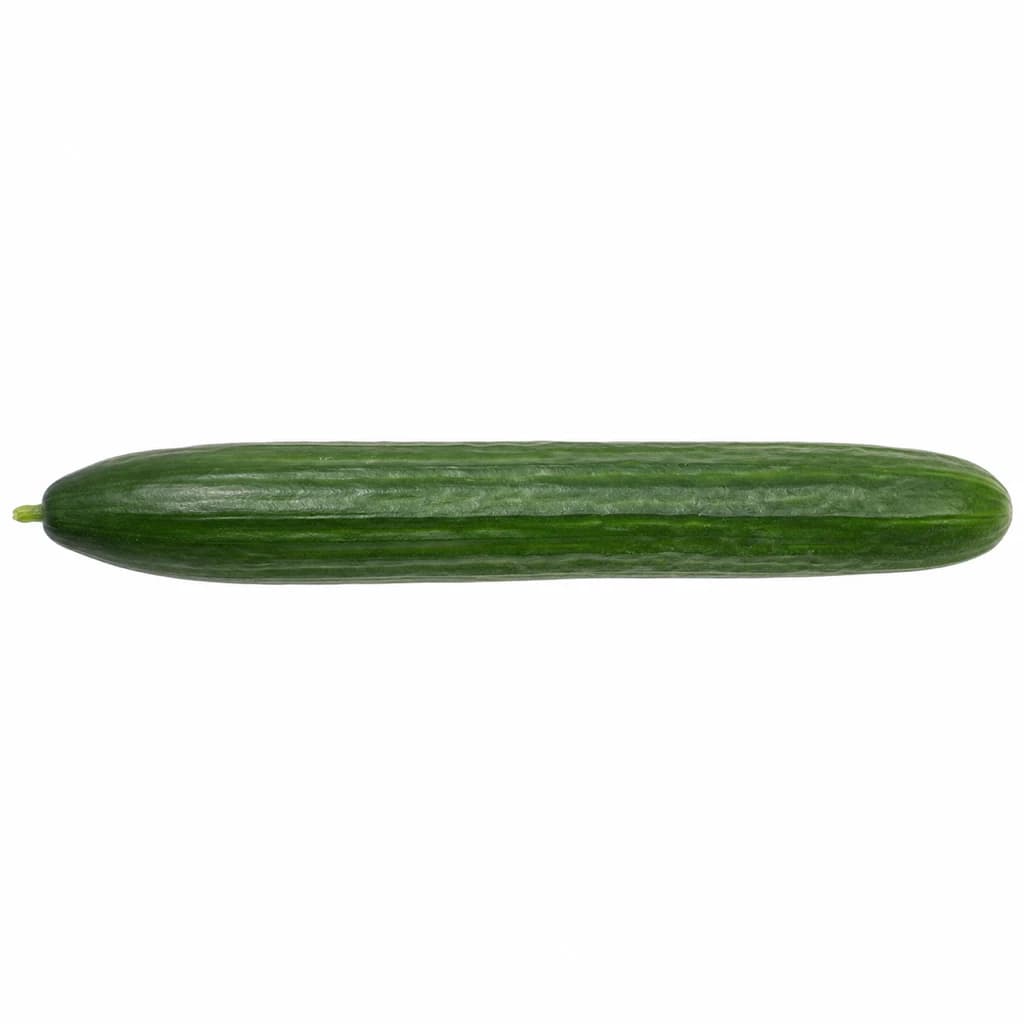
Cucumber
Cool, crisp, and watery — for salads, pickles, and tzatziki

Lettuce
Crisp leaves for salads, wraps, and a fresh crunch