Proteins
Crawfish
Small freshwater crustaceans boiled by the pound for Cajun feasts.
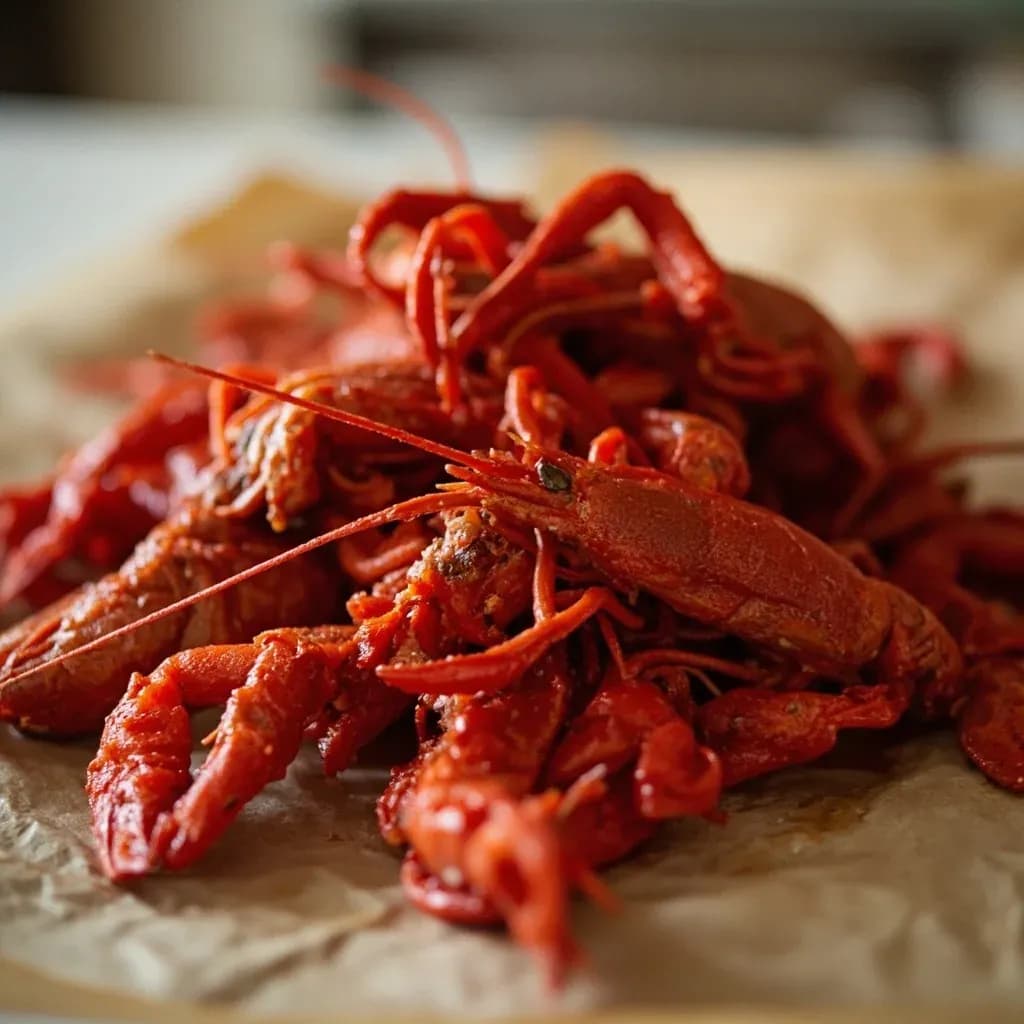
Crawfish are small freshwater crustaceans that look like miniature lobsters, central to Louisiana Cajun cooking. They are most often boiled with spicy seasoning, corn, and potatoes, or their tail meat is folded into étouffée and gumbo. The sweet, tender tail meat is the prize, sucked from the shell at communal crawfish boils.
Crawfish (Procambarus clarkii and Procambarus zonangulus) are small freshwater crustaceans that dominate Gulf Coast and Louisiana cooking. Resembling miniature lobsters at 3–6 inches, they deliver a sweeter, more intensely briny flavor than their larger cousins. What sets crawfish apart is the prized green fat (tomally/hepatic pancreas) inside the body—called 'the fat' by Louisianans—which provides extraordinary richness that no other crustacean matches. The US crawfish industry is almost entirely centered in Louisiana, which produces 100–150 million pounds annually. Crawfish are not crawdads or freshwater mussels; those are entirely different creatures with no culinary overlap. Their delicate texture makes them quick to cook but also quick to overcook, and they demand the assertive seasoning and brief cooking times that characterize authentic Louisiana preparation.
- Measured in
- g
- Storage
- Fridge
Allergens
Types & varieties
Dominant commercial species; deep red color, bold flavor, firm texture. Preferred for boils and tail products.
Lighter coloring, milder flavor, softer shell. Favored by some chefs for cleaner taste.
Naturally occurring color morph; found throughout Gulf states. Flavor identical to red swamp.
Larger cousin (up to 2 lbs); marketed as 'red claw.' Mild flavor, less firm than true crawfish.
Various Procambarus and Pacifastacus species from West Coast and Pacific Northwest. Smaller; commonly boiled regionally but not widely commercialized.
Australian term for smaller crayfish species; similar to crawfish in culinary use.
Buying and Handling Live Crawfish
Live crawfish should be active and responsive when purchased. Discard any dead crawfish immediately—dead ones spoil rapidly and can become toxic. Do not store them in standing water; they will drown. Keep them cool and damp in newspaper or wet burlap sacks. Cook or freeze within 1–2 days of purchase. For tail-only products, look for flash-frozen raw tails for étouffée and frying; frozen cooked tails turn mushy and are unsuitable for boiling.
- Purchase 2–3 lbs live crawfish per person for a main course boil
- Ask for Jumbo or Colossal grade tails for fried and pie applications
- Insist on Gulf Coast or Louisiana product when possible—Chinese crawfish have inferior flavor from different growing conditions
Common uses
Tips & pitfalls
- Purging: Soak live crawfish 20–30 minutes in salted water (1/3 cup salt per 10 lbs) to expel mud and sand from their digestive tracts before boiling.
- Seasoning: Use a heavy hand with Louisiana-style boil seasoning (Cajun spice, bay leaves, lemons, garlic, and usually cayenne); crawfish need assertive seasoning.
- Don't overcook: 3–5 minutes after the boil returns to a rolling boil is sufficient. Overcooked crawfish become mushy and mealy.
- Ice the pot: Add a bag of ice to the boiling water after adding crawfish to stop cooking quickly and prevent overcooking.
- Serve immediately: Crawfish deteriorate quickly after boiling. Eat within 30–60 minutes of cooking.
- The fat is not dangerous: Despite outdated warnings, the green crawfish fat (tomally) is safe and desirable—only the black vein (intestine) should be removed. Squeeze it onto your fingers and lick it; it's the crawfish's richest, most flavorful part.
- Frozen tail quality: Flash-frozen raw tails are acceptable for étouffée and fried applications; avoid frozen cooked tails for boiled applications—they turn mushy.
- Size matters in pies: Larger crawfish tails (Jumbo/Colossal grade) hold up better in fried and pie applications than small tails.
Nutrition
Energy
322 kJ · per 100 g
Where the calories come from
Protein
16g
32% DV
Carbs
0g
0% DV
Fat
1g
1% DV
Fiber
0g
0% DV
Sugars
0g
of which
Sodium
58mg
3% DV
Source · USDA FoodData Central · approx. Crustaceans, crayfish, mixed species, wild, raw
View on FDC →In the shops
Matched grocery products
No matched grocery products for Crawfish yet.
Good to know
- Scientific Name
- Procambarus clarkii (red swamp crawfish); Procambarus zonangulus (white river crawfish)
- Origin
- Native to Gulf Coast and Mississippi River basin; Louisiana produces over 90% of US supply
- Peak Season
- March through May (spring is primary harvest; second smaller season in late fall)
- Flavor
- Sweet, briny, delicate; similar to lobster but sweeter; the green fat (hepatic pancreas) is prized for richness
- Typical Size
- 3–6 inches (7.5–15 cm) from claw tip to tail fan
- Edible Yield
- 15–20% tail meat by weight from live crawfish; 1 lb live yields ~3–4 oz cooked tail meat
- Storage
- Keep live in cool, damp burlap or newspaper; do not submerge in water—they drown. Cook or freeze within 1–2 days. Cooked tails keep 3 months frozen.
- Perishability
- High. Discard any dead crawfish before cooking; dead ones spoil rapidly and become toxic.
- Primary Producing States
- Louisiana (~90%), Texas, Mississippi, Alabama, Arkansas
Substitutes
- Shrimp — Best substitute; similar sweet-briny flavor. Use 1:1 by weight; adjust cooking time (shrimp cook faster).
- Lobster Tail — Firmer texture and more pronounced lobster flavor; cut into smaller pieces to approximate crawfish size.
- Crab Meat (Dungeness or Blue) — Similar sweetness; flakier texture. Good in bisque and pasta; less ideal for boils or frying.
- Langoustines — Excellent substitute when available; similar texture and flavor but larger (cut to size).
- Bay Scallops — Acceptable in a pinch for étouffée or bisque; less texture, milder flavor.
- Imitation Crawfish — Usually pollock or whiting processed to resemble crawfish. Acceptable for appearance only; flavor and texture are inferior.
Pairs with
Also called
Crawdads · Crayfish · Mudbugs
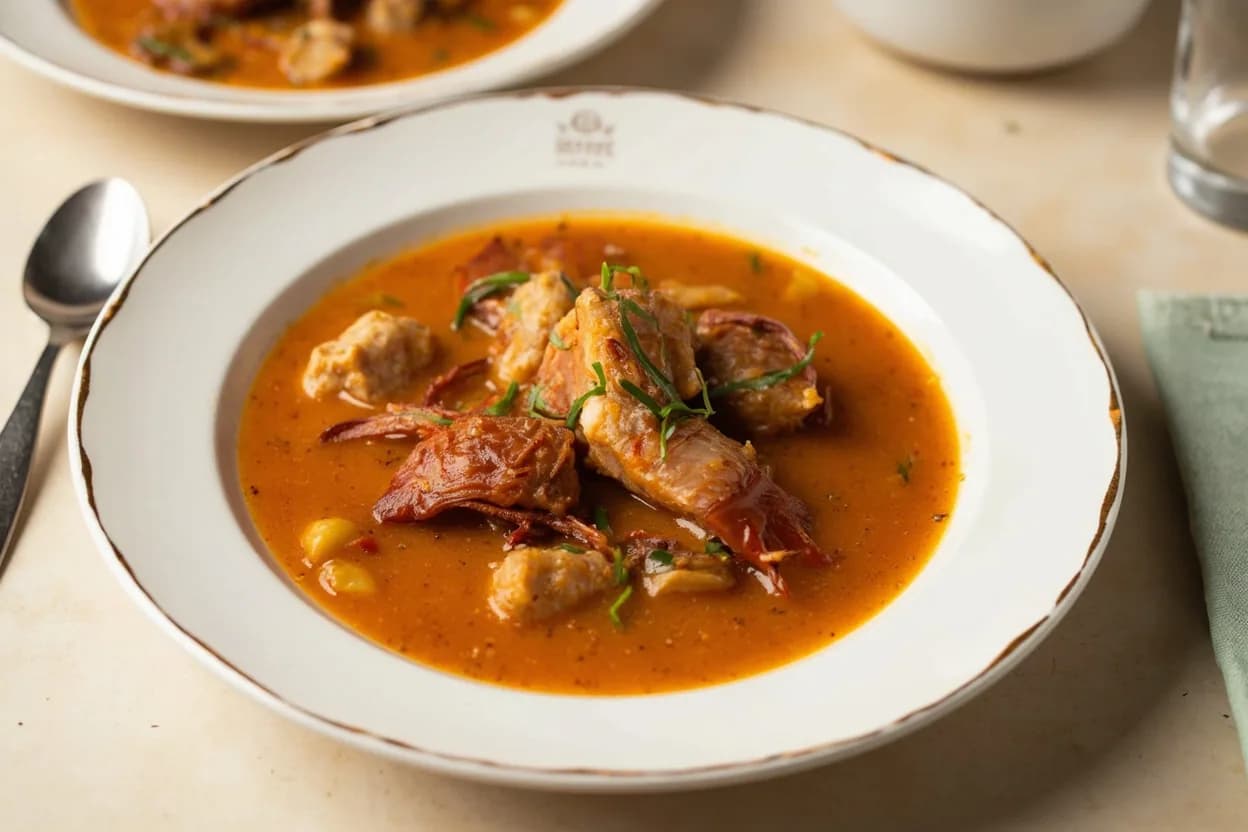
Appears in these dishes
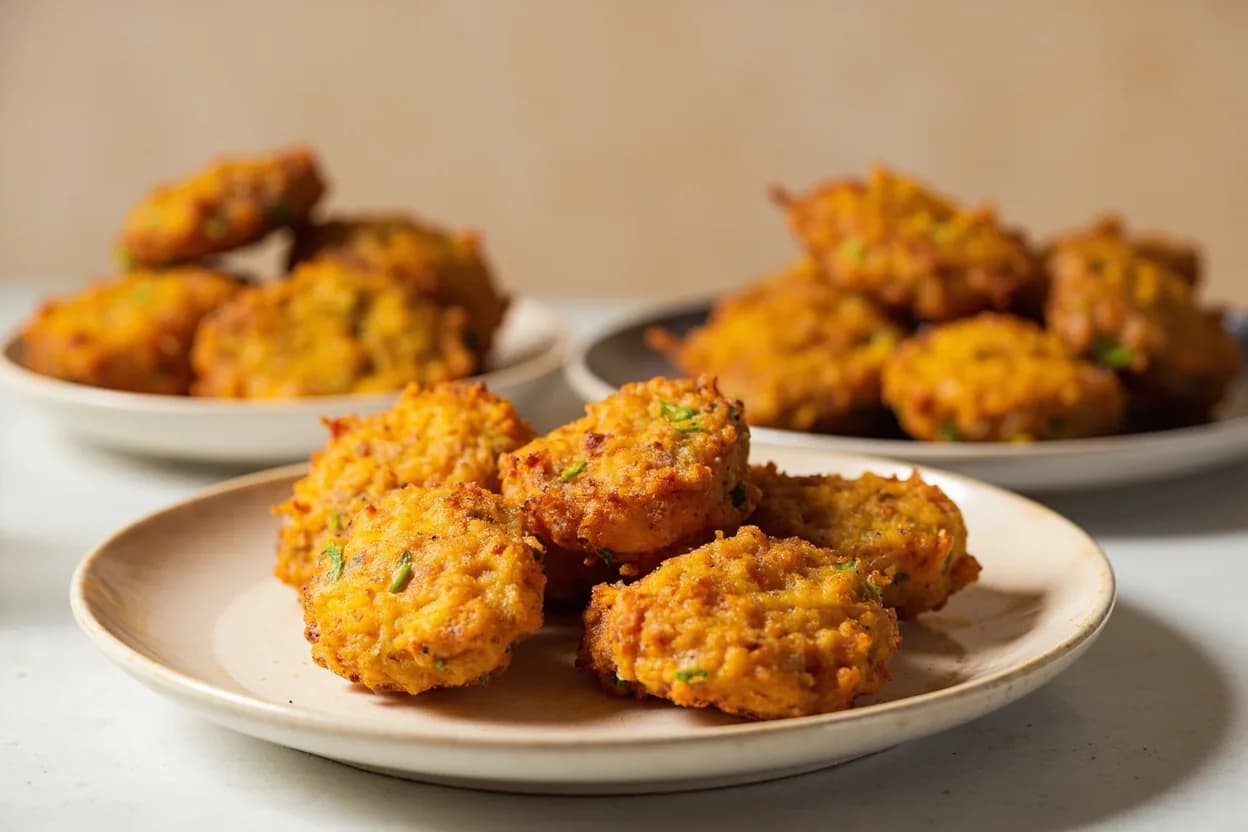
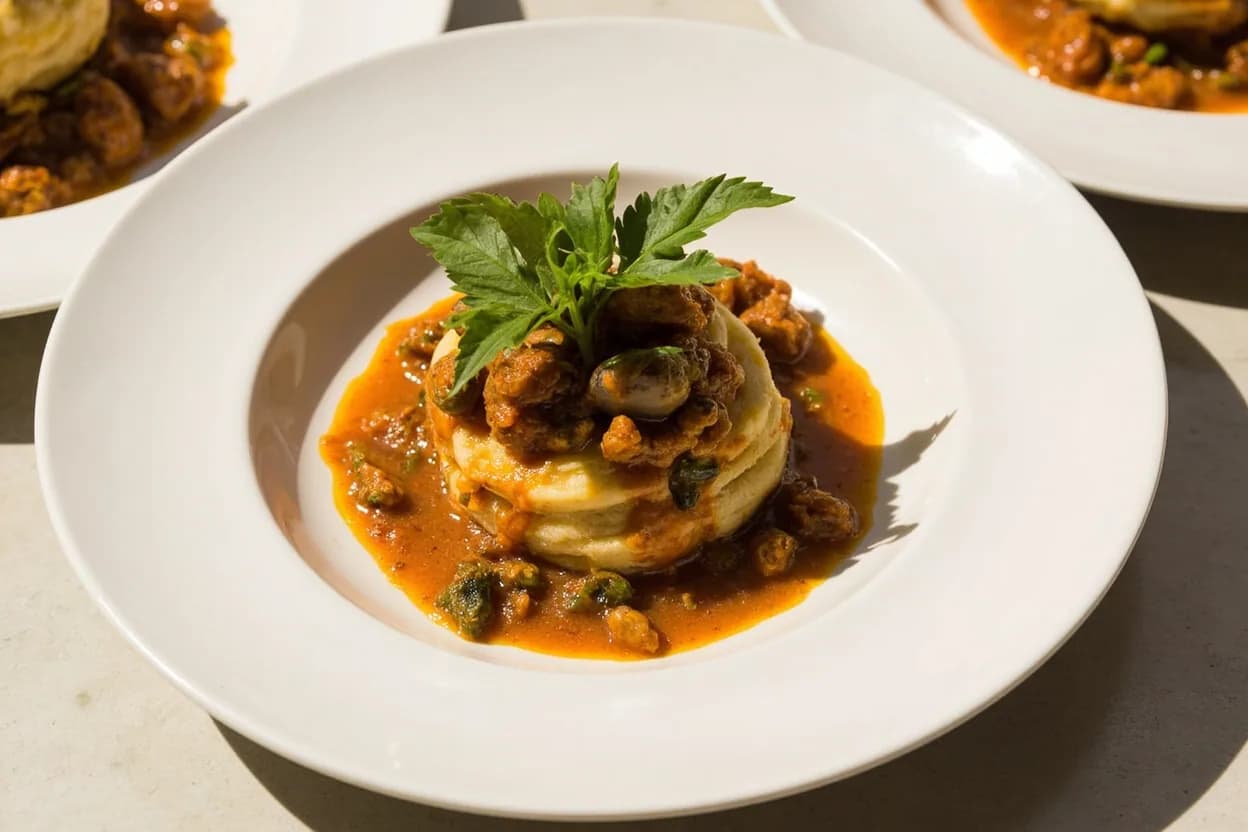
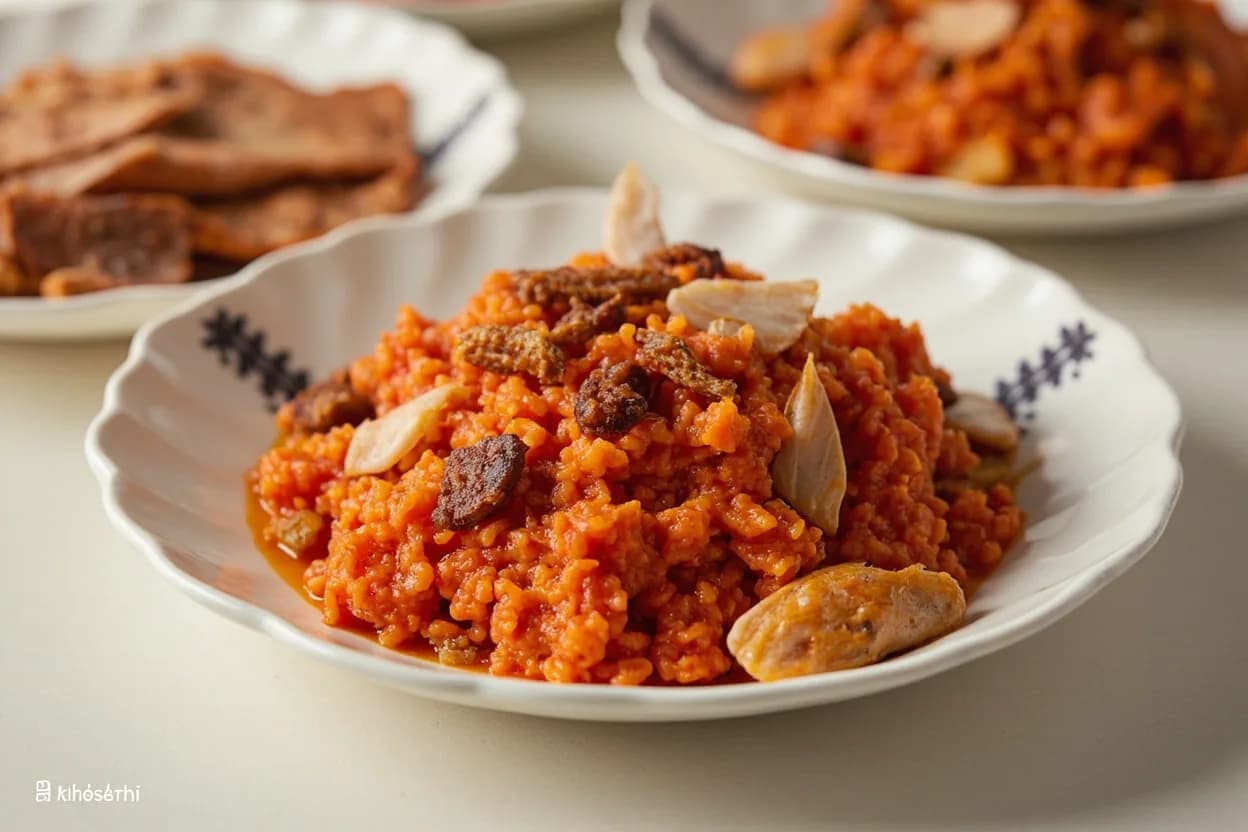
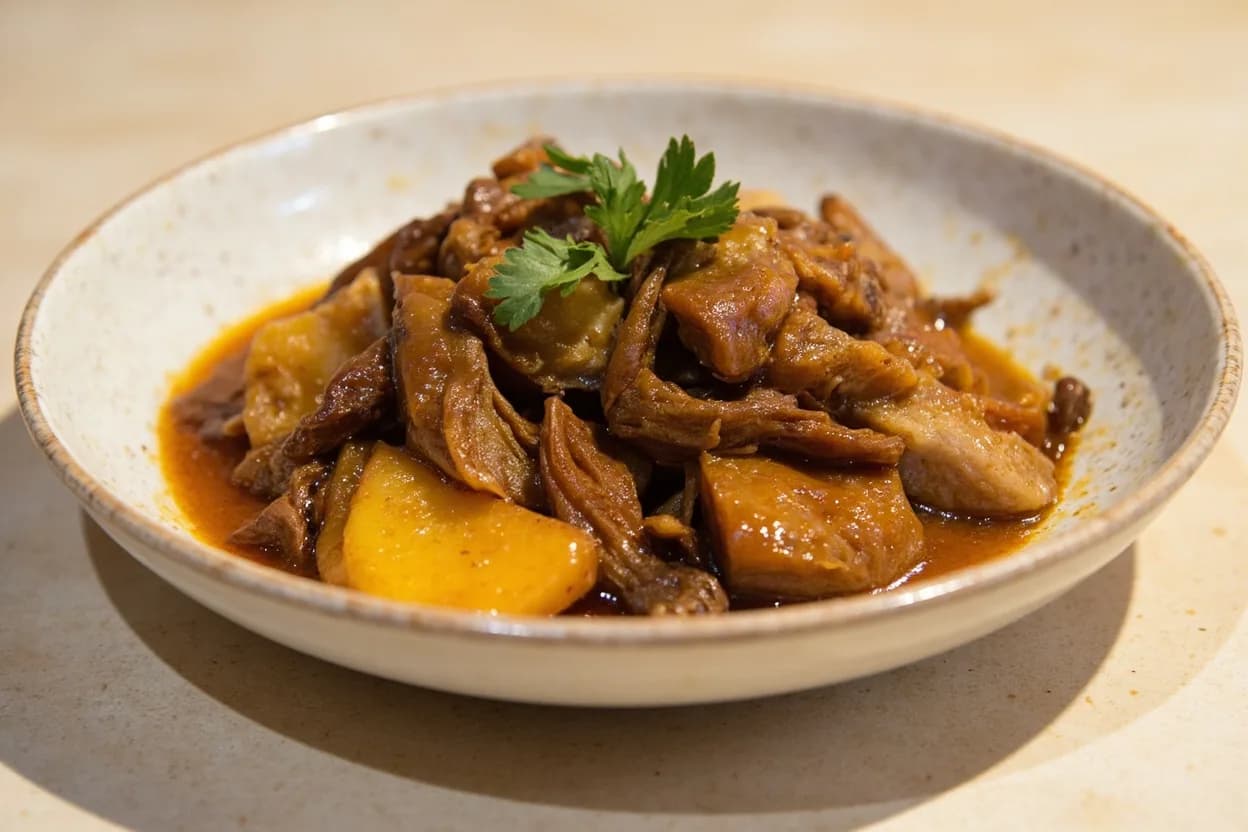
Related
Egg
The kitchen's everything ingredient — bind, leaven, enrich, or fry
Chicken Breast
Lean, quick-cooking white meat for everyday dinners

Ground Beef
Versatile minced beef for burgers, ragù, tacos, and meatballs
Pork Loin
Lean, tender roasting cut that stays juicy with care
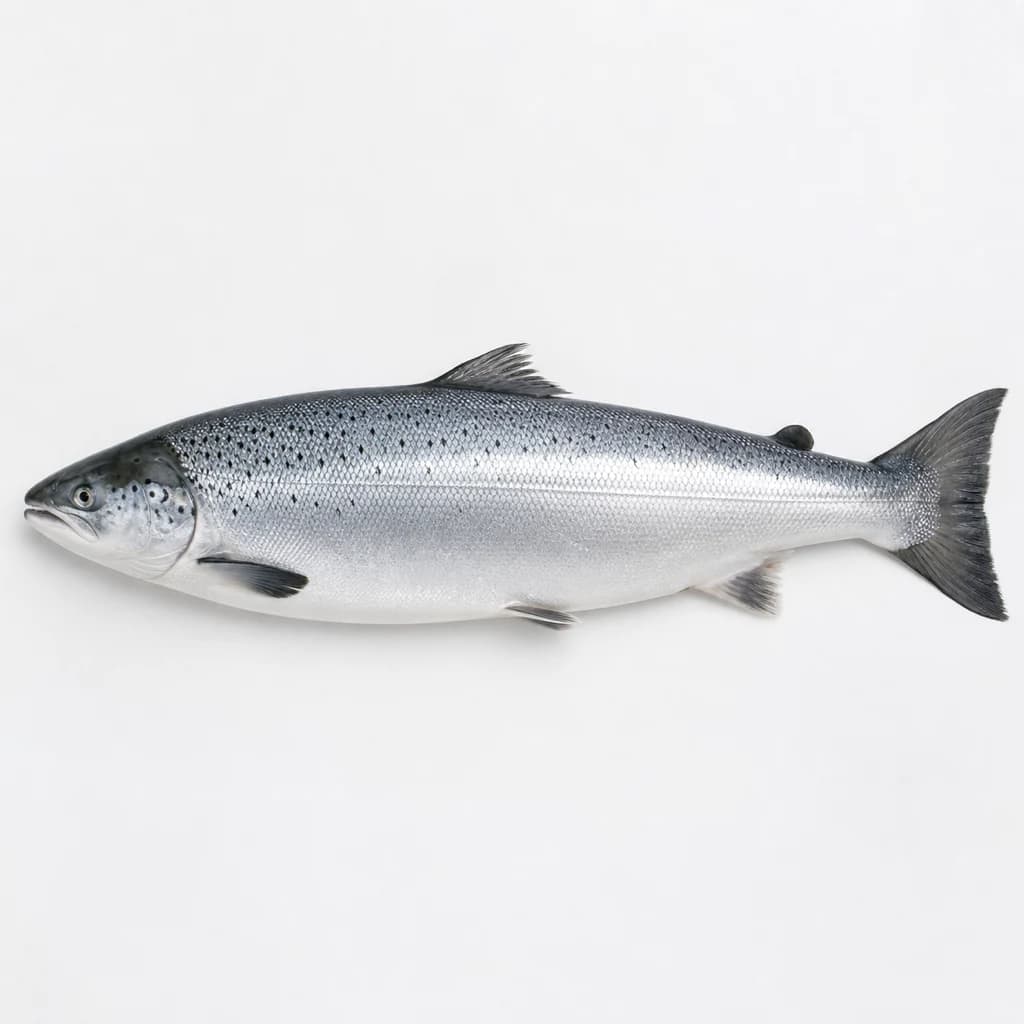
Salmon
Rich, rosy fish that roasts, grills, or cures beautifully

Egg White
Pure protein that whips to airy peaks for meringue and more
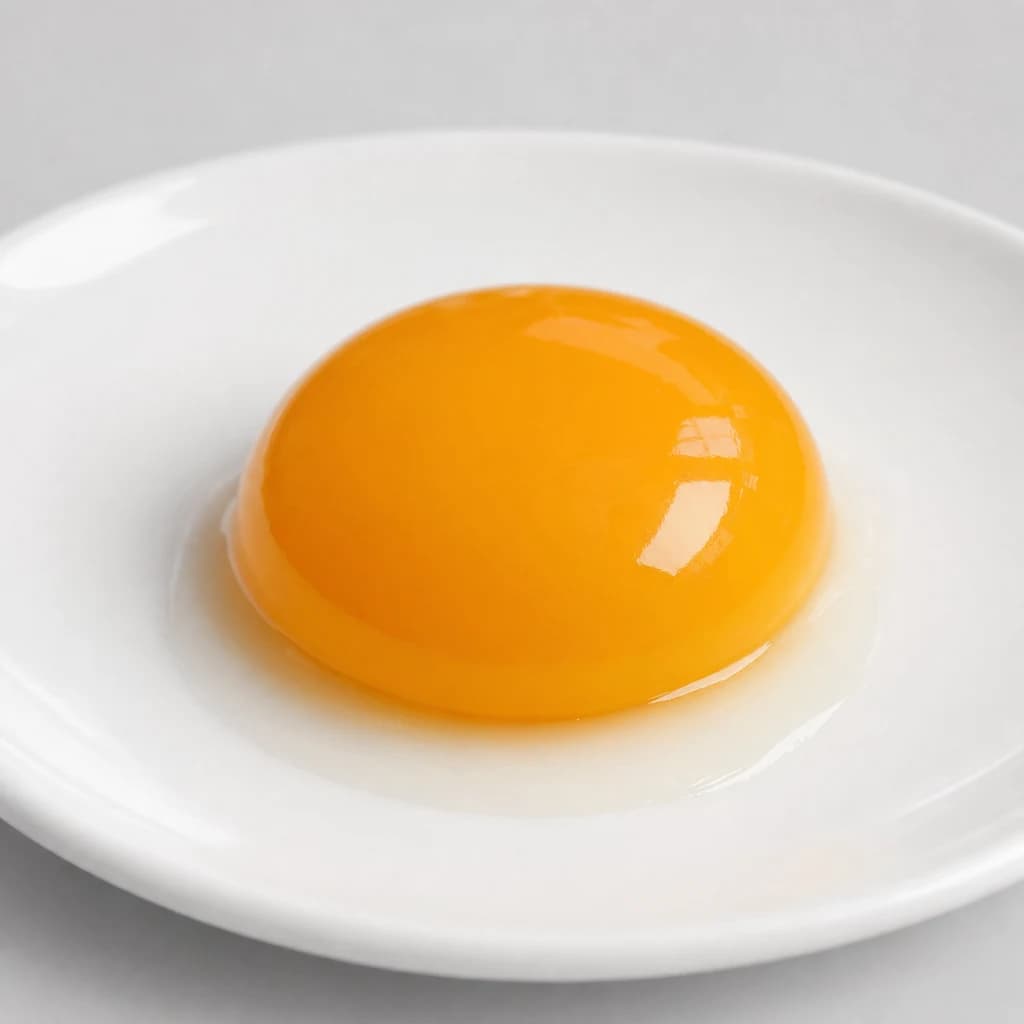
Egg Yolk
Rich, golden yolk for custards, mayonnaise, and pasta

Quail Egg
Tiny, speckled eggs for garnishing and elegant bites