Proteins
Lobster Tail
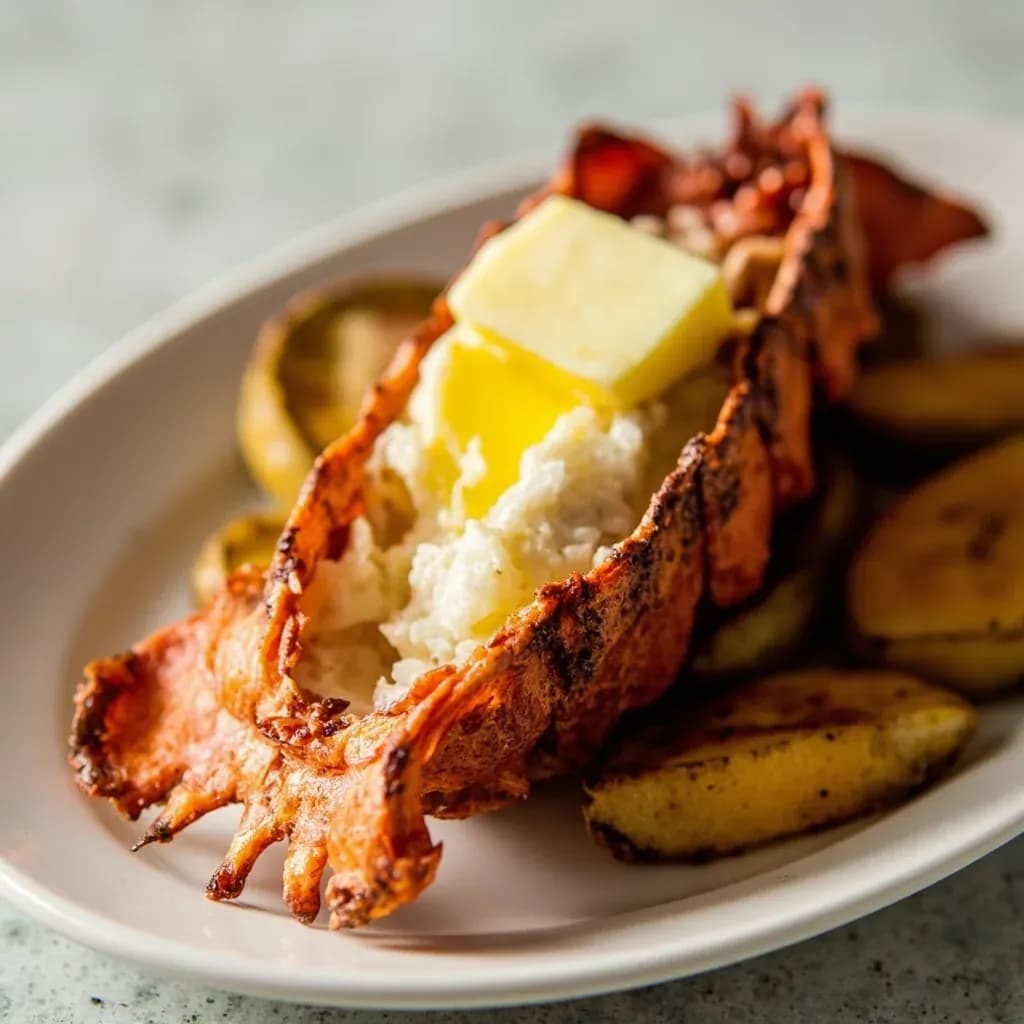
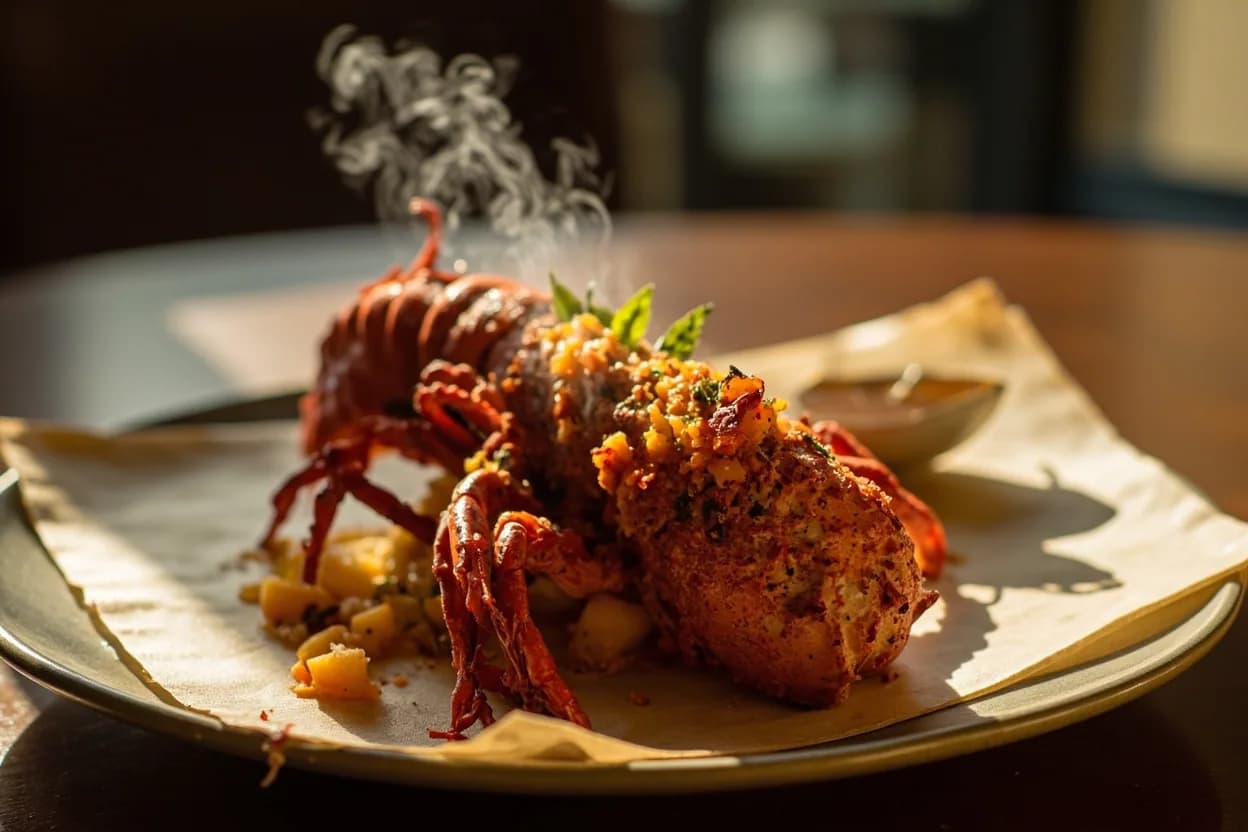
The meaty tail section of lobster, grilled, broiled or poached for an elegant centerpiece.
Lobster tail is the prized muscular tail of the lobster, full of sweet, firm white meat. It is commonly split and broiled, grilled with butter, or poached, and served as a luxurious main or surf-and-turf pairing. The shell is often butterflied to expose the meat for even cooking.
Lobster tail refers specifically to the tail section of the lobster, which contains the largest single portion of edible meat on the animal. Unlike clawed lobsters (Homarus genus), spiny lobsters lack large claws and all their marketable meat is in the tail. The shell of the lobster tail is thinner and more flexible than the claws, making it particularly suitable for splitting lengthwise and cooking with the meat exposed—a technique that allows even heat distribution and attractive presentation. Commercially, the majority of lobster tails sold at retail are frozen immediately after harvest, which preserves quality from remote fishing grounds and is no indication of inferior product.
The tail's flavor is sweeter and more delicate than claw meat, with a firm yet yielding texture when properly cooked. This subtlety makes the tail versatile for both high-heat quick cooking methods like broiling and grilling, as well as gentler poaching and steaming approaches. The primary quality concern with lobster tail is overcooking—the meat can quickly transition from tender to tough and rubbery. A properly cooked tail should be opaque throughout, bright red, and still yielding to gentle pressure; any translucency indicates the meat needs more time, while stringy, resilient texture signals it has been cooked past its peak. When purchasing fresh tails, look for translucent meat beneath the shell (opaque meat suggests age), a bright red or mottled shell with no cracks, and a clean ocean scent—avoid any ammonia or sour notes, which indicate spoilage.
- Measured in
- piece
- Storage
- Freezer
Allergens
Types & varieties
From clawed lobster; shell is harder, meat is slightly firmer; most common in Northern U.S. and Canada markets
From clawless lobster species; softer shell, slightly sweeter meat; predominant in Florida, Caribbean, and Australia; often labeled Caribbean or Florida lobster tail
Term used interchangeably with spiny lobster; primarily from Australian and New Zealand waters
Majority of retail product is frozen immediately after harvest; quality is excellent if properly stored at 0°F or below; thaw in refrigerator 12–24 hours before cooking
Shell cut lengthwise and meat loosened for easier serving; often pre-scored for grilling and broiling applications; makes for an attractive presentation with meat resting on top of shell
Common uses
Tips & pitfalls
- Always cook lobster tails the same day you plan to serve them for best texture and flavor
- For grilling or broiling: use kitchen shears to cut through the top of the shell lengthwise, then gently lift the meat up and lay it on top—this allows even cooking and an attractive presentation
- Cook by weight: approximately 1 minute per ounce over medium-high heat; a 6-oz tail needs roughly 6 minutes total
- Remove from heat just before it reaches desired doneness—carryover cooking will finish the process
- The meat turns from translucent to opaque and the shell brightens to red when fully cooked; any translucency indicates the tail needs more time
- Never microwave lobster tail; it creates rubbery, unevenly cooked meat with a compromised texture
- For frozen tails, thaw slowly in the refrigerator to preserve texture—never thaw at room temperature, which promotes bacterial growth and textural degradation
- Common mistake: boiling or over-steaming, which dilutes the delicate flavor and causes the meat to stick firmly to the shell
- Use a fish spatula or flexible offset spatula to flip tails on the grill without breaking or dislodging the meat from the shell
- For a butter-poached texture without the mess, bake butter-poached tails at 275°F for 20–25 minutes instead of high-heat methods
Nutrition
Nutrition
No USDA FoodData Central match for Lobster Tail yet. We surface a per-100 g profile once a generic whole-food entry is matched and verified.
In the shops
Matched grocery products
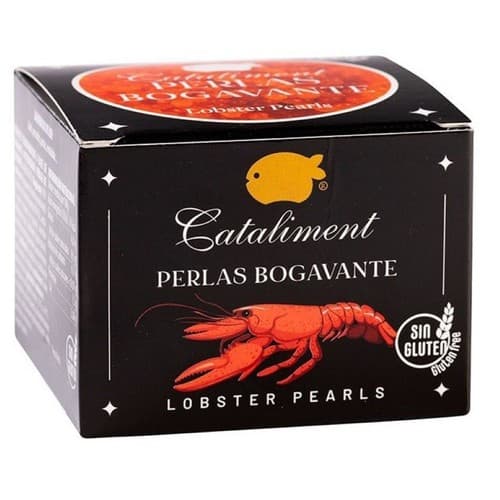 €4.29
€4.29Lobster Pearls
CATALIMENT · kg · Bonpreu
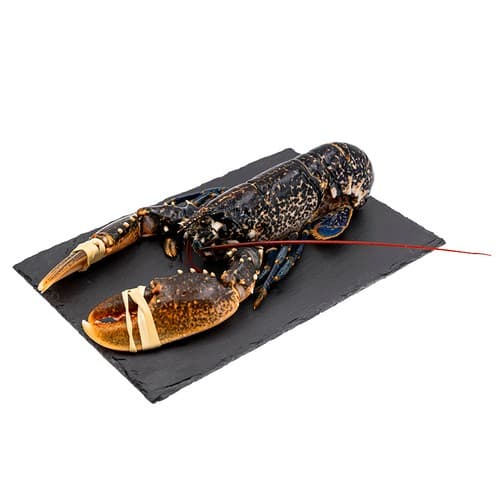 €21.99
Blue Lobster (unit)
Bonpreu
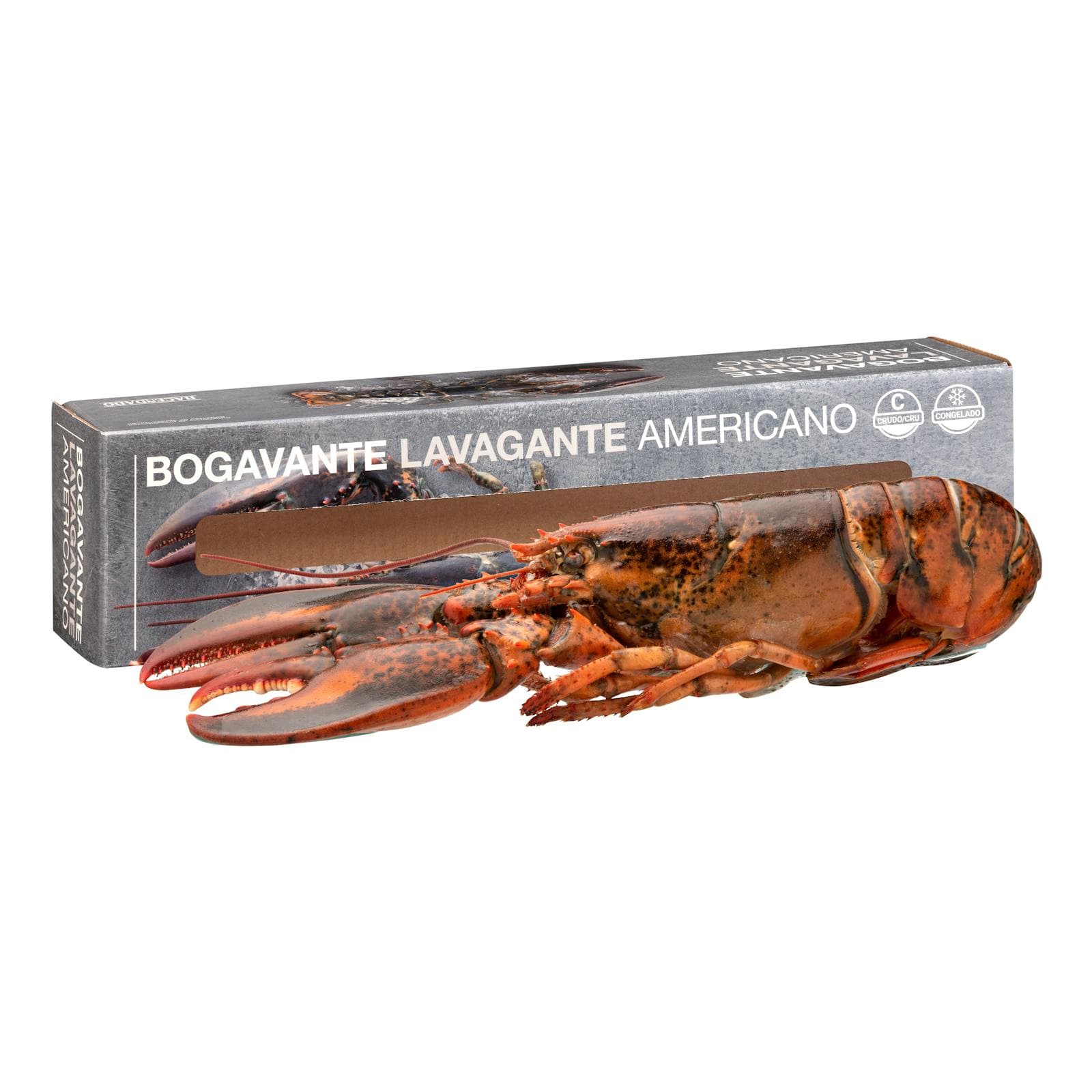 €14.85
Medium Raw American Lobster
Hacendado · kg · Mercadona
Good to know
- Species
- Homarus americanus (American/Maine) and Homarus gammarus (European) for clawed lobsters; Panulirus spp. (spiny lobsters) for Caribbean, Florida, and Australian product
- Source
- Wild-caught and farm-raised; Maine and Canadian Atlantic provinces for clawed lobsters; Florida Keys, Caribbean, and Australia for spiny lobster tails
- Form Available
- Live (whole), fresh (shell-on), frozen (shell-on or shell-off), and precooked; majority of retail product is frozen immediately after harvest
- Typical Weight
- American lobster tails: 4–10 oz each; spiny lobster tails: 6–16 oz each
- Meat Yield
- Approximately 30–35% of tail weight is edible meat; whole lobster yields about 25–30% total meat
- Flavor
- Sweet, briny, and delicate; milder than claw meat; texture is firm yet tender when properly cooked
- Peak Season
- Year-round commercially; peak quality for American lobster is late spring through early fall (May–October)
- Shelf Life
- Live lobsters: 24–48 hours in refrigerator; fresh tails: 1–2 days; frozen tails: 6–9 months at 0°F or below
- Cooking Difficulty
- Moderate; easily overcooked, which causes tough, rubbery texture
- Equipment Needed
- Sharp kitchen shears or heavy knife (for splitting shell), seafood board, grill or broiler
Substitutes
- Large Shrimp (16–20 count) — Most direct substitute; cooks more quickly than lobster; similar texture and briny sweetness; adjust timing accordingly
- Dungeness Crab Sections — Comparable sweetness and elegance; meat is flakier; excellent for cocktail service and appetizer presentations
- Langoustine — Smaller clawed lobster relative; similar flavor profile; excellent in pasta dishes, risottos, and bisques
- Sea Scallops (U-10) — Similar sweet, delicate flavor; cook faster; best when seared over high heat or gently poached
- Crayfish (Crawfish) Tails — Smaller scale but identical flavor compounds; common in Southern and Creole cuisine; excellent when abundant
Pairs with
Appears in these dishes
Related

Egg
The kitchen's everything ingredient — bind, leaven, enrich, or fry

Chicken Breast
Lean, quick-cooking white meat for everyday dinners

Ground Beef
Versatile minced beef for burgers, ragù, tacos, and meatballs

Pork Loin
Lean, tender roasting cut that stays juicy with care

Salmon
Rich, rosy fish that roasts, grills, or cures beautifully

Egg White
Pure protein that whips to airy peaks for meringue and more

Egg Yolk
Rich, golden yolk for custards, mayonnaise, and pasta

Quail Egg
Tiny, speckled eggs for garnishing and elegant bites