Proteins
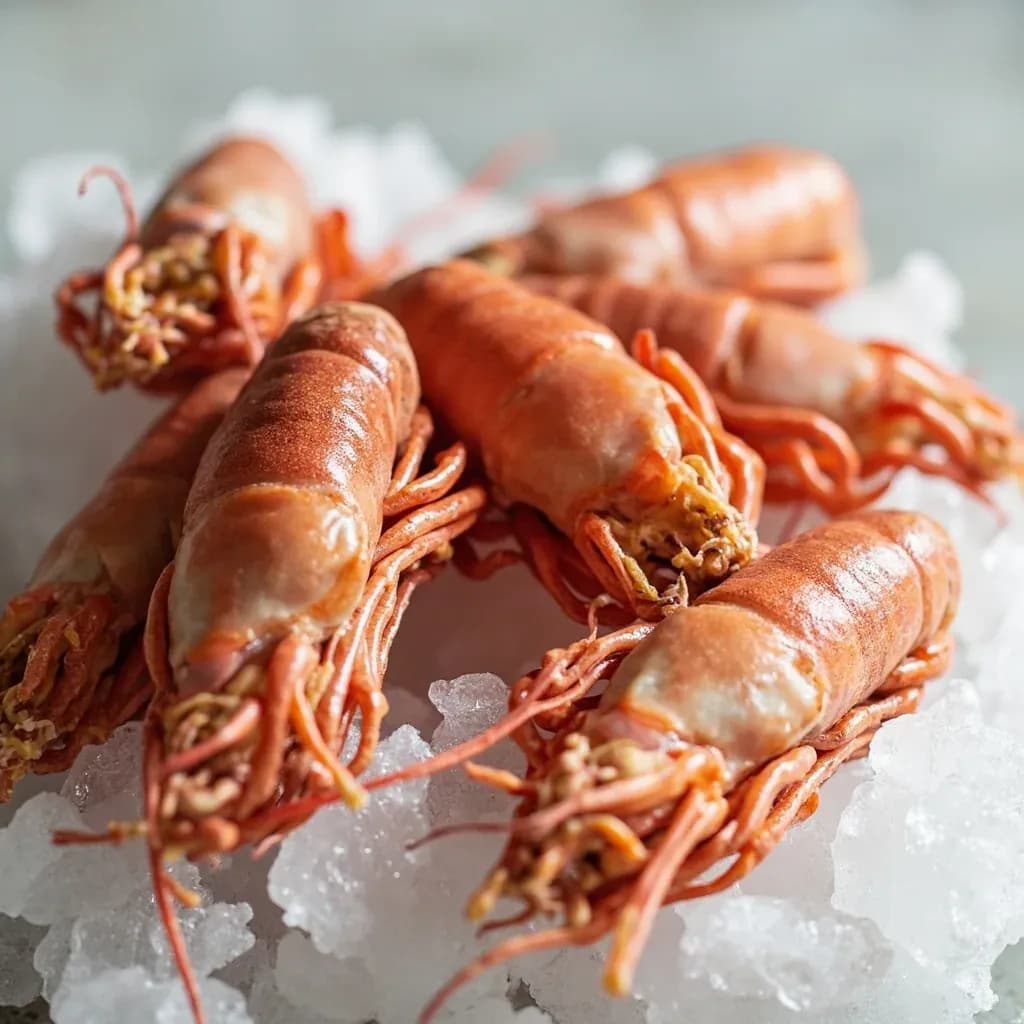
Langoustine
A slender, sweet North Atlantic shellfish (scampi) with delicate lobster-like tails, briefly grilled or poached.
Langoustines are small, pink-shelled crustaceans related to lobster, also known as Norway lobster or scampi. Their sweet, tender tail meat is prized in European cooking, quickly grilled, poached, or served raw, and the shells make a fragrant stock. They are best cooked briefly to preserve their delicate, slightly sweet flavor.
Langoustine (Nephrops norvegicus) is a slender, burrowing crustacean native to the cold, muddy bottoms of the North Atlantic Ocean. Despite its common name and appearance, it is neither a true lobster nor a prawn — it occupies its own taxonomic niche, prized in French, Spanish, Italian, and Scandinavian cuisines for a sweet, delicate flavor that sits somewhere between shrimp and lobster, but with a cleaner oceanic finish and less iodine. The tail — the only part typically harvested for the table — yields roughly 30–35% of the animal's total weight, making it a premium, yield-thin ingredient.
Commercially, Scotland and Ireland dominate the premium fresh market, with creel-caught specimens from the Firth of Forth, Fladden Sea, and Celtic Sea considered the finest available. Norwegian fisheries, particularly those in the deep fjords, produce smaller specimens popular in Scandinavian preparations. The vast majority of frozen tails sold globally are flash-boiled at sea, which preserves them but mutes the sweetness compared to truly fresh product. The cooking challenge is precision: langoustine protein is fine-grained and reacts sharply to heat. Even 30 seconds of overcooking turns the meat from tender and yielding to dense and rubbery, and because the tail is small, there is virtually no recovery window once that happens. This is an ingredient that rewards attentive, confident cooking — and punishes distraction.
Langoustine has deep roots in traditional European coastal cooking: it anchors the classic French langoustine risotto, the Catalan suquet, the Italian scampi preparations of the Veneto, and the Dublin Bay prawn dishes of Irish pub culture. In recent decades, it has migrated from regional specialty to fine-dining staple, appearing in tempura, ceviche, bisques, and contemporary composed plates. Its rarity outside Atlantic Europe, combined with the labor of creel fishing and the difficulty of keeping live animals alive, keeps it in the premium tier of shellfish — which means that when you cook it, you owe the ingredient the respect its flavor deserves.
- Measured in
- piece
- Storage
- Fridge
Allergens
Types & varieties
Considered the premium variety; firm texture, pronounced sweetness; primarily from sustainable creel-caught fisheries; independently MSC-certified in several zones.
Quality comparable to Scottish; major commercial fishery in the Celtic Sea and Irish Sea; widely available fresh in the UK and continental Europe.
Smaller average size; highly prized in Scandinavian cuisine; traditionally sold whole and grilled in the shell; managed under total allowable catch limits.
Flash-boiled and frozen immediately after capture; convenient and widely available but noticeably less sweet than fresh; inspect for intact shells and absence of ice crystals.
Sourcing and sustainability
Langoustine from Scottish and Irish fisheries are independently assessed, and several creel fisheries carry MSC certification. Creel-caught langoustines are preferable to trawl-caught ones, which generate significant bycatch. Norwegian stocks are managed under EU and national total allowable catch limits. Avoid product from unassessed fisheries. Reputable suppliers will have biotoxin testing documentation — the EU requires pre-market screening for ASP and DSP toxins. When purchasing live, look for vigorous movement and reject any specimen with an ammonia-like odor, which signals decomposition.
- Creel-caught is preferable to trawl-caught for sustainability and quality.
- Request biotoxin testing documentation from your supplier.
- Live langoustines must show active movement; reject inert specimens.
Understanding yield and waste
A kilogram of live langoustine yields approximately 300–350 g of tail meat — roughly a 30% recovery rate. The head, shell, and legs are discarded in most preparations, so plan quantities accordingly: a 1 kg order yields enough tail meat for two generous main-course portions or four starter portions. Female langoustines sometimes carry coral (the roe, called tomally), which is edible and considered a delicacy in French and Spanish cuisine; preserve it when presenting females for a touch of color and prestige.
- Plan 500 g live weight per main-course portion.
- The coral in female langoustines is edible and worth preserving for presentation.
Common uses
Tips & pitfalls
- Live langoustines spoil rapidly after death — an ammonia or sour odor is a clear discard signal, not a rinse-and-cook situation.
- Never boil tail meat longer than 3 minutes: the flesh firms from translucent to opaque quickly and continues cooking off-heat; remove from heat while it still has a slight translucency at the center.
- Thaw frozen langoustine tails overnight in the refrigerator on a rack set over a tray — not submerged in water and not at room temperature — to prevent the delicate meat from becoming waterlogged.
- Pat freshly thawed or split tails completely dry with paper towels before any dry-heat cooking method (grill, pan-fry, broil) to ensure proper caramelization rather than steaming.
- Court-bouillon for poaching should be savory but restrained — aggressive seasoning will drive flavor into the cooking liquid rather than preserving it in the meat.
- If serving on the half-shell, grill shell-side down first to render the fat and develop flavor before turning.
- Female langoustines carrying coral (tomally) are worth seeking out for presentation dishes; briefly grill or poach and serve the roe alongside the tail for visual and flavor impact.
- For deep-frying as scampi, use a light tempura batter and maintain oil at 180°C (355°F); batter should set immediately on contact to prevent oil penetration and preserve the delicate texture.
Nutrition
Nutrition
No USDA FoodData Central match for Langoustine yet. We surface a per-100 g profile once a generic whole-food entry is matched and verified.
In the shops
Matched grocery products
No matched grocery products for Langoustine yet.
Good to know
- Scientific name
- Nephrops norvegicus
- Also called
- Scampi, Norway lobster, Dublin Bay prawn, langoustino
- Primary origin
- North Atlantic — Scottish waters (Firth of Forth, Fladden Sea), Irish Sea, Celtic Sea, Norwegian fjords
- Peak season
- Late summer through early winter (July–December); available year-round from managed fisheries
- Flavor profile
- Sweet, briny, clean oceanic finish; more delicate than lobster, less iodic than shrimp
- Typical size
- 15–25 cm (6–10 inches) length; tail yields approximately 30–35% of total weight
- Shelf life
- Live: 1–2 days refrigerated on damp newspaper. Cooked tails: freeze up to 3 months
- Difficulty
- Medium — overcooking by even 30 seconds yields rubbery, dense texture
Substitutes
- Prawns or large shrimp — Best used fresh; cooking behavior is similar but flavor is sweeter and less complex; swap 1:1 by weight.
- Baby lobster tails — Closest texture to langoustine; slightly more briny; score shells before cooking to prevent curling.
- Crayfish tails — Mild, sweet flavor; widely available frozen; excellent in bisque, pasta, or gratin at a fraction of the cost.
- Monkfish tail — Different texture — firm and dense rather than yielding — but holds sweetness well; not a direct substitute for presentations.
Pairs with
Also called
Norway Lobster · Scampi · Dublin Bay Prawn
Related
Egg
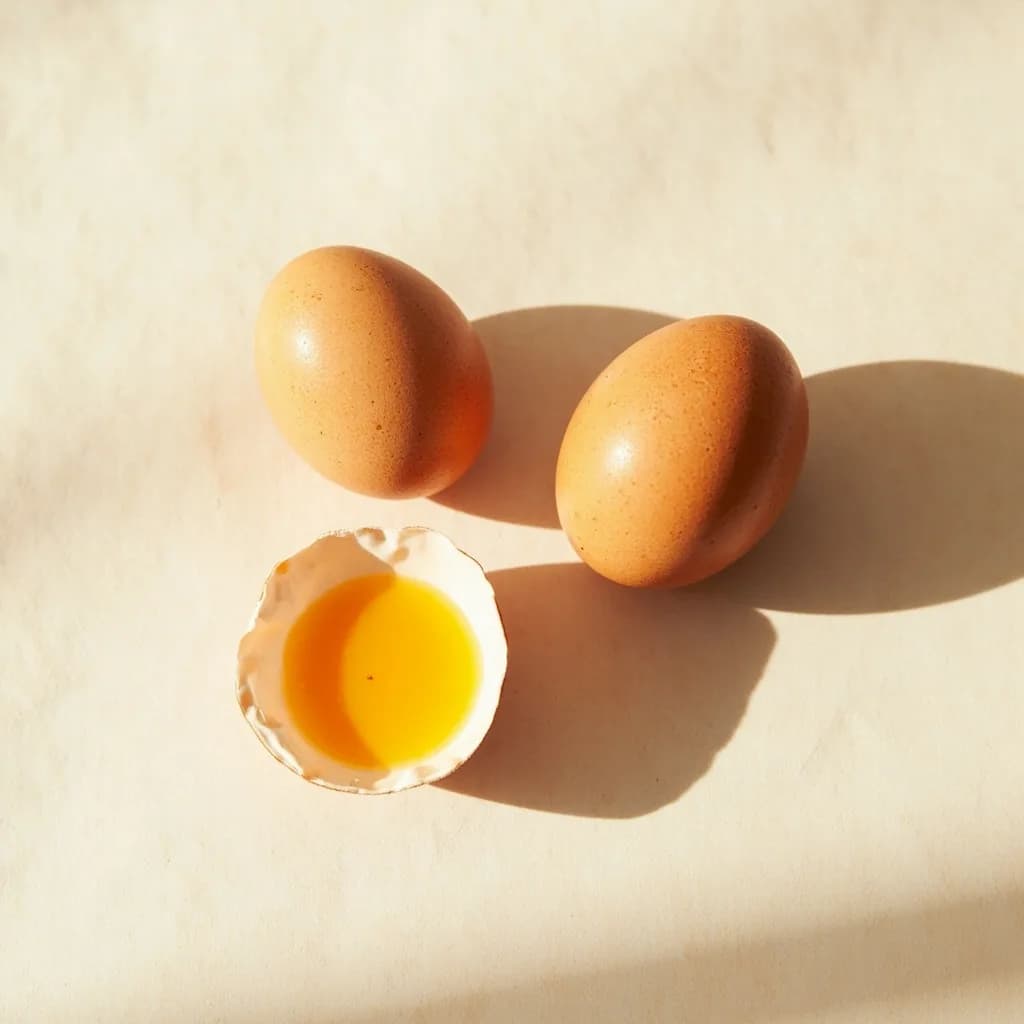
The kitchen's everything ingredient — bind, leaven, enrich, or fry
Chicken Breast
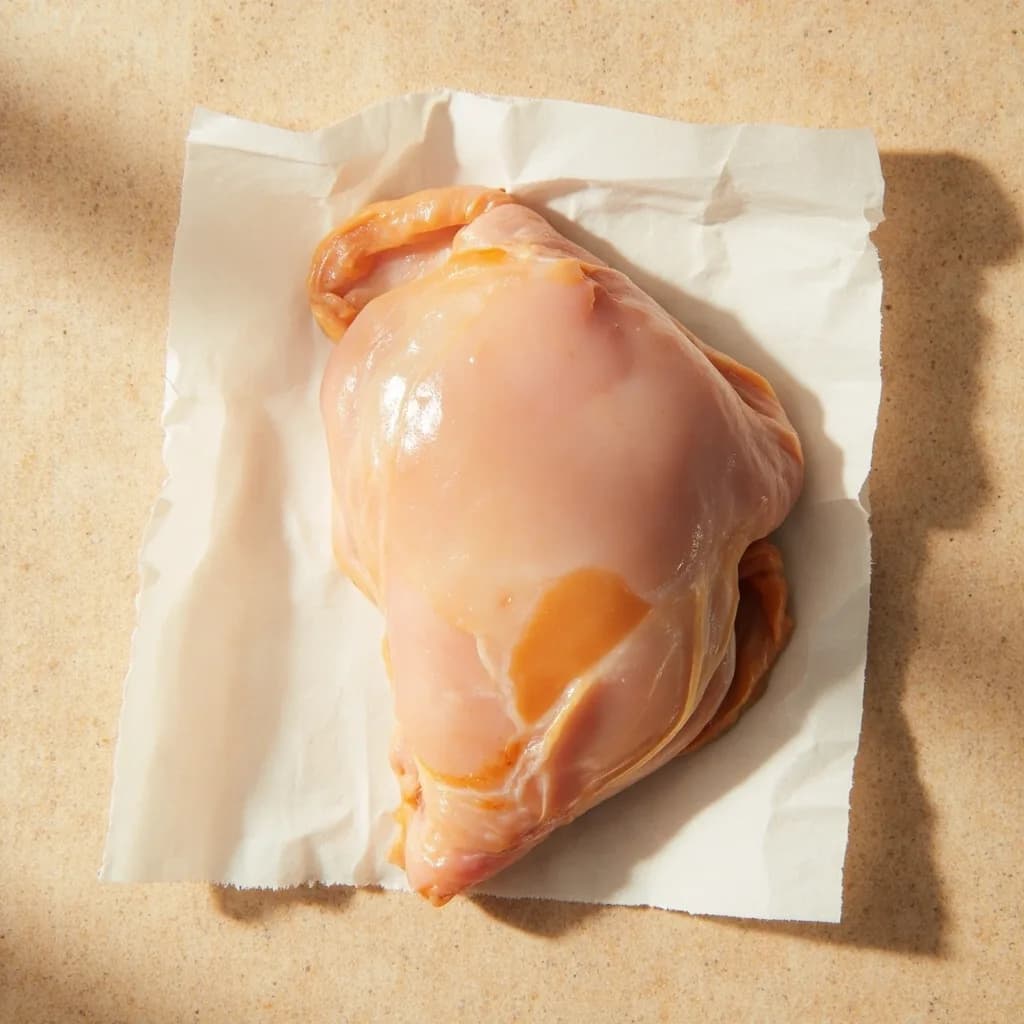
Lean, quick-cooking white meat for everyday dinners

Ground Beef
Versatile minced beef for burgers, ragù, tacos, and meatballs
Pork Loin
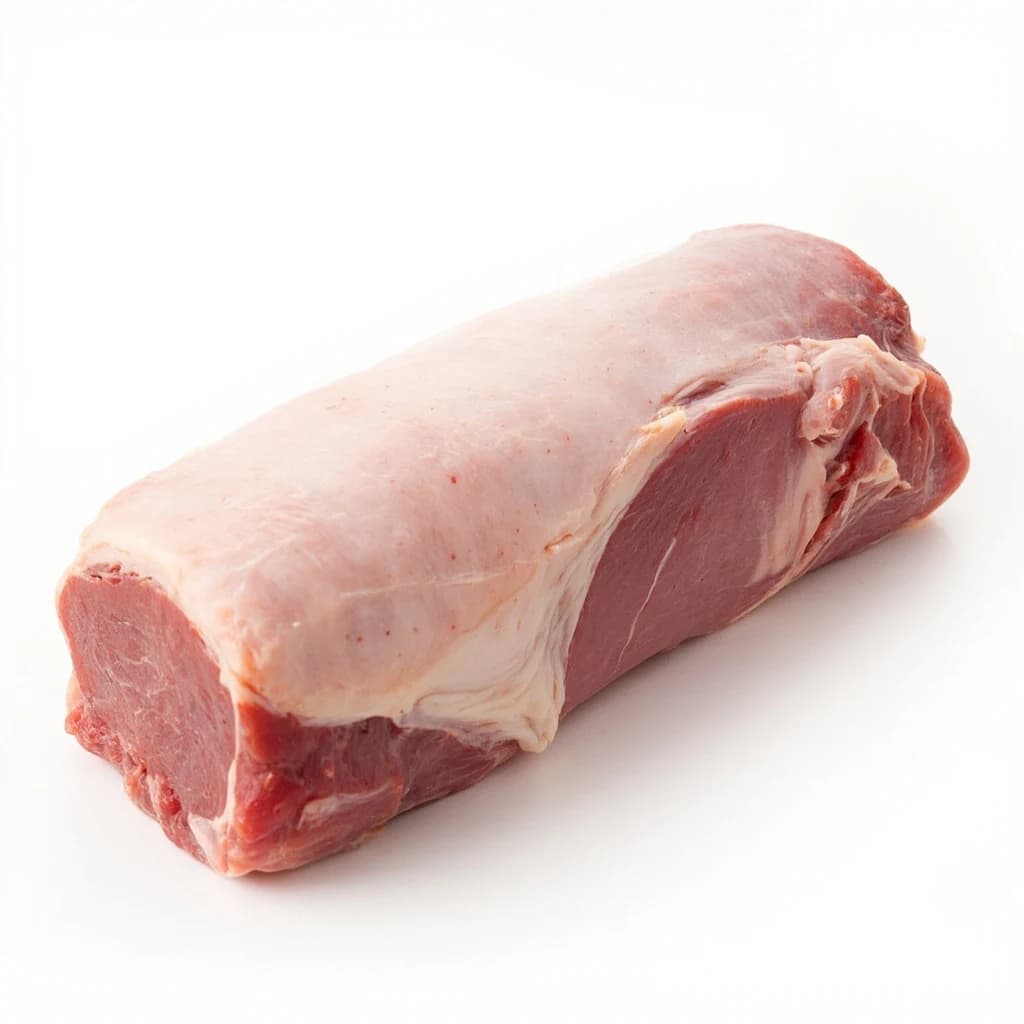
Lean, tender roasting cut that stays juicy with care
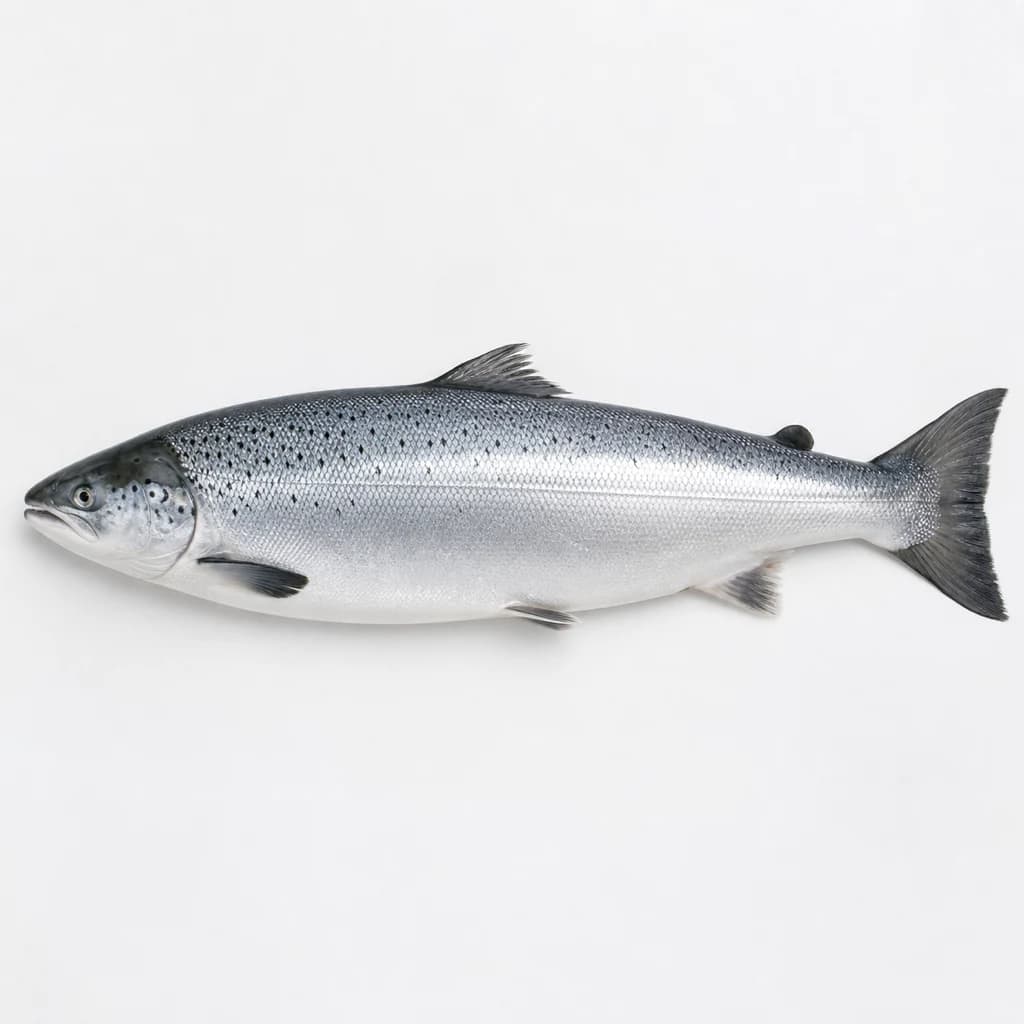
Salmon
Rich, rosy fish that roasts, grills, or cures beautifully

Egg White
Pure protein that whips to airy peaks for meringue and more
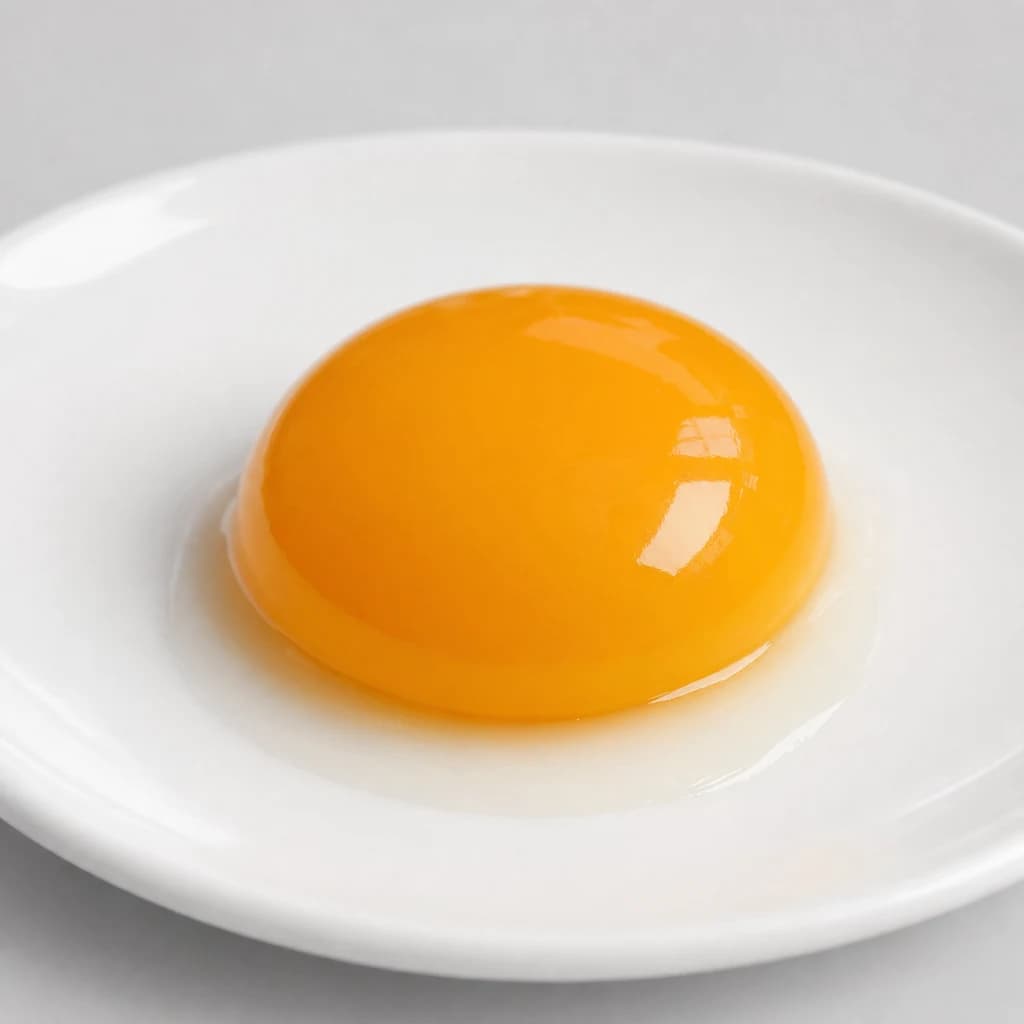
Egg Yolk
Rich, golden yolk for custards, mayonnaise, and pasta

Quail Egg
Tiny, speckled eggs for garnishing and elegant bites