Proteins
Crab Meat
Sweet, flaky picked crab used in cakes, dips, salads, and pastas — sold fresh, pasteurized, or canned.
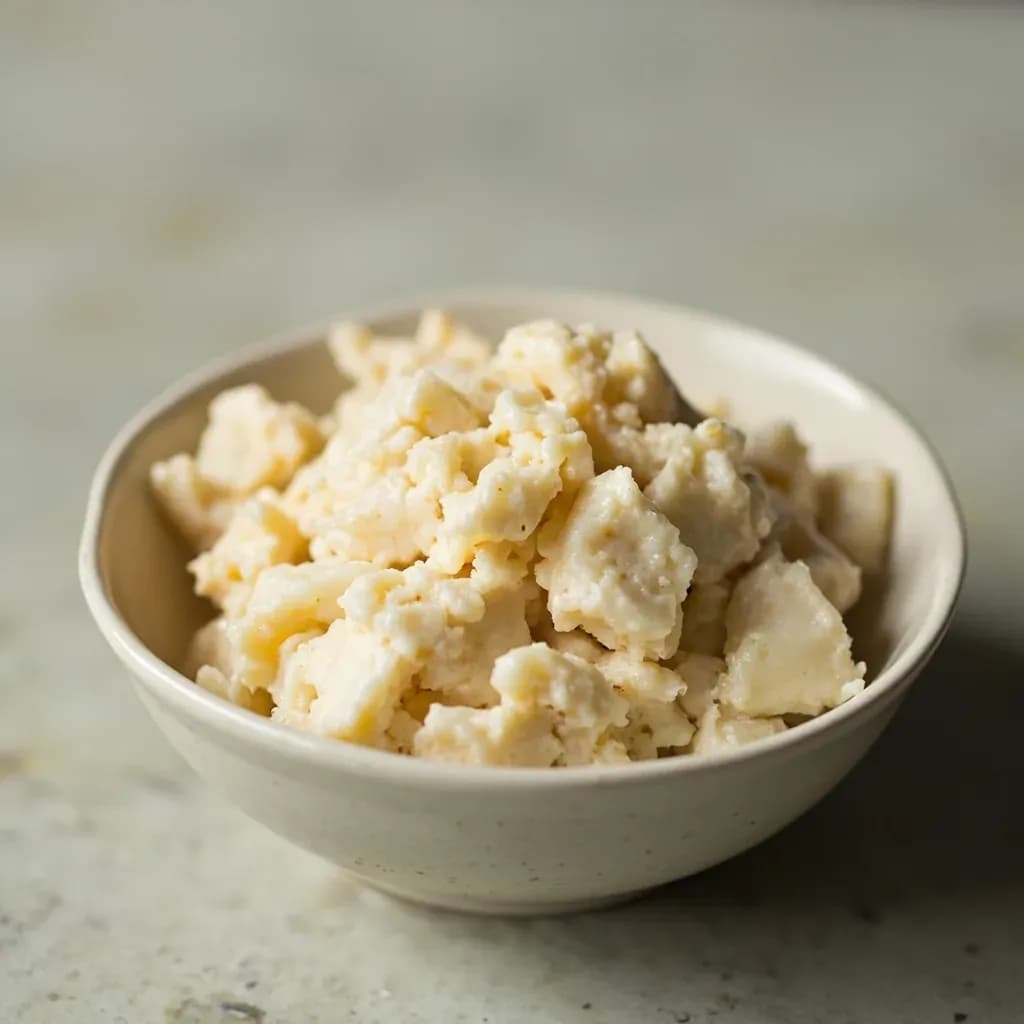
Crab meat is the cooked, picked flesh of crabs, ranging from delicate lump and jumbo lump to flakier claw meat. It is the base for crab cakes, dips, bisques, salads, and pasta, prized for its sweet, briny flavor and tender texture. It is sold fresh, refrigerated and pasteurized, or canned, and needs little cooking since it is pre-cooked.
Crab meat is the cooked flesh of various decapod crustaceans, prized for its sweet, delicate flavor and tender, flaky texture. The sweet taste comes from natural sugars in the muscle tissue, while the briny quality reflects the marine environment in which the animals live. Unlike many proteins that rely on heavy seasoning, quality crab meat needs only minimal treatment—overcooking or excessive seasoning easily overwhelms its subtle character.
Commercially significant species fall into two camps: hard-shell crabs (blue, Dungeness, king, snow) harvested for their picked meat, and specialty items like stone crab claws and soft-shell crabs eaten whole. Hard-shell crabs are almost always cooked immediately after harvest, either by boiling on the fishing vessel or at processing plants. This means the meat you buy is already cooked; your job is simply to heat it gently and treat it kindly. The notable exception is blue crab, which may be sold live for steaming or boiling at home.
The key to working with crab meat is respecting its fragility. Heat causes the proteins to tighten and release liquid, turning tender meat mushy. For this reason, crab is often used in preparations where it's added at the end (pasta, salads) or cooked briefly (crab cakes, quick sautés). The exception is dishes like crab bisque, where the cooking process is deliberate and the liquid becomes part of the sauce rather than a problem to avoid.
- Measured in
- g
- Storage
- Fridge
Allergens
Types & varieties
Chesapeake Bay and Gulf Coast; preferred for crab cakes, dips, and salads; sweet and moist; sold fresh, pasteurized, or frozen
Pacific Northwest; sold mostly cooked; sweeter and flakier than blue; excellent for crab cakes, salads, and pasta
Alaska and Russia; massive legs; sweet, dense, firm; sold mostly pre-cooked and frozen; used for cocktails, presentations, and salads
Canada and Alaska; smaller than king crab; sweet and tender; legs are thin-shelled and easy to crack
Florida and Gulf Coast; claws only are harvested (body returned to water); served cold with mustard sauce; meat is sweet and dense
Blue crab that just molted; eaten whole, shell and all; fried or sautéed; seasonal (spring-summer)
Not real crab; processed pollock with crab flavoring; used in sushi and salads; legally labeled as 'imitation' in the US
Choosing the Right Grade
For dishes where appearance matters—crab cakes, crab cocktails, elegant salads—spend the extra money on lump meat cut from the body. Lump crab has the large, intact flakes that look professional and provide the best texture. Backfin is acceptable in casseroles and dips where the meat gets mixed in anyway. Claw meat has a darker color and firmer, chewier texture; it works well in heavily sauced dishes and dips but falls apart in delicate applications. Special and flake grades are fine for soups, dips, and chowders where the crab is broken up anyway.
Picking Over Fresh Crab Meat
No matter how carefully processed, any picked crab meat may contain small shell fragments. These are not just unpleasant—they can damage teeth. Always pick through crab meat by hand before using it, working through with your fingers or tweezers. A dental pick is actually the ideal tool for this task. Spread the meat thin on a sheet pan under good light and methodically feel for hard fragments. This step takes five minutes and is non-negotiable for any dish.
- Spread crab meat thin on a clean surface under bright light
- Use fingertips and tweezers to feel and remove hard pieces
- A dental pick works well for finding fragments in crevices
- Never skip this step—shell fragments are a serious choking hazard
Common uses
Tips & pitfalls
- Use lump meat for any dish where appearance matters; claw meat is fine for dips and casseroles
- Taste before adding salt—crab is naturally briny and seasonings like Old Bay contain significant sodium
- Refrigerate pasteurized crab gently; squeeze out excess air before resealing to prevent drying
- Fold crab meat gently with a rubber spatula to keep lumps intact; do not overmix cakes
- Cold preparations (salads, dips) benefit from pasteurized crab; heat causes it to weep and become mushy
- If using canned crab, drain thoroughly and pick over; rinse briefly for a milder flavor
- Sauté crab meat in butter for 1–2 minutes maximum—extended heat toughens the flesh
- For crab cakes, chill formed cakes 30 minutes before cooking to help them hold together
- Fresh crab should smell clean and ocean-fresh like seawater; any fishy, ammonia, or sulfur odor indicates spoilage
- Crab pairs well with acidic ingredients (lemon, tomato) which brighten its natural sweetness
Nutrition
Energy
1301 kJ · per 100 g
Where the calories come from
Protein
41.7g
83% DV
Carbs
34.7g
13% DV
Fat
3g
4% DV
Fiber
17.5g
63% DV
Sodium
10mg
0% DV
Source · USDA FoodData Central · approx. Meat extender
View on FDC →In the shops
Matched grocery products
No matched grocery products for Crab Meat yet.
Good to know
- Primary species
- Blue crab, Dungeness crab, King crab, Snow crab
- Flavor
- Sweet, briny, delicate; intensity varies by species
- Texture
- Flaky, tender, slightly fibrous; lump meat has the best texture
- Typical yield
- Dungeness ~25%; Blue crab ~15–20% depending on grade; King legs ~35%
- Fresh storage
- 1–2 days refrigerated; never freeze raw; smell for freshness before use
- Pasteurized storage
- Unopened: 6–9 months refrigerated; opened: 3–5 days
- Packaging grades
- Lump (body, premium), Backfin (mixed), Claw (darker, firmer), Special (small pieces)
- Color
- White to off-white flesh; remove red or brown membrane fragments before use
Substitutes
- Shrimp — Cooked, peeled shrimp chopped to similar size; milder sweetness but comparable texture; works in cakes, salads, and dips
- Lobster — Sweetness and texture are very similar; significantly more expensive; use 1:1 substitution in most preparations
- Crawfish tail meat — Smaller pieces, slightly brinier; works in gumbos, dips, and Cajun dishes; similar texture
- Surimi (imitation crab) — Budget substitute for cold preparations only; falls apart when heated; lacks true crab sweetness; not suitable for crab cakes
- Bay scallops — Chopped sea scallops approximate the sweetness; best in creamy pasta and chowder applications
Pairs with
Also called
Lump Crab · Picked Crab
Appears in these dishes
Related
Egg
The kitchen's everything ingredient — bind, leaven, enrich, or fry
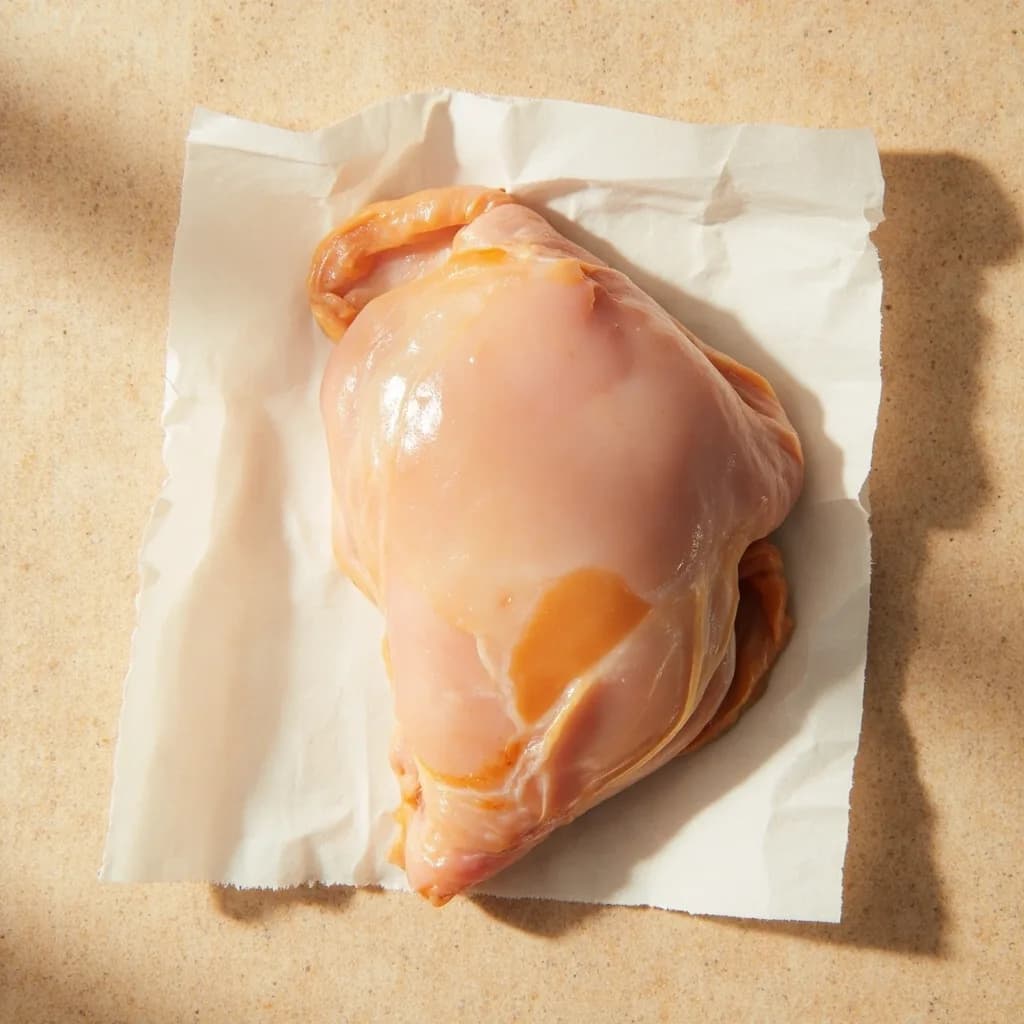
Chicken Breast
Lean, quick-cooking white meat for everyday dinners

Ground Beef
Versatile minced beef for burgers, ragù, tacos, and meatballs
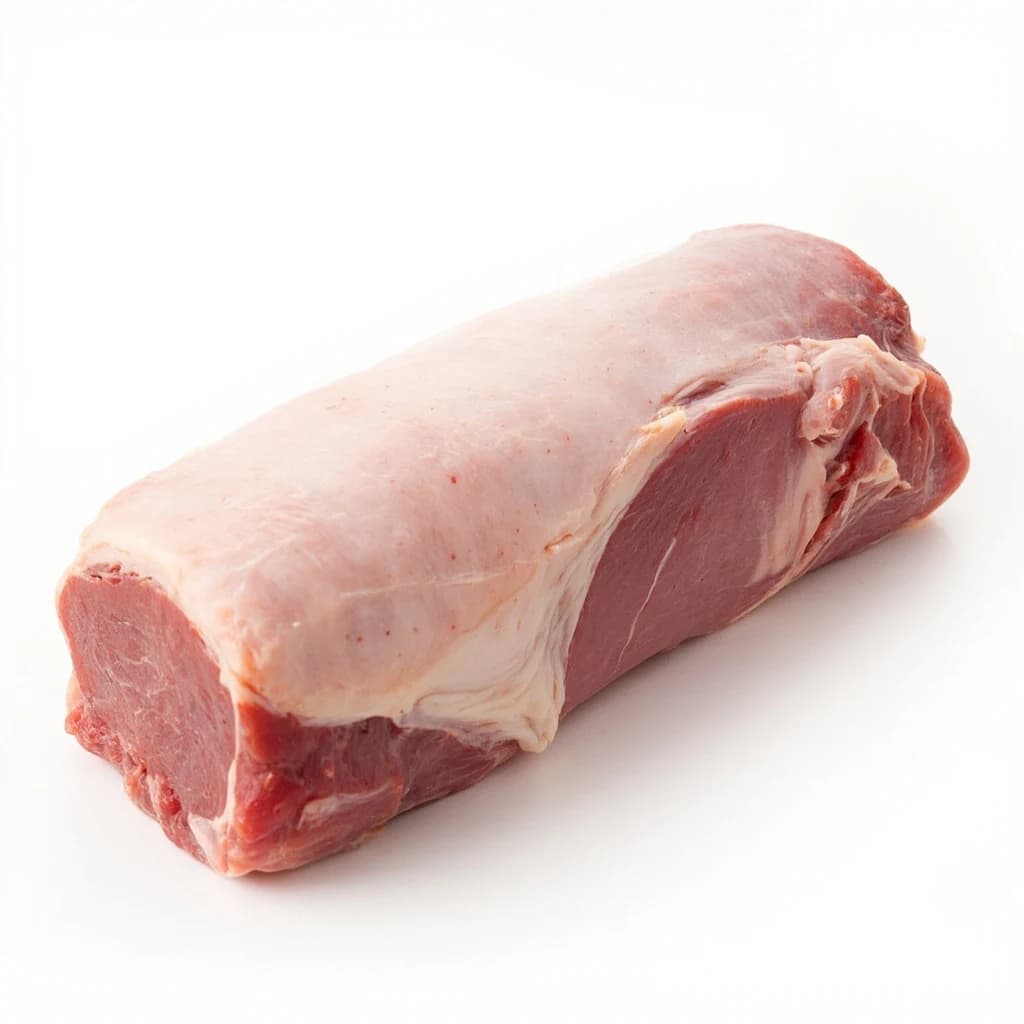
Pork Loin
Lean, tender roasting cut that stays juicy with care
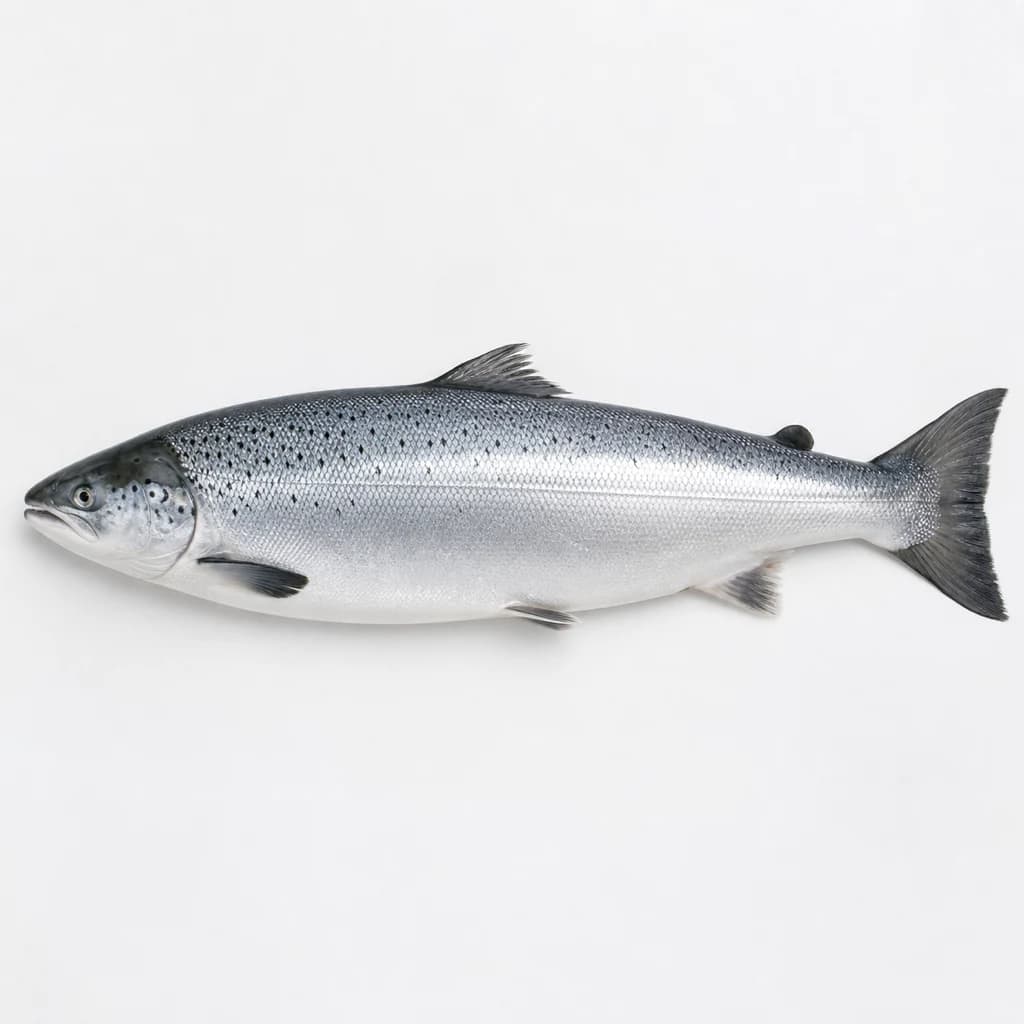
Salmon
Rich, rosy fish that roasts, grills, or cures beautifully

Egg White
Pure protein that whips to airy peaks for meringue and more
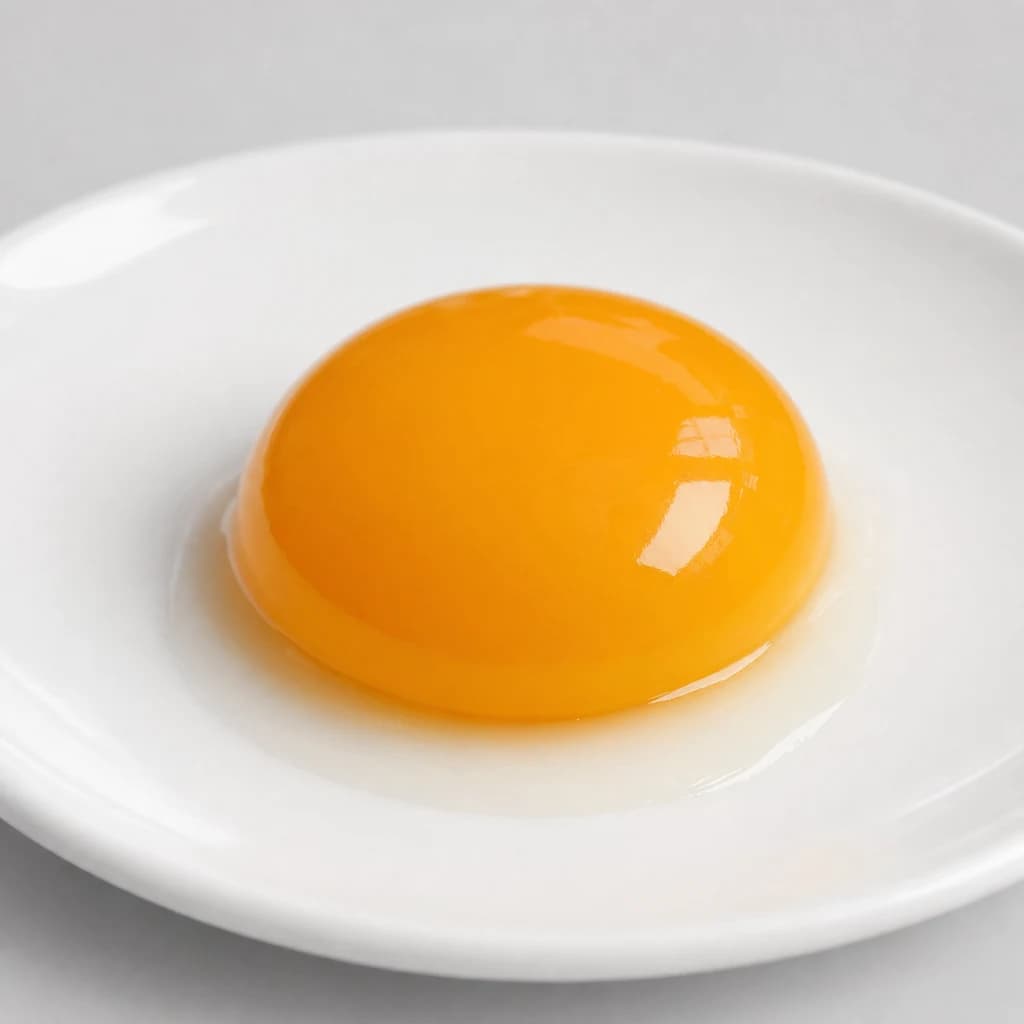
Egg Yolk
Rich, golden yolk for custards, mayonnaise, and pasta

Quail Egg
Tiny, speckled eggs for garnishing and elegant bites