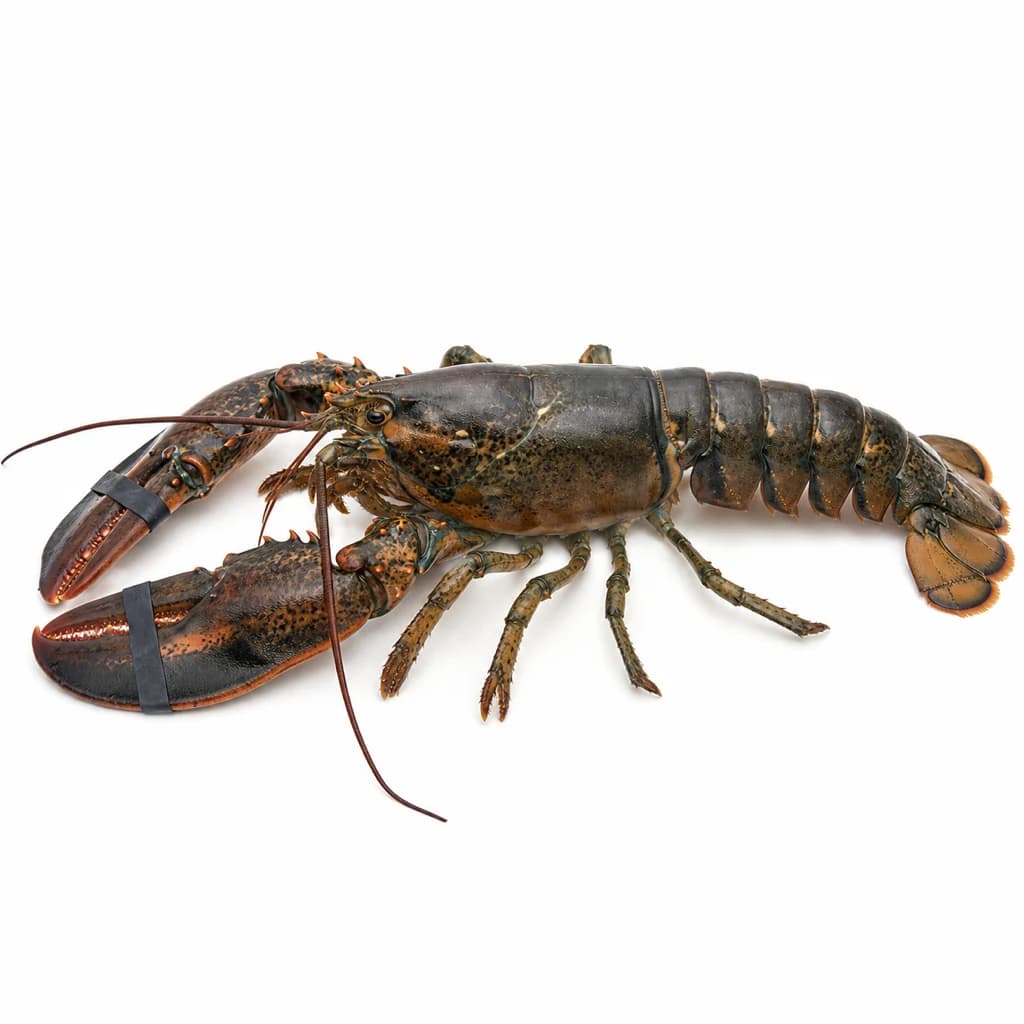
Natural form
Whole live American lobster showing distinctive claws, antennae, and segmented body.
Shows readers the complete animal so they can recognize a whole lobster at market.
Proteins
Lobster
Sweet, luxurious shellfish for boiling, grilling, and rolls
Sweet, firm, and indulgent, lobster boils or grills for a special occasion and chills into the perfect roll. Cook it the day you buy it; keep it very cold until then.
Lobster is a large marine crustacean prized for the sweet, firm, faintly briny meat in its tail and claws — the special-occasion shellfish, whether boiled or steamed and cracked open with melted butter, grilled, or folded into a buttery roll. Cold-water lobsters (Maine/American and European) carry the claws that hold so much meat; warm-water spiny lobsters are tail-only. The cook's care is twofold: cooking it just to doneness so the meat stays tender rather than tough, and handling live lobsters humanely and freshly. The shells and bodies make one of the most luxurious stocks and bisques in cooking.
- Measured in
- g
- Storage
- Refrigerate
- Shelf life
- 1 days
Allergens
Find it in
Types & varieties
Cold-water, big-clawed — the classic for boiling and rolls.
Blue-shelled cold-water lobster, prized in Europe.
Warm-water, clawless; meat is in the tail.
Sold frozen; convenient for grilling and broiling.
Ready for rolls, salads, and bisque.
Clawless warm-water lobster prized for its meaty, firm tail. Grill or broil split tails with butter; the lack of claws makes the tail the whole show.
Cold-water lobster with sweet claw and tail meat. Boil or steam whole for lobster rolls and bisque; reserve the shells for a rich stock.
How to choose
A live lobster should be genuinely lively — moving, with a tail that curls under when picked up — and heavy for its size. Hard-shelled lobsters hold more meat than recently molted soft-shells. Frozen tails should look firm and translucent with no gray patches or ammonia smell. Pre-cooked picked meat should smell sweet and clean.
How to store / food safety
Keep live lobsters cold and damp (in the fridge under a wet cloth, never in fresh water, which kills them) and cook the same day — cook lobsters live or freshly killed, as a dead one spoils fast and is unsafe. Cook to opaque meat (~60°C). Lobster is a major allergen. Refrigerate cooked meat and use within a day or two.
How to cook
Boil or steam whole lobster just until the shell is bright red and the meat is opaque — roughly 8–12 minutes depending on size; overcooking turns it rubbery. Many cooks chill or freeze the lobster briefly and use a swift kill for humane dispatch. Grilled or broiled split lobster with butter is excellent. Don't discard the shells — simmer them into a deeply flavored stock or bisque.
Common uses
Tips & pitfalls
- Cook lobster live or freshly dispatched; a dead, uncooked one spoils fast.
- Boil or steam just until the shell is bright red and the meat opaque.
- Chill the lobster briefly before a swift, humane kill.
- Don't overcook — lobster turns rubbery quickly.
- Simmer the shells into a luxurious stock or bisque.
Nutrition
Energy
322 kJ · per 100 g
Where the calories come from
Protein
16.5g
33% DV
Carbs
0g
0% DV
Fat
0.8g
1% DV
Fiber
0g
0% DV
Sugars
0g
of which
Sodium
423mg
18% DV
Source · USDA FoodData Central · approx. Crustaceans, lobster, northern, raw
View on FDC →In the shops
Matched grocery products
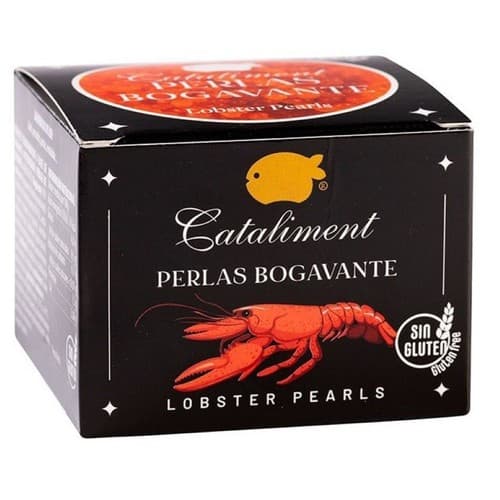 €4.29
€4.29Lobster Pearls
CATALIMENT · kg · Bonpreu
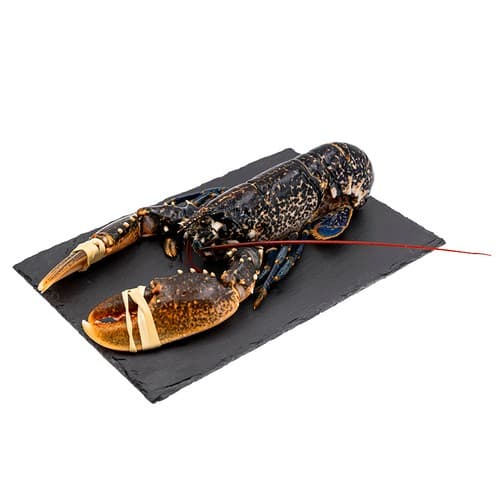 €21.99
Blue Lobster (unit)
Bonpreu
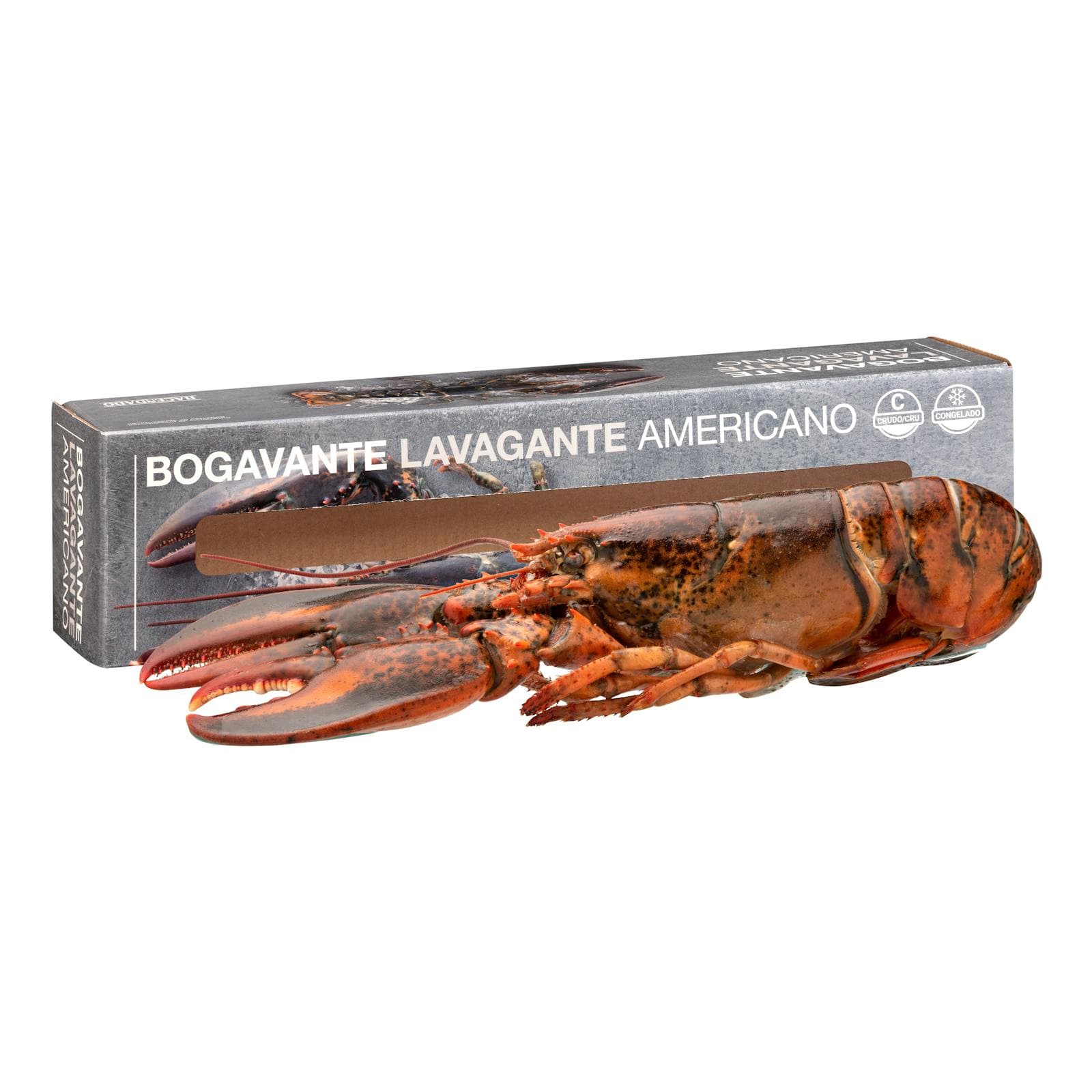 €14.85
Medium Raw American Lobster
Hacendado · kg · Mercadona
Good to know
- Cut/type
- Crustacean; whole live, tails, or picked meat
- Flavor
- Sweet, rich, briny; firm tender meat
- Cook to
- ~60°C / meat opaque; ~8–12 min boil by size
- Nutrition
- ~89 kcal/100g cooked, ~19g protein, ~0.9g fat
- Buy
- Lively live lobsters; firm, sweet-smelling tails
Substitutes
- Langoustine — Sweet, smaller crustacean; similar flavor.
- Crab — Sweet shellfish meat for rolls, salads, and bisque.
- Large shrimp / prawns — More affordable sweet shellfish stand-in.
Also called
langosta
Appears in these dishes
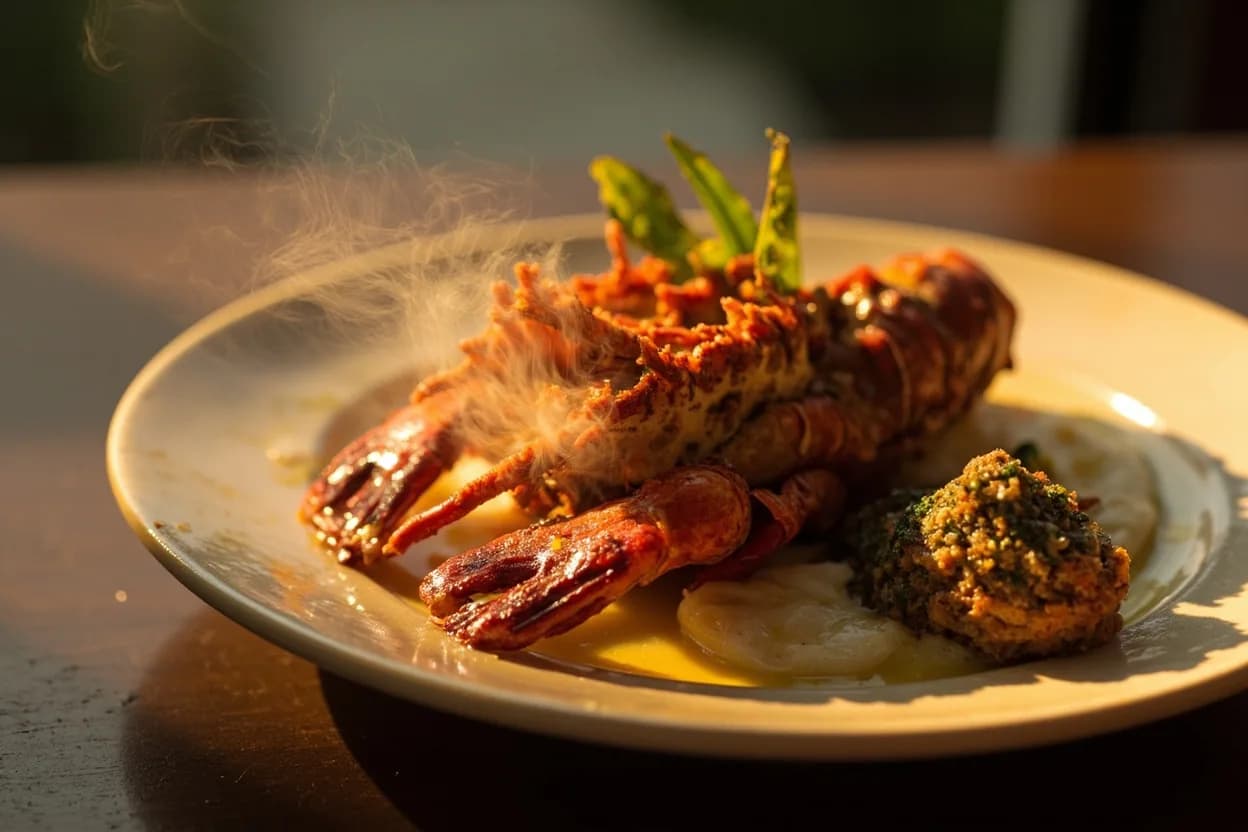
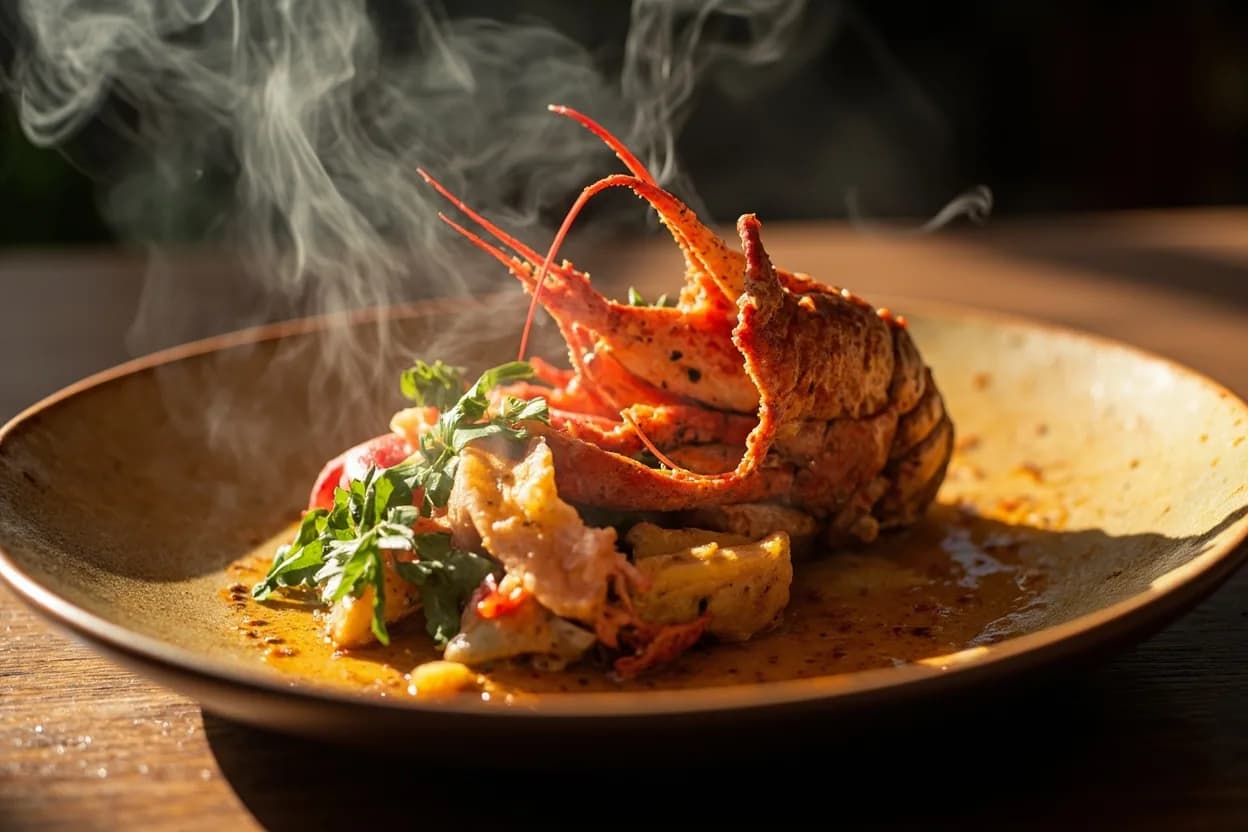
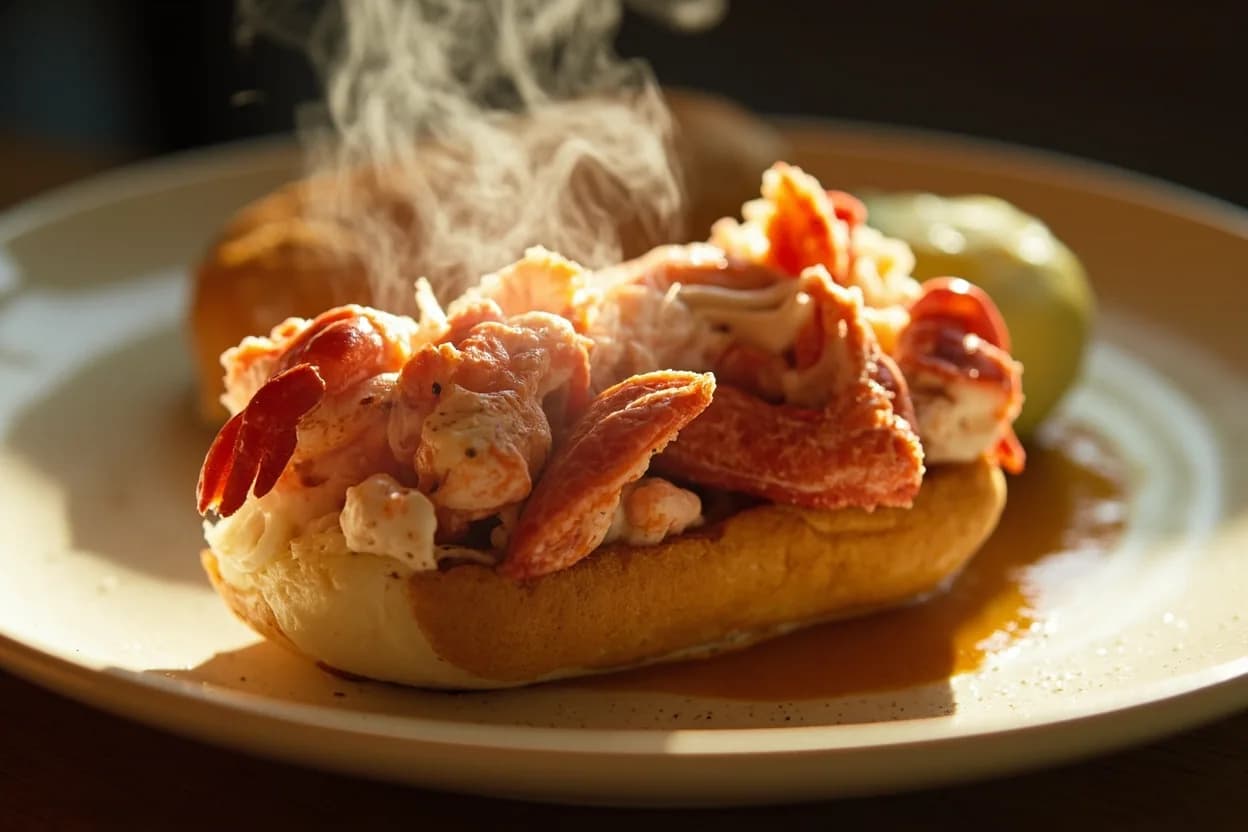
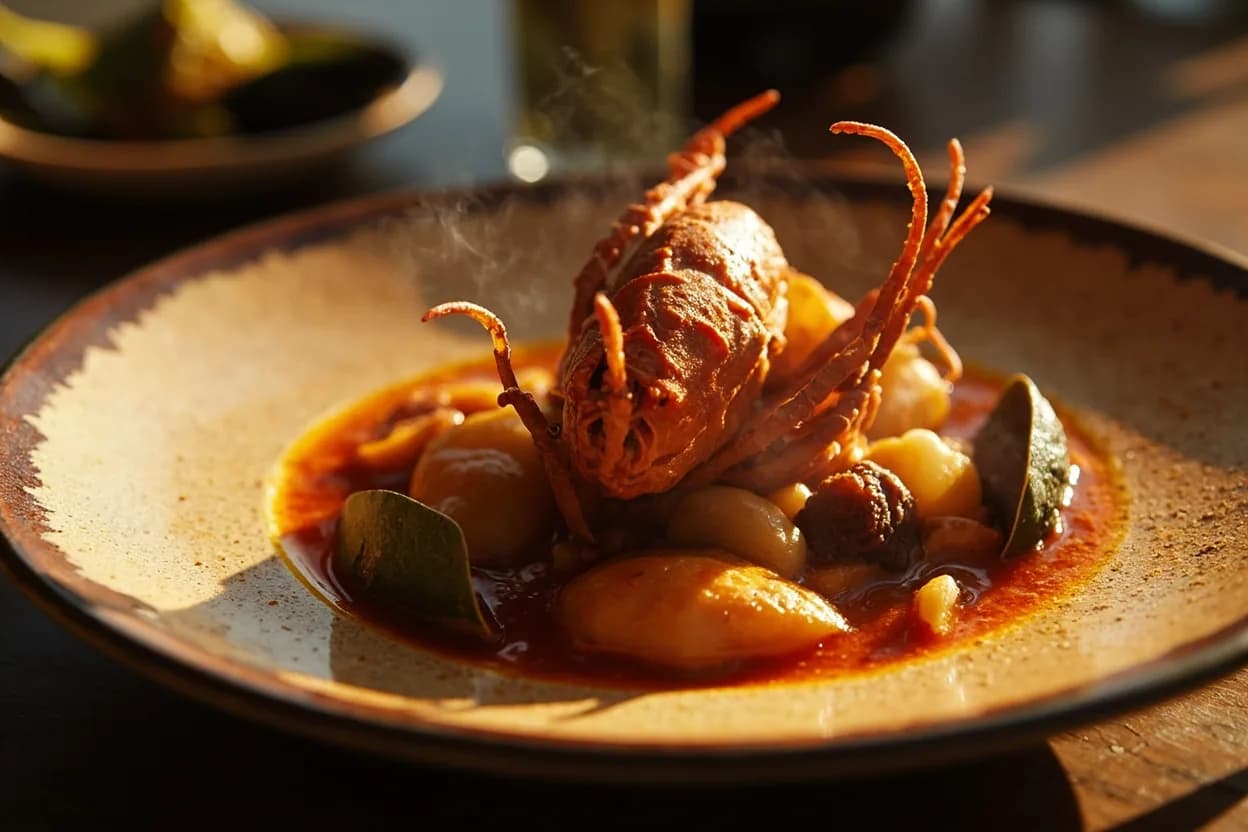
Related
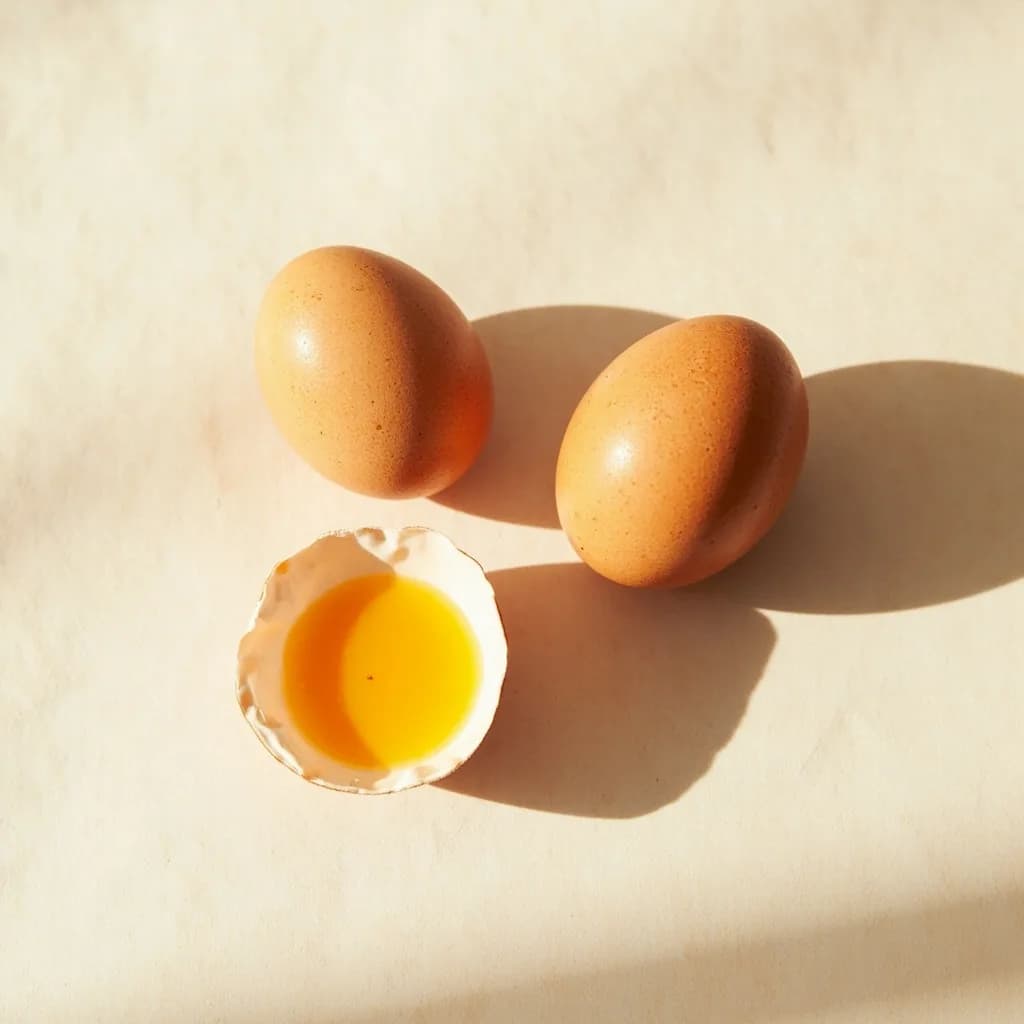
Egg
The kitchen's everything ingredient — bind, leaven, enrich, or fry
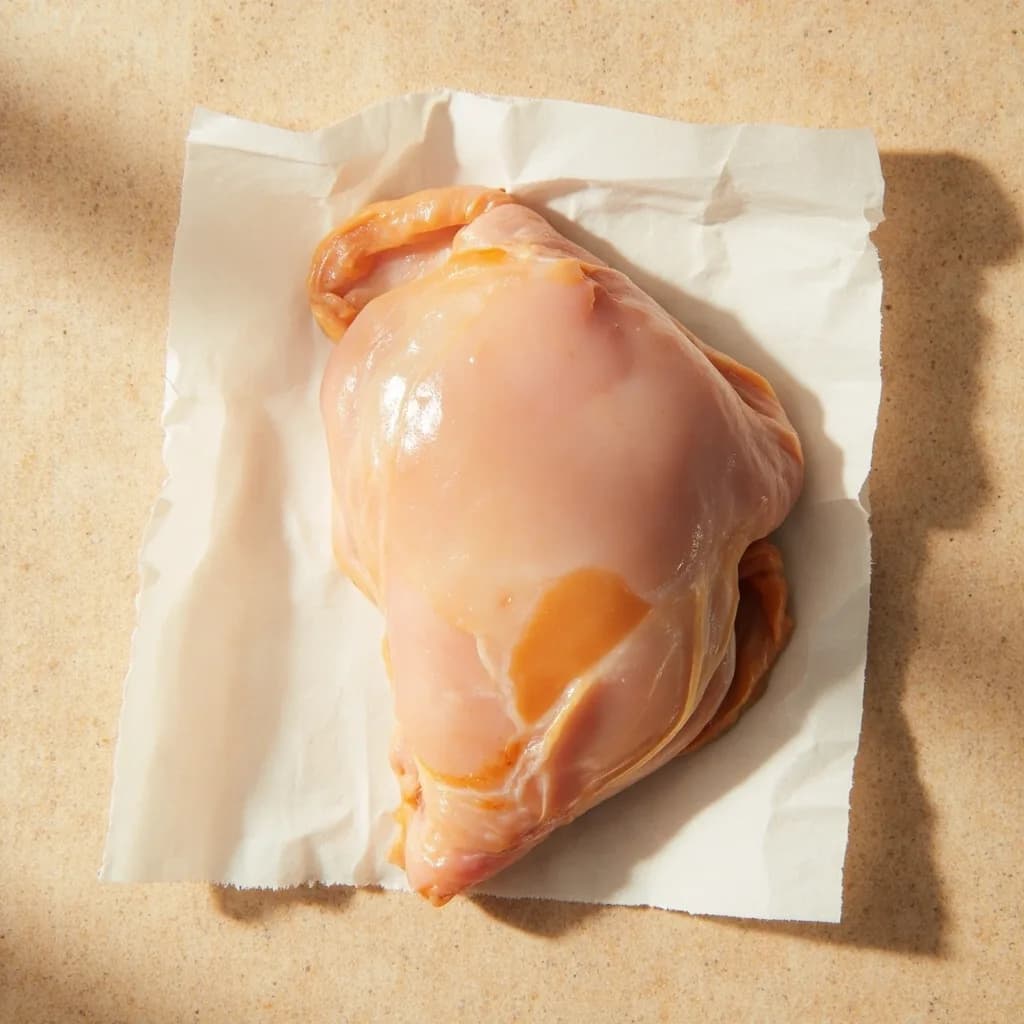
Chicken Breast
Lean, quick-cooking white meat for everyday dinners

Ground Beef
Versatile minced beef for burgers, ragù, tacos, and meatballs
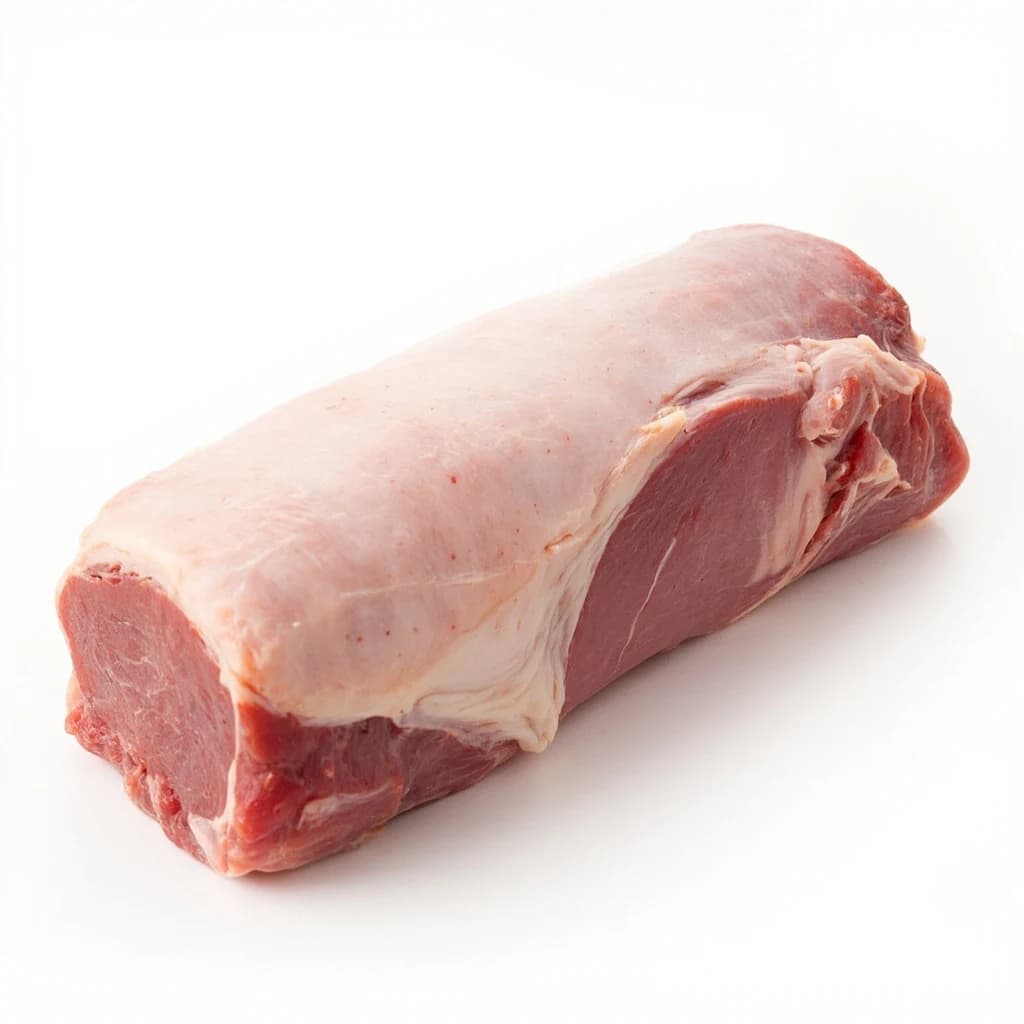
Pork Loin
Lean, tender roasting cut that stays juicy with care
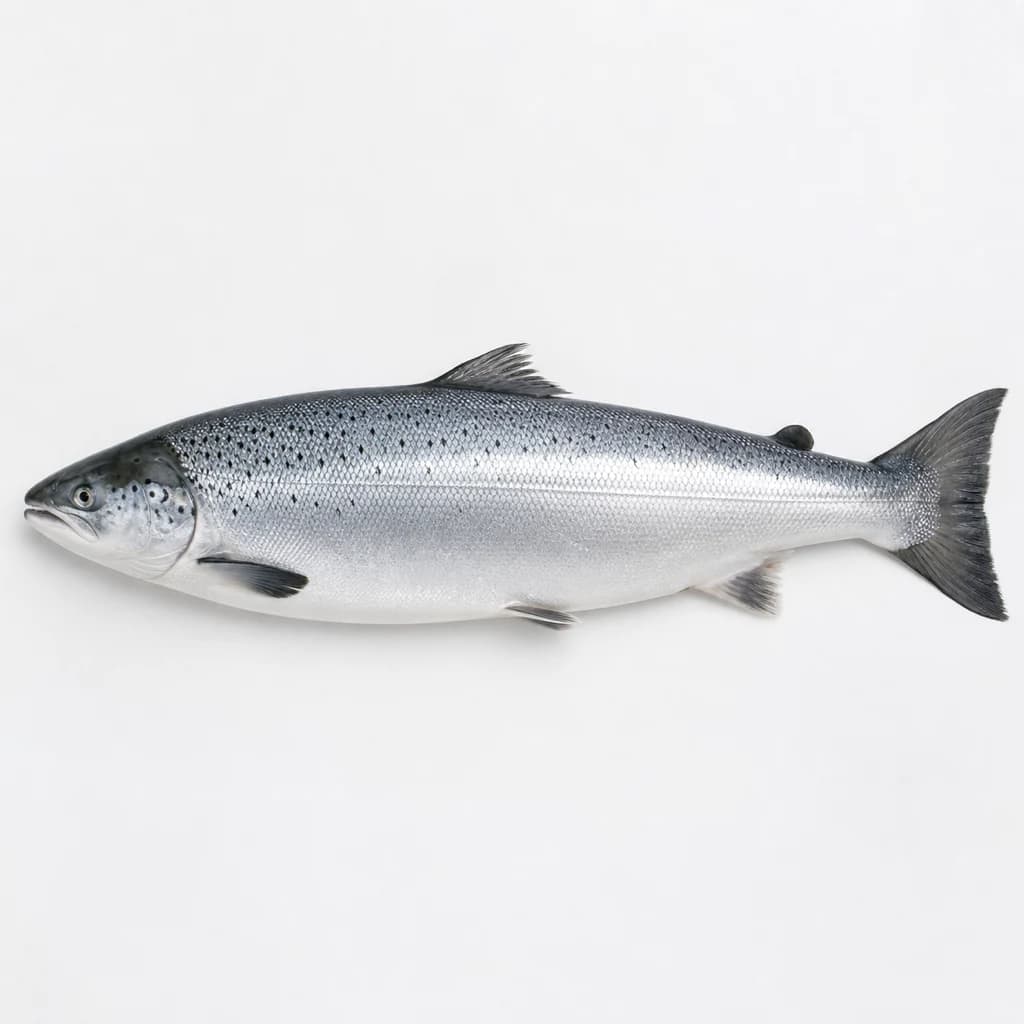
Salmon
Rich, rosy fish that roasts, grills, or cures beautifully

Egg White
Pure protein that whips to airy peaks for meringue and more
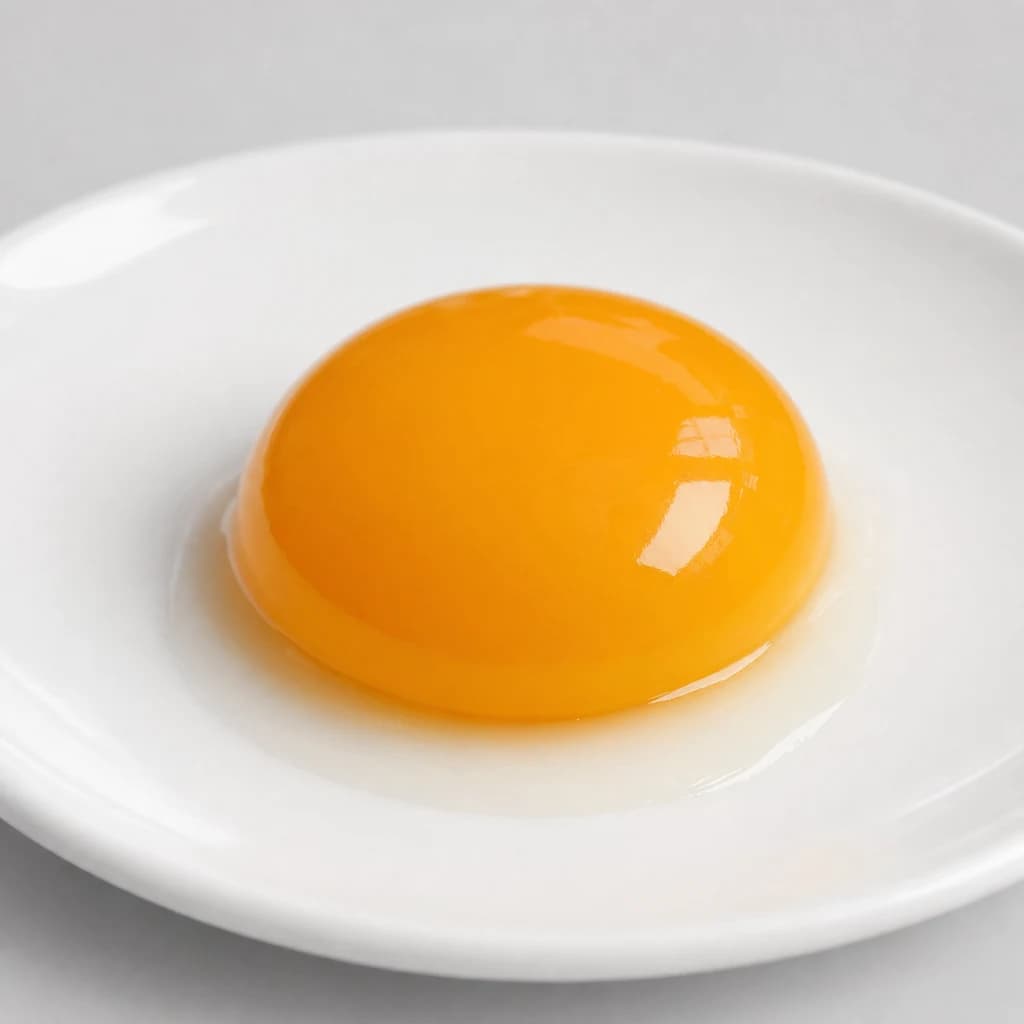
Egg Yolk
Rich, golden yolk for custards, mayonnaise, and pasta

Quail Egg
Tiny, speckled eggs for garnishing and elegant bites