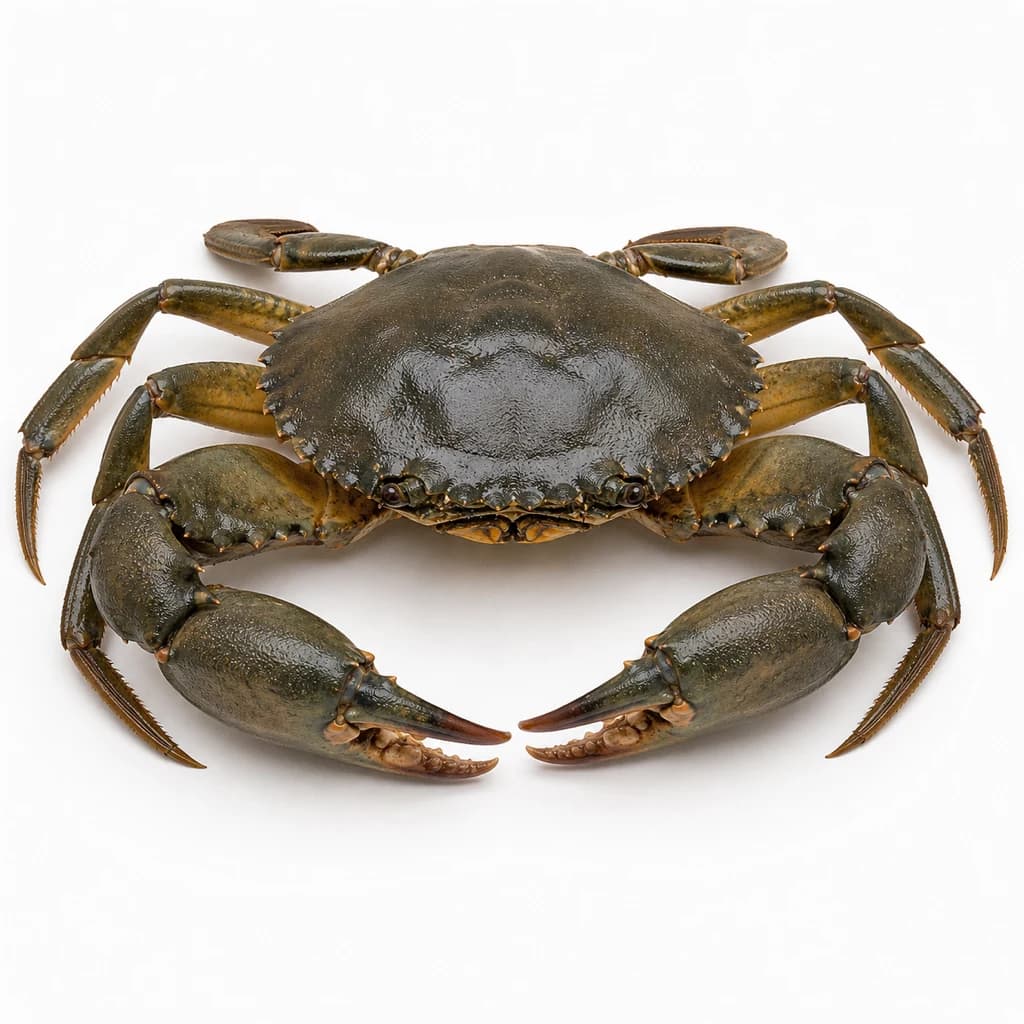
Natural form
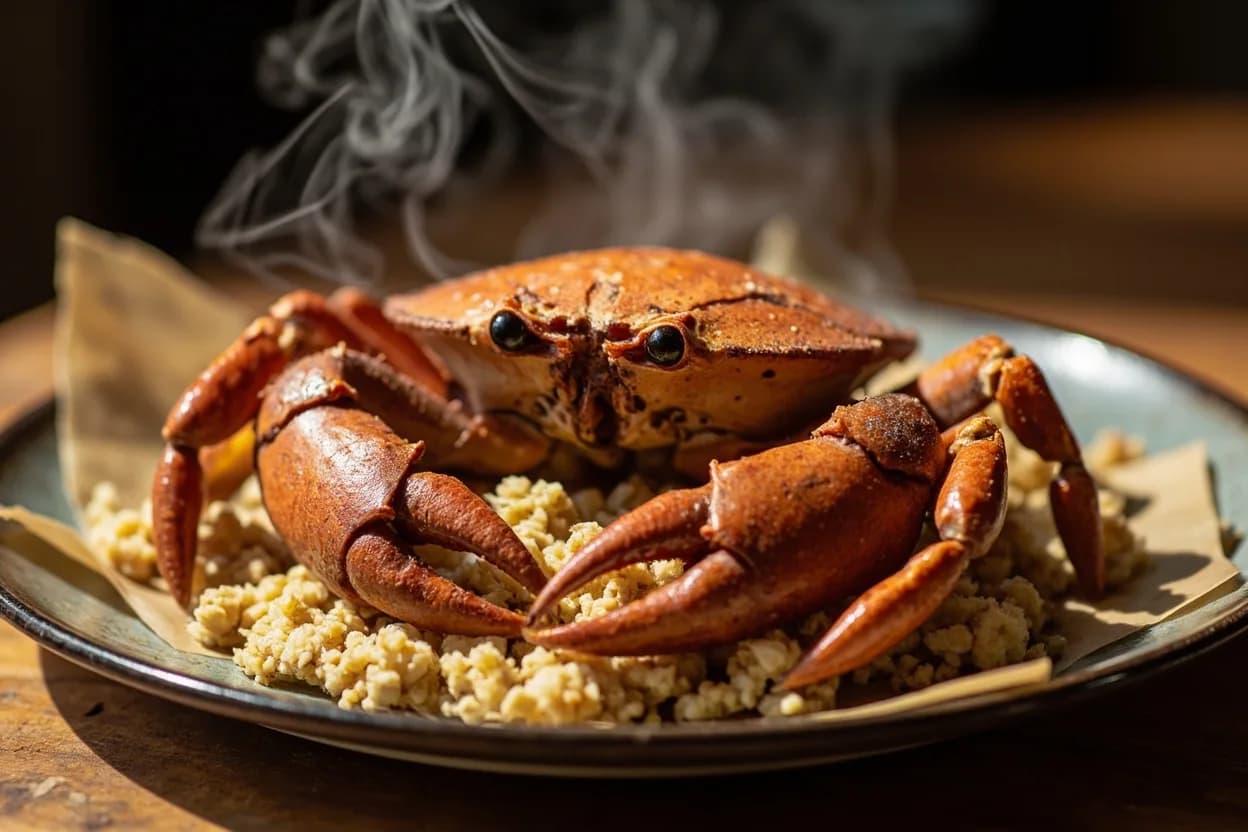
Whole live mud crab showing its broad carapace, prominent claws, and dark olive-green shell.
Shows the reader the intact animal — size, shape, color, and claw proportion — before any processing.
Proteins
Crab
Sweet, succulent shellfish — steamed, stir-fried in spicy sauces, or picked for cakes and curries.
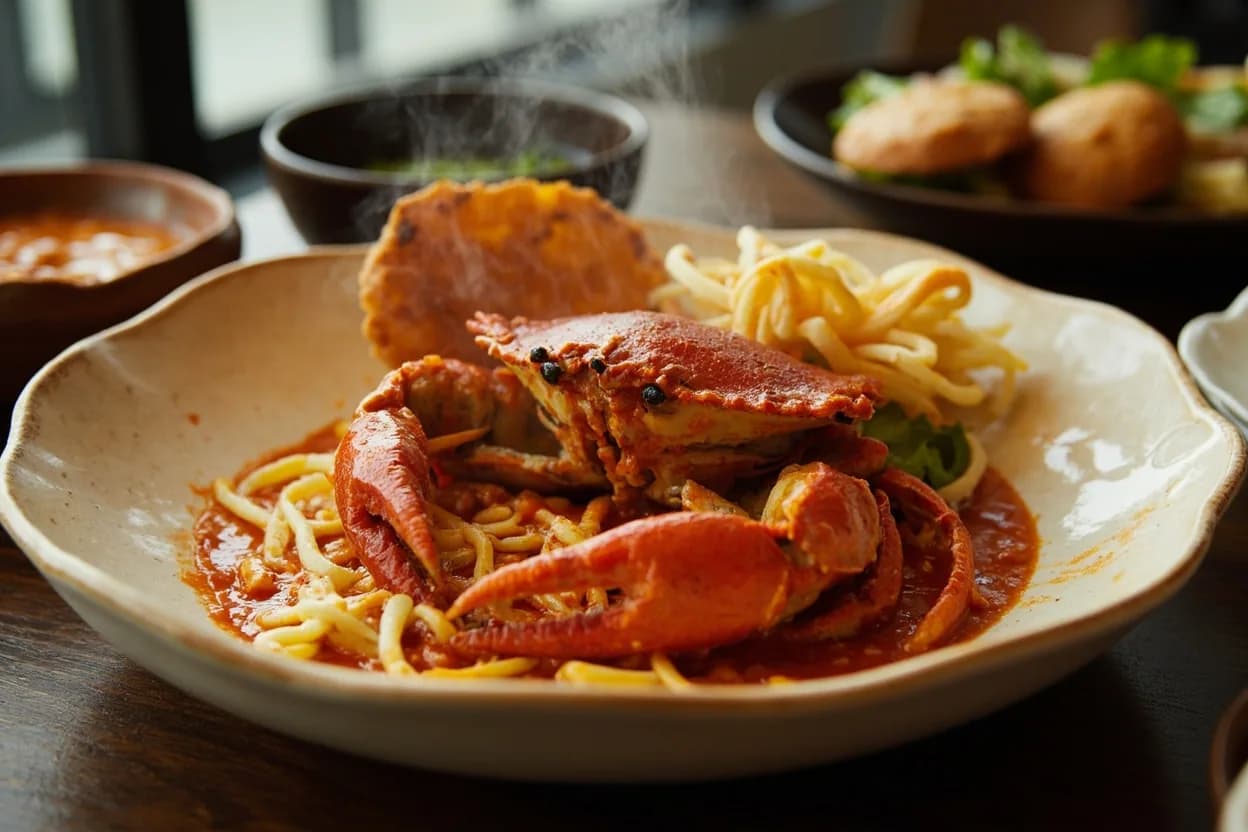
Crab is a crustacean prized for its sweet, delicate meat found in the body and claws. It is steamed or boiled whole, stir-fried in chili or pepper sauces, or picked and folded into cakes, curries, and soups. Mud and mangrove crabs are especially meaty and popular across Pacific and Southeast Asian coasts.
Crab belongs to the order Decapoda, a group of ten-footed crustaceans distinguished by their broad, flattened bodies, prominent claws, and hard segmented shells. Found in oceans worldwide—from cold northern waters to tropical shallows—crabs occupy a singular place in culinary tradition, prized for their sweet, delicate meat that ranges from buttery and rich in the body to firmer, slightly more briny in the claws. Their appeal lies in this nuanced flavor profile and the satisfying ritual of extraction; unlike shrimp or lobster, crab demands active participation from the diner, making it inherently celebratory.
From a cooking standpoint, crab meat behaves differently from most protein: it is already fully cooked when you purchase live whole specimens (you are cooking it for the first time), but it overcooks with extraordinary ease, becoming rubbery and exuding liquid within seconds of excess heat. This sensitivity means that most crab preparations—whether steaming live Dungeness, thawing frozen King legs, or folding picked Blue crab into cakes—require restraint rather than aggressive technique. The meat also varies dramatically by grade and source: body lump meat holds together in attractive chunks ideal for cakes, while claw meat is darker and stronger-flavored, better suited to stocks or hearty dishes.
Crab carries significant cultural and economic weight, particularly in regions like the Chesapeake Bay, Pacific Northwest, Alaska, and the Gulf Coast, where seasonal crab fisheries shape local identity and cuisine. The species best suited to your purpose depends on what you are making: Blue and Dungeness excel in preparations where you eat the whole crab or want visible, substantial pieces; King and Snow crab dominate the frozen leg market globally; soft-shell Blue crabs offer an entirely different experience where the entire animal, shell and all, is consumed. Sustainability varies widely by fishery, making source verification essential for responsible cooking.
- Measured in
- piece
- Storage
- Fridge
Allergens
Types & varieties
East Coast and Gulf. Sweet, tender meat. Used for soft-shell, lump meat, and classic crab cakes. ~4–6 inches across carapace.
Pacific Northwest, Alaska. Sweet, slightly nutty flavor with firm, flaky meat. Larger than blue crab, typically 1–2 lbs.
Alaska, Russia. Massive legs with sweet, succulent meat. Sold pre-cooked frozen. Primarily leg and arm sections.
Bering Sea, Atlantic Canada. Delicate, slightly fibrous meat. Smaller legs than king crab. Often sold as clusters.
Blue crab that has just molted its shell. Entire crab eaten, including shell. Peak season late spring to early summer.
Florida. Known for claws only; body is not eaten. Claws regenerate after harvesting. Sweet, dense meat.
East Coast. Resembles Dungeness but smaller. Often used as claw meat substitute. Underutilized; gaining popularity.
Maine. Name derives from old fishers' term; refers to rock crab. Sweet, flaky. The specialty for New England preparations.
Understanding Crab Meat Grades
When purchasing picked crab meat, you will encounter grades that reflect both the cut and the quality of the meat. Understanding these grades helps you choose the right product for your intended preparation.
- Lump: Meat from the body cavity, prized for its appearance and chunky texture. Ideal for crab cakes where visual presentation matters.
- Backfin: Mixed pieces of body meat with some smaller fragments. Excellent for crab cakes and general use where you want flavor without premium cost.
- Claw: Darker meat from the claws with a stronger, more pronounced flavor. Better suited to soups, stocks, or highly seasoned dishes where the appearance is hidden.
- Special: Flaked body meat, the smallest and most economical grade. Used primarily in soups and salads where texture is less critical.
Common uses
Tips & pitfalls
- Purchase live crabs that are active and heavy for their size; avoid any with a strong ammonia odor, which indicates spoilage.
- Kill crabs quickly before cooking: plunge into boiling water or insert a sharp knife through the shell's apron into the neural ganglia beneath.
- Steam live crabs 12–18 minutes; boil 10–15 minutes. Do not add salt to water when cooking Dungeness, as it masks the true crab flavor.
- Clean cooked crabs before picking: twist off the legs and claws, crack the body with a mallet, and remove the gills (dead man's fingers) and innards.
- Cool crabs slightly before picking; warm meat is easier to extract cleanly without burning your fingers.
- Reserve shells from cooked crabs for making stock or bisque bases—they hold enormous flavor.
- Do not overcook crab meat; it becomes tough and waterlogged within seconds of excess heat. Remove from heat as soon as the meat turns opaque throughout.
- Thaw frozen king or snow crab legs under refrigeration, not at room temperature, to preserve texture and prevent bacterial growth.
- When making crab cakes, handle the meat minimally; overmixing makes them dense and loses the delicate texture. Use a light hand and chill the mixture before cooking.
- Add crab meat to dishes at the very end of cooking to prevent overcooking in residual heat.
Nutrition
Energy
360 kJ · per 100 g
Where the calories come from
Protein
17.4g
35% DV
Carbs
0.7g
0% DV
Fat
1g
1% DV
Fiber
0g
0% DV
Sodium
295mg
13% DV
Source · USDA FoodData Central · approx. Crustaceans, crab, dungeness, raw
View on FDC →In the shops
Matched grocery products
No matched grocery products for Crab yet.
Good to know
- Type
- Crustacean (order Decapoda)
- Flavor
- Sweet, delicate, briny; intensity varies by species and cut
- Peak Seasons
- Blue crab (May–Oct), Dungeness (Nov–June), King crab (Feb–Sept)
- Forms Available
- Live, fresh picked, frozen (whole, sections, or meat), pasteurized
- Shelf Life
- Live: 24–48 hrs; Fresh picked: 1–2 days; Pasteurized: 6+ months refrigerated
- Meat Yield
- 15–25% of live weight, depending on species and method
- Protein
- ~18–20g per 100g cooked meat, low fat
- Equipment
- Crackers, seafood picks, mallet for larger species
- Difficulty
- Moderate; cracking and picking require practice
Substitutes
- Lobster — Similar sweet flavor and texture; use in lobster rolls or bisques as a direct substitute.
- Shrimp — More readily available; works in stir-fries, cakes, and pasta but milder in flavor.
- Imitation Crab (Surimi) — Made from white fish; suitable for salads and sushi where texture is less critical. Not a true flavor substitute.
Pairs with
Also called
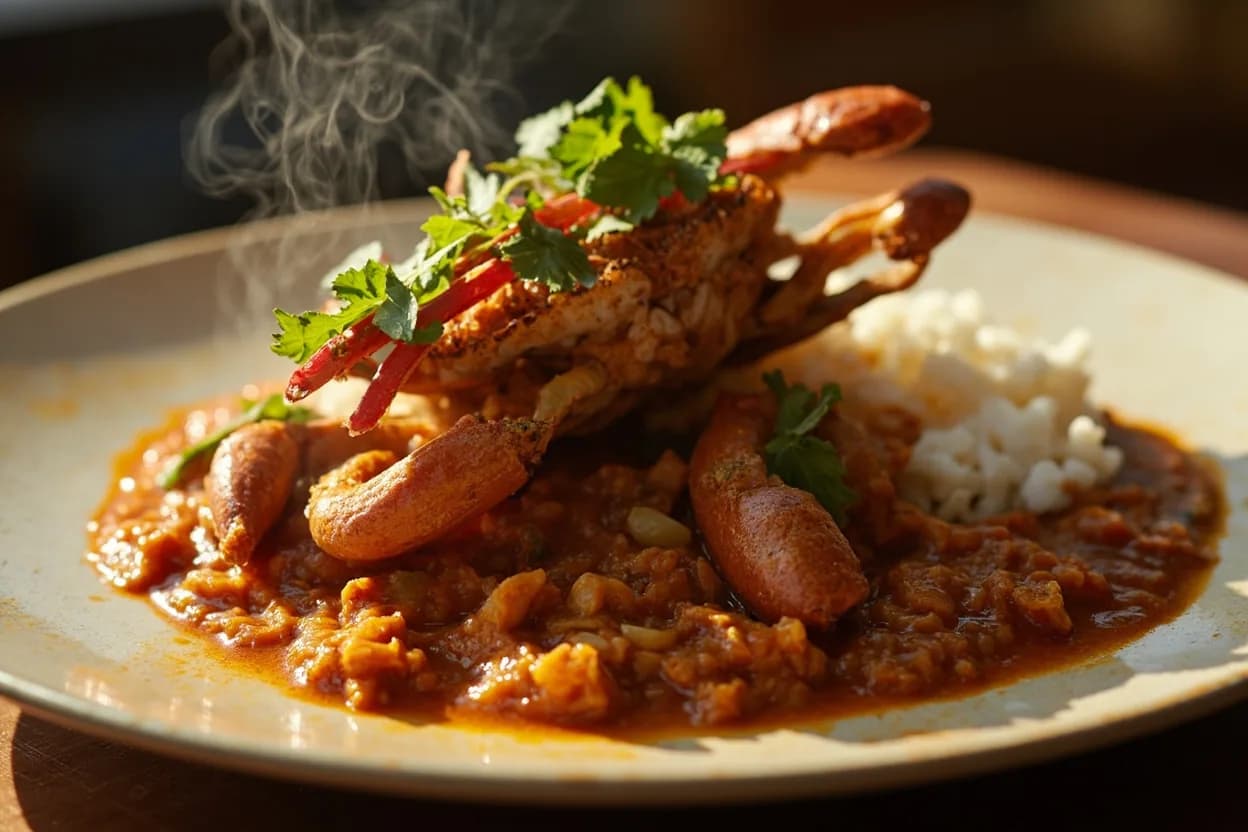
Mud Crab (Qari) · Mangrove Crab · Land Crab · Qari
Appears in these dishes
Related
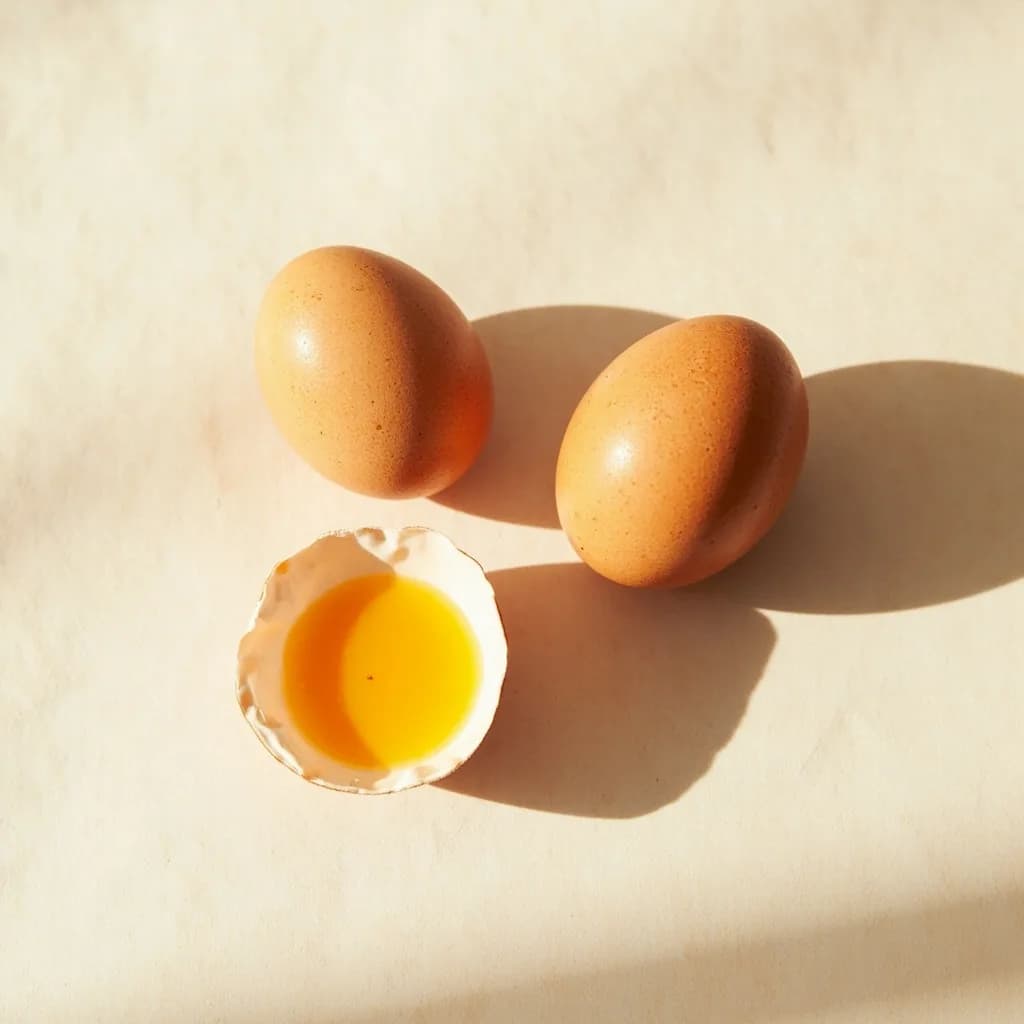
Egg
The kitchen's everything ingredient — bind, leaven, enrich, or fry
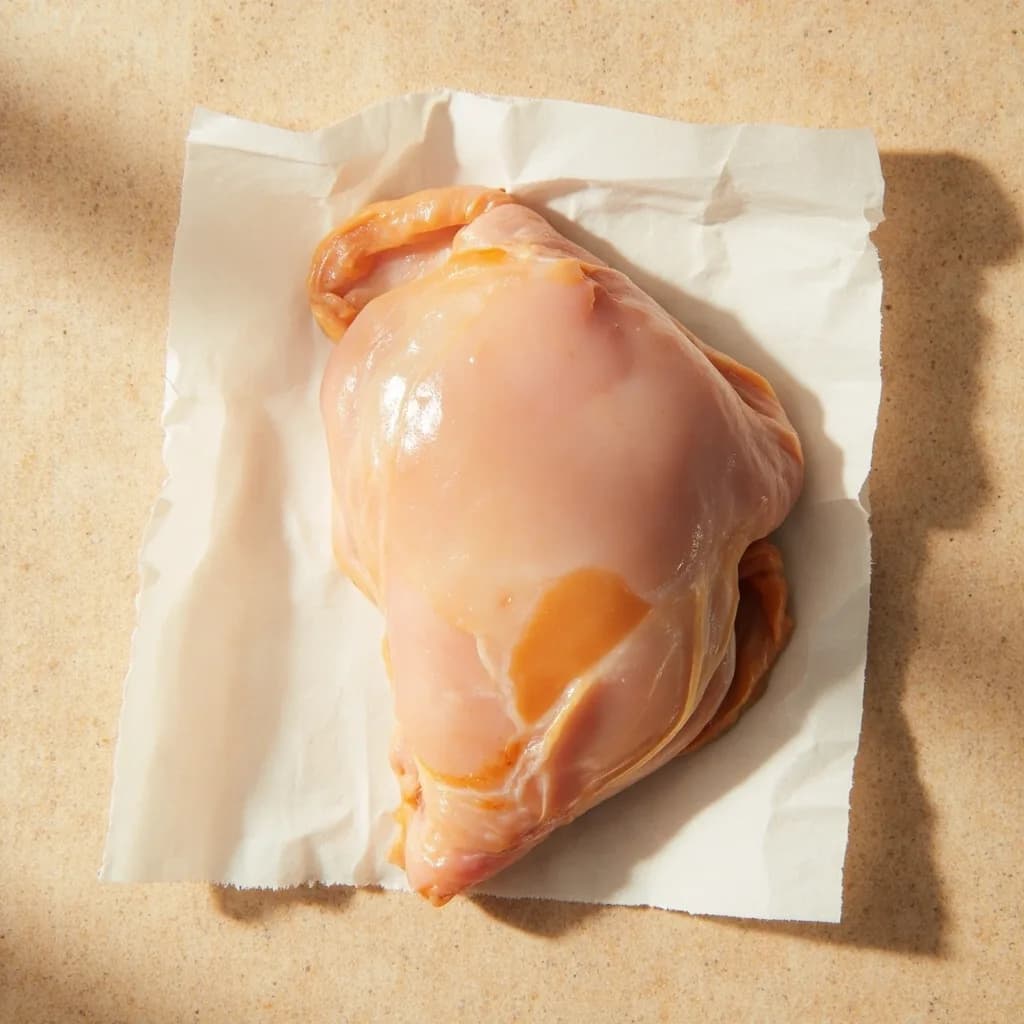
Chicken Breast
Lean, quick-cooking white meat for everyday dinners

Ground Beef
Versatile minced beef for burgers, ragù, tacos, and meatballs
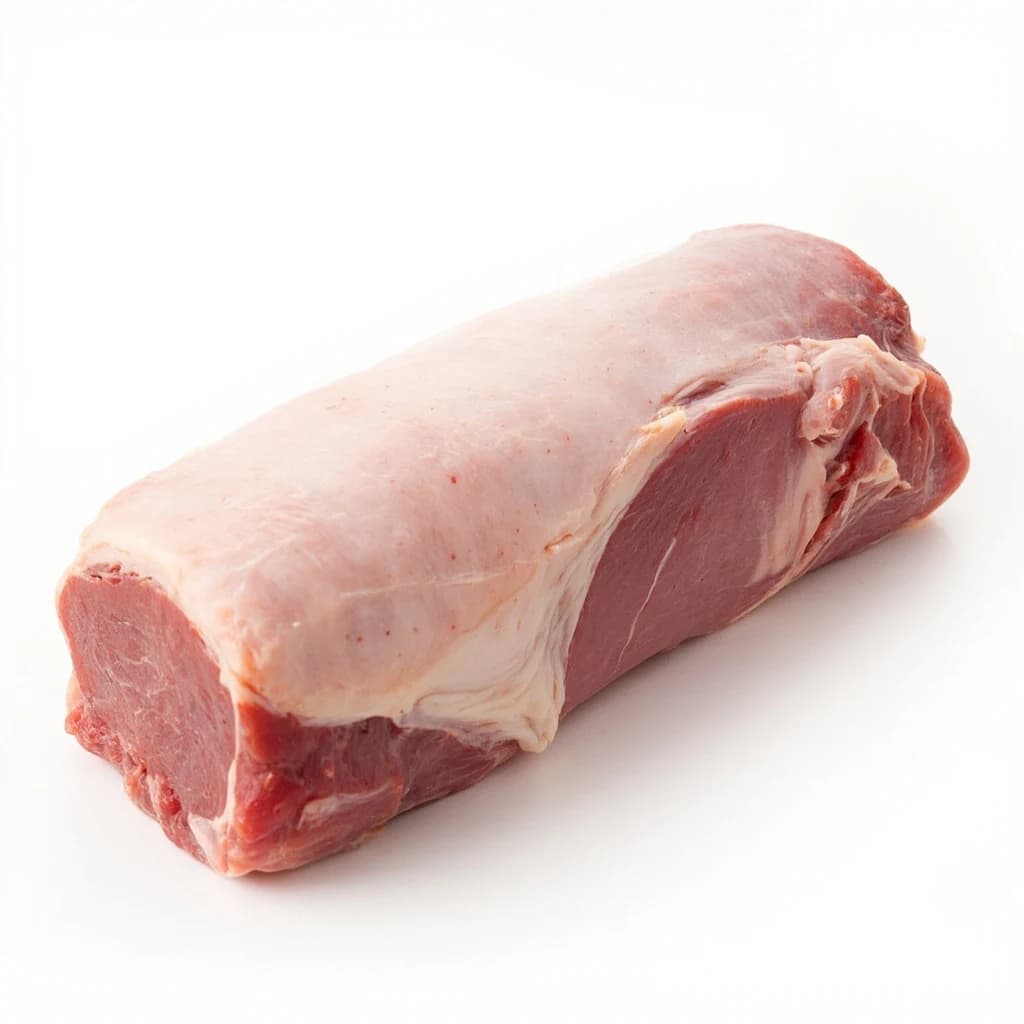
Pork Loin
Lean, tender roasting cut that stays juicy with care
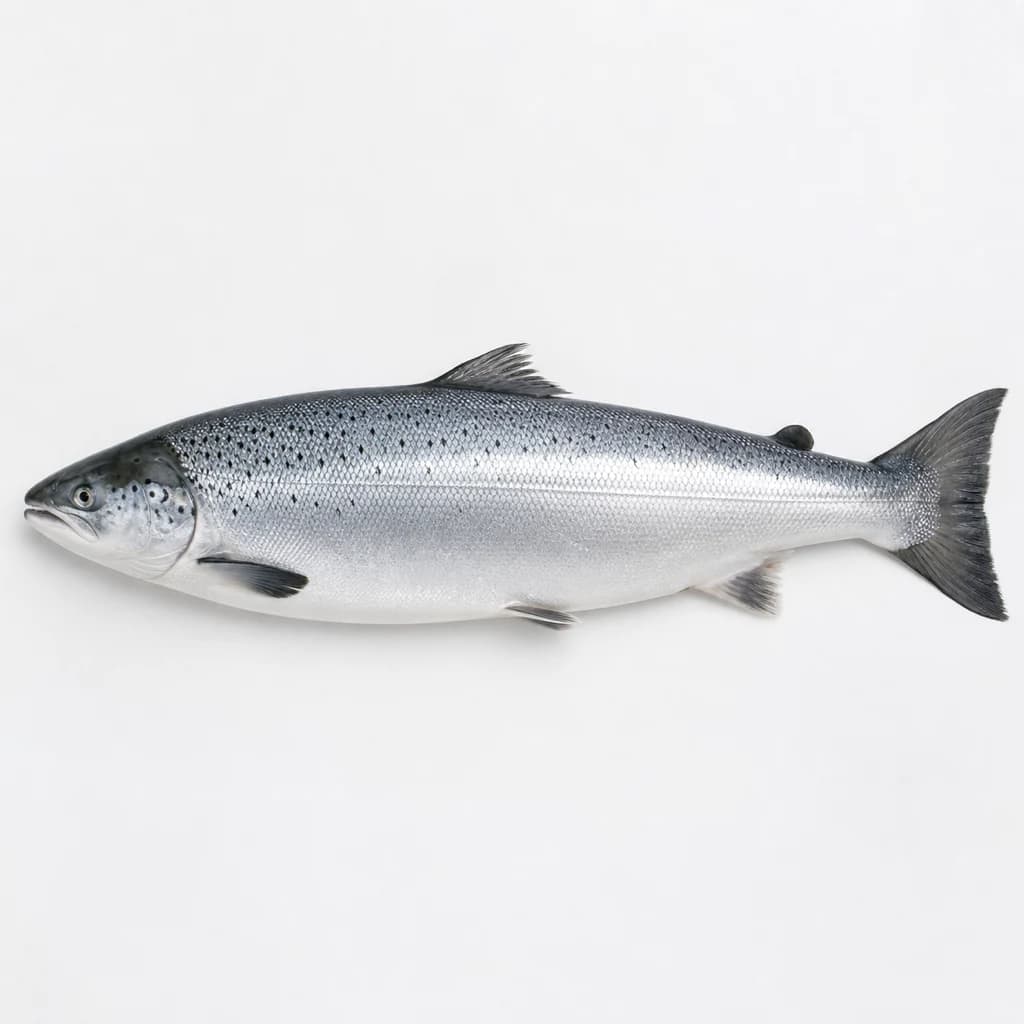
Salmon
Rich, rosy fish that roasts, grills, or cures beautifully

Egg White
Pure protein that whips to airy peaks for meringue and more
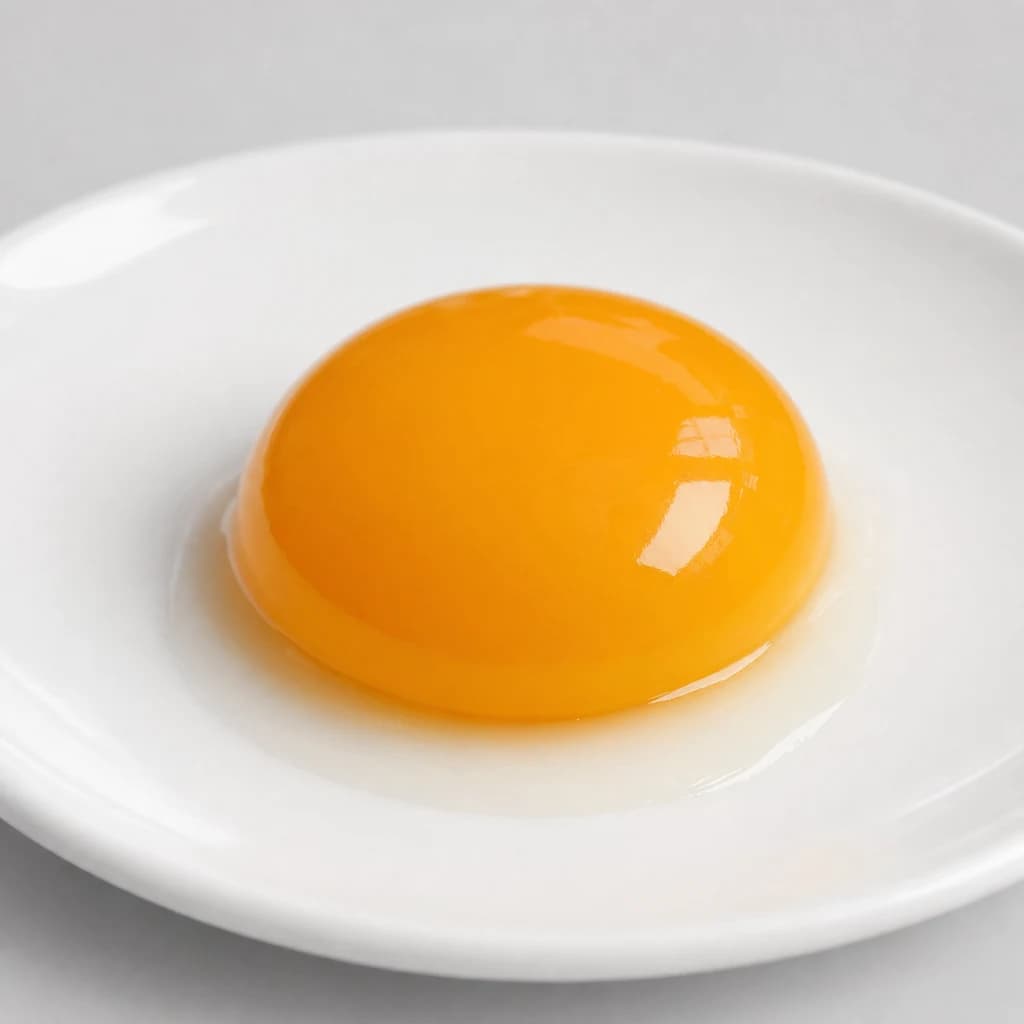
Egg Yolk
Rich, golden yolk for custards, mayonnaise, and pasta

Quail Egg
Tiny, speckled eggs for garnishing and elegant bites