Central America & Mexico
Oaxacan
Also: Oaxacan cuisine, Cocina oaxaqueña, cuisine of Oaxaca
Mexico's culinary heartland: a living pre-Hispanic food culture of seven moles, toasted chapulines, hand-ground cacao, and smoky mezcal that has resisted homogenization for three thousand years.
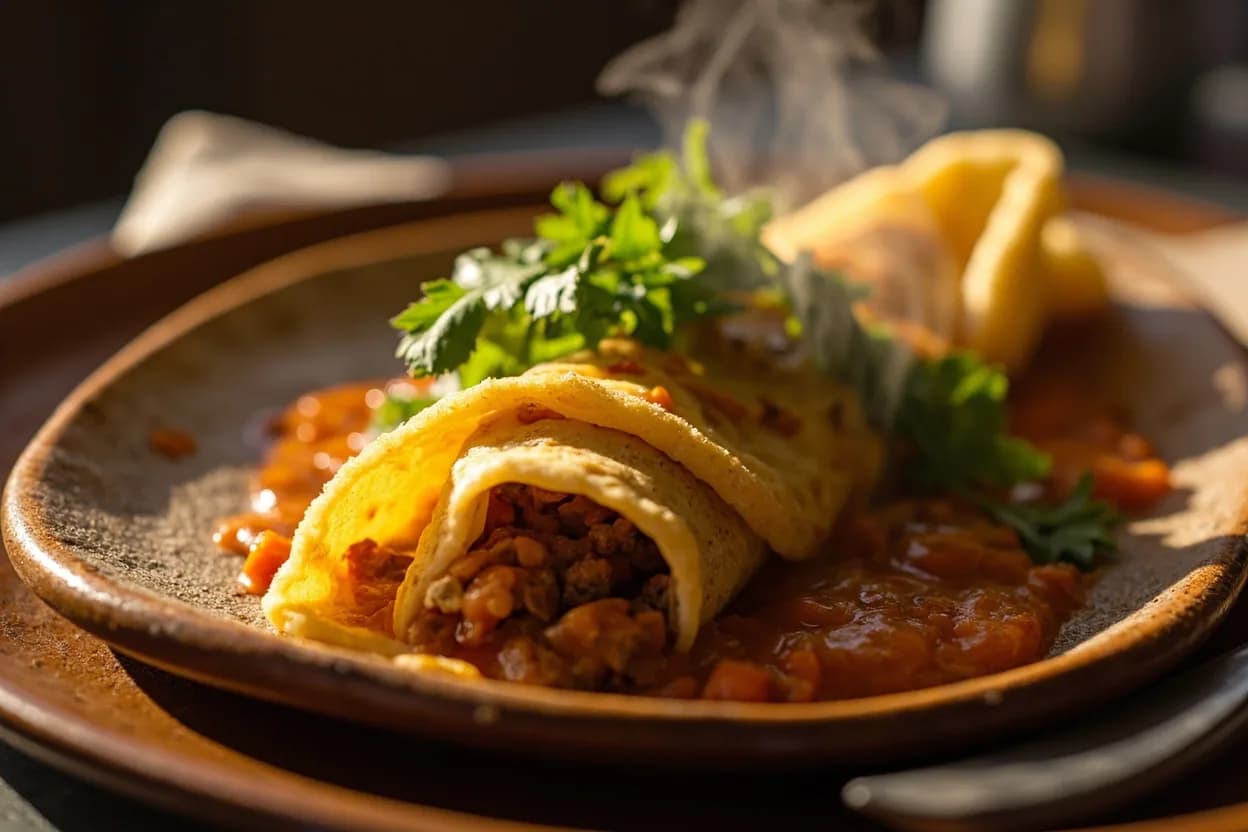
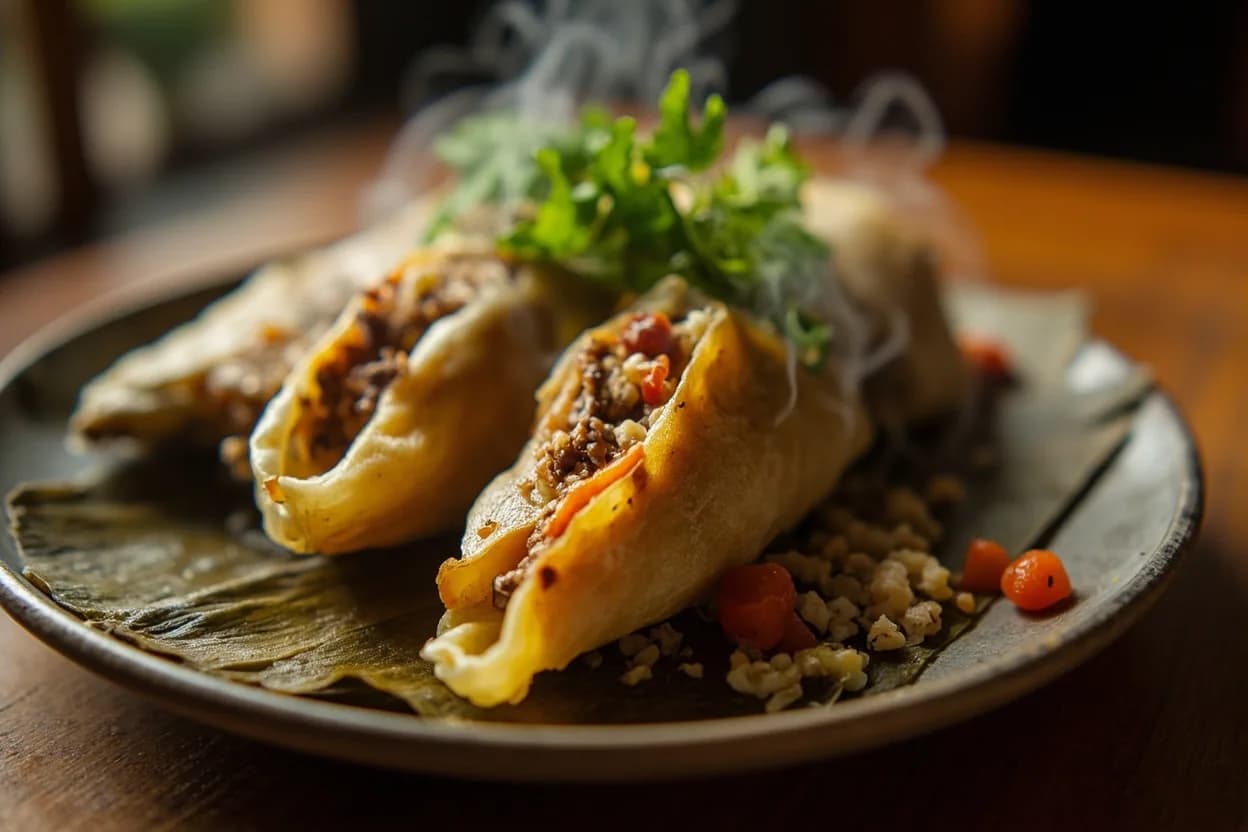
Oaxacan cuisine is the cooking of the Mexican state of Oaxaca, one of the most ethnically diverse and culinarily complex regions in the Americas. It is often called 'the land of seven moles' — negro, rojo, coloradito, amarillo, verde, chichilo, and manchamanteles — each a distinct sauce requiring unique chilli combinations and lengthy preparation. The cuisine is built on pre-Hispanic ingredients and techniques that survived colonization more intact here than almost anywhere else in Mexico, partly because of the Sierra Juárez mountain range's geographic isolation. Corn is sacred: tlayudas (large, semi-crispy tortillas), tlacoyos, memelas, tetelas, and tamales oaxaqueños all reflect a deep maize culture. Oaxacan cheese (quesillo, a string-cheese), chocolate (mole negro requires hand-ground Oaxacan cacao), mezcal from espadín and wild agave, and insects (chapulines — toasted grasshoppers; chicatanas — flying ants) are all markers of an unbroken pre-Hispanic food tradition.
The flavour base
Toasted dried chillies (mulato, negro, pasilla, ancho, chilhuacle) deglazed with tomato, charred onion, and spices; ground on the metate with dark chocolate, plantain, and burnt tortilla for mole negro; achiote and chile pasilla for simpler braises
Pantry staples
Key ingredients
Signature techniques
Signature dishes
Oaxacan on the table
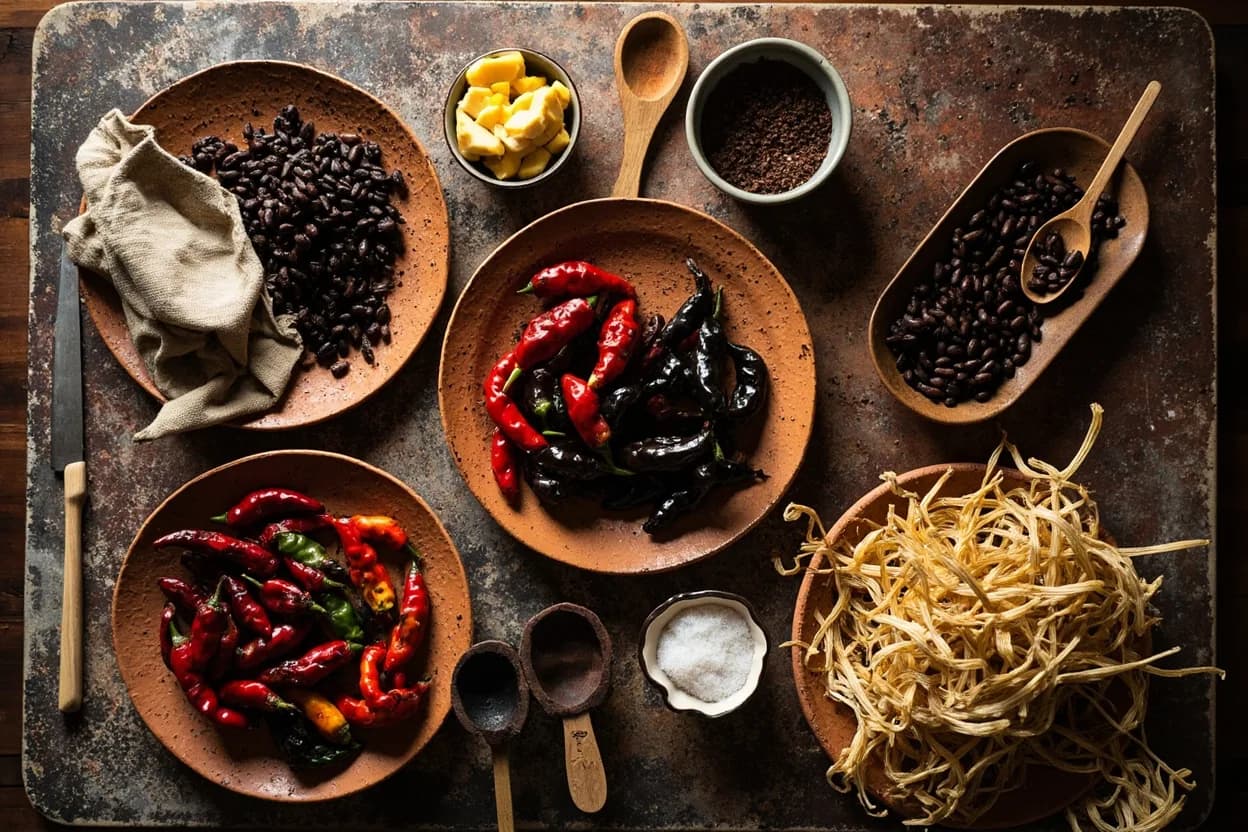
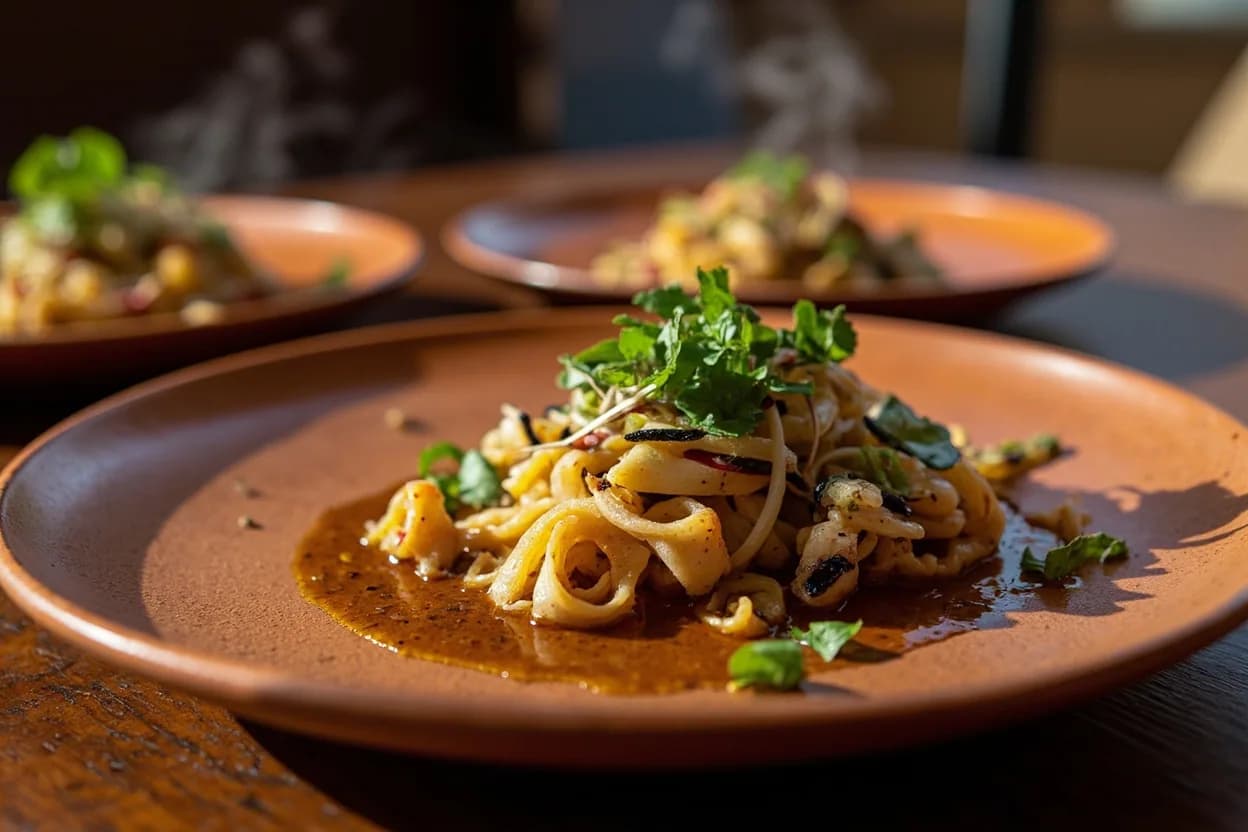
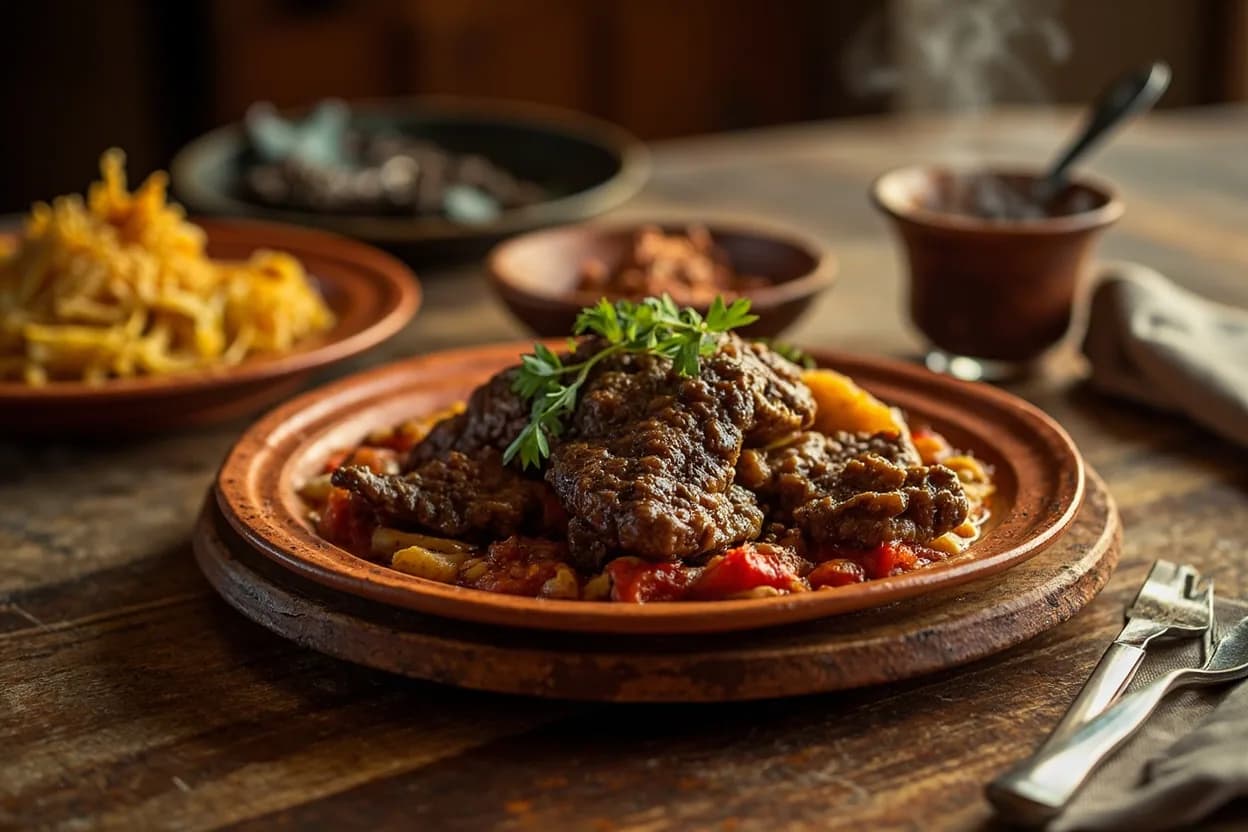
At the table
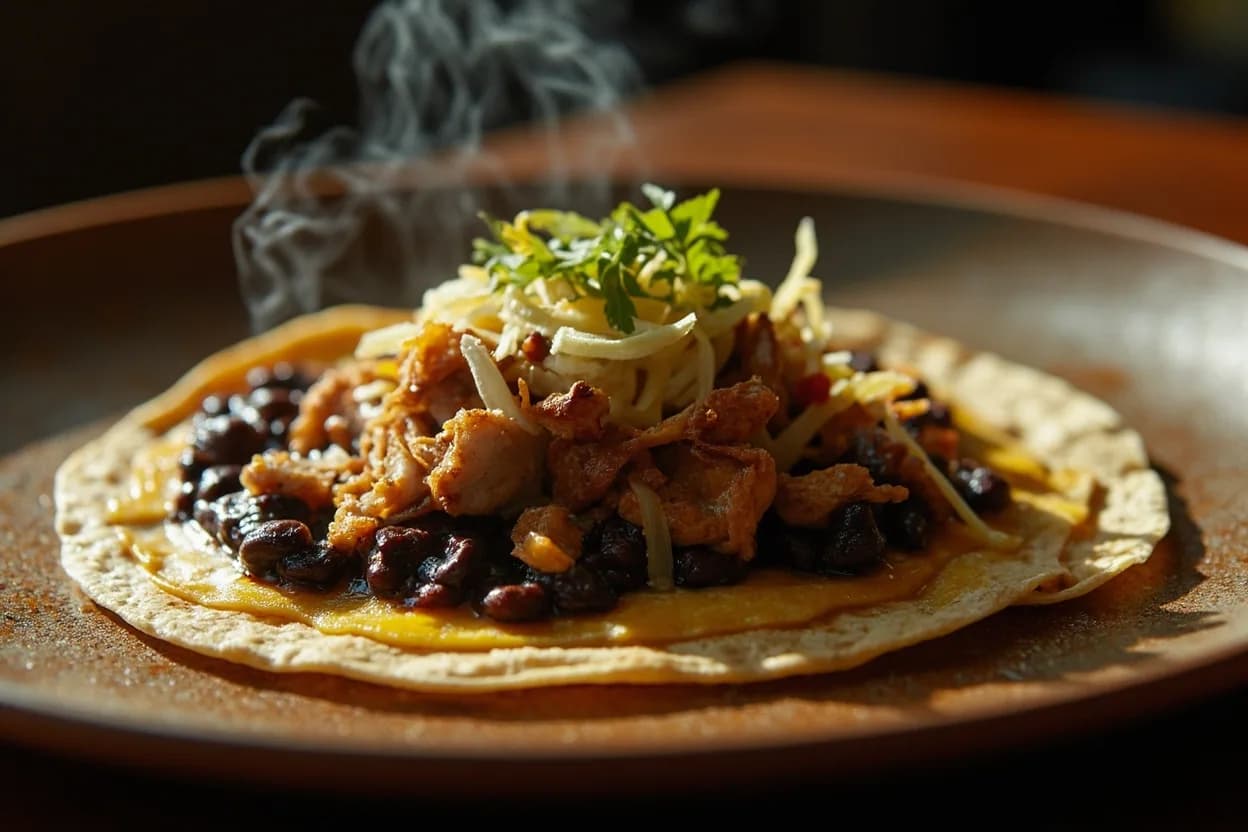
Oaxacan meal culture is built around the market and the comida corrida (daily set lunch). Breakfast may be tejate (pre-Hispanic cold chocolate-corn drink), atole, or eggs with black beans. The main meal is midday: a mole or adobo over protein, with beans, tortillas from the comal, and fresh salsa. Street food is omnipresent and elaborate — tlayudas assembled to order with frijoles, Oaxacan cheese, and meat; memelas with tasajo and chicharrón. Mezcal accompanies food as wine would in European contexts. The evening meal is lighter. Market eating — at Oaxaca City's Mercado 20 de Noviembre, where rows of charcoal grills cook tasajo and cecina — is itself a culinary institution.
History & context
Oaxaca is home to one of the oldest continuous human settlements in Mesoamerica: Monte Albán, the Zapotec capital, was founded around 500 BCE and supported sophisticated agriculture including maize, beans, squash, chilli, tomato, and cacao — the Mesoamerican holy triad plus. The Zapotec and Mixtec civilizations, which predated and outlasted the Aztec tributary system, developed the core culinary techniques: metate grinding, comal cooking, clay pot braising, and the chilli-sauce complex that would become mole. Spanish colonization in the 16th century introduced pork, lard, dairy (quesillo), and Mediterranean ingredients (olives, capers for estofado), which were absorbed into Oaxacan cooking without displacing its pre-Hispanic foundation. The Sierra Juárez's geographic isolation preserved this foundation. Mezcal production dates to colonial times but uses agave knowledge that is pre-Columbian. Oaxaca was recognized by UNESCO as an Intangible Cultural Heritage for its traditional cooking in 2010.
Regional variations
- Sierra Juárez (Zapotec highlands)
Most pre-Hispanic in character; corn-fungi, endemic chillies, wild mushrooms (hongos silvestres), and remote preparations; hierba santa and hoja de aguacate prominent
- Cañada region
Drier; chile pasilla oaxaqueño grown here is the region's most important dried chilli; stronger goat and lamb traditions
- Isthmus of Tehuantepec
Zapotec Tehuantepec identity; mondongo istmeño (tripe stew), tasajo-heavy; vivid matriarchal market culture; Vela festival food traditions
- Costa Oaxaqueña
Pacific coast; seafood-forward; aguachile, ceviches, and fresh fish tacos alongside mole; strong Afro-Mexican (Afro-Mixtec) food heritage in the Costa Chica
Related cuisines
- Pueblan
Both are mole capitals of Mexico; Puebla claims mole poblano; Oaxaca counters with seven distinct moles; both trace lineage to pre-Hispanic Mesoamerican chilli-sauce traditions
- Guerreran
Neighboring state with shared chile negro culture, Pacific coast fishing, and Afro-Mexican food heritage in the Costa Chica region
- Mayan (Yucatecan)
Parallel pre-Hispanic food culture that also survived colonization relatively intact; both center on corn, beans, and a complex chilli-spice grammar
Canonical recipes
The dishes that define Oaxacan, documented in the Canon.
References
- 1.Oaxaca al Gusto: An Infinite Gastronomy — Diana Kennedy
- 2.Decolonize Your Diet — Luz Calvo and Catriona Rueda Esquibel
- 3.The Art of Mexican Cooking — Diana Kennedy
- 4.Mexico: The Cookbook — Margarita Carrillo Arronte
- 5.UNESCO Intangible Cultural Heritage — Traditional Mexican Cuisine, 2010
Confidence: high
Notes
Mole negro: a week's work
Mole negro, the crown of Oaxacan cooking, typically requires more than twenty ingredients and several days of preparation in traditional form. The dried chillies (negro, mulato, pasilla, chihuacle negro) must be deveined, toasted until fragrant, and soaked; a tortilla and a piece of plantain are charred black to provide bitterness and body; Oaxacan chocolate — stone-ground from toasted cacao beans with cinnamon and sugar — is added late. The paste is ground on a metate (or modern blender), then fried in lard, then slow-simmered for hours with turkey or chicken stock. The result is near-black, complex, bitter-sweet-smoky, and irreducibly Oaxacan.
Chapulines: the original sustainable protein
Toasted grasshoppers (chapulines, Sphenarium purpurascens) are not a novelty or spectacle in Oaxacan food culture — they are a staple protein with deep pre-Hispanic roots, sold by volume in markets, seasoned with lime and chile, eaten straight from a paper bag or pressed into tlayudas and quesillo tacos. Their flavor is intensely umami-savory with a lime-salt finish. The chicatana (flying ant, harvested in early rainy season) is even more prized, with a richer, nuttier flavor, and appears in salsas and mole variants.