Proteins
Chapulines (Grasshoppers)
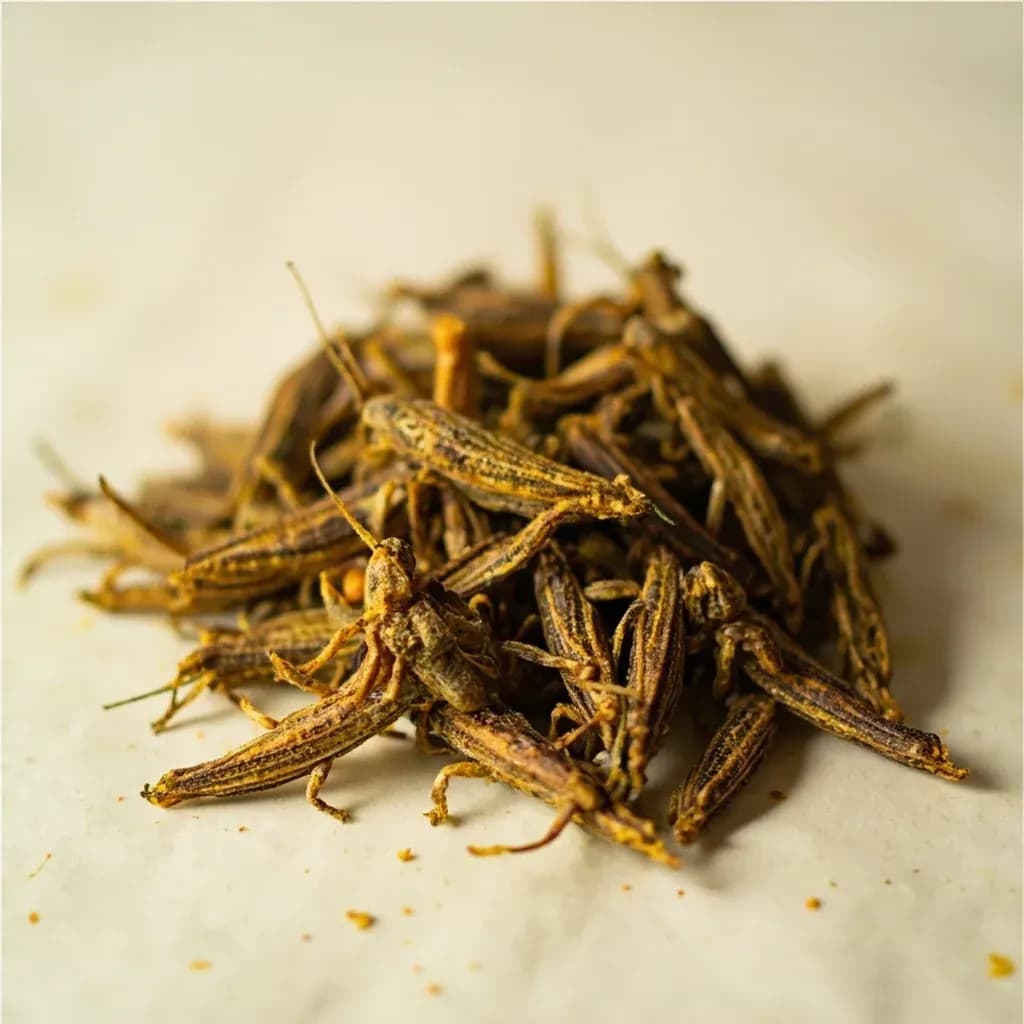
Toasted seasoned grasshoppers from Oaxaca — crunchy, tangy, and protein-rich snack.
Chapulines are edible grasshoppers, a traditional Oaxacan food in Mexico. They are toasted on a comal with garlic, lime, chile, and salt until crisp, giving a tangy, smoky crunch. Eaten as a snack, taco filling, or guacamole topping, they are an iconic and highly nutritious insect protein.
Chapulines are toasted grasshoppers (Sphenarium purpurascens) that have been a cornerstone of Oaxacan cuisine for centuries, particularly in the Central Valleys around towns such as Salomé and Topiltepec. They are not farm-raised in any conventional sense — collectors gather them by hand from maize fields and fallow land during the rainy season, when the insects have developed wings but remain young and small. The harvested grasshoppers are cleaned, then toasted dry on a clay comal or shallow pan until they achieve a crispy, golden-brown texture. This dry-toasting method is what sets traditional chapulines apart: the insects are never fried in oil, and their structural integrity — head, thorax, abdomen, and legs largely intact — remains recognizable.
In flavor, properly toasted chapulines are nutty and slightly earthy with a natural smokiness from the dry-heat cooking. The commercial varieties sold in Oaxacan markets are seasoned after toasting with ground dried chile de árbol, garlic, and lime, which coats the insects in a savory, mildly spiced crust. The crunch is distinctive — a fine, brittle shatter from the exoskeleton that gives way to a soft interior. When ground into flour, chapulines lose their textural drama but contribute a concentrated, protein-rich umami backbone to masa, tortillas, and sauces. The protein density (60–75% by dry weight) and micronutrient profile (iron, zinc, calcium, magnesium, and B vitamins) make them nutritionally exceptional, and their flavor holds its own against bold Mexican seasonings.
The chapulín trade represents one of the most successful edible-insect supply chains in the Americas. Women-led cooperatives in Topiltepec and surrounding villages organize wild harvesting and community processing, maintaining quality standards while supporting local economies. The highest-quality chapulines are still found in Oaxacan markets, where experienced vendors toast them to order. Growing international interest has produced packaged export-grade product, but quality and freshness can vary significantly — the best chapulines smell faintly nutty and smoky, never acrid or sour.
- Measured in
- g
- Storage
- Pantry
Allergens
Types & varieties
The most common commercial variety: toasted with ground dried chile de árbol, garlic, and a squeeze of lime. Sold in markets throughout Oaxaca and Mexico City.
Pressed or flattened grasshoppers, sometimes called 'salted grasshoppers' — lightly toasted with salt only, less spicy. Common in central Mexican markets.
Dried and ground grasshoppers used as a protein-rich flour additive for tortillas, tamales, or seasoning blends.
A darker-colored species or preparation sometimes found in the Sierra Norte; reported to have a slightly more intense, earthy flavor.
Early-season harvest (June) yields smaller, more tender grasshoppers; later harvest (September–October) produces larger individuals with a more pronounced exoskeleton crunch.
Common uses
Tips & pitfalls
- Buy from reputable sources that verify clean habitat — grasshoppers absorb heavy metals and toxins from pesticides if harvested near treated cropland.
- Look for uniformly crispy, golden-brown to dark-brown specimens. Avoid batches that are pale and chewy (undertoasted) or black and acrid-smelling (burnt).
- If your chapulines have gone soft from humidity, spread them on a dry comal or skillet over low heat for 1–2 minutes to re-crisp — do not use oil.
- Store with a silica gel packet or a paper towel to absorb residual moisture; reseal tightly each time.
- If using ground chapulines, start with a small amount (1–2 teaspoons) as a garnish or additive — the flavor is concentrated.
- Toasting from raw requires experience: start with clean, dry (not frozen) grasshoppers and toast over medium-low heat, stirring constantly, for 5–8 minutes until crisp and fragrant.
Nutrition
Nutrition
No USDA FoodData Central match for Chapulines (Grasshoppers) yet. We surface a per-100 g profile once a generic whole-food entry is matched and verified.
In the shops
Matched grocery products
No matched grocery products for Chapulines (Grasshoppers) yet.
Good to know
- Scientific name
- Sphenarium purpurascens (primary species harvested for consumption)
- Origin
- Central and southern Mexico; Oaxaca is the most famous production region, particularly the town of Salomé, Topiltepec, and the Central Valleys.
- Harvest season
- Peak harvest during the rainy season (June–October), when grasshoppers have developed wings but are still young and smaller.
- Protein content
- Approximately 60–75% protein by dry weight — higher than beef or chicken on an equal-weight dry basis.
- Key micronutrients
- Rich in iron, zinc, calcium, magnesium, and B vitamins (especially B12 in some analyses).
- Flavor profile
- Nutty, slightly earthy, with smoky notes from dry toasting. Seasoned varieties add garlic, dried chile de árbol, and lime.
- Storage
- Keep in an airtight container in a cool, dry pantry; will stay crispy for 2–3 months. Refrigeration introduces moisture and destroys crunch.
- Typical form
- Fully intact toasted grasshoppers (head, thorax, abdomen, legs, wings still attached), seasoned and crispy. Also sold ground as flour.
Substitutes
- Crickets (grillos) — Closest in texture and mild, nutty flavor. Mexican or Southeast Asian toasted crickets can substitute in most applications. Scale quantities 1:1.
- Dried shrimp — Will not replicate the crunch, but provides a similar savory-umami backbone in taco or egg preparations. Use sparingly as a flavor note rather than texture.
Pairs with
Also called
Grasshoppers · Toasted Grasshoppers
Appears in these dishes
Related
Egg
The kitchen's everything ingredient — bind, leaven, enrich, or fry
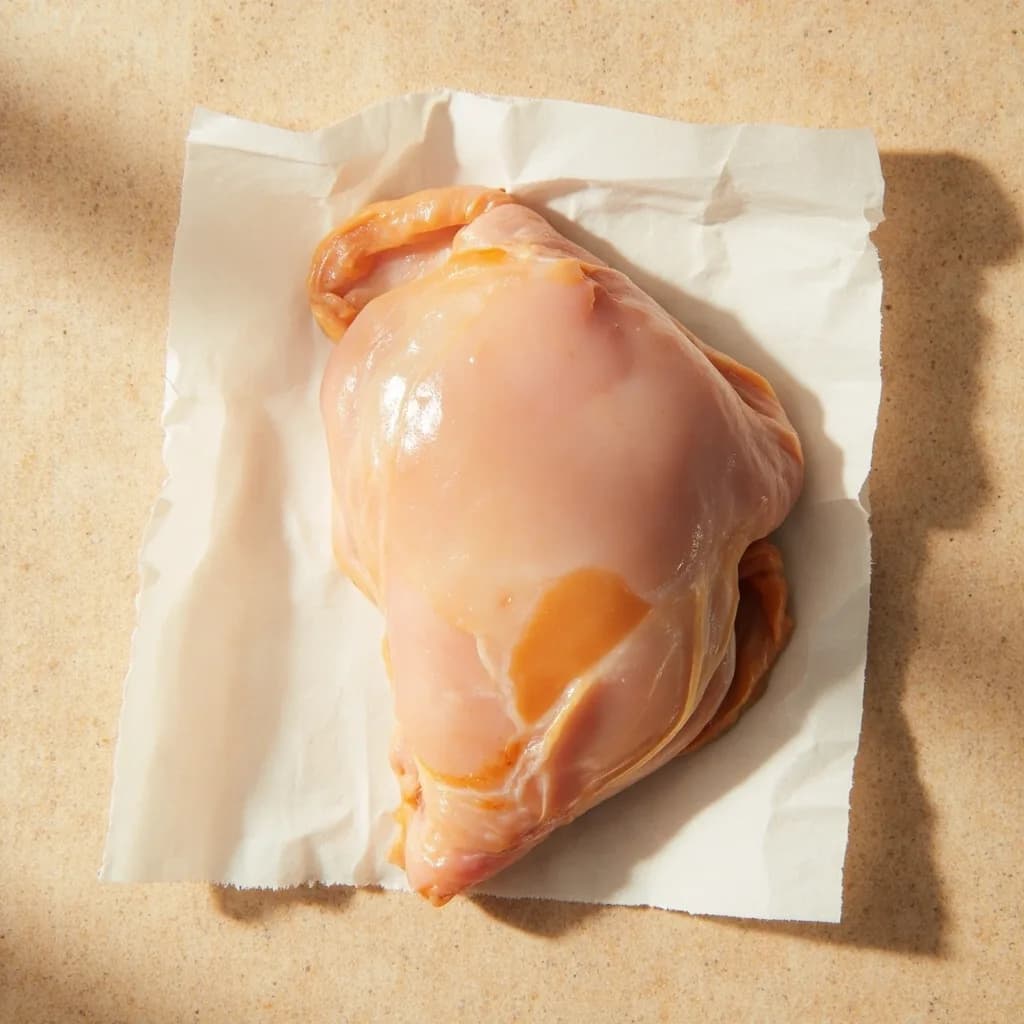
Chicken Breast
Lean, quick-cooking white meat for everyday dinners

Ground Beef
Versatile minced beef for burgers, ragù, tacos, and meatballs
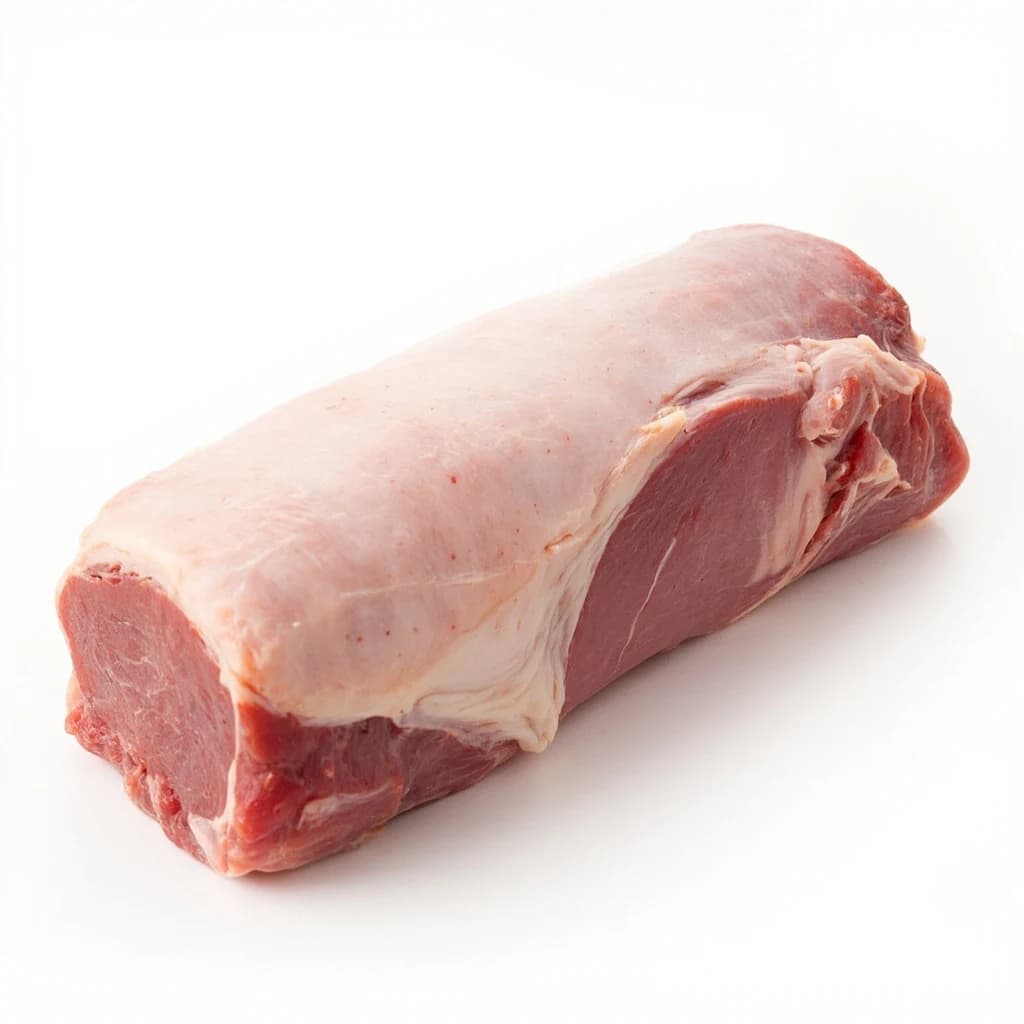
Pork Loin
Lean, tender roasting cut that stays juicy with care
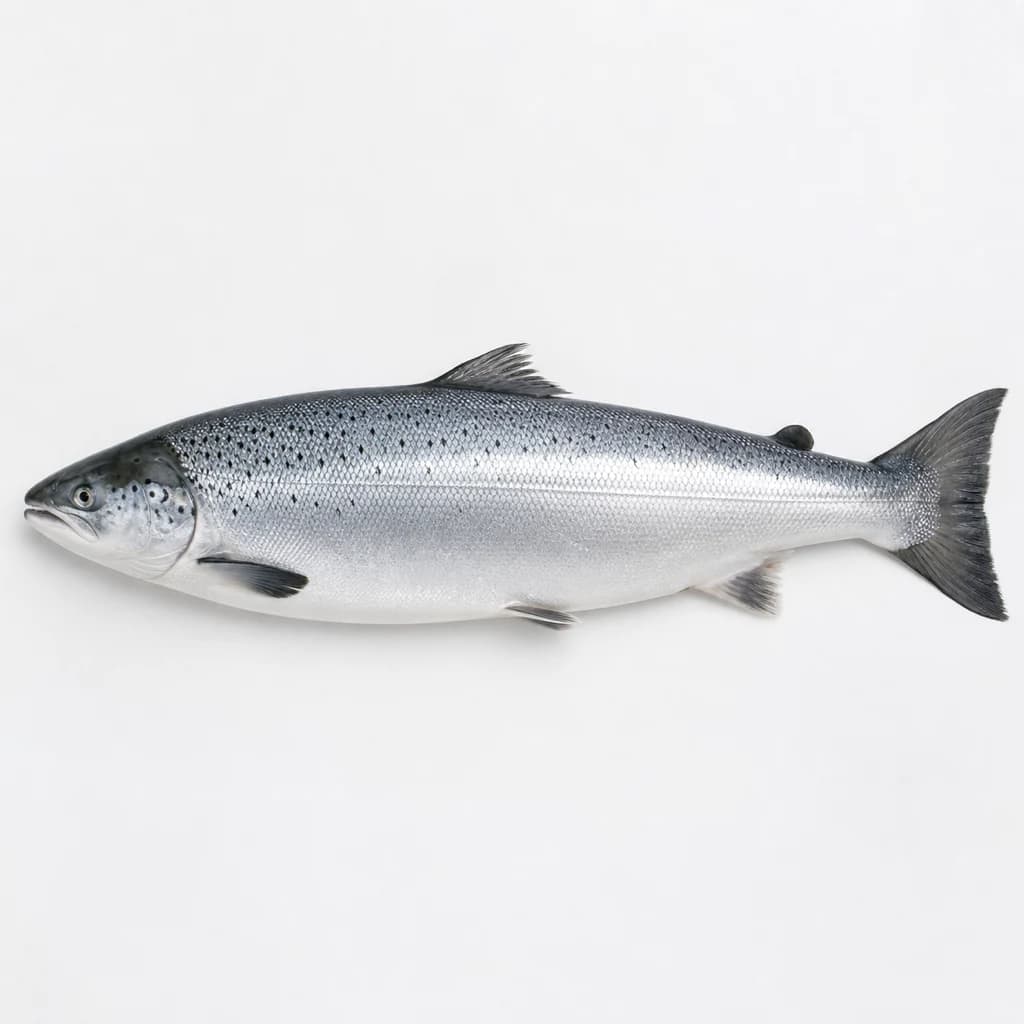
Salmon
Rich, rosy fish that roasts, grills, or cures beautifully

Egg White
Pure protein that whips to airy peaks for meringue and more
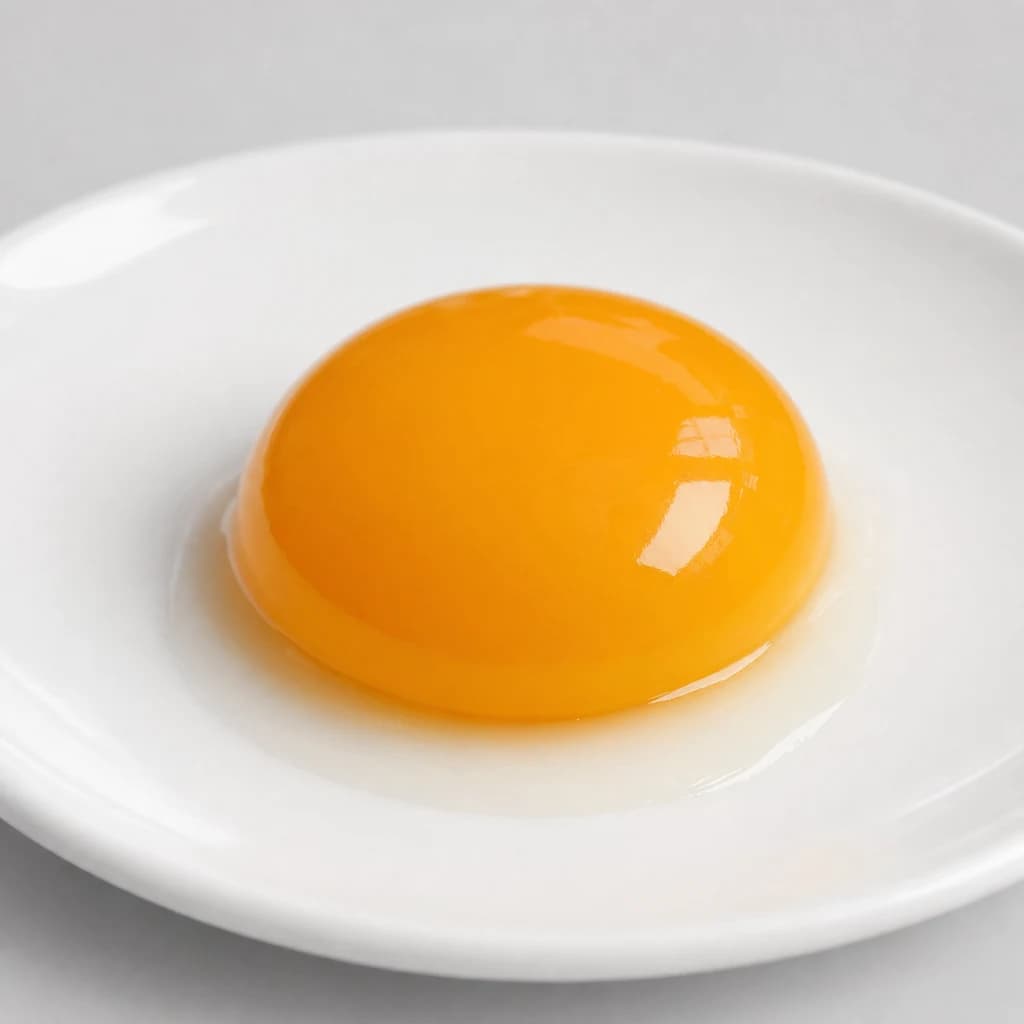
Egg Yolk
Rich, golden yolk for custards, mayonnaise, and pasta

Quail Egg
Tiny, speckled eggs for garnishing and elegant bites