
Stored
Tasajo as sold: stiff, paper-thin dried beef sheets with visible salt crystals and dark mahogany color.
Shows the preserved, shelf-stable form a buyer encounters, making the ingredient immediately recognizable at purchase.
Proteins
Tasajo (Dried Beef)
Thin salted, sun-dried beef rehydrated for Caribbean and Latin American stews.
Tasajo is beef that has been salted and sun-dried into thin sheets for preservation, common in Cuban and Latin American cooking. It is soaked to remove excess salt, then shredded or simmered into hearty stews and rice dishes. Its concentrated, savory flavor lends depth to slow-cooked meals.
Tasajo is a traditional dried beef that has served as a cornerstone of Mexican and Central American cuisine for centuries, particularly in El Salvador, Honduras, Guatemala, Nicaragua, and regions of Mexico. The product is made from lean beef cuts—typically the round, hindquarter, or flank—treated with heavy salting and then sun-dried until it becomes board-like hard and dark reddish-brown. This ancient preservation method, predating refrigeration by hundreds of years, emerged in arid and semi-arid regions where solar drying was practical year-round. The name derives from Nahuatl roots, reflecting its pre-colonial indigenous origins. What makes tasajo distinctive is not merely the drying but the heavy salting process that draws out moisture, inhibits bacterial growth during the drying phase, and creates the intense, concentrated beefy flavor with subtle smoky undertones that defines the ingredient. In traditional markets throughout Central America, tasajo is still sold by weight from hanging display pieces, and its extreme hardness is considered a quality indicator—a properly dried piece should be difficult to bend.
When you work with tasajo, you are not just rehydrating meat; you are extracting concentrated umami and mineral depth that transforms humble beans, corn, and chilies into deeply satisfying dishes. The rehydration process is critical and cannot be rushed: the beef must be soaked in multiple changes of cold water over 12 to 24 hours to leach out excess salt without making the flesh mushy. After soaking, a brief boil in fresh water further reduces salinity. The yield is substantial—dried tasajo approximately doubles in weight when fully rehydrated—and the resulting texture should be firm yet yielding, easily shredded or sliced. Used as a flavor base, a handful of sautéed tasajo renders its essence into cooking fat, creating a savory foundation that permeates an entire stew. The concentrated salt also means the soaking liquid becomes a deeply beefy stock that should be used in cooking rather than discarded.
Tasajo is inseparable from its role in traditional preparations like mondongo, the tripe and bean stew that represents the canonical Central American use, and pozole, where its broth becomes the soul of the dish. It appears in bean dishes such as frijoles volteados con tasajo, in rice preparations, and as a filling for tacos, tortas, tamales, and enchiladas. The ingredient carries cultural weight beyond mere nutrition—it connects contemporary cooking to centuries of culinary adaptation in regions where refrigeration was never available. When you encounter tasajo in a recipe, you are working with an ingredient that has been central to survival, trade, and tradition across multiple countries and cultures, and its assertive personality demands respect in preparation and proportioning.
- Measured in
- g
- Storage
- Pantry
Types & varieties
From Jalisco, Mexico; traditionally from the beef round, heavily salted and sun-dried on wooden racks
El Salvador's dense dried beef, a cornerstone of mondongo and bean dishes; often smoked over wood for added depth
Thicker-cut variety from Honduras, commonly used in soups and stews with rice and beans
Related South American dried beef (Peru, Bolivia); similar preservation method but often cut into strips rather than the thicker Central American style
Mexican cousin; thinner cut, lighter salt cure, may be air-dried rather than sun-dried, resulting in a milder flavor
Understanding Salt Content and Leaching
The heavy salting that makes tasajo shelf-stable is also what makes it challenging to cook with. Unlike fresh beef, which can be seasoned to taste, tasajo arrives pre-seasoned at a level that would make the finished dish inedible without correction. The leaching process is not optional—it is the difference between a dish that is salty and one that is savory. Cold water soaking over many hours allows salt to migrate out of the dense, dried tissue gradually. Rapid rehydration in hot water may seem efficient but results in beef that is soft and waterlogged on the outside while still salty in the center. The multiple water changes prevent the soaking liquid from reaching equilibrium, continuing to draw out salt with each fresh bath.
- Use 2–3 changes of cold water over 12–24 hours for proper leaching
- Boil the soaked beef in fresh water for 10–15 minutes and discard this liquid for additional salt reduction
- Test by sampling a small piece after rehydration—it should taste merely savory, not aggressively salty
- For a less assertively salty product, soak in water with citrus juice or weak vinegar (1 tablespoon per cup)
- The soaking liquid becomes a rich beef stock—use it in your dish rather than discarding it when appropriate
Storage and Selection
Quality tasajo should be rock-hard and difficult to bend without cracking. When shopping at Latin markets, look for pieces that are uniformly dark without lighter streaks that indicate uneven drying. Avoid any piece with soft spots, visible moisture, or signs of mold. Once purchased, store dried tasajo in a breathable container—a paper bag, mesh bag, or loosely wrapped in cheesecloth—in a cool, dry pantry. Never seal it in plastic, which traps humidity and causes mold. If mold appears, discard the entire piece; do not attempt to trim around it because salt penetration is uneven and contamination may extend deeper than visible signs. Properly stored, tasajo keeps for 6–12 months. After rehydration, treat it like fresh beef and use within 2–3 days.
- Select pieces that are uniformly firm and board-like
- Avoid any with soft spots, discoloration, or visible mold
- Store in breathable containers only—never sealed plastic
- Refrigerate rehydrated tasajo and use within 2–3 days
Common uses
Tips & pitfalls
- Rinse the dried tasajo under cold water before soaking to remove surface dust or debris from market handling.
- Soak in 2–3 changes of cold water over 12–24 hours; this is non-negotiable for reducing salt to edible levels—rushing this step is the most common mistake.
- After soaking, boil the rehydrated beef in fresh water for 10–15 minutes and discard this water for further salt reduction before using in your dish.
- Press the soaked beef between clean kitchen towels to remove excess moisture before shredding or slicing—this prevents watery stews.
- If time is short, slice thin and simmer in warm water for 2 hours, changing water twice—but the texture will be slightly softer than cold-soaked beef.
- Store dried tasajo in a breathable container (paper bag, mesh bag) in a cool, dry pantry; never sealed in plastic, which causes mold.
- If mold appears, discard the entire piece—do not attempt to trim and save, as salt penetration is uneven and contamination may be internal.
- Add tasajo early in stews so its broth becomes the savory backbone of the dish rather than an afterthought.
Nutrition
Energy
640 kJ · per 100 g
Where the calories come from
Protein
31.1g
62% DV
Carbs
2.8g
1% DV
Fat
1.9g
2% DV
Fiber
0g
0% DV
Sugars
2.7g
of which
Sodium
2790mg
121% DV
Source · USDA FoodData Central · approx. Beef, cured, dried
View on FDC →In the shops
Matched grocery products
No matched grocery products for Tasajo (Dried Beef) yet.
Good to know
- Origin
- Mexico and Central America (El Salvador, Honduras, Guatemala, Nicaragua)
- Primary Cuts
- Beef round, hindquarter, or flank—leaner muscles preferred for drying
- Preservation Method
- Heavy salting followed by sun-drying; some varieties include light smoking
- Appearance
- Dark reddish-brown to mahogany; very firm, board-like texture when fully dried
- Flavor Profile
- Intensely beefy, salty, slightly smoky; umami-concentrated
- Shelf Life (dried)
- 6–12 months when stored in cool, dry, ventilated conditions
- Rehydration Time
- 12–24 hours in cold water, or 2–4 hours in warm water
- Typical Yield
- Approximately doubles in weight after rehydration
Substitutes
- Cecina de res — Less salty and thinner cut; soak and rinse similarly but expect a lighter, air-dried flavor rather than the sun-dried intensity of true tasajo
- Biltong — South African dried beef with similar salt level and texture; rehydrate before using in stews, though the flavor profile differs
- Beef jerky (unsweetened varieties) — American-style jerky works in a pinch but is often too chewy and may contain sugar or sauces; cut into small pieces and simmer to soften
- Dried salt cod (bacalao) — Completely different protein but similarly requires extensive soaking and provides salty, pungent backbone in stews when you need something radically different
- Rehydrated TVP or textured vegetable protein — Only acceptable for textural replacement in vegetarian contexts; does not replicate the genuine beefy depth of true tasajo
Pairs with
Also called
Thin Dried Beef · Carne Seca
Appears in these dishes
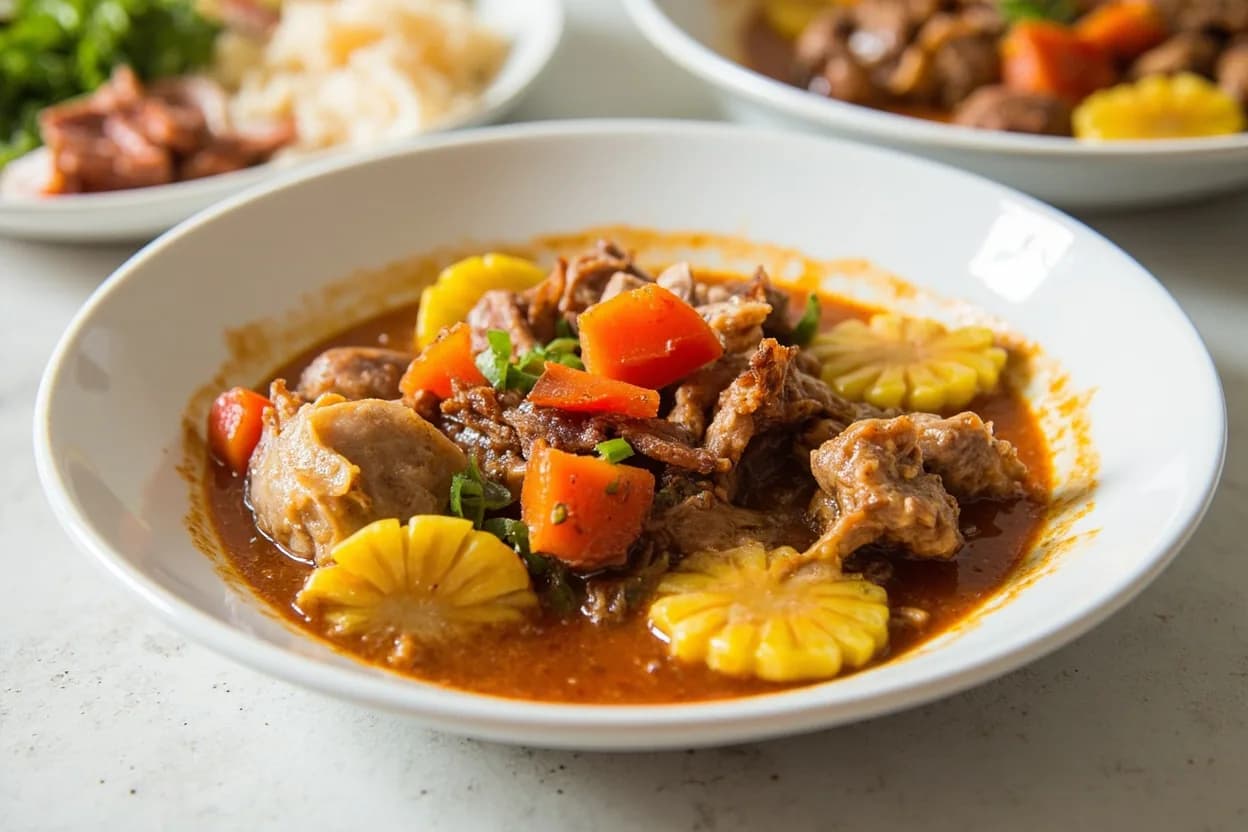
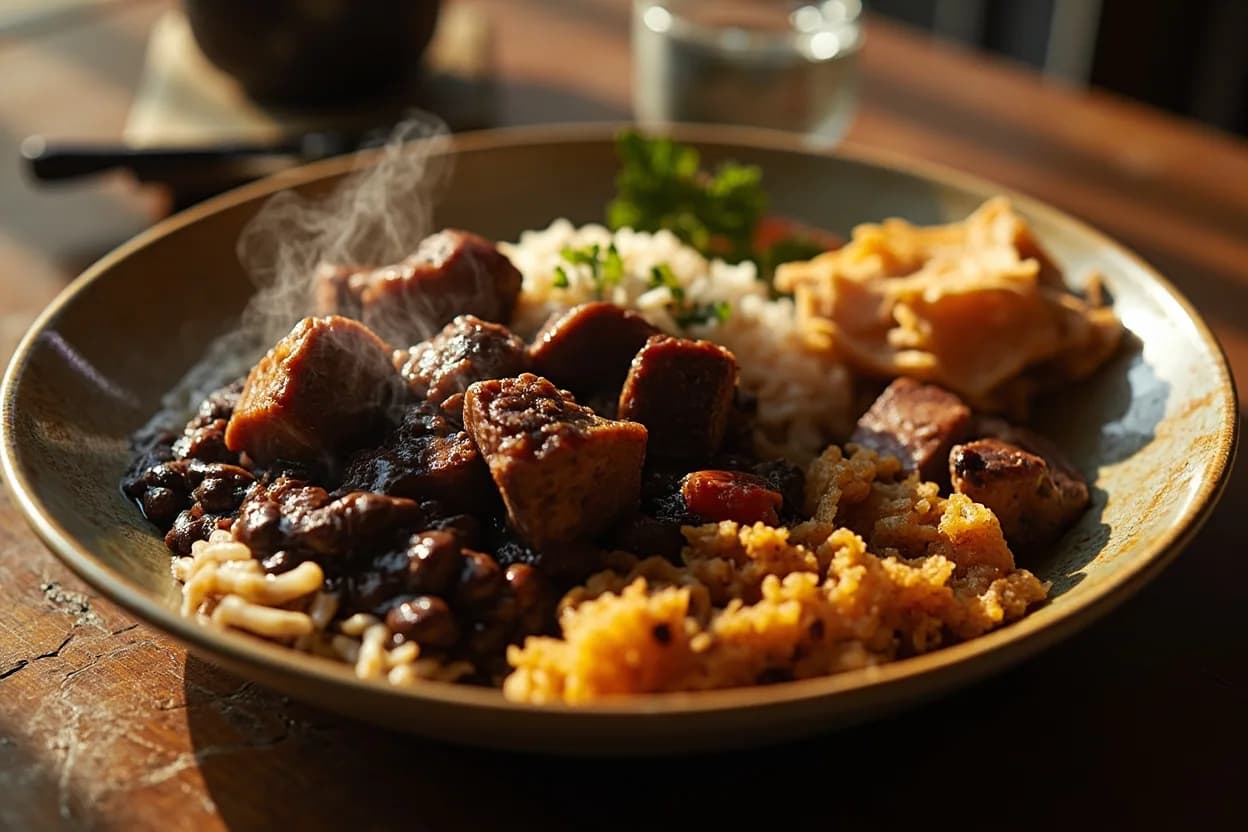
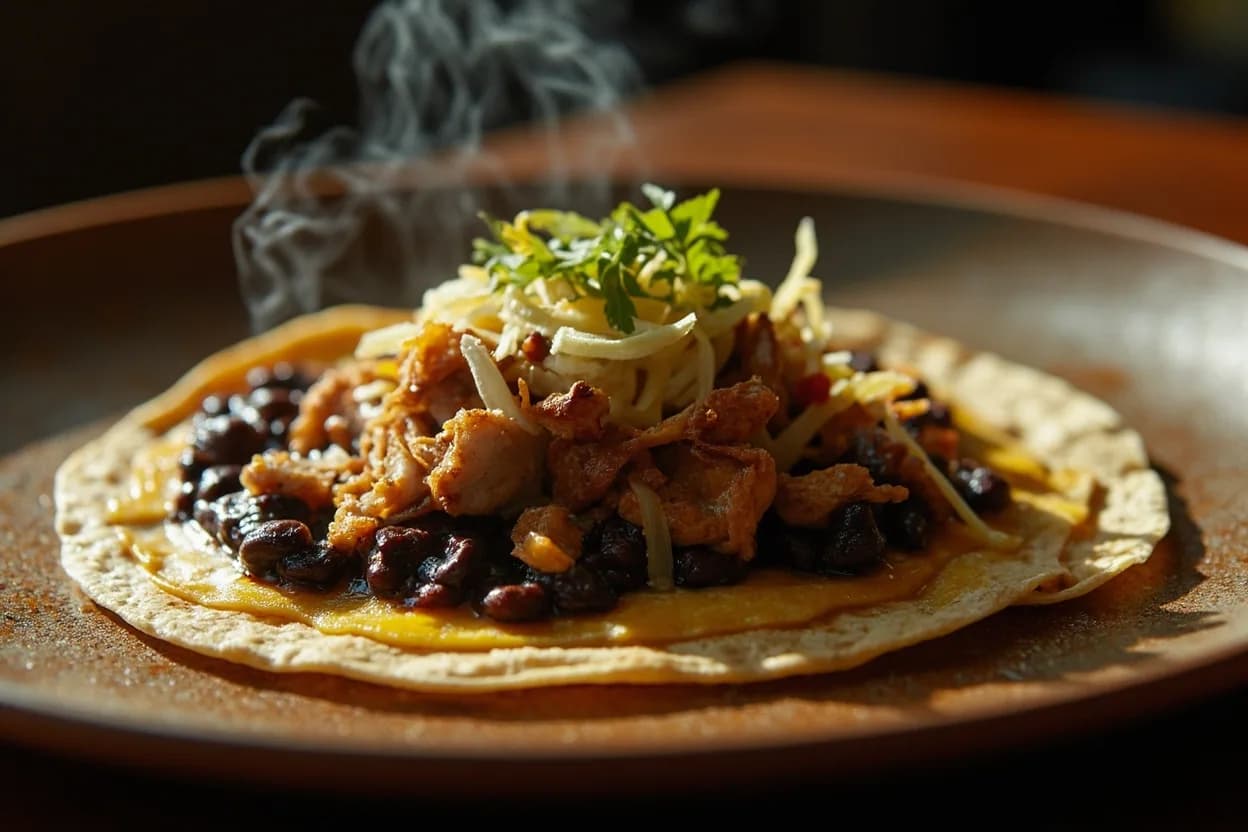
Related
Egg
The kitchen's everything ingredient — bind, leaven, enrich, or fry
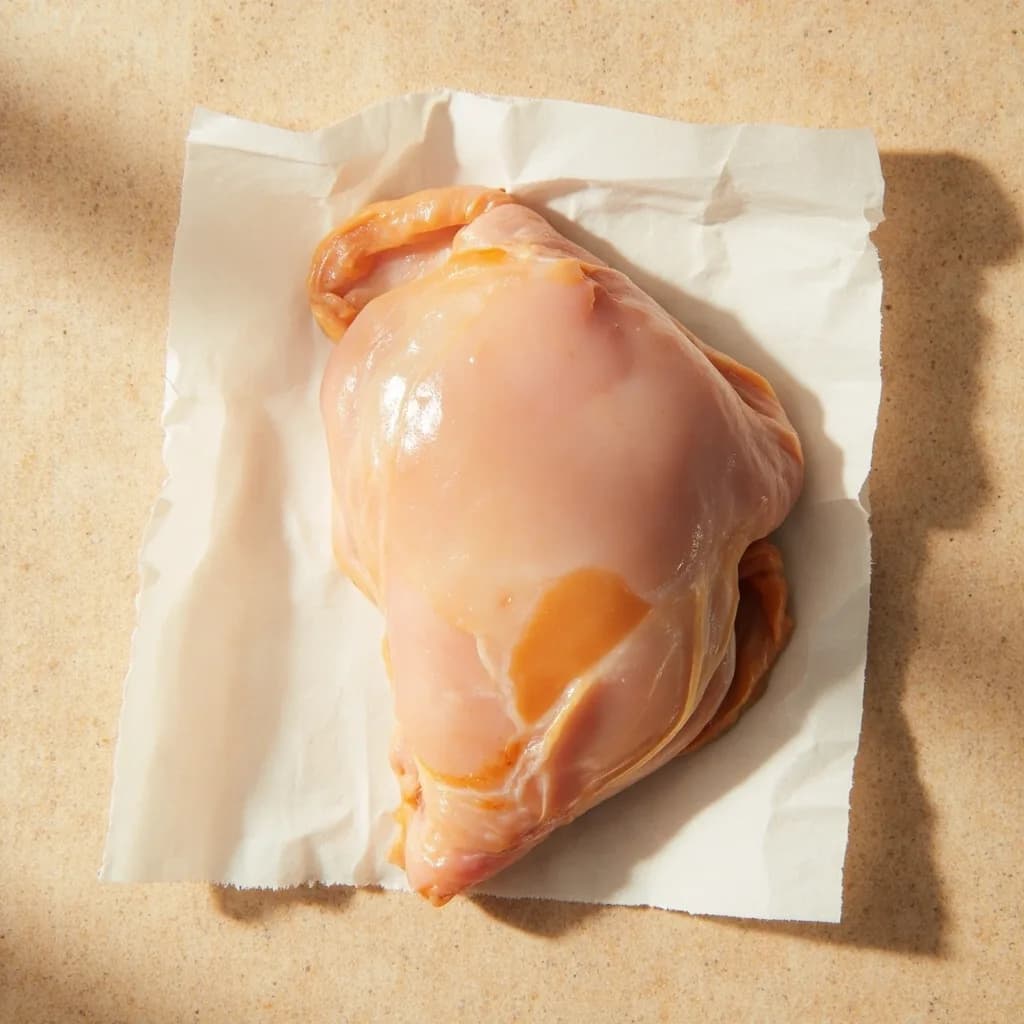
Chicken Breast
Lean, quick-cooking white meat for everyday dinners

Ground Beef
Versatile minced beef for burgers, ragù, tacos, and meatballs
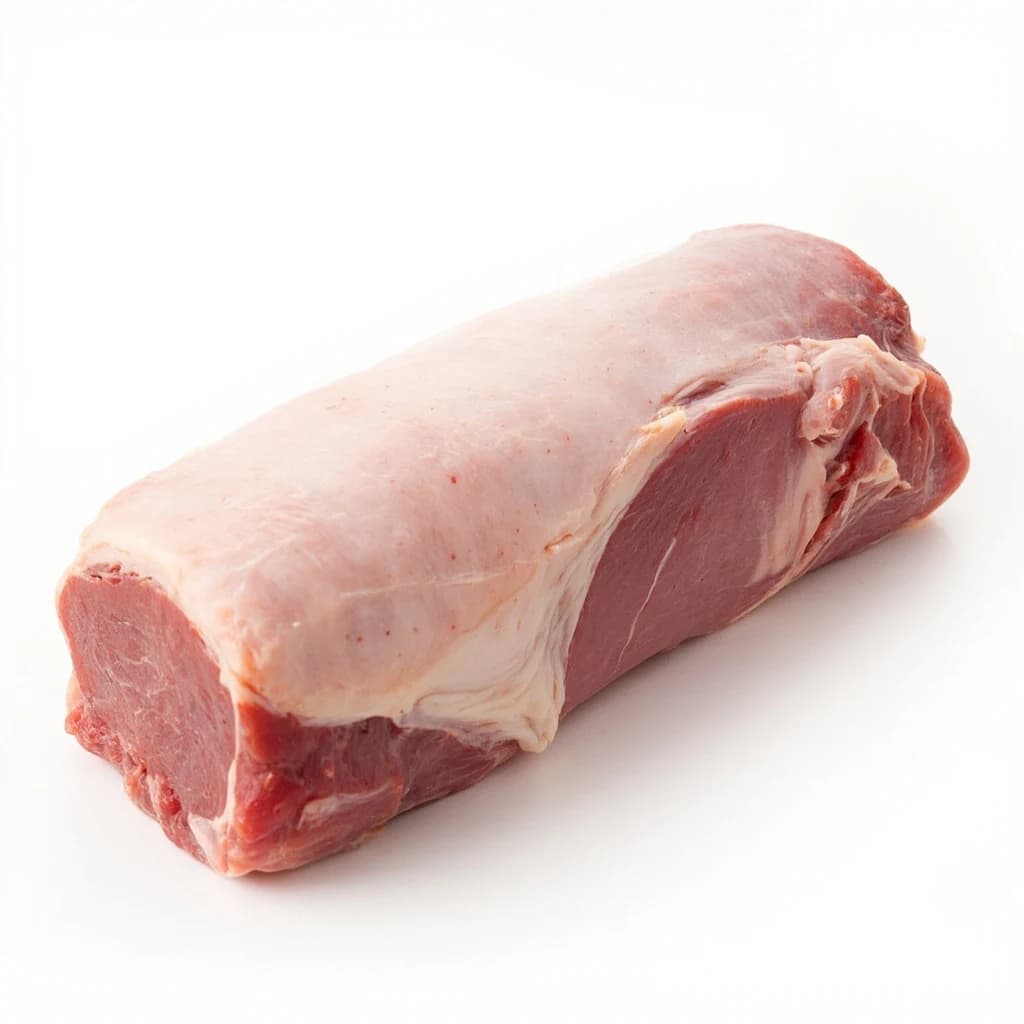
Pork Loin
Lean, tender roasting cut that stays juicy with care
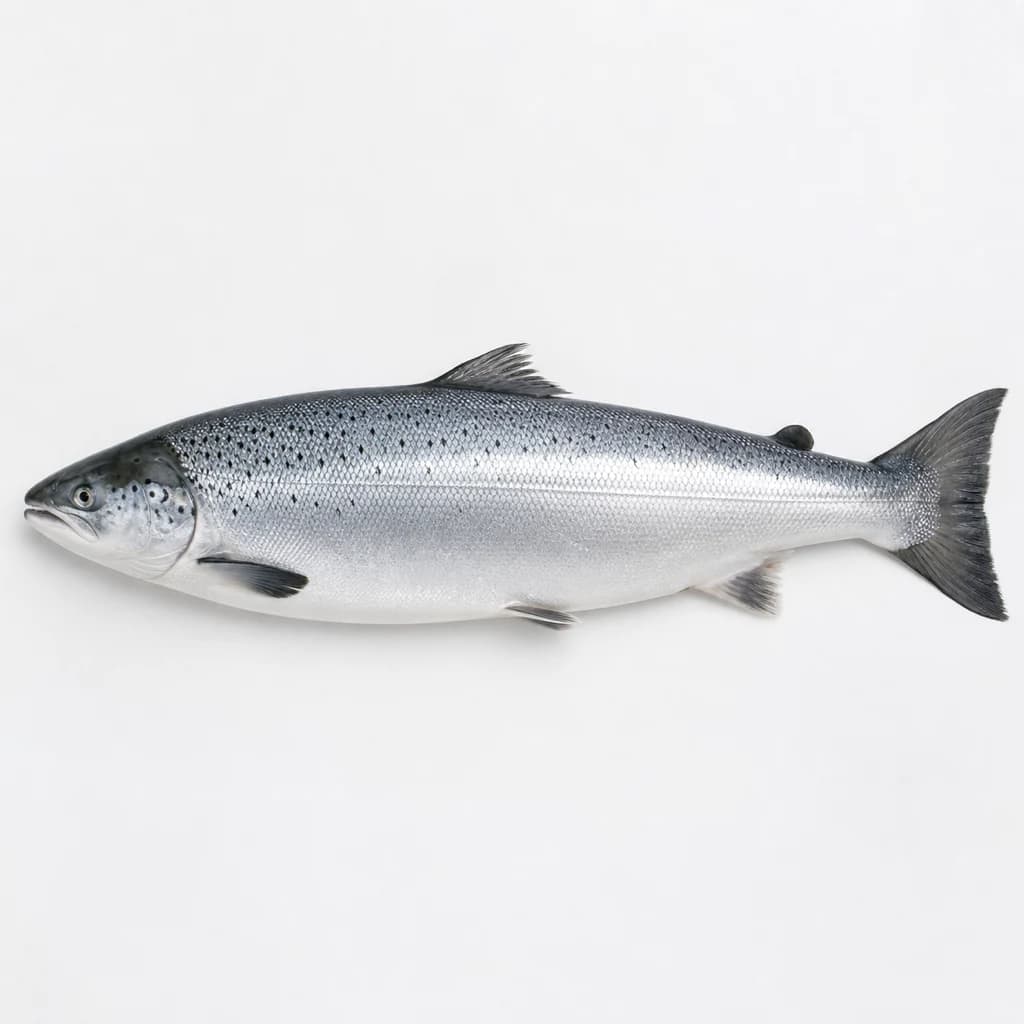
Salmon
Rich, rosy fish that roasts, grills, or cures beautifully

Egg White
Pure protein that whips to airy peaks for meringue and more

Egg Yolk
Rich, golden yolk for custards, mayonnaise, and pasta

Quail Egg
Tiny, speckled eggs for garnishing and elegant bites