Natural form
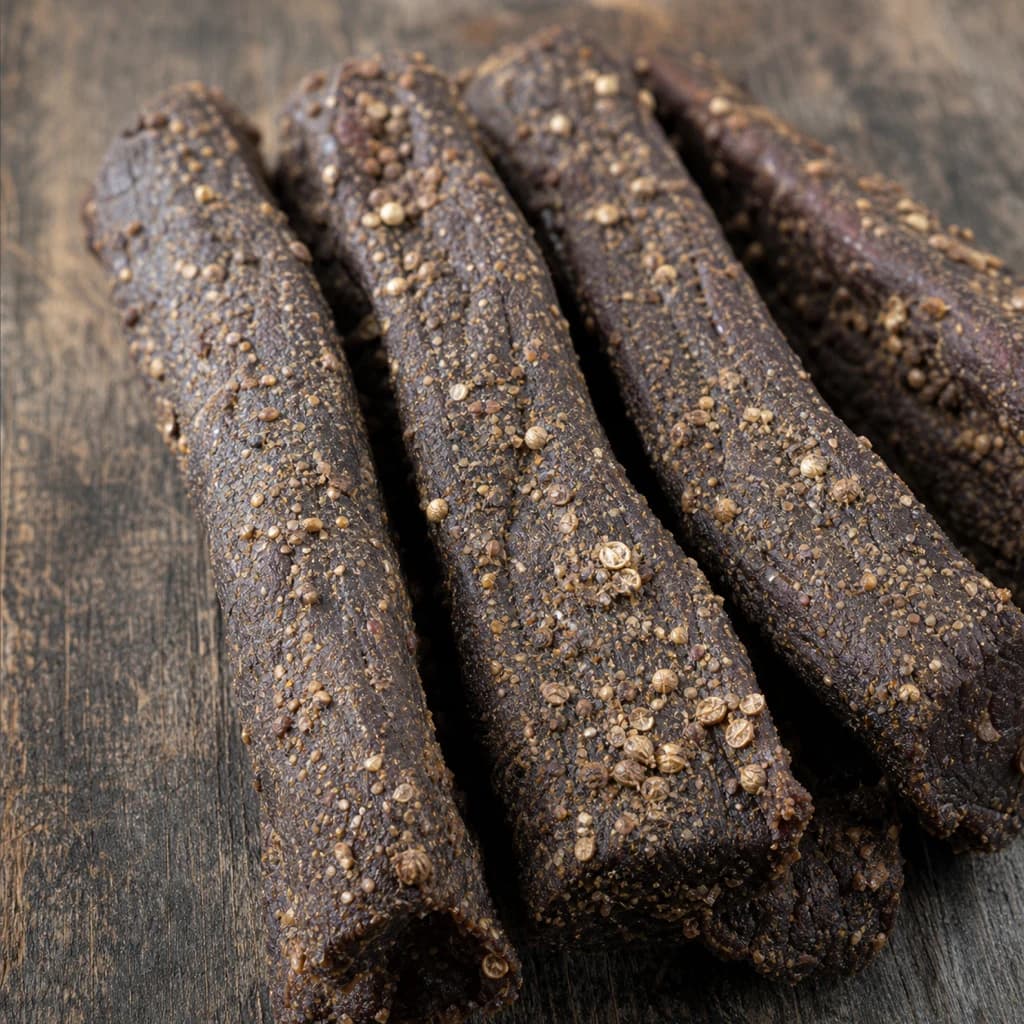
Whole biltong sticks as sold: dark, rough-edged, dried beef strips.
Shows the recognizable exterior — the deep mahogany crust and thick strip form that distinguishes biltong from other dried meats.
Proteins
Biltong
South African air-dried, vinegar-and-spice cured beef eaten as a snack.
Biltong is a South African cured meat made by marinating strips of beef or game in vinegar and spices like coriander, then air-drying. Unlike jerky it is not cooked or heavily sweetened, yielding a tender, savory, slightly tangy snack. It is sliced thin and eaten on its own or crumbled over dishes.
Biltong is South Africa's homegrown cured meat — a deeply savory, tangy, air-dried beef that differs fundamentally from the smoked, sauced jerky most non-South Africans know. Where jerky relies on smoking and liquid seasonings, biltong cures in a vinegar-and-dry-spice bath and dries without heat or smoke. The result is a dense, protein-rich strip with layered flavor: sharp vinegar tang, warm coriander, black pepper heat, and concentrated umami. The word is Dutch — bil (hindquarter) and tong (strip) — a nod to the cuts used and the legacy of 17th-century Dutch settlers at the Cape.
The curing process is what makes biltong work. Wine vinegar or brown malt vinegar denatures surface proteins and acidifies the meat, creating a hostile environment for spoilage organisms during the long air-drying that follows. The dry spice rub (coriander seed is non-negotiable; everything else adapts) goes on after the vinegar soak. Drying happens in a dark, ventilated space at 15–20°C (59–68°F), taking 3–7 days depending on thickness and climate. The finished product ranges from moist (~60% moisture, needs refrigeration) to dry (~25% moisture, keeps at room temperature for weeks). Beyond beef, the same method applies to ostrich, venison, kudu, and eland.
Biltong is a protein-dense snack, a charcuterie component, and a pantry staple. Eaten out of hand, chopped into eggs, crumbled into salads, or sliced thin alongside cheese, it brings a distinctive savory punch that no other cured meat quite replicates.
- Measured in
- g
- Storage
- Pantry
Types & varieties
The standard; silverside is the most common cut, yielding well-marbled, flavorful strips
Very lean with a slightly gamey edge; popular and widely available in South Africa
Traditional across southern Africa; leaner and more assertively flavored than beef
Traditional style; firm texture, long shelf life at room temperature, the reference standard
Modern product style; higher moisture, softer bite, must be refrigerated and consumed promptly
Chili flakes or peri-peri blend folded into the spice rub for built-in heat
Biltong vs. Jerky: The Core Difference
These are parallel traditions, not the same thing. Jerky is cooked — by smoking, torching, or dehydration with heat — and seasoned with liquid sauces: Worcestershire, soy sauce, teriyaki, barbecue. The smoke itself acts as a preservative. Biltong is raw throughout its process: vinegar-cured, then air-dried at ambient temperature with no heat and no smoke. The vinegar performs the preservation work that smoke does in jerky. The flavor reflects this: where jerky is smoky and often sweet, biltong is tangy, herbaceous, and savory. If a recipe specifies biltong, substituting jerky will noticeably change the dish's character.
- Jerky is cooked (smoked or heated); biltong is raw-cured and air-dried
- Jerky uses liquid seasonings; biltong uses dry spice rubs applied after a vinegar soak
- Smoke preserves jerky; vinegar preserves biltong during drying
- Flavor profile of jerky: smoky, often sweet. Biltong: tangy, coriander-forward, savory
How to Make Biltong at Home
The process is straightforward but demands patience and attention to temperature and airflow. A dedicated biltong box (a wooden frame with wire mesh shelves and a small fan) is the standard tool, but a dark pantry shelf or closet with a small fan works fine — as long as the space stays cool and dry. Commercial dehydrators are not ideal because the gentle heat they apply can cook rather than dry the meat, altering texture and flavor.
- Select lean beef cuts; trim every visible trace of fat — fat goes rancid during air-drying
- Slice strips with the grain, about 2–3 cm thick, or against the grain for faster vinegar penetration
- Soak in wine vinegar or brown malt vinegar (enough to coat all surfaces) for 12–24 hours in the refrigerator
- Drain and pat dry, then coat generously with a rub of crushed coriander seed, cracked black pepper, and salt
- Hang or lay strips on a biltong box or ventilated rack in a dark space at 15–20°C (59–68°F)
- Ensure airflow with a small fan; rotate strips daily for even drying
- Test doneness by squeezing: properly dried biltong springs back with no moisture on your fingers
- In humid climates, run a dehumidifier in the drying space to prevent mold
Common uses
Tips & pitfalls
- Trim every trace of fat before curing — fat oxidizes and turns rancid during air-drying, ruining the batch
- Slice with the grain for traditional thick strips, or against the grain for faster vinegar penetration and thinner final product
- Lightly crush coriander seeds with a mortar or rolling pin; grinding them fine loses aromatic oils too quickly
- Apply the dry spice rub after the vinegar soak, not before — vinegar needs direct contact with the meat surface to work
- Use a dedicated biltong box or a dark, well-ventilated space at 15–20°C (59–68°F) with a small fan running
- Test doneness by squeezing: properly dried biltong springs back without leaving moisture on your fingers
- Commercial biltong may contain sulfites, BHA, or BHT as preservatives; homemade relies on vinegar and spices only
- In humid climates, place a small dehumidifier in the drying space to prevent mold from forming on the surface
- Rotate strips daily if not using forced-air circulation to ensure even drying from end to end
- Common mistake: drying too warm (above 20°C). This cooks the exterior before the interior dries, creating uneven texture and spoilage risk
Nutrition
Energy
1301 kJ · per 100 g
Where the calories come from
Protein
41.7g
83% DV
Carbs
34.7g
13% DV
Fat
3g
4% DV
Fiber
17.5g
63% DV
Sodium
10mg
0% DV
Source · USDA FoodData Central · approx. Meat extender
View on FDC →In the shops
Matched grocery products
No matched grocery products for Biltong yet.
Good to know
- Primary Cuts
- Silverside, top round, bottom round; lean cuts with minimal connective tissue
- Curing Agent
- Brown malt vinegar or white wine vinegar; acid denatures surface proteins and prevents spoilage during drying
- Key Spices
- Coriander seed (essential), black pepper, salt; optional chili, cloves, bay leaf
- Drying Time
- 3–7 days at 15–20°C (59–68°F), depending on strip thickness and ambient humidity
- Moisture Range
- Wet biltong (~60% moisture, soft texture) to dry biltong (~25% moisture, firm texture)
- Flavor Profile
- Savory, sharp vinegar tang, aromatic coriander, cracked pepper; intensely umami-dense
- Storage (Dry)
- Cool, dry place for weeks; refrigerated for months
- Storage (Wet)
- Refrigerate; consume within 2 weeks
Substitutes
- Beef jerky — Similar texture but smoked and typically sweeter from sauce seasoning; the flavor profile differs significantly
- Cantonese-style air-dried beef (lap cheong) — Salt-and-sugar cure followed by drying; sweeter and denser than biltong, different spice profile entirely
- Bresaola — Italian air-dried beef cured in wine and spices including juniper; herbal and wine-forward, not coriander-dominant
- Prosciutto-style dried game meat — Acceptable substitute for venison or game biltong varieties; similar lean texture and earthy flavor
Pairs with
Also called
Dried Meat
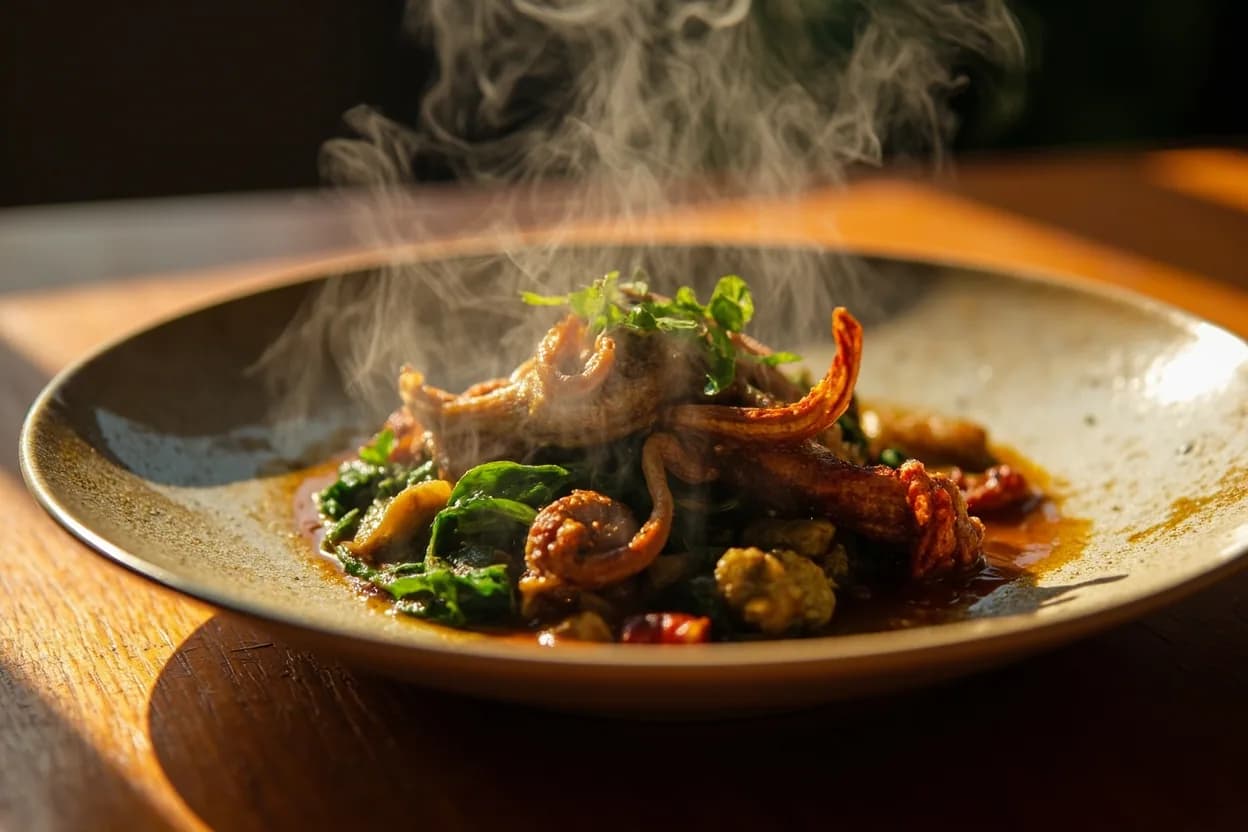
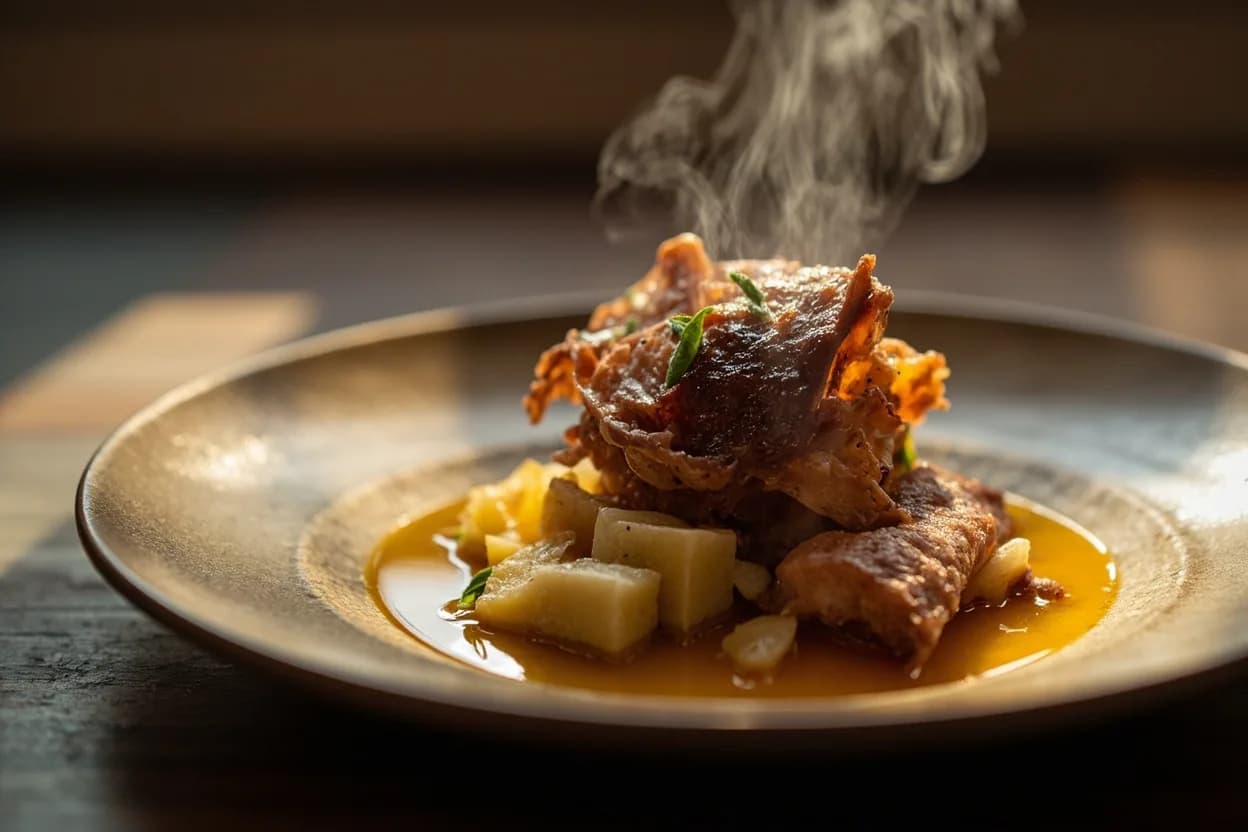
Appears in these dishes
Related
Egg
The kitchen's everything ingredient — bind, leaven, enrich, or fry
Chicken Breast
Lean, quick-cooking white meat for everyday dinners

Ground Beef
Versatile minced beef for burgers, ragù, tacos, and meatballs
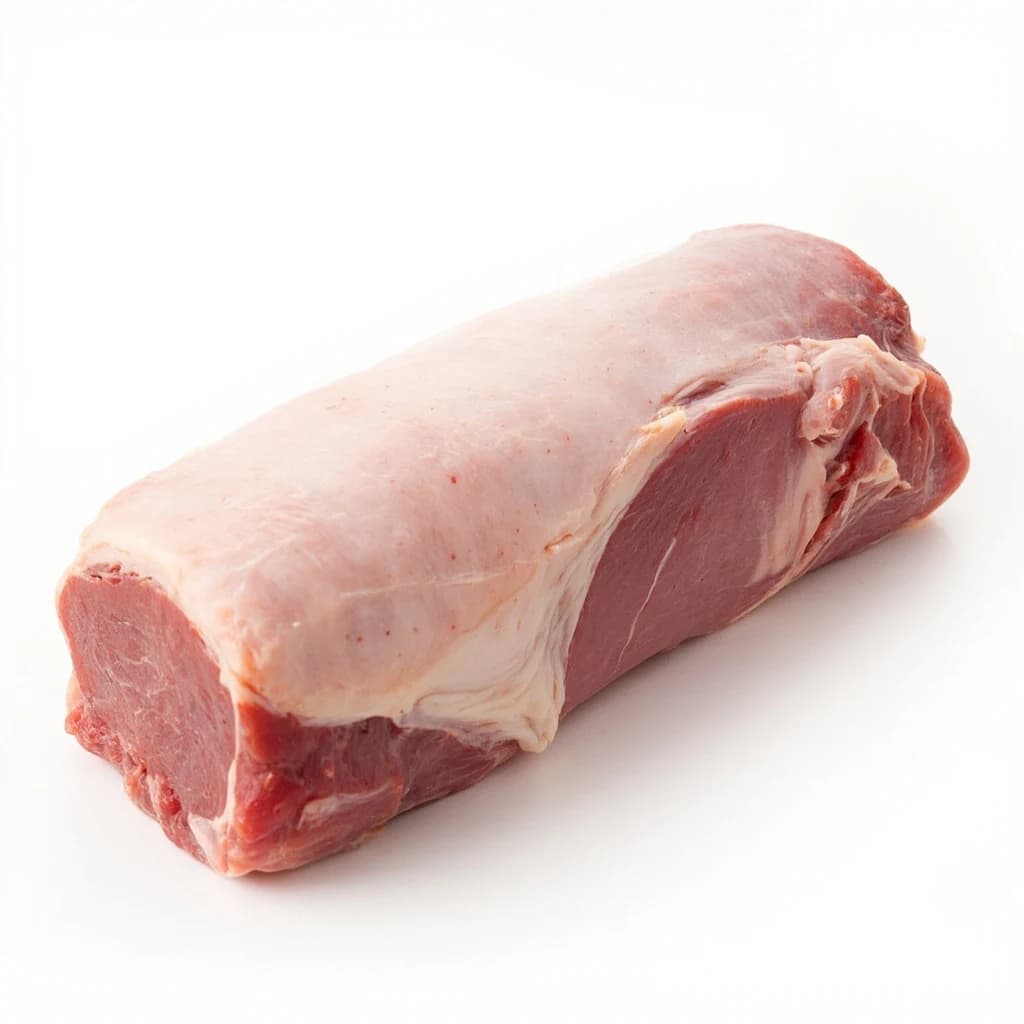
Pork Loin
Lean, tender roasting cut that stays juicy with care
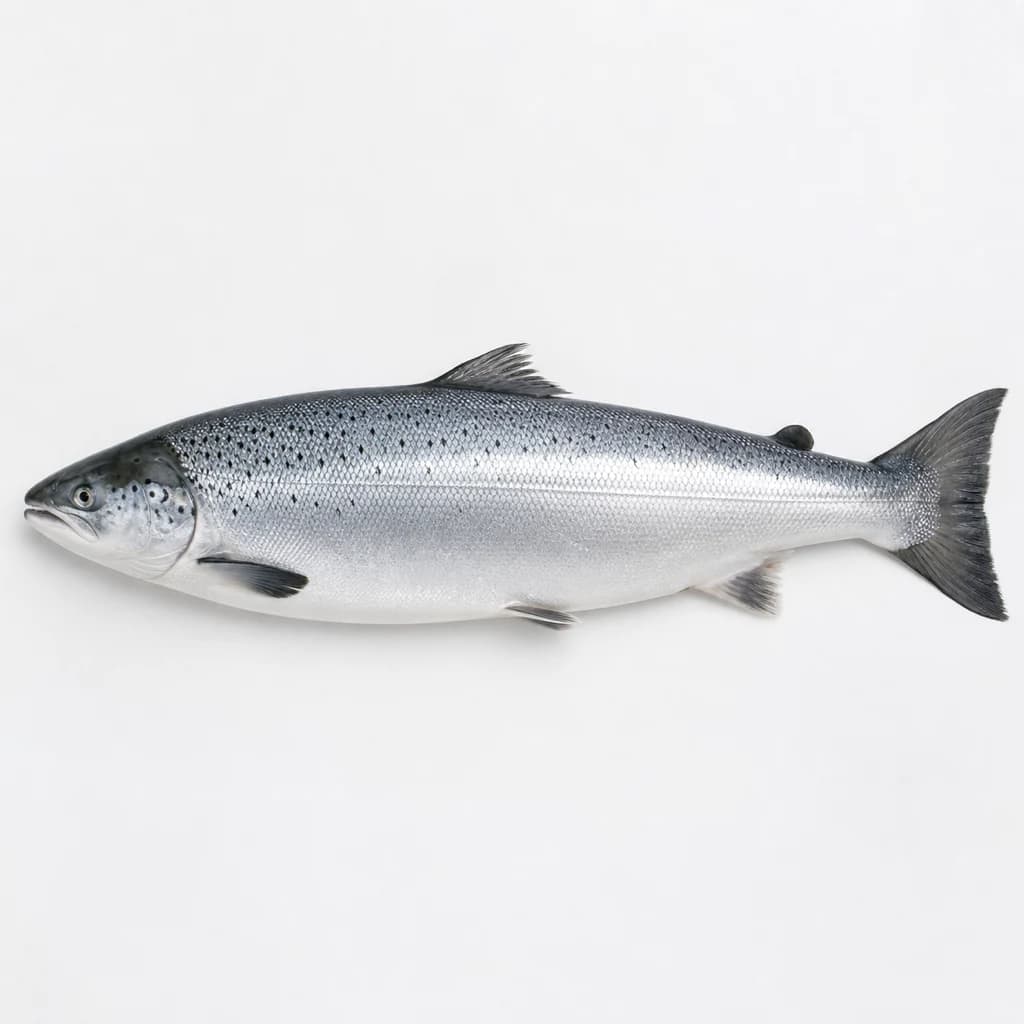
Salmon
Rich, rosy fish that roasts, grills, or cures beautifully

Egg White
Pure protein that whips to airy peaks for meringue and more
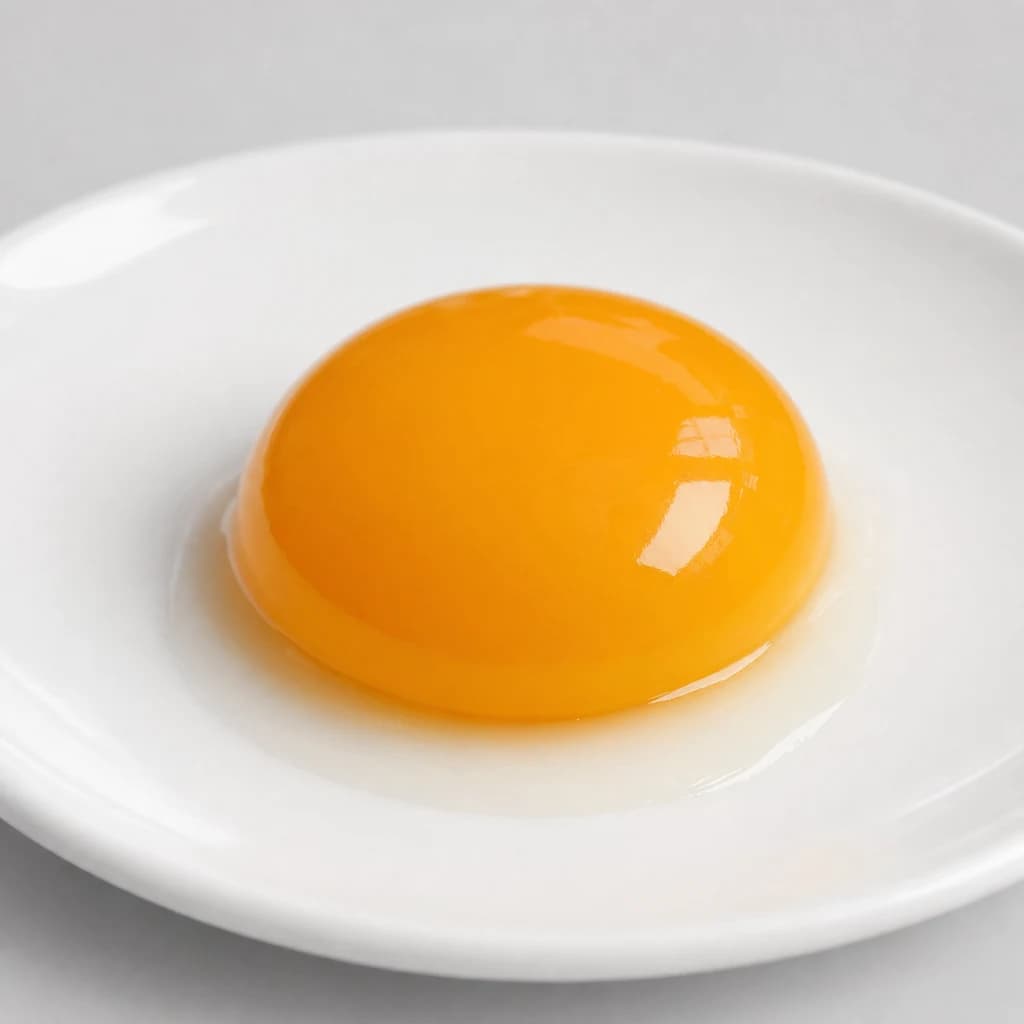
Egg Yolk
Rich, golden yolk for custards, mayonnaise, and pasta

Quail Egg
Tiny, speckled eggs for garnishing and elegant bites