Proteins
Dried Beef
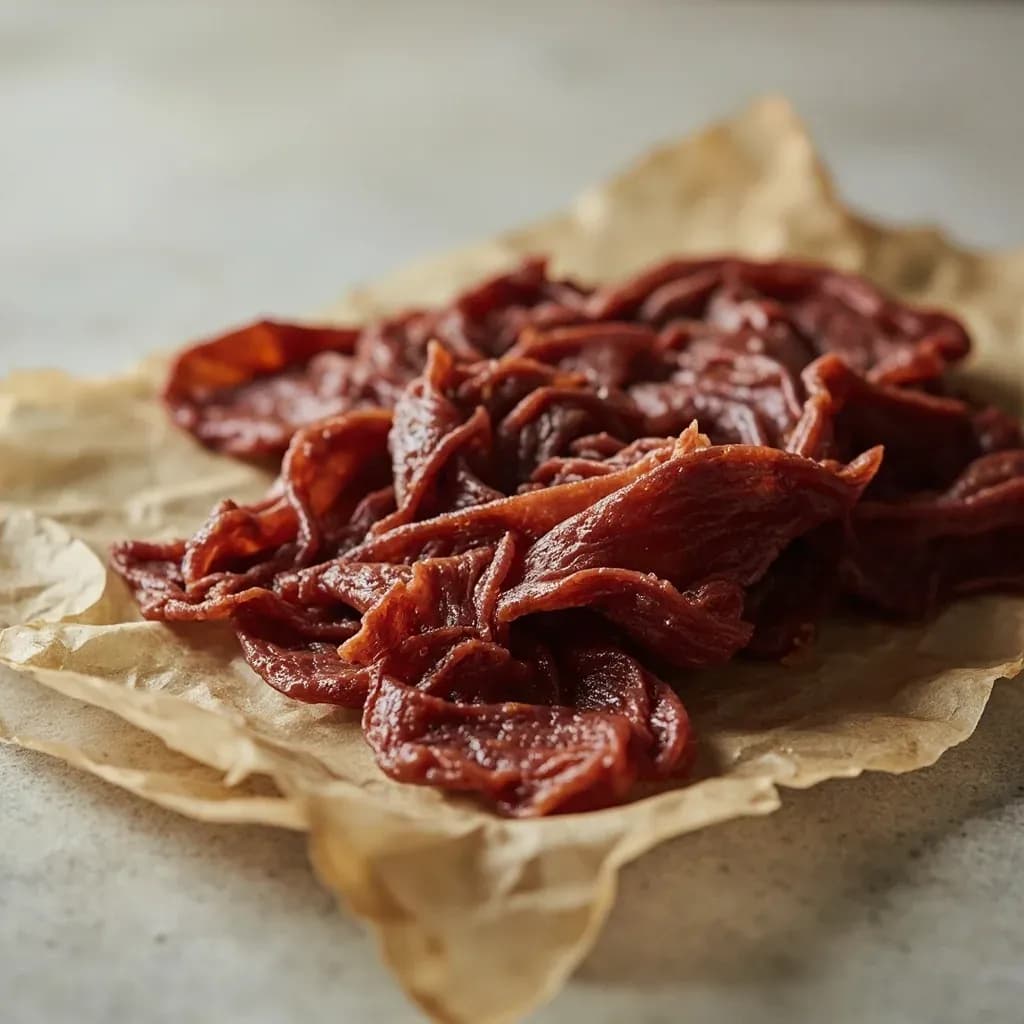
Salted, air- or sun-dried beef that keeps without refrigeration; rehydrated into stews or eaten as jerky.
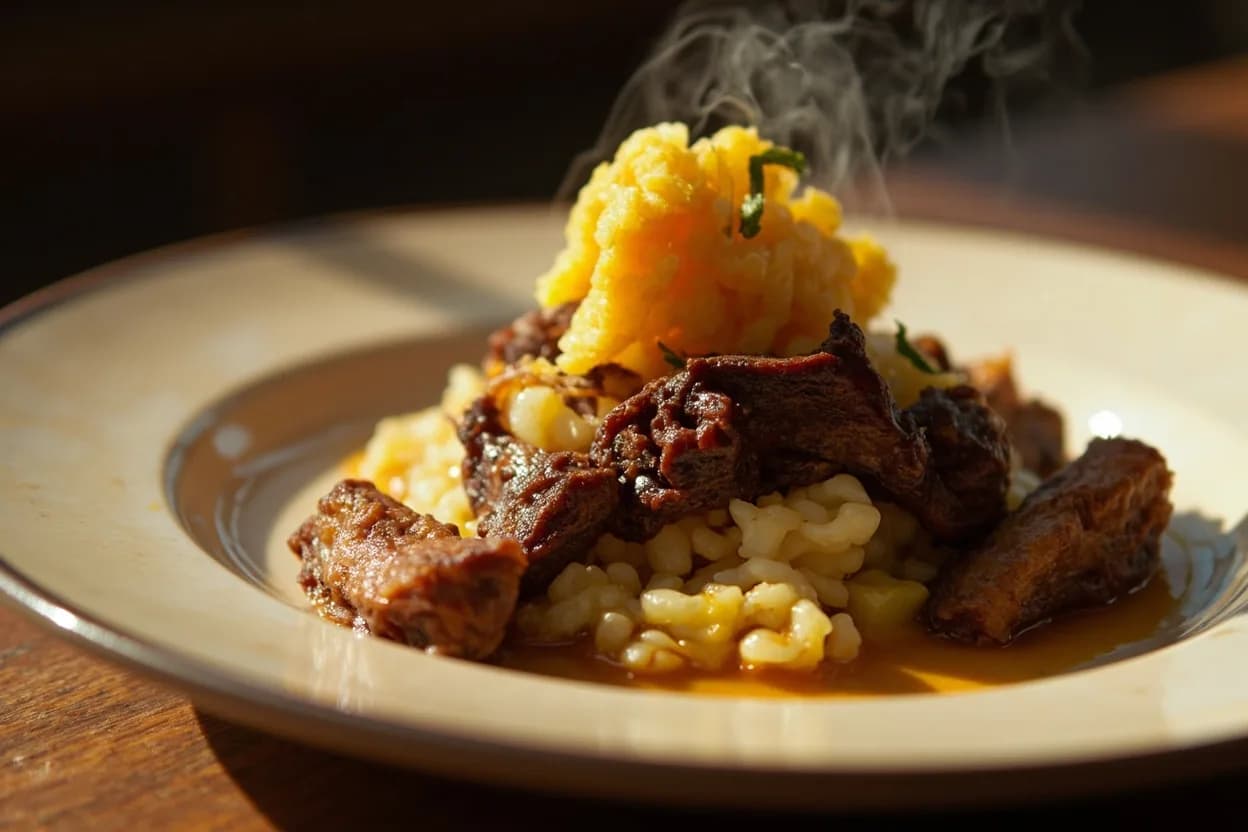
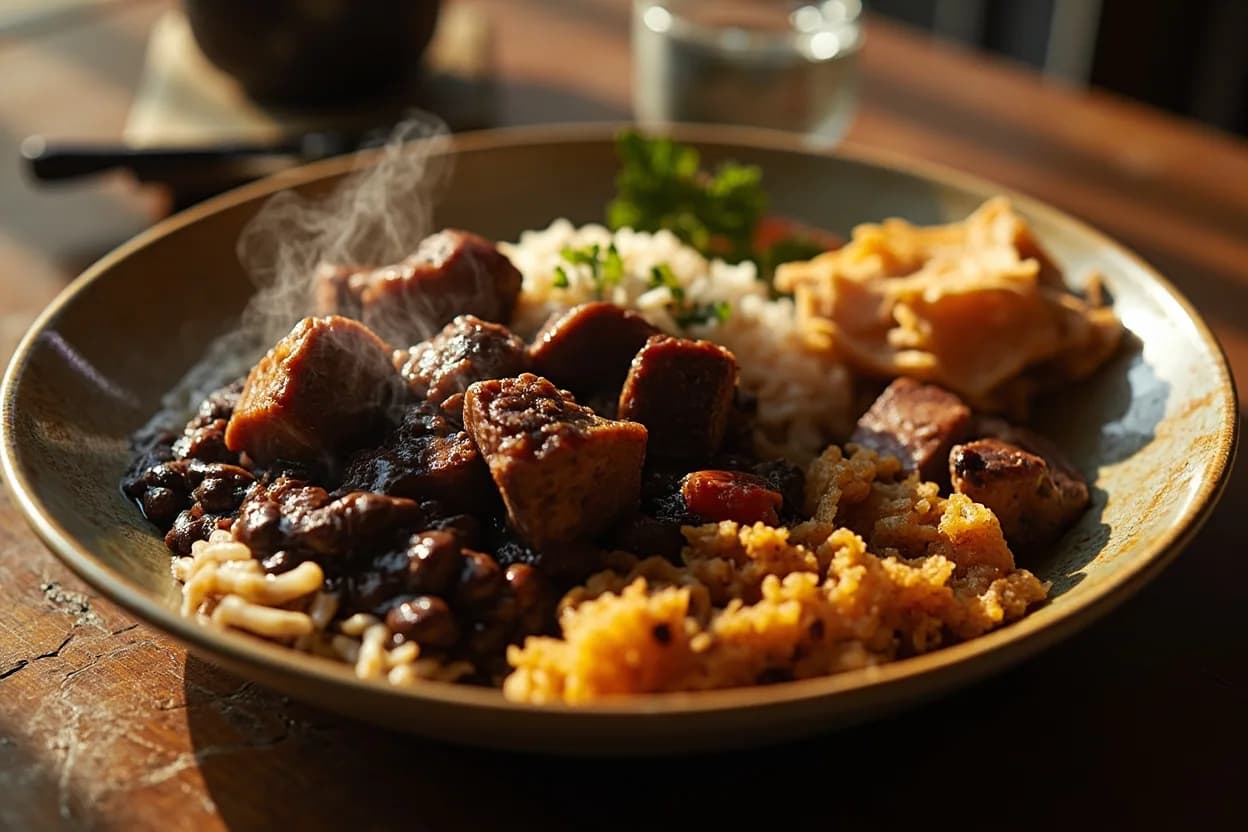
Dried beef encompasses salted and dehydrated beef products like Brazilian carne-seca/charque, Balkan suho meso, and North African khlea, made to preserve meat without refrigeration. It is typically rehydrated and simmered into beans and stews (as in feijoada) or eaten in thin shavings like jerky. The drying intensifies the beefy, salty flavor and gives a firm, dense chew.
Dried beef is one of humanity's oldest preservation techniques—a salt-cured, air- or sun-dried protein that keeps without refrigeration. The process relies on two mechanisms: salt draws out moisture and inhibits bacterial growth, while air drying further reduces water activity to create an environment hostile to spoilage. This makes dried beef uniquely valuable for storage without a cold chain, which is why it served as essential provisions for navies, armies, and travelers long before refrigeration existed. The distinction matters for safety: if a product labeled "dried beef" requires refrigeration, it has been cured with additional preservation (smoking, nitrates) but lacks the shelf stability of traditional dried beef.
For cooking purposes, dried beef splits into two functional categories. Jerky-style products are dried to 10–20% moisture, remain firm, and are eaten as-is as a snack. Stewing-type dried beef retains up to 40% moisture and rehydrates to a chewy-but-tender texture when simmered in liquid. The salty, intensely savory flavor means dried beef functions as both protein and seasoning in a dish—it contributes umami depth that amplifies whatever it cooks alongside.
Historically, Britain, Ireland, and Scandinavia developed the most prominent dried beef traditions, but the technique appears across cultures wherever beef was abundant and refrigeration absent. Today it remains indispensable for hikers, campers, and emergency food storage, valued for its lightweight portability and zero refrigeration requirement.
- Measured in
- g
- Storage
- Pantry
Types & varieties
Thin strips, seasoned, often smoked; eaten as snack; highest moisture removal for maximum shelf stability
South African-style; air-dried, often cured with vinegar and spices before drying; distinct from jerky (not smoked, often cut thicker)
Italian; air-dried beef round, seasoned with herbs and spices; served sliced paper-thin as antipasto; requires refrigeration due to lower salt content
Thicker cuts or chunks; rehydrated before adding to soups and stews; common in military and camping provisions
Salted in brine, sometimes dried; must be cooked before eating; distinct from true dried beef but related
Common uses
Tips & pitfalls
- Always rehydrate in cold liquid first to avoid a tough, chewy texture; bring to simmer only after 30+ minutes of soaking
- Simmering rehydrated dried beef briefly in its soaking liquid extracts maximum flavor back into the dish
- For jerky-style dried beef as a snack, seal in an airtight container with desiccant packets to prevent moisture reabsorption
- If dried beef tastes too salty, soak in cold water for 15–30 minutes before using and discard the soak liquid
- Thinly sliced dried beef (not jerky-style) browns better in a hot pan after rehydration; pat dry before searing
- Commercial dried beef is often pre-sliced paper-thin—layer between paper towels when storing to prevent sticking
- True dried beef (no refrigeration required) has no smoke flavor; smoked dried beef is cured AND smoked and typically requires refrigeration
- Use round or chuck cuts for stewing; these have enough connective tissue to stay tender during long rehydration simmers
Nutrition
Energy
640 kJ · per 100 g
Where the calories come from
Protein
31.1g
62% DV
Carbs
2.8g
1% DV
Fat
1.9g
2% DV
Fiber
0g
0% DV
Sugars
2.7g
of which
Sodium
2790mg
121% DV
Source · USDA FoodData Central · Beef, cured, dried
View on FDC →In the shops
Matched grocery products
No matched grocery products for Dried Beef yet.
Good to know
- Type
- Preserved protein (salt-cured, air- or sun-dried beef)
- Shelf Life
- Months to years when kept dry and airtight; no refrigeration required when properly dried and salted
- Sodium Content
- High; typical dried beef contains 700–1,500 mg sodium per ounce
- Moisture Content
- Jerky-style: 10–20% moisture; stewing-type: up to 40% moisture
- Typical Cut
- Round, chuck, or brisket; lean cuts preferred for longer shelf life
- Rehydration Ratio
- 1 part dried beef to 2–3 parts water or broth
- Rehydration Time
- 30 minutes to 2 hours depending on thickness and desired final texture
- Storage
- Cool, dry, airtight container; vacuum-sealed keeps 1–2 years; once rehydrated, treat as fresh beef
Substitutes
- Dried pork — Similar texture and method; adjust seasoning for pork-specific flavor in savory dishes
- Dried game (elk, venison) — Leaner, milder flavor; works identically for rehydrating in stews
- Smoked beef — Flavor profile differs (smoky versus purely savory-salty); not a direct functional substitute
- Beef bouillons and extracts — For flavor base only; no textural contribution; use when dried beef is unavailable
Also called
Dried Salted Beef (Carne-seca/Charque) · Dried Beef (Suho Meso) · Dried Jerky (Charque) · Khlea (Cured Dried Meat) · Carne Seca · Charque · Beef Jerky
Appears in these dishes
Related

Egg
The kitchen's everything ingredient — bind, leaven, enrich, or fry
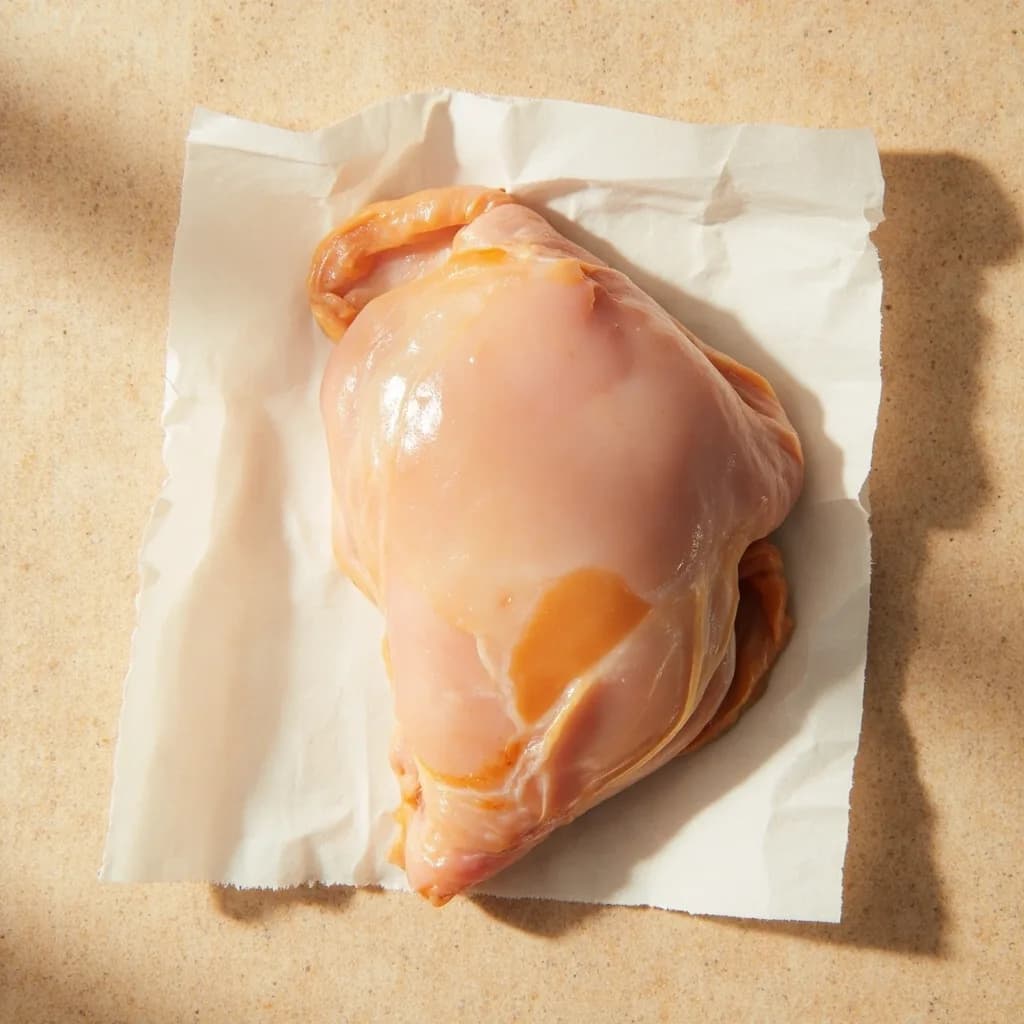
Chicken Breast
Lean, quick-cooking white meat for everyday dinners

Ground Beef
Versatile minced beef for burgers, ragù, tacos, and meatballs
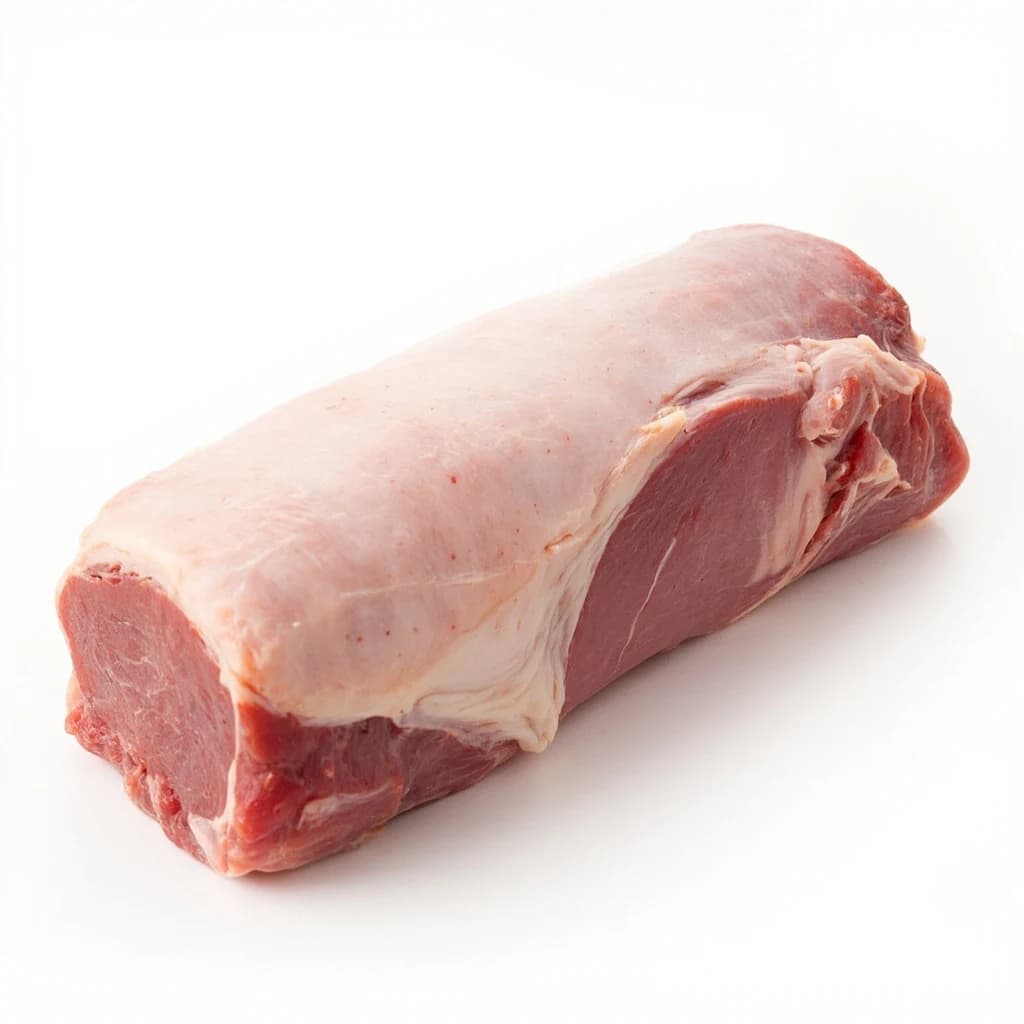
Pork Loin
Lean, tender roasting cut that stays juicy with care
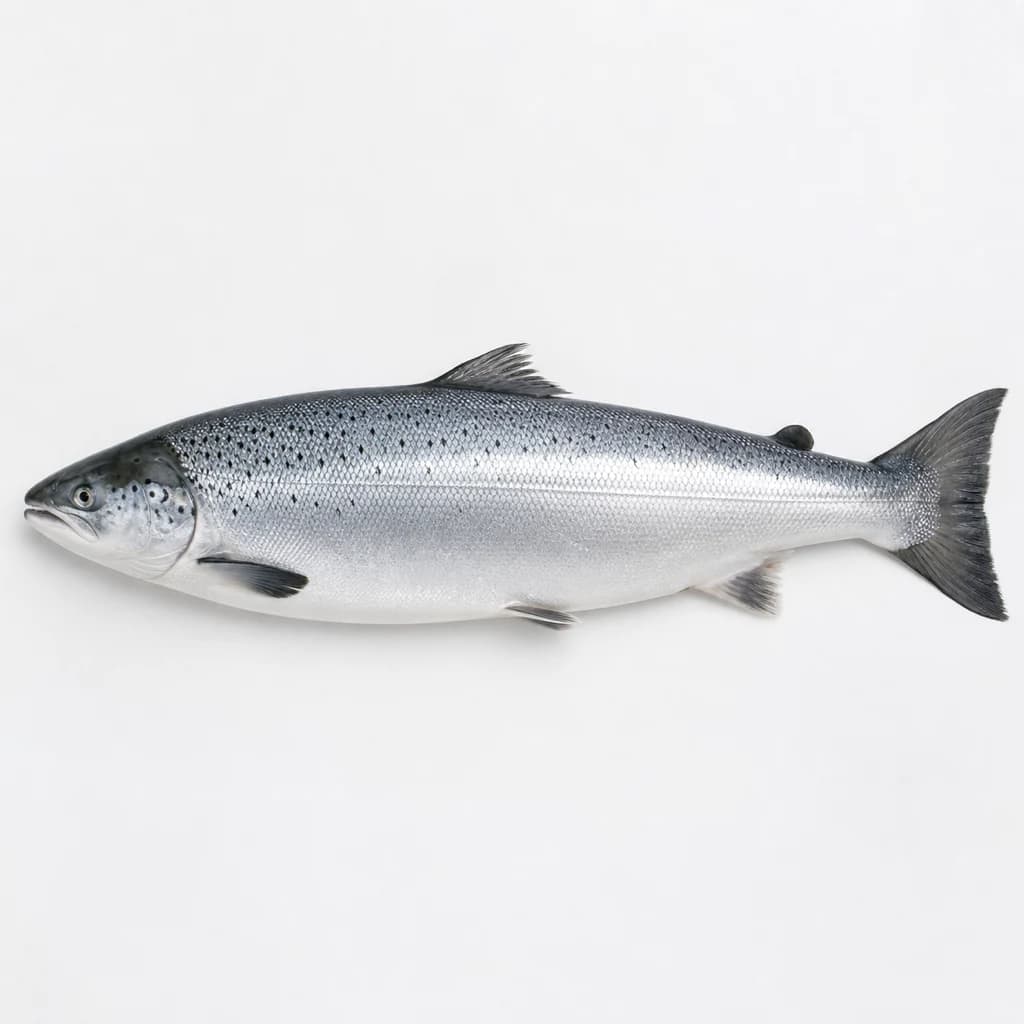
Salmon
Rich, rosy fish that roasts, grills, or cures beautifully

Egg White
Pure protein that whips to airy peaks for meringue and more

Egg Yolk
Rich, golden yolk for custards, mayonnaise, and pasta

Quail Egg
Tiny, speckled eggs for garnishing and elegant bites