Proteins
Boerewors Sausage
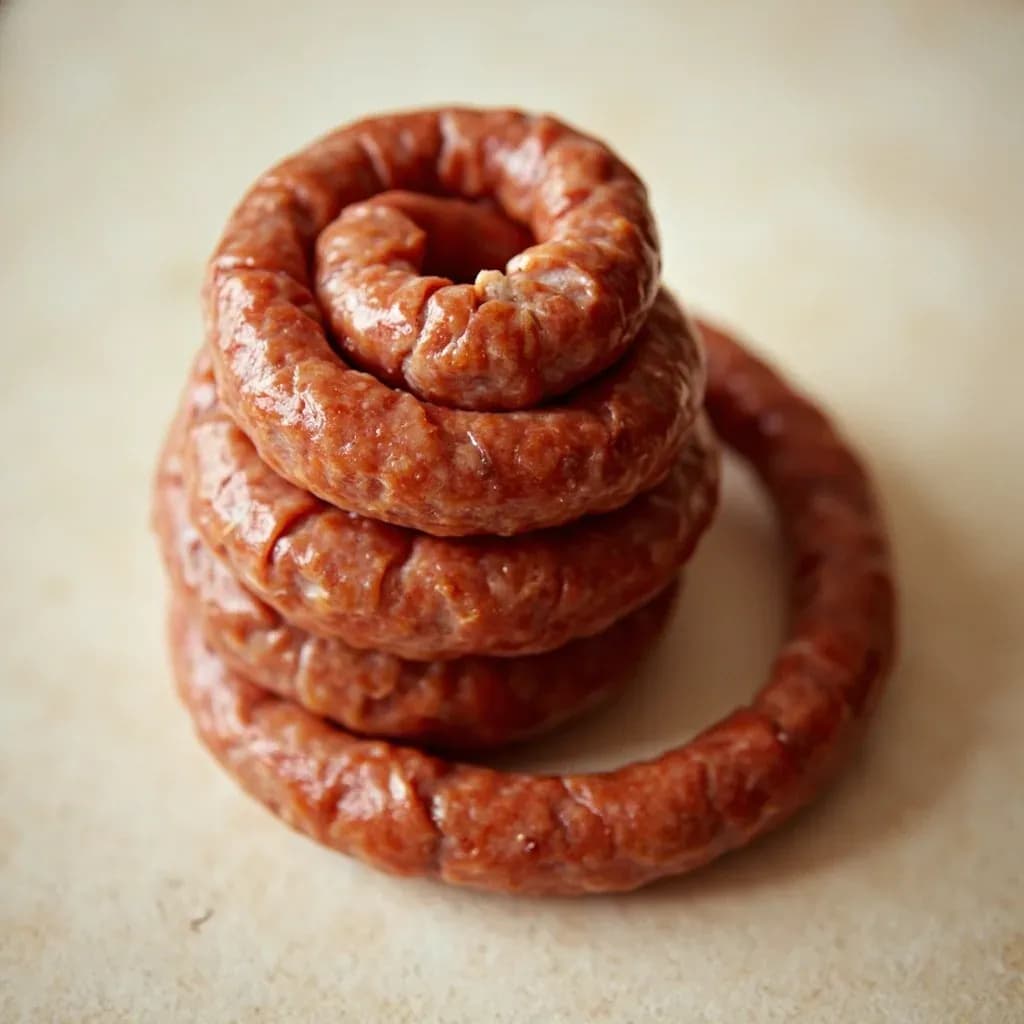
Coiled South African farmer's sausage of coarse beef seasoned with coriander, clove, and vinegar, grilled over coals.
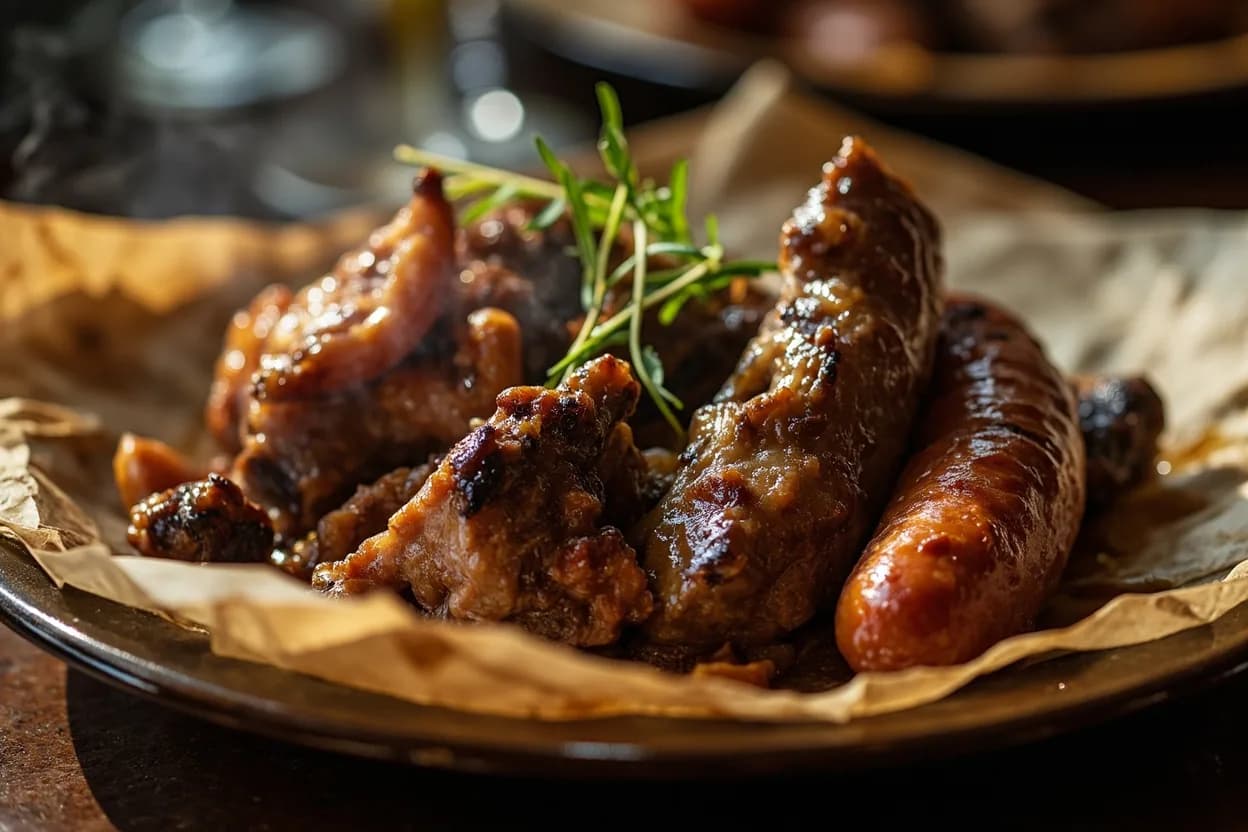
Boerewors is a traditional South African sausage made from coarsely minced beef (often blended with pork or lamb) and spiced with toasted coriander, nutmeg, clove, and vinegar. It is sold and cooked in a continuous spiral and is the centerpiece of the braai (barbecue), grilled until juicy and snapping. The coriander-forward seasoning gives it a distinctive warm, slightly tangy flavor.
Boerewors is South Africa's defining braai sausage — a coarse-ground, freshly cooked link made predominantly from beef, seasoned with a bold blend of coriander seed, cloves, and a distinctive hit of apple cider vinegar. Developed by Dutch settlers in the Cape Colony during the 17th and 18th centuries, the name translates directly from Afrikaans as "farmer's sausage." What sets it apart from other coarse-ground fresh sausages is the dominant coriander character — you should see whole coriander seeds visible through the casing — paired with the bright, almost tangy acidity the vinegar lends to the finished sausage. South African law mandates a minimum of 70% beef content and specific approved spices, which is why the real thing delivers such a clean, meaty backbone beneath its assertive seasoning. Boerewors is always a fresh, raw sausage; it is never smoked or dried. It is sold in characteristic long coils (typically 500g to 2kg) looped through natural hog or sheep intestine. The coil shape is not merely traditional — it makes handling on the braai grid easier and promotes more even cooking on all sides.
The spice profile is what gives boerewors its identity. Coriander seed provides the dominant, citrusy warmth; cloves contribute a deep, sweet-spicy undertone; black pepper adds gentle heat; and nutmeg rounds everything with a soft, nutty complexity. Apple cider vinegar is the secret weapon: it acts as both a flavor agent and a mild tenderizer, giving boerewors its characteristic tangy bite and helping the sausage retain moisture during cooking. The fat content — visible as chunks of white fat throughout the casing — is essential for flavor and juiciness, so resist any urge to "lean out" a boerewors recipe or substitute for leaner links.
At its best, boerewors is grilled over medium coals until the casing is nicely charred and the interior reaches 74°C, at which point it is rested briefly, then sliced diagonally and served with bold accompaniments. The cooking process matters enormously: high heat causes the casing to split and the fat to render prematurely, leaving you with a dry, burst sausage. Treated properly, boerewors is juicy, spiced, and assertive — a sausage that announces itself on the plate and anchors any gathering around the fire.
- Measured in
- g
- Storage
- Fridge
Types & varieties
Classic beef version with the traditional spice blend; the most widely available and recognizable variety
Cheese boerewors with chunks of cheddar or gouda mixed into the sausage; the cheese melts during cooking adding richness
Contains chili peppers or flakes for heat; labeled 'hot boerewors' in South Africa; holds up well to bold accompaniments
Made primarily with lamb; yields a milder, slightly sweeter profile that suits more delicate palates
Made with kudu, springbok, or other venison; leaner with an intensely gamey character and deeper flavor
Hand-linked into individual sausages rather than coiled; same seasoning, same standard, different presentation
Buying and Assessing Quality
When purchasing boerewors, look for firm, tightly packed coils with no bulging or soft spots, which indicate fat has already begun to render. The casing should be taut and undamaged. A fresh, clean meaty smell is the best indicator — avoid packages with a grayish tint or excessive liquid pooling at the bottom, both signs of aged or poorly handled sausage. Authentic boerewors will show visible coriander seeds and white flecks of fat through the casing. If buying from a butcher, ask when it was made; fresh boerewors should be used within 3–5 days. For longer storage, freeze immediately.
- Firm casing with no bulging — soft spots mean the fat is rendering prematurely
- Visible coriander seeds and white fat chunks confirm authenticity
- Avoid grayish color or excess liquid in the package
- Check sell-by date; use fresh boerewors within 3–5 days of purchase
The Role of Vinegar in Boerewors
Apple cider vinegar is non-negotiable in authentic boerewors and does more than flavor the sausage. The acidity partially tenderizes the meat proteins, helping the sausage hold moisture during cooking, and it acts as a mild preservative during the short window between production and cooking. This is why boerewors has a subtly tangy, almost pickled note — it is intentional and characteristic. If you encounter a boerewors recipe that omits vinegar, it will not produce the real article. The vinegar also helps the spices bloom and integrate into the meat more evenly during the mixing process.
- The tang is not accidental — it is a defining characteristic of true boerewors
- Vinegar helps the sausage retain moisture and bind fat throughout cooking
- Skipping vinegar produces a different sausage, not boerewors
Common uses
Tips & pitfalls
- Never prick boerewors before or during cooking — the vinegar and fat must stay inside to keep the sausage moist and flavorful
- Cook over medium coals, not high heat; excessive heat bursts the casing and renders out fat prematurely, leaving a dry sausage
- Turn the coil frequently during grilling for even caramelization on all sides without burning
- Let boerewors rest 3–5 minutes after grilling before slicing to allow the juices to redistribute throughout the meat
- For oven cooking, bake at 180°C for 25–30 minutes, turning halfway through, then finish under the broiler for proper browning
- Check firmness and a fresh, meaty smell when buying; avoid packages with excessive liquid or a grayish color
- Authentic boerewors should have visible coriander seeds and white fat chunks throughout — if you cannot see them, the sausage may be low quality
- For a crowd, parboil or pan-fry briefly first, then finish on the grill to reduce total cooking time and ensure even doneness
Nutrition
Energy
649 kJ · per 100 g
Where the calories come from
Protein
18.8g
38% DV
Carbs
0.5g
0% DV
Fat
8.1g
10% DV
Fiber
0g
0% DV
Sugars
0g
of which
Sodium
593mg
26% DV
Source · USDA FoodData Central · approx. Sausage, turkey, fresh, raw
View on FDC →In the shops
Matched grocery products
No matched grocery products for Boerewors Sausage yet.
Good to know
- Origin
- Cape Colony, South Africa, 17th–18th centuries by Dutch settlers
- Legal Standard
- Minimum 70% beef by South African Agricultural Product Standards Act; always a fresh, raw sausage
- Primary Meat
- Beef with visible chunks of pork or sheep fat for moisture; may contain pork or lamb
- Key Seasonings
- Coriander seed (dominant), cloves, black pepper, nutmeg, apple cider vinegar
- Casing & Form
- Natural hog or sheep intestine, traditionally coiled; occasional hand-linked versions
- Texture
- Coarsely ground with visible fat pieces; never finely emulsified
- Flavor Profile
- Savory, bright with vinegar tang, bold coriander, warm clove spice
- Doneness
- Internal temperature 74°C; cooked before consumption, never smoked or dried
Also called
Boerewors · Farmer's Sausage
Appears in these dishes
Related
Egg
The kitchen's everything ingredient — bind, leaven, enrich, or fry
Chicken Breast
Lean, quick-cooking white meat for everyday dinners

Ground Beef
Versatile minced beef for burgers, ragù, tacos, and meatballs
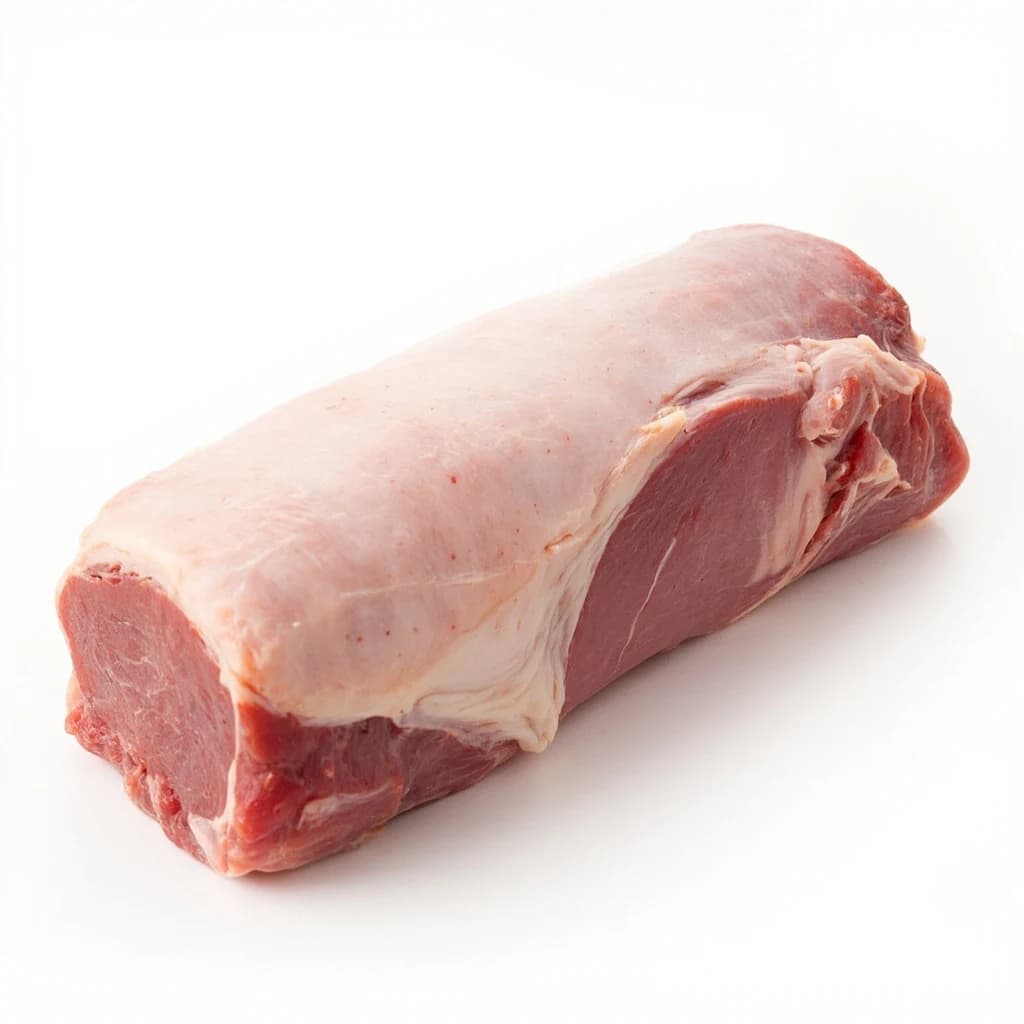
Pork Loin
Lean, tender roasting cut that stays juicy with care
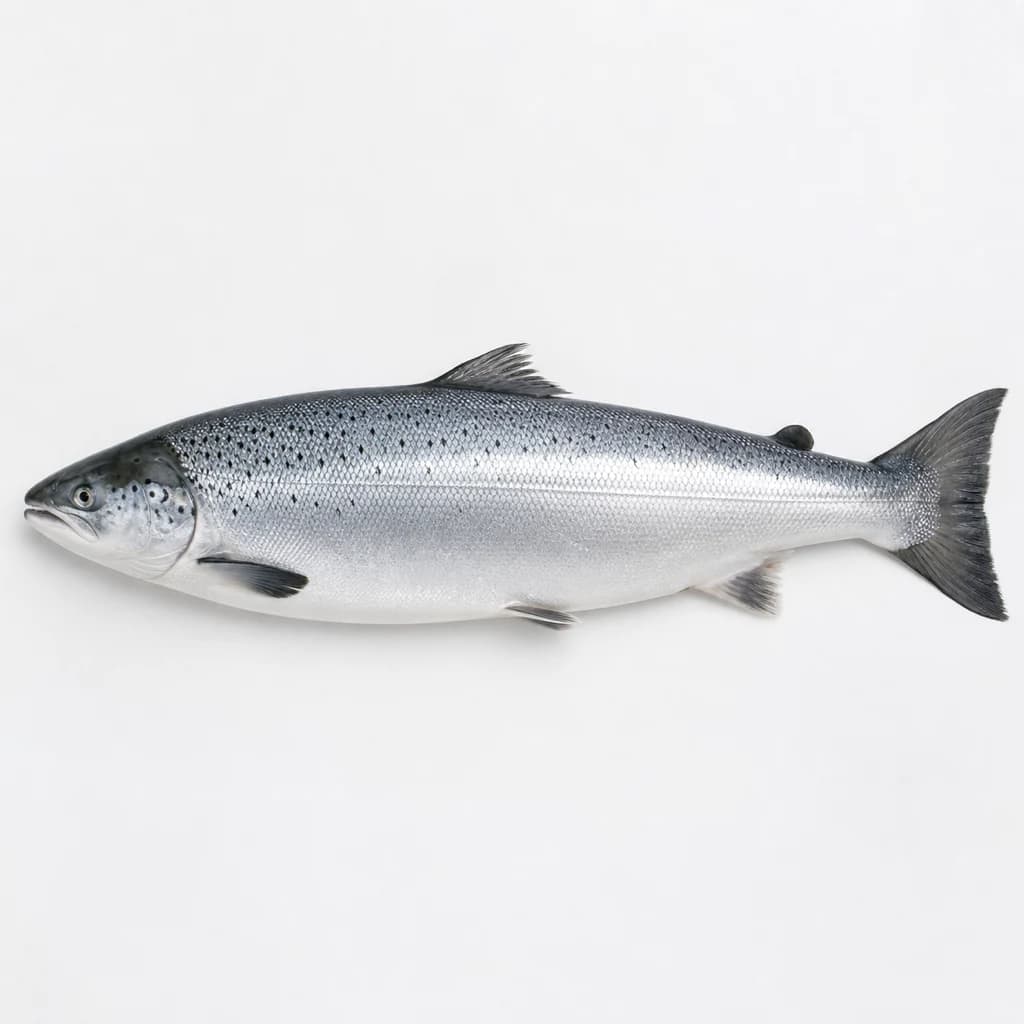
Salmon
Rich, rosy fish that roasts, grills, or cures beautifully

Egg White
Pure protein that whips to airy peaks for meringue and more
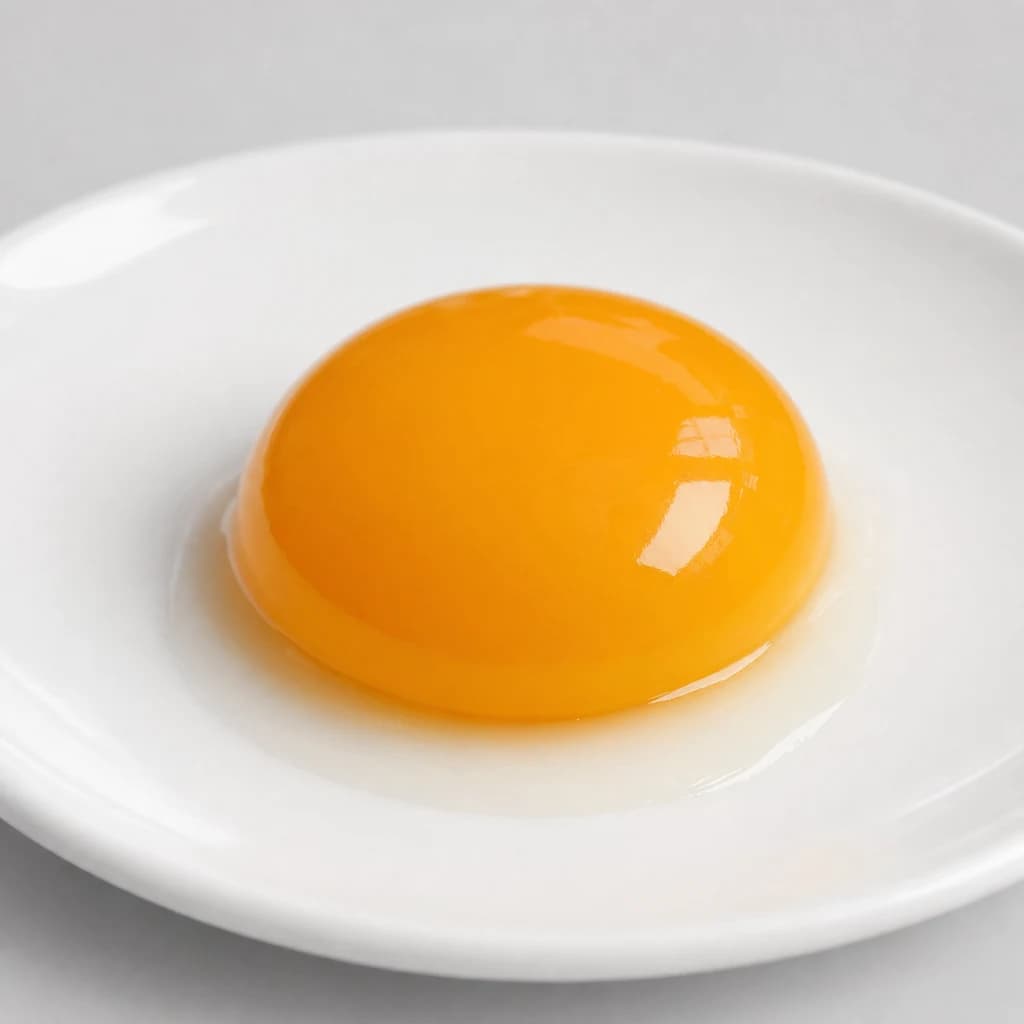
Egg Yolk
Rich, golden yolk for custards, mayonnaise, and pasta

Quail Egg
Tiny, speckled eggs for garnishing and elegant bites