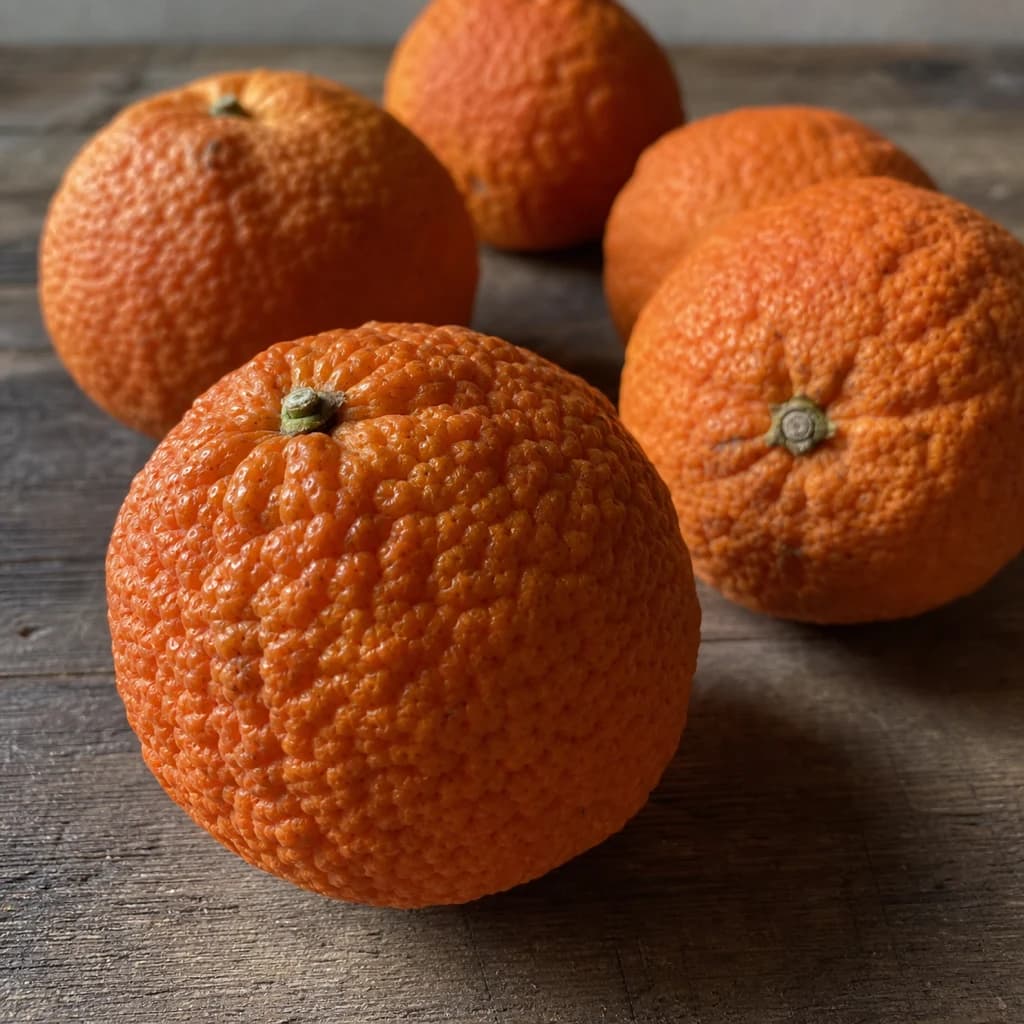
Natural form
Whole Seville oranges: thick, rough, deeply dimpled rind, vivid orange-red color.
Shows the fruit's distinctive thick, pitted, rough skin and intense orange-red color that sets it apart from sweet oranges.
Produce
Seville Orange (Bitter Orange)
Intensely tart, aromatic bitter orange used for marmalade, Latin American mojo, and citrus marinades.
The Seville orange is a thick-skinned, sharply bitter citrus too sour to eat raw but treasured in cooking. Its high pectin and bitterness make it the classic fruit for British marmalade, while its sour juice is the base for Cuban and Yucatecan mojo marinades. The fragrant zest and peel are also used to flavor liqueurs and bigarade sauce.
Seville orange, botanically Citrus × aurantium, is a bitter or sour orange prized in cookery for its intensely aromatic rind and bracing acidity. Unlike sweet eating oranges, this variety is too assertive—almost aggressively tart and bitter—to enjoy out of hand. What makes it indispensable is that same intensity: the thick, deeply dimpled peel carries a concentration of volatile oils and bitter compounds (naringin and limonin) that transforms when cooked, giving marmalades, sauces, and marinades a complexity that sweet oranges cannot replicate. The flesh is mostly membrane with little juice, making the rind the true treasure of the fruit.
The variety arrived in Spain via Arab agricultural networks from Southeast Asia and took its modern name from Seville, which became the European cultivation center in the 12th–13th centuries. From Spain it spread across the Mediterranean, into North Africa, and via Spanish colonization to the Americas, where it became foundational to Cuban, Mexican, and Caribbean cuisines. The January–February peak season is brutally short—roughly six weeks—and most commercial preparations (candied peel, marmalade, preserved juice) are made during this window. Freezing fresh juice is the practical workaround for year-round cooking.
In the kitchen, Seville orange behaves differently from sweet citrus. The rind requires blanching to tame surface bitterness before most preparations. The juice, at pH 2.5–3.0, is highly acidic and carries an assertive bitter edge that survives cooking, which is why it excels in emulsified sauces and high-heat glazes where gentler citrus would fade. The aromatic compounds in the zest remain potent through cooking, making the dried peel useful in spice rubs and slow-cooked tagines. The whole tree is utilitarian beyond the fruit: flowers yield neroli oil and orange flower water, leaves produce petitgrain, making this perhaps the most industrially exploited citrus species.
- Measured in
- piece
- Storage
- Fridge
Types & varieties
The classic bitter orange; thick rind, very aromatic, intensely sour-bitter. The defining variety for marmalade and sauces.
Small, round Italian variety; more intensely colored. A traditional choice for candied orange peel.
Compact tree with characteristic myrtle-shaped leaves; smaller fruit with extreme bitterness.
Florida variety grown primarily for fragrant blossoms; fruit is secondary.
Hardier variety suited to cooler climates; slightly less bitter than Seville.
The Marmalade Connection
Seville orange marmalade is the canonical use and the benchmark against which all bitter orange cookery is measured. The tradition emerged in Britain in the 18th century when Sevilles arrived in force through the Port of London. The key technique is the mise en place: score the whole fruit in quarters, blanch it three to four times in fresh water before cooking—this draws out surface bitterness and softens the rind for easier peeling. When slicing the peel, use a vegetable peeler or sharp knife to take broad strips of colored rind, not fine zest. Then scrape away as much white pith as possible; the pith is excessively bitter and gives an unpleasant, textile-like chew to the finished preserve. The ideal marmalade has a translucent jelly with thick-cut, tender-pearl peel that yields slightly to the bite. Save the pith and membranes after you've stripped the peel—steep them in simple syrup to make an orange-infused syrup for cocktails or pancakes.
- Blanch whole fruit 3–4 times before peeling
- Scrape pith from peel strips thoroughly
- Save membranes for infused syrup
Latin American and Caribbean Citrus Marinades
In Cuban, Mexican, and Caribbean kitchens, bitter orange juice is the backbone of mojo criollo and mojo verde—the garlicky, citrusy marinades that define roast pork, yuca, and lechón asados. The combination of raw garlic, bitter orange juice, oregano, and cumin is transformative on fatty cuts of pork; the acidity tenderizes while the bitterness cuts through the fat. In Mexican agua fresca culture, agua de naranja agria combines sugar, lime, and bitter orange for a refreshing tartness that sweet orangeades cannot achieve. The juice freezes beautifully in ice cube trays, keeping for six months, so freezing the January harvest is essential for year-round mojo preparation.
- Freeze juice in ice cube trays for year-round use
- Combine with garlic, oregano, and cumin for classic mojo
- Add a squeeze of lime when substituting sweet oranges to approximate acidity
French and Mediterranean Sauces
Bigarade sauce is the French classic: a glossy, bitter-orange pan sauce for roast duck that combines caramelized sugar, Seville juice, and often veal or duck stock. The bitterness is essential—it balances the richness of the bird and prevents the sauce from cloying. In Venice, bitter orange appears in sardine preparations (sarde in saor), where the citrus cuts the fish's oiliness and the vinegar stabilizes the onions. The Dutch use bitter orange to flavor genever gin. Across North Africa and the Middle East, the dried peel functions as a souring agent in spice rubs and tagines—the bitterness rounds out rather than dominates in slow-cooked dishes.
- Bigarade sauce: caramelize sugar before adding bitter orange juice
- Dried peel works in slow-cooked dishes where fresh peel would become too assertive
- Orange flower water: use sparingly—2 to 3 drops maximum
Common uses
Tips & pitfalls
- Score the peel in quarters and blanch whole fruit 3–4 times before cooking to reduce surface bitterness and soften the rind for marmalade making.
- For marmalade, scrape away as much of the white pith as possible from peel strips—the pith is excessively bitter and gives an unpleasant, textile-like chew to the finished preserve.
- Use a vegetable peeler rather than a zester for marmalade; you want broad strips of colored rind, not fine zest.
- The juice freezes beautifully in ice cube trays; store 6 months for year-round marinades and mojos.
- When substituting for sweet oranges in savory applications, add a squeeze of lime to approximate the acidity.
- Do not attempt to eat Seville oranges out of hand—the bitterness overwhelms; they are strictly a cooked or preserved ingredient.
- Save the pith and membranes after making marmalade; steep in simple syrup for orange-infused syrup for cocktails or desserts.
- Use caution with orange flower water—2–3 drops suffice; it is potent and can overwhelm a dish.
Nutrition
Energy
406 kJ · per 100 g
Where the calories come from
Protein
1.5g
3% DV
Carbs
25g
9% DV
Fat
0.2g
0% DV
Fiber
10.6g
38% DV
Sodium
3mg
0% DV
Source · USDA FoodData Central · approx. Orange peel, raw
View on FDC →In the shops
Matched grocery products
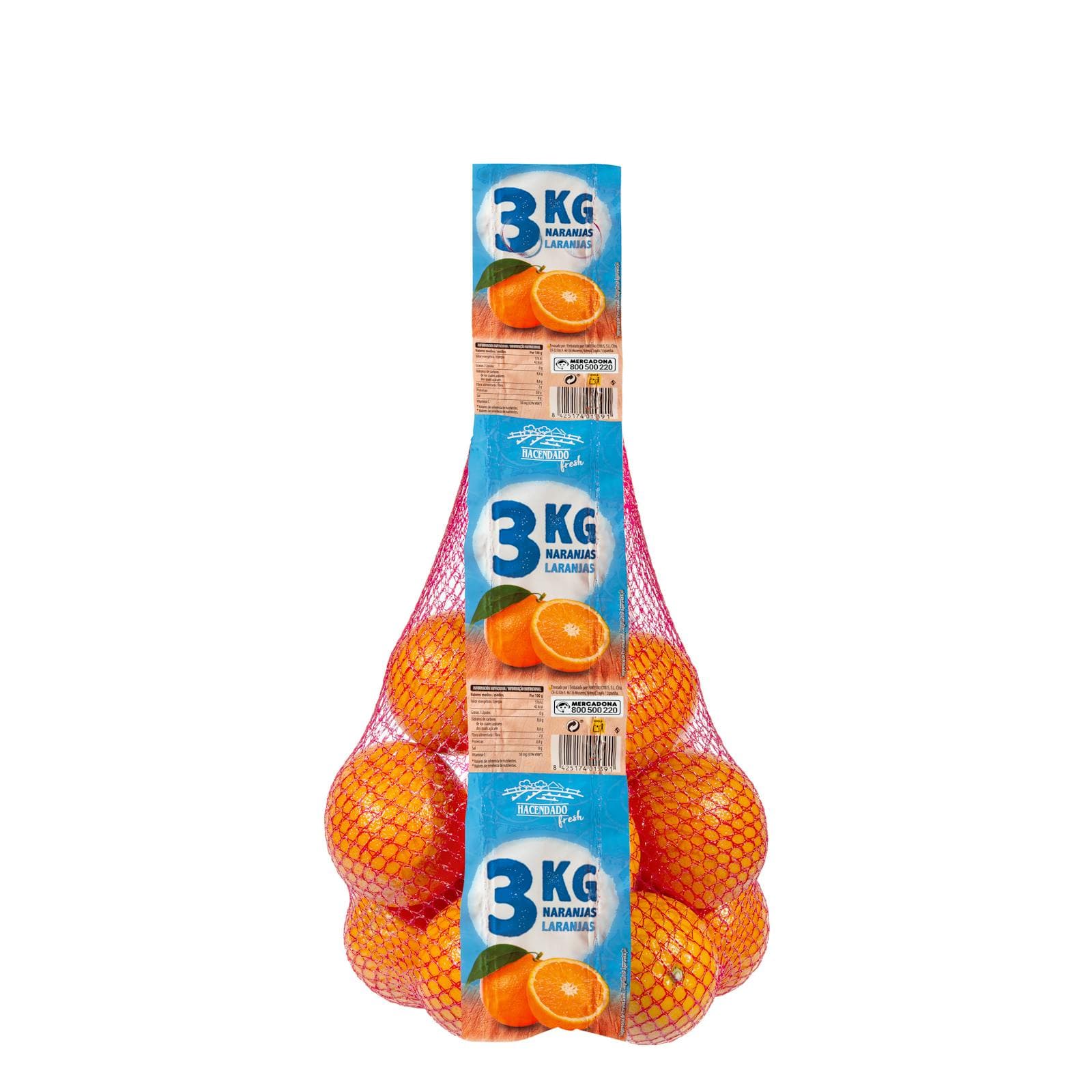 €3.75
€3.75Oranges
3 kg · Mercadona
 €4.75
€4.75Oranges
5 kg · Mercadona
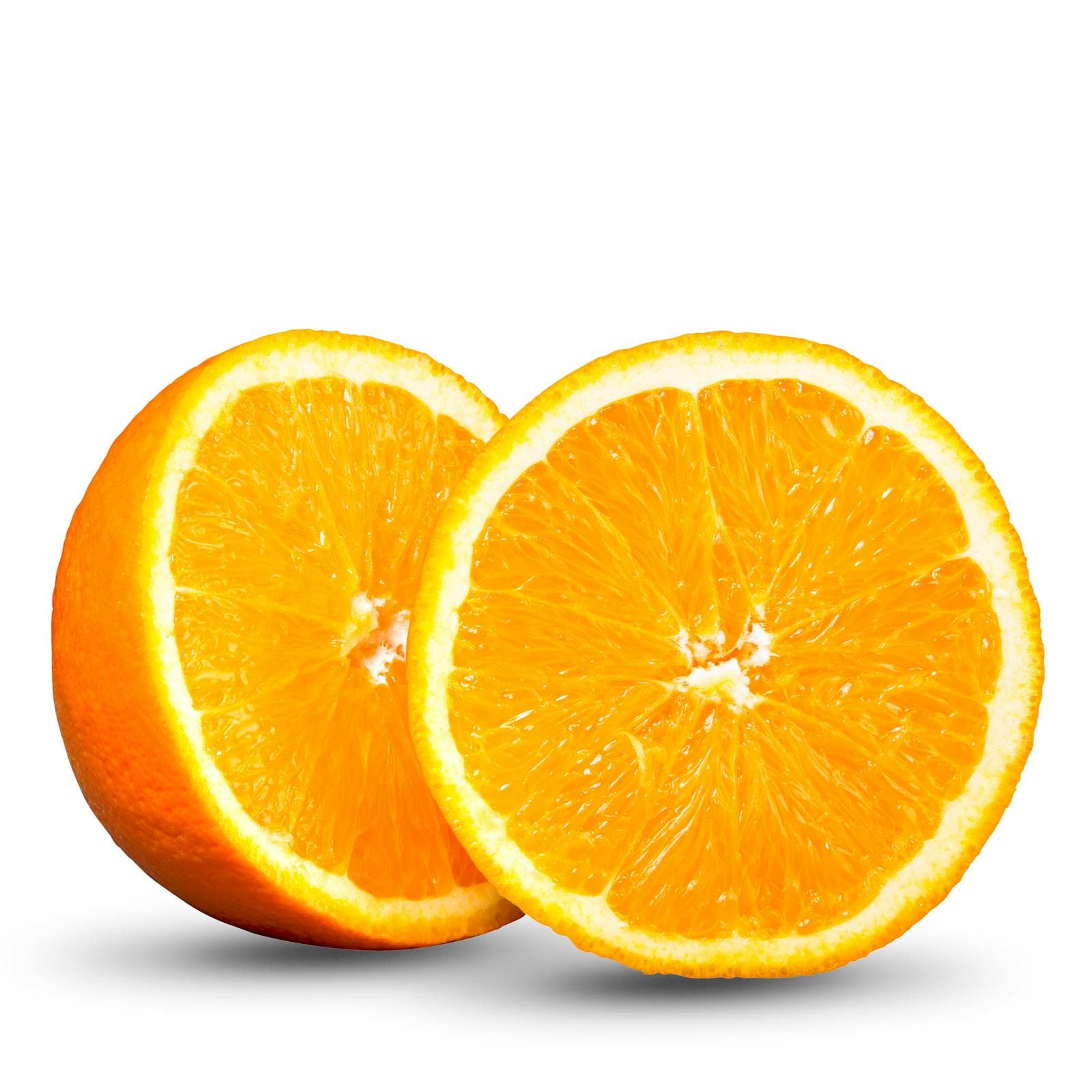 €0.57
€0.57Table Oranges
310 g · Mercadona
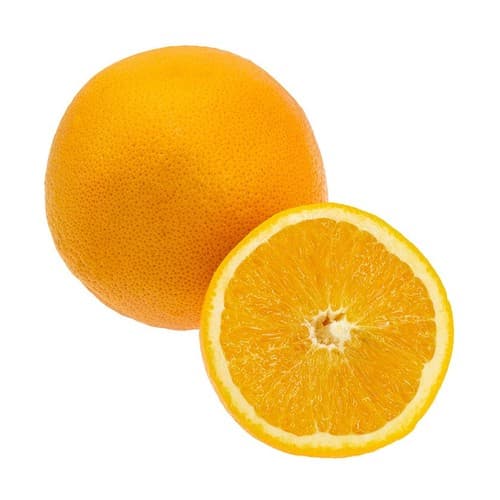 €0.58
€0.58Orange 1 unit
ud · Bonpreu
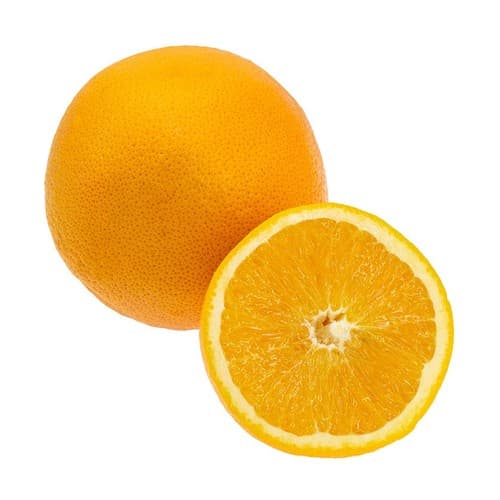 €0.65
€0.65Orange 1 unit
Bonpreu
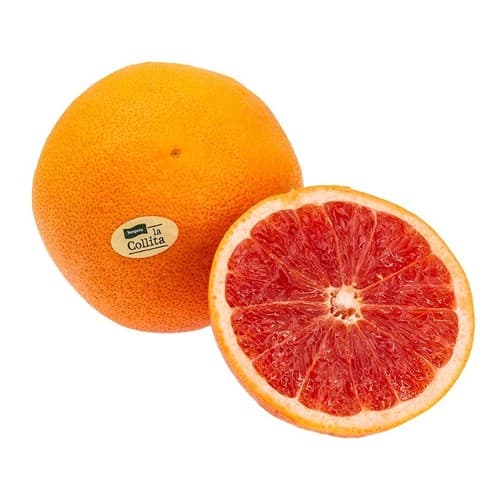 €0.98
€0.98Orange 1 unit
ud · Bonpreu
Good to know
- Scientific name
- Citrus × aurantium
- Origin
- Southeast Asia; European center in Seville, Spain (12th–13th c.)
- Peak season
- January–February (Northern Hemisphere)
- pH
- 2.5–3.0 (more acidic than sweet oranges)
- Brix
- 8–10° (lower sugar than sweet oranges)
- Juice yield
- Approximately 40–50% by weight; mostly membrane in flesh
- Color
- Bright orange; thick, dimpled, deeply pitted rind
- Culinary classification
- Sour/bitter citrus; not eaten fresh
Substitutes
- Yuzu juice + orange zest — Approximates the complex tart-bitter profile; yuzu is more aromatic but less bitter.
- 1:1 combination of Key lime juice and sweet orange zest — Mimics acidity and aroma; still lacks the true bitter edge of Seville.
- Calamansi + regular orange zest — Similar tartness with added fragrance; calamansi is smaller and more sour.
- Lemon juice + dried orange peel — For preserving or marmalade; acidity matches but lacks aromatic complexity.
- Grapefruit juice (tart) + lime — Distant substitute; more floral bitterness but different profile entirely.
Pairs with
Also called
Bitter Orange · Sour Orange · Naranja Agria · Bigarade
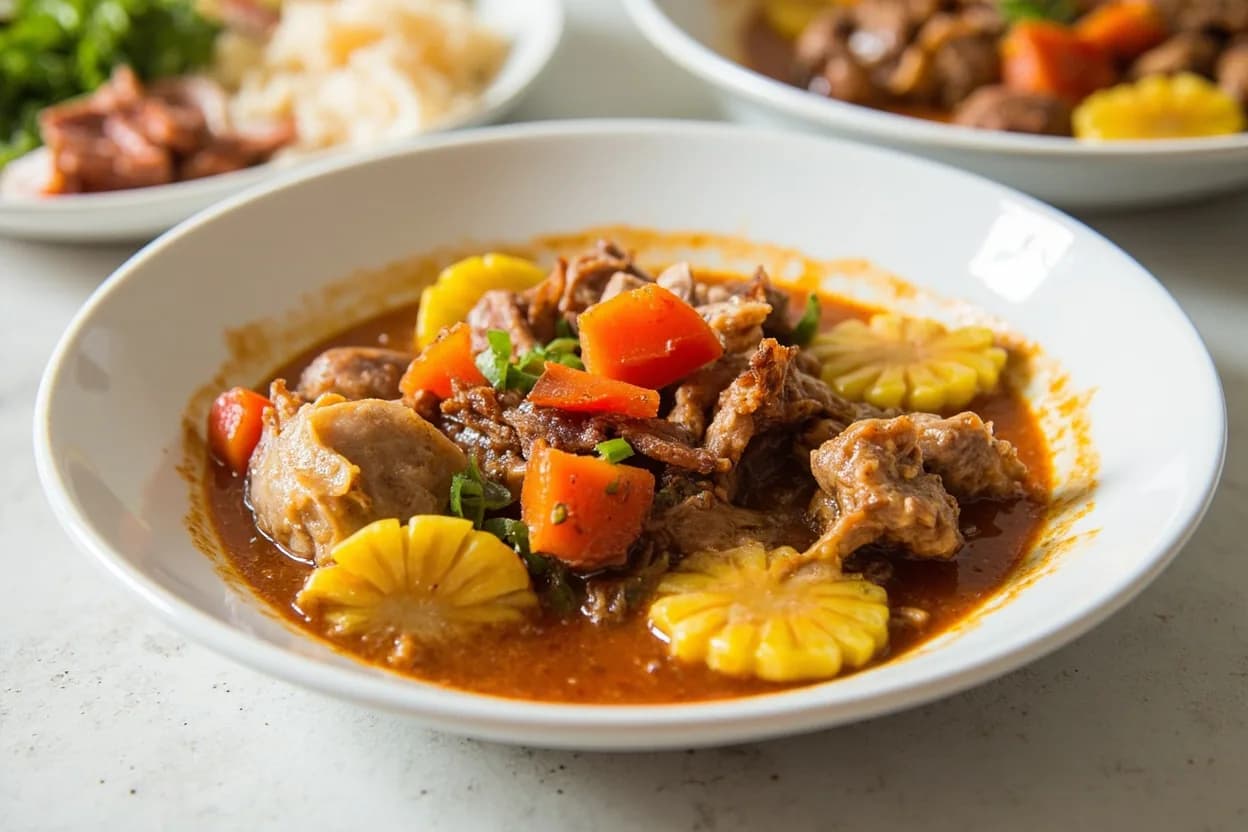
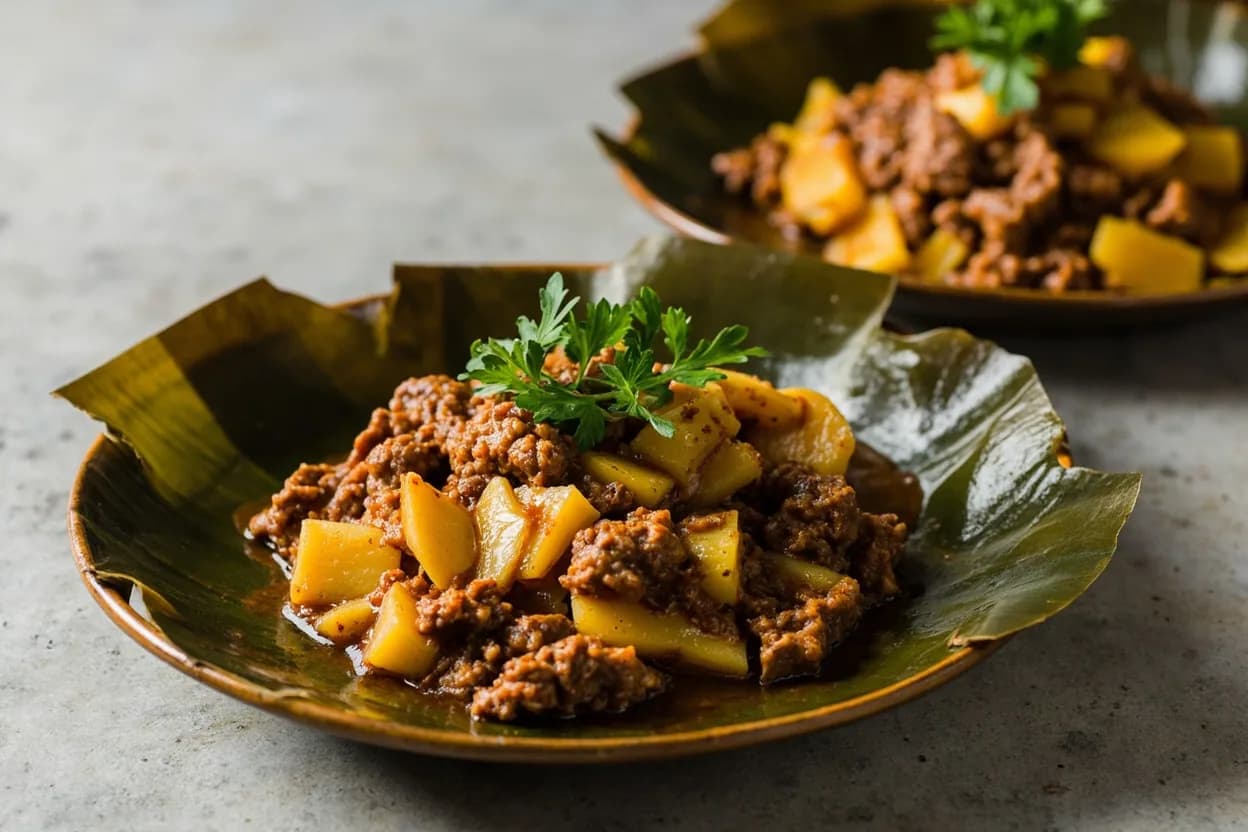
Appears in these dishes
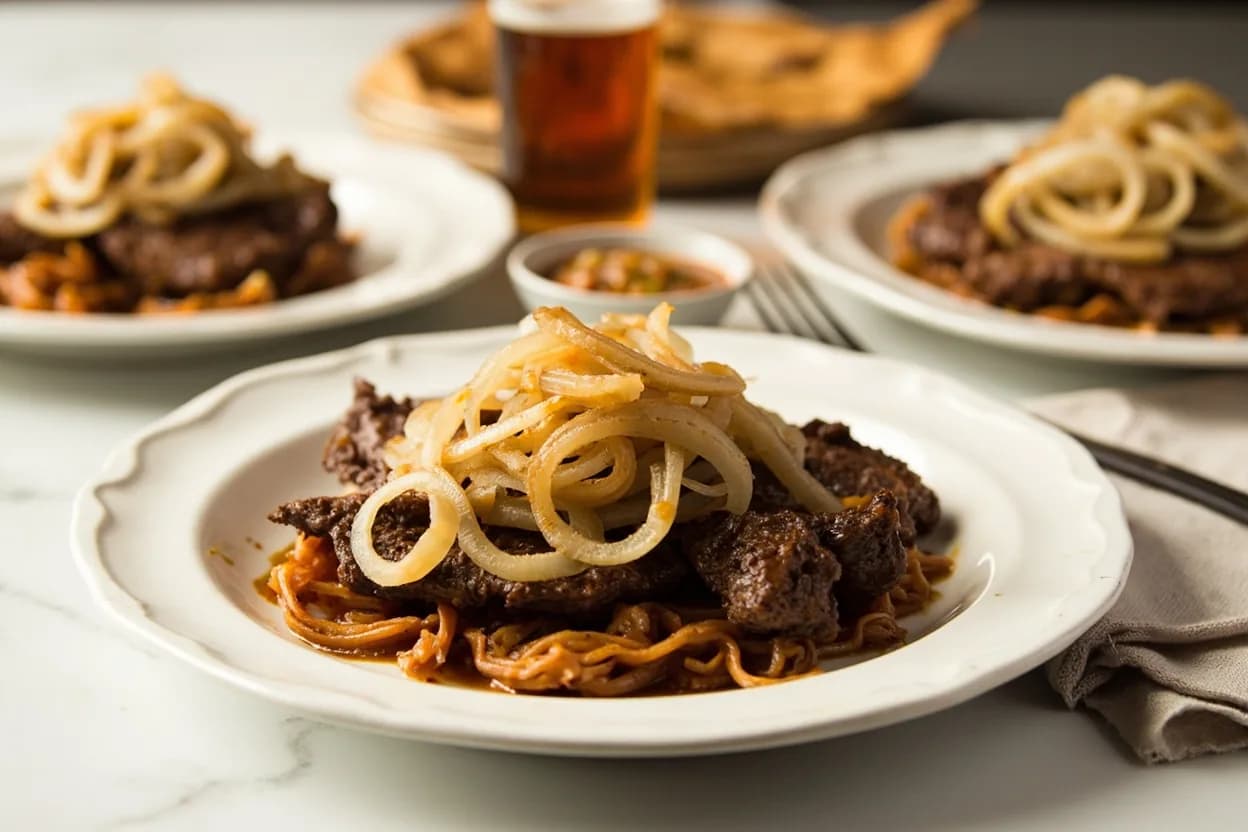
Related
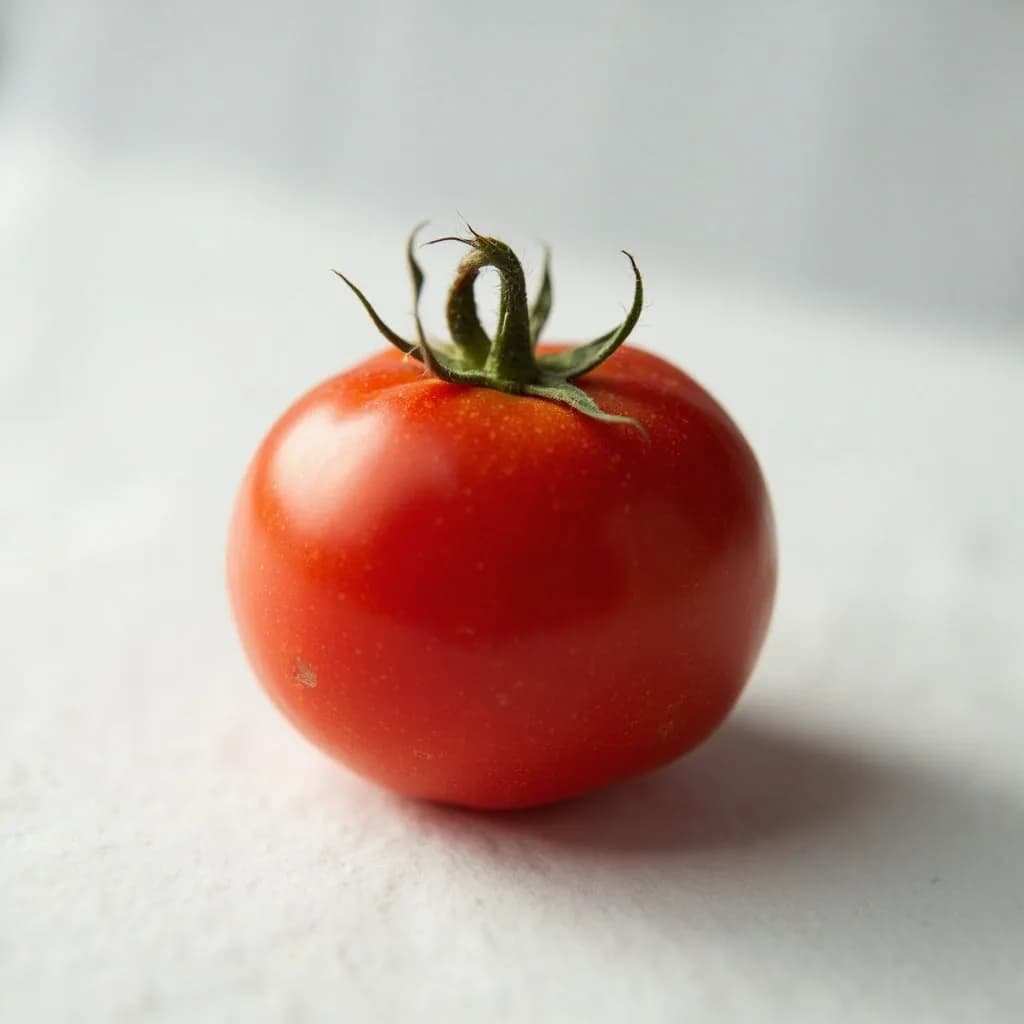
Tomato
Juicy, sun-sweet fruit for sauces, salads, and slow-cooked depth
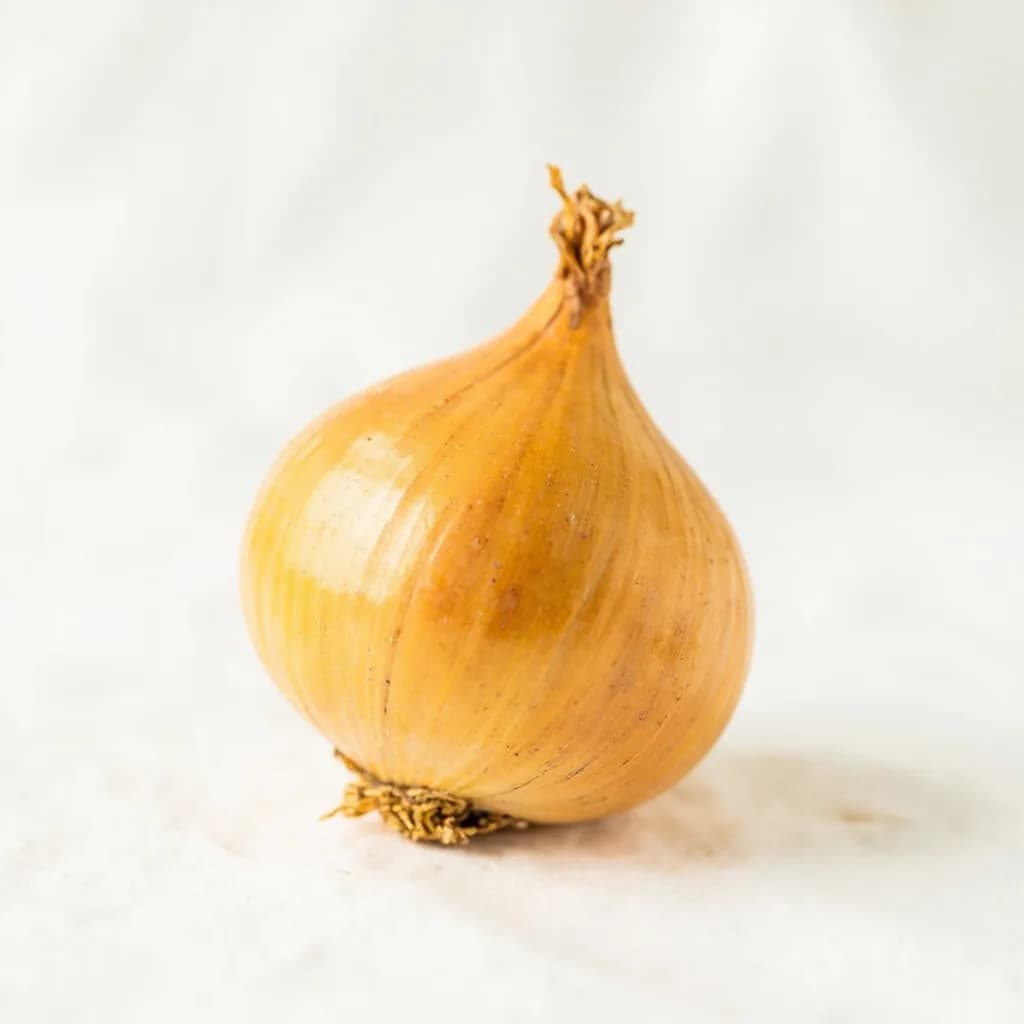
Yellow Onion
The aromatic backbone of soups, sofritos, and braises
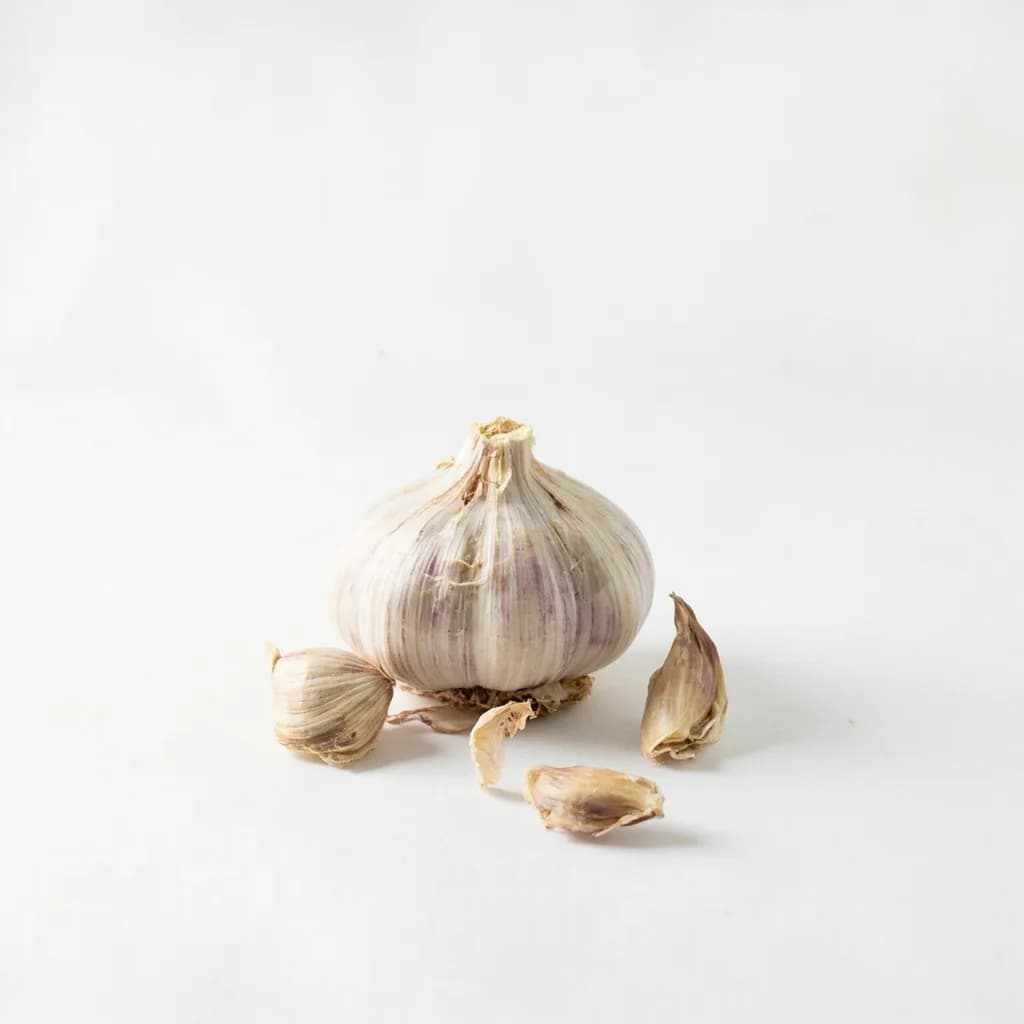
Garlic
Pungent cloves that perfume nearly every savory dish
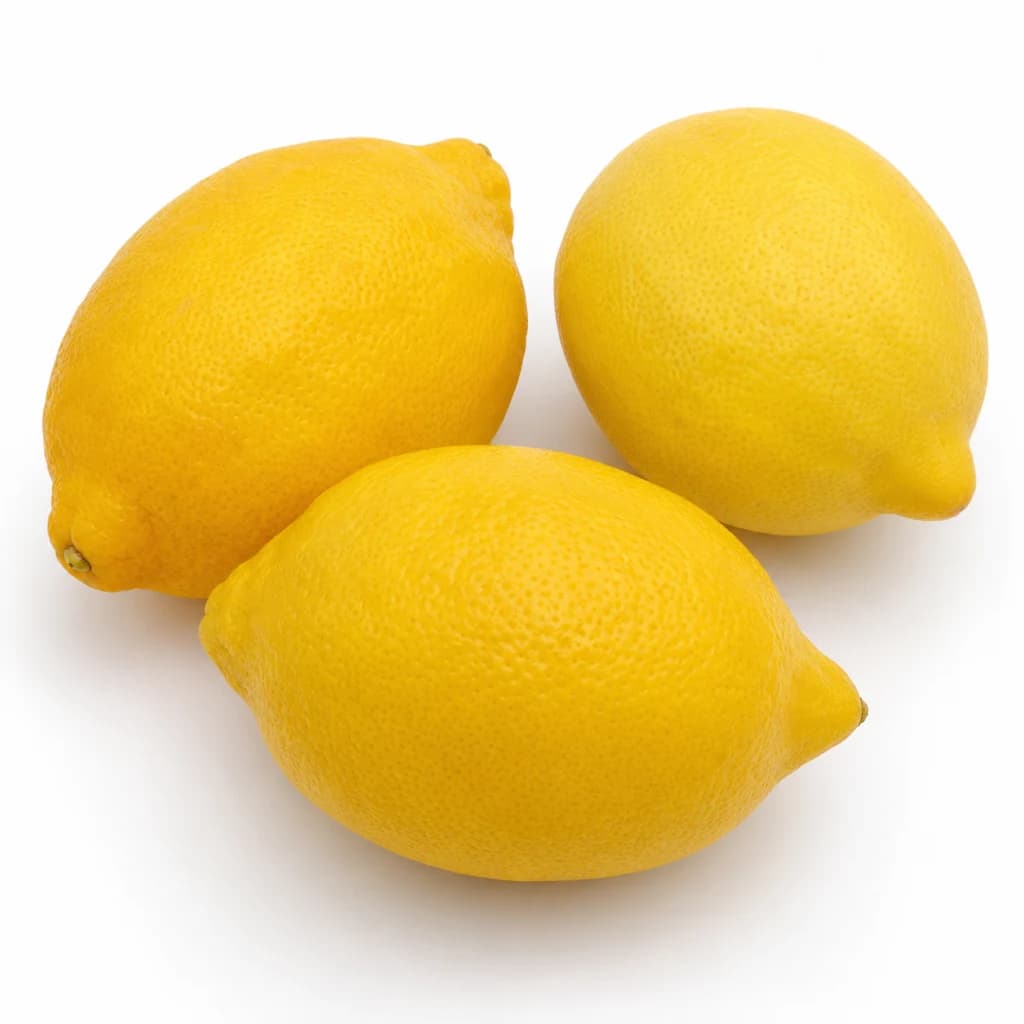
Lemon
Bright, acidic citrus that wakes up almost any dish
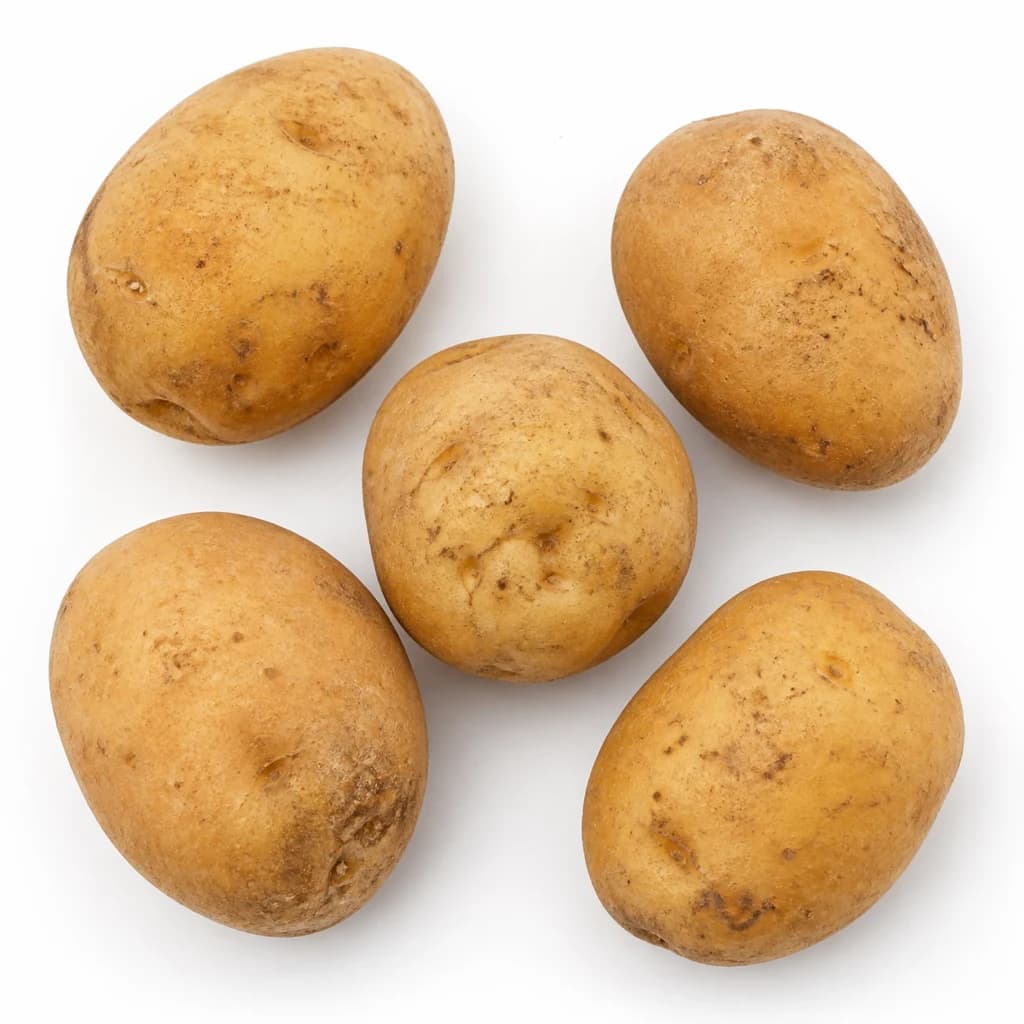
Potato
Humble, hearty staple — roast, mash, fry, or boil
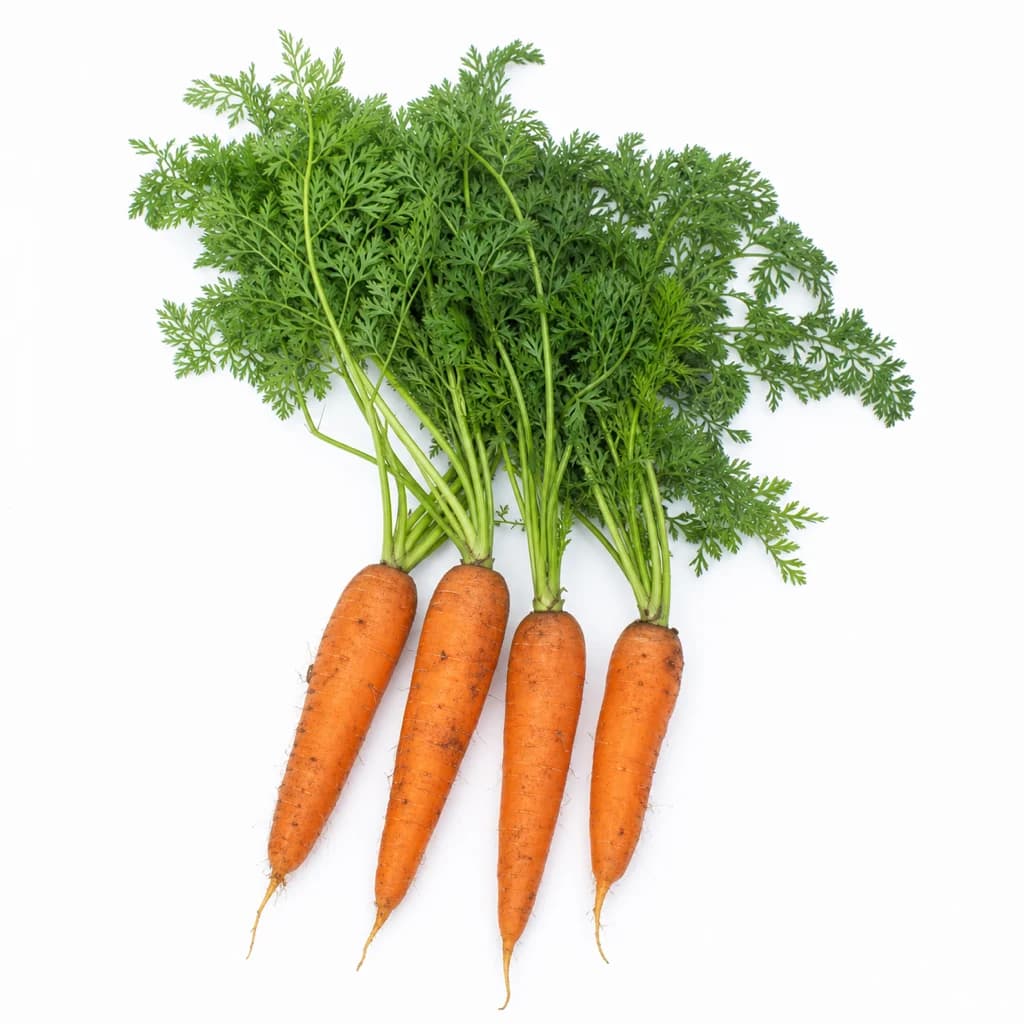
Carrot
Sweet, crunchy root — raw, roasted, or the base of a sofrito
Cucumber
Cool, crisp, and watery — for salads, pickles, and tzatziki

Lettuce
Crisp leaves for salads, wraps, and a fresh crunch