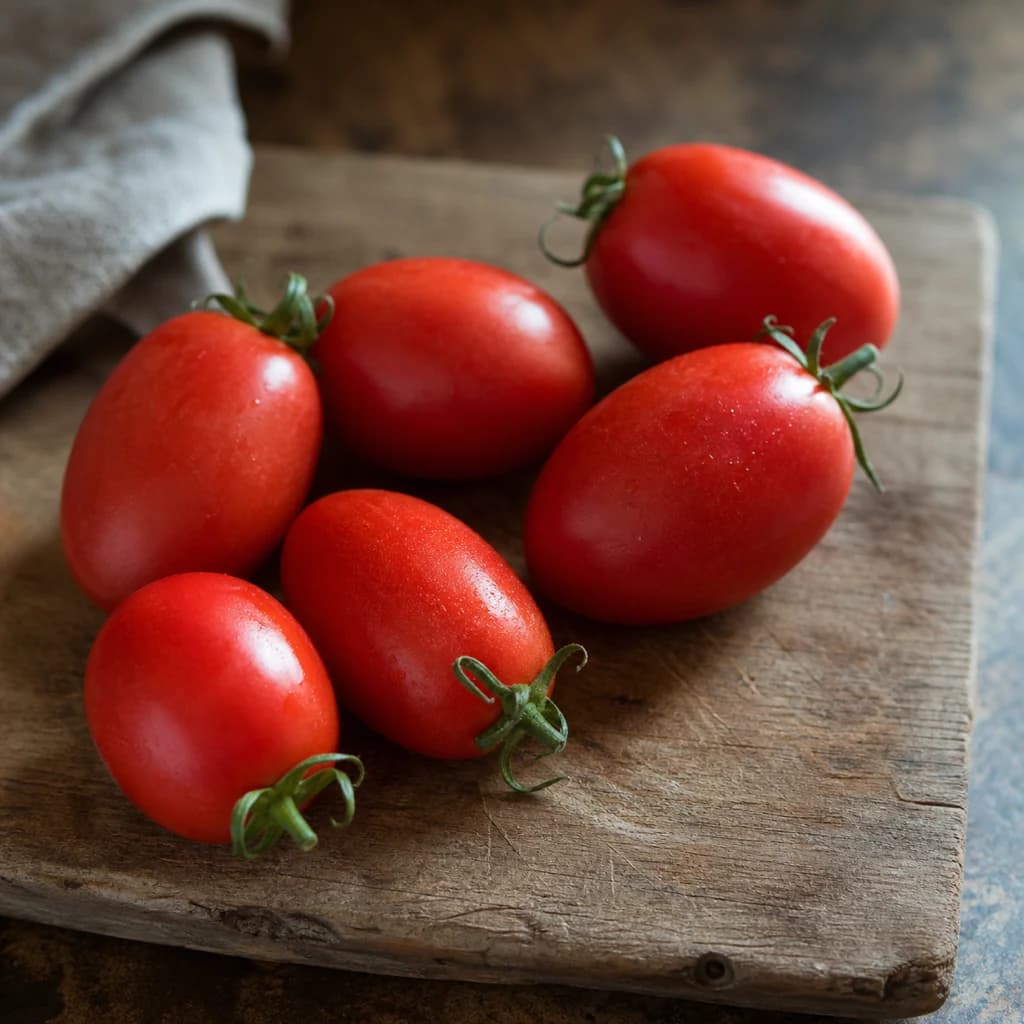
Natural form
Roma tomatoes whole: firm, egg-shaped plum variety with smooth red skin.
Shows the defining egg shape, deep red color, and firm skin that make Roma tomatoes instantly recognizable.
Produce
Roma Tomato
Dense, meaty plum tomato with few seeds, ideal for sauces and pastes.
Roma tomatoes are an egg-shaped plum variety with thick, meaty walls, low moisture and few seeds. Their density makes them the standard choice for sauces, pastes, canning and roasting, where they cook down without becoming watery. They are also sliced for salads and salsas.
The Roma tomato is a plum-type tomato bred specifically for sauce and paste production. Developed jointly by the USDA and Cornell University in the 1950s, it was engineered to solve a persistent industrial problem: traditional round tomatoes contained too much water for efficient paste manufacturing, requiring excessive cooking time, fuel, and yielding watery results. The Roma's defining characteristic is its dense, meaty flesh with a dramatically reduced seed cavity—roughly half the locular gel of comparable slicing tomatoes. This means less waste, faster reductions, and a more concentrated, velvety sauce.
Roma is a determinate variety, meaning the plant grows as a compact bush that stops extending once flowering begins, producing most of its fruit in a concentrated window. The fruits themselves are oblong to egg-shaped, typically 2–3 inches long, with deep red skin and minimal ribbing. Their flavor is sweeter and less acidic than many commercial tomatoes when fully ripe, though the difference disappears in long cooking. Green shoulders at the stem end are a reliable indicator of immaturity—the tomato will taste flat and underdeveloped regardless of external redness. Roma tomatoes have approximately 5% less water content than standard round varieties, which fundamentally changes their behavior in the kitchen: they resist mushiness during blanching, shed their skins cleanly, and cook down into a thick, silky consistency without requiring the aggressive reduction that waterier tomatoes demand.
While Roma VF dominates commercial production due to its Verticillium and Fusarium wilt resistance, the tomato has earned its place in home kitchens through pure performance. It is not a raw-eating tomato—the dense, low-juice flesh lacks the bright acidity and refreshing burst that makes a ripe heirloom slicing tomato compelling uncooked. Used as intended, however, Roma delivers reliability: sauce that reduces predictably, paste that concentrates efficiently, and canned tomatoes that hold their shape without swimming in liquid.
- Measured in
- piece
- Storage
- Pantry
Types & varieties
The dominant commercial variety; carries Verticillium and Fusarium wilt resistance, which made large-scale production viable; most 'Roma' tomatoes sold are VF or derivatives thereof
Italian heirloom plum tomato protected by DOP certification near Naples; longer, thinner, and more pointed than Roma; sweeter and less acidic; considered the gold standard for Neapolitan pizza sauce
Large heirloom paste tomato with sausage-shaped fruit; very meaty with small seed cavities; excellent flavor but spoils faster than commercial varieties
Small Italian heirloom with egg-shaped fruit; prized for sun-drying due to its intense, concentrated flavor when dehydrated
Yellow-orange variant of Roma; slightly sweeter and less acidic with the same dense texture; useful when color contrast matters
Why Roma Was Bred: The Industrial Problem It Solved
Before Roma, industrial tomato paste production faced a fundamental inefficiency. Round slicing tomatoes—bred for fresh eating—contained excessive water that had to be cooked off, requiring hours of sustained heat, substantial fuel costs, and constant stirring to prevent scorching. The resulting paste was often thin, watery, or burnt before reaching the desired concentration. The USDA-Cornell team set out to create a tomato that would cook down efficiently: less water, less waste, more flesh, faster processing. The Roma was their answer, and it transformed the processed-tomato industry. The 'VF' designation refers specifically to the disease-resistant strain that became commercially dominant; the original Roma and the VF variety are nearly identical in the kitchen, so retailers and cooks use the names interchangeably.
- Roma contains roughly half the seed cavity liquid of comparable round tomatoes
- Reduced moisture cuts cooking time for paste by approximately 30% compared to standard varieties
- The Roma VF's disease resistance made large-scale commercial farming practical
Common uses
Tips & pitfalls
- Select firm tomatoes with unblemished, deep red skin; avoid any with green shoulders, which indicate insufficient ripeness and underdeveloped flavor
- Blanch in boiling water for 30–45 seconds, then plunge into ice water to remove skins easily—the low moisture of Roma makes them less prone to mushiness during this process than high-water tomatoes
- To seed efficiently: halve lengthwise, then gently squeeze or scrape out the seeds with your thumb; the minimal seed cavity makes this quick
- When making sauce, resist adding water—Roma tomatoes have enough natural liquid to prevent sticking if you cook over low heat and stir occasionally
- Do not use raw in fresh salads; Roma lacks the juiciness and bright acidity that make raw tomatoes appealing, resulting in a mealy, flat-tasting experience
- For paste: cook Roma slowly over low heat (275–300°F) for 2–4 hours, stirring every 20–30 minutes; the low moisture reduces cooking time by roughly 30% compared to using standard round tomatoes
- When canning: add citric acid or bottled lemon juice (1 teaspoon per pint, 2 teaspoons per quart) to ensure safe acidity level, regardless of added ingredients
- Common mistake: overcooking to the point of burning; Roma's low water content means they go from done to scorched faster than expected—watch closely toward the end of reduction
Nutrition
Energy
63 kJ · per 100 g
Where the calories come from
Protein
1g
2% DV
Carbs
3g
1% DV
Fat
0.3g
0% DV
Fiber
0.7g
3% DV
Sodium
23mg
1% DV
Source · USDA FoodData Central · approx. Tomatoes, yellow, raw
View on FDC →In the shops
Matched grocery products
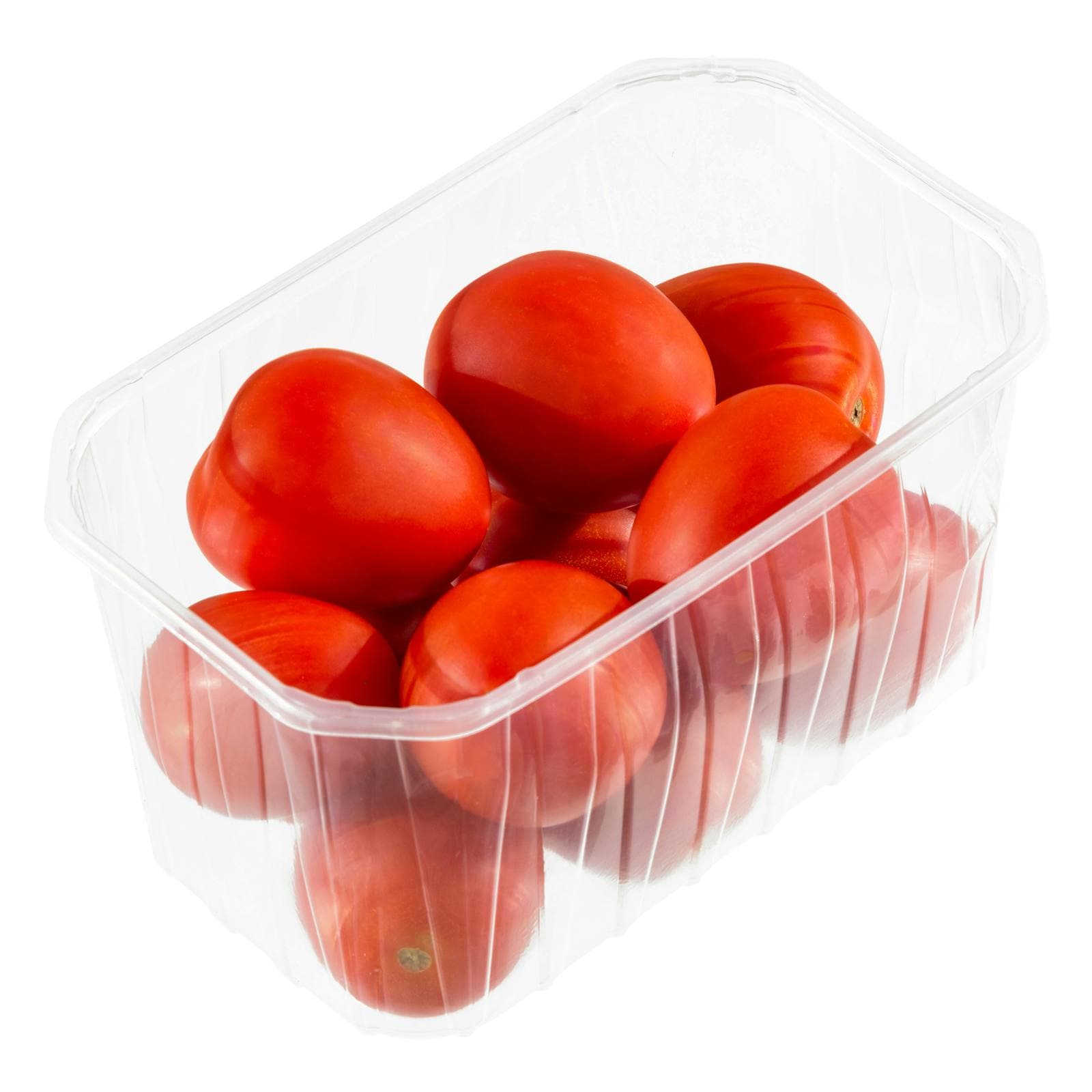 €2.62
€2.62Pear Tomatoes
1.14 kg · Mercadona
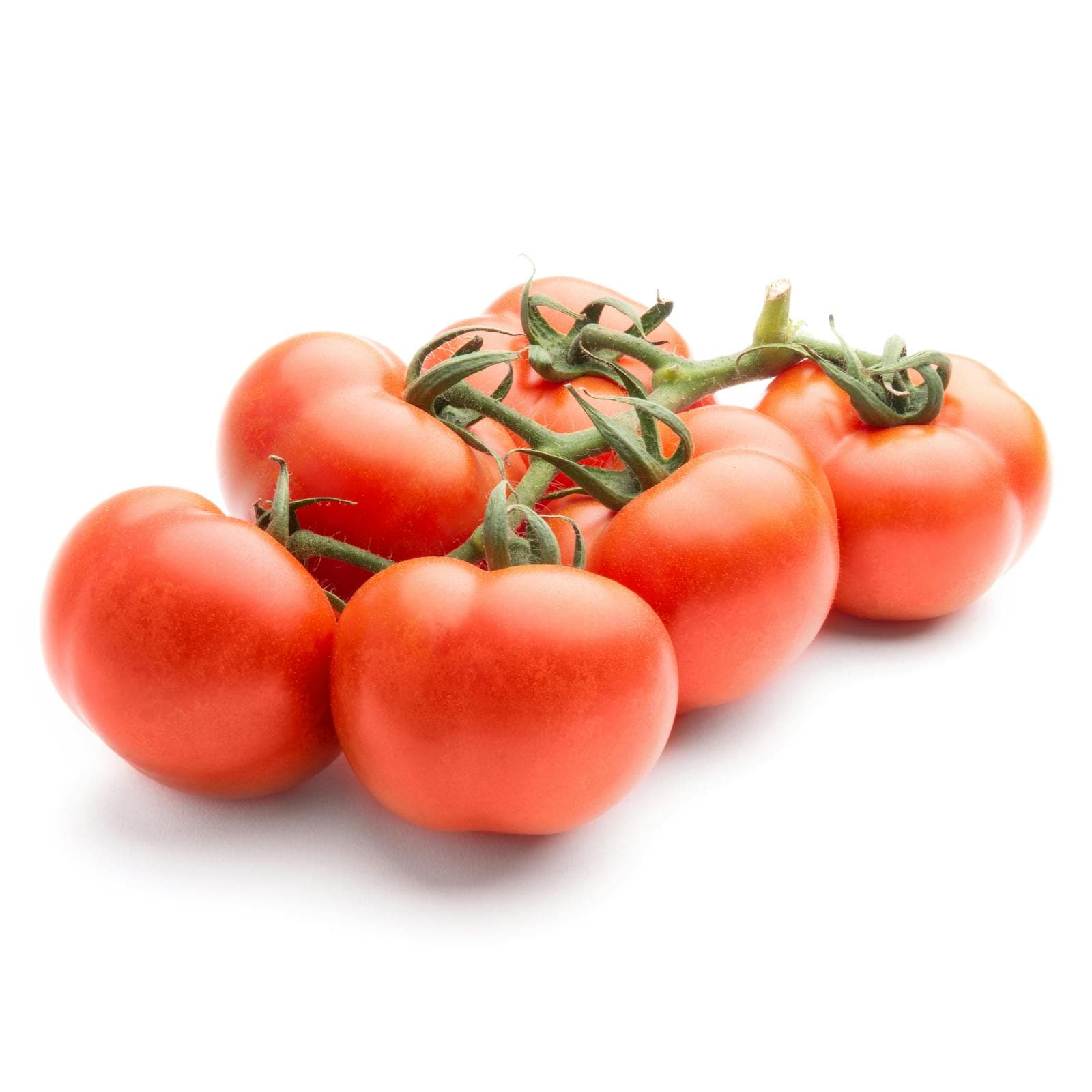 €1.49
€1.49Truss Tomatoes
550 g · Mercadona
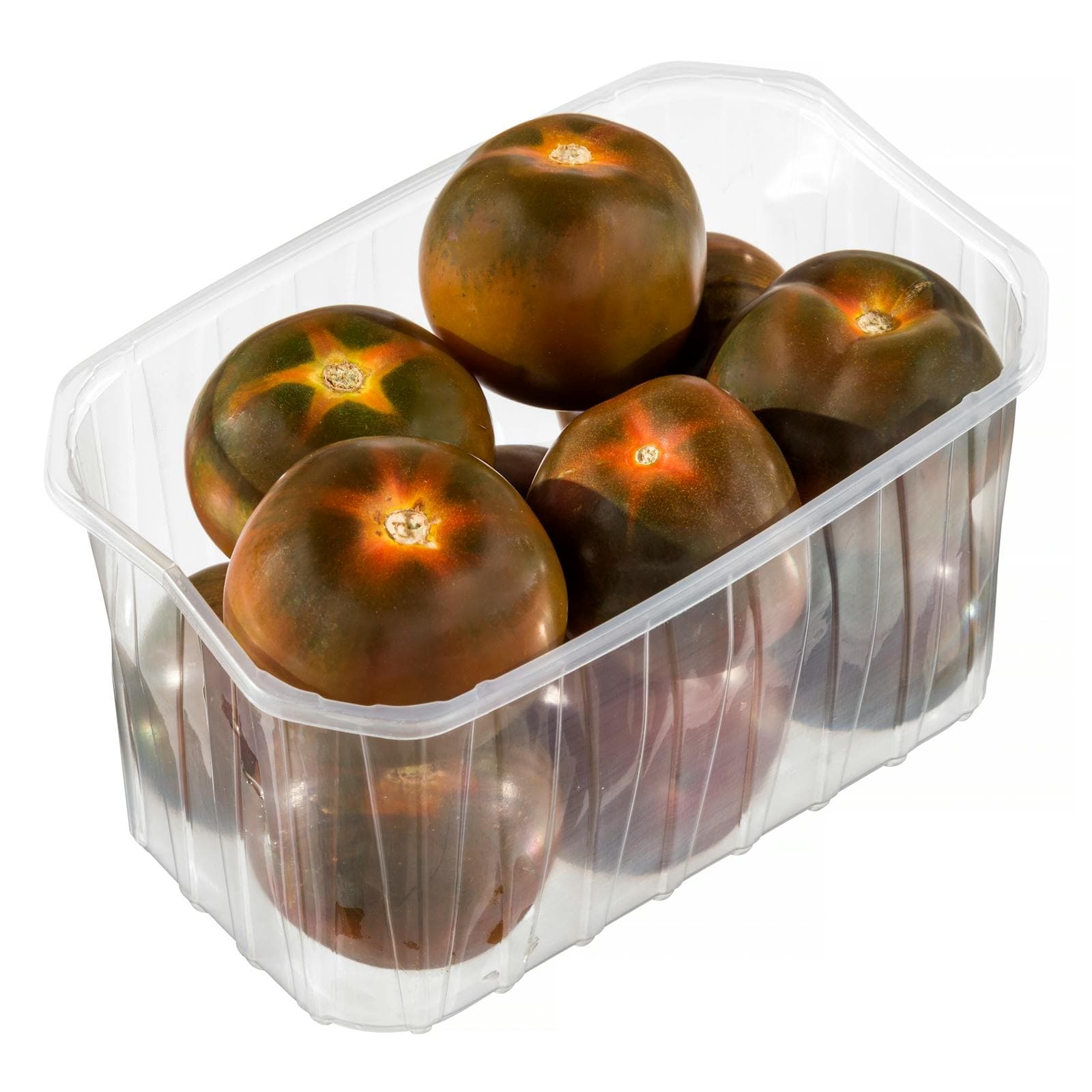 €2.60
€2.60Black Tomatoes
1 kg · Mercadona
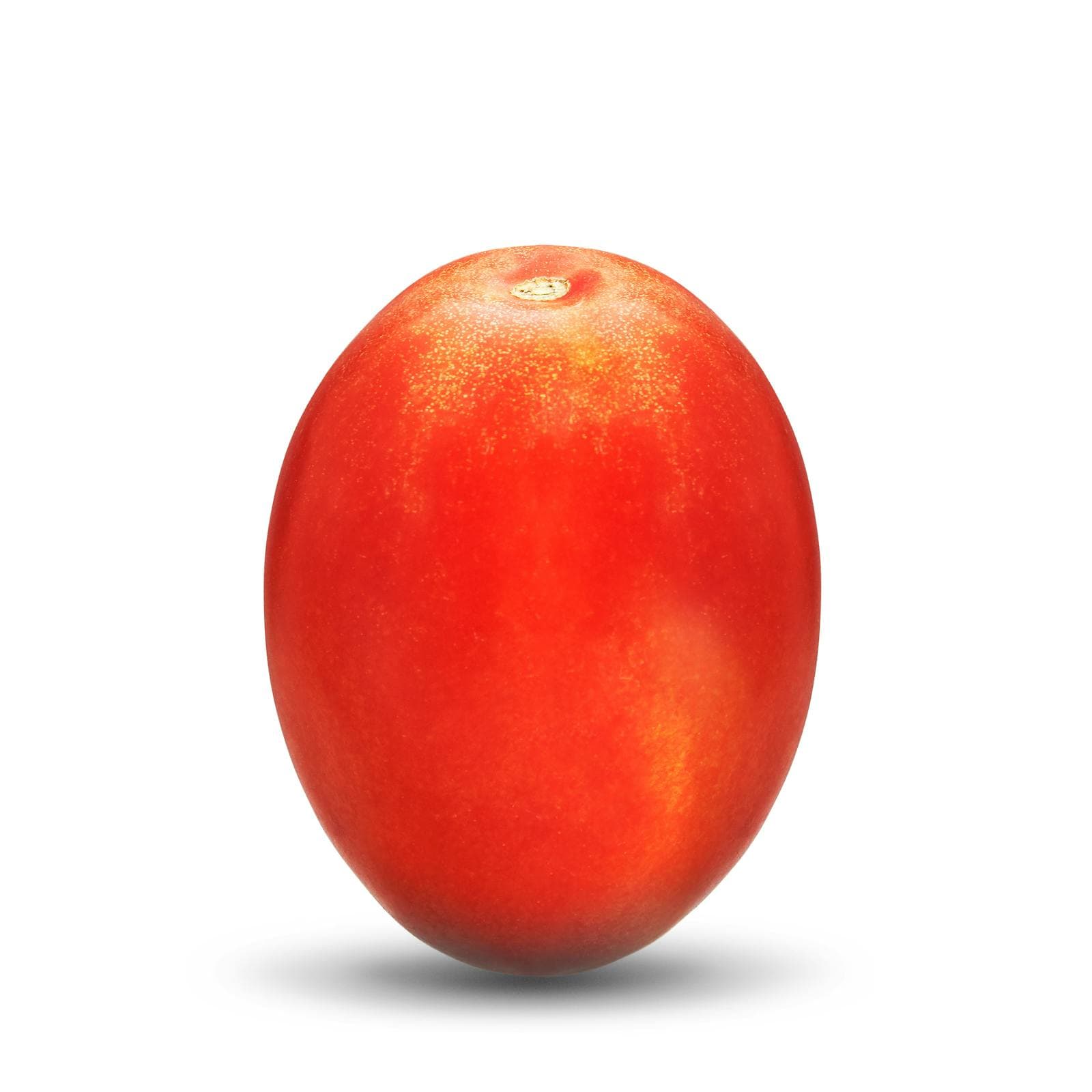 €0.29
€0.29Plum Tomato
130 g · Mercadona
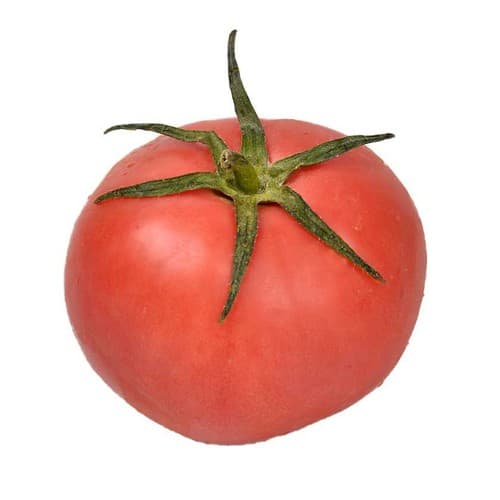 €1.07
€1.07Pink Tomato
ud · Bonpreu
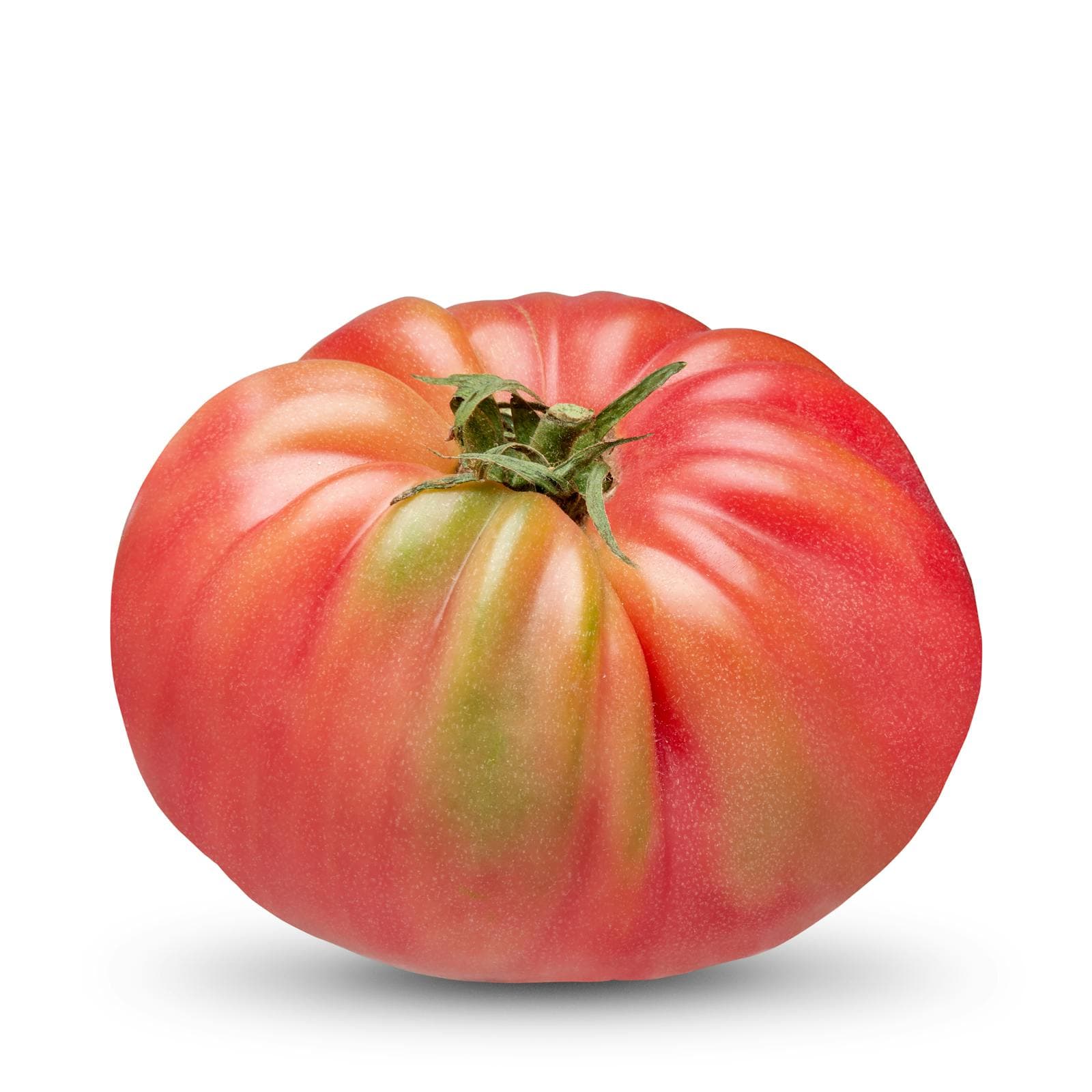 €1.16
€1.16Pink Tomato
340 g · Mercadona
Good to know
- Type
- Plum tomato (Solanum lycopersicum)
- Origin
- Developed in the 1950s by USDA–Cornell collaboration from 'Pan American' × 'Plenty' cross
- Peak Season
- Summer; year-round from greenhouse and commercial growing
- Size
- 2–3 inches long, 2–3 ounces each
- Shape
- Oblong to egg-shaped, slight ribbing at stem end common
- Flesh
- Dense, meaty; significantly smaller seed cavity than round tomatoes
- Moisture
- Approximately 5% less water than standard round tomatoes
- Flavor
- Sweet, mild, less acidic than many varieties when fully ripe
- Growth Habit
- Determinate (bush type; concentrated ripening period)
- Storage
- Room temperature until ripe; refrigerate stem-side down up to 1 week
- Freezing
- Freeze whole or cut; thaw and drain before use in cooked dishes
Substitutes
- San Marzano — Best substitute; same dense, meaty character and low seed count; slightly sweeter and more prized in Italian cooking
- Other plum tomatoes — Any elongated paste tomato works; may have slightly higher moisture, so drain or reduce longer as needed
- Stewed canned tomatoes (San Marzano-style) — Convenient year-round substitute; crush by hand and use with their juices
- Heirloom paste tomatoes (Amish Paste, Opalka) — Excellent flavor but may be larger; halve before seeding; spoilage rate is higher, so use quickly after purchase
Pairs with
Also called
Jitomate · Plum Tomato
Appears in these dishes
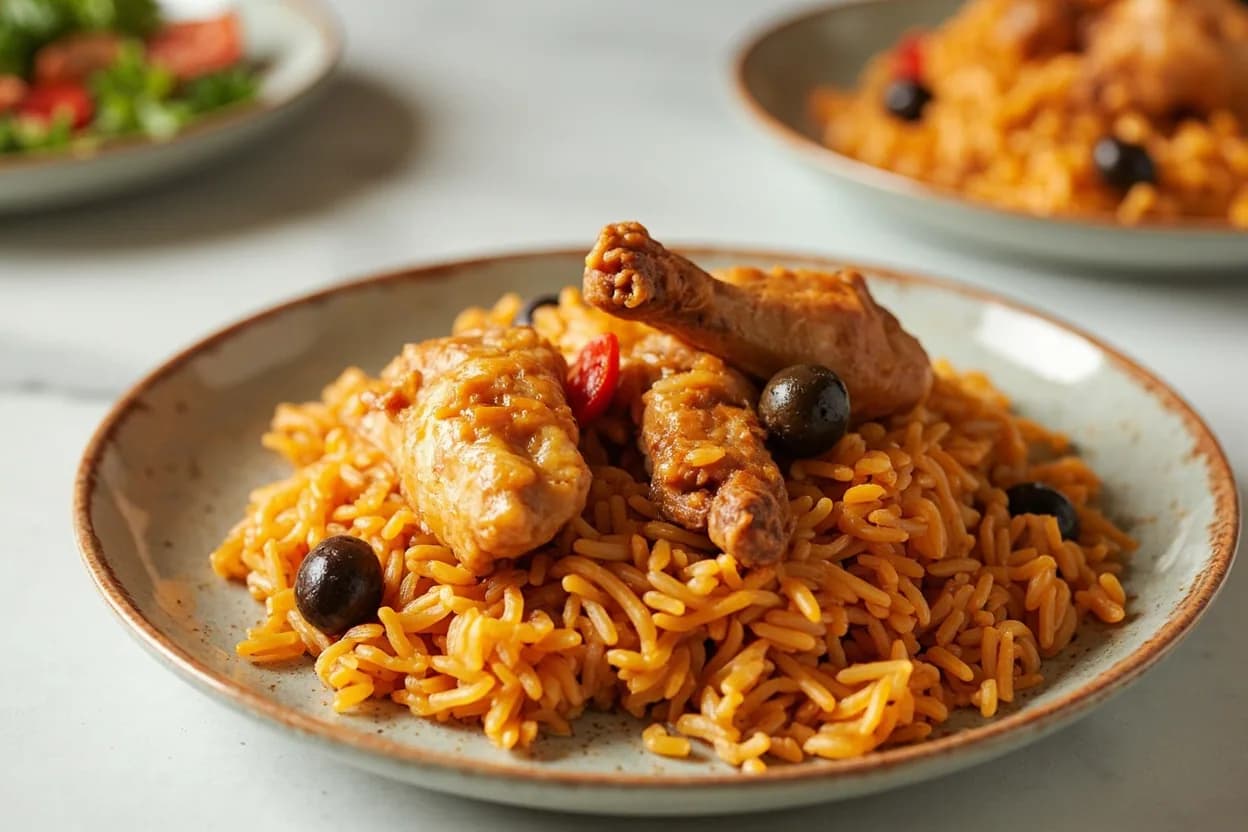
Related
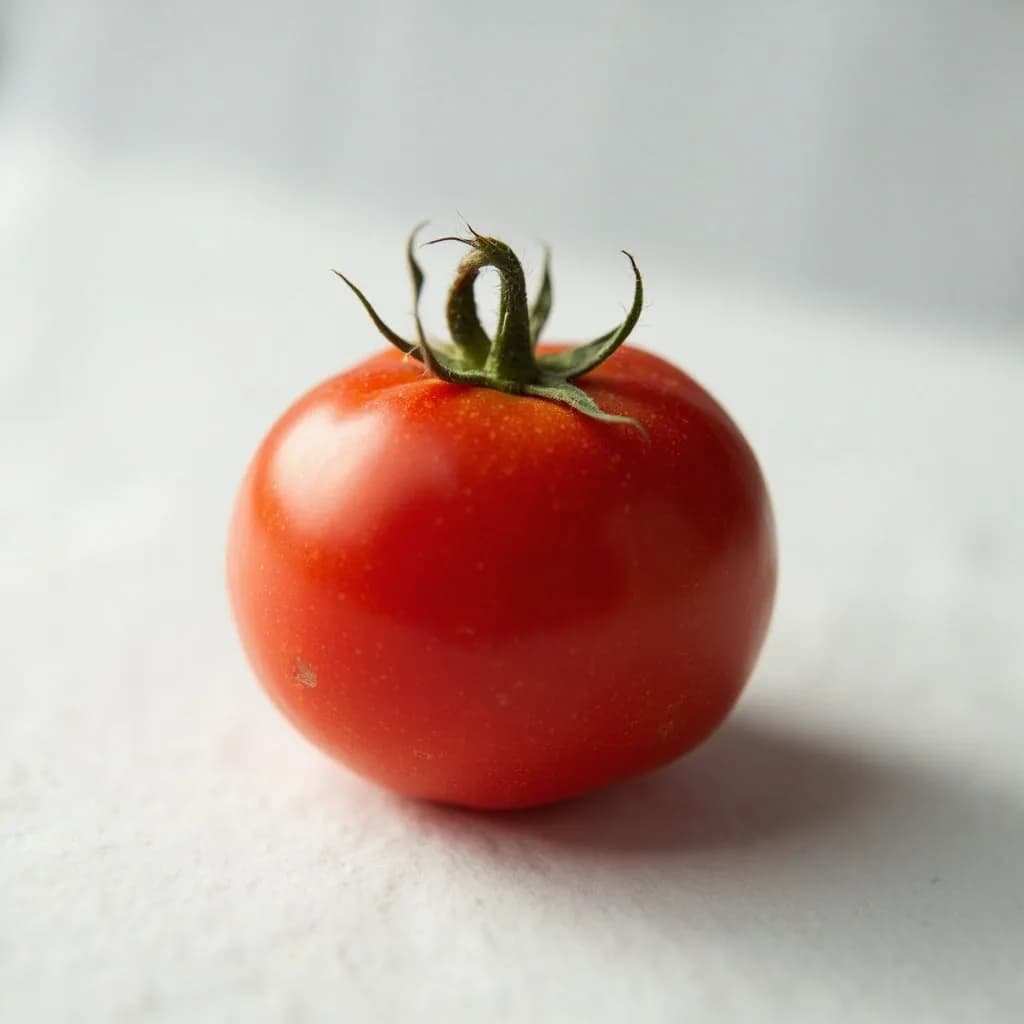
Tomato
Juicy, sun-sweet fruit for sauces, salads, and slow-cooked depth
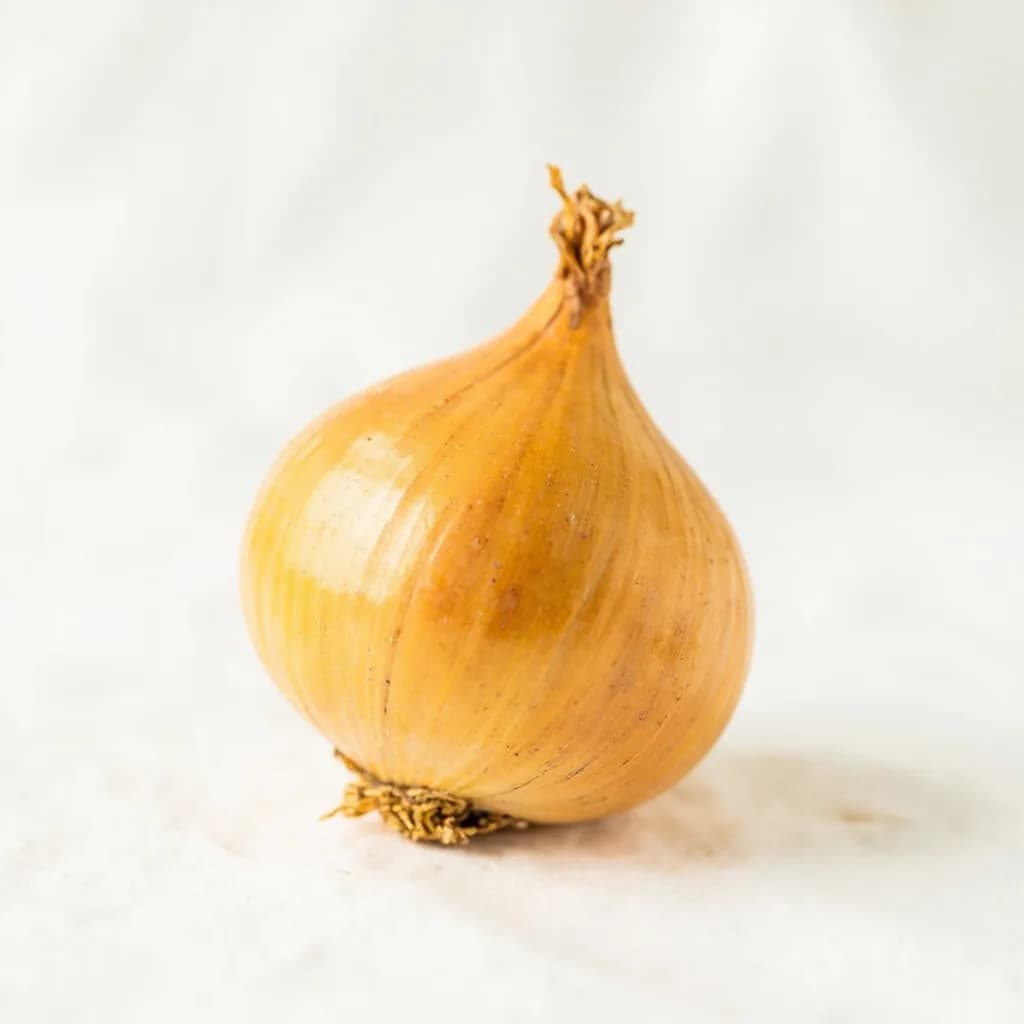
Yellow Onion
The aromatic backbone of soups, sofritos, and braises
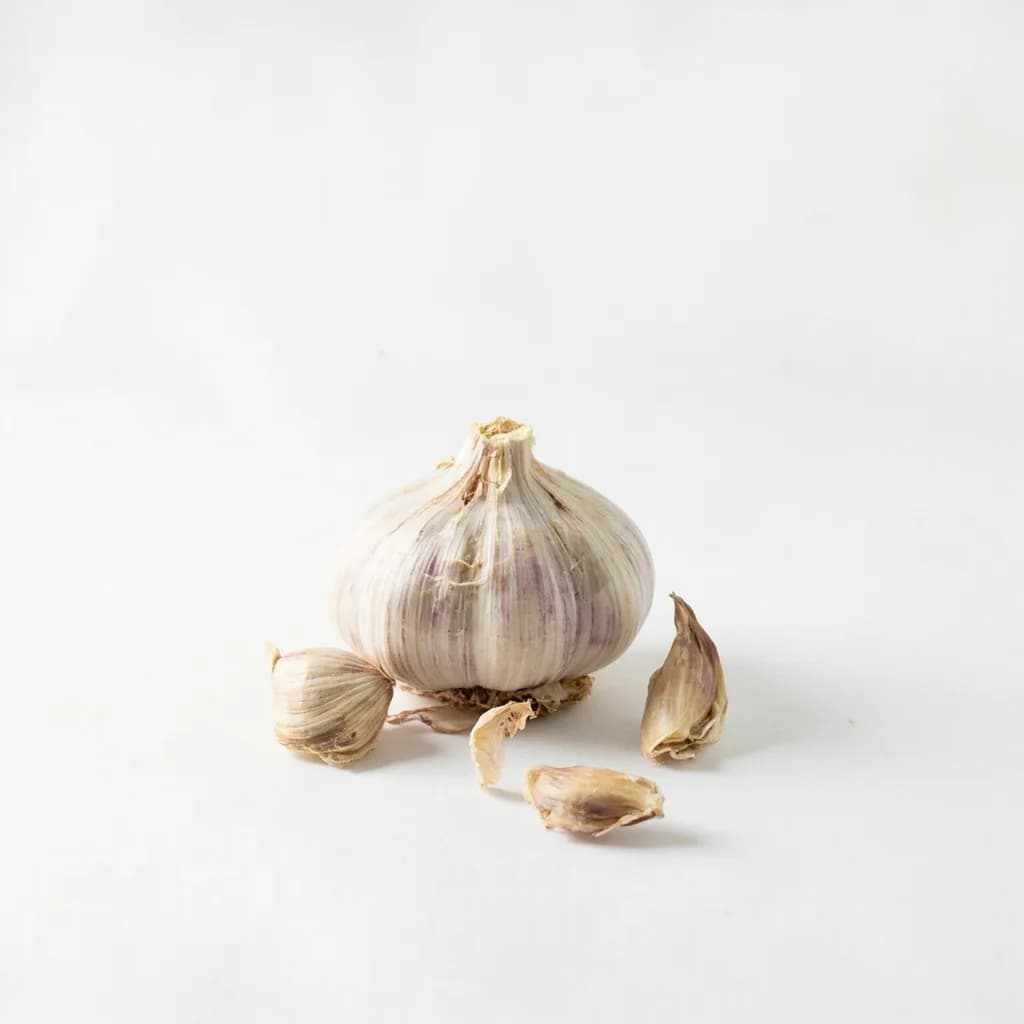
Garlic
Pungent cloves that perfume nearly every savory dish
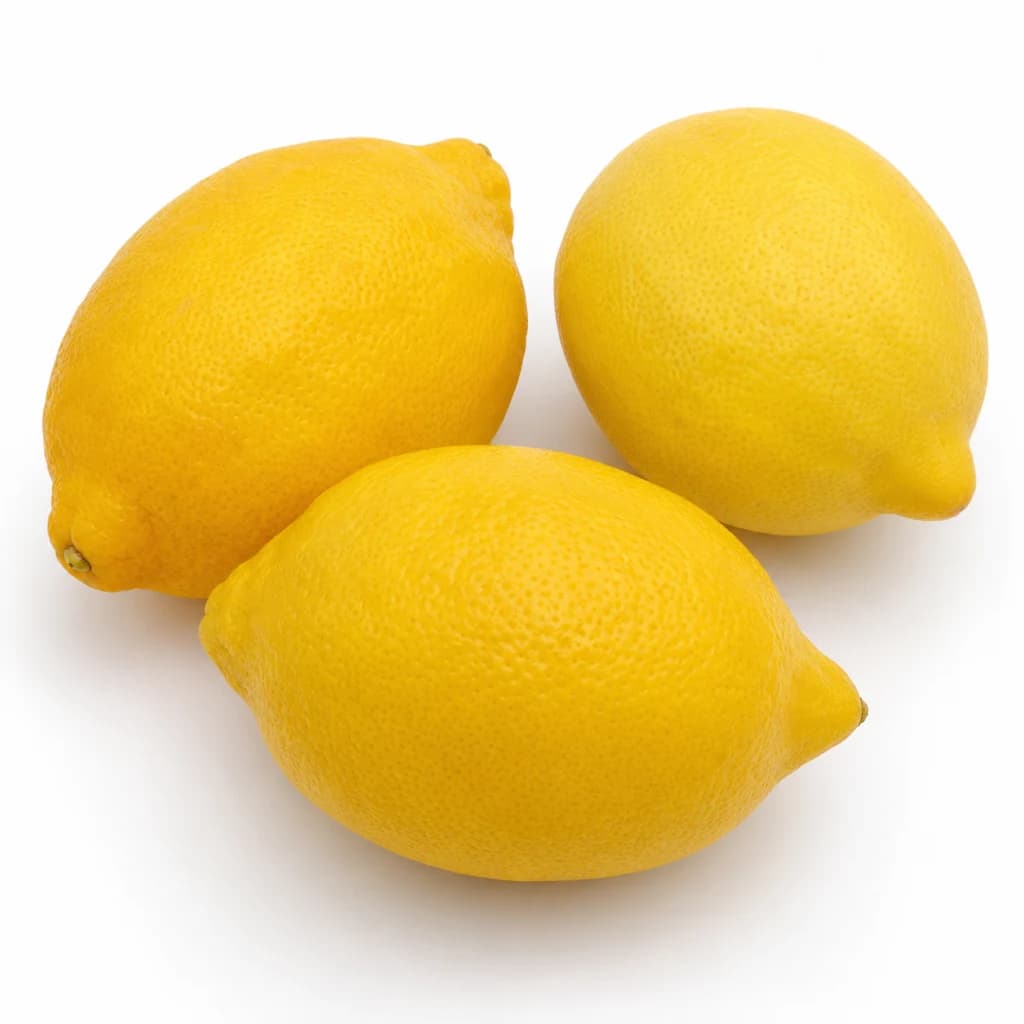
Lemon
Bright, acidic citrus that wakes up almost any dish
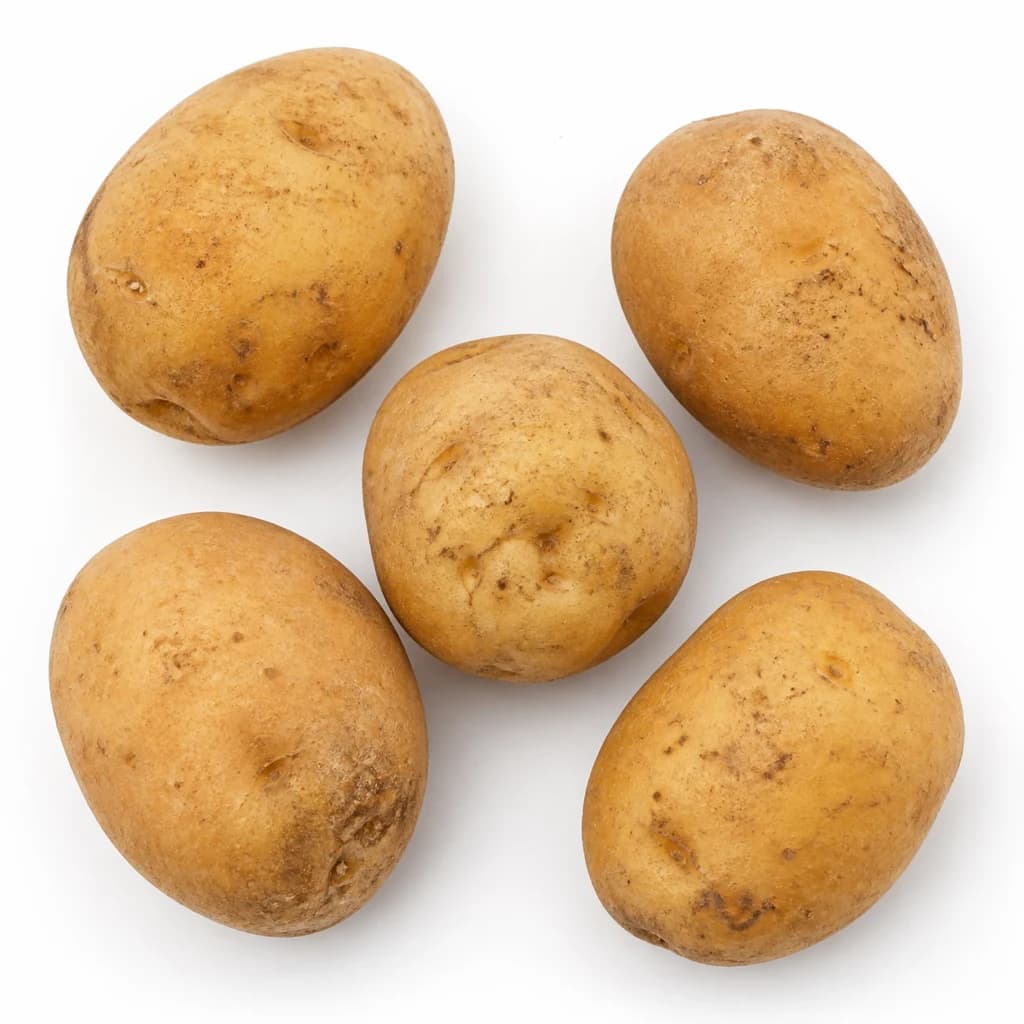
Potato
Humble, hearty staple — roast, mash, fry, or boil
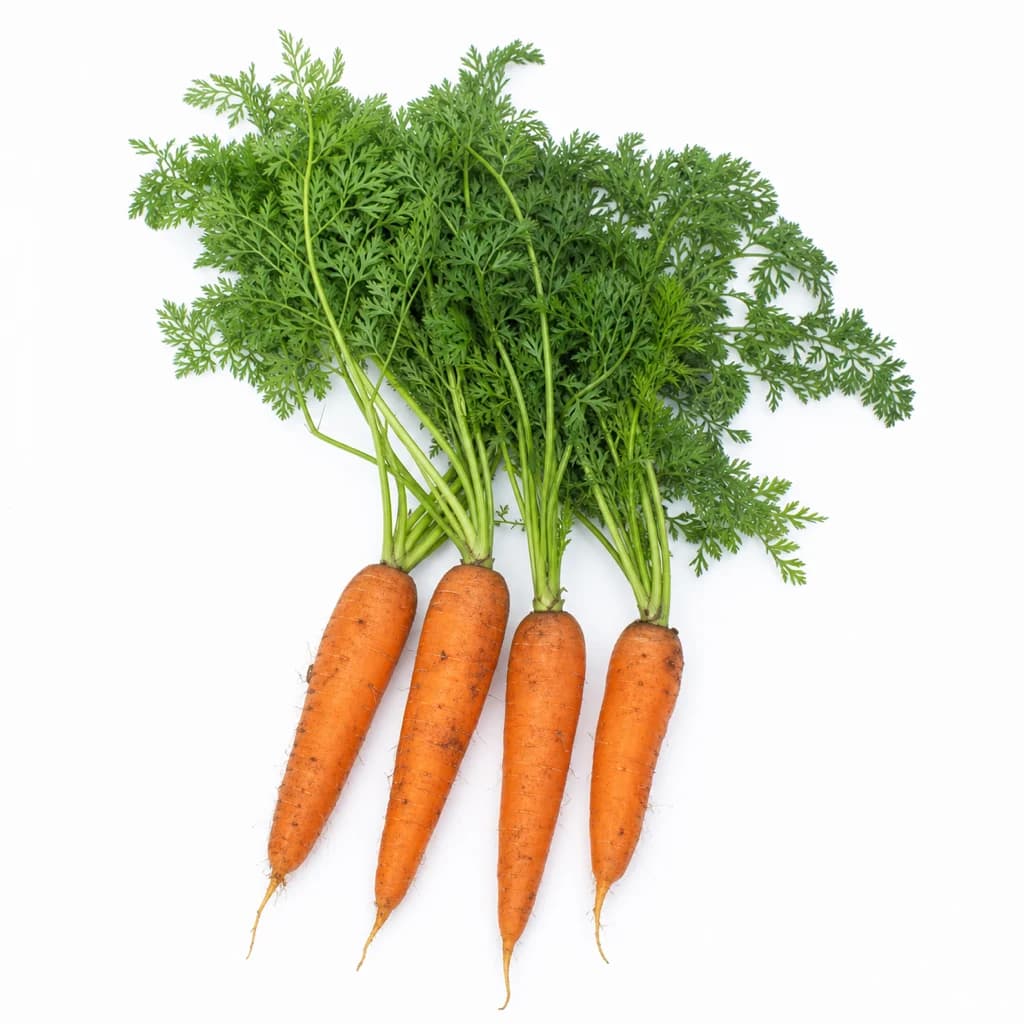
Carrot
Sweet, crunchy root — raw, roasted, or the base of a sofrito
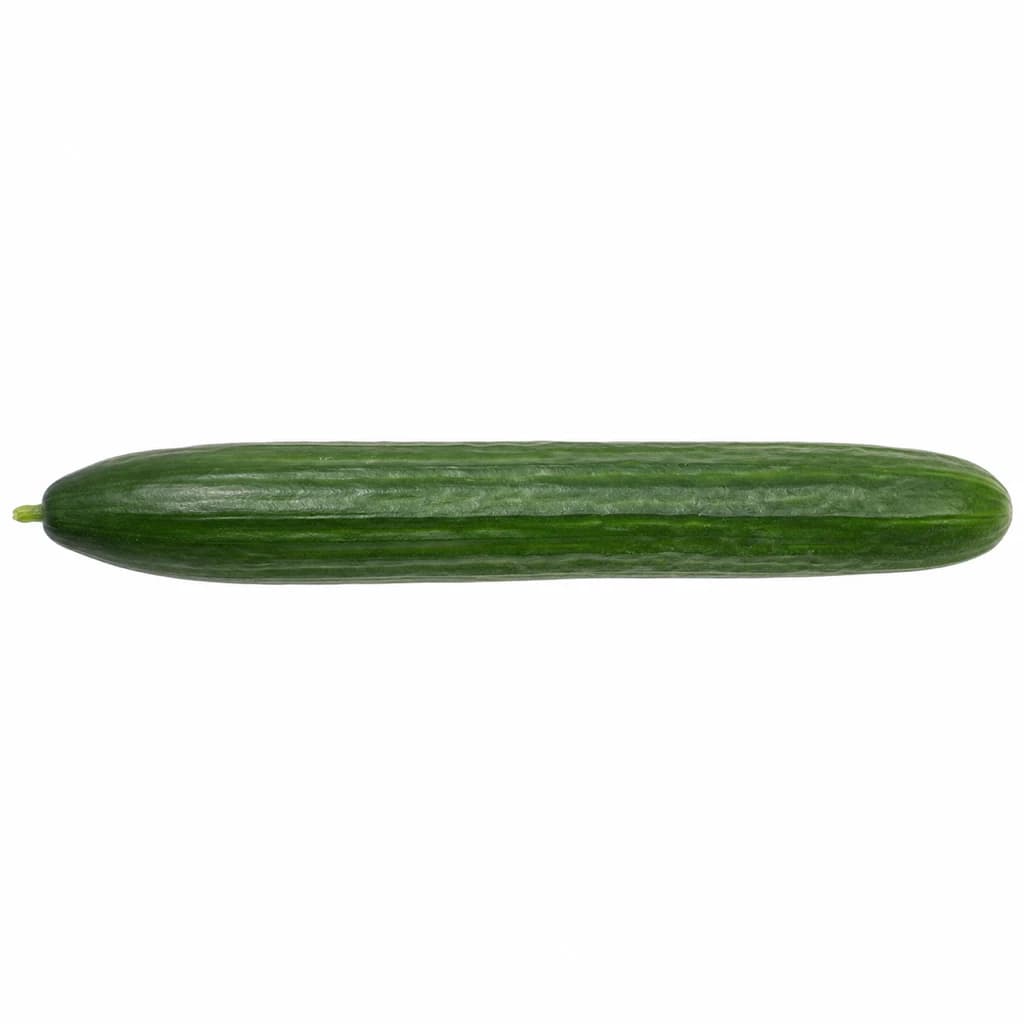
Cucumber
Cool, crisp, and watery — for salads, pickles, and tzatziki

Lettuce
Crisp leaves for salads, wraps, and a fresh crunch