East Asia
Hokkaido Seafood & Dairy Cuisine
Also: Hokkaido ryori, Ezo cuisine, 北海道料理
Japan's abundant north — a cold-water cuisine of extraordinary seafood richness, Hokkaido dairy, miso-butter ramen, and soup curry, shaped by indigenous Ainu foodways and modern agricultural scale.
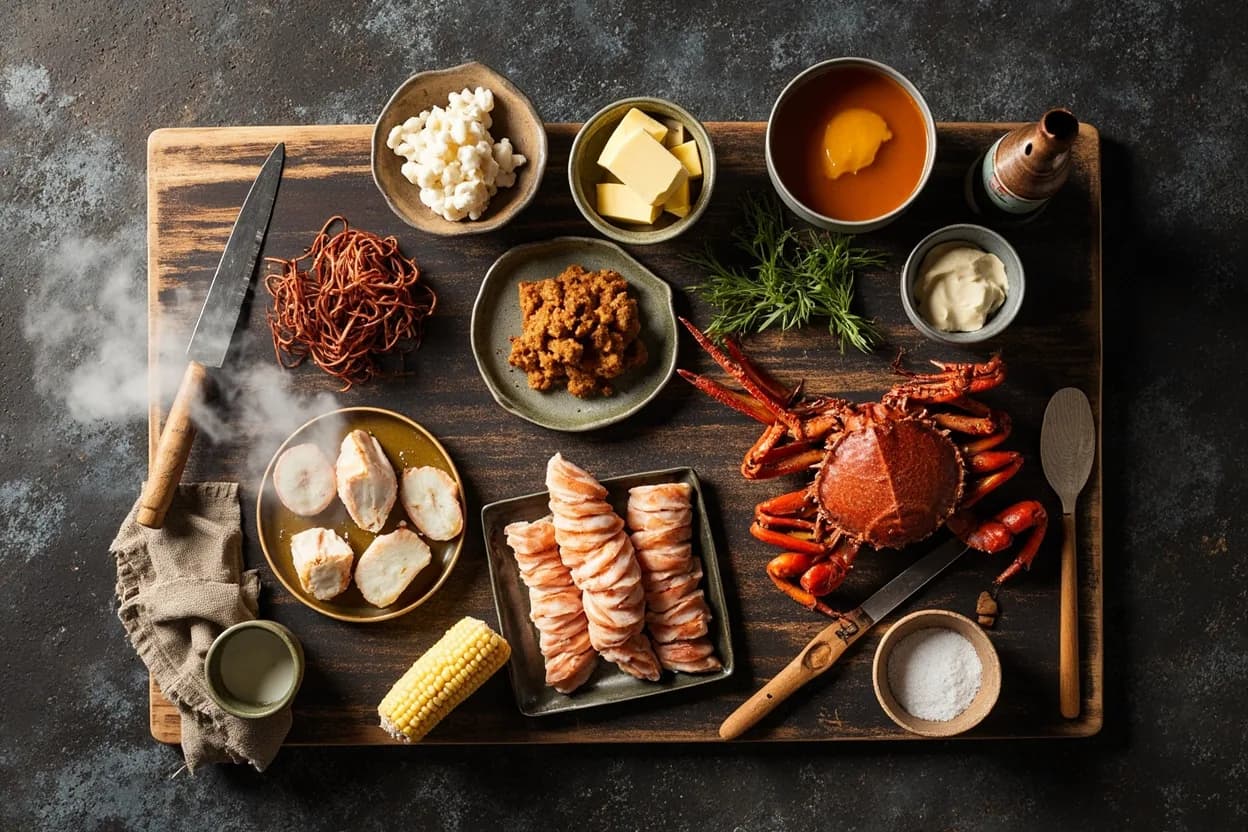
Hokkaido cuisine is the cooking tradition of Japan's northernmost main island, defined by exceptional cold-water seafood (sea urchin, king crab, salmon, scallops, hairy crab), a dairy industry unmatched elsewhere in Japan, and a landscape of grain, potato, and corn production that sets it apart from the fish-and-rice ethos of the south. The island was settled by the Yamato Japanese primarily during the Meiji-era colonization (1868 onward), making Hokkaido's food culture a relatively recent synthesis — incorporating indigenous Ainu ingredients and techniques, northern Chinese and Russian culinary traces, and the full industrialized force of 20th-century food production. The result is a cuisine of abundance: portions are large, butter appears where other prefectures use oil, and seafood is consumed at a freshness and scale unattainable in Tokyo.
The flavour base
Cold-water shellfish and salmon deliver powerful natural sweetness and iodine umami; butter and Hokkaido dairy enrich sauces and ramen broths; miso (particularly rich, hearty varieties suited to cold winters) forms the seasoning backbone of ramen and hot pots. Corn, potato, and asparagus lend a sweetness that softens the overall flavor profile.
Pantry staples
Key ingredients
Signature techniques
Signature dishes
Hokkaido Seafood & Dairy Cuisine on the table
At the table
Hokkaido meals tend toward generous single-dish centerpieces — a ramen bowl, a rice bowl (don), a grill — rather than the multi-course progression of mainland fine dining. Seafood markets in Hakodate, Otaru, and Sapporo sell sea urchin, crab, and scallops to eat at counter stools. Izakaya culture is strong, centered on grilled seafood (yaki-hotate, yaki-ikura in soy), cold Sapporo beer, and sake. In fine dining contexts, Hokkaido ingredients appear in kaiseki or French-influenced tasting menus that showcase the island's exceptional produce.
History & context
Before Japanese colonization, Hokkaido was the territory of the Ainu people, who subsisted on salmon (dried, smoked, and fermented), venison, bear meat, gathered roots, and kelp — a food culture quite distinct from anything on Honshu. The Meiji government's systematic Ainu displacement and agricultural development of Hokkaido after 1869 introduced large-scale rice cultivation (though Hokkaido's short summers meant special cold-resistant varieties were needed), dairy ranching (modeled on American and European practice by U.S. agricultural advisers like Horace Capron), and industrial fishing. Sapporo's ramen style developed distinctly by the 1960s, incorporating miso as a base not used in Tokyo or Hakata styles. Soup curry is a 1970s Sapporo invention, codified by a handful of restaurants and now an indigenous genre with its own competition circuit.
Regional variations
- Sapporo
Urban culinary hub: miso ramen birthplace, soup curry epicenter, the main venue for the annual Snow Festival food stalls; dairy-heavy, restaurant-dense.
- Hakodate
Port city with strong historical Chinese and Russian trade influence; salt ramen (shio) rather than miso; excellent squid (ika), fresh morning markets, and salt-pickled vegetable tradition.
- Kushiro / Tokachi (eastern Hokkaido)
Dairy heartland and potato belt; industrial dairy production, Tokachi wagyu, beet sugar; stronger agricultural identity than the coastal seafood towns.
- Rishiri / Rebun islands
Remote northern islands supplying the finest Rishiri kombu (the benchmark for Japanese dashi); sparse population, extreme freshness of kelp and sea urchin, minimal restaurant culture.
Related cuisines
- Ainu traditional cuisine
Indigenous ancestral foodway: dried salmon (kippered), bear and deer, gathered wild garlic and oshukina root, fermented fish — absorbed partially into Hokkaido food identity but distinct from the colonizer-era synthesis.
- Hakata Ramen
The Fukuoka tonkotsu tradition contrasts sharply with Sapporo miso ramen — lighter, pork-bone-only broth versus Hokkaido's miso-butter enrichment — illustrating Japan's ramen regional diversity.
- Russian and Chinese northeast border cuisine
Hakodate's port history left traces of Russian-influenced breads and borscht variants; eastern Hokkaido proximity to the Russian Far East informs some pickling and preserved fish preparations.
Canonical recipes
The dishes that define Hokkaido Seafood & Dairy Cuisine, documented in the Canon.
References
- 1.Japanese Farm Food — Nancy Singleton Hachisu
- 2.Ivan Ramen — Ivan Orkin (ramen regional context)
- 3.The Ramen Noodle Handbook — Brian MacDuckston
- 4.Hokkaido Food Guide — Hokkaido Tourism Bureau culinary documentation
- 5.Ainu: Spirit of a Northern People — William W. Fitzhugh (Smithsonian)
Confidence: high
Notes
Sea urchin hierarchy
Bafun uni (Strongylocentrotus intermedius, short-spined) and murasaki uni (long-spined) are Hokkaido's two main species, and the distinction matters considerably. Bafun uni produces smaller, golden-orange, intensely sweet roe; murasaki is larger, paler, milder. The finest Hokkaido bafun uni — particularly from Rishiri and Rebun — commands the highest prices in Japan's domestic market and is the reference product against which all other sea urchin is benchmarked.
Dairy as anomaly
Japan is not historically a dairy culture — mainland traditions use no butter, cream, or cheese. Hokkaido's dairy industry, deliberately built on the American model from the 1870s, created an internal exception. The butter in Sapporo miso ramen is not a Westernization — it is a Hokkaido regional ingredient with 150 years of local history. Similarly, Hokkaido soft-serve ice cream made with fresh whole milk has become one of Japan's most celebrated snack tourism products.