East Asia
Hong Kong Cha Chaan Teng
Also: 茶餐廳, Hong Kong-style café, Hong Kong diner cuisine
Hong Kong's iconic working-class café culture — a delicious collision of Cantonese comfort food and British colonial imports, served fast at shared tables.
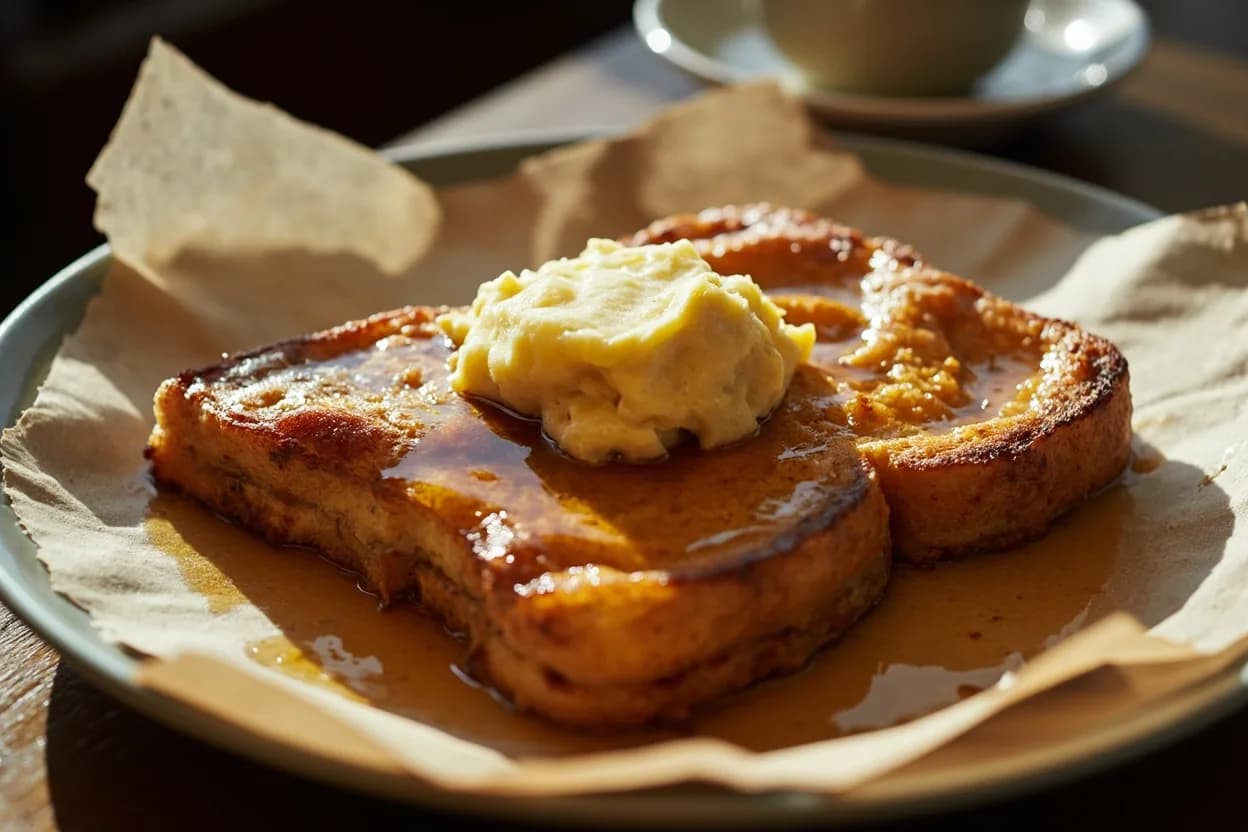
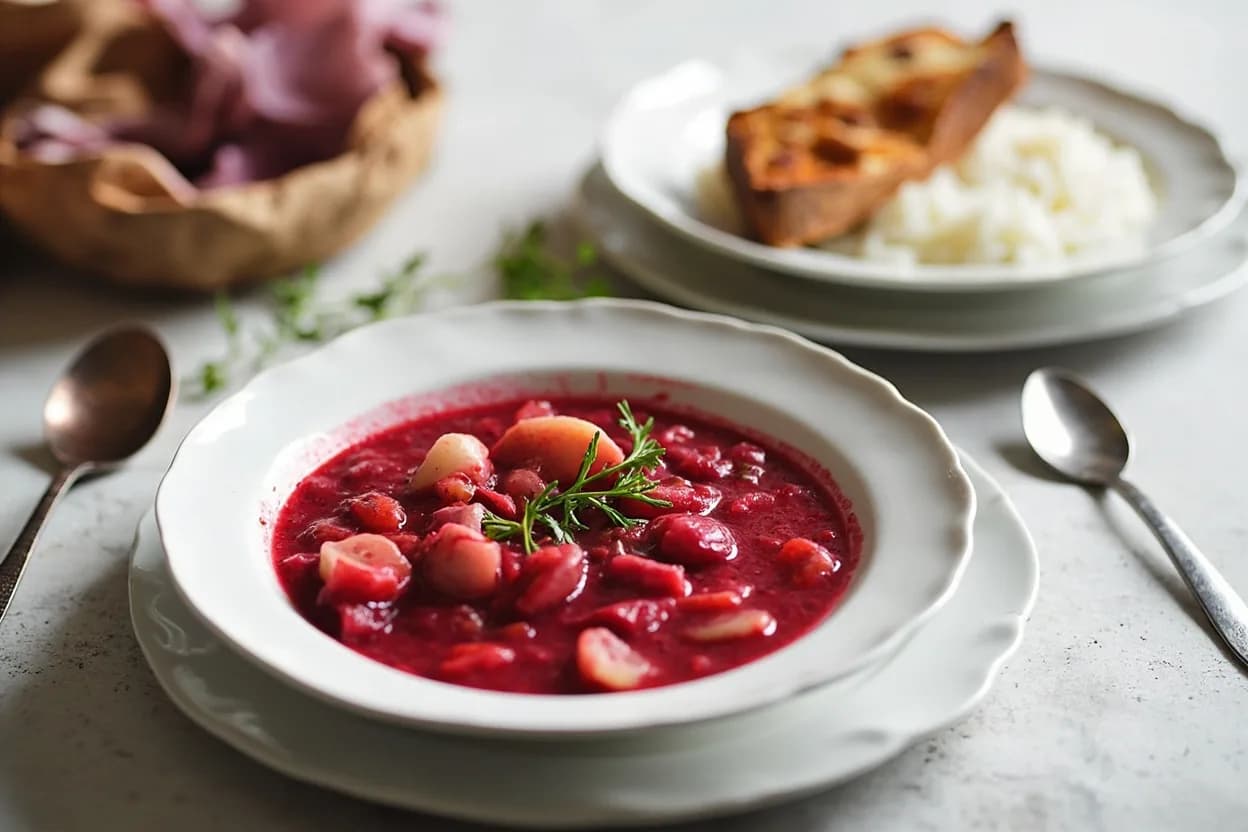
Cha chaan teng (茶餐廳, literally 'tea restaurant') is a uniquely Hong Kong institution that emerged in the 1950s as an affordable alternative to Western restaurants and formal Cantonese teahouses. Its menu is a living archive of colonial hybridity: British toast and baked beans reworked through a Cantonese sensibility, Ovaltine and Horlicks made famous as after-school staples, condensed-milk-enriched tea that became one of the world's great beverages. The cha chaan teng is defined as much by its atmosphere — formica tables, efficient turnover, shouted orders, the clatter of ceramic cups — as by its menu, which spans breakfast congee, lunch sets with borscht, and afternoon milk tea with pineapple buns.
The flavour base
Condensed milk and evaporated milk are the sweetening agents behind Hong Kong-style milk tea and toast. Baked goods rely on lard for flakiness. Savory items draw on a light Cantonese broth base, soy sauce, and oyster sauce.
Pantry staples
Key ingredients
Signature techniques
Signature dishes
Hong Kong Cha Chaan Teng on the table


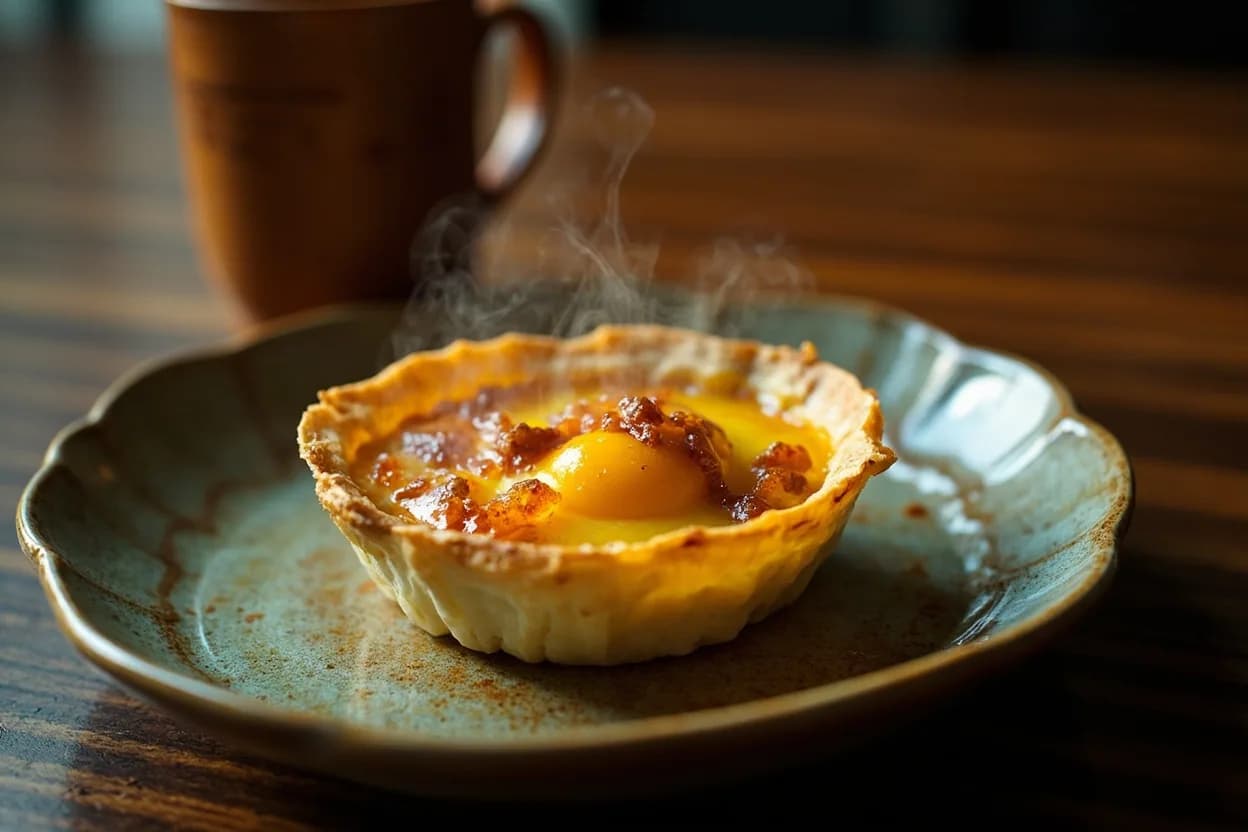
At the table
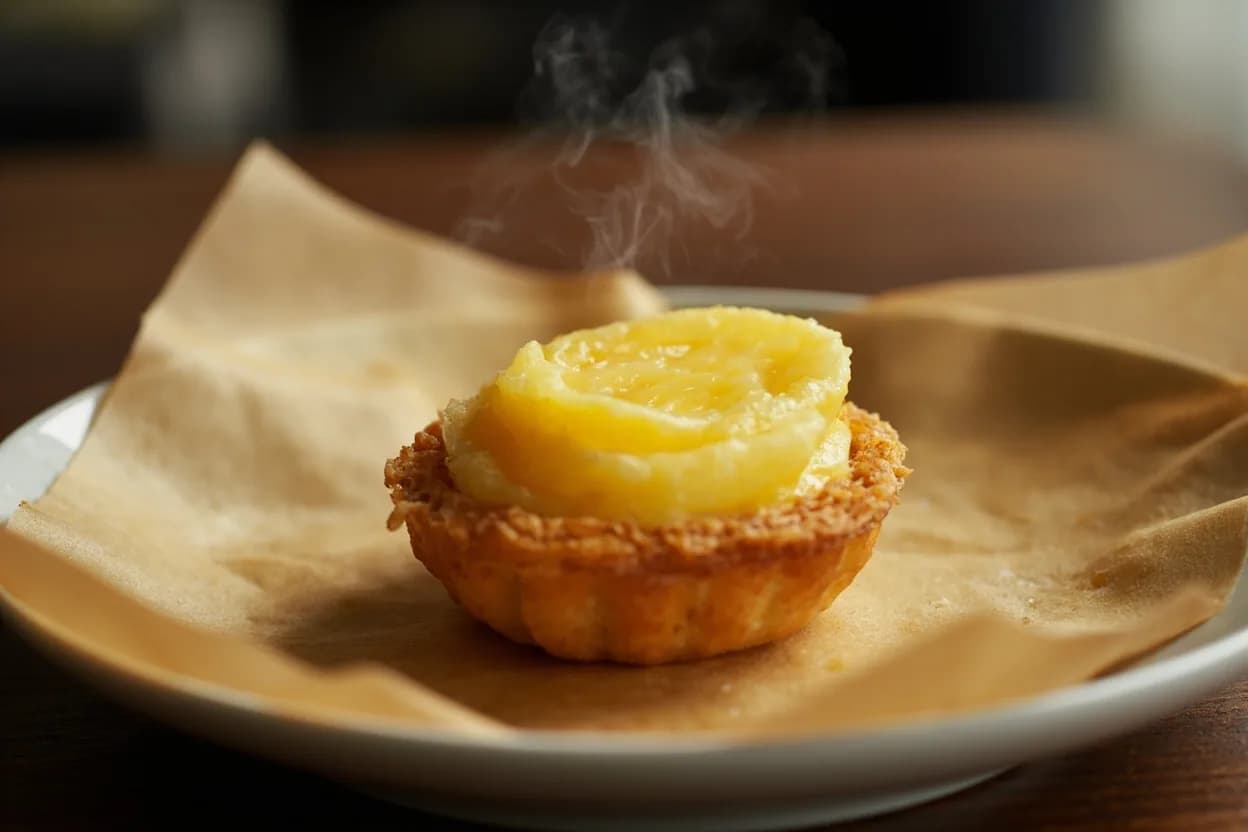
The cha chaan teng operates across all dayparts with distinct menus for each. Breakfast (早餐) runs from dawn to mid-morning: toast combos, congee, or macaroni soup. Lunch sets (午市套餐) are fast, cheap, and time-limited — soup, a rice or noodle plate, and a drink for a fixed price. Afternoon tea (下午茶) from 2–5pm is the cultural peak: milk tea or yuenyeung with a pineapple bun or egg tart. Dinner is the most varied, with rice plates, noodle soups, and baked dishes.
History & context
Cha chaan tengs emerged in Hong Kong during the 1940s–50s as affordable café alternatives to the Western-style restaurants that only the upper class could access. The colonial British diet — toast, baked beans, canned soup, macaroni — was remixed through Cantonese hands and turned into an entirely new comfort-food vocabulary. The condensed-milk-laced tea, brewed through a sock-like cotton strainer for maximum smoothness, became a symbol of Hong Kong identity unto itself. As rents rose through the 1980s–2000s, cha chaan tengs became culturally romanticized even as their numbers declined, featuring prominently in Hong Kong cinema and literature as vessels of nostalgic working-class life. The UNESCO Intangible Cultural Heritage listing discussion has repeatedly included cha chaan teng culture.
Regional variations
- Macau-style
Portuguese colonial overlap adds egg tarts with a puff-pastry crust, African chicken, and minchi — distinguishable from but closely related to HK cha chaan teng
- Overseas Hong Kong diaspora cafés
Toronto, Vancouver, London, and Sydney have transplanted cha chaan tengs that preserve menus closely; sometimes add local fusion items like bubble tea or sushi rolls
Related cuisines
The parent culinary tradition; cha chaan teng is its informal, working-class, hybridized off-shoot
- British colonial
Toast, baked beans, borscht, and macaroni derive from the British colonial food culture that shaped 20th-century Hong Kong
- Hong Kong cuisine (general)
Cha chaan teng is the most iconic sub-category of the broader Hong Kong culinary landscape
Canonical recipes
The dishes that define Hong Kong Cha Chaan Teng, documented in the Canon.
References
- 1.The Dim Sum Field Guide — Carolyn Phillips (Ten Speed Press, 2016)
- 2.Hong Kong Food Culture — Sydney Cheung, ed. (Hong Kong University Press, 2013)
- 3.Land of Fish and Rice — Fuchsia Dunlop (W.W. Norton, 2016)
Confidence: high
Notes
The silk-stocking tea
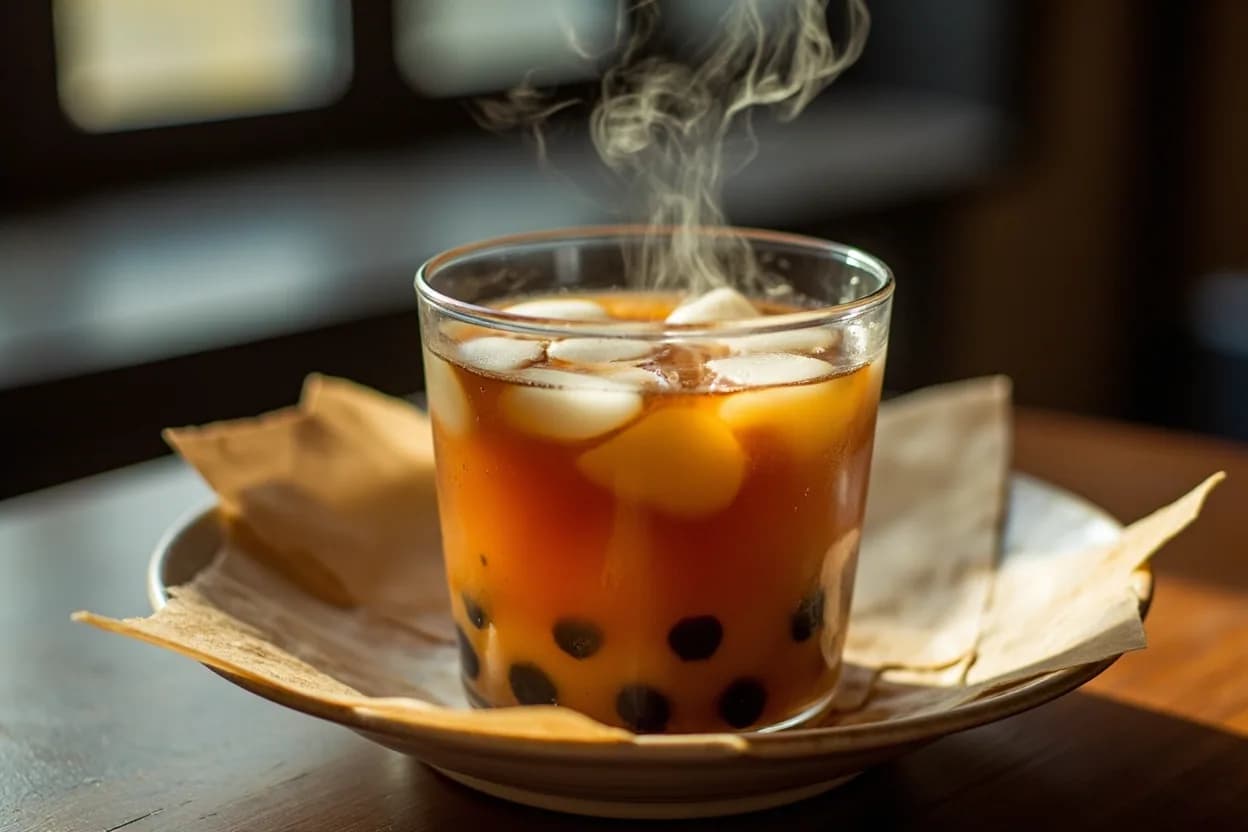
Hong Kong milk tea is brewed by pulling strong Ceylon or Assam black tea repeatedly through a cotton muslin strainer (colloquially called a 'silk stocking' for its appearance), then blending with evaporated milk and condensed milk. The repeated straining produces an exceptionally fine, smooth texture that distinguishes it from any other milk tea in the world. Each cha chaan teng guards its specific tea blend and brew ratio as a house secret.
The pineapple bun paradox
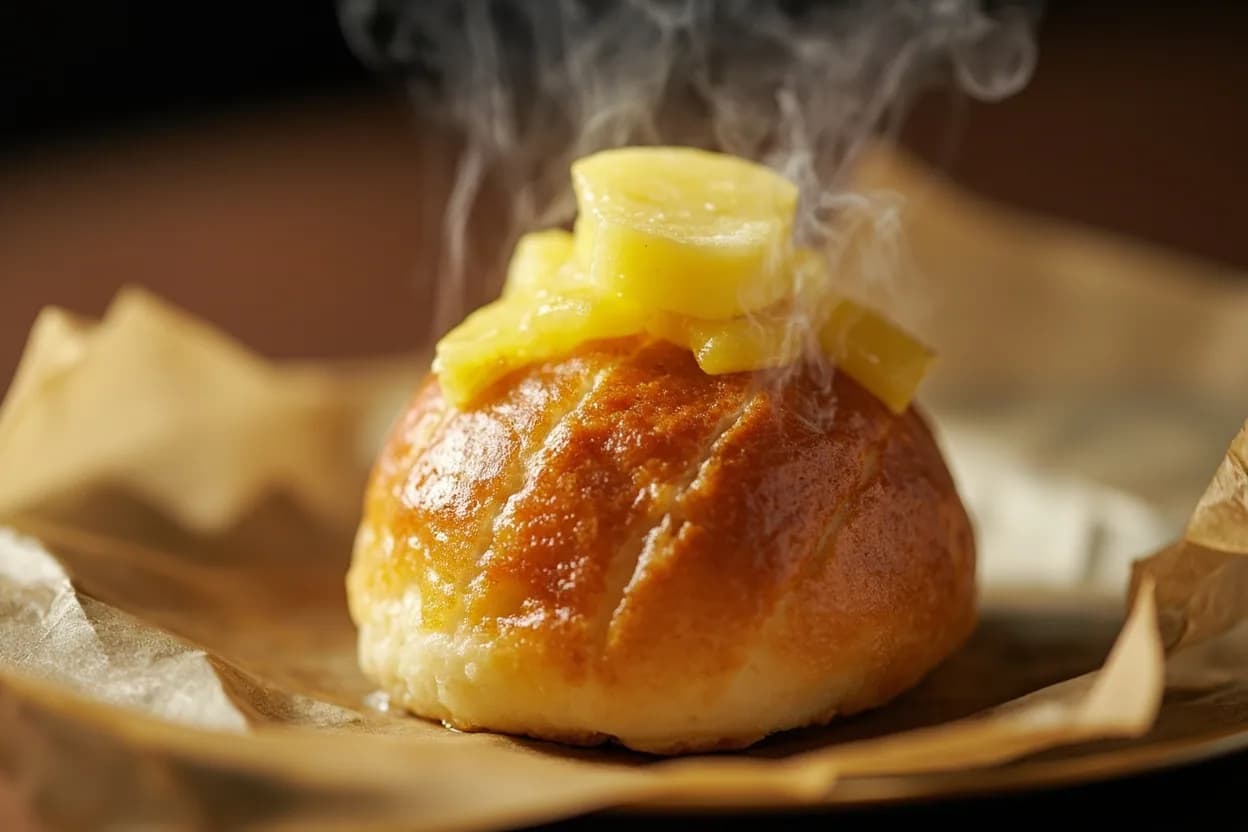
The pineapple bun (菠蘿包) contains no pineapple. Its name derives from the crackled, golden sugar crust that resembles pineapple skin. The definitive preparation splits it while still warm and tucks in a thick slab of cold butter, creating a temperature and texture contrast that is the entirety of its appeal.