Fermented Pastes & Sauces
Oyster Sauce
Also: hao you, 蚝油, oyster flavored sauce
A thick, brine-sweet Cantonese condiment distilled from caramelized oyster cooking liquor — the secret weapon in Cantonese stir-fries, braises, and marinades.
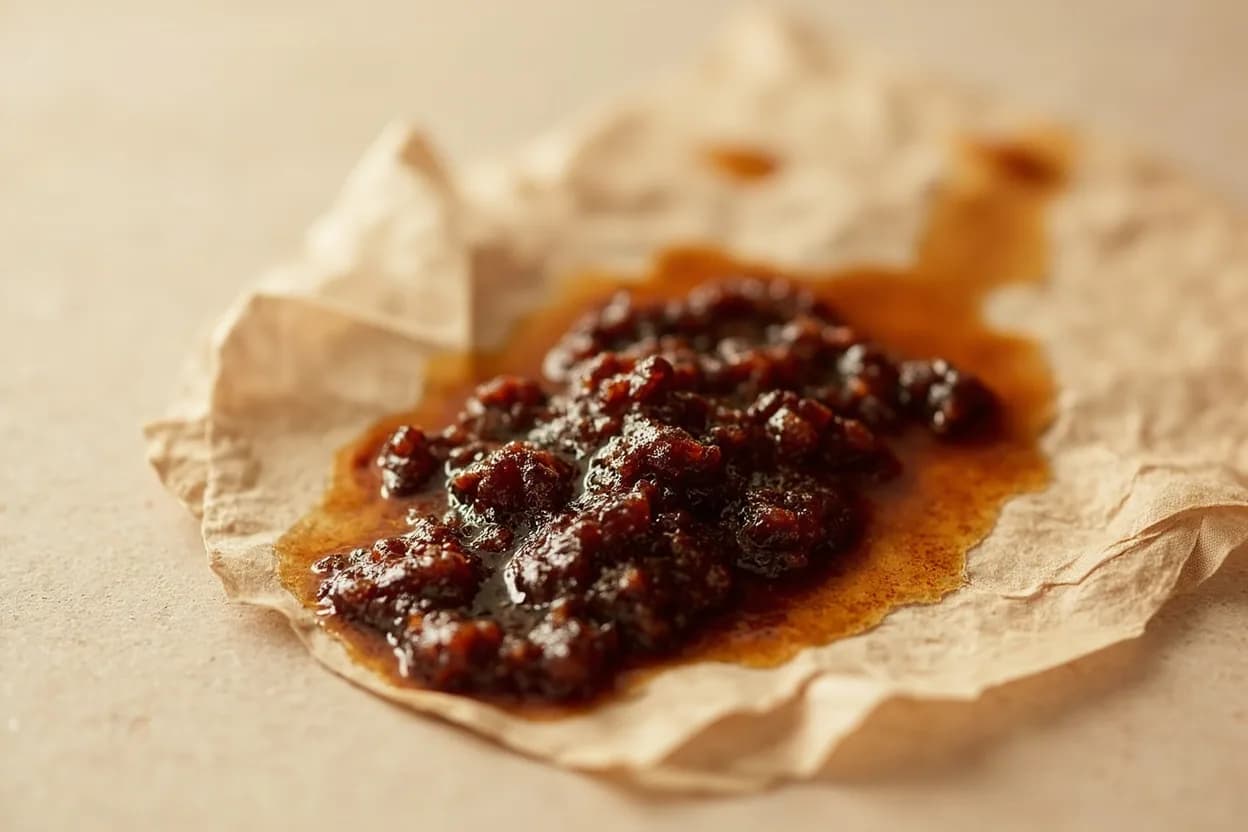
Oyster sauce is a dark, viscous Cantonese condiment made by reducing the liquid from cooked oysters with sugar and salt (or, in commercial production, blending oyster extract with caramel color, sugar, and corn starch). It was invented around 1888 in Guangdong by Lee Kum Sheung when he accidentally reduced oyster cooking water too long and discovered the resulting syrup tasted exceptional. The flavor is deeply savory with a restrained brininess — unlike fish sauce it is not aggressively fishy — with sweet molasses undertones and a smooth, coating texture that clings to food and adds luster to finished dishes.
In photos
Flavour profile
Classic pairings
- Chinese broccoli (gai lan)Cantonese
The definitive pairing: gai lan's slight bitterness and firm texture absorb oyster sauce perfectly when blanched and finished with a drizzle of sauce and sesame oil.
- Beef (flank steak, tenderloin)Cantonese
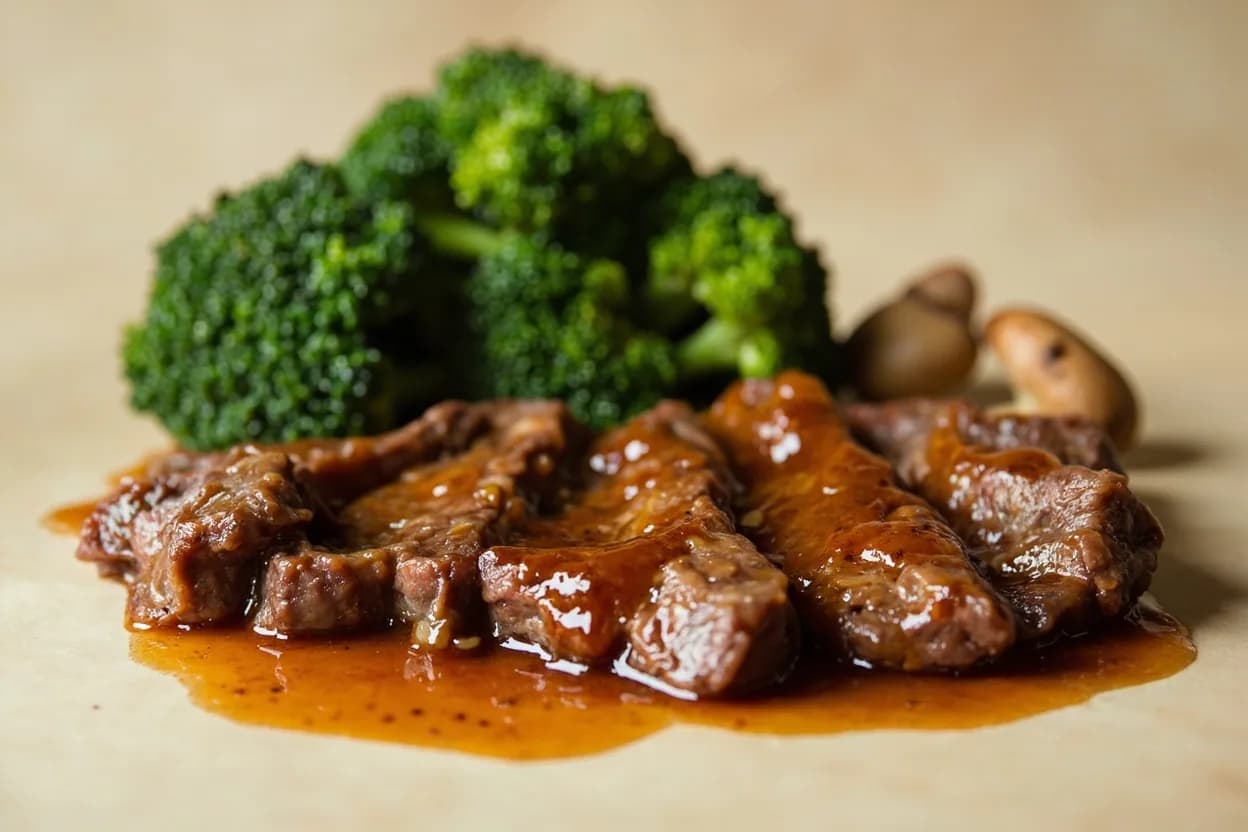
Oyster sauce is the backbone of Cantonese beef stir-fry marinades — its sugars tenderize and its umami intensifies beef's savory depth, especially with ginger and scallion.
- Shiitake mushroomsCantonese / Hong Kong
Both ingredients are loaded with glutamates; braising dried shiitakes in oyster sauce produces an almost meaty, deeply satisfying vegetarian dish.
- Bok choyCantonese
Its delicate brassica sweetness receives oyster sauce's brine-sugar balance without being overwhelmed — a classic Cantonese quick preparation.
- Tofu (silken and firm)Cantonese
Oyster sauce poured over steamed silken tofu with a hot oil pour is a Cantonese home-cooking staple — the sauce clings to the smooth surface and adds depth to tofu's neutrality.
- Noodles (lo mein, chow fun)Cantonese / Hong Kong
Oyster sauce thins readily and coats noodle strands evenly; combined with soy sauce it is the fundamental sauce for Cantonese lo mein.
- Chicken thighsCantonese
Marinating chicken in oyster sauce, soy, ginger, and a touch of sugar before roasting or clay-pot braising produces an intensely lacquered, umami-forward result.
- GarlicCantonese
Minced garlic bloomed in oil before adding oyster sauce rounds out its sweetness with aromatic pungency — the fundamental base of countless Cantonese vegetable dishes.
Adventurous pairings
- Lamb shoulder
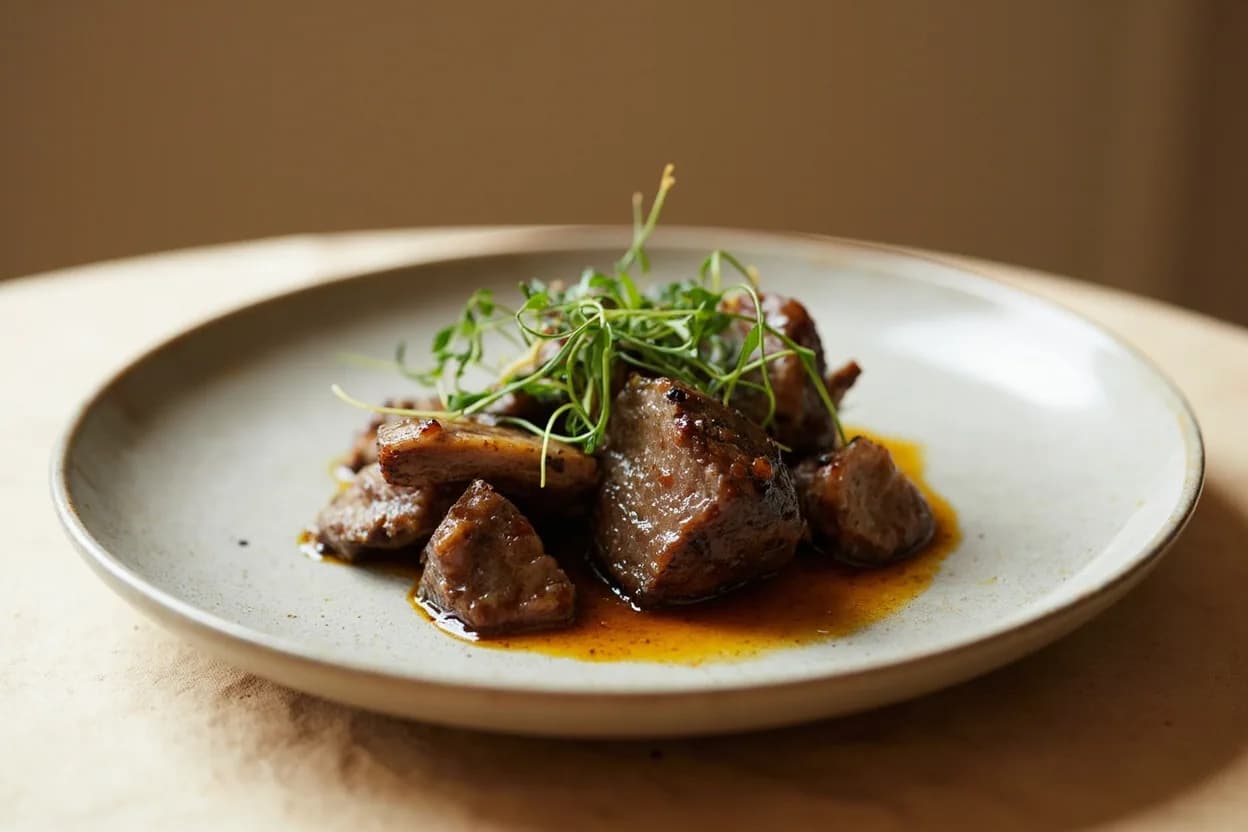
Braising lamb shoulder in a Cantonese master sauce built on oyster sauce, dark soy, and star anise tames the gaminess while adding an unexpected caramel-briny glaze.
Brushing corn on the cob with oyster sauce and butter before grilling caramelizes the sugars against the corn's own sweetness — a street-food technique popular in Asian night markets.
Combining white miso with oyster sauce creates a compound umami paste with broader complexity than either alone — effective in marinades for eggplant or salmon.
Both are savory-sweet fermented condiments; blending them in equal parts creates an East-West basting sauce with layered depth suited to grilled meats.
- Butter
Finishing a pan sauce with a knob of butter and a spoon of oyster sauce adds richness and a subtle marine sweetness to Western-style pan-roasted chicken or steak.
Tread carefully
- Delicate raw seafood (crudo, ceviche)avoid
Oyster sauce is cooked and reduced; its strong molasses-umami signature overwhelms the clean, subtle freshness of raw fish and shellfish preparations.
- Cream-based saucesavoid
The dark color muddies cream sauces visually, and the concentrated savory-sweet profile conflicts with dairy's fatty richness in an unresolved way.
- High-acid dressingsavoid
Strong vinegar or citrus in a vinaigrette strips out oyster sauce's sweetness and leaves only a metallic, fishy residue — they should not be primary companions.
How to use it
- Finishing drizzle: pour over blanched or steamed vegetables just before serving; the residual heat activates the sauce's aromatics without burning it
- Stir-fry sauce: thin with a small amount of chicken stock or water and add at the end of a stir-fry to coat ingredients and build glaze
- Marinade: combine with soy sauce, sesame oil, ginger, and garlic for a 30-minute or overnight protein marinade
- Braise base: use as the salt-and-umami component of braising liquid, balanced with Shaoxing wine and dark soy
- Dipping sauce: thin with sesame oil and a pinch of white pepper as a simple dip for steamed dumplings or blanched vegetables
Appears in
Related flavours
Always used in tandem with oyster sauce — soy provides salt and depth while oyster sauce provides sweetness, body, and marine umami
- Sesame oil
The classic Cantonese finishing oil alongside oyster sauce — a few drops of sesame oil immediately after plating completes the flavor arc
Added to oyster sauce-based stir-fries and braises to provide aromatic complexity and acidity that brightens the sauce's sweetness
A sweeter, more spiced sibling — hoisin is used for glazing and dipping while oyster sauce is the stir-fry and braise workhorse
References
- 1.Fuchsia Dunlop — 'Land of Fish and Rice: Recipes from the Culinary Heart of China' (W. W. Norton, 2016)
- 2.Grace Young — 'Stir-Frying to the Sky's Edge' (Simon & Schuster, 2010)
- 3.Ken Hom — 'Complete Chinese Cookbook' (BBC Books, 2011)
- 4.Lee Kum Kee — Official company history and product documentation (1888–present)
Confidence: high
Notes
Invented by accident
The origin story of oyster sauce is well-documented: in 1888, Lee Kum Sheung, a small restaurant owner in Guangdong province, accidentally over-reduced a pot of oyster-cooking water while distracted. Rather than throwing it out, he tasted the caramelized residue and found it extraordinary. He packaged and sold it, and Lee Kum Kee became the world's dominant oyster sauce producer. The company's Panda Brand remains the industry benchmark.
Vegetarian and vegan versions
Authentic oyster sauce contains oyster extract and is not suitable for vegetarians. However, excellent vegetarian oyster sauce exists, made from mushroom extract (usually shiitake or oyster mushroom liquid) with the same sugar-salt base. In professional kitchens, these are used interchangeably in vegetarian menus with minimal flavor loss — the mushroom-based version can actually have a more complex earthiness.