Fermented Pastes & Sauces
Worcestershire Sauce
Also: Worcestershire, Worcester sauce, Lea & Perrins
Britain's most complex condiment — tamarind, anchovies, molasses, and aged vinegar collapsed into a single drop of dark magic.
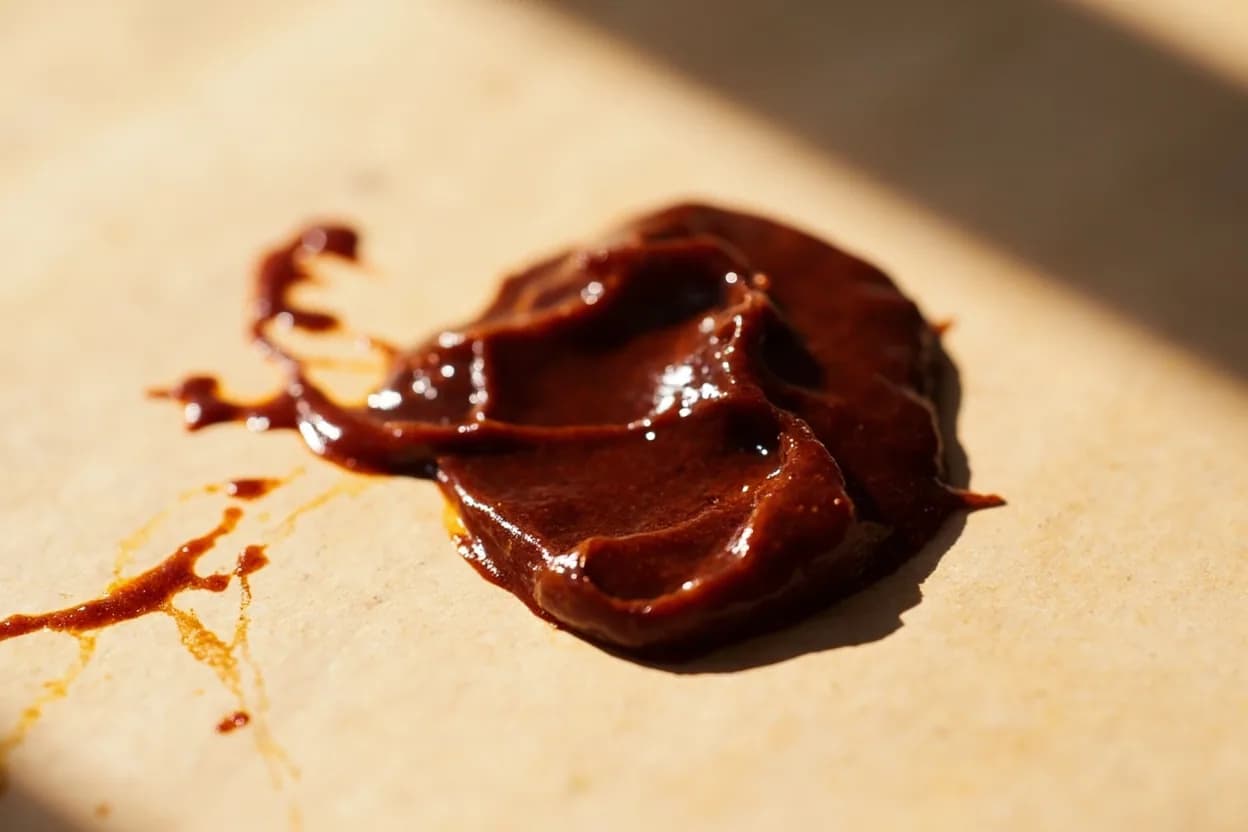
Worcestershire sauce is a fermented liquid condiment developed in 1837 by chemists John Wheeley Lea and William Perrins in Worcester, England, reportedly inspired by a recipe encountered in India. Its canonical ingredient list — malt vinegar, spirit vinegar, molasses, sugar, salt, anchovies, tamarind extract, onions, garlic, spices — is fermented and aged in barrels before bottling. The result is a sauce of extraordinary complexity: simultaneously sour (vinegar), sweet (molasses), salty (anchovies), and umami-rich (fermented fish + tamarind). Its defining character is integration — no single note dominates when the sauce is used at appropriate quantities, making it one of the world's most useful background seasonings. A few drops round and deepen without announcing themselves.
In photos
Flavour profile
Classic pairings
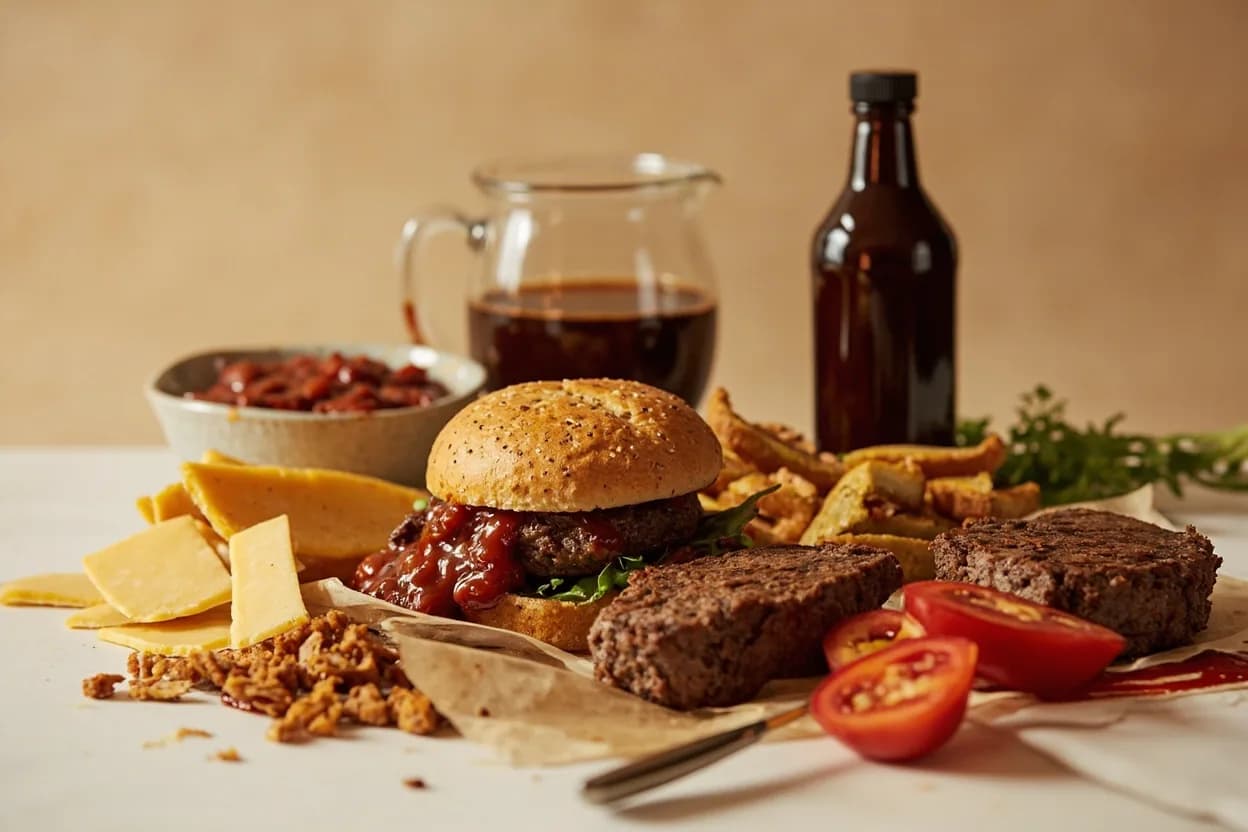
- Beef (burgers, steaks, braises)British, American
The anchovy glutamate amplifies beef's own glutamates; the vinegar cuts fat; the molasses adds the faintest browning suggestion. A few drops in a burger patty or brushed on a steak before the grill is a pro technique.
- Tomato (cocktails, ketchup, sauces)British, American
Worcestershire and tomato are canonical partners — in a Bloody Mary, Caesar, or ketchup-base barbecue sauce the two umami sources (glutamate from anchovy + lycopene-associated savor from tomato) multiply each other.
- Cheddar cheeseBritish
The acid cuts the fat of aged cheddar; together they form the backbone of Welsh rarebit, where Worcestershire is not optional but structural.
- Caesar salad dressingMexican-American (Tijuana)
Alongside anchovy paste, lemon juice, and egg yolk, Worcestershire is the secret third-fermented-umami element that gives Caesar dressing its addictive depth.
- OystersBritish, American
A few drops of Worcestershire alongside mignonette is a classic accompaniment — the vinegar-brine resonance with oyster liquor is deeply marine and clean.
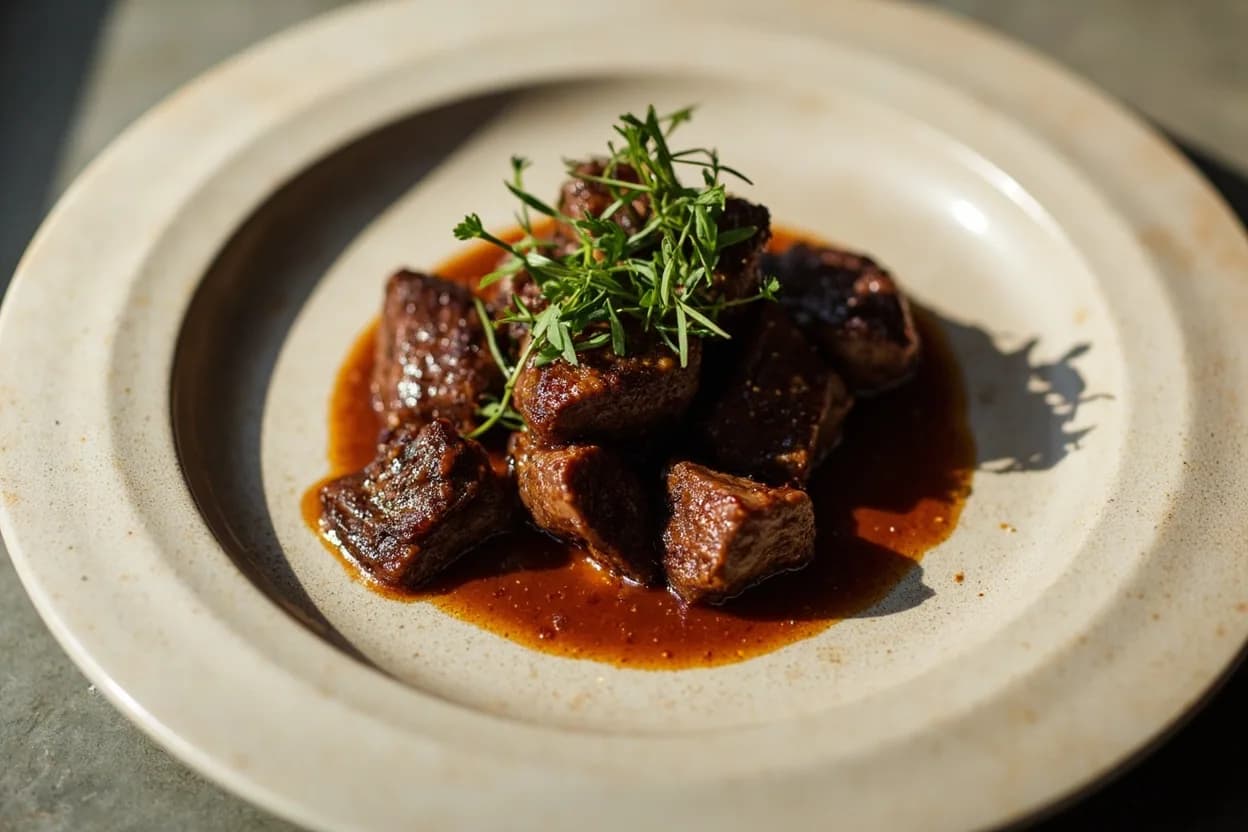
- Braised short ribs / beef stewBritish, American
Added early in a long braise, Worcestershire's volatile acids cook off and the molasses-umami backbone enriches the braising liquid into something closer to a demi-glace.
- Bloody Mary / Caesar cocktailAmerican, Canadian
Essential structural element — without Worcestershire a Bloody Mary is just spiced tomato juice. The fermented depth is what gives the drink its savory backbone.
Adventurous pairings
- Dark chocolate ganache
A few drops in a 70% ganache emphasizes the fruit-acid-bitter complexity of the cacao without reading as 'sauce' — a French pastry technique borrowed from British cheesemongers.
- Caramel sauce
Worcestershire's molasses base is kissed-cousin to caramel; a teaspoon stirred into salted caramel shifts it toward butterscotch-meets-miso territory.
A tablespoon added to red lentil soup with cumin performs the same trick as tamarind would in a South Indian dal — brightening the whole pot with fermented sour-umami.
- Roasted eggplant
Eggplant's mild, slightly bitter flesh responds dramatically to Worcestershire brushed on before roasting — the sugars caramelize, the glutamates concentrate, the result reads as almost meaty.
- Ramen tare
A teaspoon of Worcestershire added to a soy-mirin tare introduces British-Indian fermented complexity — tamarind bridges the East-West gap more naturally than one expects.
Tread carefully
- Delicate white fish in light preparationsavoid
The concentrated fermented punch overwhelms sole or turbot poached in butter — anchovy paste used directly is more controllable if you need the umami.
- Fruit desserts with no fat bufferavoid
The vinegar-molasses combination clashes with straightforward fruit sweetness (strawberries, peaches) without fat or umami to bridge; it reads as 'something went wrong' rather than 'interesting contrast.'
- Pale cream or beurre blanc saucesavoid
Even a few drops turn white sauces murky and the anchovy-tamarind tang fights the clean dairy note — use white wine Worcestershire (Henderson's Relish is lighter) if you need the acidity.
How to use it
- Add 1–2 teaspoons to burger patties or meatloaf mixture — it seasons from within and aids browning via molasses sugars.
- Deglaze a pan with a small splash of Worcestershire after sautéing onions or mushrooms before adding stock — the fond lifts immediately.
- Use it as a finishing seasoning in braised dishes instead of or alongside soy sauce to add acidity and depth simultaneously.
- Shake well before using — the dense solids (tamarind, molasses) settle and the top fraction is mostly vinegar.
- In cocktail applications, 3–5 dashes is the standard; go to 10 dashes in a Caesar where the V8/clamato dilutes the effect.
- Store at room temperature after opening — the vinegar and salt content are preserving agents.
Appears in
Related flavours
Closest functional substitute for the salty-umami dimension; lacks vinegar, tamarind, and spice complexity — use 2:1 soy plus a splash of tamarind concentrate.
- Fish Sauce (Nam Pla)
Shares anchovy-fermented umami base; more intense and purely saline without the vinegar-sweet balance — different instrument, same section of the orchestra.
Provides the defining sour-fruity backbone of Worcestershire; understanding tamarind's character is key to knowing why Worcestershire works where it does.
- Anchovies
The glutamate engine inside Worcestershire — using whole anchovy fillets plus tamarind and vinegar produces a close homemade approximation.
References
- 1.McGee, Harold — On Food and Cooking: The Science and Lore of the Kitchen (Scribner, 2004)
- 2.Davidson, Alan — The Oxford Companion to Food (Oxford University Press, 3rd ed. 2014)
- 3.Lea & Perrins — original 1837 recipe records (Worcestershire County Records)
- 4.Nosrat, Samin — Salt Fat Acid Heat (Ten Speed Press, 2017)
Confidence: high
Notes
Vegetarian versions
Traditional Worcestershire contains anchovies. Several vegetarian alternatives exist (Henderson's Relish from Sheffield, Wizard Vegan Worcestershire) but their flavor profiles differ — Henderson's is notably milder and lacks the tamarind depth. Substitutions should be tested dish-by-dish, not assumed equivalent.
Aging
Lea & Perrins' original formula involves barrel-aging the blended ingredients — the time in barrel is what integrates the disparate components into a single coherent flavor. Homemade Worcestershire that skips this step tastes perceptibly less integrated; resting it for 2–4 weeks in the refrigerator approximates the effect.