Sweet Aromatics
Condensed Milk
Also: sweetened condensed milk, susu pekat manis, sữa đặc, leche condensada
A thick, sweet, caramelized dairy concentrate whose richness anchors Vietnamese coffee, Thai tea, and the most indulgent desserts across Southeast Asia, Latin America, and beyond.
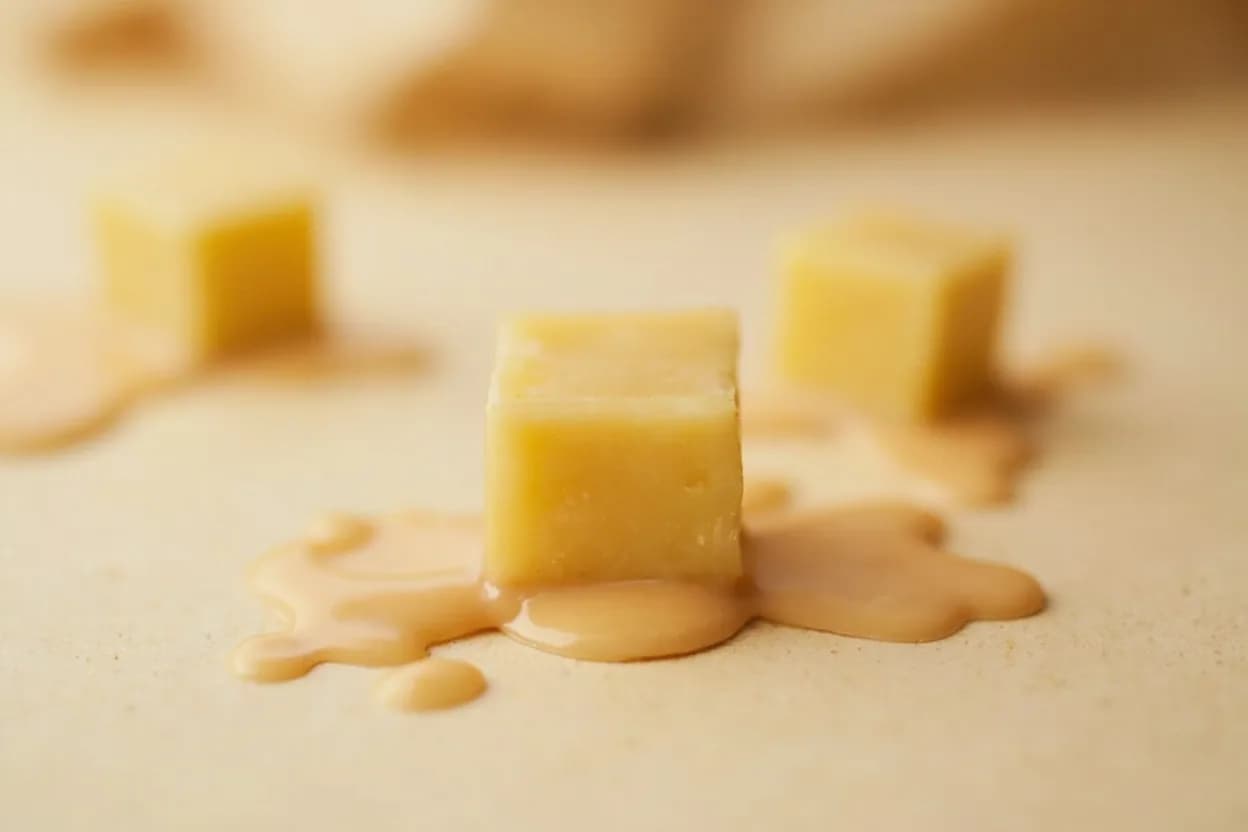
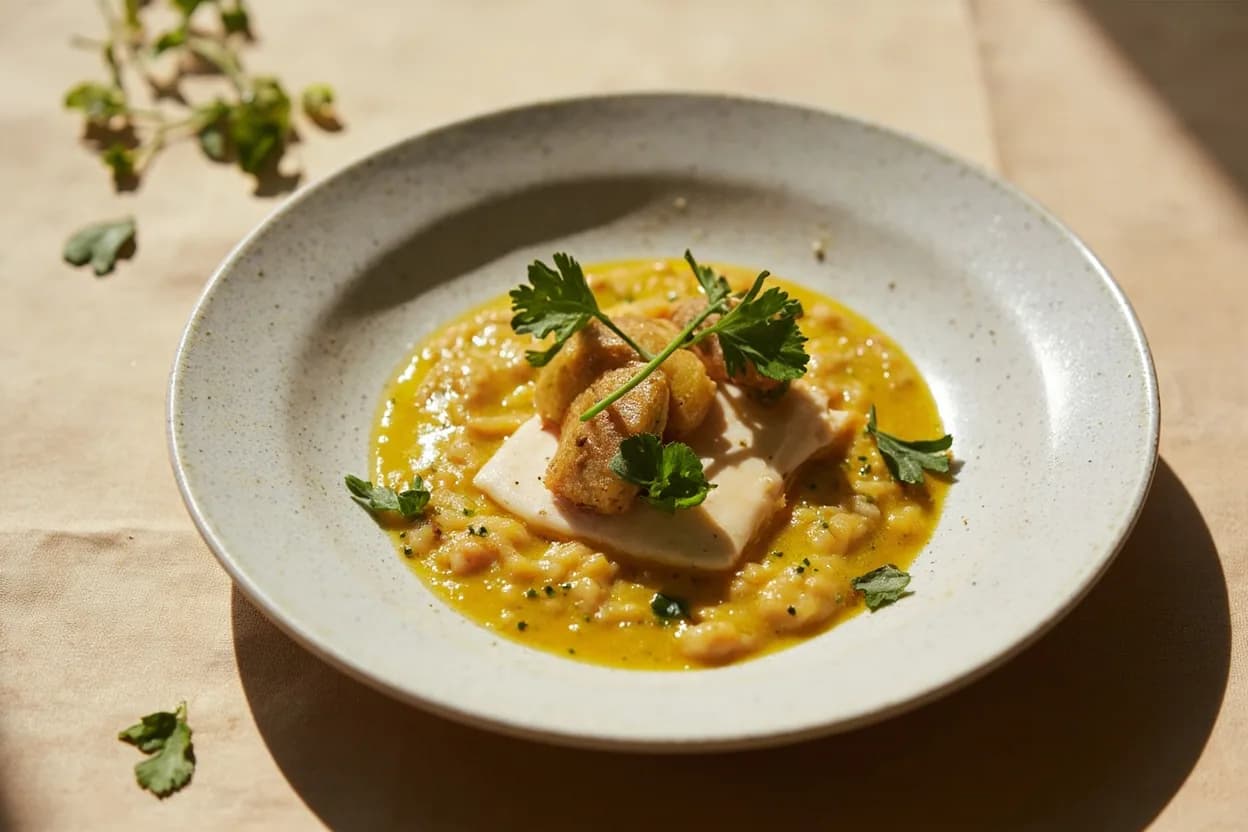
Sweetened condensed milk is whole cow's milk from which roughly 60% of the water has been evaporated, then sweetened with sucrose to a sugar content of approximately 40–45%. The result is a thick, honey-colored syrup with an intensely sweet, caramelized-dairy flavor — partly from the milk proteins' own sweetness, partly from Maillard reactions during evaporation. Originally developed by Gail Borden as a shelf-stable milk, it became integral to colonial pantries across Southeast Asia and Latin America, where it remains the default sweetener for iced coffee, strong teas, and many desserts. Its viscosity and sweetness are irreplaceable in traditional recipes.
In photos

Flavour profile
Classic pairings
- Robusta coffee (dark roast)Vietnamese
The classic Vietnamese cà phê sữa đá pairing — condensed milk's sweetness and fat tame the bitter, high-caffeine punch of Vietnamese robusta, while coffee's roast cuts through the sweetness. Neither can replace the other.
- Ceylon or Thai tea (strongly brewed)Thai
Thai iced tea (cha yen) is built on condensed milk poured over brilliant orange spiced tea — the milk's sweetness softens tannins while the cream layer creates visual drama and palate richness.
- TaroSoutheast Asian, Hong Kong
Taro's starchy, vanilla-like earthiness absorbs condensed milk in bubble tea, Hong Kong taro pudding, and Filipino taro desserts — a pairing that amplifies both ingredients' natural sweetness.
- Shaved iceMalaysian, Filipino, Hawaiian
Condensed milk drizzled over shaved ice (Malaysian ABC, Filipino halo-halo, Hawaiian shave ice) dissolves into the ice crystals, adding sweetness and dairy fat without watering down the flavor.
- PandanMalaysian, Singaporean
Pandan's aromatic, grassy-vanilla character elevated by condensed milk's sweetness is the defining flavor of Southeast Asian pandan cake, ondeh ondeh filling, and kaya spread.
- Key lime / calamansiAmerican, Filipino
Acid from citrus interacts with condensed milk's proteins to create a semi-set custard in key lime pie and calamansi bars — the milk provides both sweetener and thickener simultaneously.
- BananaBritish, Thai, Filipino
Condensed milk over sliced bananas or mixed into banana desserts creates a rich sweetness that amplifies the fruit's natural sugars — the basis of banoffee and numerous Southeast Asian banana sweets.
- Toast (kaya toast)Singaporean, Malaysian
The Hainanese invention of spreading kaya (made with condensed milk) on buttered toast has become an iconic Southeast Asian breakfast — richness layered on richness, cut by strong coffee.
Adventurous pairings
White miso stirred into condensed milk creates a salty-sweet caramel sauce with umami depth — extraordinary over ice cream or as a pastry glaze.
- Cardamom and rose water
Condensed milk is the base of South Asian basundi and rabri — simmered with cardamom and rose water, the cooked-milk sweetness takes on an aromatic, floral character entirely different from its Southeast Asian incarnations.
Condensed milk's sweetness tames matcha's bitter, grassy astringency in matcha lattes and matcha cheesecake — the fat also softens matcha's color into a muted sage green.
A pinch of smoked salt in a condensed milk caramel sauce creates a sweet-salty depth with a campfire dimension — particularly good with chocolate or coffee desserts.
Golden milk made with condensed milk instead of fresh milk gains a richness that melds with turmeric's earthy, peppery bitterness — a more indulgent version of the wellness drink.
Tread carefully
- Aged, tannic red winesavoid
Condensed milk's sweetness makes tannic wines taste harsh and bitter in contrast — dessert wines or off-dry styles are better matches if pairing with a condensed milk dessert.
- Savory umami-forward dishesavoid
While condensed milk occasionally appears in savory Southeast Asian recipes, its sweetness often clashes with salty, fermented, or deeply savory sauces — use coconut milk for creaminess without the sugar.
- Fresh, acidic fruit (raspberry, passion fruit without sugar)avoid
High-acid fruit can curdle condensed milk if heated — always temper carefully or use in cold preparations where the texture remains stable.
How to use it
- Boil the can (sealed, submerged) for 2–4 hours to produce dulce de leche — the sugars caramelize into deep toffee (pressure cooker method is faster; never boil an open can)
- Whip chilled condensed milk into whipped cream for no-churn ice cream — it replaces sugar and provides structure
- Use as both sweetener and binder in citrus tarts and bars — acid sets it without eggs when chilled
- Stir into freshly brewed strong coffee over ice for Vietnamese-style iced coffee
- Drizzle over shaved ice, snow cones, or fresh fruit as a simple dessert sauce
Appears in
Related flavours
- Evaporated Milk
Unsweetened counterpart — same concentration but no added sugar; used in savory applications and as a lighter dairy base
Condensed milk cooked until deeply caramelized — all the same pairings apply but with more pronounced toffee and less sweetness
- Coconut Condensed Milk
Non-dairy alternative using coconut milk — pairs best with tropical flavors; slight coconut flavor changes the pairing profile
References
- 1.The Milk Street Cook's Guide — J. Kenji López-Alt, Christopher Kimball (Milk Street, 2021)
- 2.Vietnamese Home Cooking — Charles Phan (Ten Speed Press, 2012)
- 3.On Food and Cooking: The Science and Lore of the Kitchen — Harold McGee (Scribner, 2004)
- 4.The Complete Asian Cookbook — Charmaine Solomon (Tuttle Publishing, 2011)
Confidence: high
Notes
Condensed milk vs. evaporated milk
The distinction matters enormously. Condensed milk is sweetened; evaporated milk is not. Many classic recipes (Thai tea, flan, tres leches) call for both — condensed milk for sweetness and flavor, evaporated milk for body without additional sweetness. Substituting one for the other is a frequent cooking error that changes the entire flavor profile.
The colonial pantry ingredient
Condensed milk's global reach is partly a colonial story: European canned goods became embedded in local pantries across Southeast Asia, Latin America, and Africa during the 19th and 20th centuries. In each region, local cooks adopted the ingredient on their own terms — Vietnamese cà phê, Thai cha yen, Filipino leche flan — and the results became indigenous classics, entirely distinct from the original context of a shelf-stable emergency food product.