Preserved & Cured Fish
Colatura di Alici
Also: colatura, Italian anchovy liquor, anchovy garum (modern), liquamen (historical parallel)
Italy's ancient answer to fish sauce — a few drops of this amber anchovy liquor transform a simple pasta into something inexplicably great.
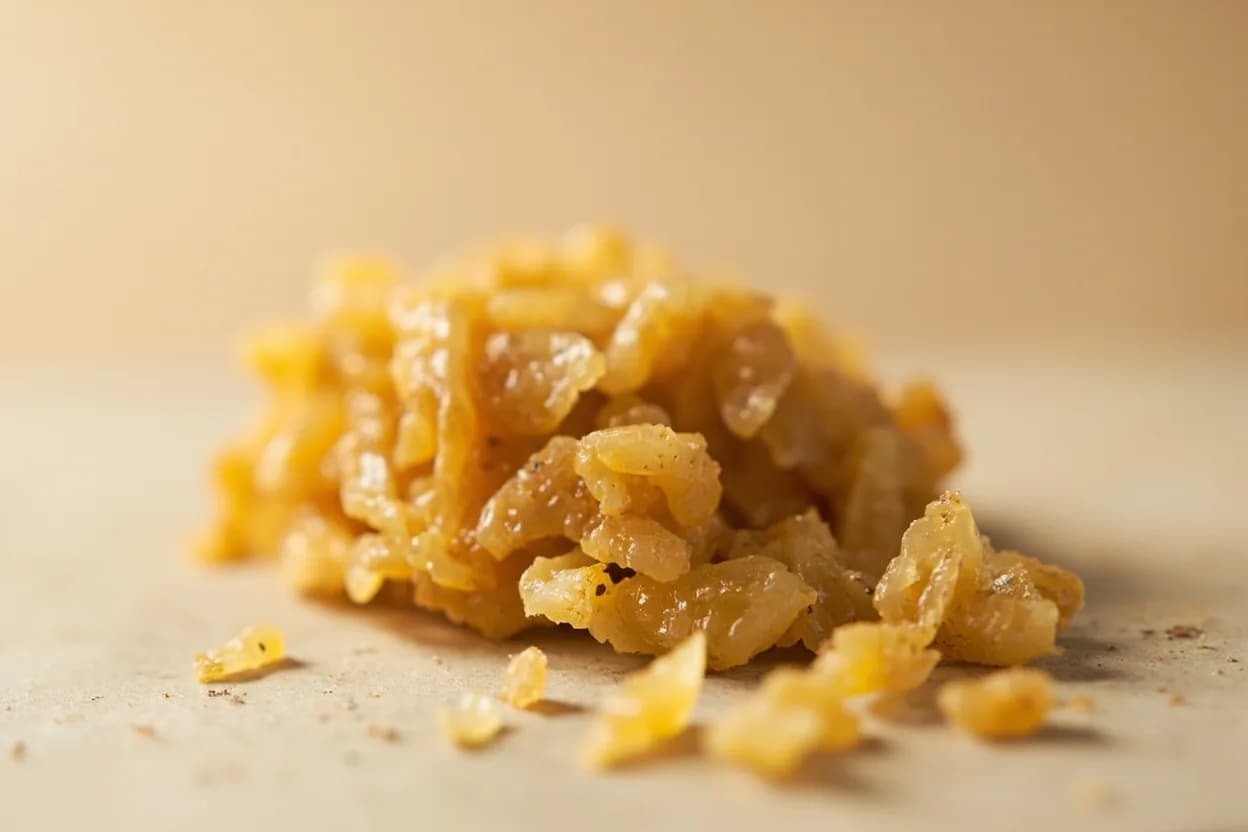
Colatura di Alici is the amber, amber-brown liquid that drains from salt-packed anchovies during a months-long fermentation in chestnut wood tuns (terzigni) in Cetara, a village on the Amalfi Coast. Produced between the feast of the Assumption (August 15) and December, the liquid is pierced from the barrel and caught — a direct descendant of Roman garum and liquamen. Unlike cooked fish sauce, colatura is raw, cold-fermented, and intensely concentrated: a few drops (3–5ml) per portion is the typical measure. Its flavor is purely savory-oceanic with extraordinary depth and a sweetness absent from Southeast Asian fish sauces — no funk, no heat residue, just clean umami with a long finish.
In photos
Flavour profile
Classic pairings
- Spaghetti (aglio, olio e colatura)Campanian (Cetara)
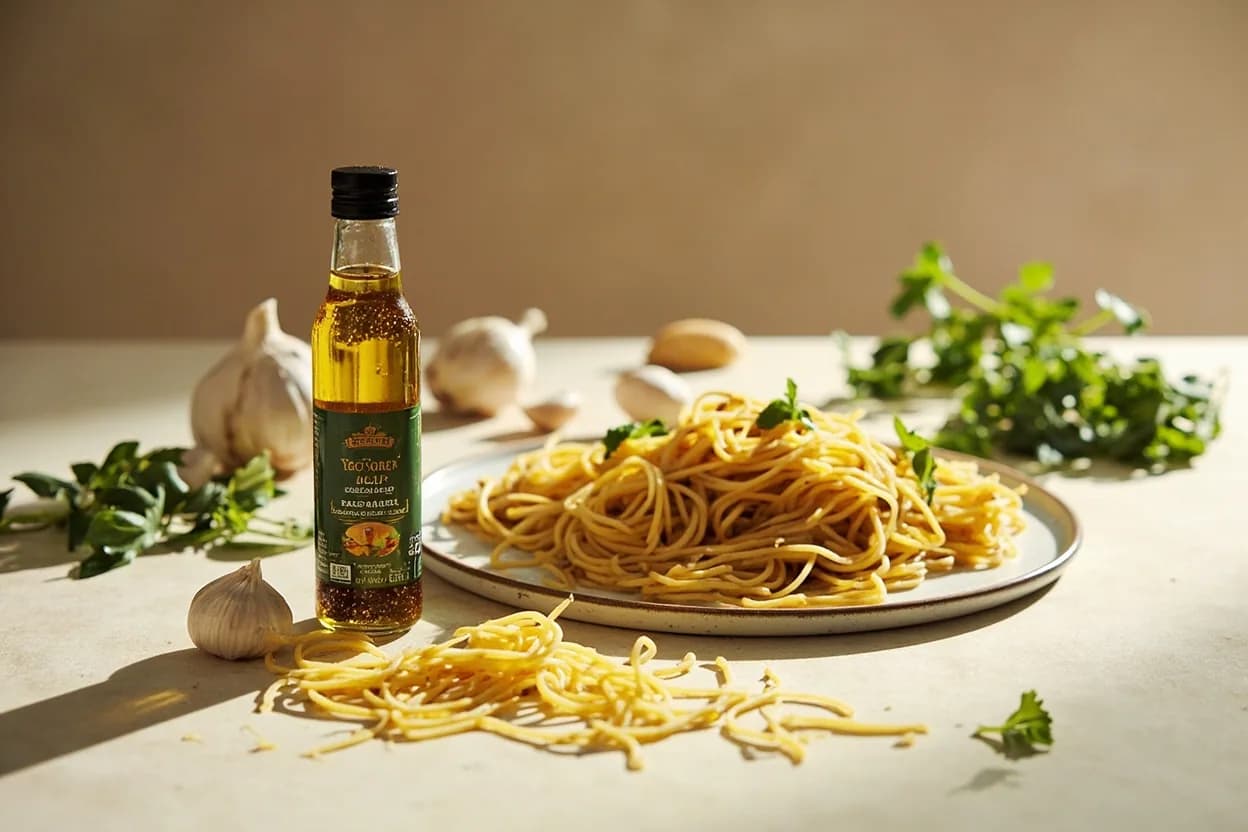
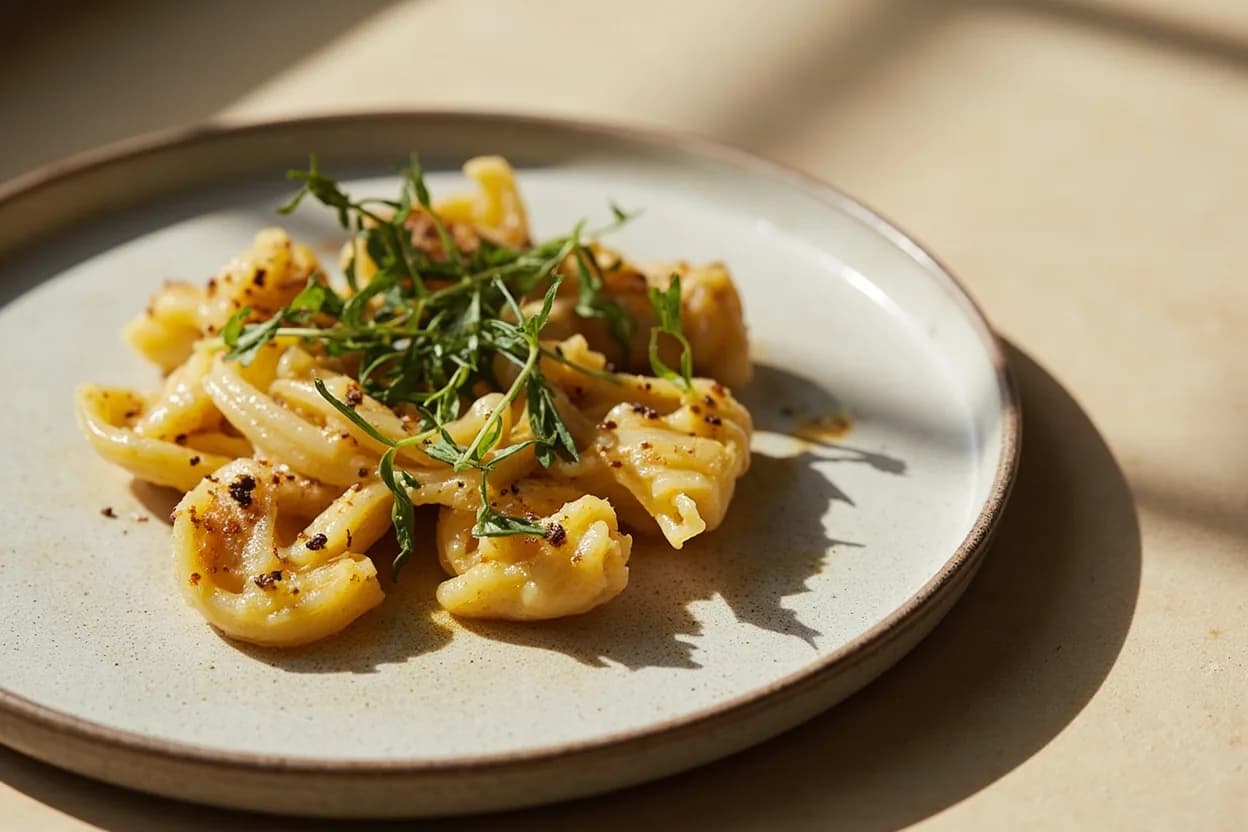
The canonical preparation: spaghetti finished off the heat with warm garlic-olive oil, a tablespoon of pasta water, and a drizzle of colatura. The heat is turned off before adding it to protect the volatile aromatics. One of southern Italy's most perfect dishes.
- GarlicItalian
Raw or barely cooked garlic and colatura is the foundational pairing in Cetaran cooking — the sulfur compounds in garlic bind with colatura's amino acids and amplify its savory depth.
- ParsleyItalian
The green herbal freshness of flat-leaf parsley cuts colatura's concentrated salt, providing the color and chlorophyll brightness that keeps the dish feeling alive rather than heavy.
- Raw vegetables (celery, fennel, radish)Campanian
Colatura as a dipping sauce or drizzle for raw vegetables is a Cetaran antipasto tradition — the crunch and water content of the vegetable temper the intensity of a few drops, creating a savory snack of remarkable simplicity.
- BreadItalian
A single drop of colatura on torn crusty bread with extra-virgin olive oil — sometimes called 'il sale del mare' (the salt of the sea) in Cetara — requires no other seasoning. A teaching tool for understanding what colatura actually is.
- Tomato (raw or sun-dried)Italian
The glutamate in tomato and the glutamate in colatura stack and amplify each other. A few drops over a plate of summer tomatoes replaces salt entirely while adding marine depth.
Adventurous pairings
- Butter (finishing pasta or vegetables)
A small amount of cold butter and a drizzle of colatura emulsified over hot pasta creates a French-Italian hybrid sauce of extraordinary savoriness. The butter rounds colatura's edges; colatura deepens butter's unctuousness.
- Popcorn or roasted corn
Colatura mixed with brown butter and drizzled over popcorn is a contemporary adaptation that exploits the Maillard compounds in roasted corn as a canvas for pure glutamate impact — the logic is identical to using fish sauce in pad thai's finishing stage.
- Beef tartare
A few drops of colatura in a beef tartare seasoning replaces some of the usual Worcestershire or soy — it integrates cleanly and brings oceanic depth without the spice or fermented notes that might compete with the beef's mineral flavor.
A Campanian pairing that works on terroir logic: a few drops of colatura over fresh buffalo mozzarella with olive oil and tomato connects the sea (colatura) to the land (the buffalo's milk and the volcanic soil tomatoes) — all from the same regional larder.
- Roasted cauliflower
Cauliflower caramelizes when roasted and develops nutty, sulfurous notes; a drizzle of colatura immediately before serving adds salt-umami that turns a simple vegetable into something remarkable. The sulfur compounds in cauliflower and the amino acids in colatura have documented complementary chemistry.
Tread carefully
- Direct heat (high temperature cooking)avoid
Colatura's volatile aromatic compounds degrade quickly above 65°C/150°F. It must be added off the heat or as a finishing drizzle — cooking it destroys what makes it different from ordinary fish sauce.
- Heavy cream or béchamelavoid
Dairy fat at volume smothers colatura's subtle, clean aromatics. Unlike anchovy, which can survive a cream sauce because it is solid and fat-soluble, colatura is a dilute liquid whose character is muted rather than carried by heavy cream.
- Already heavily salted preparationsavoid
Colatura is salt — adding it to dishes already seasoned with generous table salt will tip into bitter-briny territory. It works best as the sole or primary source of salinity in a dish, replacing salt entirely rather than augmenting it.
How to use it
- Finishing pasta off-heat: drizzle 1 teaspoon per portion over drained pasta in the pan, toss with pasta water to emulsify
- Mixing into raw dressings and vinaigrettes in place of salt — 1 part colatura replaces roughly 2 parts fine sea salt
- Dropping 2-3 drops on finished dishes as a condiment the way one would use quality soy sauce or fish sauce
- Whisking into warm butter with lemon zest for a beurre noisette colatura sauce for fish or vegetables
- Adding to marinades for meat or vegetables — it seasons deeply and adds glutamate complexity without any detectably 'fishy' note after cooking
Appears in
Related flavours
Colatura is the liquid byproduct of making salt-packed anchovies — same raw material, different form; anchovy for cooking-in, colatura for finishing-raw
Functional parallel from Southeast Asia — same glutamate mechanism, but fish sauce is cooked and spiced; colatura is raw, clean, and used in smaller quantities
Another Campanian/Mediterranean preserved-fish product; where bottarga is grated-solid, colatura is liquid — both finish dishes at the last moment
Culinary parallel — fermented liquid condiment used to season and finish; colatura replaces soy in many contemporary Mediterranean applications
References
- 1.Polvere di Pesce: The Art of Cetara's Colatura — Slow Food Presidium documentation
- 2.On Food and Cooking — Harold McGee
- 3.Pasta Grannies — Vicky Bennison
- 4.The Italian Baker — Carol Field
- 5.Fish & Shellfish — Rick Stein
Confidence: high
Notes
Roman ancestry
Colatura di Alici is a direct living tradition of Roman garum and liquamen — fermented fish sauces that were the primary condiment of the Roman world, produced industrially and traded across the empire. The monks of Cetara maintained the practice after the fall of Rome, and it survived as a local artisan product. The Slow Food Presidium in Cetara has protected and promoted production since 2004. True Cetara colatura is bottled annually in December after an 18-month fermentation.
How much to use
Colatura's power is in restraint. For one portion of pasta (80–100g), use no more than 1 teaspoon (5ml). For a vinaigrette dressing a salad for four, use 2 teaspoons to replace all added salt. Used correctly, the dish tastes savory and complex without any detectably fishy character. Overdose and it reads as anchovy brine — distinctive but no longer elegant.