Preserved & Cured Fish
Fish Sauce
Also: nam pla (Thai), nuoc mam (Vietnamese), prahok (Cambodian, paste form), teuk trei (Khmer), ngan-pya-ye (Burmese), patis (Filipino), ishiru (Japanese squid-based)
The fermented salt-and-umami backbone of Southeast Asia — a single tablespoon rewires a dish's entire savory register.
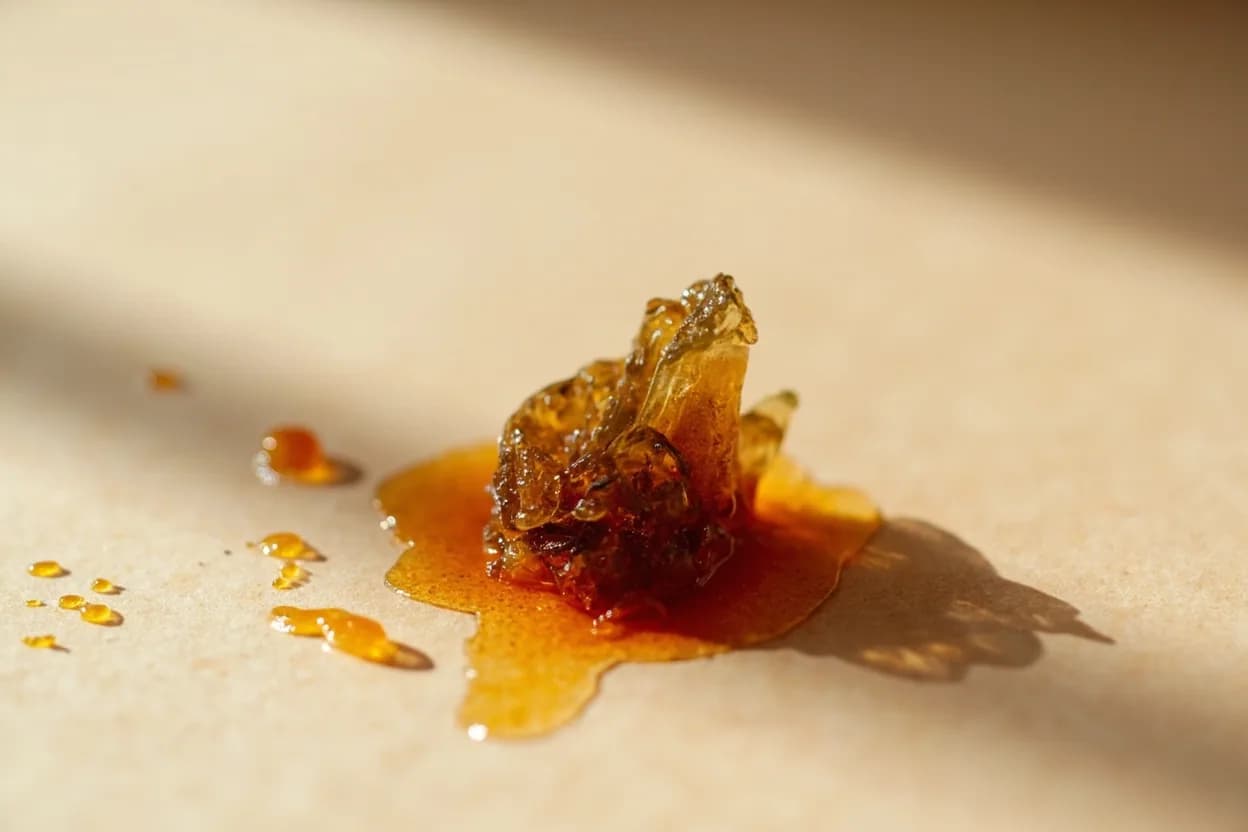
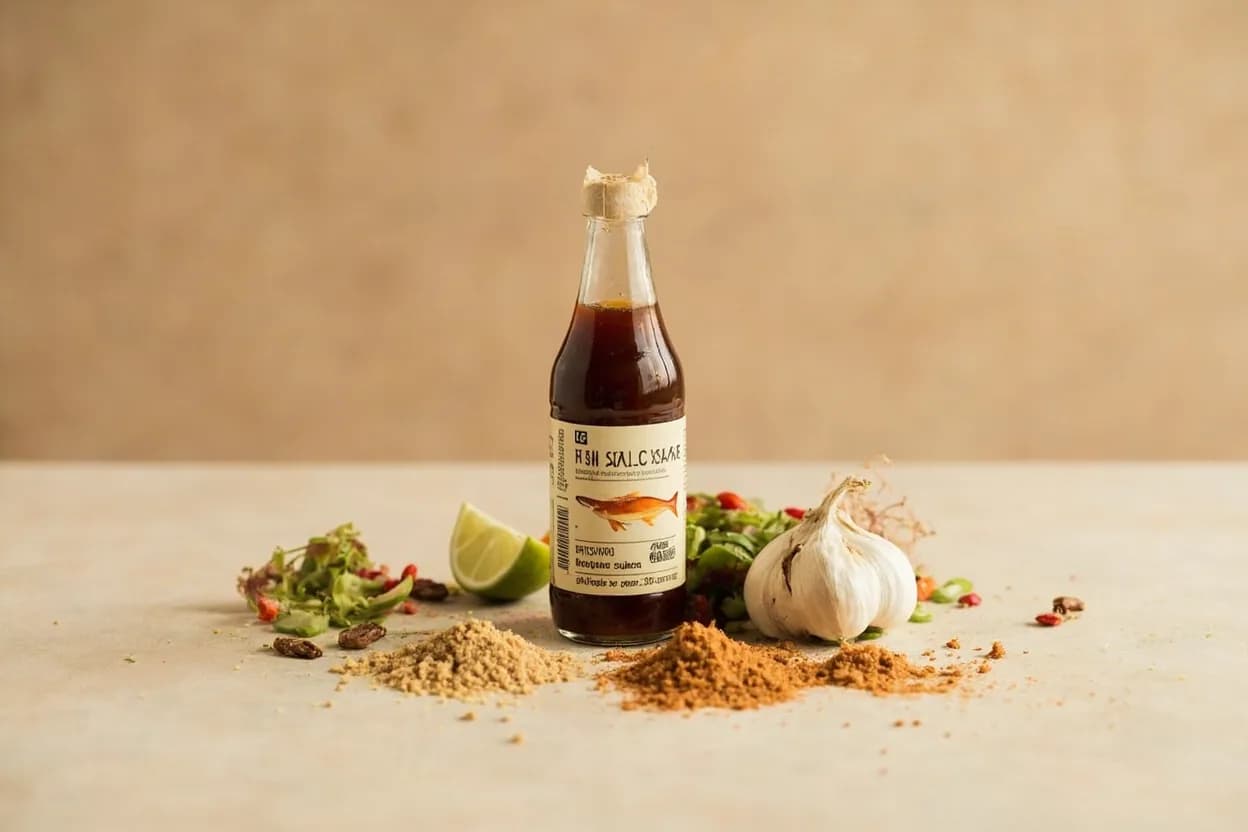
Fish sauce is produced by packing small oily fish (most commonly anchovies, sand lance, or mackerel) in heavy salt (2:1 to 3:1 fish-to-salt ratio) and allowing enzymatic autolysis and microbial fermentation to proceed for 12 months to three years in large earthenware jars or wooden vats. The liquid that accumulates is drawn off in grades — first press (nhi) is the premium product, later presses progressively thinner and less complex. The result is a reddish-amber to dark-brown liquid whose flavor is powerfully savory and complex: salt, glutamate umami, inosinate, a range of volatile amines (pyrazines, indoles) that create the characteristic funk, and a warm sweetness from Maillard-esque amino acid browning. At full strength it is extreme; properly deployed — cooked in fat, diluted in sauce, or used as a seasoning agent — the funk vanishes and only deep savory remains.
In photos
Flavour profile
Classic pairings
- Lime juiceThai, Vietnamese, Lao
The acid-umami axis of Southeast Asian cooking: fish sauce provides salt and savory depth, lime provides acid brightness and aromatic esters. Together they are the base of Thai nam jim, Vietnamese nuoc cham, and countless dipping sauces.
- Palm sugar (or brown sugar)Thai, Cambodian
The sweet element in the classic Thai triangle of flavor (salty-sour-sweet): palm sugar rounds fish sauce's sharp salinity and extends its sweetness. The combination is the foundation of pad thai's seasoning and virtually every Thai stir-fry sauce.
- GarlicThai, Vietnamese, Filipino
Garlic cooked briefly in oil before fish sauce is added — the base of stir-fries and braises throughout Southeast Asia. The sulfur compounds in garlic bind with and enhance fish sauce's amino acids.
- Chili (fresh and dried)Thai, Indonesian, Malaysian
Fish sauce tamed by the heat and aromatic intensity of chili is the backbone of nam prik (Thai dipping sauces) and sambal-based condiments. Capsaicin masks the funk while amplifying the heat that causes us to perceive umami more intensely.
- Pork (especially fatty cuts)Vietnamese, Filipino, Thai
Fish sauce is the seasoning agent for Vietnamese caramelized braised pork (thit kho), Filipino adobo, and Thai larb. Fat from the pork carries and amplifies fish sauce's aromatic compounds; the Maillard caramelization of both sugar and pork fat creates layered savory complexity.
- ShallotVietnamese, Lao
Raw shallot macerated in fish sauce and lime juice is the base of Vietnamese and Lao dipping sauces and dressings — the shallot's sharp sweetness moderates the liquid's salt while its quercetin compounds bind volatile amines and reduce perceived funk.
- LemongrassThai, Vietnamese
The citral and nerol in lemongrass complement fish sauce's marine character and modulate its aromatic register — together they define the aromatic DNA of Thai and Vietnamese soups (tom kha, bun bo hue).
- Rice (jasmine, sticky)Vietnamese, Thai, Lao
Fish sauce over rice is a common Southeast Asian condiment application — the starch absorbs and carries glutamate beautifully, and the mild grain neutralizes any funk. A staple comfort food in Vietnam (com trang nuoc mam).
Adventurous pairings
- Butter (browned)
Deglaze a hot pan with fish sauce just before adding butter — the Maillard compounds in browned butter and the amino acids in fish sauce interact to produce a sauce of extraordinary savory complexity. Used by chefs like David Chang and seen widely in the Western umami-savvy cooking movement since the 2010s.
- Watermelon
Salt amplifies fruit sweetness, and fish sauce is salt with depth. A drizzle of fish sauce (1 teaspoon), fresh lime, and chili flakes over cold watermelon is a Thai summer snack tradition that showcases how savory agents enhance fruit volatiles.
- Dark leafy greens (kale, chard)
Blanched or stir-fried bitter greens finished with fish sauce and a touch of garlic lose all bitterness — the glutamate binds with the polyphenols responsible for bitterness and rounds them. A technique applicable to rapini, chard, cavolo nero.
- Caramel sauce
A technique from contemporary pastry: a pinch of fish sauce in a dry caramel replaces the role of fleur de sel and adds not just salt but a marine depth that enhances caramel's bitter-sweet complexity. The funk is completely undetectable after caramelization.
- Pasta (as the sole seasoning agent)
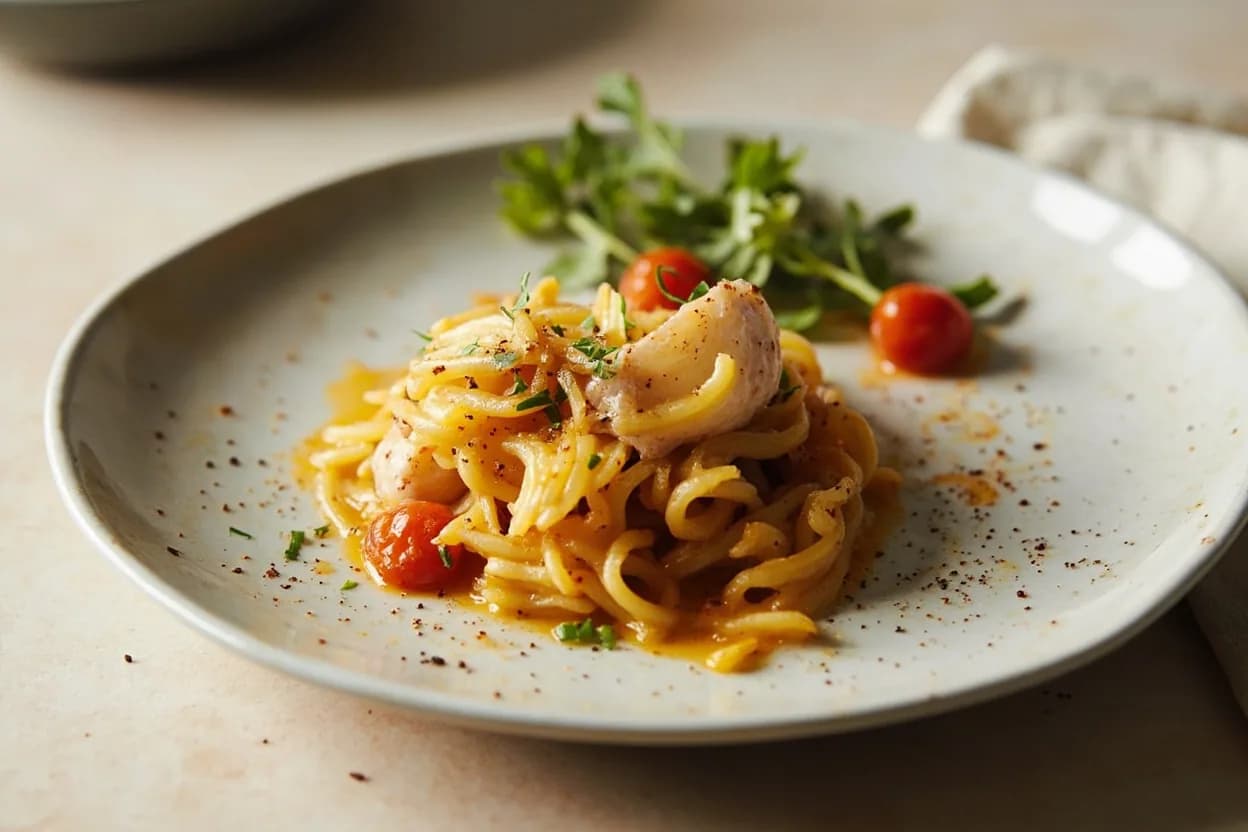
A Western application: replacing salt in aglio e olio with fish sauce (1 tablespoon per 4 portions) creates a deeper, more complex dish — the logic of colatura di alici applied with a more accessible pantry ingredient. The fish sauce must go in early enough to cook off some of its volatile compounds.
Tread carefully
- Cold emulsifications (mayonnaise, hollandaise from scratch)avoid
Raw fish sauce's volatile amines are not cooked off in cold preparations and can dominate — the result smells strongly of fermented fish. Use colatura di alici or anchovy paste instead for cold umami applications.
- Delicate dairy dessertsavoid
Panna cotta, crème brûlée, and milk-based custards have virtually no component that can absorb or modulate fish sauce's funk. The combination is simply wrong — both the salt level and the amine notes are disruptive.
- Very delicate steamed fish (sea bass, sole)avoid
As a direct seasoning on mild white fish, fish sauce's fermented character overwhelms the protein's subtle sweetness. Use soy sauce, colatura, or light seasoning instead; fish sauce works better in the braising liquid or the dipping sauce on the side.
How to use it
- Cooking fish sauce in hot oil for 30–60 seconds (blooming) to drive off volatile amines — this is what makes stir-fried dishes savory rather than funky
- Building nuoc cham: 1 part fish sauce, 1 part lime juice, 1 part palm sugar dissolved in 1 part water, with minced garlic and sliced chili
- Using as the sole salt in braises — add early and allow to mellow over long cooking time
- As a seasoning substitute in Western recipes: 1 teaspoon fish sauce = approximately 1/4 teaspoon salt, plus significant umami
- Finishing scrambled eggs or fried rice with a few drops in the last 30 seconds
- Marinating proteins: fish sauce penetrates meat more deeply than salt due to its enzymatic content, tenderizing as it seasons
Appears in
Related flavours
The Italian equivalent — same glutamate mechanism, cleaner and more delicate; used raw as a finishing condiment rather than cooked into bases
The solid-form parallel for Western cooking — same enzymatic fermentation, but in paste or fillet form rather than liquid
Functional umami parallel from the same regional larder — adds concentrated shellfish savory depth as a solid ingredient rather than a liquid seasoning
Fermented liquid umami from plant protein — similar delivery mechanism, different flavor profile; lighter soy replaces fish sauce in vegetarian Southeast Asian cooking
Fermented umami in paste form — glutamate-rich parallel from the Japanese pantry; both miso and fish sauce share enzymatic autolysis origins and function as seasoning rather than flavoring agents
References
- 1.Hot Sour Salty Sweet — Jeffrey Alford & Naomi Duguid
- 2.The Food of Thailand — Vatcharin Bhumichitr
- 3.Into the Vietnamese Kitchen — Andrea Nguyen
- 4.On Food and Cooking — Harold McGee
- 5.The Flavor Bible — Karen Page & Andrew Dornenburg
- 6.Pok Pok — Andy Ricker
Confidence: high
Notes
Grades and regional variation
Premium fish sauce is graded by nitrogen content (a proxy for protein/amino acid richness). Thai Tiparos and Megachef are widely available; Megachef Premium is high nitrogen and sweeter. Vietnamese Phu Quoc and Phan Thiet are the geographical-indication producers — Phu Quoc nuoc mam is funkier and more complex than Thai versions. Filipino patis tends to be lighter and less salty. Philippine and Vietnamese sauces are typically used more liberally; Thai sauces are more concentrated.
The Western rediscovery of fish sauce
Since the early 2010s, Western chefs including David Chang, April Bloomfield, and Heston Blumenthal have incorporated fish sauce into non-Asian recipes as an umami booster — bolognese, burgers, roasted vegetables. The key insight: when cooked, the volatile amines (the funk) are driven off, and only the glutamate and amino-acid richness remain. A tablespoon in a meat sauce is undetectable as fish sauce but makes everything taste more savory and complete.