Aromatics & Roots
Shallot
Also: échalote, French shallot, banana shallot, eschalot
The quiet sophisticate of the allium family — sweeter and more complex than onion, sharper than garlic, and indispensable to French classical cooking.
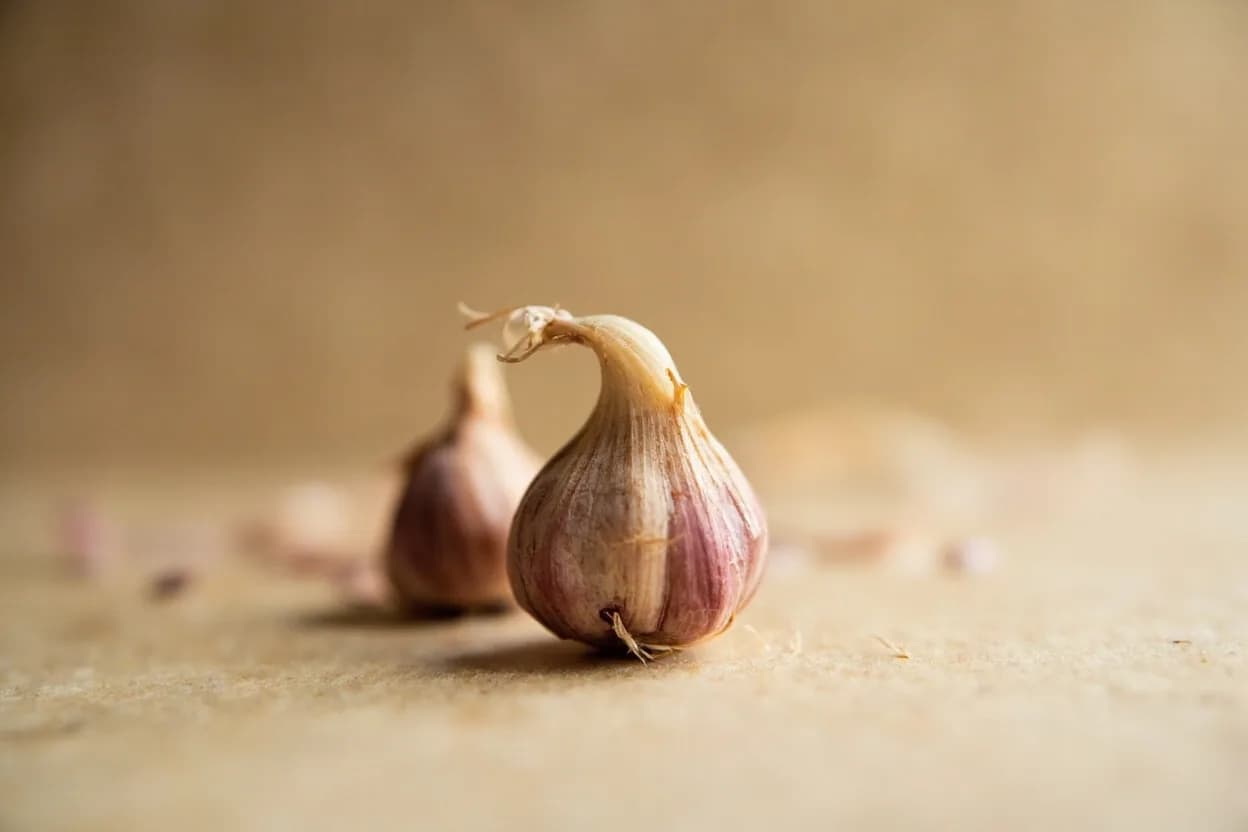
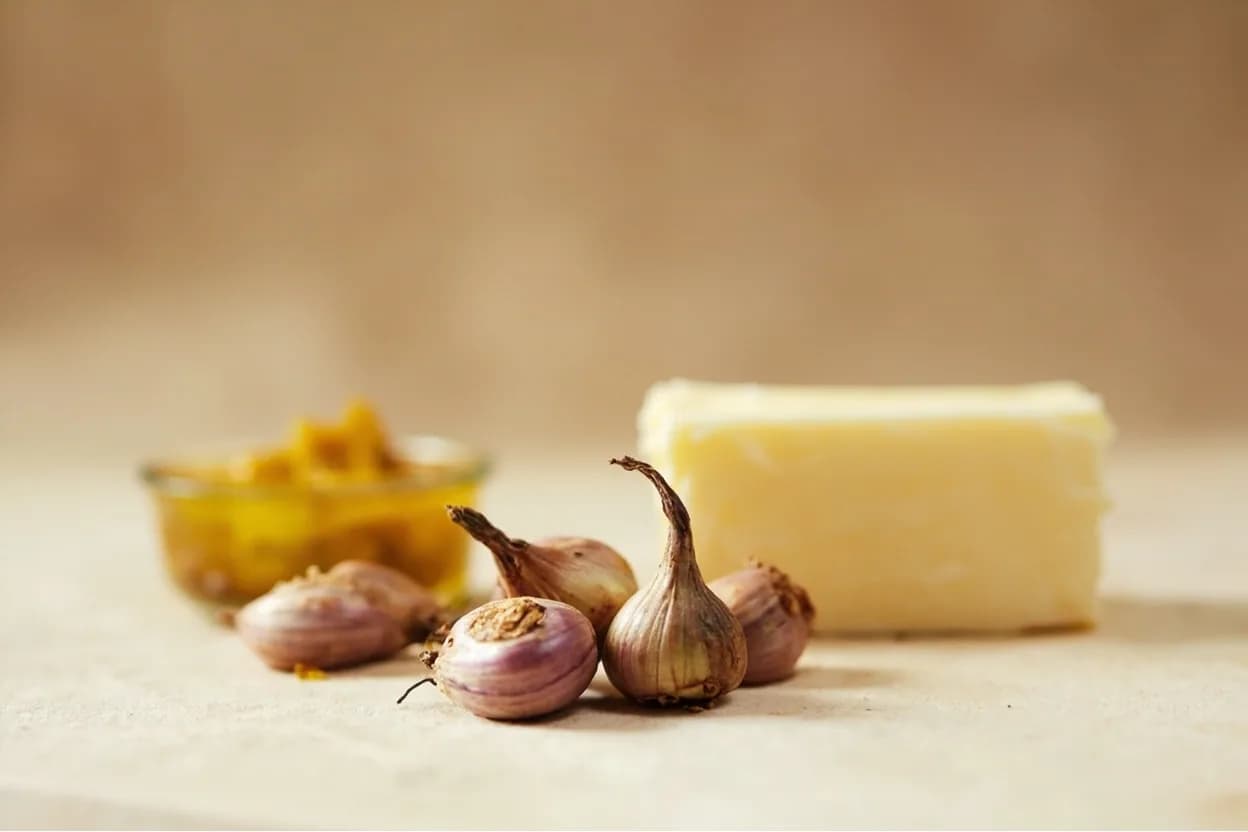
Shallots (Allium cepa var. aggregatum) are small, clustered bulbs with papery copper-rose skins and ivory-purple flesh. Their flavor is more delicate than yellow onion, carrying a sweet, faintly wine-like allium note with mild sulfur compounds that cook out quickly into a buttery, almost caramel sweetness. Raw, they lend a clean, sharp bite; sautéed or sweated, they virtually dissolve into a sauce, contributing body and depth without overpowering other ingredients.
In photos
Flavour profile
Classic pairings
- Dijon mustardFrench
The acid and emulsifying power of mustard binds shallot's sharp raw bite in vinaigrettes; together they are the backbone of classic French sauce gribiche and vinaigrette.
- Dry white wineFrench
White wine and shallot form the reduction base for beurre blanc and sauce vin blanc; the wine's acidity softens shallot while shared aromatic compounds fuse into an elegant, unified flavor.
- ButterFrench
A classic 'shallot fondue' — shallots sweated slowly in butter — is the foundation of French compound butters, sauces, and pastry fillings; fat rounds and carries every sweet allium note.
- Red wine vinegarFrench
Shallots macerated in red wine vinegar turn silky and jewel-bright, taming astringency while picking up anthocyanin color; essential to mignonette and steak sauces.
- ThymeFrench
Both grow in the same terroir and speak the same herbaceous language; thyme's earthy terpenes anchor shallot's sweetness in braises, roasts, and classic French pan sauces.
- Fish sauceThai
In Thai and Vietnamese kitchens, thinly sliced or fried shallots amplify fish sauce's umami; the sweetness of shallot tempers fish sauce's salt punch.
- Sesame oilKorean
Shallots caramelized or used raw in Korean and Chinese preparations marry seamlessly with toasted sesame's nutty richness, creating the aromatic base of many banchan and stir-fry sauces.
- CreamFrench
Heavy cream tempers shallot's sharpness and amplifies its sweetness in bisques, velouté sauces, and pot-roasted chicken; the combination is fundamental to French bistro cooking.
Adventurous pairings
- Strawberry
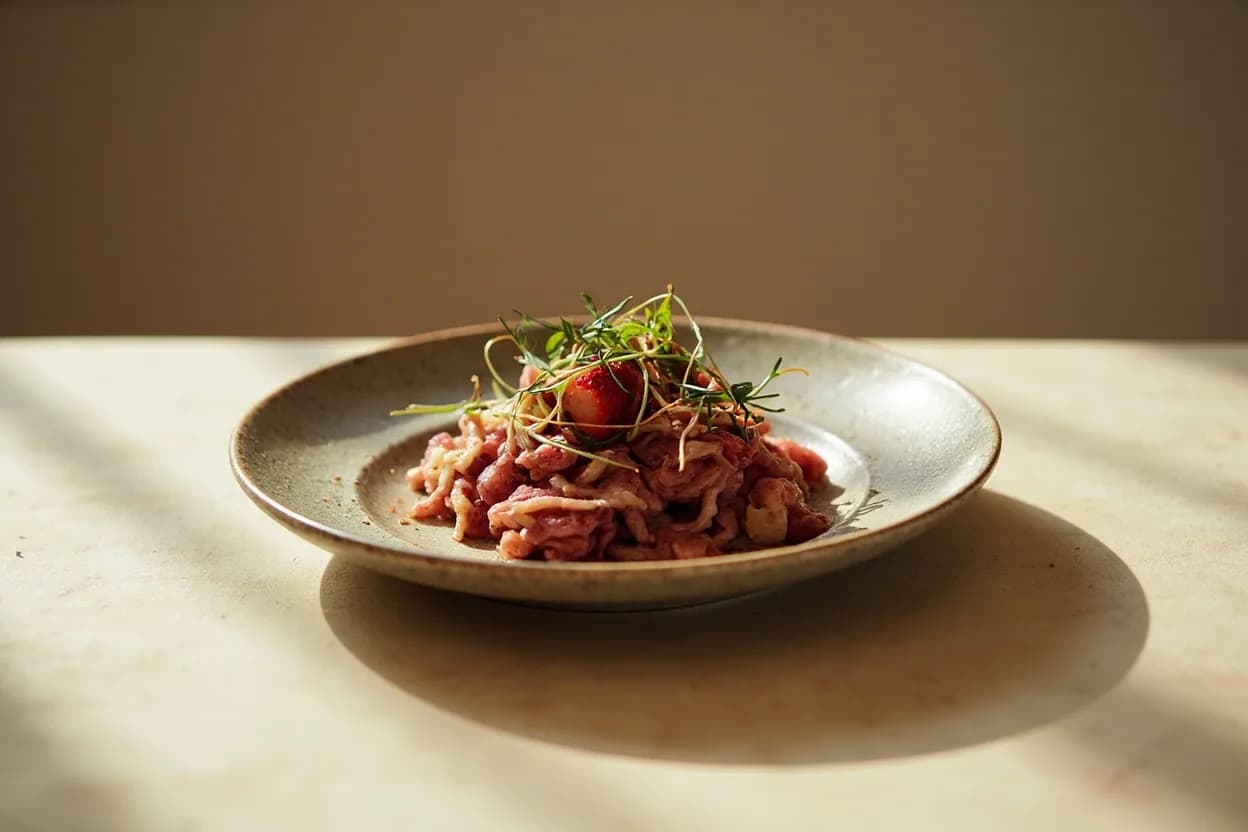
Pickled shallots on strawberry salad or savory strawberry gastrique with shallot reduction — the berry's fruity acid echoes shallot's wine-like notes; a pairing that reads as sophisticated rather than strange.
Shallot and white miso share savory-sweet umami; a shallot-miso glaze on roasted eggplant or grilled fish bridges French technique and Japanese ferment with surprising coherence.
Shallot confit stirred into a mole-style dark chocolate sauce amplifies the chocolate's complexity; sulfur compounds in cooked shallot echo the roasted, bitter notes in cacao.
In Levantine-inflected cooking, shallot's sweetness and pomegranate molasses's tart-fruity depth combine into vibrant dressings and braising liquids for lamb or duck.
Melted anchovy and sweated shallot form an intense umami base for pasta puttanesca or lamb shoulder — the fish disappears into salt and depth while shallot brings sweetness to balance.
Tread carefully
- Aged blue cheese (raw combination)avoid
The sharp, volatile sulfur compounds in raw shallot clash with the ammoniacal, pungent notes of strong blues like Roquefort — cooked shallot is a different matter entirely.
- Delicate white fish with prolonged high heatavoid
Shallot caramelizes quickly; overcooked shallot turns bitter and acrid, overwhelming the subtle flavor of sole or turbot rather than complementing it.
How to use it
- Sweating low-and-slow in butter until translucent — the essential first step for French pan sauces
- Reducing with wine or vinegar to concentrate sweetness and build sauce body (beurre blanc, sauce bordelaise)
- Slicing paper-thin and macerating in acid for mignonette and vinaigrettes
- Deep-frying thinly sliced shallots until golden-crisp for Southeast Asian garnishing (bawang goreng)
- Pickling in red wine vinegar or rice vinegar to produce a sweet-tart condiment
- Roasting whole, unpeeled, alongside meat to develop caramelized depth without burning
Appears in
Related flavours
Garlic's bold sulfur warmth frequently partners shallot; together they form the aromatic foundation of countless European and Asian dishes.
- Leek
Both are mild, sweet alliums that thrive in slow cooking; leek adds a grassier note where shallot brings more concentrated sweetness.
- Chive
Raw chive and shallot share a clean allium freshness; chive is used where shallot's bite is too aggressive as a garnish.
References
- 1.On Food and Cooking — Harold McGee
- 2.The French Laundry Cookbook — Thomas Keller
- 3.Larousse Gastronomique — Prosper Montagné
- 4.The Flavor Bible — Karen Page & Andrew Dornenburg
Confidence: high
Notes
Why French chefs reach for shallot, not onion
Shallots contain a higher proportion of propyl cysteine sulfoxide relative to allyl sulfoxide compounds compared to onions, which gives them a noticeably more refined, wine-like character and a shorter cooking time to sweetness. This makes them ideal for quick pan sauces where an onion would remain raw-tasting or, if cooked long enough, turn cloying and heavy.
Southeast Asian fried shallots
Across Indonesia, Vietnam, and Thailand, shallots are sliced, air-dried, then fried in neutral oil until amber and crisp (bawang goreng, hành phi). They are served as a universal garnish on soups, rice, and noodles. The frying concentrates their sweetness dramatically and removes all sharpness, producing a confection-like crunch that bridges umami and sweetness.