Aromatics & Roots
Fingerroot (Krachai)
Also: krachai, Chinese keys, lesser galangal, Boesenbergia rotunda, temu kunci
Thailand's secret rhizome: gingery, faintly menthol, and herbaceous—built for fish curries and jungle soups.
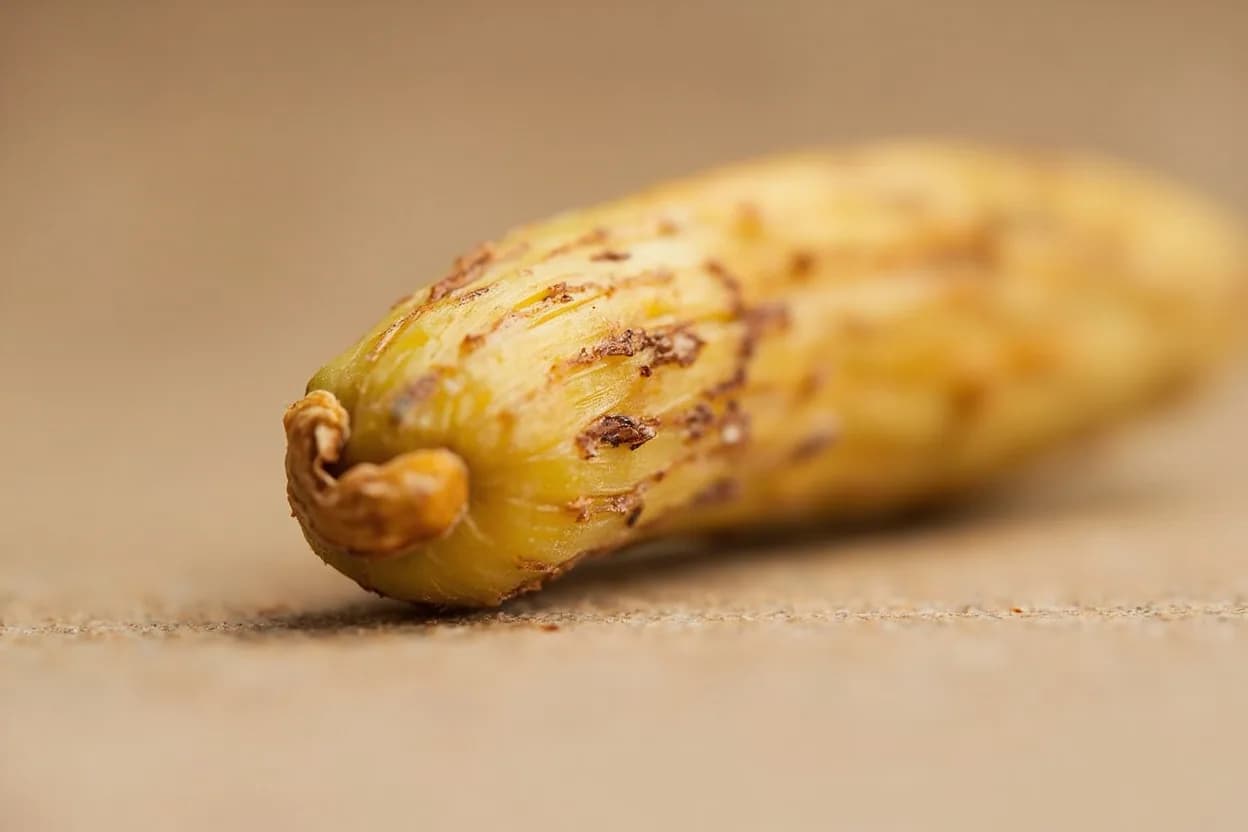
Fingerroot, called krachai in Thai, is a tropical rhizome from the ginger family whose cluster of finger-like lateral roots gives it its English name. Unlike ginger's pure spicy heat or galangal's piney sharpness, fingerroot occupies a unique middle ground: gingery warmth, a faint camphor-menthol coolness, and a distinctly herbal, almost grassy freshness. In Southeast Asian cooking it is most closely associated with freshwater fish preparations, where it is believed to neutralize muddy off-notes. It is most widely used in Thai cuisine (kaeng krachai fish curry), Indonesian cooking (temu kunci in lodeh and sayur), and Cambodian kroeung spice pastes. Fresh roots are sliced thin or pounded into paste; dried is a poor substitute for the fresh aroma.
In photos
Flavour profile
Classic pairings
- Freshwater fish (catfish, tilapia, carp)Thai / Indonesian
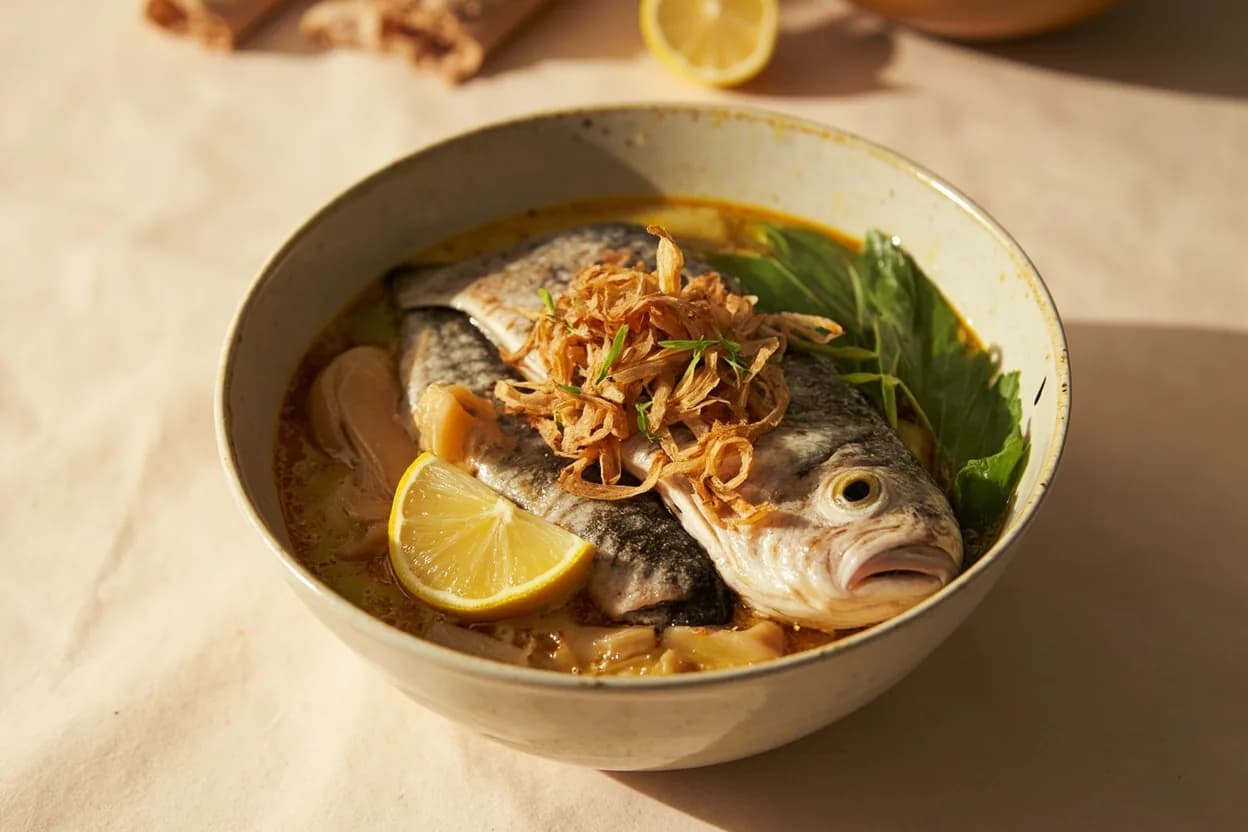
Fingerroot's primary culinary purpose in Thailand and Indonesia is to suppress muddy amine odors in freshwater fish while adding an herbal lift to fish curries and soups.
- Coconut milkThai
The fat in coconut milk carries fingerroot's volatile aromatics throughout the curry; kaeng krachai is built on this pairing.
- LemongrassThai / Lao / Cambodian
Lemongrass's citral brightness and fingerroot's herbal-menthol character are complementary pillars of Thai curry paste; they reinforce without duplicating.
- Thai basil and holy basilThai
Herbal basil notes amplify fingerroot's green, herbal register; the combination is definitive in pad krachai stir-fries.
- Kaffir lime (makrut lime leaves and zest)Thai / Cambodian
Citrus floral notes from makrut and fingerroot's camphor warmth create a complex herbal-citrus base in Thai jungle curries.
- Green peppercornsThai
Both are assertive and slightly cooling; fresh green peppercorns in jungle curry (kaeng pa) balance fingerroot's warmth with pungent bite.
Adventurous pairings
- Clams and mussels
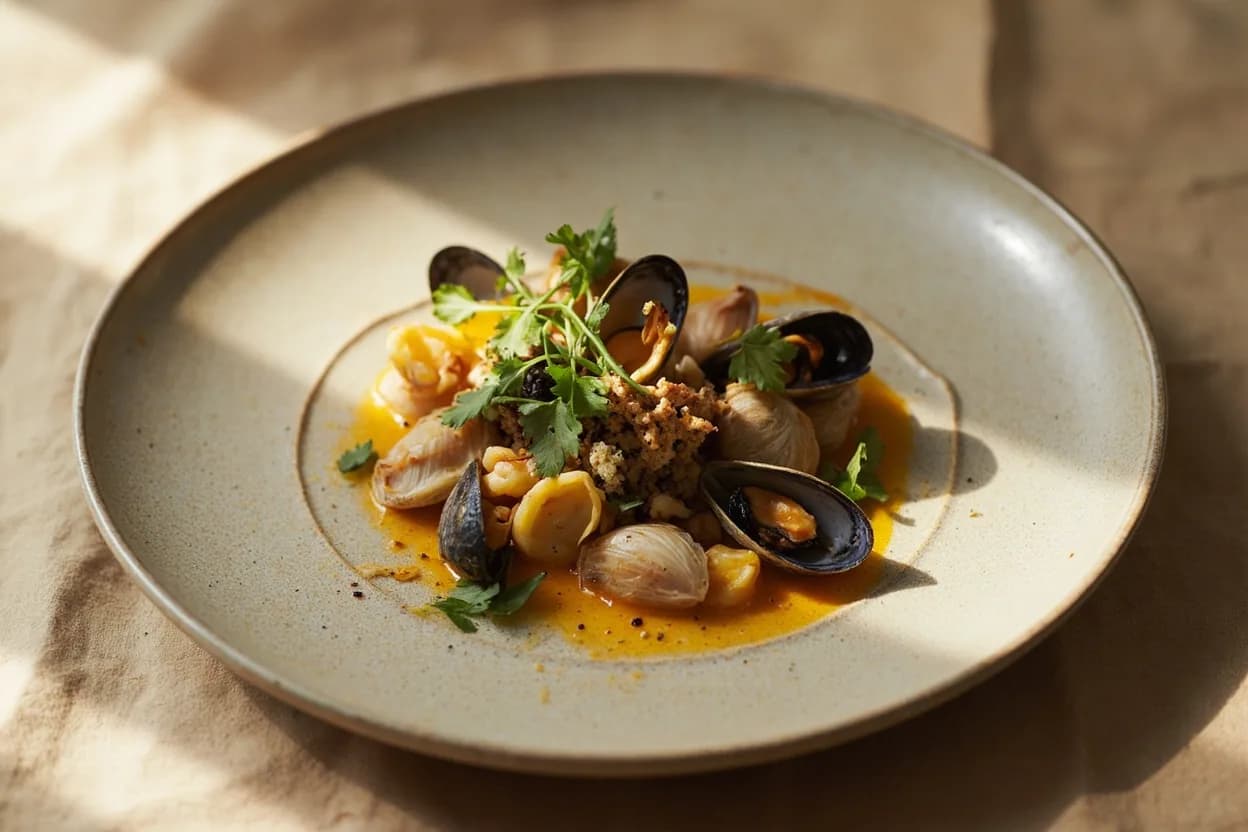
Fingerroot's natural affinity for marine proteins extends well to shellfish; a Thai-style clam broth with krachai, lemongrass, and chili is bracing and aromatic.
- Tofu
Silken or firm tofu absorbs fingerroot paste in stir-fries; the herbal-menthol note enlivens what can otherwise be a bland protein source.
- Cucumber
Cool, watery cucumber and fingerroot's menthol note harmonize; a Thai-style krachai-cucumber relish or salad is an unexpected, refreshing combination.
- Gin
Gin's botanical backbone—juniper, coriander, angelica—resonates with fingerroot's herbal-camphor character; craft bartenders in Southeast Asia muddle fresh krachai into gin cocktails.
Tread carefully
- Rich red meats (beef, lamb)avoid
Fingerroot's delicate herbal notes are overwhelmed by the intensity of fatty red meat; galangal or ginger are better choices for these proteins.
- Dairy-based saucesavoid
The menthol-camphor compounds in fingerroot interact unpleasantly with heavy cream, producing a medicinal, almost minty aftertaste.
- Sweet dessert applicationsavoid
Unlike ginger, fingerroot's camphor-herbaceousness clashes with sugar-dominant preparations and resists integration into sweets.
How to use it
- Julienne thin slivers and add directly to soups and curries without pounding—they soften and release flavor gradually.
- Pound with other aromatics into a curry paste (kroeung or Thai curry paste), where fingerroot melds with galangal, lemongrass, and chilies.
- Add thin slices to fish parcels or banana-leaf steamed fish to perfume from within.
- Pickle in rice vinegar with chilies and garlic as a condiment for grilled fish.
- Combine with fish sauce, lime, and palm sugar for a dipping sauce for steamed or grilled seafood.
- Use fresh only when possible—dried loses the volatile menthol-herbal compounds that define its character.
Appears in
Related flavours
Close botanical relative in the same curry paste family; galangal is pinier and more resinous where fingerroot is herbal and menthol.
Shares the ginger-family warmth but is more delicate and herbal; the two are sometimes used together for layered aromatics.
Appears alongside fingerroot in many Indonesian spice pastes (bumbu), with turmeric providing color and earthiness while fingerroot adds herbal lift.
References
- 1.Thai Food — David Thompson
- 2.The Food of Thailand — Murdoch Books
- 3.South East Asian Food — Rosemary Brissenden
- 4.A Cook's Book of Mushrooms and Southeast Asian Ingredients — Bruce Cost
Confidence: high
Notes
Why fingerroot in fish?
Freshwater fish—especially catfish and carp, which feed near muddy bottoms—carry trimethylamine and geosmin compounds responsible for their 'muddy' off-notes. Fingerroot contains volatile phenolics and terpenoids that chemically bind to or mask these amines. In Thai village cooking this was practical knowledge long before food science could explain it.
Sourcing notes
Fresh fingerroot is available in most Southeast Asian grocery stores, sometimes labeled 'Chinese keys' due to the shape of the root cluster. Frozen is a reasonable substitute for paste; jarred (in brine) loses the menthol brightness but retains body. Dried powder is a last resort and barely recognizable.