Aromatics & Roots
Galangal
Also: greater galangal, laos, lengkuas, kha, Thai ginger, Alpinia galanga
Piney, peppery, and medicinal — galangal is ginger's more austere cousin and the aromatic backbone of Thai soups.
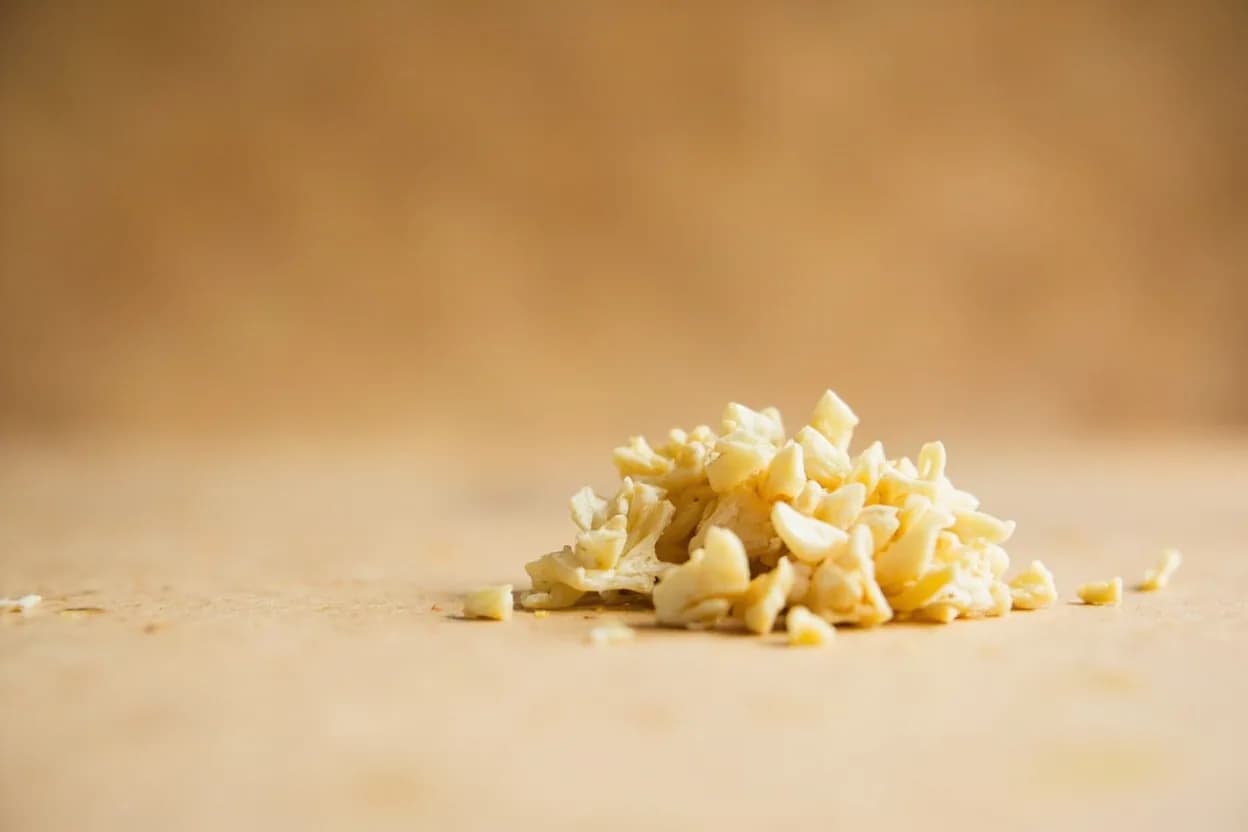
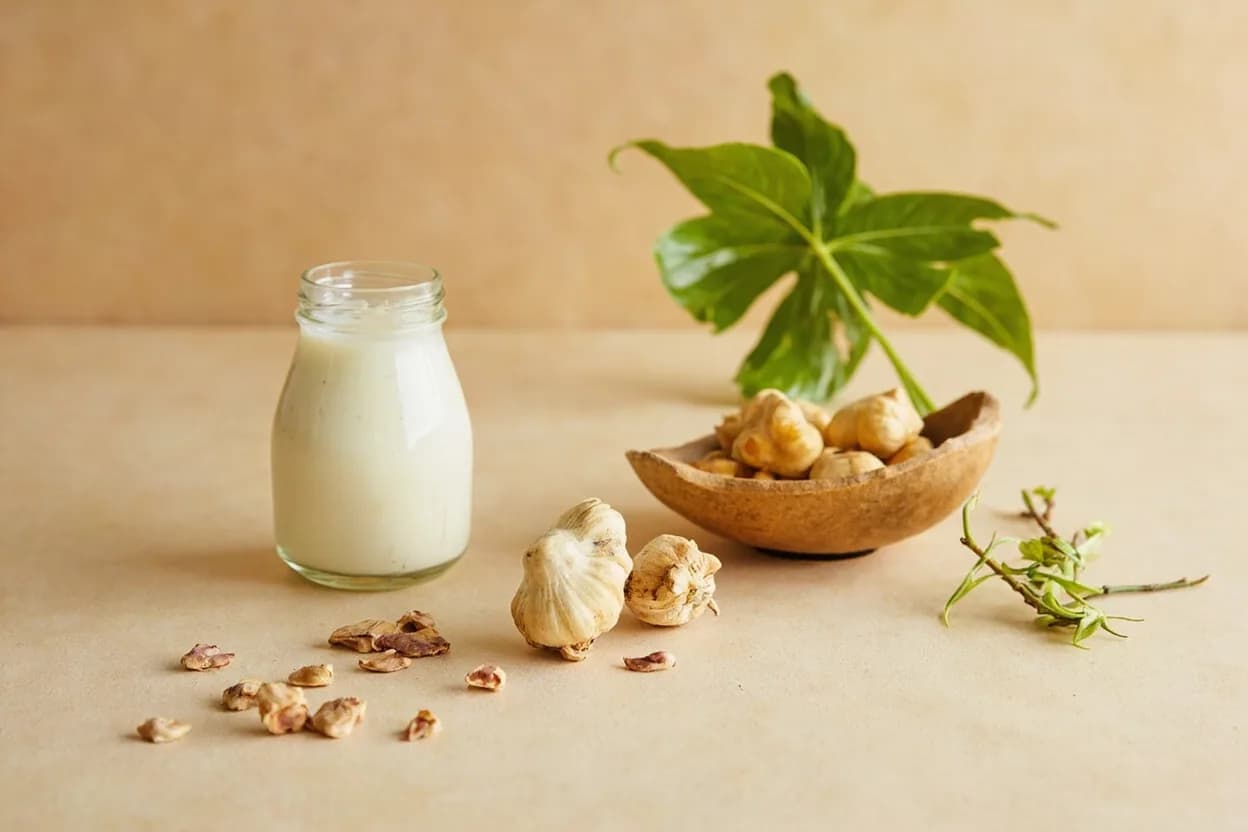
Galangal is the rhizome of Alpinia galanga, a plant in the ginger family grown across Southeast Asia. Unlike true ginger, galangal is harder, paler, and notably more resinous — its flavor is piney, camphor-like, and sharply peppery with an almost medicinal quality. The aroma compounds (primarily galangin and 1,8-cineole) give it a distinct character that ginger cannot replicate. It is a central ingredient in Thai, Indonesian, and Malaysian cooking, essential in tom kha gai and curry pastes. Lesser galangal (Alpinia officinarum) is smaller and more intensely peppery.
In photos
Flavour profile
Classic pairings
- Coconut milkThai
The richness of coconut milk balances galangal's medicinal sharpness, allowing its piney aroma to bloom without overpowering. The defining combination in tom kha gai.
- LemongrassThai / Malaysian
Bright citrus-herbal lemongrass counterbalances galangal's pine-pepper bite. Together they form the aromatic core of most Thai curry pastes and soups.
- Kaffir lime leavesThai
The floral-citrus aroma of kaffir lime lifts galangal's heavier, resinous note. All three — galangal, lemongrass, kaffir lime — are the Thai aromatic trinity.
- ChickenThai
Poultry's mild fat carries galangal's volatiles without competing with them. Tom kha gai (coconut chicken soup) is the world's most famous galangal dish.
- Shrimp paste (belacan / kapi)Malaysian / Indonesian
Fermented shrimp paste's umami intensity grounds galangal's aromatic sharpness, producing a savory-aromatic balance that defines laksa paste and Indonesian bumbu.
- MushroomsThai
Earthy, glutamate-rich mushrooms (especially oyster and straw) absorb galangal's piney note beautifully, producing an umami-aromatic synergy used in vegetarian Thai soups.
- Fish (whole and fillets)Indonesian
Galangal's sharpness cuts through fish fat and neutralizes fishy odors better than ginger. Indonesian pepes ikan (spiced steamed fish in banana leaf) relies on it.
Adventurous pairings
- Gin
Galangal's pine and citrus aromatic compounds map closely onto gin's botanical profile. Galangal-infused gin makes a compelling base for a Southeast Asian negroni variant.
- Pork belly
The resinous sharpness of galangal cuts through the extreme fattiness of slow-braised pork belly in a way ginger cannot — used in some Balinese babi guling spice blends.
- Mango
Raw galangal, finely grated, brings an unexpected pine-citrus edge to ripe mango in salads and chutneys, echoing the tart complexity of green mango somtam.
- Dark beer
Galangal was historically used to bitter and spice medieval European ales (alongside other herbs in gruit mixtures) before hops took over — a genuinely old pairing.
Tread carefully
- Delicate white fish (sole, flounder)avoid
Galangal's medicinal intensity overwhelms the subtle sweetness of very delicate fish — use lemongrass alone for these.
- Dairy cream-based sauces (European style)avoid
The resinous pine notes clash with the lactone compounds in heavy cream, creating a discordant medicinal-sweet result with no culinary precedent.
- Tomato-based saucesavoid
The acidity of tomato amplifies galangal's harsh edges and produces a flavor combination that has no culinary logic — these traditions never overlap.
How to use it
- Slice thinly and add whole to soups — it flavors the broth but is always left uneaten (too tough and fibrous)
- Pound fresh galangal with lemongrass and shallots in a mortar to make wet curry paste
- Bruise slices flat-side down with a knife to maximize aromatic release before adding to coconut milk
- Combine with lemongrass and lime leaves in a muslin bag for bouquet garni-style infusions
- Freeze the rhizome whole for easy grating; it grates finer when frozen
Appears in
Related flavours
Botanical cousin with overlapping warmth but quite different aroma profile — ginger is sweeter and more pungent, galangal pinier and more medicinal; they are not interchangeable
Most frequent companion in Thai cooking; the citrus freshness of lemongrass balances galangal's resinous weight
Fellow rhizome used in many of the same pastes; turmeric adds earthiness and color without competing aromatically with galangal
References
- 1.David Thompson — Thai Food (2002)
- 2.Sri Owen — The Indonesian Kitchen (2009)
- 3.Ian Hemphill — The Spice & Herb Bible, 3rd ed. (2014)
- 4.Tom Stobart — Herbs, Spices and Flavourings (1970)
Confidence: high
Notes
Galangal is not a substitute for ginger
Recipes that call for galangal specifically (like tom kha gai) cannot be replicated with ginger — the piney, camphor-forward character is entirely different. Using ginger produces a pleasant but fundamentally different dish. The reverse is equally true.
Fresh vs. frozen vs. dried
Fresh galangal is always preferred. Frozen preserves the aromatic oils adequately. Dried slices or powder lose most of the piney volatile character and should be treated as a last resort — use double the amount and accept reduced complexity.