Fermented Pastes & Sauces
Ganjang (Korean Soy Sauce)
Also: ganjang, joseon ganjang, Korean soy sauce, 간장, yangjo ganjang
Korea's naturally brewed soy sauce — deeper, more complex, and less salty than Japanese shoyu, built for soups and dipping.
Ganjang (간장) is the liquid byproduct of making doenjang: soybeans are fermented as meju (dried blocks inoculated with Aspergillus and Bacillus), then submerged in brine for months. The resulting liquid — ganjang — is drawn off and aged separately. Traditional joseon ganjang is darker, thicker, and more umami-dense than Japanese shoyu, with a fermented funk, caramel depth, and complex amino acid profile developed over six months to years of aging. Modern yangjo ganjang (brewed similarly to Japanese soy sauce, with wheat) is lighter and sweeter. Ganjang is the backbone seasoning of Korean soups (guk), bibimbap sauce, marinades, and dipping sauces.
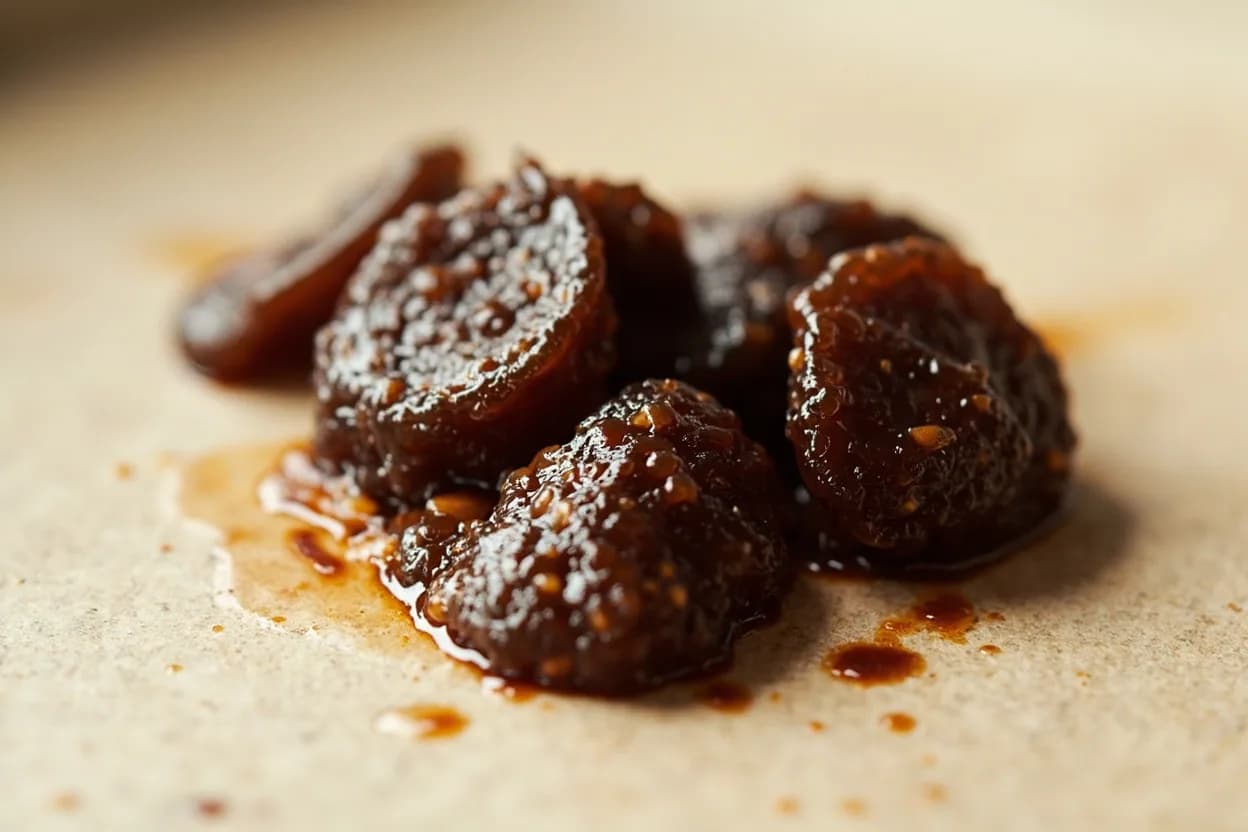
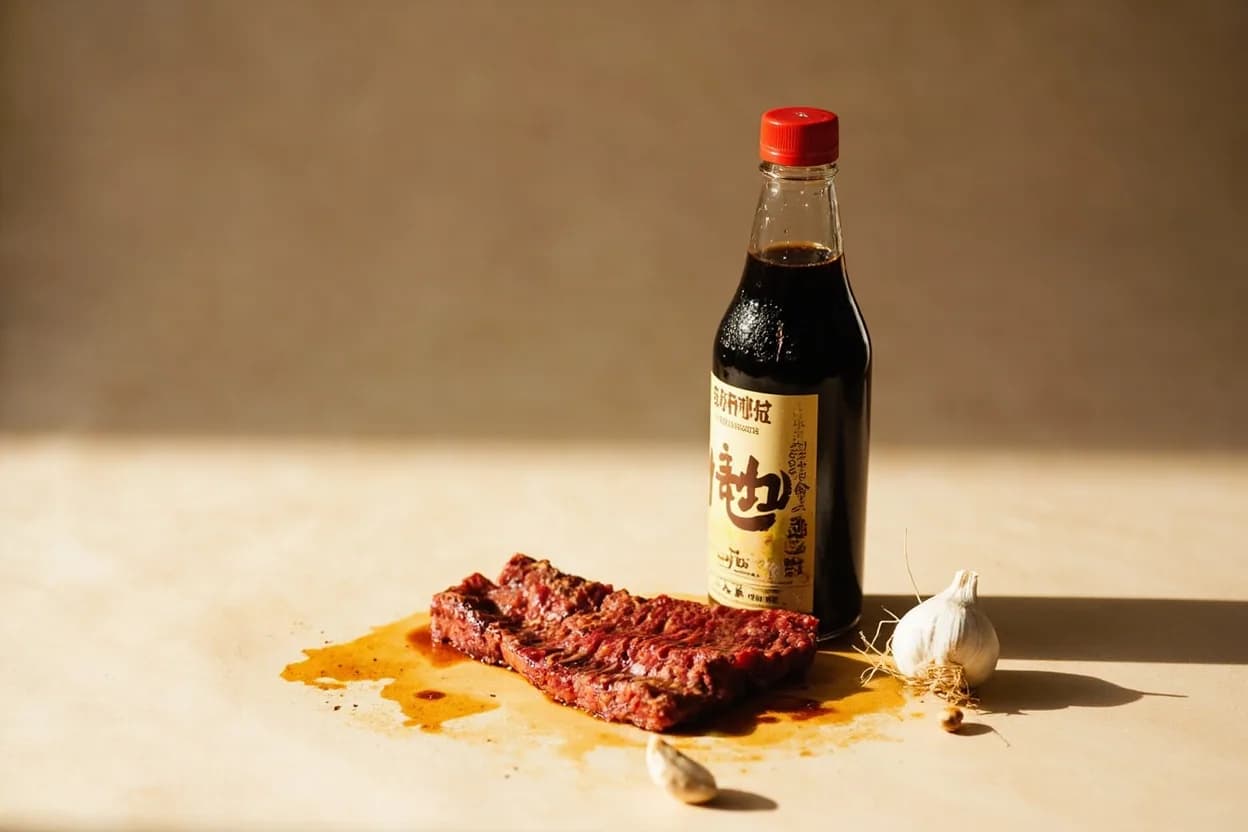
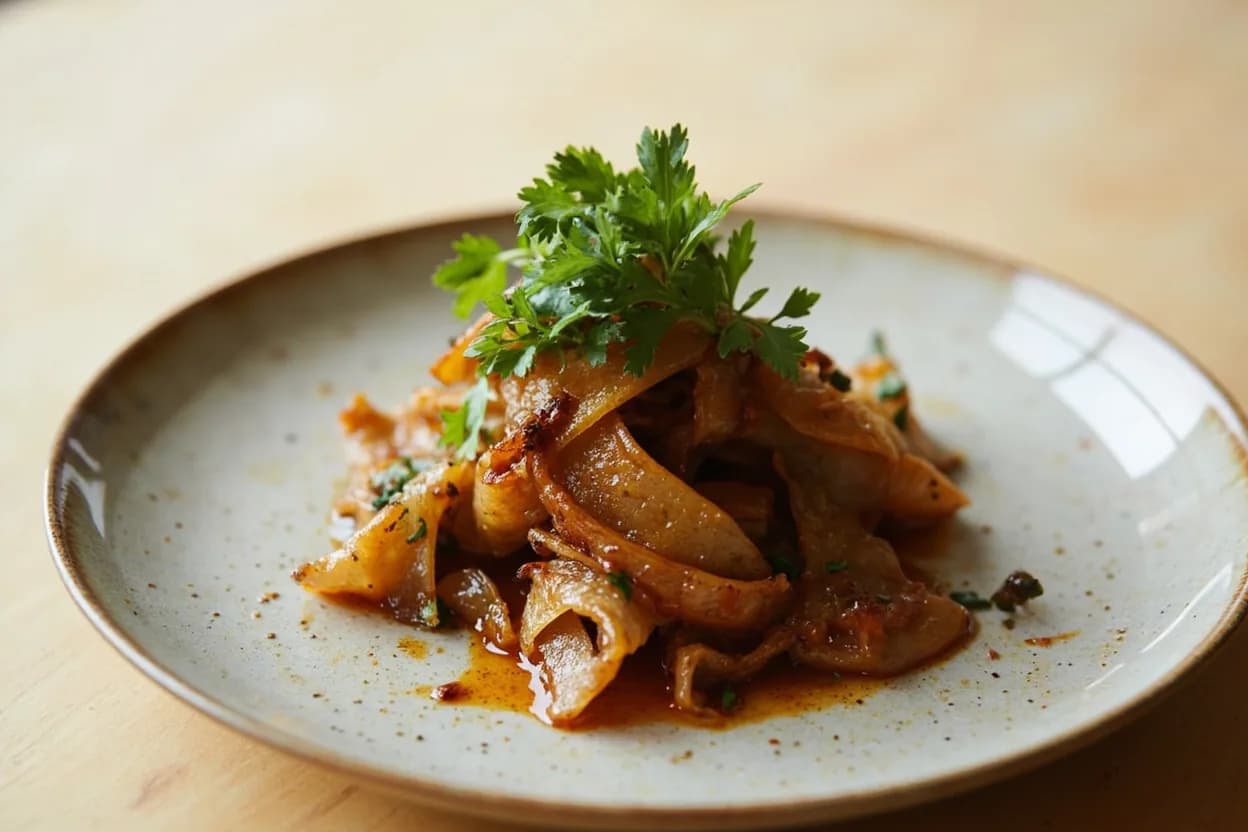
In photos
Flavour profile
Classic pairings
- Sesame oilKorean
The ubiquitous bibimbap sauce duo — sesame's nutty fat and ganjang's umami create a rounded, aromatic dressing that coats every grain.
- GarlicKorean
Raw or cooked garlic is almost invariably present in ganjang marinades; its sulfurous sharpness cuts through the sauce's richness and deepens savory complexity.
- Beef (especially galbi and bulgogi cuts)Korean
Ganjang-based marinades penetrate beef's muscle fibers, caramelize on the grill, and provide a lacquered glaze that defines Korean barbecue.
- Tofu (dubu)Korean
Steamed or pan-fried tofu with a ganjang-sesame-scallion sauce is one of Korea's simplest and most satisfying preparations; the sauce soaks into the porous protein.
- Eggs (gyeran-jang)Korean
Soft-boiled eggs steeped in diluted ganjang with garlic and chili — the eggs absorb a deep, salty-savory brine and are a staple banchan.
- Spinach and leafy greensKorean
Blanched spinach dressed with ganjang, sesame oil, and garlic is one of Korea's canonical namul banchan — a study in balance between iron-rich bitterness and savory seasoning.
- Scallion (pa)Korean
Scallion's clean, sharp allium bite bridges ganjang's fermented depth in dipping sauces, marinades, and the celebrated pajeon batter.
- GingerKorean
Ganjang-ginger marinades appear throughout Korean cuisine; ginger's spicy warmth masks any off-notes in long-fermented ganjang and brightens the profile.
Adventurous pairings
- Butter
Ganjang in pan sauces or compound butters (ganjang beurre blanc) amplifies umami without the sharpness of salt alone — a French-Korean bridge technique.
- Citrus (yuzu, orange zest)
A ponzu-style ganjang with citrus juice brightens the fermented depth; the acidity sharpens umami perception and adds a fragrant lift.
- Dark chocolate or cacao nibs
Ganjang's caramel-fermented notes echo cacao's bitterness; small amounts in chocolate sauces or ganache add a savory complexity that reads as 'roasted' not 'salty'.
- Honey or brown rice syrup (jocheong)
The sweet-savory balance is fundamental to Korean cuisine; honey or rice syrup with ganjang creates the classic galbi glaze and works equally in modern vinaigrettes.
- Oysters
Raw oysters with a few drops of aged joseon ganjang instead of Tabasco — the fermented amino-acid complexity amplifies the bivalve's brine without acid shock.
Tread carefully
- Delicate fish crudo or sashimi (straight joseon ganjang)avoid
Aged joseon ganjang is too pungent for raw delicate fish; use lighter yangjo ganjang or Japanese shoyu to avoid the fermented funk overpowering clean sea flavors.
- Very salty ingredients without dilutionavoid
Ganjang is already sodium-heavy; pairing with anchovies, fish sauce, or miso without adjusting salt levels creates an unpalatable brine.
- White wine reductions (classic French)avoid
The fermented funk of joseon ganjang clashes with delicate wine-based sauces; use tamari or shoyu instead in cross-cultural French applications.
How to use it
- Use as the primary seasoning in guk (clear soups) — add at the end to preserve volatiles
- Build bibimbap sauce: ganjang + sesame oil + sugar + vinegar in a 3:2:1:1 ratio
- Marinate proteins for 30 minutes to overnight; the amino acids tenderize muscle fibers
- Reduce with mirin and sugar to make a lacquering glaze for grilled or roasted meats
- Use as a dipping sauce base, diluted with water, rice vinegar, and chili flakes
Appears in
Related flavours
Ganjang and doenjang are co-products of the same meju fermentation — they balance each other in Korean cooking
Often combined with ganjang in dipping sauces and bibimbap; gochujang adds heat and sweetness
Japanese sweet rice wine used as a ganjang complement in cross-cultural marinades to add sweetness and gloss
References
- 1.The Korean Table — Taekyung Chung & Debbie Bludau
- 2.Korean Home Cooking — Sohui Kim
- 3.On Food and Cooking — Harold McGee (soy sauce fermentation chemistry)
- 4.Koreaworld — Deuki Hong & Matt Rodbard
Confidence: high
Notes
Joseon vs. Yangjo
Traditional joseon ganjang (조선간장) made from 100% soybean meju is the ancestral style — deeply funky, complex, and used primarily in soups and long-cooked dishes. Modern yangjo ganjang (양조간장), brewed with added wheat and faster fermentation, is lighter, sweeter, and closer to Japanese shoyu; it's more versatile for dipping and dressings. Korean home cooks typically keep both.
Aging
Premium joseon ganjang aged three to five years darkens to an almost molasses-like consistency and develops extraordinary complexity akin to aged balsamic vinegar. Some Korean families maintain multigenerational onggi (ceramic crock) cultures, with ganjang dating back decades.