Fermented Pastes & Sauces
Gochujang
Also: 고추장, Korean red chili paste, gochujang paste
Korea's fermented chili-and-rice paste — sweet, spicy, and richly savory all at once, the most globally travelled Korean condiment.
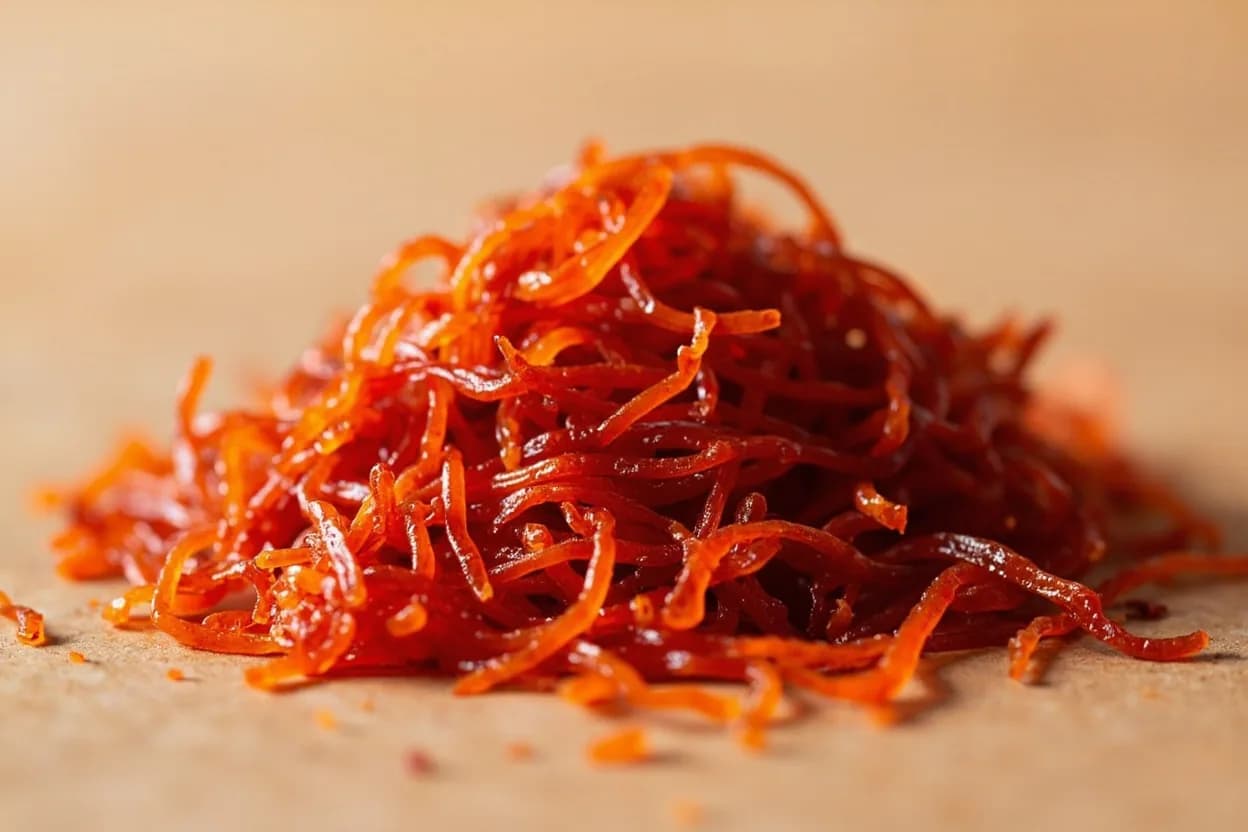
Gochujang is a Korean fermented condiment paste made from gochugaru (Korean red chili powder), glutinous rice, fermented soybean powder (meju), barley malt, and salt. Fermented for months in earthenware jars or (commercially) in controlled environments, the rice's starches convert to sugars via enzymatic and microbial activity, producing the paste's signature sweet-spicy-savory triad. Unlike most chili condiments which are primarily hot or primarily acidic, gochujang's sweetness and umami depth are as prominent as its heat — which is a gentle, building warmth rather than a sharp bite. The result is one of the most complex single condiments in world cuisine, capable of anchoring a dish alone or being blended into more nuanced sauces.
In photos
Flavour profile
Classic pairings
- Pork (belly, shoulder, or ground)Korean
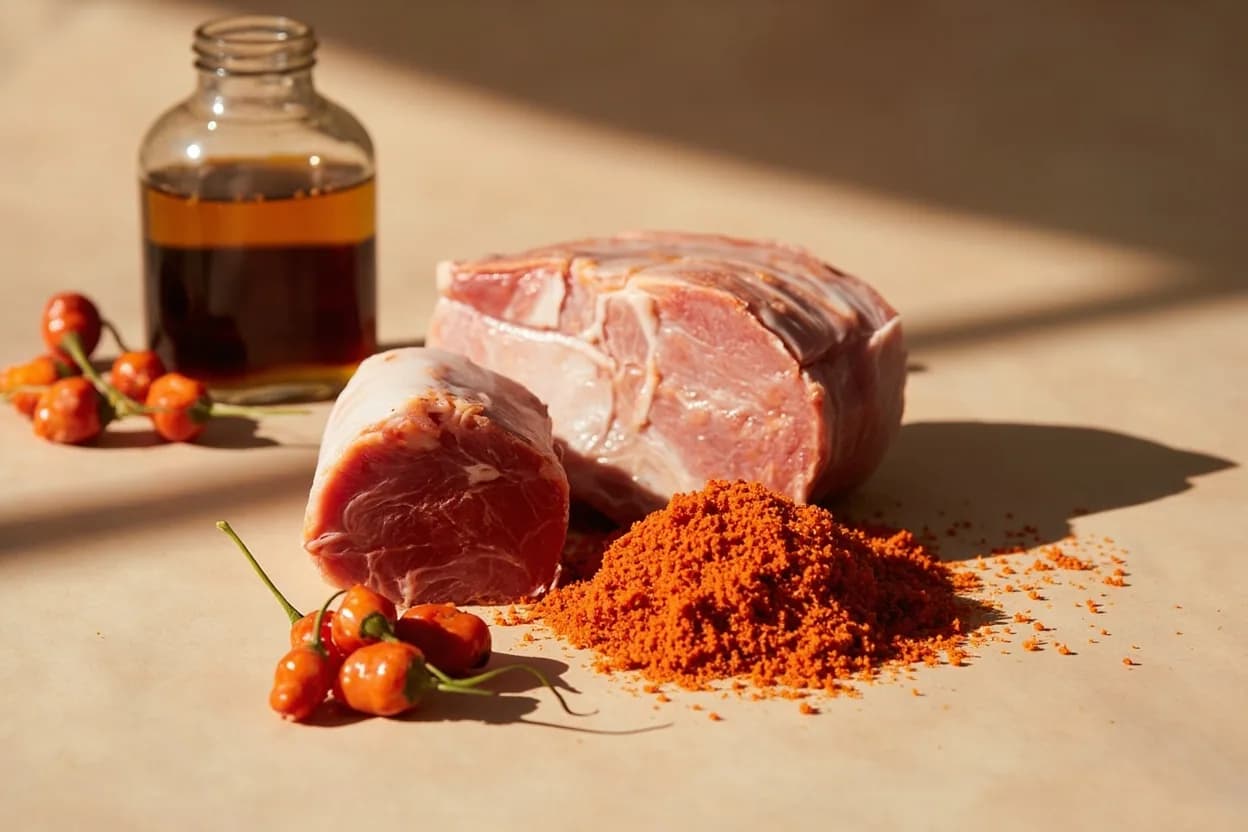
The canonical partner — pork's fat dissolves gochujang's heat while the paste's sweetness glazes and caramelizes perfectly; bibimbap pork, dakgalbi, and dwaeji bulgogi all depend on this pairing.
- Sesame oilKorean
The nutty richness of toasted sesame oil rounds gochujang's heat and fermented sharpness; together they form the aromatic backbone of countless Korean sauces and marinades.
- DoenjangKorean
Blended as ssamjang for Korean barbecue — gochujang contributes heat and sweetness while doenjang brings earthy funk; the combination is greater than either paste alone.
- GarlicKorean
Allicin compounds in garlic amplify gochujang's savory depth and cut through its sweetness; nearly every gochujang-based marinade includes minced raw garlic.
- Rice (steamed short-grain)Korean
Plain steamed rice absorbs and tames gochujang's intensity, providing the clean, starchy backdrop that makes the paste's complexity legible — the bibimbap relationship.
- CucumberKorean
The vegetable's watery crunch and mild sweetness cool gochujang's heat in salads (oi muchim), providing textural and thermal contrast.
- Soy sauce and gingerKorean
Gochujang, soy, ginger, garlic, and sesame oil form the marinade template for spicy Korean dishes — tteokbokki sauce, jeyuk bokkeum, and spicy chicken preparations all use variations of this base.
Adventurous pairings
- Dark maple syrup
Maple's caramel depth and bitterness match gochujang's sweetness while taming its heat; a gochujang-maple glaze on salmon or duck is a celebrated American-Korean fusion result.
- Butter (European-style, high fat)
Fat carries and distributes capsaicin and the paste's aromatic compounds; gochujang butter on corn, steak, or shellfish has become a restaurant staple worldwide.
- Cream cheese
The dairy fat and mild tang of cream cheese neutralizes gochujang's heat while the sweetness and umami shine; used in modern Korean-American bagel spreads and dips.
- Honey
Honey amplifies gochujang's inherent sweetness and adds floral complexity; the gochujang-honey glaze on fried chicken (yangnyeom chicken) is one of Korea's most influential exports.
- Miso (white)
Combining Japanese sweetness and Korean heat produces a nuanced, layered paste that travels between Asian cuisines effortlessly — ideal for ramen glazes and roasted vegetable dips.
Sesame paste shares gochujang's nuttiness and fermented depth; together they make a striking sauce for noodles or grain bowls that bridges Korean and Middle Eastern flavors.
Tread carefully
- Very delicate herbs (fresh tarragon, chervil, chives)avoid
Gochujang's assertive sweetness and heat immediately cancel these aromatics' subtle anise and onion notes — use as a garnish after the gochujang element, never cooked together.
- High-acid white wine saucesavoid
Tartaric and malic acidity fight with gochujang's fermented lactic tang, producing an unpleasant sharp-sweet clash.
- Very light fish stocks and fumetsavoid
Gochujang's intensity overwhelms the delicate iodine notes of classic French fish sauces; use a small amount of sambal oelek or fresh chili instead for heat without covering the seafood.
How to use it
- Fry briefly in a dry pan or with a small amount of oil before adding liquids — toasting deepens color and mellows raw fermented sharpness
- Thin with soy sauce, sesame oil, and a sweetener (sugar, honey, or mirin) to make a general-purpose dipping or stir-fry sauce
- Use as a marinade base (gochujang + soy + garlic + ginger + sesame oil) for meat or poultry; marinate 2–12 hours
- Blend with butter and a touch of vinegar for a compound butter for grilled proteins and corn
- Stir into soups and stews at the start of cooking for heat and body, or at the finish for brightness
- Add to mayo, aioli, or ranch dressing in small amounts as a versatile flavored condiment
Appears in
Related flavours
Paired together in ssamjang; complementary — gochujang provides heat and sweetness, doenjang provides earth and funk
- Gochugaru (Korean red pepper flakes)
The raw chili ingredient within gochujang; used when heat without sweetness or fermented depth is needed
- Sesame Oil
Nearly always present together in Korean sauces; sesame oil tames and carries gochujang's aromatics
References
- 1.My Korea — Hooni Kim
- 2.Korean: Simple Recipes for Delicious Food — Judy Joo
- 3.The Kimchi Chronicles — Marja Vongerichten
- 4.The Korean Table — Taekyung Chung & Yoon Hee Kim
- 5.Korea: The Cookbook — Judy Joo
Confidence: high
Notes
Grade system and heat
Korean gochujang is graded on a scale of 1–5 (순한맛 mild to 매운맛 extra spicy). Commercial products labeling 'hot' or 'spicy' typically land at level 3. Home fermented versions from Gochang county (GI-protected) vary in heat depending on the gochugaru used but are generally complex and not extreme. For cooking applications, start with grade 2–3; for condiment-forward applications (aioli, butter), grade 1–2 preserves more nuance.
Global spread
Gochujang has been the most internationally adopted Korean condiment of the 21st century, appearing on the menus of Michelin-starred restaurants worldwide and in mass-market products across the US, UK, and Australia. Its unique sweet-heat-umami profile fills a gap that no Western condiment occupies, and it functions as a bridge ingredient for chefs approaching Korean cuisine for the first time.