Nuts & Seeds
Feuilletine
Also: pailleté feuilletine, crêpe feuilletine, gavottes, wafer flakes
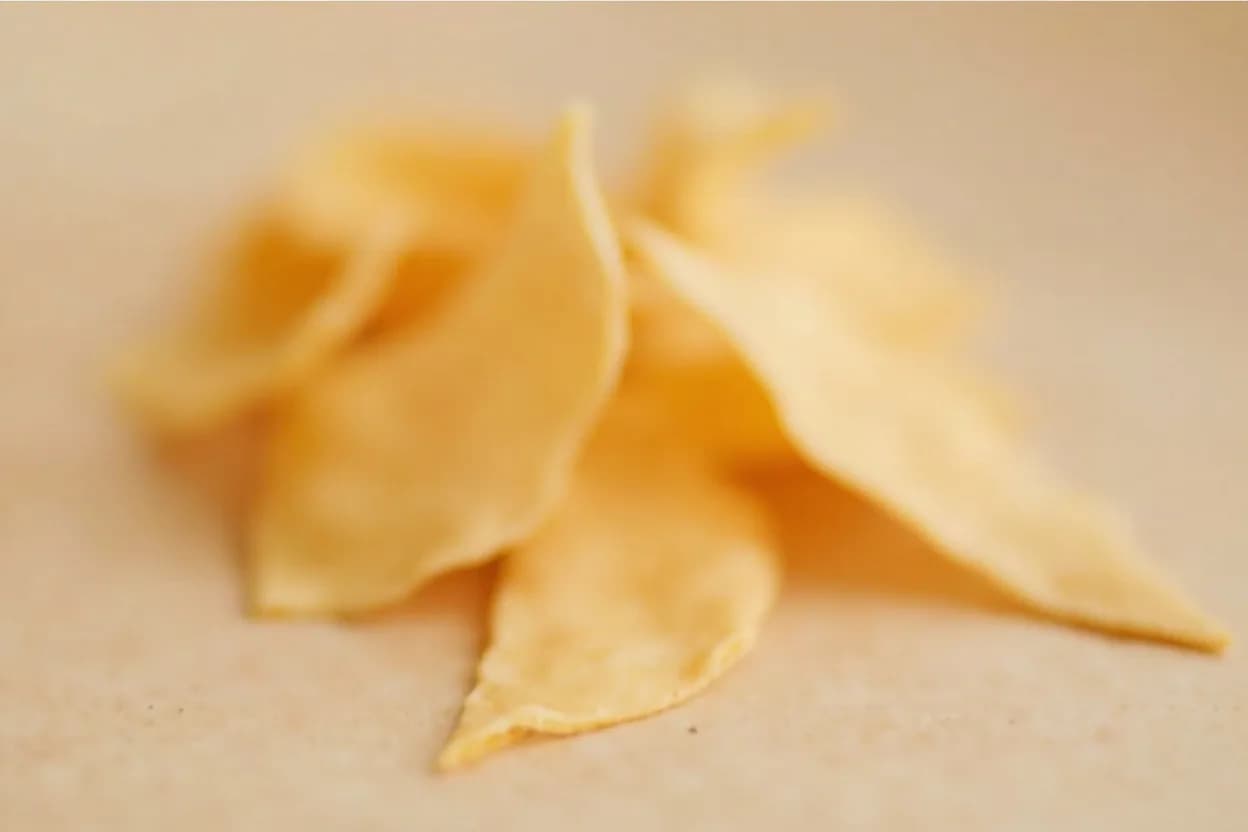
Paper-thin caramelized crêpe wafer that shatters into golden flakes — the pastry chef's secret weapon for crunch that won't go soggy.
Feuilletine (pailleté feuilletine) is a confectionery ingredient made from very thin, lacy crêpe batter that is baked until it caramelizes and crisps, then broken into irregular flakes. Commercially produced by brands like Valrhona and Barry Callebaut under the name 'pailleté feuilletine,' it has a flavor profile of light toffee, caramel, and neutral grain with almost no moisture. Its primary function is textural: mixed into chocolate ganache, praline paste, or nut butters, it adds a delicate, shattering crunch to otherwise soft layers in entremet cakes, chocolate bonbons, and molded confections. Unlike puffed rice or nuts, feuilletine's flakes are thin enough to stay hidden within a layer while retaining crunch for days when properly sealed with fat.
In photos
Flavour profile
Classic pairings
- Praline pasteFrench patisserie
The canonical combination: praline paste binds feuilletine flakes into a croustillant layer that provides textural contrast in entremet cakes without adding moisture.
- Dark chocolate ganacheChocolate confectionery
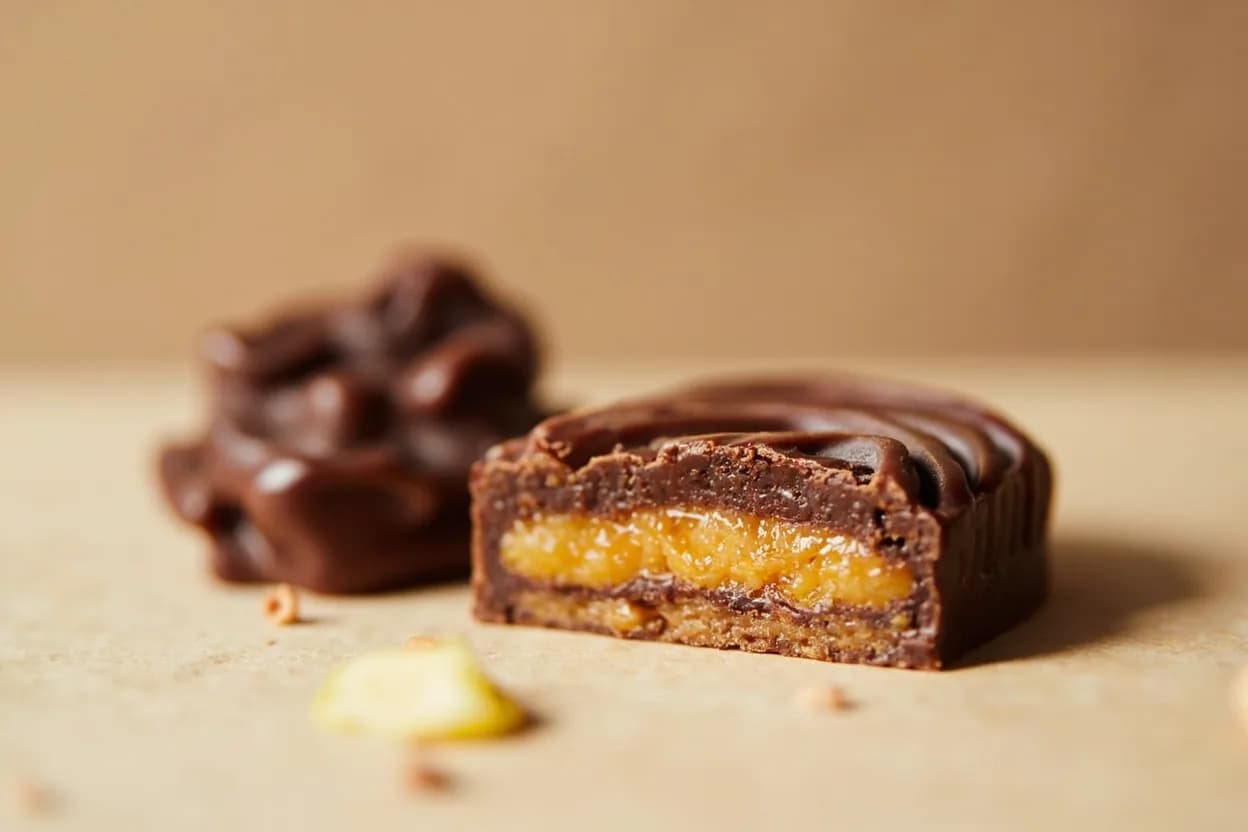
Stirred into ganache before setting, feuilletine adds snap to an otherwise entirely smooth filling — used in bars and bonbons worldwide.
- Gianduja (hazelnut chocolate)Belgian/Italian confectionery
Feuilletine folded into gianduja creates a layered crunch reminiscent of a Ferrero Rocher — sweet, nutty, crisp all at once.
- White chocolateContemporary patisserie
White chocolate's sweetness and cocoa butter fat act as a perfect moisture barrier, keeping feuilletine crisp; used in white chocolate croustillant bases.
- Peanut butterContemporary confectionery
The fat and mild sweetness of peanut butter bind feuilletine while providing a counterpoint flavor; classic in American-influenced chocolate bars.
Adventurous pairings
Tahini's savory, sesame-oil richness replaces praline paste as a binder; the result is a less sweet, more complex croustillant layer.
Umami-forward miso caramel sets feuilletine into a layer that tastes toasted and savory-sweet — an effective base in umami-forward entremet.
- Matcha white chocolate
Matcha's grassy bitterness and tannin contrast with feuilletine's sweet grain; the combination adds color drama and flavor complexity.
Tread carefully
- Water-based sauces or fruit purées (direct contact)avoid
Any moisture will immediately dissolve feuilletine's crystalline crunch; always seal it in fat (chocolate, praline, nut butter) before it contacts wet layers.
- Freezing without fat encapsulationavoid
Freeze-thaw cycles introduce moisture condensation that softens feuilletine; it must be embedded in a fat-rich matrix to survive frozen storage.
How to use it
- Mix into melted praline paste or chocolate at room temperature and spread thin — minimum 5mm — for a croustillant layer
- Set the feuilletine layer in a frame before adding mousse above; always pour the mousse cool to avoid heat-softening the layer
- For bonbons, fold feuilletine into tempered chocolate or ganache just before molding
- Crush into coarser fragments for a visible textural garnish on plated desserts
- Use as a tart base substitute for pastry: press a thick praline-feuilletine mixture into a ring mold and refrigerate to set
- Fold into ice cream base just before freezing for a crunch element (fat coating is essential to prevent freezer sogginess)
Appears in
Related flavours
The most common binder for feuilletine; their combination is a cornerstone of modern French entremet construction
- Puffed Rice (crispy rice cereal)
Coarser, less delicate substitute for feuilletine; more moisture-sensitive and adds chunkier texture
- Gavottes (crêpe dentelle)
The retail form of the same product; Gavottes biscuits from Brittany are feuilletine before being ground — can be crushed as a direct substitute
References
- 1.Chocolates and Confections — Peter Greweling
- 2.The Professional Pastry Chef — Bo Friberg
- 3.Valrhona Pastry School Technical Documentation
Confidence: high
Notes
DIY vs. commercial
Commercial pailleté feuilletine (Valrhona, Barry Callebaut) is consistent in flake size and moisture content. Home cooks can approximate it by making a thin tuile or crêpe dentelle batter, baking until caramelized, and crushing — but thickness variation makes moisture resistance less predictable.
Primary role: texture, not flavor
Unlike most ingredients in this encyclopedia, feuilletine's culinary value is almost entirely textural. It contributes minimal flavor — a neutral toffee background — but its function as a long-shelf-life crunch element embedded in fat-based layers is nearly irreplaceable in modern patisserie. Choose your binder (praline, gianduja, peanut butter, tahini) to determine the flavor; feuilletine delivers the snap.