Nuts & Seeds
Praline
Also: pralin, caramelized nut paste, praline paste, praliné
Shatteringly brittle caramelized nuts ground to a silky, complex paste — the backbone of serious chocolate patisserie.
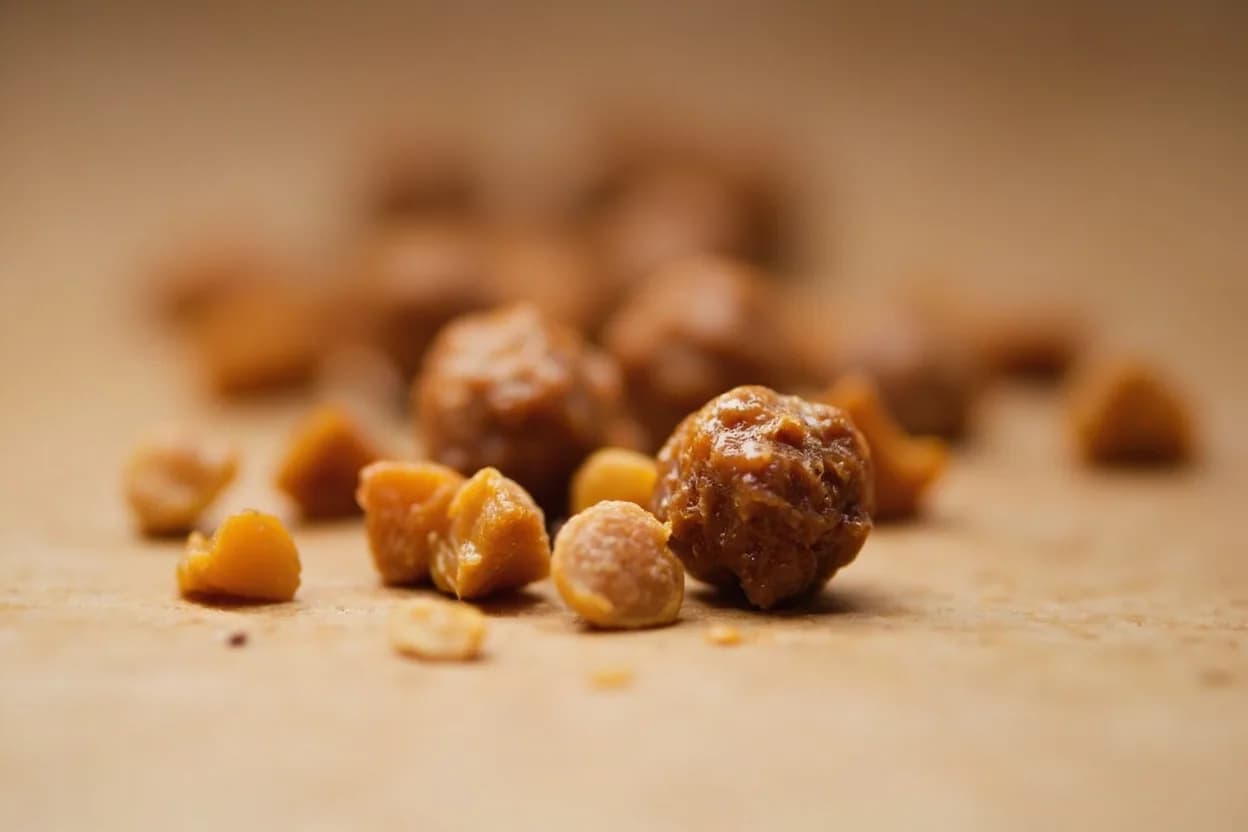
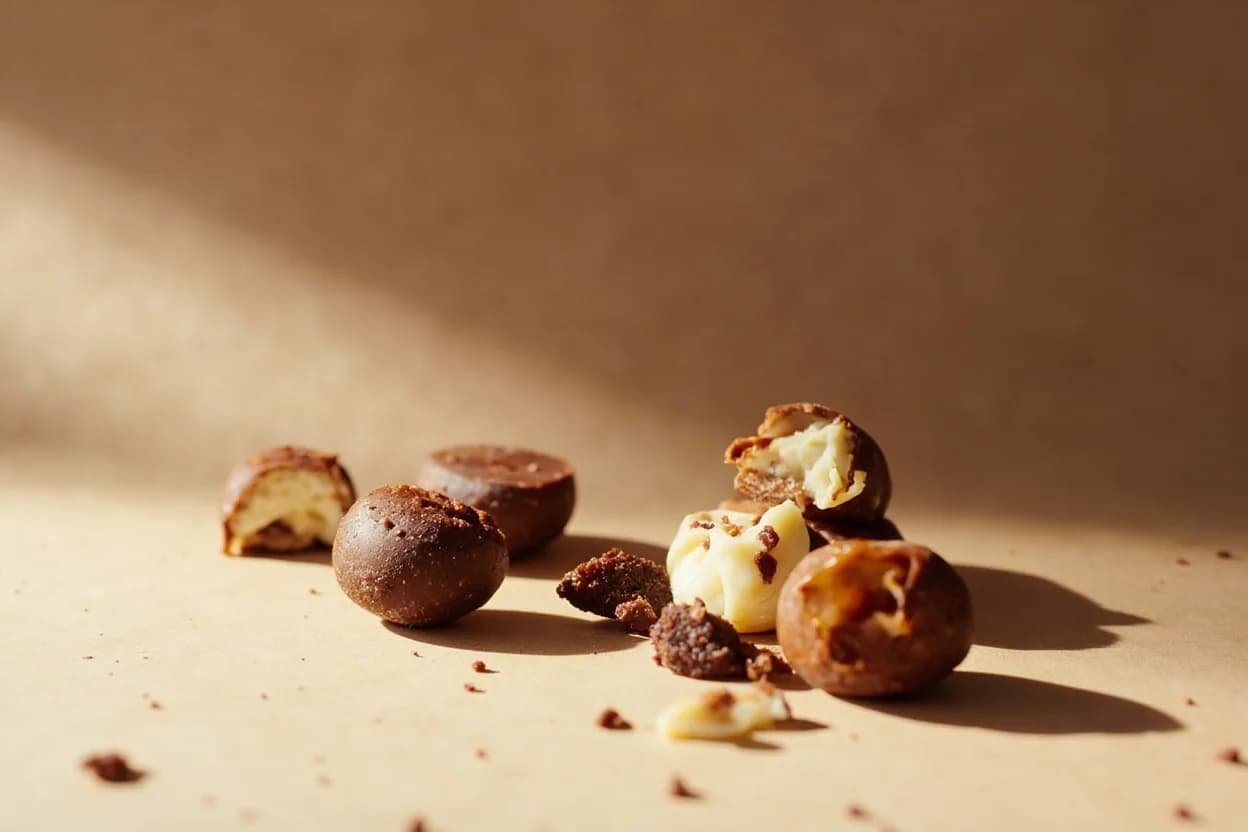
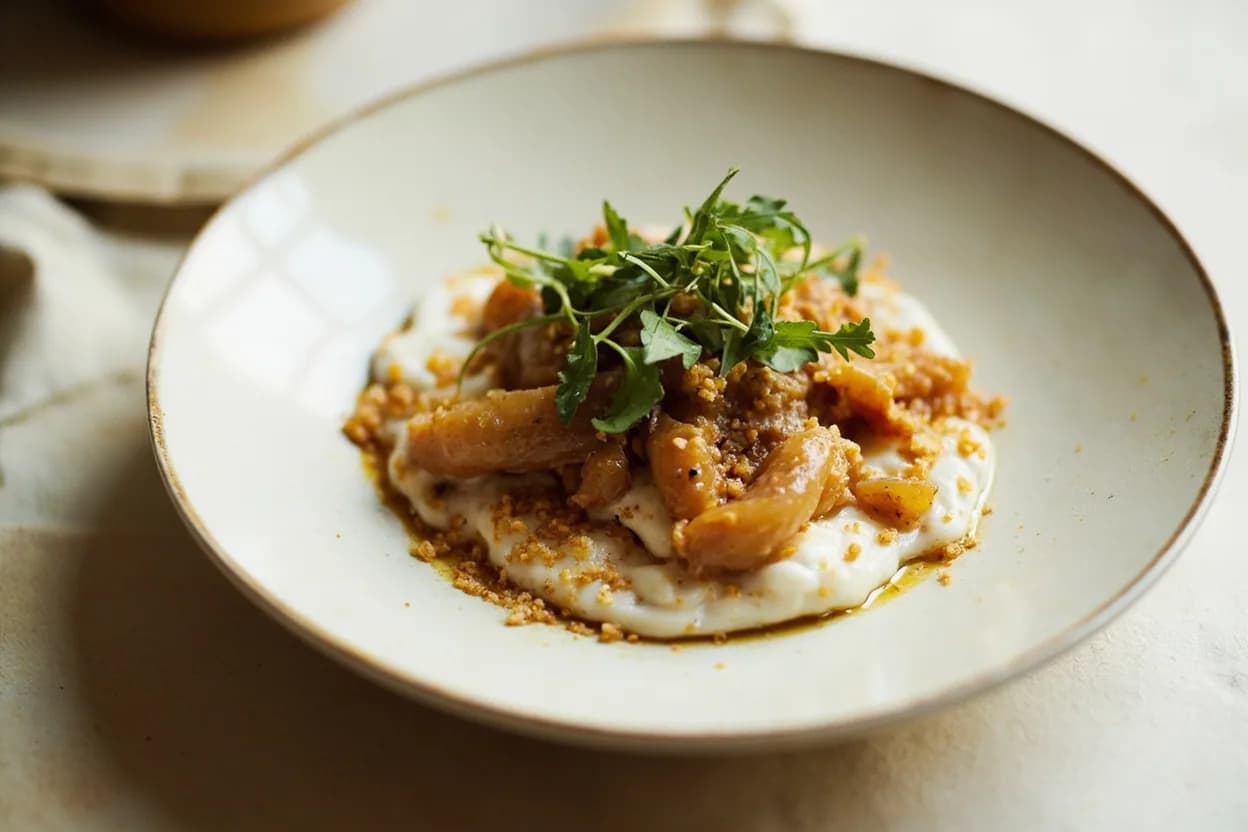
Praline is made by cooking nuts (classically hazelnuts or almonds, or a blend) in hot sugar until the caramel coats and hardens around them, then grinding the brittle to a smooth paste. The result straddles the line between confection and ingredient: as a brittle it offers pure crunch and toffee sweetness; as a paste (praliné) it becomes a fat-rich, deeply caramelized spread used as a filling, flavoring, or structural element in chocolate confectionery, ice cream, and mousse. The Maillard and caramelization reactions during cooking create hundreds of aromatic compounds — furans, pyrazines, aldehydes — responsible for praline's layered, complex depth.
In photos
Flavour profile
Classic pairings
- Dark chocolate (70%+)French/Belgian confectionery
Praline paste and chocolate are the bedrock of countless bonbons, truffles, and bars; caramel sweetness softens chocolate bitterness while bitterness defines the sweetness.
- Milk chocolateItalian (Piedmontese)
The classic gianduja combination (hazelnut praline + milk chocolate) achieves a round, rich sweetness without sharpness — the Piedmontese standard.
- Cream (chantilly or pastry cream)French patisserie
Folding praline paste into cream adds caramelized depth and nut fat; the basis of Paris-Brest filling.
- Vanilla ice creamClassic dessert
Crushed praline brittle on vanilla ice cream provides textural contrast and caramel heat against cold, clean cream.
- Butter (beurre noisette)French patisserie
Brown butter's own caramelized milk solids harmonize directly with praline; together in a tart or financier the caramel dimension is doubled.
- CoffeeEuropean patisserie
Espresso's roasted bitterness is the natural counterpoint to praline's sweetness; used in mocha entremet and praline-coffee bonbons.
- FeuilletineFrench patisserie
Crushed wafer crêpe layers folded into praline paste give it crunch without additional sweetness — the classic croustillant layer in entremet.
Adventurous pairings
- Miso (white)
Miso's saline umami cuts the sweetness and adds fermented depth; praline-miso tart fillings have become a contemporary pastry fixture.
- Cardamom
The spice's eucalyptol-citrus fragrance elevates praline beyond pure sweetness, adding an aromatic lift that prevents fatigue.
- Sea salt (fleur de sel)
Salt suppresses bitterness and amplifies the perception of sweetness and nut flavor — the praline-salt bonbon is now a benchmark of modern confectionery.
- Black pepper
A faint heat from piperine disrupts the sweetness in an interesting way; black pepper praline bark has legit pastry credentials.
Tread carefully
- Very acidic fruit curdsavoid
High-acid citrus curd can destabilize the fat emulsion of praline paste if mixed directly; layer separately with a moisture barrier.
- Delicate floral essences (violet, elderflower)avoid
Caramel intensity overwhelms subtle floral notes — these are best kept in separate pastry components rather than blended.
How to use it
- Cook sugar to deep amber caramel (175–180°C), pour over toasted nuts on a silpat, cool fully before breaking
- Grind cooled brittle in a food processor in stages; the nut oils will eventually create a smooth paste
- Fold praline paste into whipped cream or mousseline for entremet fillings
- Combine with melted chocolate and feuilletine for a croustillant base layer
- Reserve some coarse brittle as a garnish for textural contrast
- Use as a swirl in ice cream or semifreddo
Appears in
Related flavours
- Hazelnut
The most common praline base nut; its skin bitterness adds complexity to caramel sweetness
Praline is structurally a dry-caramel preparation; caramel sauces or salted caramel can echo and extend its flavor
Italian hazelnut-chocolate paste; the refined cousin of praline paste — interchangeable in many pastry contexts
References
- 1.The Professional Pastry Chef — Bo Friberg
- 2.Chocolates and Confections — Peter Greweling
- 3.The Flavor Bible — Karen Page & Andrew Dornenburg
Confidence: high
Notes
French vs. Belgian praline
In France, praline is the caramelized nut preparation described above. In Belgium, 'praline' refers to any chocolate bonbon with a filling — the word has a broader and different meaning. This entry covers the French patisserie sense: caramelized nuts, ground or intact.
Storage
Praline paste oxidizes at the nut oil surface and absorbs ambient moisture (making it grainy). Store in an airtight container at room temperature for up to two weeks or refrigerate for up to two months. Brittle should be kept in a sealed container away from humidity to maintain snap.