East Asia
Cantonese
Also: Yue cuisine, Guangdong cuisine, 粵菜 (Yuècài)
The cuisine that convinced the world Chinese food could be delicate — built on flawless ingredients, wok mastery, and the daily ritual of yum cha.
Cantonese cuisine (粵菜, Yuècài) is the cooking of Guangdong province in southern China, including the Pearl River Delta cities of Guangzhou, Foshan, and Shunde, as well as Hong Kong. It is defined by an almost puritanical respect for ingredient quality: the Cantonese maxim '不時不食' ('don't eat what's not in season') shapes every market visit. Flavoring is restrained — not bland, but precisely calibrated to enhance rather than obscure. Cantonese cooks are masters of heat control, wok hei (鑊氣, the 'breath of the wok'), and of steam, which they use to cook everything from fish to dumplings to silken egg custard. Dim sum yum cha culture, the global Chinese restaurant template, and the world's best roast meats are all Cantonese exports.
The flavour base
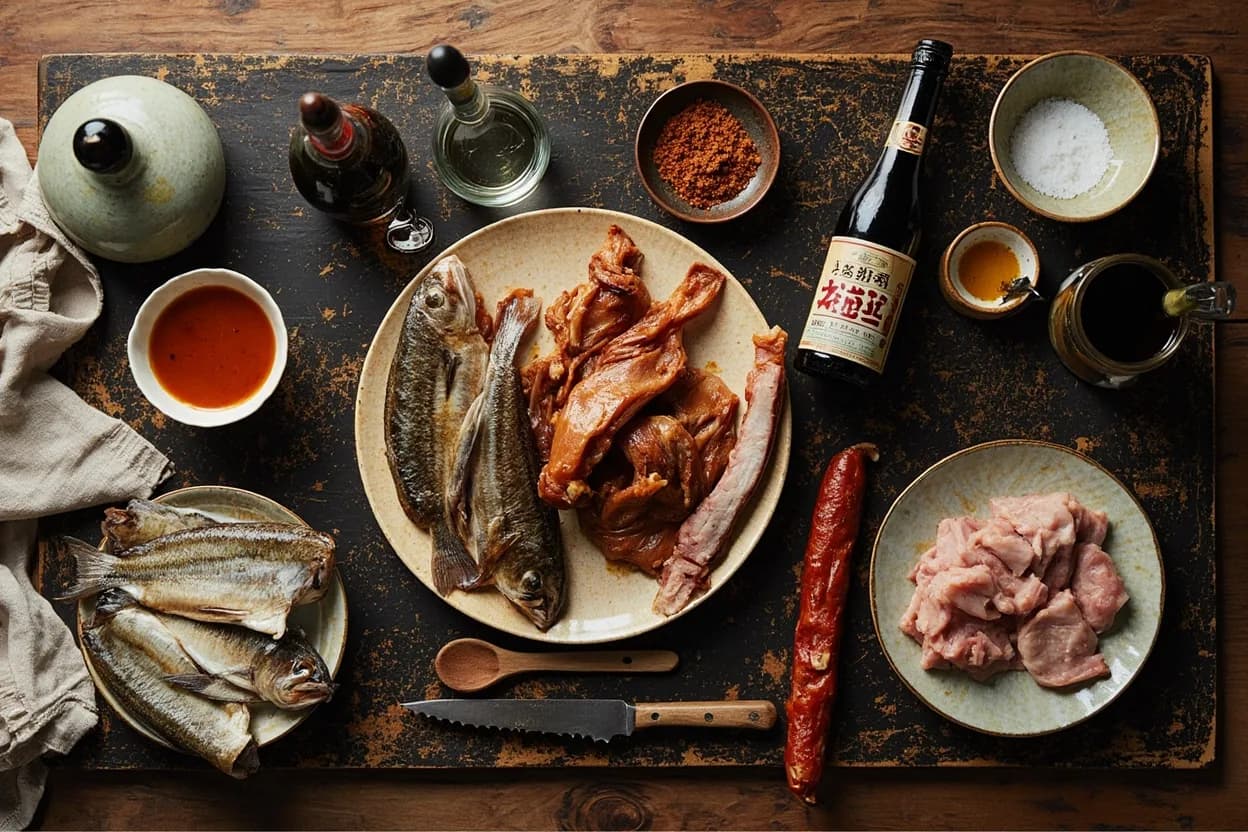
The Cantonese flavor base is constructed from oyster sauce, soy sauce (both light and dark), fermented black beans, and aromatics (ginger, garlic, scallion, Shaoxing wine). Freshness is supreme: stocks are made from whole chickens and pork bones; sauces are applied with restraint. Steaming over high heat with only ginger and scallion lets the fish's natural sweetness speak. Wok-based stir-fries build flavor through milliseconds of intense Maillard and wok-hei char.
Pantry staples
Key ingredients
Signature techniques
Signature dishes
Cantonese on the table
At the table
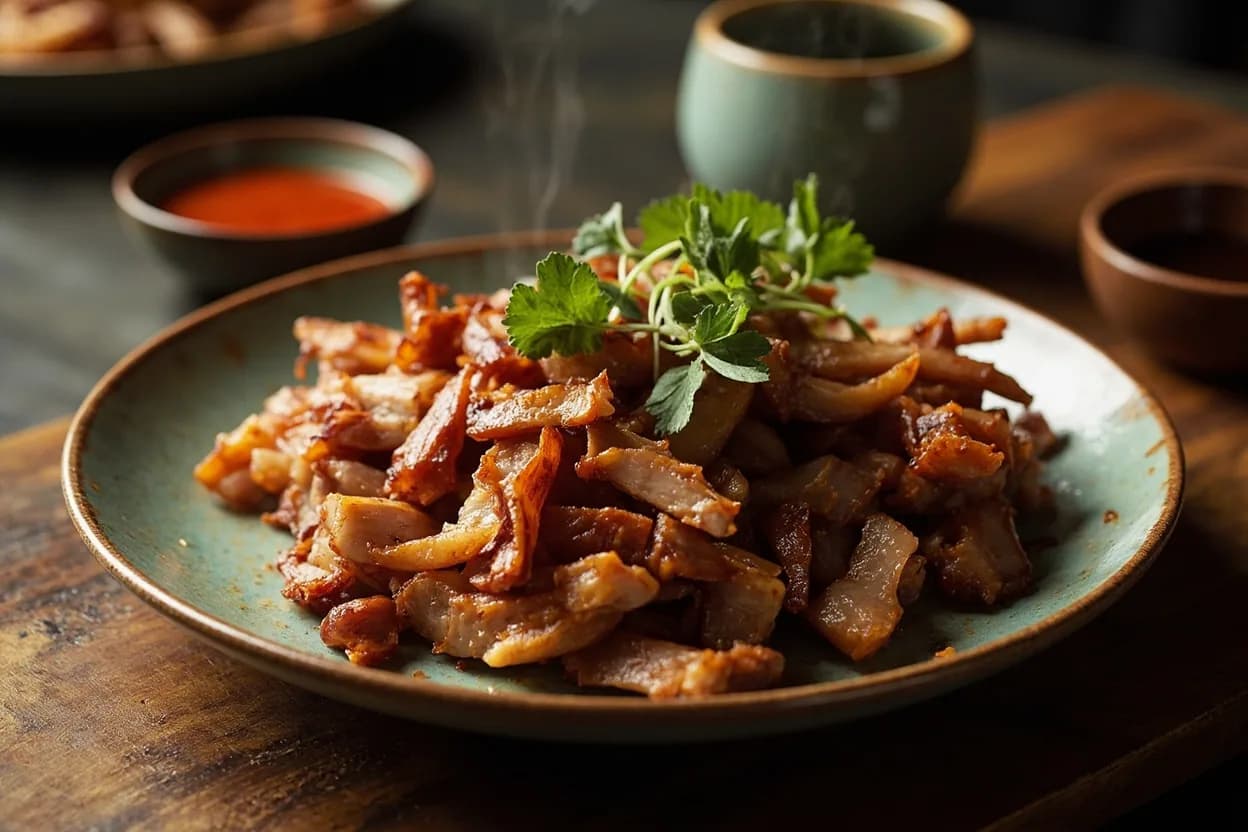
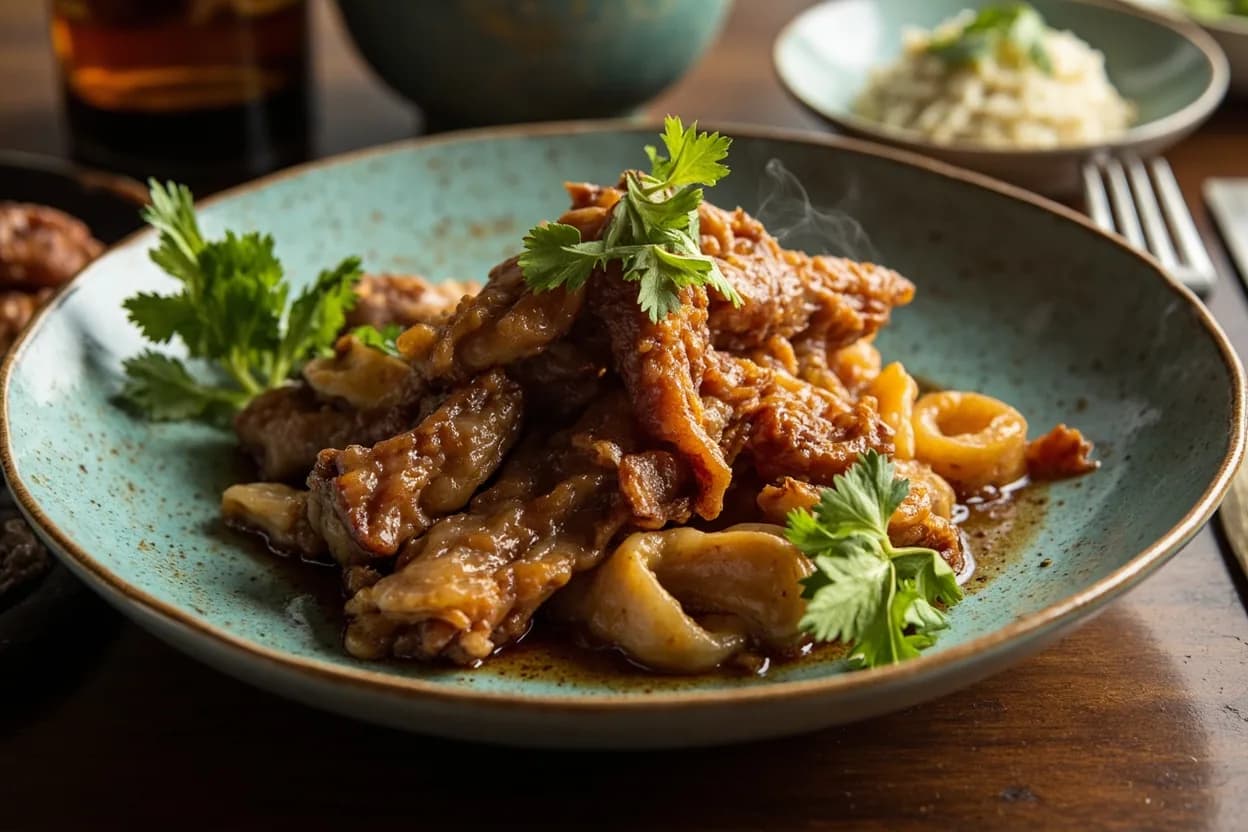
The Cantonese meal in domestic settings follows a communal family-style format: rice is the foundation; three to five dishes of varied cooking methods are placed at the table simultaneously (soup, stir-fry, steam, braise); no meal is complete without a clear soup. Yum cha (飲茶, 'drink tea') is a distinct dining form: morning or mid-day, tea accompanies a rotating carousel of small dim sum items. Celebratory banquets follow a 10-course template (cold platter, shark fin or soup, seafood, poultry, pork, vegetable, noodle, dessert).
History & context
Guangdong's cooking tradition dates at least to the Han Dynasty, shaped by its subtropical climate, coastal geography, and the Pearl River system's biodiversity. The province's historic openness to trade — Canton was China's primary foreign trade port for centuries — exposed Cantonese cooks to foreign ingredients and techniques that they absorbed selectively. Mass emigration from Guangdong in the 19th and early 20th centuries to North America, Southeast Asia, and Europe meant Cantonese cooking became the global face of Chinese cuisine. The establishment of Hong Kong as a British colony (1842–1997) created a particular refinement of the tradition: competition among Hong Kong's dense restaurant culture drove extraordinary standards of dim sum craft and live seafood cookery. Contemporary Cantonese cuisine is a living tradition actively debated between Guangzhou, Hong Kong, and the diaspora.
Regional variations
- Guangzhou
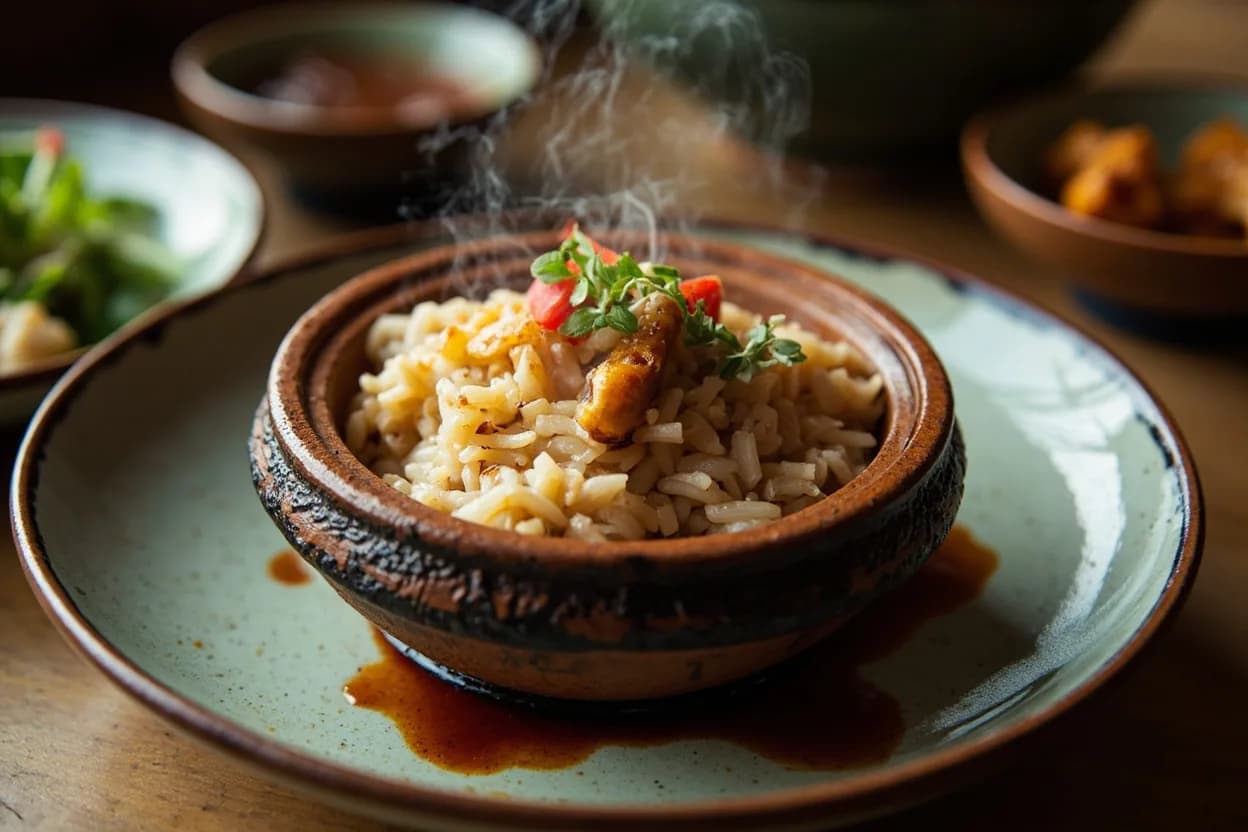
The origin point; known for its morning dim sum teahouses (茶樓), traditional casseroles (煲仔飯), and the concentration of whole-animal cooking including snake soup in autumn.
- Shunde
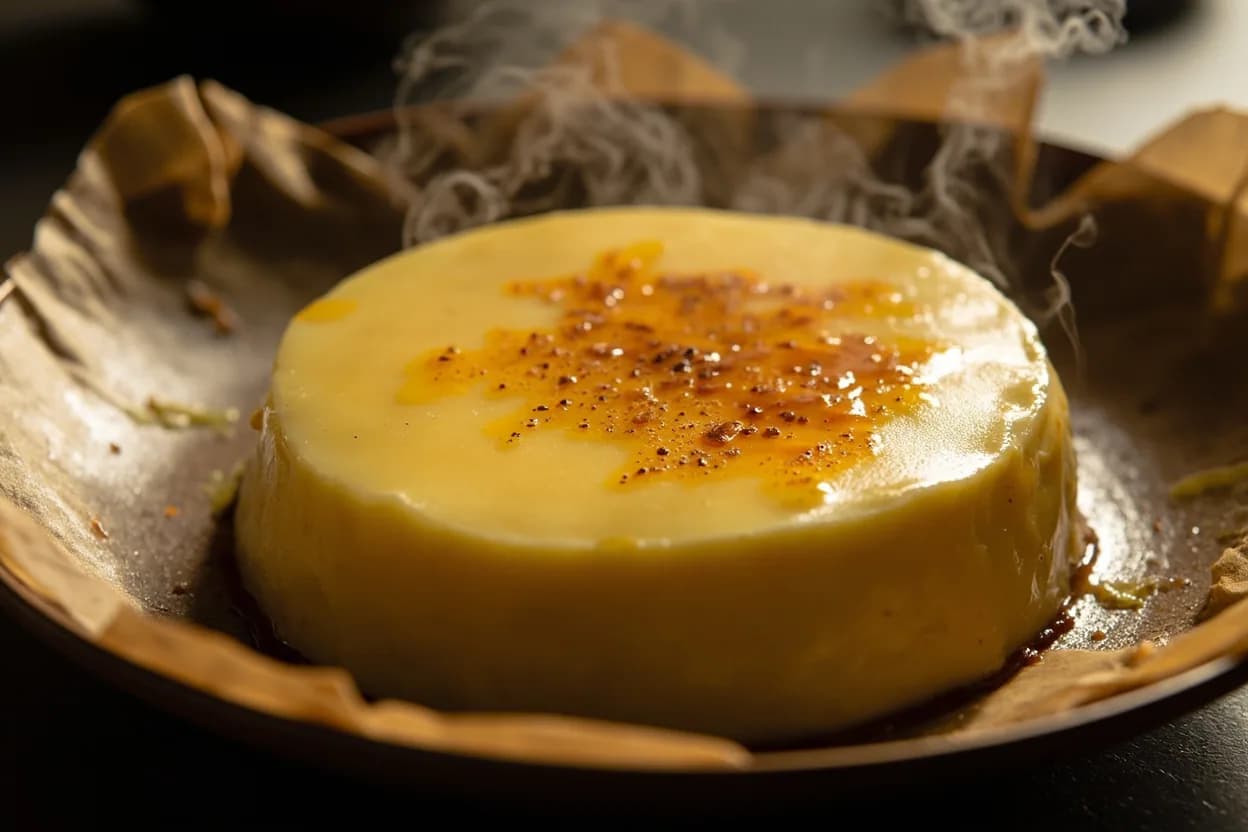
Considered by many Cantonese to be the cuisine's spiritual home; famous for raw fish rice (魚生), double-skin milk pudding (雙皮奶), and extraordinarily delicate beef preparations.
- Hong Kong
Raised the technical ceiling: competitive dim sum craft, live seafood dining at typhoon shelters, and the hybridised 'soy-sauce western' (豉油西餐) tradition where borscht, pork chop buns, and milk tea exist alongside roast goose.
- Overseas Cantonese (Chinatown)
Adaptations to local markets produced chop suey, egg foo young, and American-style General Tso's chicken — divergent branches that reflect immigrant pragmatism more than Cantonese culinary tradition.
Related cuisines
- Hong Kong Cuisine
A direct descendant that has developed its own identity, including cha chaan teng (茶餐廳) diner culture.
- Teochew (Chaozhou) Cuisine
A closely related southeastern Guangdong tradition, sharing ingredients but emphasising raw marinated crab, braised goose, and fish balls.
- Hakka Cuisine
A distinct tradition from Guangdong's Hakka communities: earthier, saltier, with preserved vegetable (梅菜) and tofu-stuffed dishes.
- Vietnamese Chinese (Người Hoa) Cuisine
Cantonese emigrants shaped the Chinese-Vietnamese cooking of Cholon in Saigon; Cantonese roast meats and char siu pervade Vietnamese-Chinese restaurants.
Canonical recipes
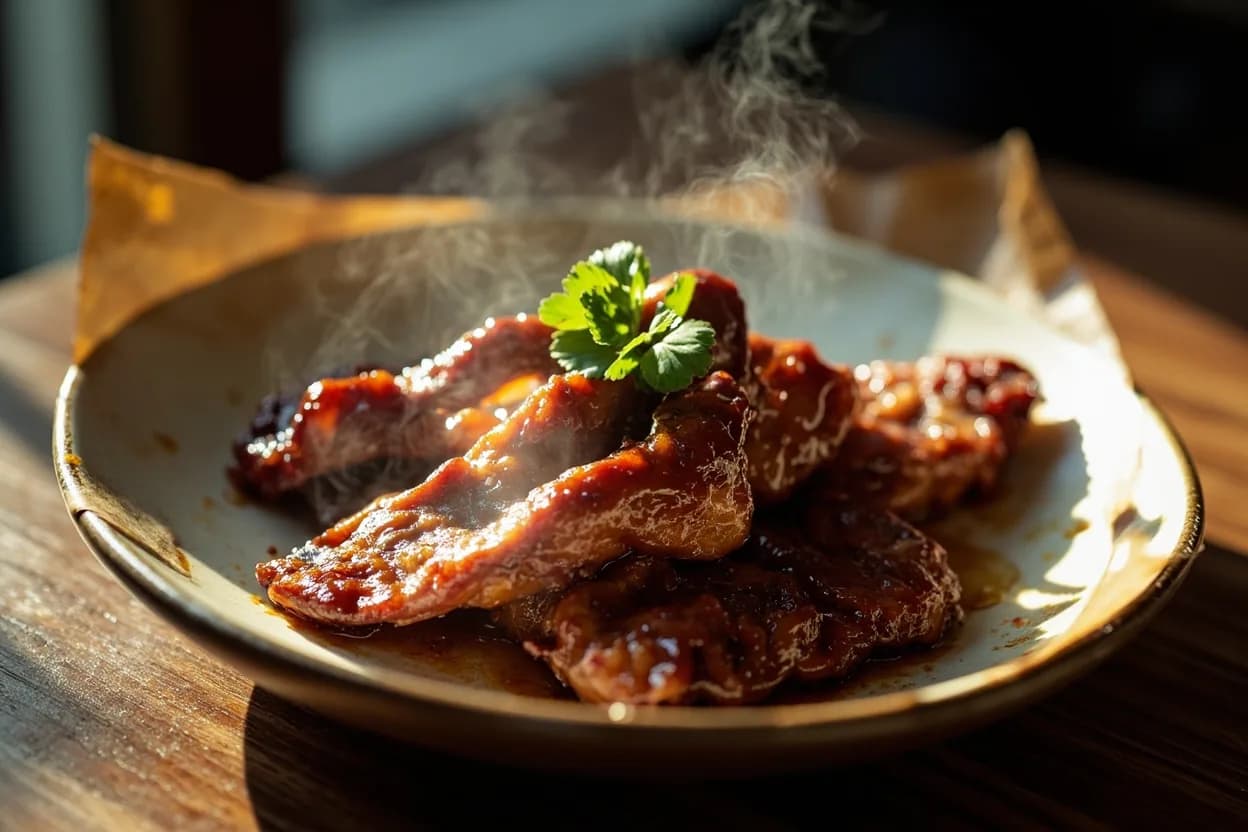
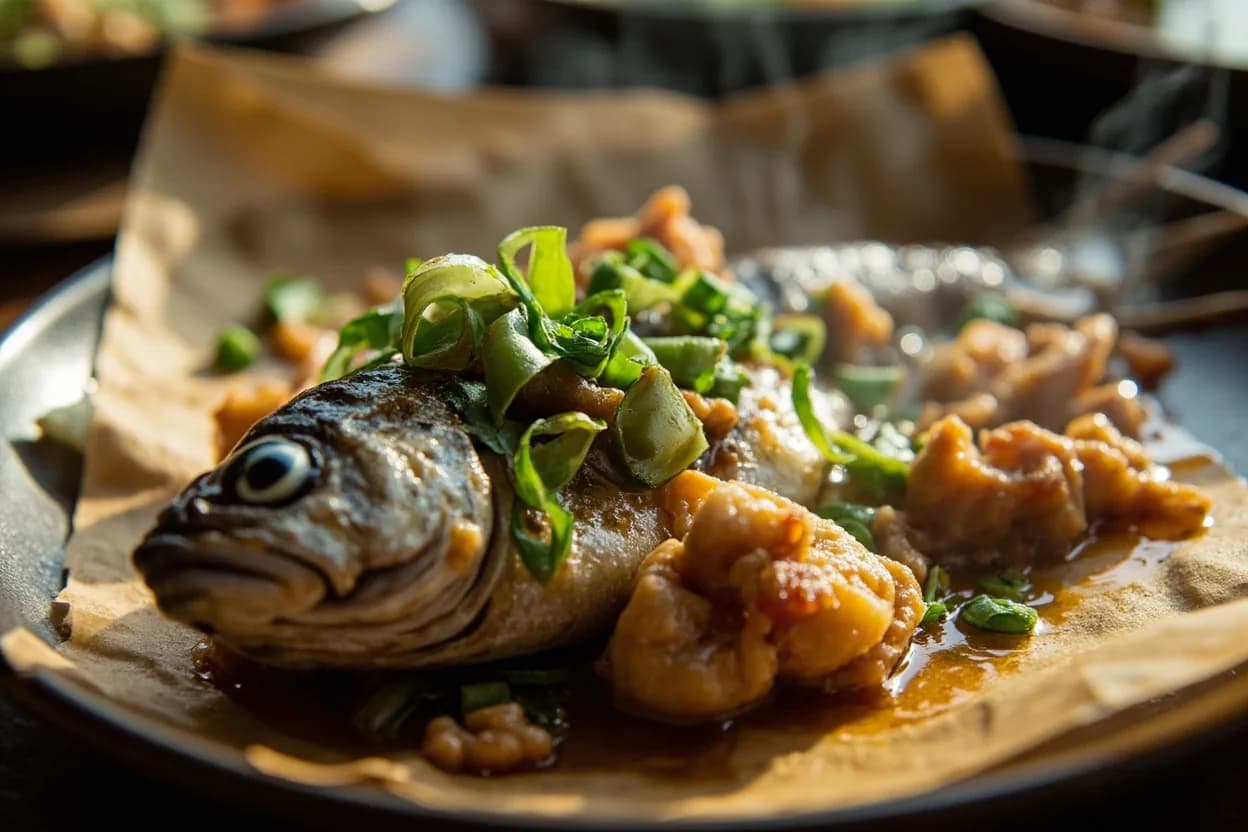
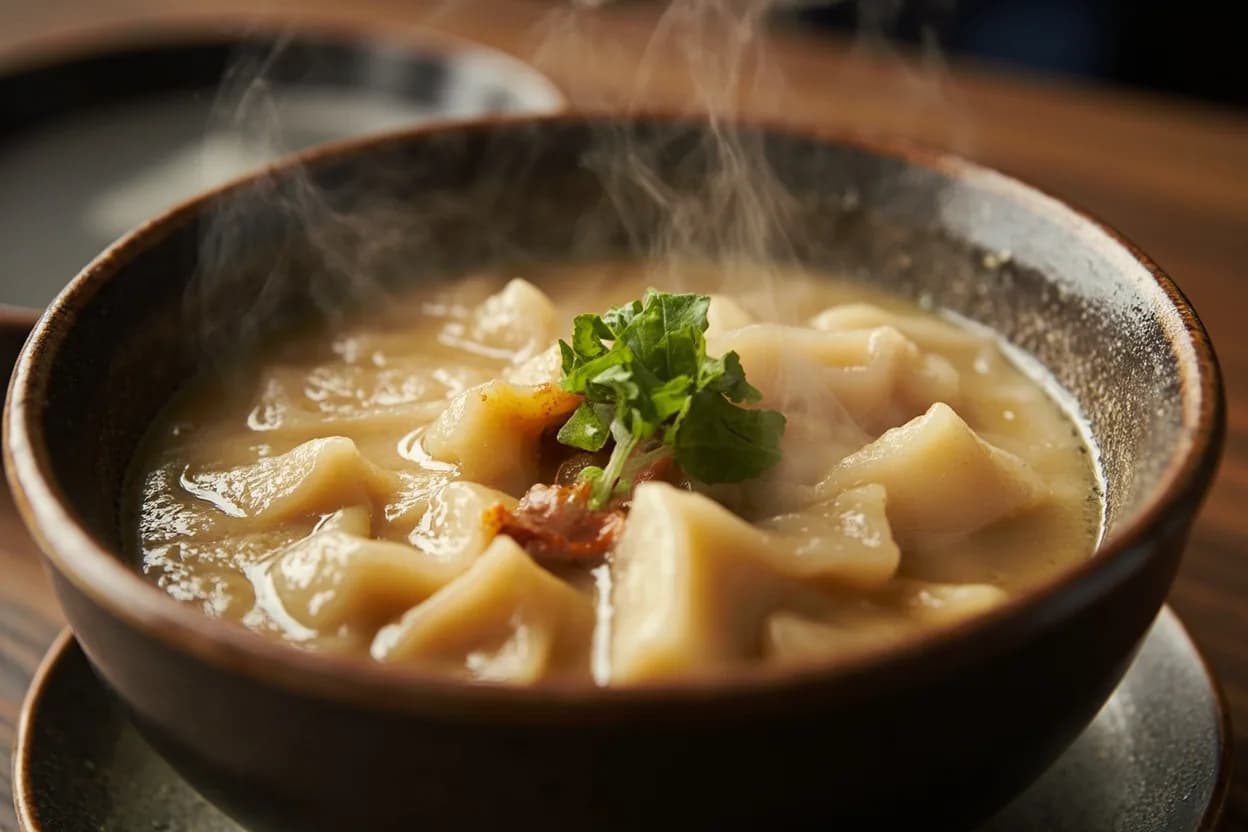
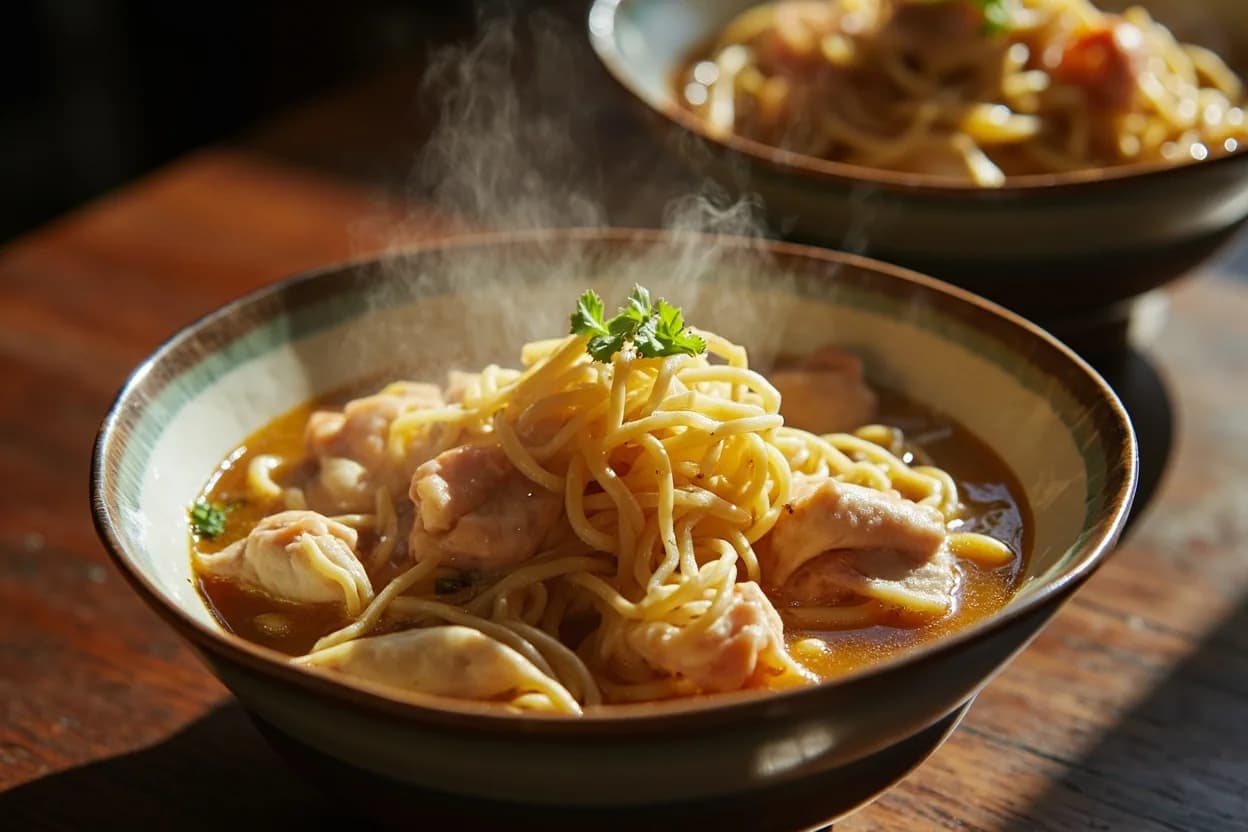
The dishes that define Cantonese, documented in the Canon.
References
- 1.The Food of China — E.N. Anderson
- 2.Land of Plenty: A Treasury of Authentic Sichuan Cooking — Fuchsia Dunlop (contextual comparison)
- 3.Hong Kong: A Culinary History — Paul Fonoroff
- 4.Chinese Gastronomy — Hsiang Ju Lin and Tsuifeng Lin
- 5.All Under Heaven: Recipes from the 35 Cuisines of China — Carolyn Phillips
Confidence: high
Notes
Wok Hei — The Elusive Breath
Wok hei is the caramelised, slightly smoky, intensely savoury flavour that only a seasoned carbon-steel wok over extremely high BTU flame can produce. Restaurant wok burners in Guangzhou and Hong Kong burn at 200,000 BTU or more; home cooks approximate it by getting the wok searingly dry before any oil. It is the single hardest element of Cantonese cooking to replicate outside a professional kitchen, and the quality marker most Cantonese diners use to evaluate stir-fry.
The Dim Sum Grammar
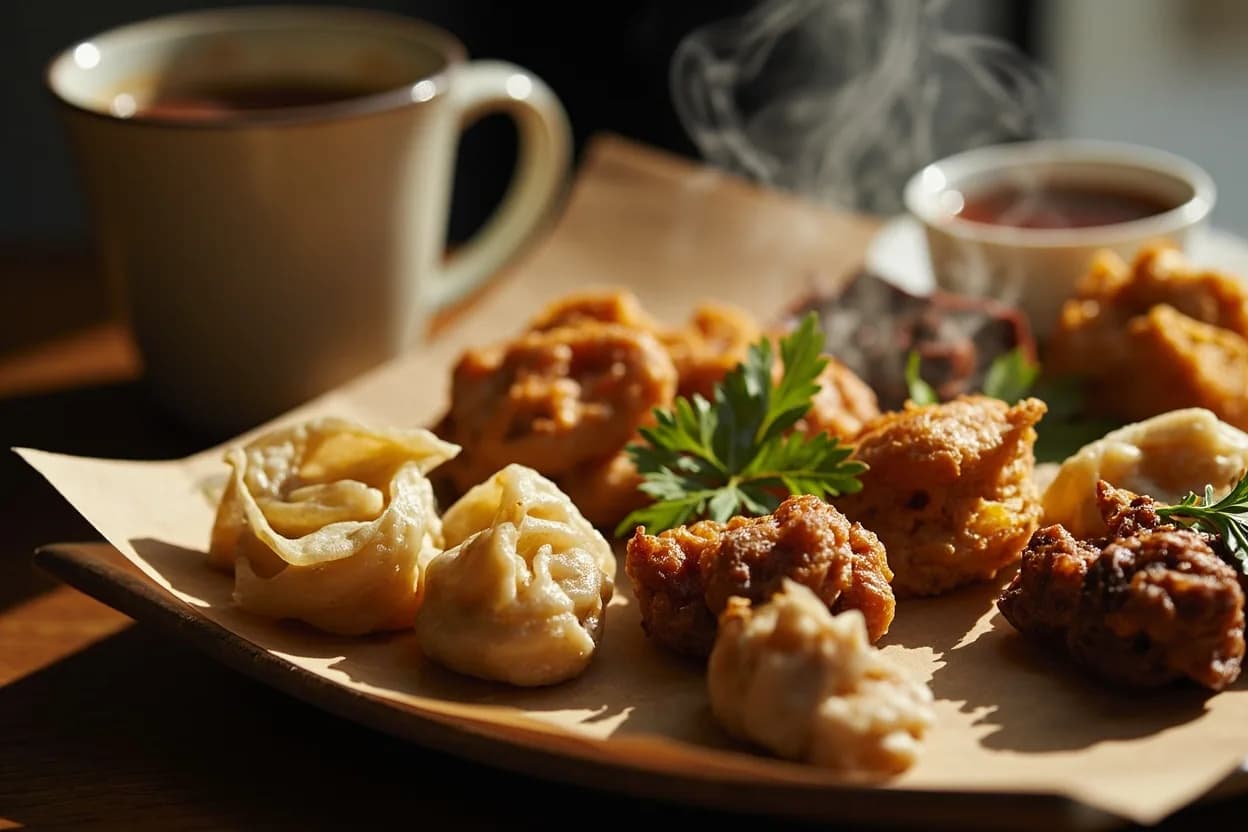
Dim sum (點心, 'touch the heart') at yum cha is not a meal in the Western sense of courses. It is a social practice — families and friends occupying a table for hours, ordering small items in continuous rounds as tea is replenished. The skill in eating yum cha well is calibrating the ordering pace: you want the last har gow arriving as the congee is finished. The categories — dumplings (餃), buns (包), cheung fun, tarts, turnip cake, egg custard — each have their own seasonal sub-genres.