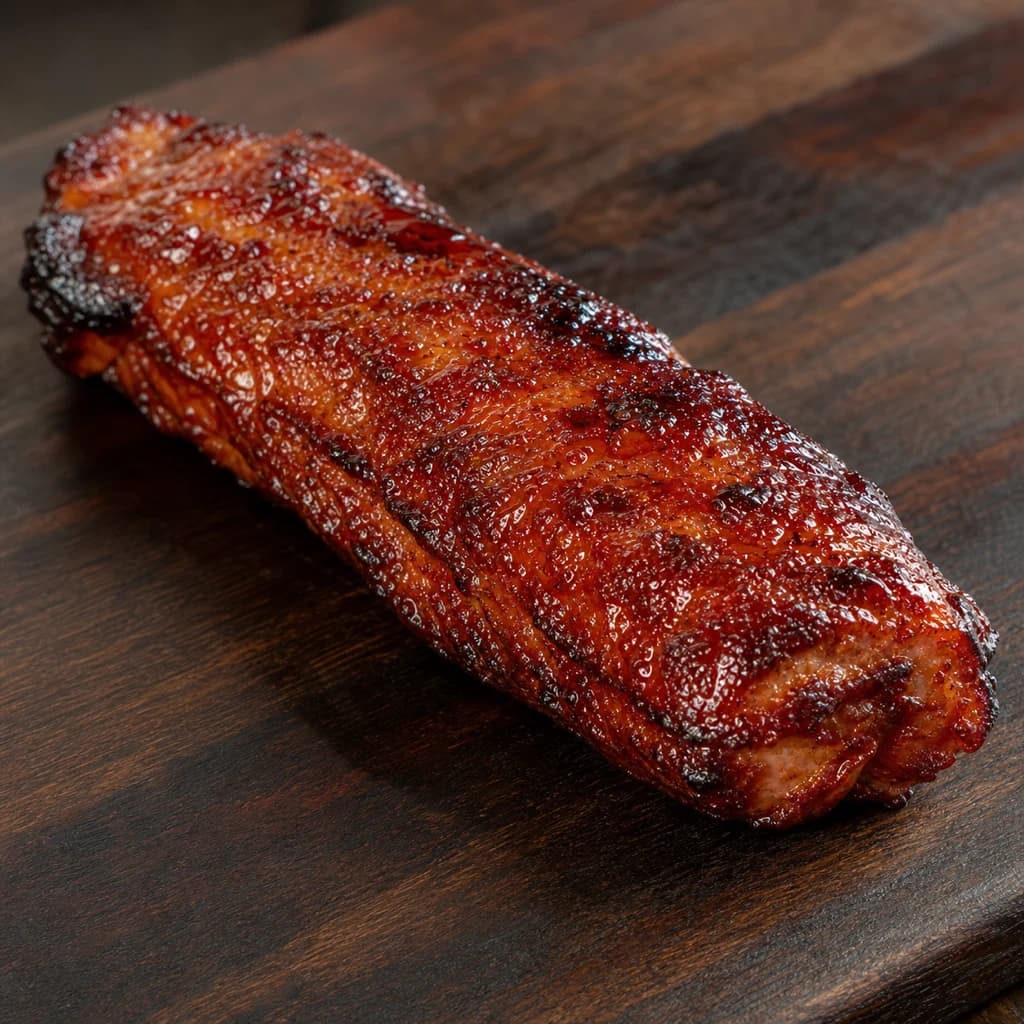
Natural form
A whole char siu pork loin fresh from the oven, showing its lacquered red glaze and caramelized edges.
Shows the complete roasted form, iconic reddish glaze, and sticky caramelized crust that define char siu before slicing.
Proteins
Char Siu Pork (叉燒)
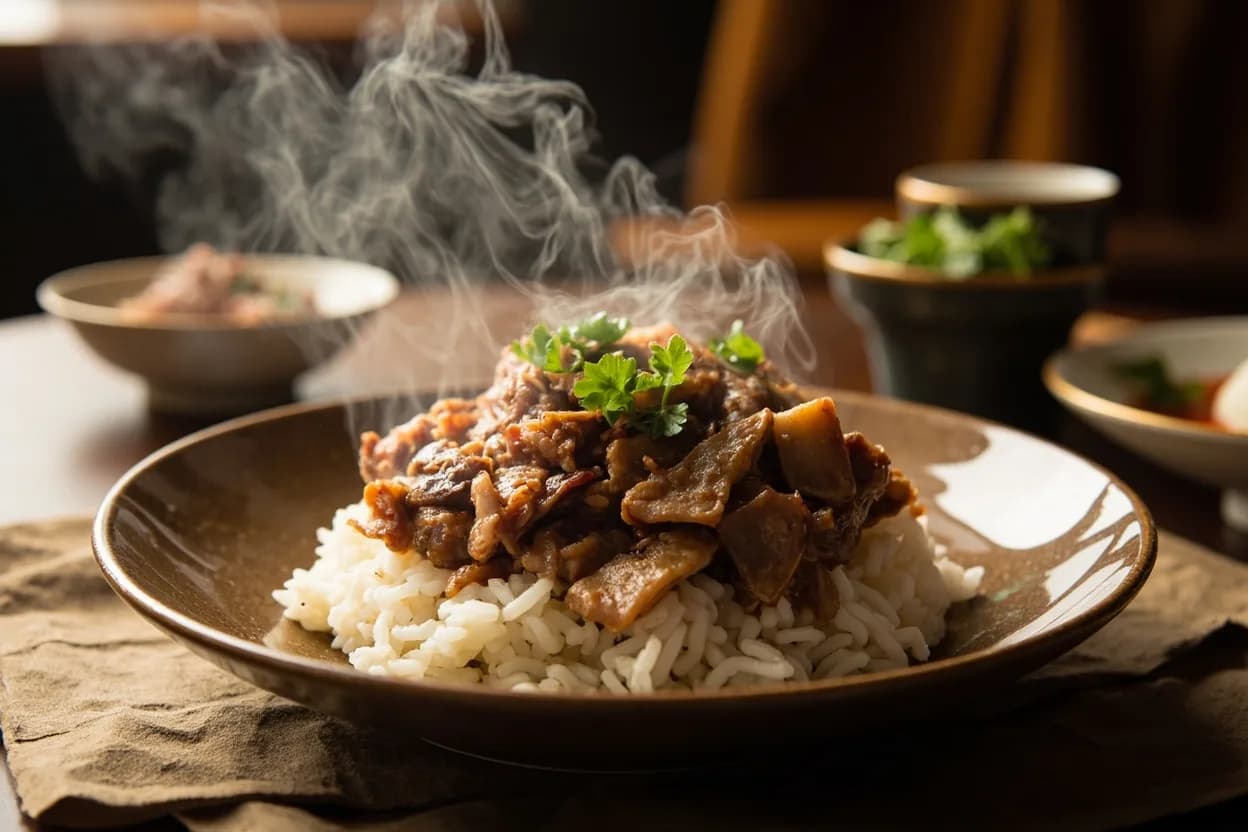
Cantonese sweet-savory roast pork with a lacquered red glaze, sliced for rice and buns.
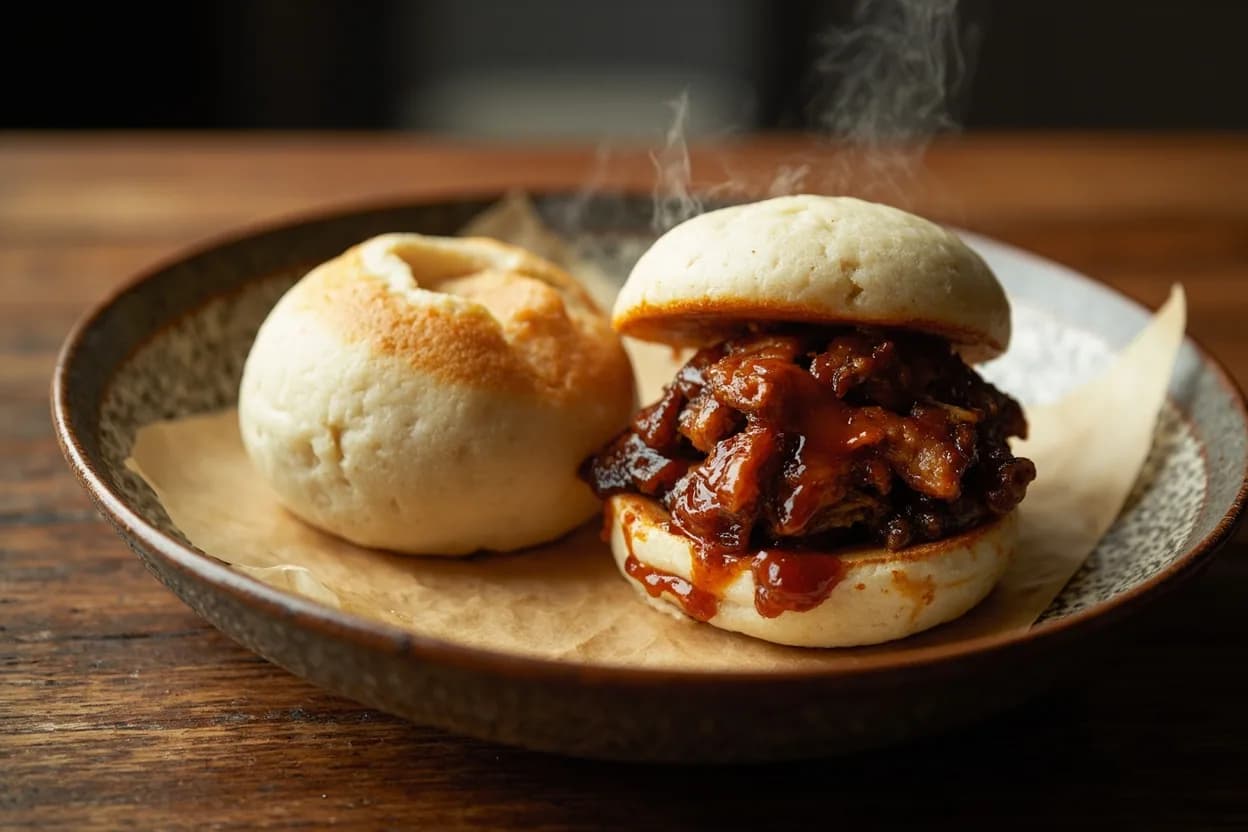
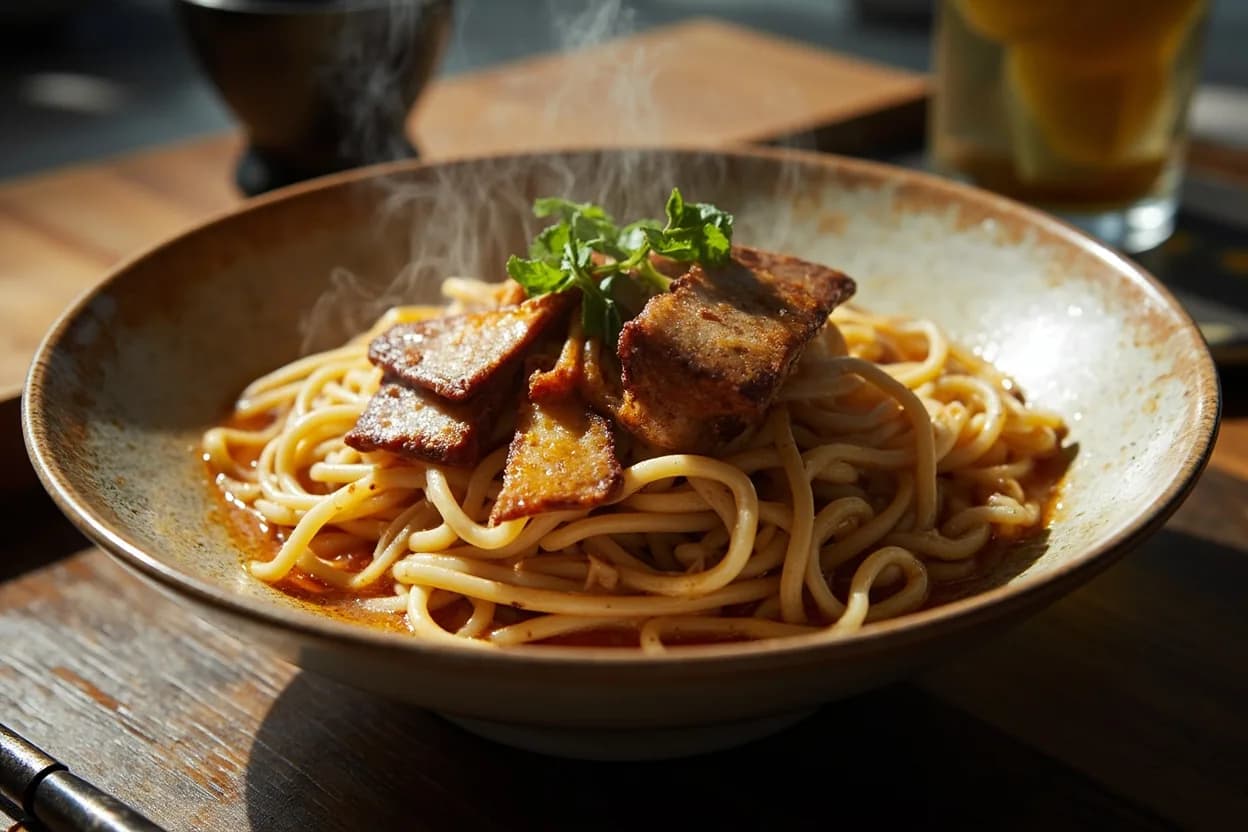
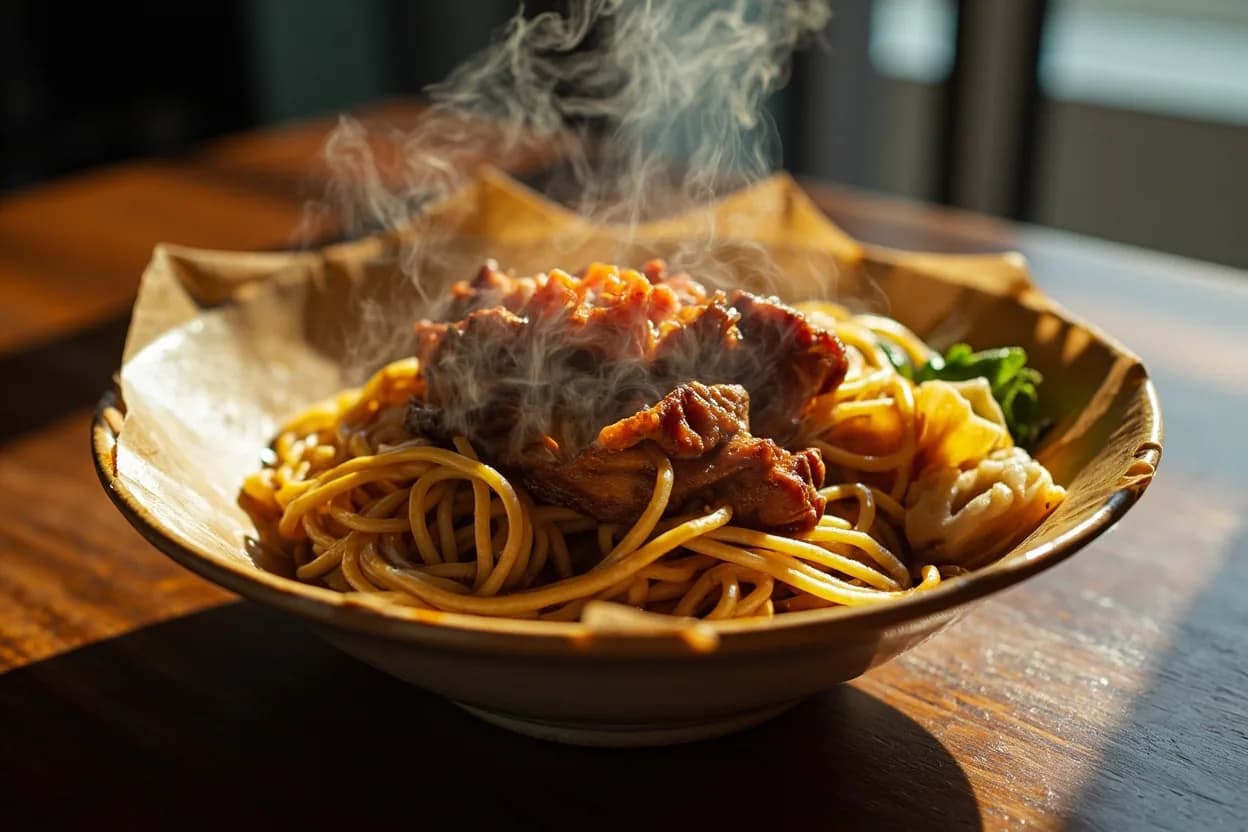
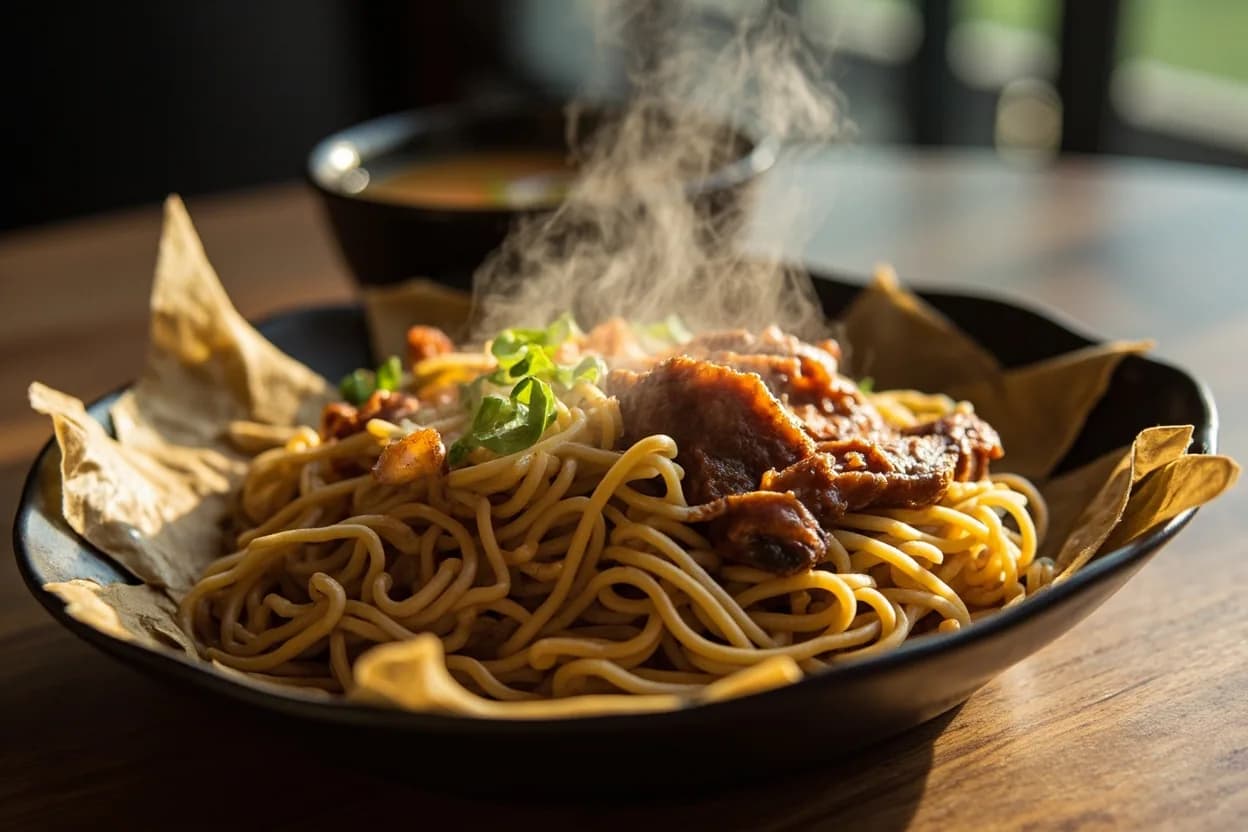
Char siu is Cantonese barbecue pork marinated in a sweet-savory mix of hoisin, soy, honey, and five-spice, then roasted until glazed and caramelized at the edges. It is sliced over rice, tucked into bao buns, or added to noodles and fried rice. The signature reddish color and sticky, sweet crust come from the honey-rich glaze.
Char siu (叉燒) is a cornerstone of Cantonese roast meat culture—pork coated in a fermented, honeyed glaze that caramelizes under high heat into a deeply lacquered, red-orange exterior while remaining moist and yielding within. The name translates to "fork roast," a reference to the traditional method of skewering strips of pork on hooks and suspending them over an open charcoal fire. What distinguishes authentic char siu from mere sweetened roast pork is the presence of fermented red bean curd (南乳, nánrǔ), which imparts a concentrated savory funk and brick-red color that hoisin sauce alone cannot replicate. The result is a balance of sweet, savory, and faintly winey flavors with a glossy, slightly charred surface that shatters when bitten.
The dish holds deep cultural significance in Guangdong: a well-made char siu hanging in a window display signals an accomplished roast meat shop, and it anchors iconic dishes like char siu fan (rice bowl), cha siu bao (steamed buns), and countless noodle preparations. Beyond Cantonese restaurants, char siu has become a touchstone of Chinese-American and diaspora cooking worldwide, adapted into fusion contexts from pizza to banh mi. At its core, char siu is both a finished dish and a technique—the same glaze-and-high-heat method applies to pork belly, pork loin, duck breast, and even pressed tofu for vegetarian versions. Leftover char siu, paradoxically, often tastes better than fresh: as it dries slightly in the refrigerator, the flavors concentrate and the texture firms, making it ideal for fried rice and noodle bowls.
Achieving the signature lacquer at home requires understanding heat management. The pork roasts at moderate temperatures (350–375°F) for most of its cook time to render fat and set the glaze without burning, then finishes at high heat (400–425°F) to develop that characteristic caramelized sheen. Basting at regular intervals—every 15 to 20 minutes—is non-negotiable: it builds successive layers of glaze rather than letting sauce pool and scorch on the pan. The pork should rest before slicing, and it reads done at 145°F internal temperature.
- Measured in
- g
- Storage
- Fridge
Allergens
Types & varieties
Traditional deep red lacquered version using fermented red bean curd (南乳) for color and umami; may include red food coloring in commercial preparations
Extra honey-forward glaze producing a darker amber lacquer without pronounced red coloring; popular in many Hong Kong and North American Chinese restaurants
The mainland Chinese northern style emphasizes star anise, clove, and Sichuan pepper; less sweet, more savory-warmer profile
Thinner, flatter cut; uses tian mian jiang (sweet bean sauce) as a dominant glaze; crispier, less saucy texture
Uses pork belly for a richer, more tender result with visible fat layers; popular for char siu fan
Leaner cut; faster cooking; often used when less fat is desired but can dry out if overcooked
Omitting red food coloring and fermented red bean curd; relies on hoisin and honey for caramelization and flavor alone
Common uses
Tips & pitfalls
- Marinate at least 4 hours, preferably overnight—the longer the pork sits in the glaze, the deeper the flavor penetrates; a brief cure with salt and sugar overnight improves texture and moisture retention
- Reserve a portion of the raw marinade, reduce it separately, and use it as a finishing sauce or baste during the last 15 minutes of cooking
- Roast at 350–375°F (175–190°C) for the majority of cooking to render fat and set the glaze without burning; finish at 400–425°F (200–220°C) for 10–15 minutes to develop the lacquer
- Baste every 15–20 minutes during roasting with the reserved or additional glaze—this builds successive layers of caramelization
- Avoid over-marinating with food coloring—the color should be applied sparingly early on so it deepens, not streaks, during cooking
- Let rested char siu sit at room temperature 10 minutes before slicing—this allows juices to redistribute and ensures clean, non-mushy slices
- Slice against the grain into 1/4-inch thick pieces; use a slightly serrated bread knife if the exterior lacquer is very sticky and caramelized
- Common mistake: using an oven set too low—this produces gray, steamed pork rather than lacquered exterior; low and slow does not apply here
- Common mistake: skipping the basting intervals—without periodic glazing, the sauce concentrates into a sticky mess on the pan rather than adhering to the meat
- Common mistake: cutting too soon—if sliced hot off the roast, the juices escape and the texture becomes mealy rather than tender
Nutrition
Energy
3397 kJ · per 100 g
Where the calories come from
Protein
2.9g
6% DV
Carbs
0g
0% DV
Fat
88.7g
114% DV
Fiber
0g
0% DV
Sugars
0g
of which
Sodium
11mg
0% DV
Source · USDA FoodData Central · approx. Pork, fresh, backfat, raw
View on FDC →In the shops
Matched grocery products
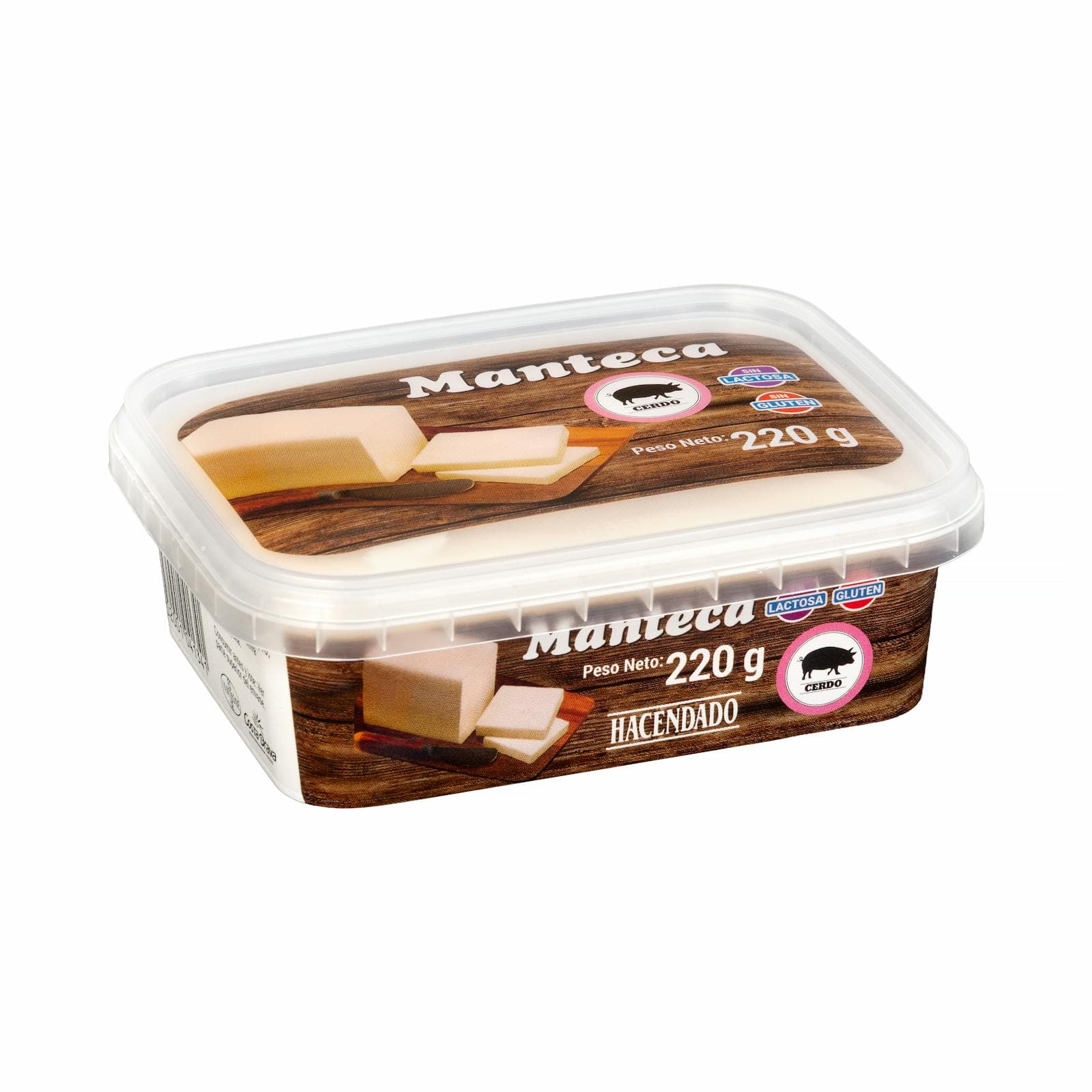 €2.20
€2.20Pork Lard
Hacendado · 220 g · Mercadona
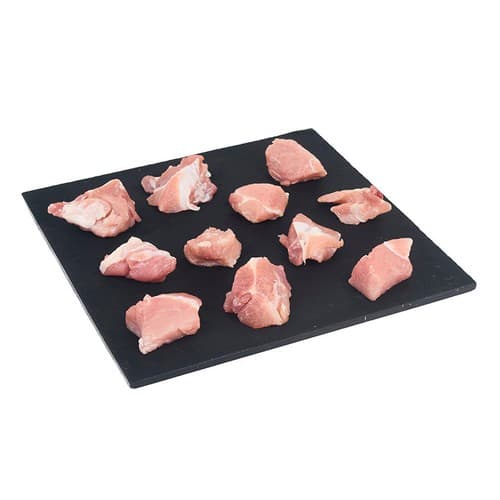 €3.40
€3.40Pork Stew
BONPREU · ud · Bonpreu
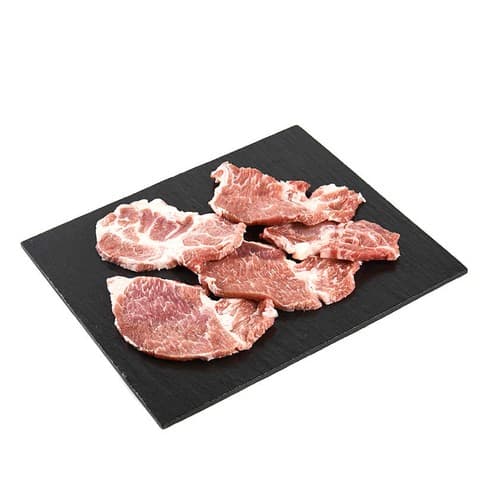 €3.45
€3.45Lean Pork
BONPREU DE L'ERA · ud · Bonpreu
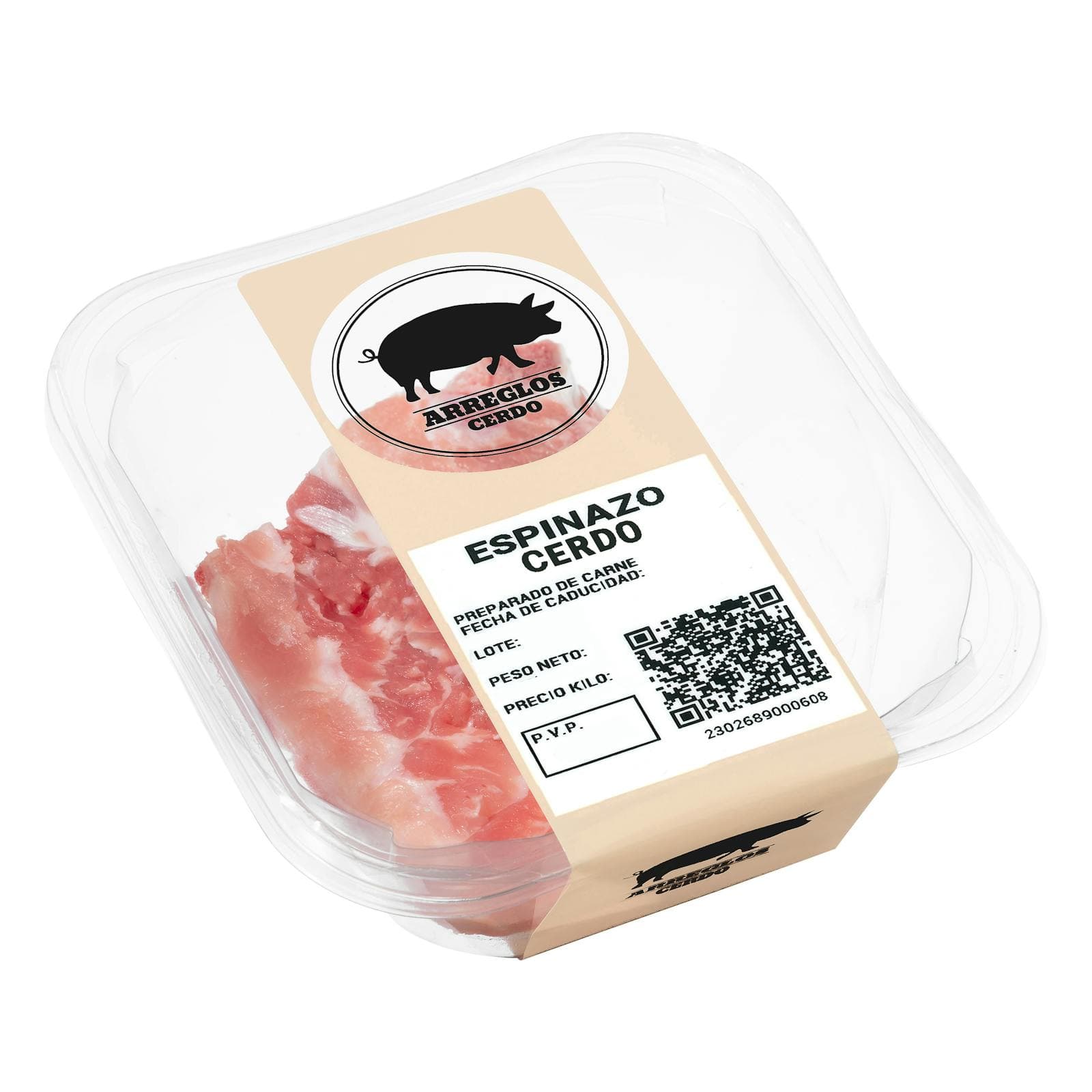 €2.10
€2.10Pork Spine
300 g · Mercadona
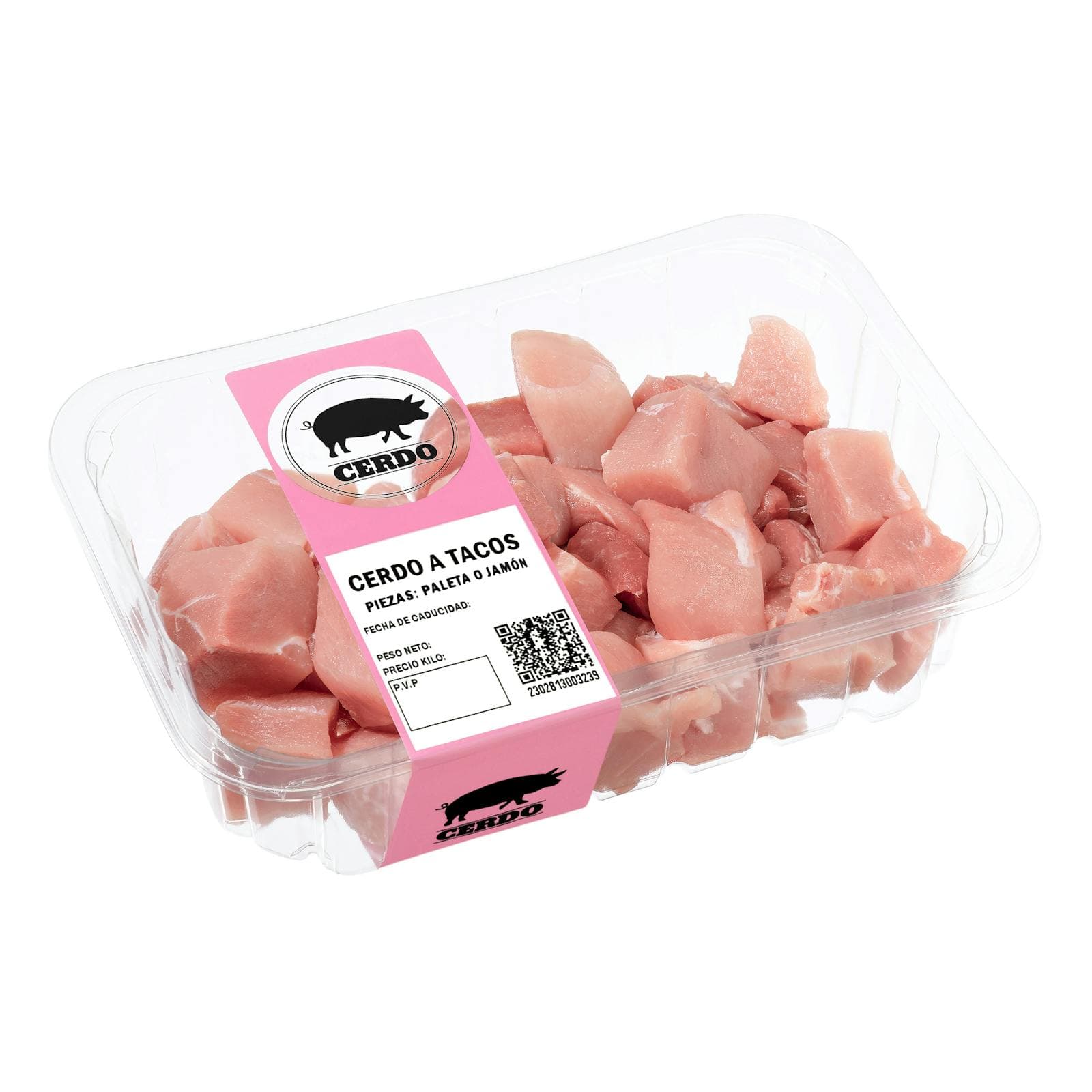 €3.22
€3.22Diced Pork
560 g · Mercadona
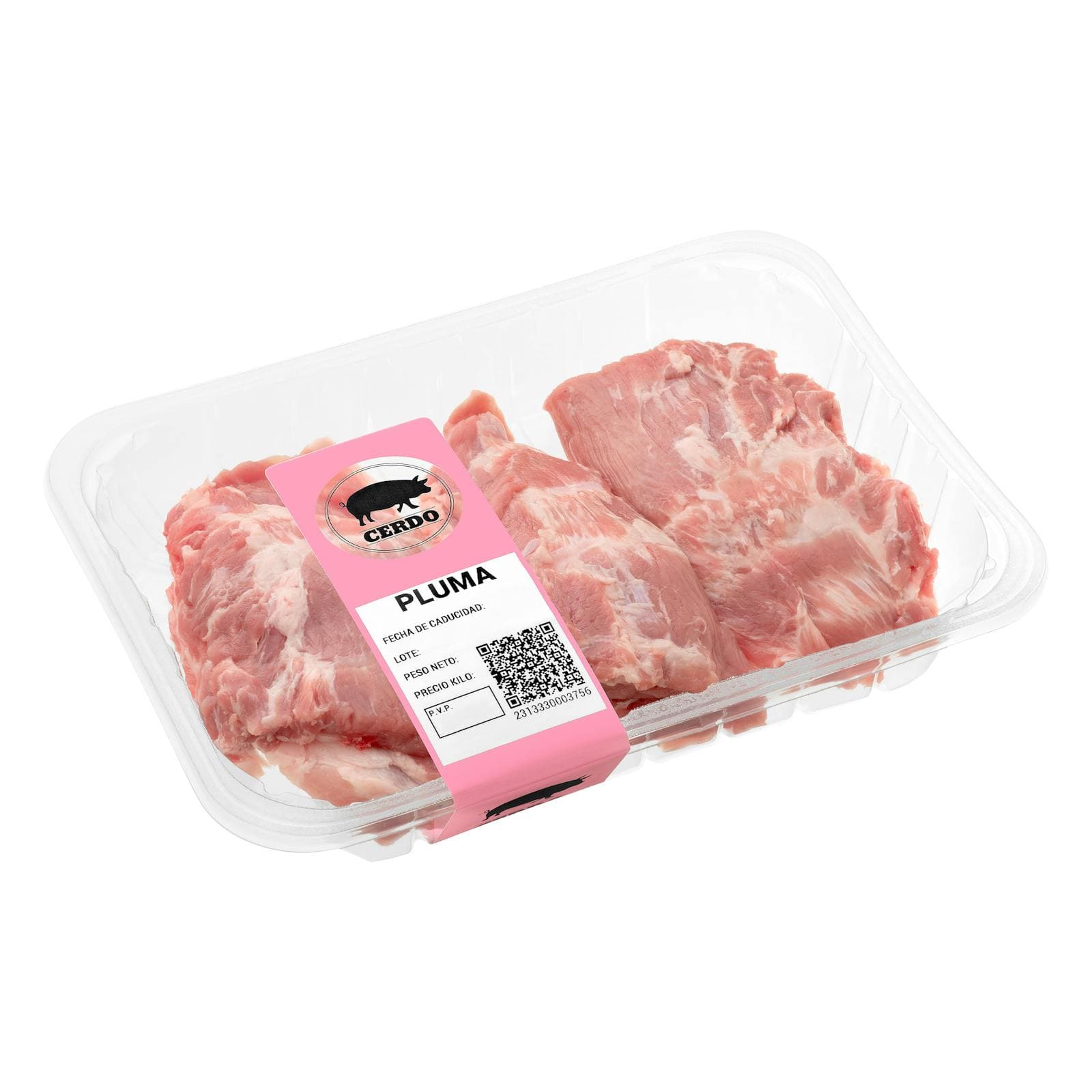 €3.75
€3.75Pork Pluma
300 g · Mercadona
Good to know
- Origin
- Cantonese cuisine, Guangdong Province, China; the name 叉燒 (chā shāo) means "fork roast," referring to traditional skewering on hooks over an open flame
- Primary Protein
- Pork shoulder, pork loin, or pork belly—ideally with 20–30% fat content for moisture and lacquer texture
- Defining Flavor
- Savory-sweet glaze with fermented red bean curd (南乳), hoisin, honey, and Shaoxing wine; gentle allspice warmth without aggressive five-spice dominance
- Characteristic Color
- Deep red-orange lacquer from fermented red bean curd, hoisin, and optionally red food coloring in commercial and traditional preparations
- Typical Equipment
- Char siu hooks or vertical rotisserie in commercial kitchens; at home, a roasting rack, baking sheet, or convection oven works well
- Cooking Method
- Roasting at moderate heat (350–375°F) with basting; finished at higher heat (400–425°F) for lacquer; can also be grilled or broiled
- Yield
- Approximately 25–30% weight reduction during roasting; 1 lb raw pork yields roughly 12–13 oz cooked
- Difficulty
- Accessible to intermediate home cooks; the technique is straightforward, but achieving true lacquer requires basting and high-heat finishing
Substitutes
- Store-bought Char Siu Sauce — Brands like Lee Kum Kee Char Siu Sauce work adequately; adjust with extra hoisin, honey, and fermented red bean curd for authenticity
- Hoisin + Honey + Red Food Coloring — A workable substitute if fermented red bean curd is unavailable; add a splash of Shaoxing wine and a pinch of five-spice for depth
- St. Louis-Style Pork Ribs — Can be glazed and roasted in the same style for a BBQ-style char siu; reduce cooking time accordingly
- Duck Breast (Char Siu-Style) — A non-pork alternative adapting the same glaze technique; cook faster over higher heat to avoid drying
- Tofu (firm, pressed) — For vegetarian versions, press firm tofu, marinate in the glaze, and roast until lacquered; does not achieve the same chew or char but carries flavor well
- Glazed Pork Belly (Honey Garlic Pork) — Different flavor profile but similar cooking technique; can stand in for char siu when authenticity is not required
Pairs with
Also called
叉燒 · Cha Siu Pork · Char Siu · BBQ Pork
Appears in these dishes
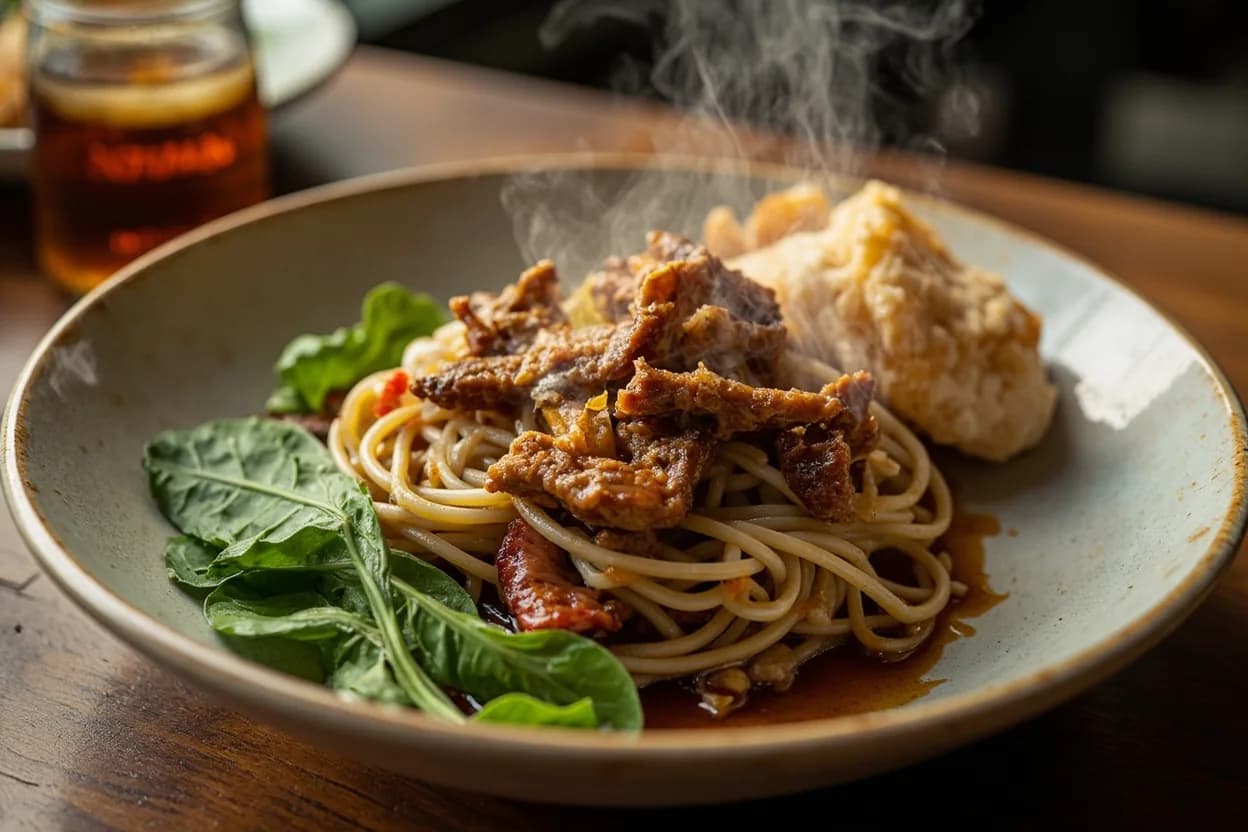
Related
Egg
The kitchen's everything ingredient — bind, leaven, enrich, or fry
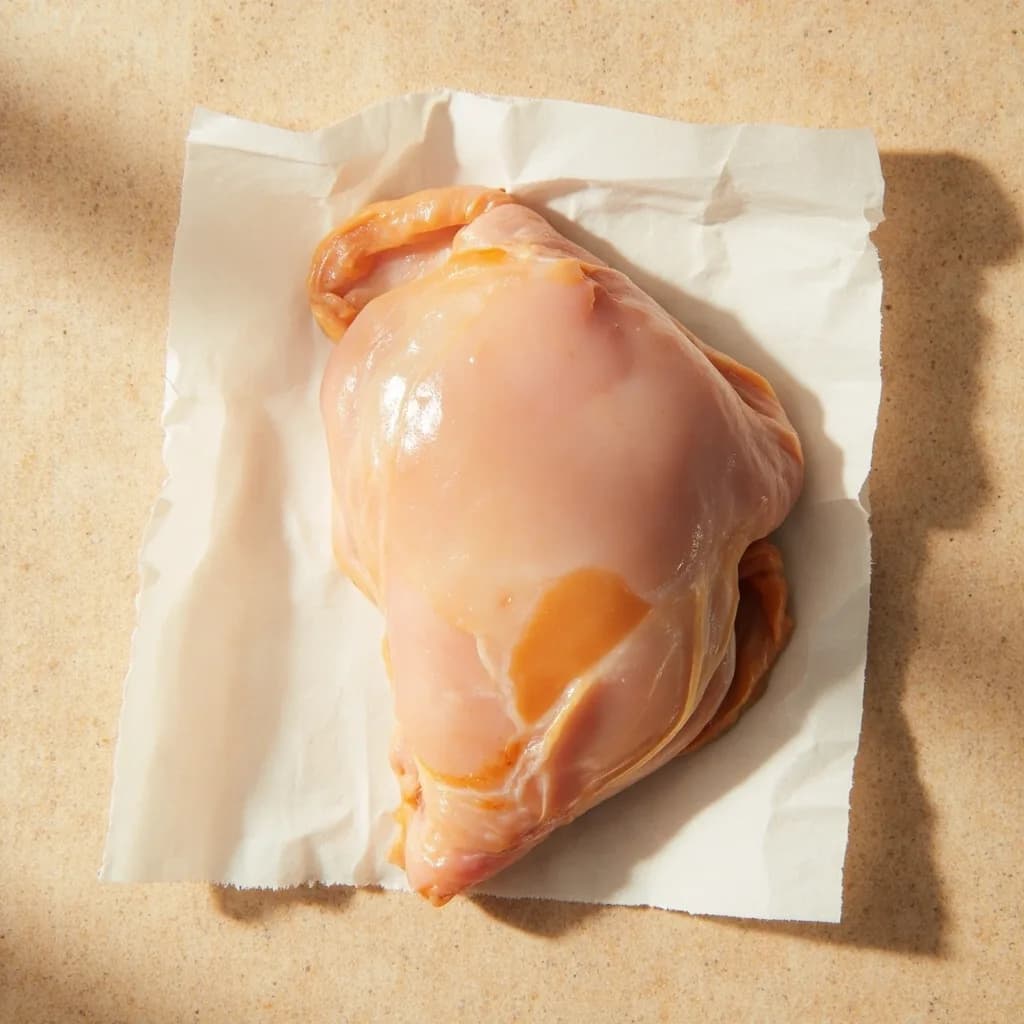
Chicken Breast
Lean, quick-cooking white meat for everyday dinners

Ground Beef
Versatile minced beef for burgers, ragù, tacos, and meatballs
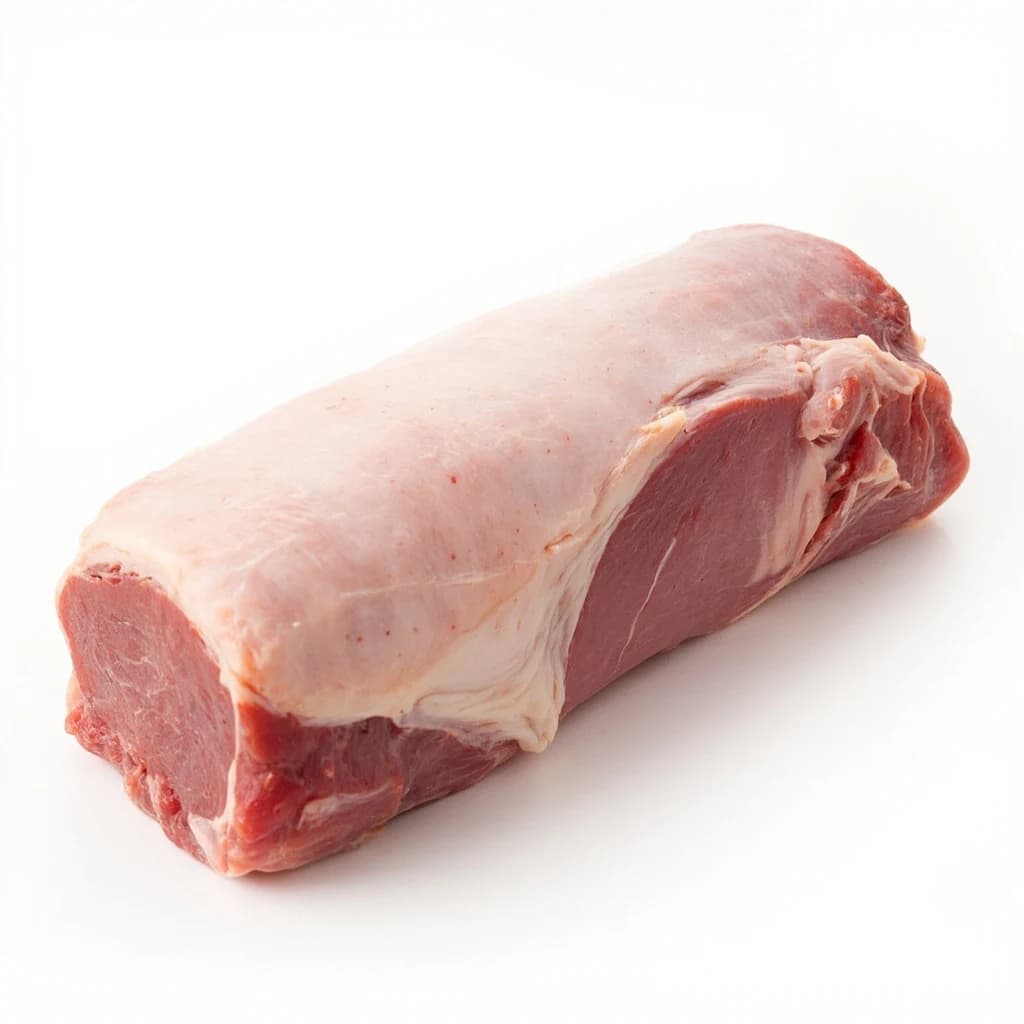
Pork Loin
Lean, tender roasting cut that stays juicy with care
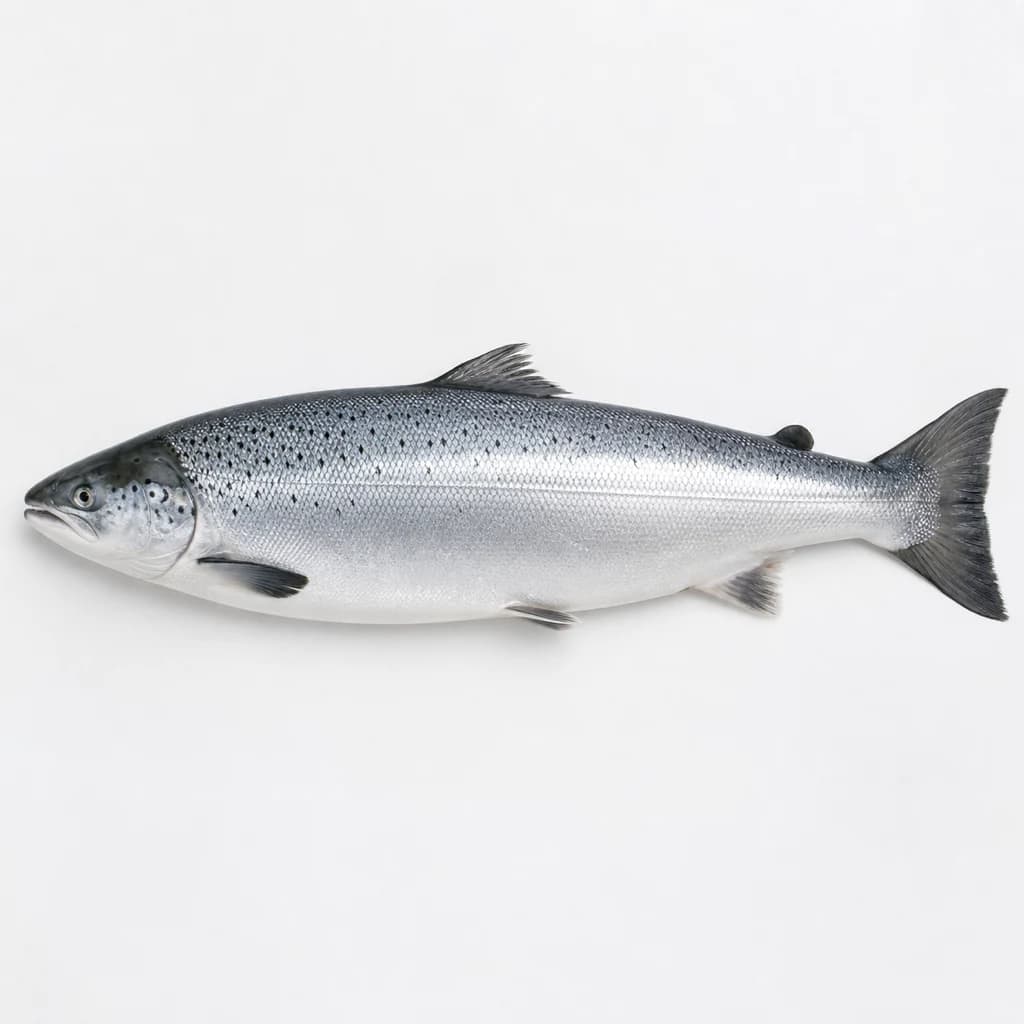
Salmon
Rich, rosy fish that roasts, grills, or cures beautifully

Egg White
Pure protein that whips to airy peaks for meringue and more
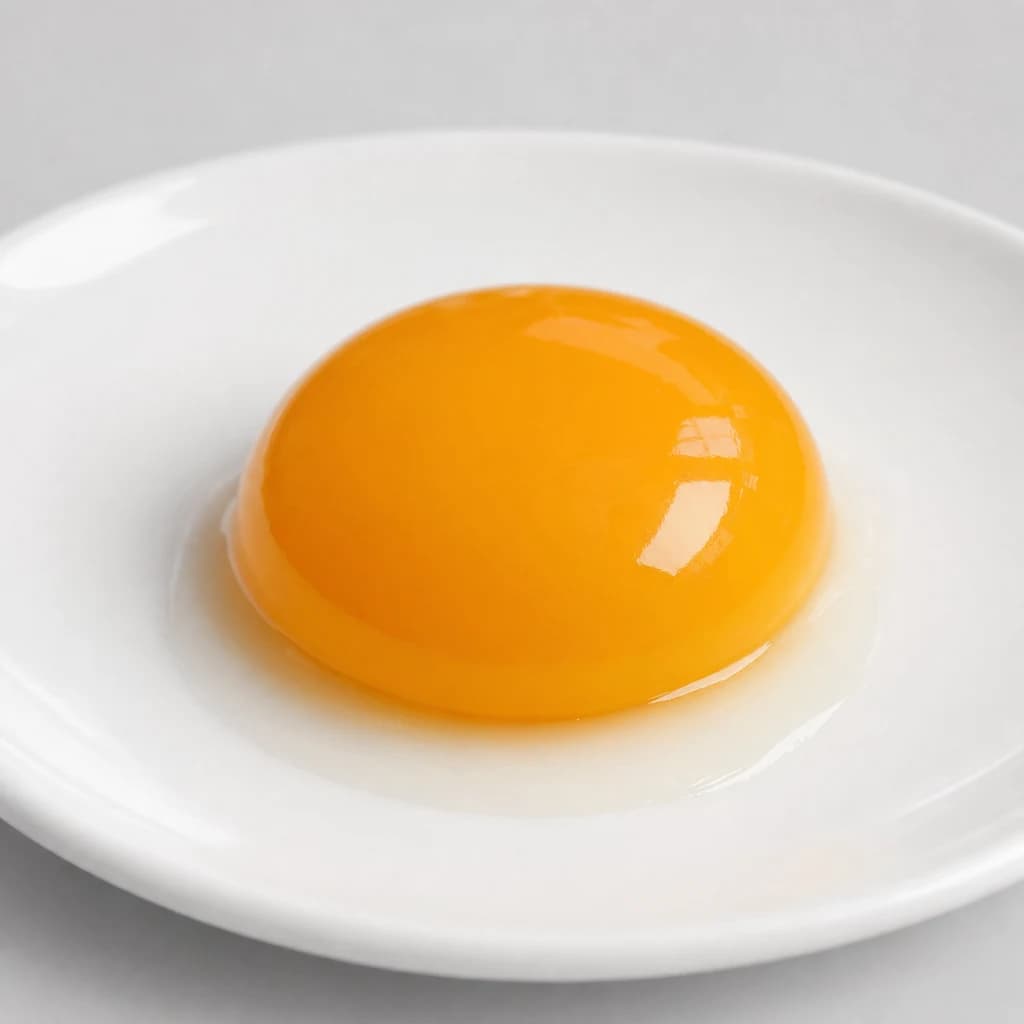
Egg Yolk
Rich, golden yolk for custards, mayonnaise, and pasta

Quail Egg
Tiny, speckled eggs for garnishing and elegant bites