
Natural form
Whole gai lan bunches showing thick stems, broad blue-green leaves, and small closed flower buds.
Shows the plant's full identifying features — stem thickness, leaf color and width, and tight bud clusters — so readers can recognize it in markets.
Produce
Chinese Broccoli
Leafy green with thick stems and small florets, blanched or stir-fried with oyster sauce.
Chinese broccoli, or gai lan, has thick crisp stems, broad blue-green leaves, and small flower buds, with a flavor more bitter and robust than common broccoli. It is classically blanched and dressed with oyster sauce or stir-fried with garlic and ginger. A staple of Cantonese cooking, the stems are often peeled for tenderness.
Chinese Broccoli, known in Cantonese as Gai Lan (芥蘭) and in Mandarin as Jièlán (芥蓝), is a Brassica vegetable that diverged from its Western cousin through centuries of selective cultivation in Southern China. Where standard broccoli treats the floret as the prize, Gai Lan reverses that hierarchy entirely—the thick, solid stems are the primary vegetable, dense enough to register as a substantial eating experience, while the modest florets and broad blue-green leaves are welcome but secondary elements. The flavor registers as mildly bitter with a hint of sweetness, more assertive and mineral-forward than conventional broccoli, a bitterness that Cantonese cooks actively court as a counterpoint to rich proteins. This is not a vegetable that plays a supporting role; it holds its own on a plate and demands respect in the kitchen.
- Measured in
- g
- Storage
- Fridge
Types & varieties
Standard variety with thick white stems and white florets; most common in markets and restaurants
Smaller, more tender; harvested younger; milder in flavor and significantly faster to cook
Green-stemmed variety; slightly more bitter than white-stemmed types
Red-stemmed variant; similar flavor with visual accent; more common in Taiwan
Selecting and Storing
Choose firm, bright-green stalks with no yellowing leaves or open flowers—open flowers indicate age and will have a mealy texture. The stems should feel heavy for their size, indicating good moisture content. Store unwashed in a loose plastic bag in the refrigerator crisper drawer for 3 to 5 days. Do not seal tightly, as the vegetable needs some air circulation. If you need to freeze it, blanch first for 2 to 3 minutes, cool rapidly, then freeze for up to 3 months.
- Look for vivid green color and firm stems that bend without snapping
- Avoid any with yellow leaves, open flowers, or dried-out ends
- Store stem-side down in a glass of water like a bouquet for extended freshness
Preparation
Trim the woody base inch off the stems—this portion is fibrous and unpleasant. Unlike standard broccoli, you do not peel the stems; the skin is thin and tender. For thicker stems, slice them lengthwise into halves or quarters to ensure they cook at the same rate as the leaves. Smaller stems can be left whole. Wash thoroughly but dry completely before stir-frying; any clinging water will cause the vegetable to steam rather than sear, resulting in a dull color and muddy texture rather than the bright, slightly charred finish you want.
- Never peel the stems—the skin is edible and adds texture
- Halve or quarter thick stems lengthwise for even cooking
- Dry thoroughly before any high-heat cooking method
Common uses
Tips & pitfalls
- Select firm, bright-green stalks with no yellowing leaves or open flowers for best texture
- The thick stems take longer to cook than the leaves—slice thicker stalks lengthwise to ensure even cooking
- Do not overcook; the stems should retain a slight snap when done (al dente)
- Blanching in well-salted water (like pasta water) seasons the vegetable through and helps maintain vivid color
- A pinch of baking soda in the blanching water can brighten the green but is optional and may affect flavor at high concentrations
- For stir-frying, pat the vegetable dry after washing; excess water causes steaming instead of searing
- Remove the woody base inch before cooking, but do not peel the stems
- If using in soup, add it in the final 2 to 3 minutes of cooking to prevent it from becoming mushy and discoloring
Nutrition
Energy
109 kJ · per 100 g
Where the calories come from
Protein
1.2g
2% DV
Carbs
4.7g
2% DV
Fat
0.8g
1% DV
Fiber
2.6g
9% DV
Sugars
0.9g
of which
Sodium
7mg
0% DV
Source · USDA FoodData Central · Broccoli, chinese, raw
View on FDC →In the shops
Matched grocery products
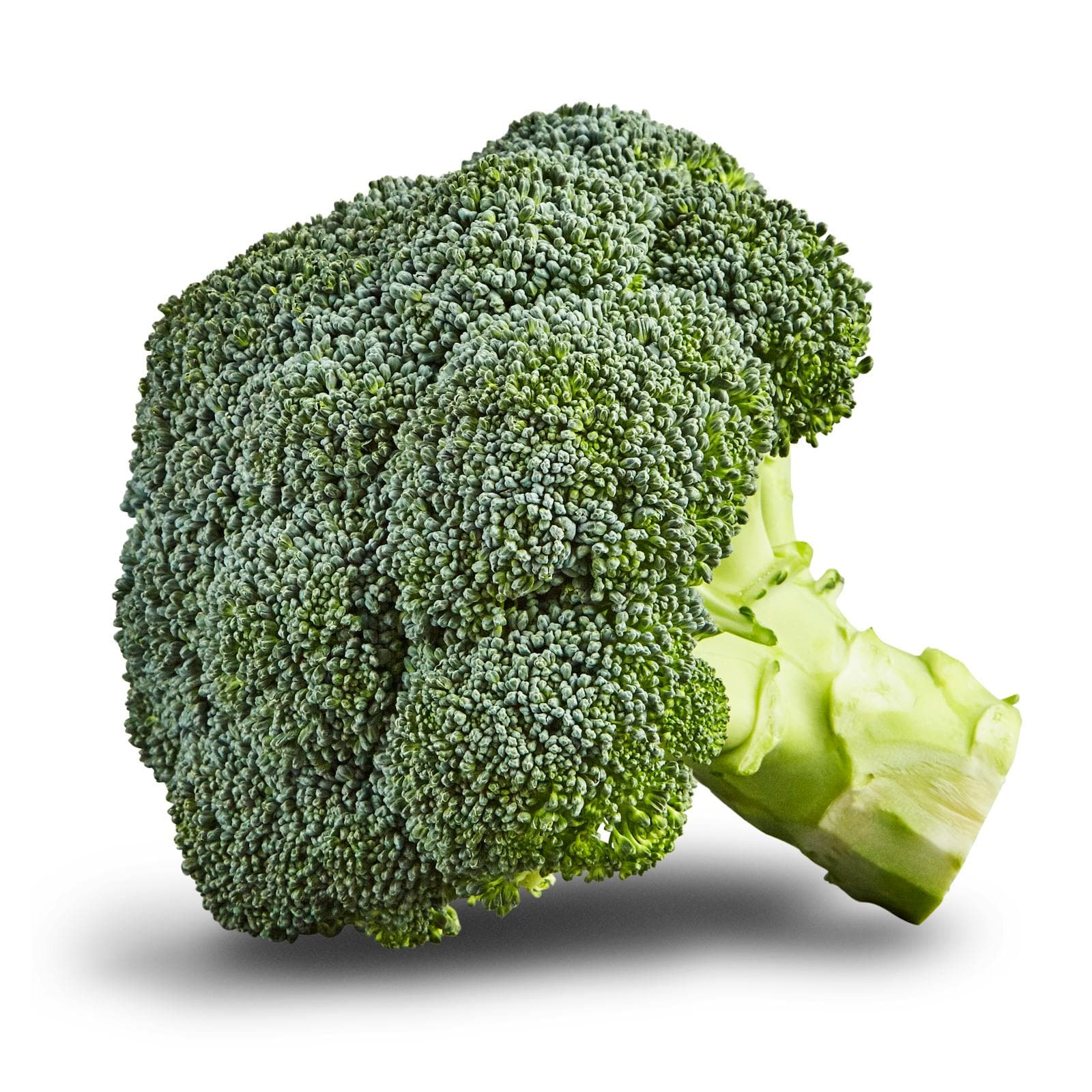 €1.33
€1.33Broccoli
510 g · Mercadona
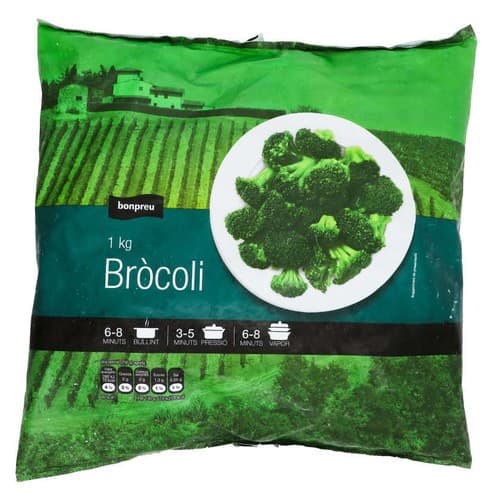 €2.25
€2.25Broccoli
BONPREU · kg · Bonpreu
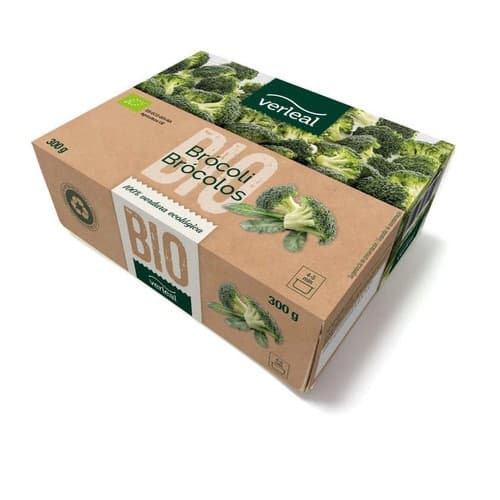 €2.49
€2.49Organic Broccoli Verleal
VERLEAL · kg · Bonpreu
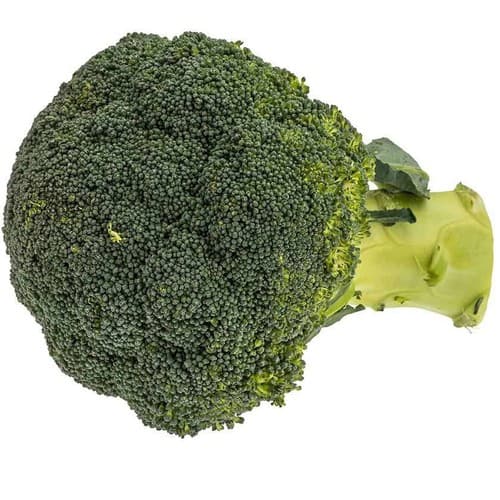 €1.29
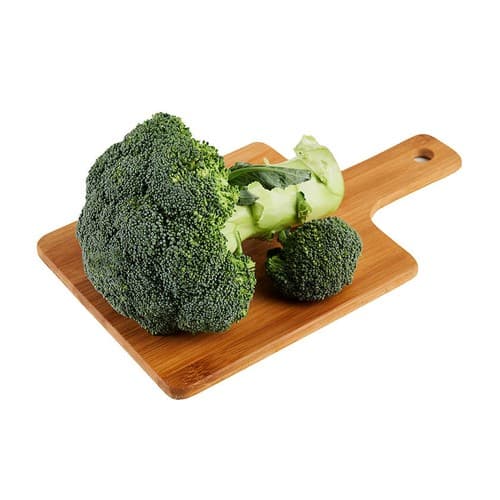
€1.29Broccoli 1 unit
LA COLLITA · Bonpreu
 €2.49
€2.49Organic Broccoli 1 unit
LA COLLITA · kg · Bonpreu
 €1.70
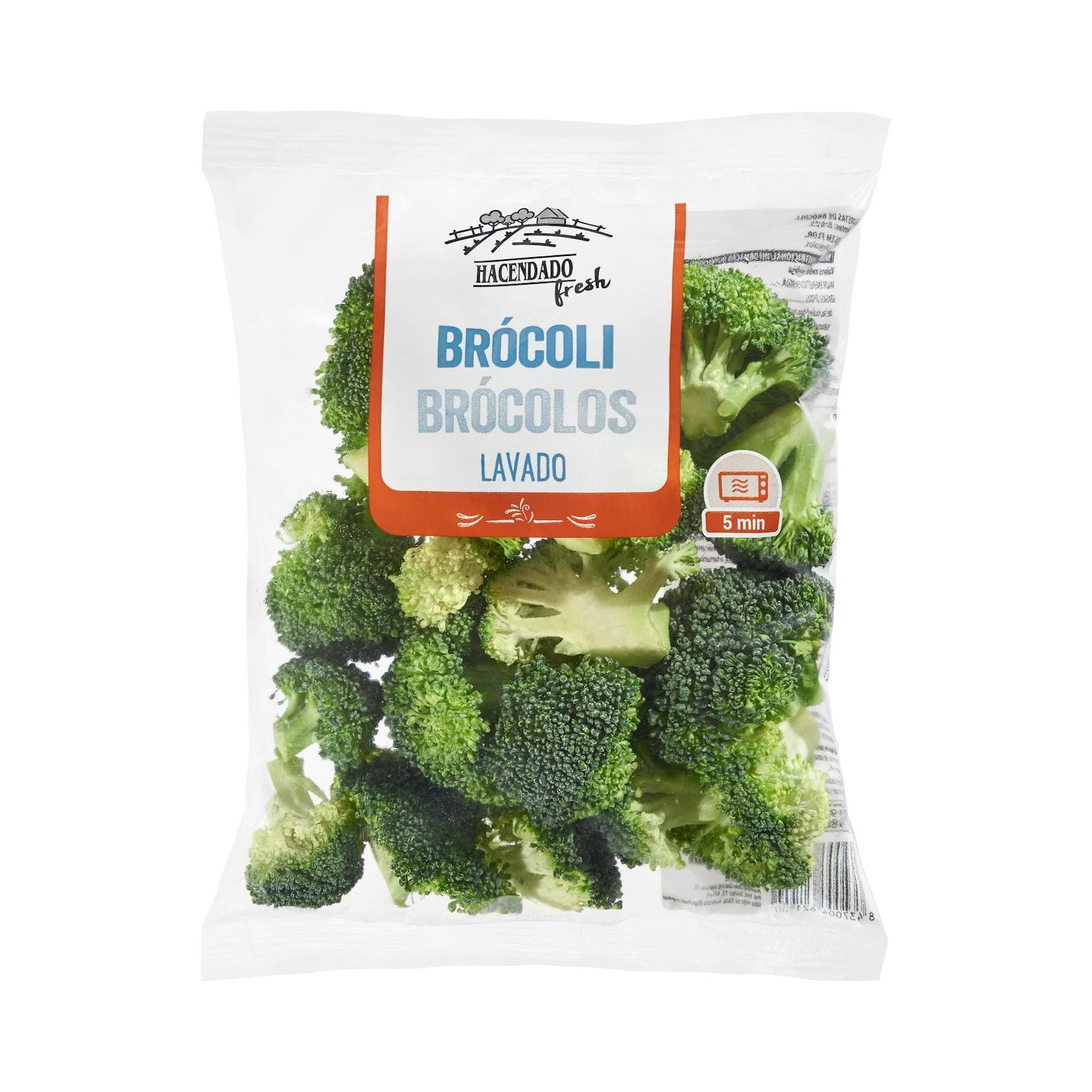
€1.70Microwaveable Washed Broccoli Florets
230 g · Mercadona
Good to know
- Scientific Name
- Brassica oleracea var. alboglabra
- Family
- Brassicaceae (mustard family)
- Origin
- Southern China, particularly Guangdong and Guangxi provinces
- Peak Season
- Late fall through early spring; year-round in warm climates
- Flavor
- Mildly bitter, slightly sweet; more assertive than standard broccoli
- Edible Parts
- Entire vegetable—stems, leaves, and florets all used
- Stem Texture
- Thick and solid; density comparable to asparagus
- Yield
- Approximately 75% after trimming and cooking
Substitutes
- Broccoli Rabe (Rapini) — Closest flavor match; slightly more bitter and earthy; similar cooking time
- Broccoli — Milder flavor; stems take considerably longer to become tender; leaves are less substantial
- Bok Choy — Different stem texture (hollow vs. solid); leaves cook much faster; not a close flavor substitute
- Choy Sum — Thin stems, yellow flowers; similar flavor profile but more delicate; requires faster cooking
Pairs with
Also called
芥蓝 · Gai Lan · Kai Lan · 芥蘭 · Chinese Kale
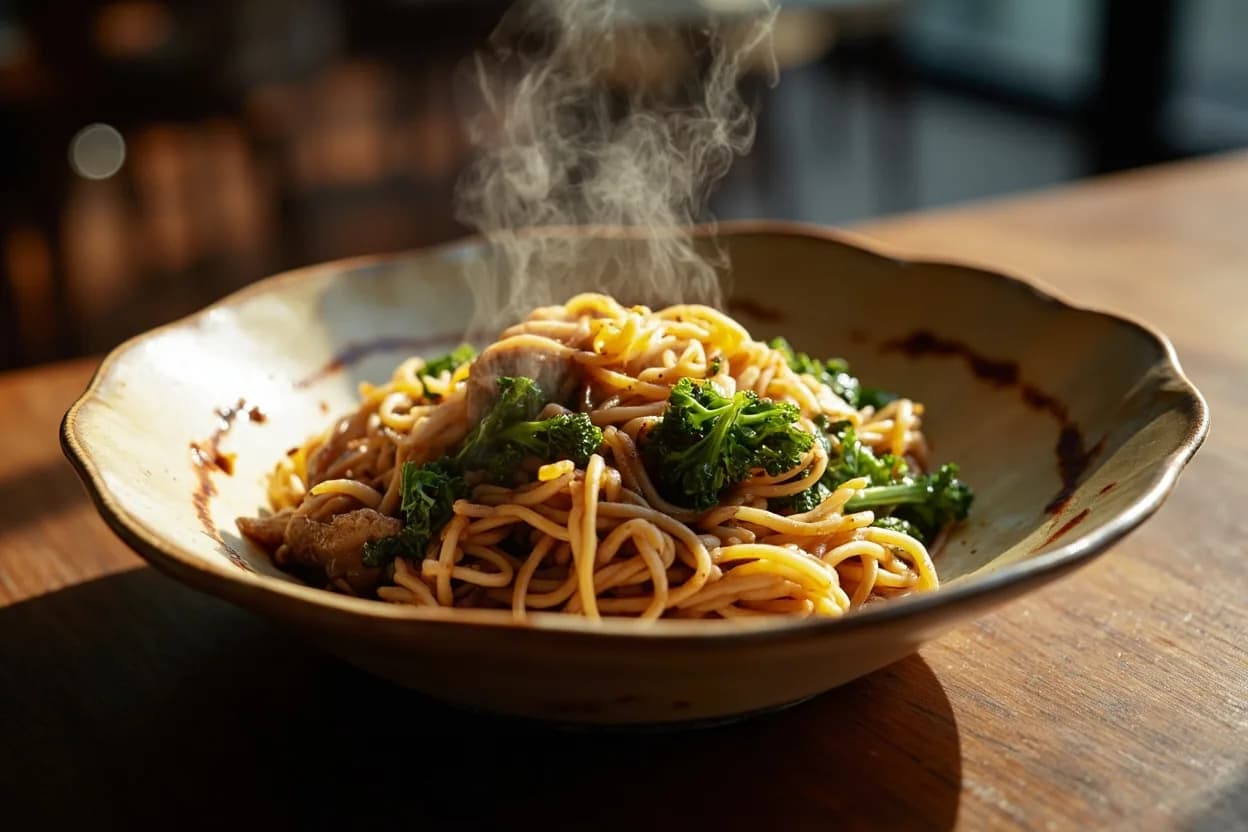
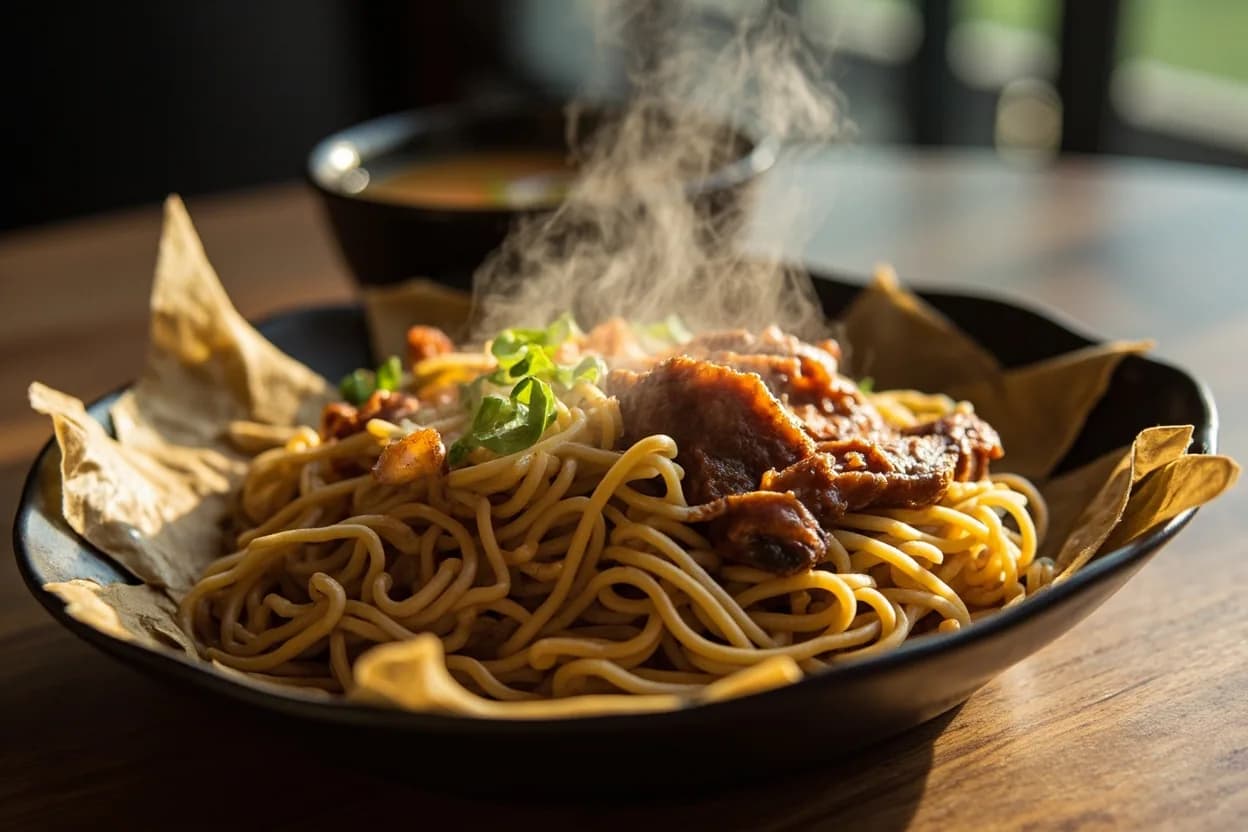
Appears in these dishes
Related
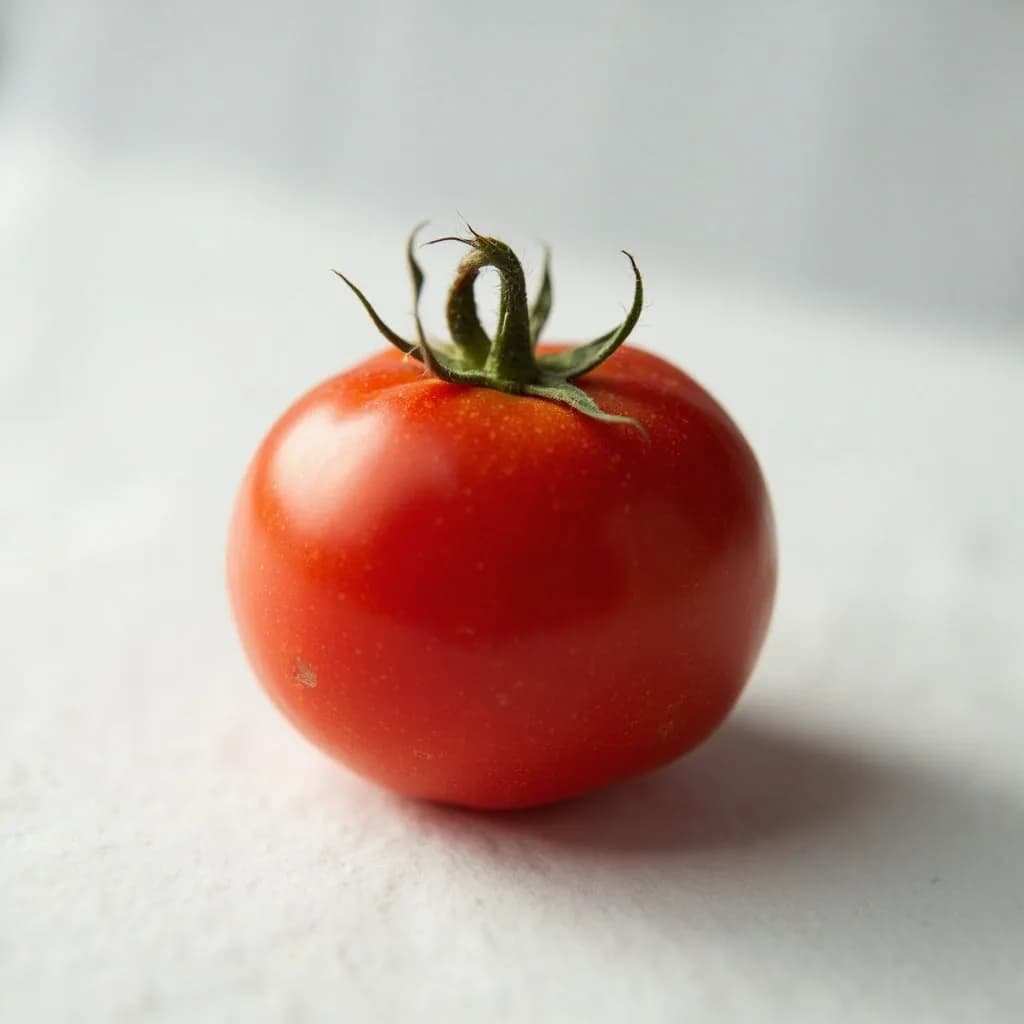
Tomato
Juicy, sun-sweet fruit for sauces, salads, and slow-cooked depth
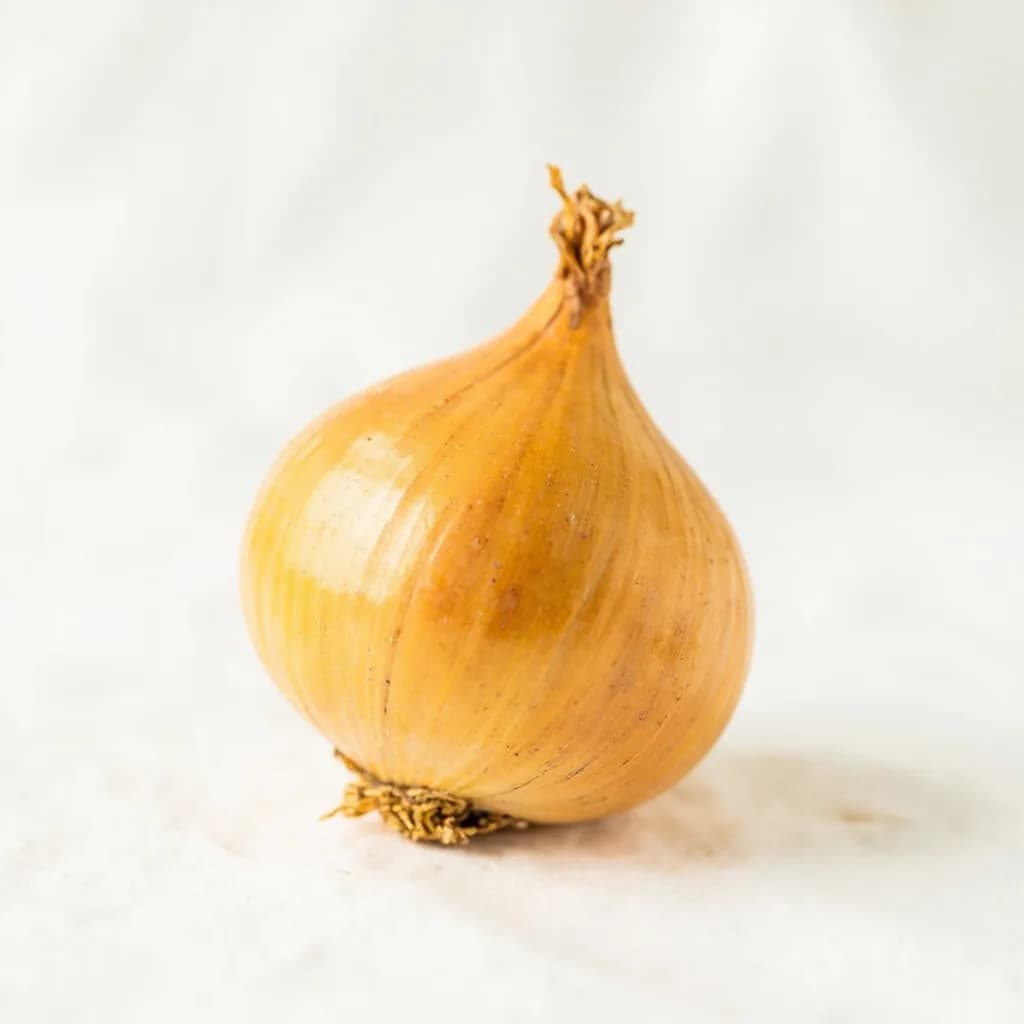
Yellow Onion
The aromatic backbone of soups, sofritos, and braises
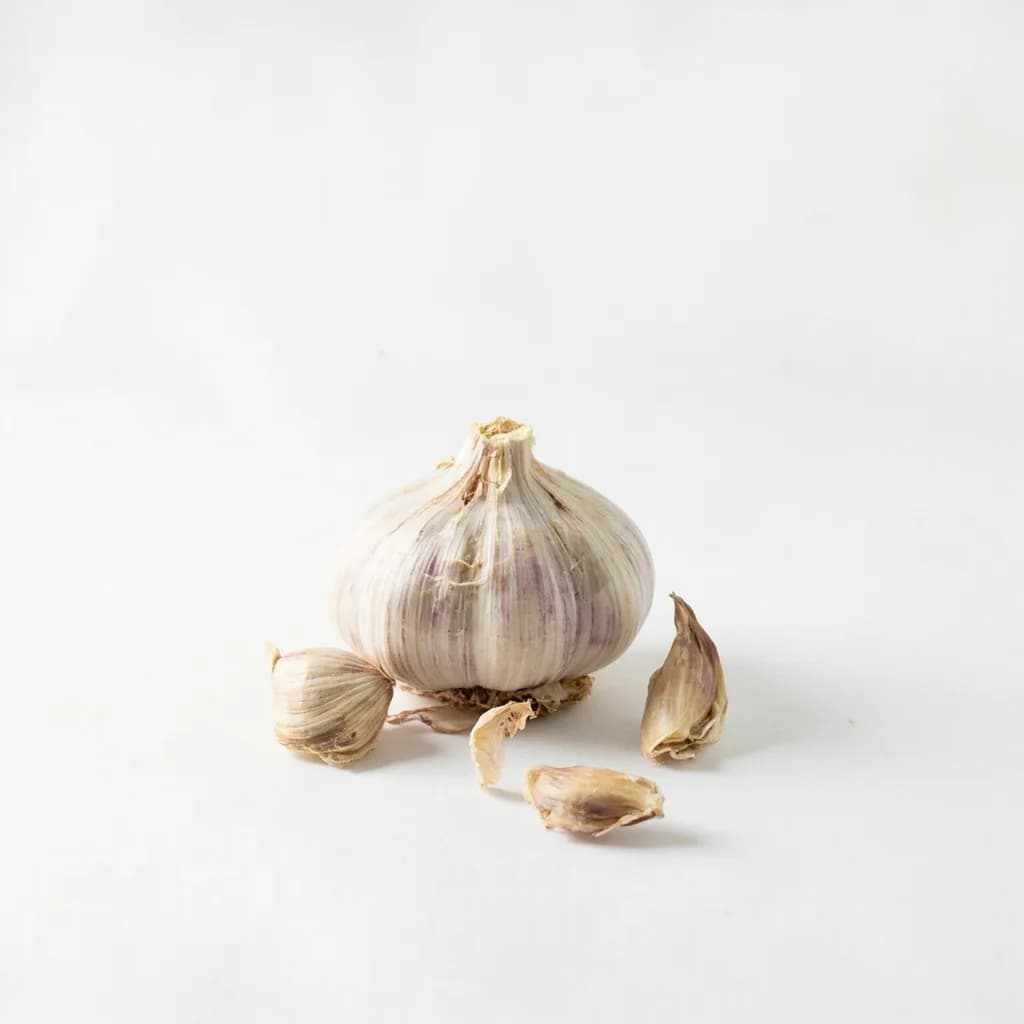
Garlic
Pungent cloves that perfume nearly every savory dish
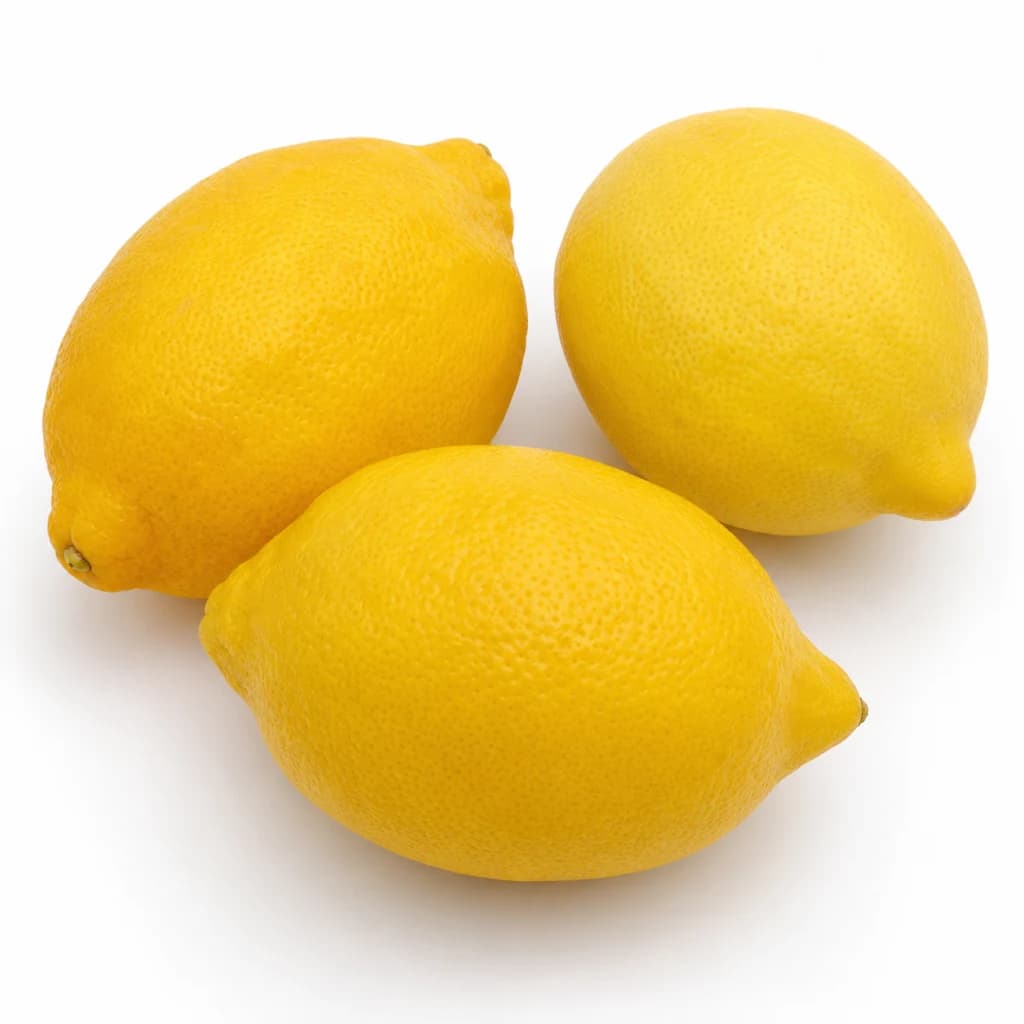
Lemon
Bright, acidic citrus that wakes up almost any dish
Potato
Humble, hearty staple — roast, mash, fry, or boil
Carrot
Sweet, crunchy root — raw, roasted, or the base of a sofrito
Cucumber
Cool, crisp, and watery — for salads, pickles, and tzatziki

Lettuce
Crisp leaves for salads, wraps, and a fresh crunch