
Natural form
Fresh yu choy bunches with slender green stems, tender leaves, and small yellow flowers.
Shows the plant's defining features — slender stems, bright leaves, and characteristic edible yellow blossoms — so readers can identify it at market.
Produce
Yu Choy
Chinese leafy green with tender stems and yellow flowers, quickly stir-fried or blanched with garlic.
Yu choy is a leafy Chinese brassica with slender green stems, tender leaves, and small edible yellow flowers. It has a mild, slightly sweet mustard flavor and is a staple stir-fry or blanched vegetable in Cantonese cooking. It cooks fast and is often dressed simply with garlic and oyster sauce.
Yu Choy is a tender, versatile Brassica vegetable central to Cantonese and Southern Chinese cooking. Distinguished by its slender pale-green stems, dark green leaves, and small bright yellow flowers, the entire plant is edible and cooks at nearly the same rate throughout—a rare quality that makes it forgiving and quick to prepare. Its flavor is mild and slightly sweet with a clean vegetal note, and the stems offer a subtle crunch that differentiates it from leafier greens. In Cantonese restaurant cooking, Yu Choy is typically wok-fried tableside at extremely high heat, finished with a splash of oyster sauce, and served immediately as a standard vegetable side. The vegetable is at its best when stems snap crisply and flowers remain perky—avoid any bunches showing wilted leaves or slimy stems, which indicate age and waterlogging.
- Measured in
- g
- Storage
- Fridge
Types & varieties
The most common form; Yu Choy and Yu Choy Sum are used interchangeably in most markets
Smaller, more tender variety sold in small bunches; cooks even more quickly
Thicker, more pronounced stems; requires slightly longer cooking time for the stems to tenderize
Common uses
Tips & pitfalls
- Do not overcook—stems must retain a slight snap and leaves should stay vivid green; 1–2 minutes in a screaming-hot wok or 30–45 seconds when blanching is sufficient.
- Salt the greens only at the end of cooking—early seasoning draws moisture, causes wilting, and reduces volume prematurely.
- For stir-frying, ensure leaves are completely dry and your wok is genuinely smoking hot; wet greens steam and turn dull instead of searing.
- The yellow flowers are mild and edible—do not discard them unless a recipe specifically requires it.
- Trim the base just above where stems begin to separate so the whole bunch cooks evenly without waste.
- If substituting for spinach or other tender greens, reduce cooking time significantly—Yu Choy is hardier than its delicate appearance suggests.
- When buying, squeeze the base stems gently; they should feel firm and snap cleanly, never bend without resistance.
Nutrition
Nutrition
No USDA FoodData Central match for Yu Choy yet. We surface a per-100 g profile once a generic whole-food entry is matched and verified.
In the shops
Matched grocery products
No matched grocery products for Yu Choy yet.
Good to know
- Scientific Name
- Brassica rapa var. parachinensis
- Origin
- Southern China; foundational to Cantonese cuisine
- Peak Season
- Late fall through early spring; available year-round in mild climates
- Flavor Profile
- Mild, slightly sweet, clean vegetal; tender stems with subtle crunch
- Edible Parts
- Nearly 100%—stems, leaves, and yellow flowers all usable
- Shelf Life
- Refrigerate unwashed in a plastic bag, 3–4 days maximum
- Prep Difficulty
- Minimal—stems and leaves cook at nearly the same rate
- Yield
- Very little waste; trim only the base above where stems separate
Substitutes
- Choy Sum — Nearly identical; often sold under either name; same cooking time and method
- Baby Bok Choy — Slightly more substantial stems; cook 30 seconds longer; similar mild flavor profile
- Shanghai Bok Choy — Cook similarly; stems are slightly firmer; good one-for-one substitute
- Broccoli Rabe (Rapini) — More bitter and fibrous; blanch first to reduce bitterness before stir-frying
- Spinach — Cook more quickly (30–60 seconds); stems not present; omit flowers if using.
Also called
油麥菜 · Yu Choy Sum · Choy Sum
Appears in these dishes
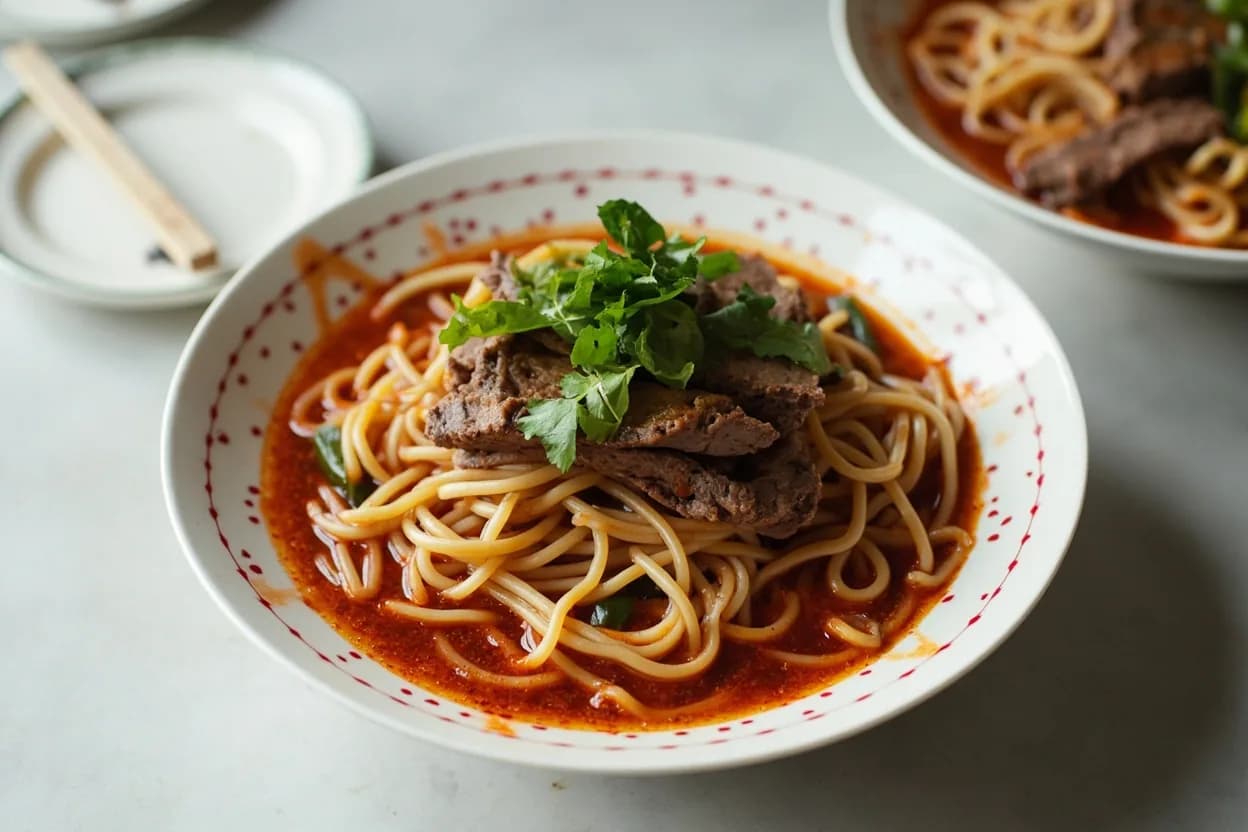
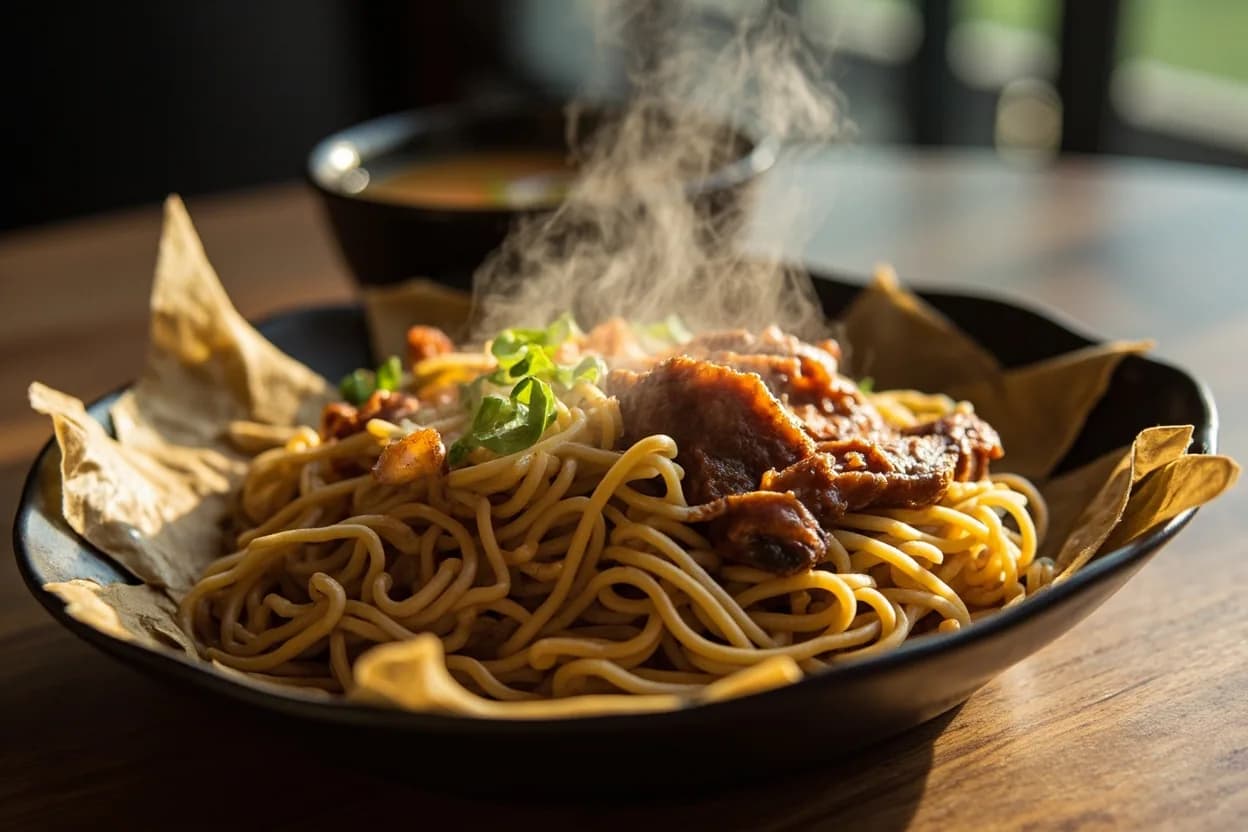
Related
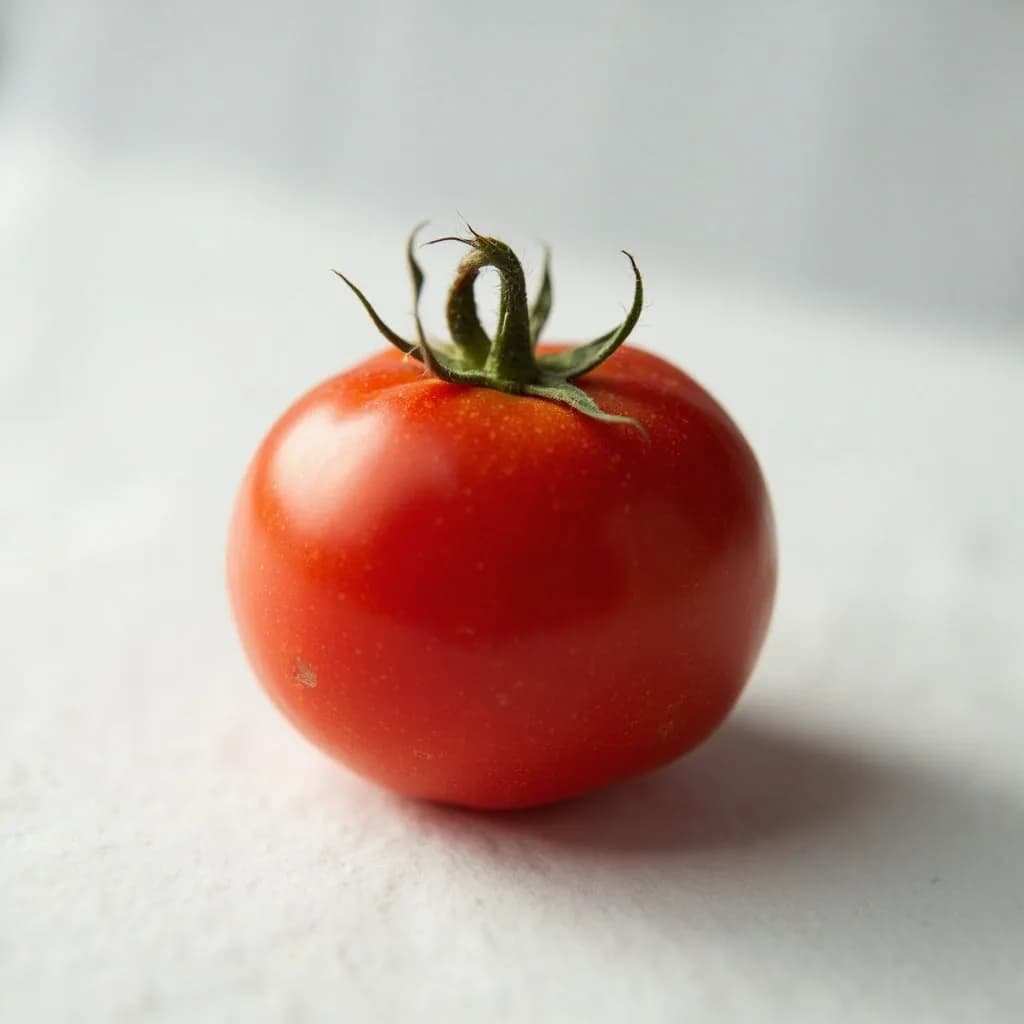
Tomato
Juicy, sun-sweet fruit for sauces, salads, and slow-cooked depth
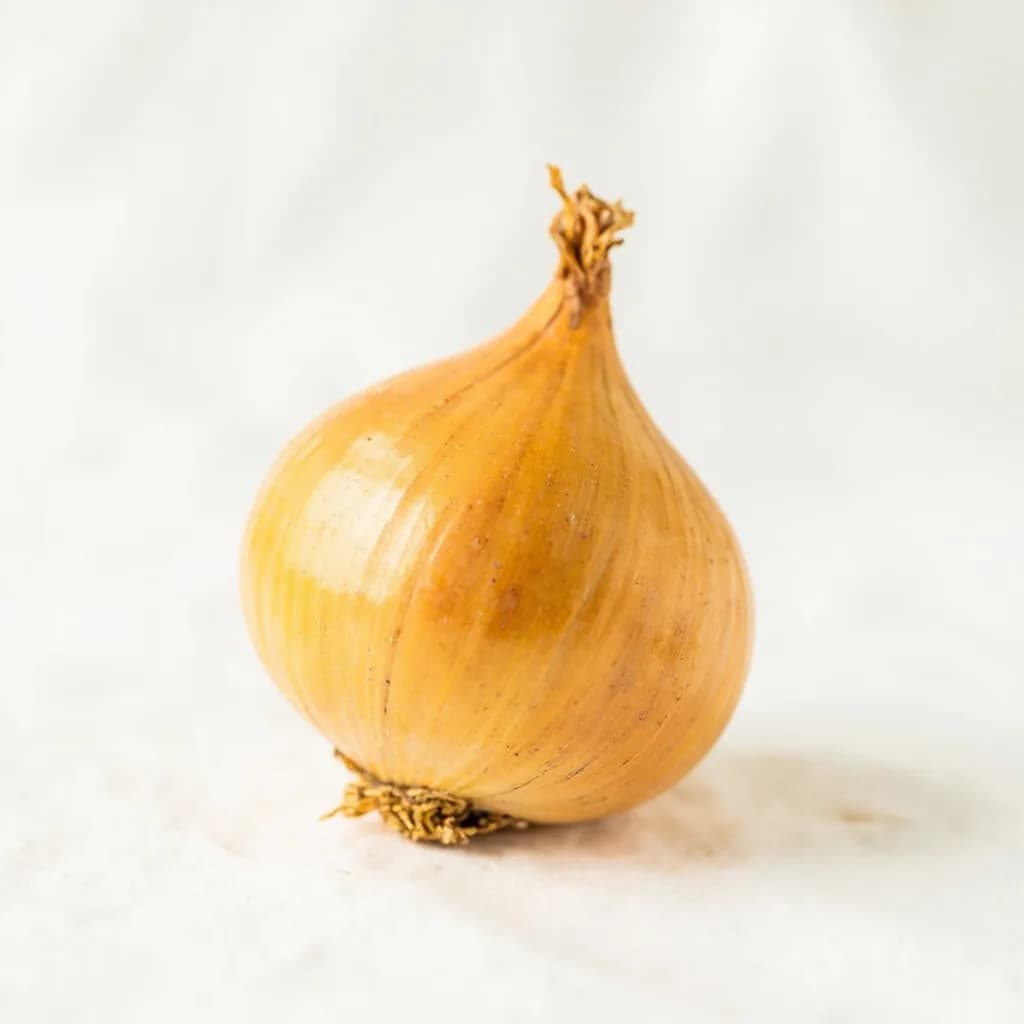
Yellow Onion
The aromatic backbone of soups, sofritos, and braises
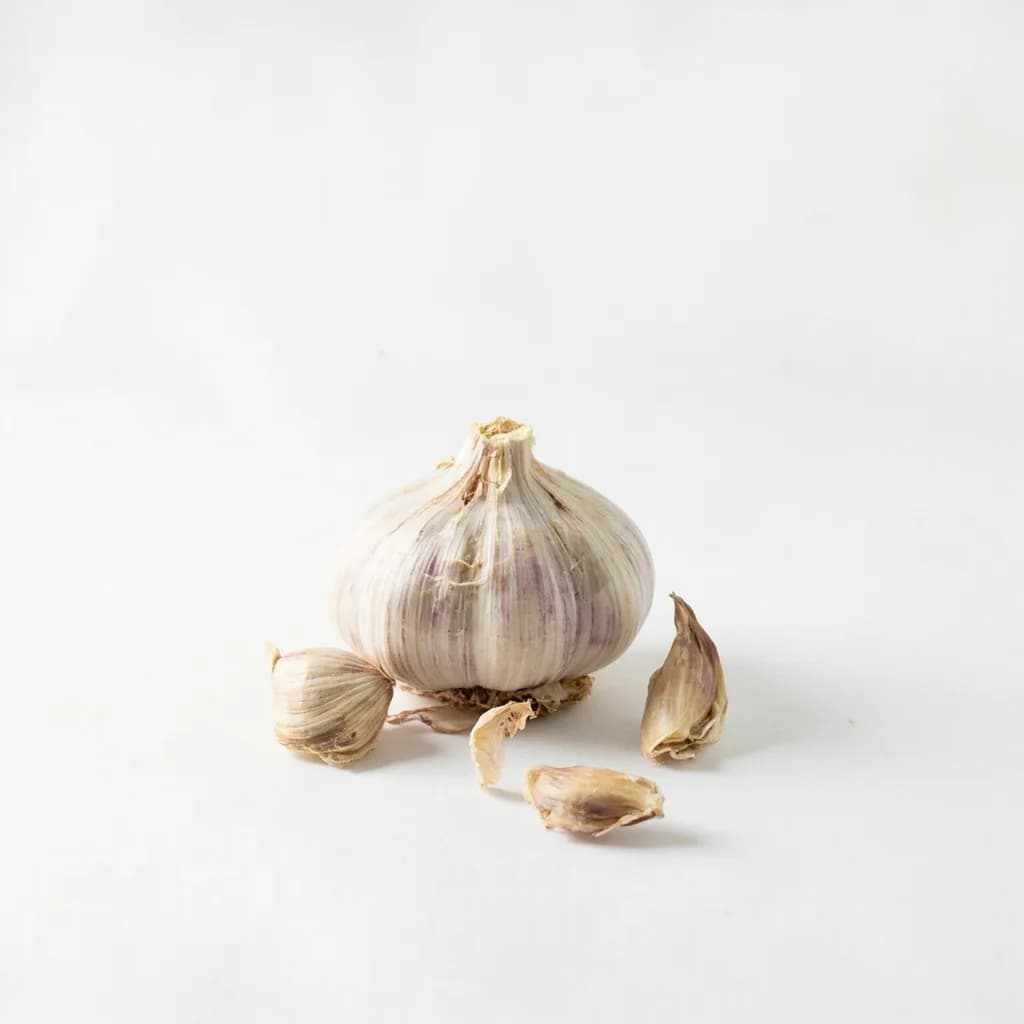
Garlic
Pungent cloves that perfume nearly every savory dish
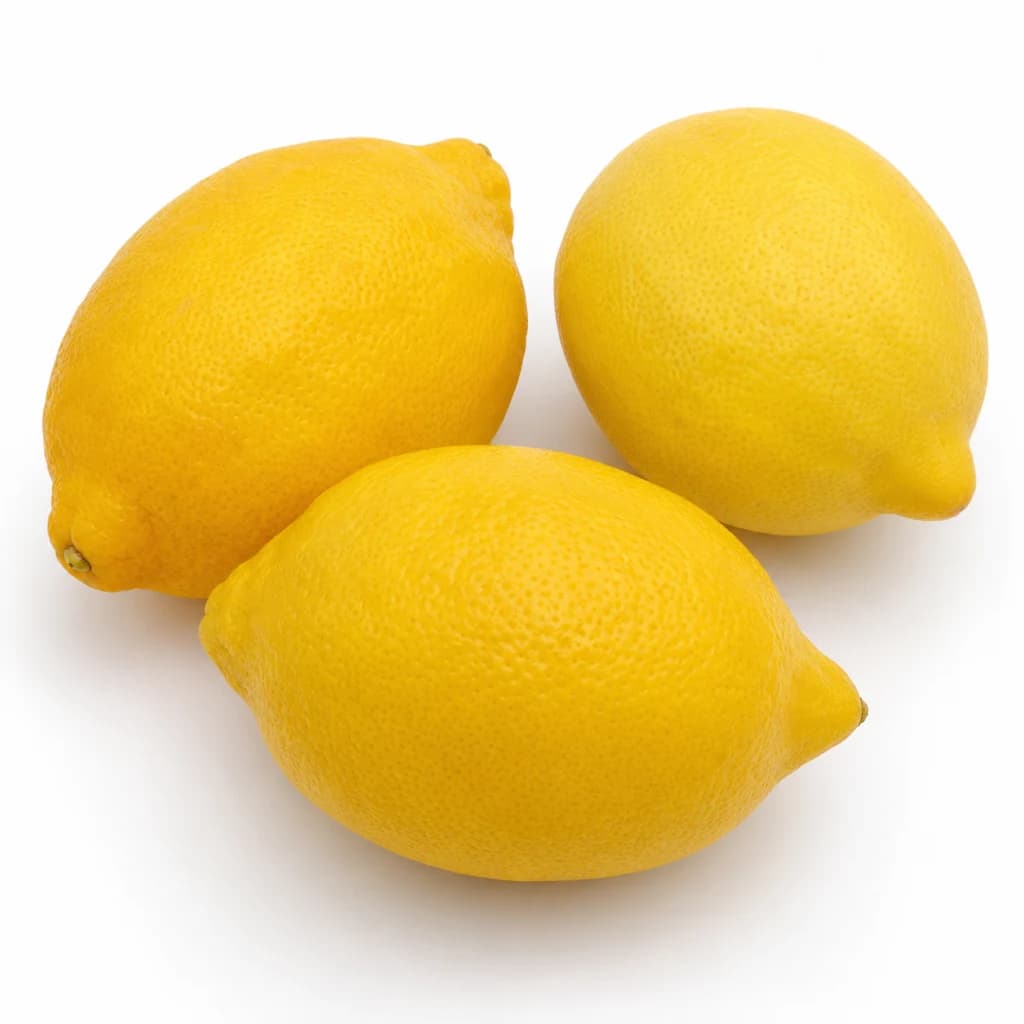
Lemon
Bright, acidic citrus that wakes up almost any dish
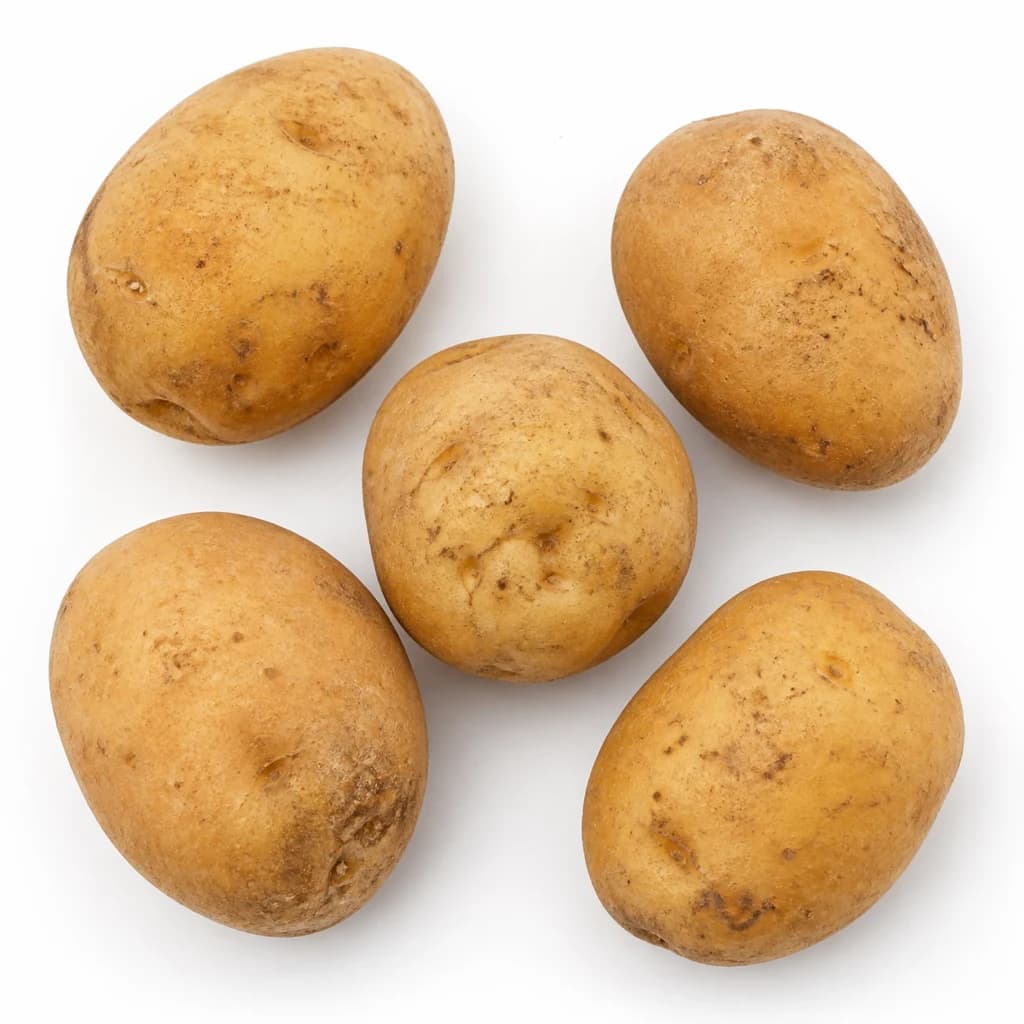
Potato
Humble, hearty staple — roast, mash, fry, or boil
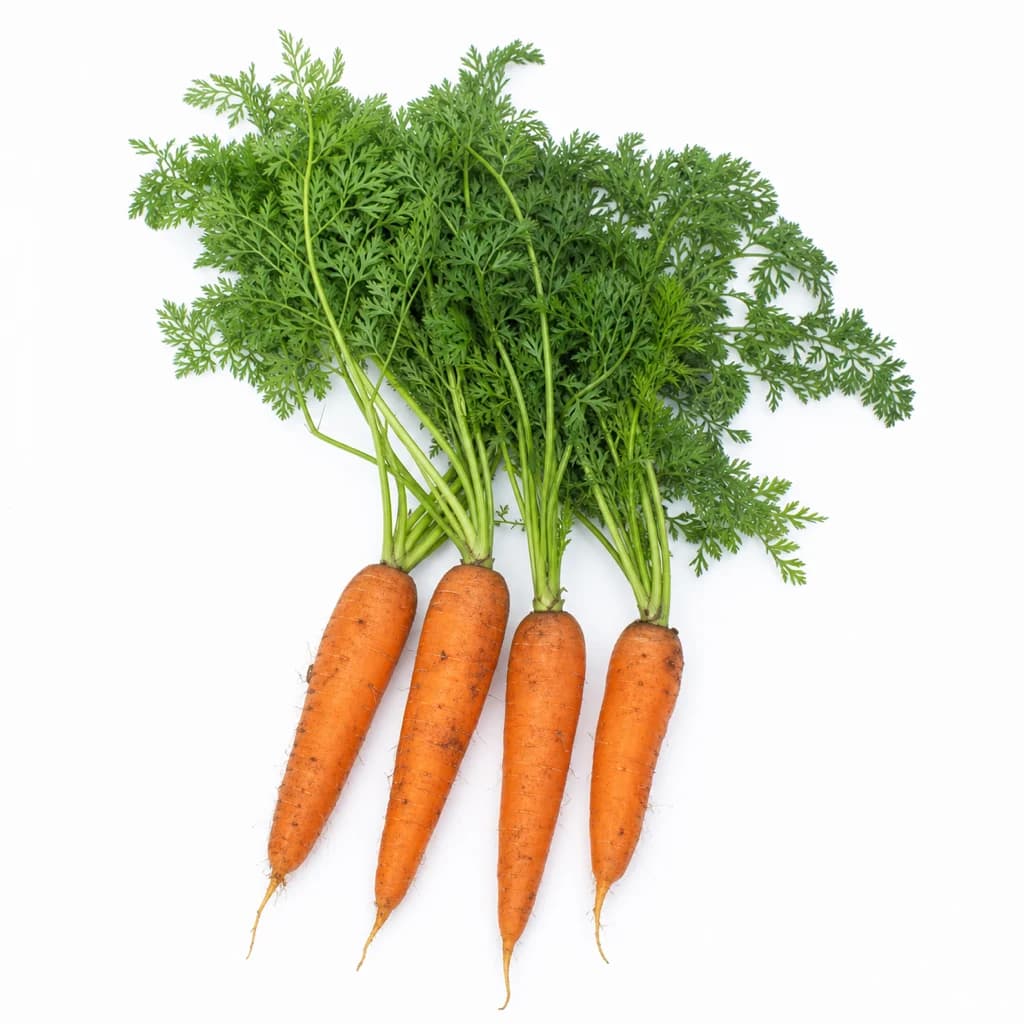
Carrot
Sweet, crunchy root — raw, roasted, or the base of a sofrito
Cucumber
Cool, crisp, and watery — for salads, pickles, and tzatziki

Lettuce
Crisp leaves for salads, wraps, and a fresh crunch