
Natural form
Whole lotus root segments show their light tan skin and tapered, linked knuckle-like shape.
Shows the reader how to identify lotus root at a market before any preparation.
Produce
Lotus Root
Crisp, lacy-holed aquatic rhizome used sliced in Asian stir-fries, soups, and braises.
Lotus root is the crunchy underwater stem of the lotus plant, revealing a striking lace-like pattern of holes when sliced crosswise. It stays crisp when cooked and is stir-fried, deep-fried into chips, braised, or simmered in Chinese and Japanese soups. Its mild, slightly sweet flavor and starchy crunch make it both a vegetable and a textural accent.
Lotus root is the edible rhizome of the Nelumbo nucifera water lotus, the same plant whose seeds and flowers are revered across Asia. The rhizome grows horizontally beneath muddy pond water and shallow lakes, sending up leaves and flowers above the waterline. What makes it visually unmistakable is the series of holes running through its center—usually seven to nine in cross-section—which are the vascular channels that once carried air to the submerged leaves and flowers. These holes are not just a curiosity; they make lotus root uniquely porous among vegetables, allowing it to absorb flavors deeply while remaining structurally resilient through long cooking.
In the kitchen, lotus root offers a dual personality: raw, it is crisp and refreshing, with a mildly sweet, starchy quality reminiscent of jícama or water chestnut. When cooked, it softens but retains a pleasing bite, developing a more vegetal, almost meaty savoriness. The root's firm flesh holds its shape beautifully through stir-frying, braising, and deep-frying, making it one of the most versatile vegetables in Asian cooking. Its neutral flavor acts as a canvas for bold seasonings, while its striking appearance—those distinctive holes and ivory-to-cream coloring—adds visual drama to any plate.
Fresh lotus root is available at most Asian markets from late summer through early autumn, though it can be stored refrigerated for one to two weeks. Beyond fresh, it appears in Japanese pickles (tsukemono), Chinese soups, Korean namul, Vietnamese desserts, and Thai stir-fries. The root's cultural symbolism runs deep: in East Asia, the holes represent clarity of mind and the ability to see through deception, making lotus root a common element in ceremonial dishes. Nutritionally, it provides modest fiber, vitamin C, potassium, and copper, with resistant starch that supports gut health similarly to dietary fiber.
- Measured in
- g
- Storage
- Fridge
Types & varieties
Most common commercial variety; pale ivory flesh with 7–9 holes in cross-section
Slightly pink-tinged flesh; prized in Japanese cuisine; often pickled; firmer texture
Japanese term for second-season root, smaller with more holes; considered more tender and prized
Sliced and sun-dried; reconstituted by soaking; used in herbal medicine and certain soups
Extracted starch used as a thickener; prized in Chinese and Vietnamese desserts
Selecting the Best Lotus Root
Choose firm, heavy rhizomes that feel dense in your hand—lightweight specimens are often hollow or dried out inside. The exterior should be pale buff to light tan without soft spots, blemishes, or any sour odor. The ends should show no significant drying or cracking. If possible, examine the cut end: a clean white-to-cream interior with visible holes indicates freshness. Avoid any rhizome that feels bendy or shows signs of shriveling, as the texture will be compromised.
- Select firm, heavy specimens; avoid light or bendy rhizomes
- Look for pale exterior without soft spots or strong odor
- Check cut end for clean white flesh with visible holes
Why the Holes Matter
The characteristic holes in lotus root are not a defect—they are the plant's ancient engineering. Nelumbo nucifera is an emergent aquatic plant, meaning its leaves and flowers grow above the water surface while the roots and rhizomes sit in anaerobic mud below. The hollow channels running through the rhizome transported oxygen from the leaves down to the submerged tissues. This porous structure means lotus root absorbs braising liquid and seasonings faster than solid vegetables, but it also means the root can dry out if stored improperly. The holes also make lotus root remarkably structural—it holds its shape through hours of simmering without falling apart.
- Holes are vascular channels for oxygen transport to underwater tissues
- Porous structure means faster flavor absorption during cooking
- Same structure provides structural integrity through long cooking
Common uses
Tips & pitfalls
- Scrub thoroughly under running water with a vegetable brush to remove mud from all surface crevices; the holes must be flushed clean
- Peel the brown skin with a swivel peeler or paring knife; the skin is fibrous and unpleasant in both raw and cooked preparations
- Slice on a slight bias for larger surface area and more attractive presentation in cooked dishes
- To prevent browning after slicing, drop pieces into acidulated water (water with a squeeze of lemon or vinegar) for 15–20 minutes
- Do not overcook; lotus root should retain a slight crunch in most preparations—it turns mushy if boiled aggressively
- When braising, add a small amount of rice vinegar to the cooking liquid to help maintain the root's white color and firm texture
- For deep-frying, ensure oil is at 175–180°C; too cool results in soggy coating and excessive oil absorption
- Store cut raw lotus root submerged in water in the refrigerator, changing the water daily, for up to one week
- Select firm, heavy rhizomes; lighter-weight specimens may be hollow or dried out inside
Nutrition
Energy
310 kJ · per 100 g
Where the calories come from
Protein
2.6g
5% DV
Carbs
17.2g
6% DV
Fat
0.1g
0% DV
Fiber
4.9g
18% DV
Sodium
40mg
2% DV
Source · USDA FoodData Central · Lotus root, raw
View on FDC →In the shops
Matched grocery products
No matched grocery products for Lotus Root yet.
Good to know
- Botanical name
- Nelumbo nucifera rhizome
- Origin
- East and South Asia; cultivated in China, Japan, India, and Korea for millennia
- Peak season
- Late summer through early autumn for fresh; available year-round pickled, canned, or dried
- Flavor
- Mild, faintly sweet; starchy and more vegetal when cooked
- Texture
- Firm and crunchy when raw; tender but retains bite when cooked
- Color (fresh)
- Pale buff to light tan exterior; white to cream interior
- Typical length
- 60–150 cm (2–5 feet) for mature rhizomes
- Storage (fresh)
- Refrigerate unwrapped in a plastic bag; use within 1–2 weeks
- Freezing
- Blanch slices 2–3 minutes before freezing for up to 3 months
- Yield
- Minimal waste; peel and trim ends only (approximately 10–15% trim)
- Preparation time
- 5–10 minutes to scrub, peel, and slice
Substitutes
- Jícama — Similar crunchy texture and mild flavor; slice similarly; best raw or lightly cooked
- Water chestnuts — Comparable crunch and neutral flavor; smaller and denser; excellent in stir-fries
- Bamboo shoots — Similar starchy, mild quality; more fibrous texture; acceptable in soups and braises
- Daikon radishes — Less crunchy but similar mild flavor; cooks to tender more quickly
- Jerusalem artichokes — Nutty flavor and firm texture; acceptable in similar preparations but distinct taste
Pairs with
Also called
莲藕 · Lotus Stem · Renkon
Related
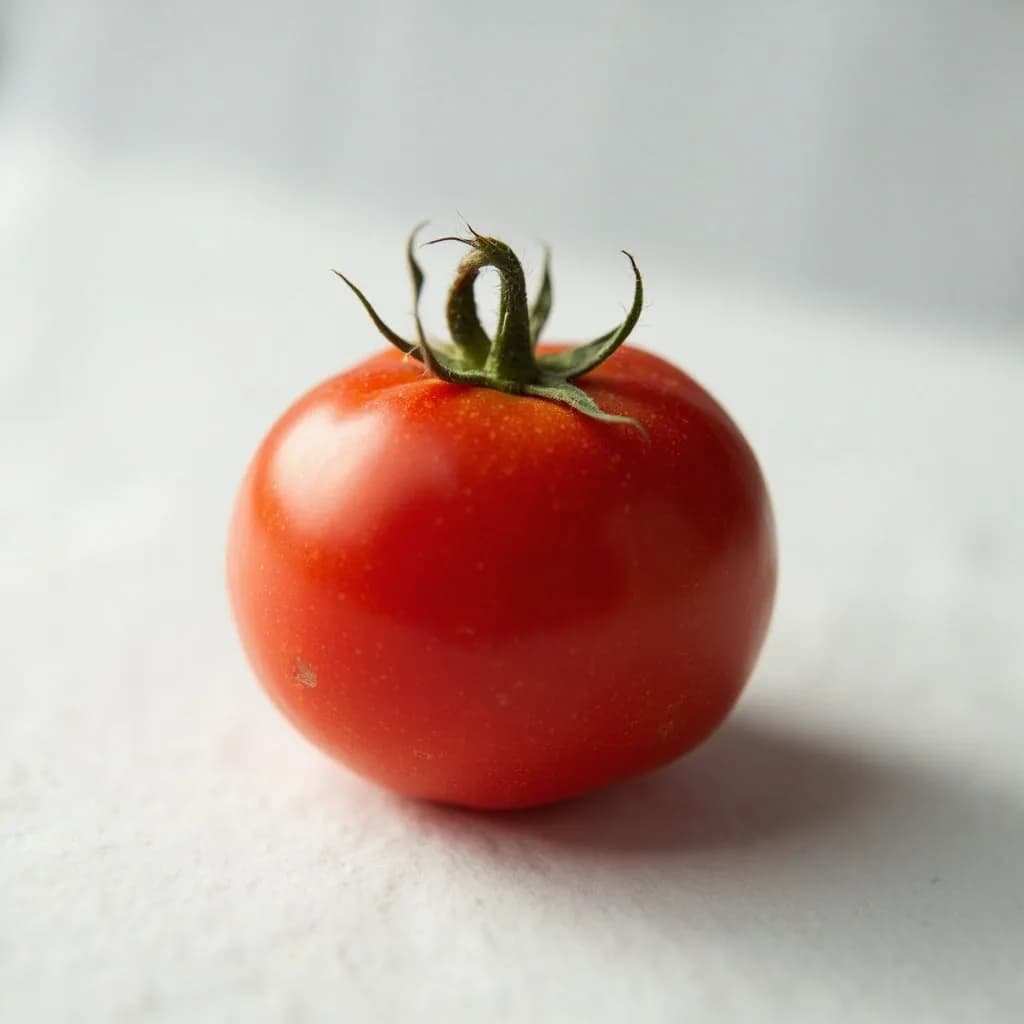
Tomato
Juicy, sun-sweet fruit for sauces, salads, and slow-cooked depth
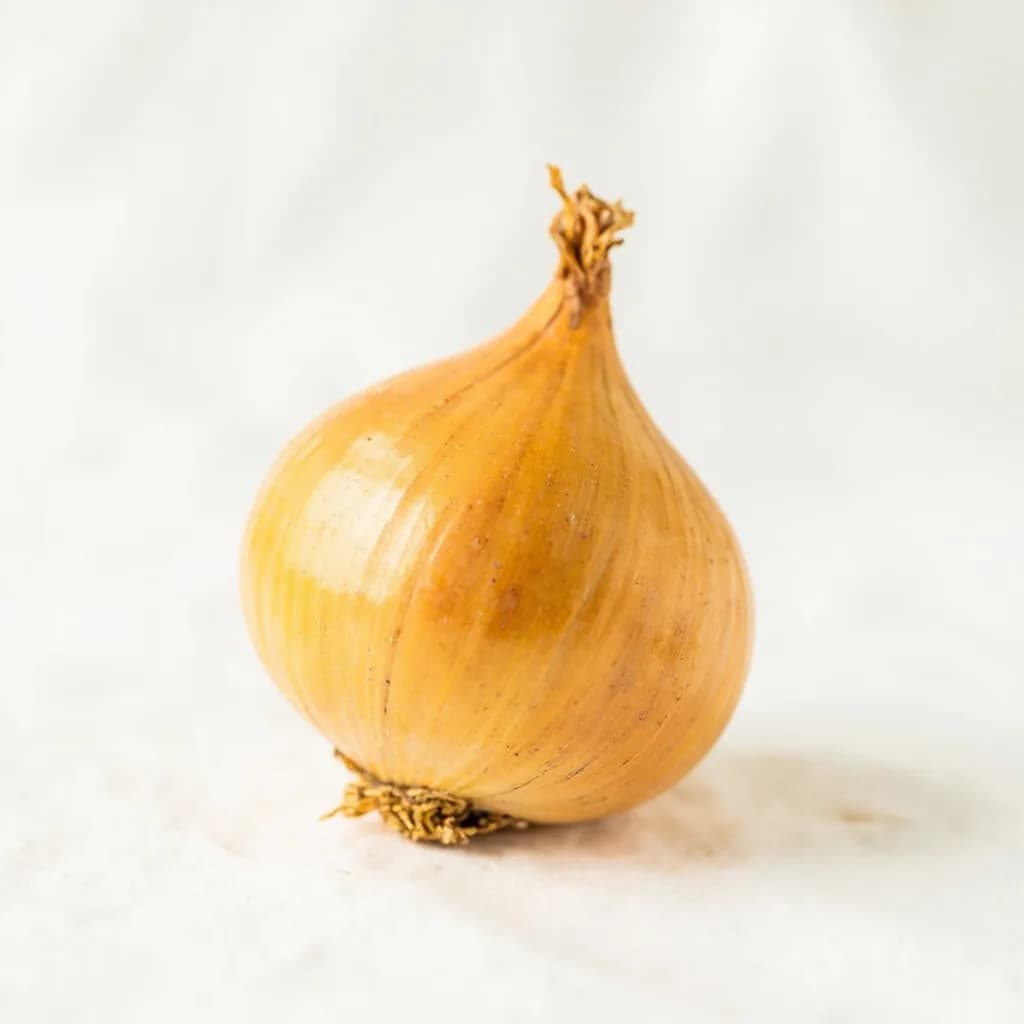
Yellow Onion
The aromatic backbone of soups, sofritos, and braises
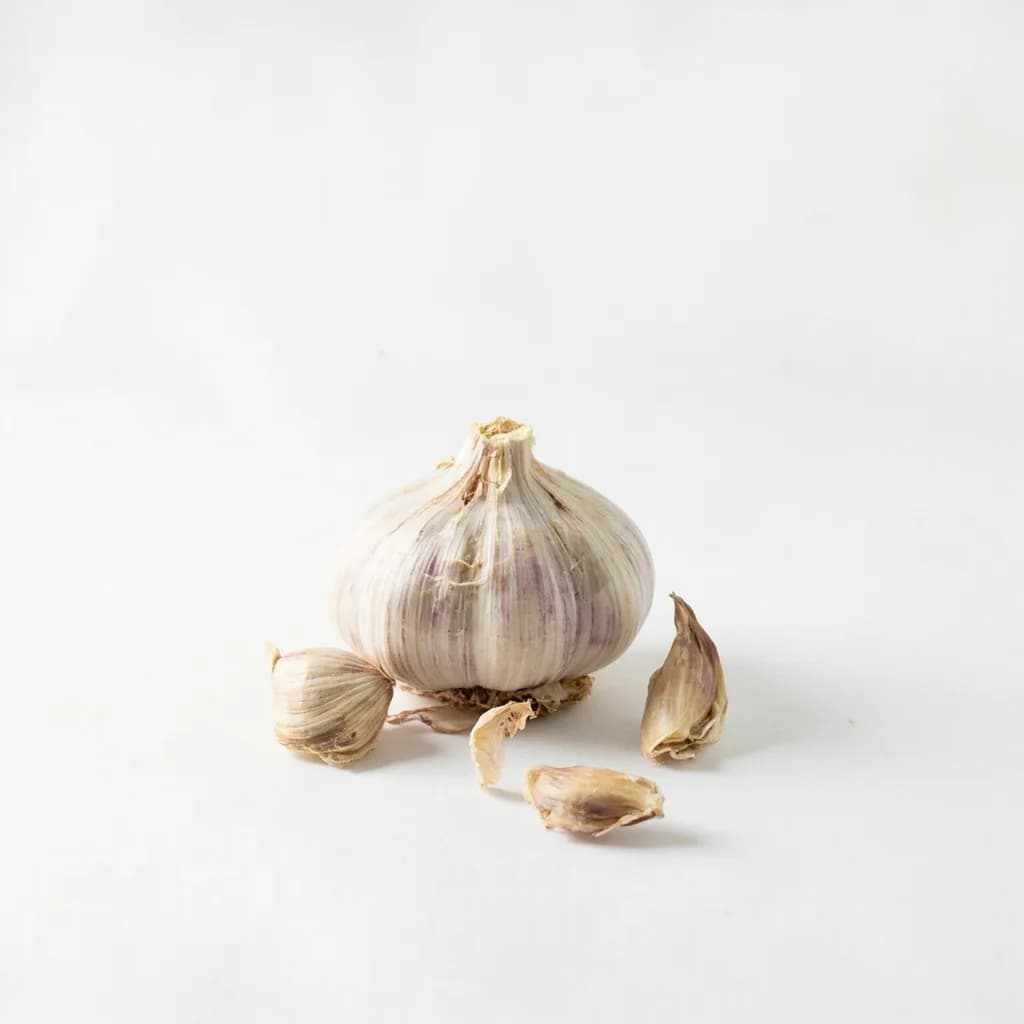
Garlic
Pungent cloves that perfume nearly every savory dish
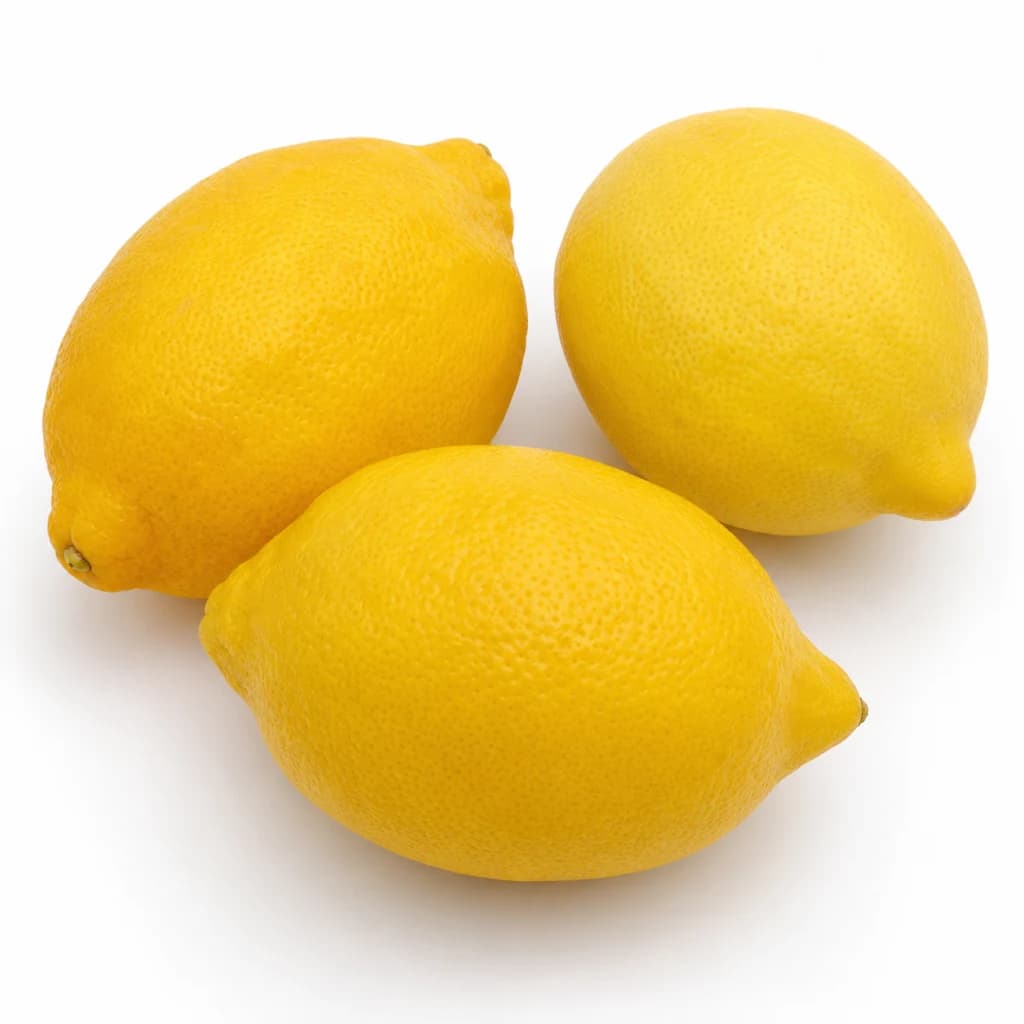
Lemon
Bright, acidic citrus that wakes up almost any dish
Potato
Humble, hearty staple — roast, mash, fry, or boil
Carrot
Sweet, crunchy root — raw, roasted, or the base of a sofrito
Cucumber
Cool, crisp, and watery — for salads, pickles, and tzatziki

Lettuce
Crisp leaves for salads, wraps, and a fresh crunch