South America
Peruvian Amazonian (Selvática)
Also: Cocina Selvática, Cocina Amazónica Peruana, Jungle Cuisine of Peru
Peru's jungle kitchen, where paiche fish, tacacho plantain cakes, and indigenous Shipibo-Conibo traditions meet the world's most biodiverse larder.
Selvática cuisine encompasses the food traditions of Peru's Amazon basin — the Loreto, Ucayali, San Martín, and Madre de Dios regions — drawing on the ecological abundance of the rainforest and the culinary knowledge of dozens of indigenous nations including the Shipibo-Conibo, Awajún, Bora, and Yagua peoples. It is defined by river fish, smoked and dried meats, starchy plantains, yuca (cassava), exotic jungle fruits, and preparations that reflect deep ecological intimacy rather than pantry staples imported from the coast or highlands.
The flavour base
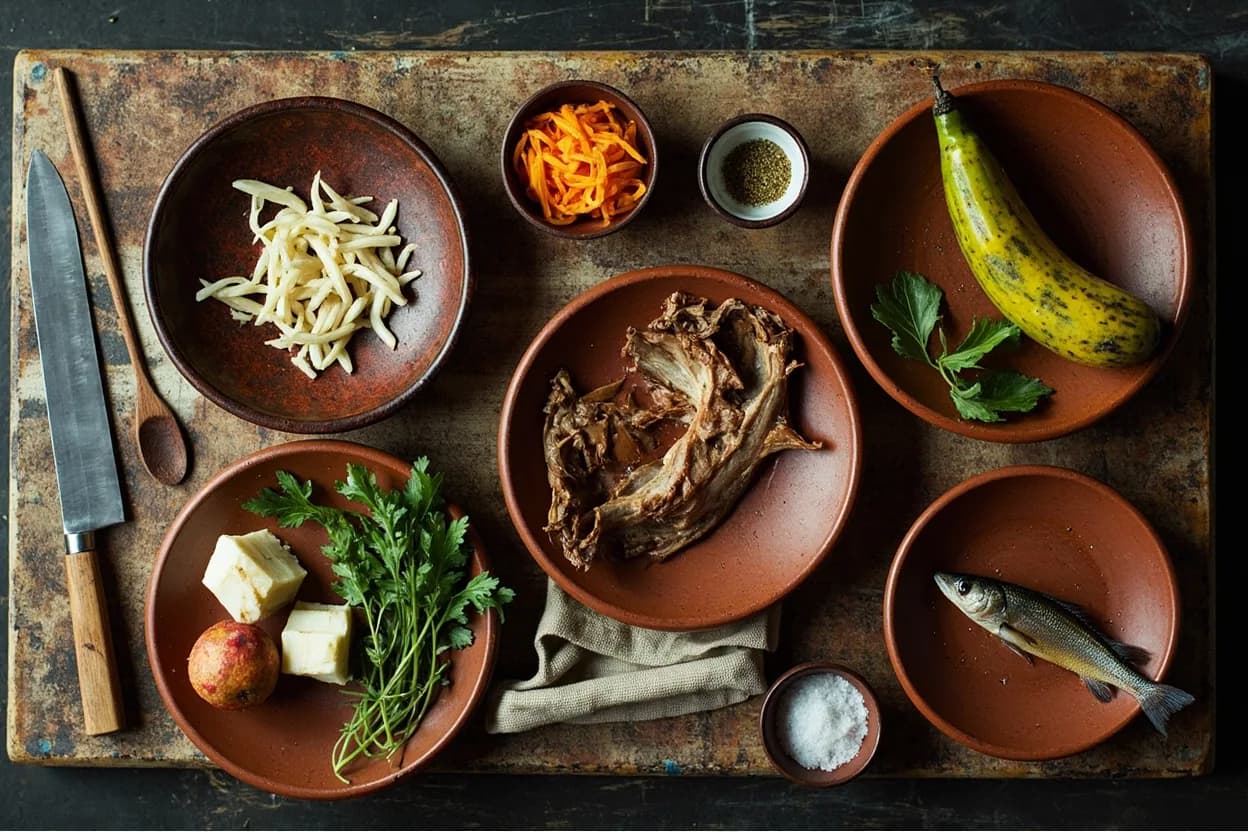
Yuca (cassava) and plantain as the starchy backbone; sacha culantro (Eryngium foetidum) and ají charapita as the aromatic and heat base; smoked and dried proteins (cecina, pango) lending depth; riverside herbs like huacatay and bijao leaf used to wrap and perfume.
Pantry staples
Key ingredients
Signature techniques
Signature dishes
Peruvian Amazonian (Selvática) on the table

At the table
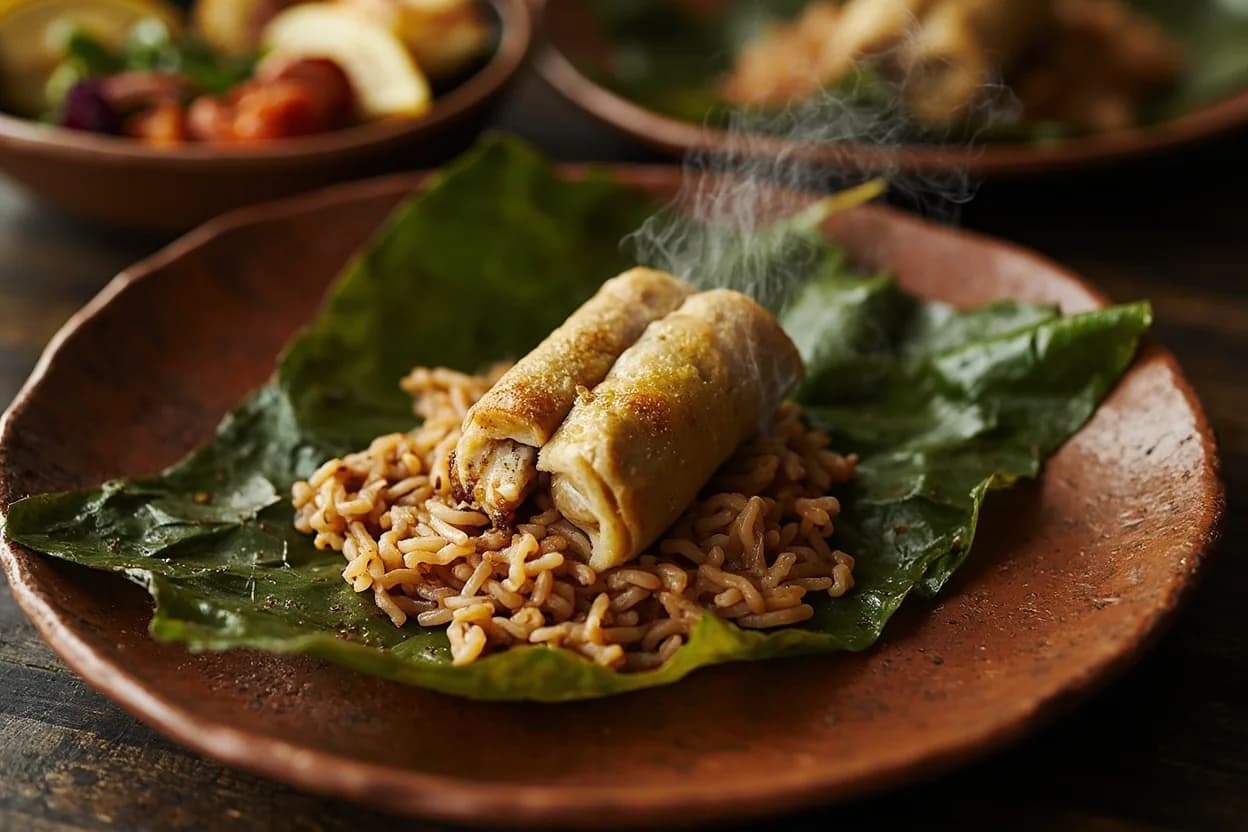
Meals center on a single substantial plate of protein plus starch — tacacho, yuca, or rice — with broth soups as a common starter. Communal eating is important at celebrations and ritual feasts; indigenous Shipibo-Conibo gatherings feature masato served in large communal bowls. Street food in Iquitos and Pucallpa extends the cuisine to urban snackers: juane sold wrapped in bijao at dawn, tacacho at midday.
History & context
The food traditions of Peru's Amazon predate European contact by millennia. Shipibo-Conibo, Awajún-Wampis, and dozens of other nations developed a sophisticated ecological knowledge of the rainforest — cultivating over 3,000 plant varieties in agroforestry plots called chacras, harvesting river fish with artisanal nets and traps, and fermenting cassava into masato as both nutrition and ceremony. Spanish colonization introduced pork (enabling cecina) and rice (absorbed into juane). Iquitos, founded in the late 18th century and accessible only by river or air, became the cosmopolitan hub of jungle gastronomy, absorbing Portuguese, Lebanese, and Japanese immigrant influences by the rubber boom era (1880–1914). Since the 2010s, Selvática has gained international visibility through Lima chefs like Pedro Miguel Schiaffino (Malabar, Amaz) who elevated jungle ingredients to fine-dining prominence while working directly with indigenous communities.
Regional variations
- Loreto (Iquitos)
Most developed urban jungle food scene; paiche ceviche, tacacho, and juane are iconic; Lebanese-descended families contributed arroz con leche variations and fried savories.
- Ucayali (Pucallpa)
Shipibo-Conibo heartland; masato fermentation is ceremonially central; suri al palo widely available at roadside stalls; emphasis on river catfish like doncella and zúngaro.
- San Martín (Tarapoto)
Transitional zone between Andes and jungle; cecina and chorizo from Juanjuí are particularly prized; cacao cultivation influences local sweets; aguardiente-based cocktails.
- Madre de Dios (Puerto Maldonado)
Southern Amazon, influence of Bolivia and Brazil; more Brazil nut (nuez de Brasil) use; Harakbut and Ese Eja indigenous food traditions less commercially visible but ecologically profound.
Related cuisines
The two traditions meet in transitional selva alta; chuño and Andean potato migrate downslope while jungle fruits travel upward.
- Brazilian Amazonian
Shares paiche (pirarucu), tucupi fermented yuca juice, and many river fish across a continuous ecological zone; tacacho parallels Brazilian paçoca de carne.
- Colombian Amazonian
Contiguous jungle with shared indigenous groups (Bora, Huitoto) across the border; similar reliance on yuca, palm fruits, and freshwater fish.
Lima chefs have driven a creative exchange, importing coastal ceviche technique to jungle fish and vice versa; Nikkei influence also filters jungle ingredients through Japanese technique.
Canonical recipes
The dishes that define Peruvian Amazonian (Selvática), documented in the Canon.
References
- 1.The Amazon Table — Pedro Miguel Schiaffino (Librería El Virrey, 2012)
- 2.Flavors of Peru — Gastón Acurio (Ediciones El Comercio, 2006)
- 3.Peru: The Cookbook — Gastón Acurio (Phaidon, 2015)
- 4.Amazonian Dark Earths: Origin, Properties, Management — Johannes Lehmann et al. (Kluwer, 2003)
Confidence: high
Notes
Paiche: the encyclopedia fish
Paiche (Arapaima gigas) can reach 3 meters and 200 kg, making it the largest scaled freshwater fish on earth. Its firm, white, boneless flesh is prized for ceviche, grilling, and smoking. Overfished in the 20th century, it is now farmed in Loreto and Ucayali and subject to seasonal wild-harvest bans — a sustainability story actively being managed by indigenous co-management agreements.
Suri: the grub question
Suri (Rhynchophorus palmarum larvae, raised in aguaje palm) are a high-protein traditional food of the Loreto region. They are eaten raw, roasted on skewers, or fried. Their flavor has been described as buttery with a hint of coconut. They are increasingly visible at Iquitos tourist markets but remain primarily part of indigenous and mestizo rural diets.