South America
Peruvian Coastal (Criollo)
Also: Cocina criolla peruana, Criollo cooking, Lima coastal cuisine
The Pacific-facing strip from Lima southward — where Humboldt Current seafood, African stew technique, Spanish sofrito, and indigenous ají tradition converge into one of the world's most sophisticated coastal cuisines.
Peruvian coastal criollo cuisine is the creole cooking of Peru's Pacific littoral, primarily centered on Lima and the coastal valleys extending north and south. 'Criollo' (creole) here denotes the historical synthesis of indigenous Andean ingredients and techniques, Spanish colonial influence (olive oil, onion, garlic, citrus), West African culinary practice carried by enslaved cooks (long braising, offal cookery, anticuchos), and later waves of Chinese (chifa) and Japanese (nikkei) immigration that permanently altered Lima's food vocabulary. The cold Humboldt Current running along Peru's coast produces extraordinarily rich and varied Pacific seafood — the foundation of ceviche culture — while the coastal desert strip concentrates flavors through the ají amarillo, the single most important flavor molecule in criollo cooking.
The flavour base
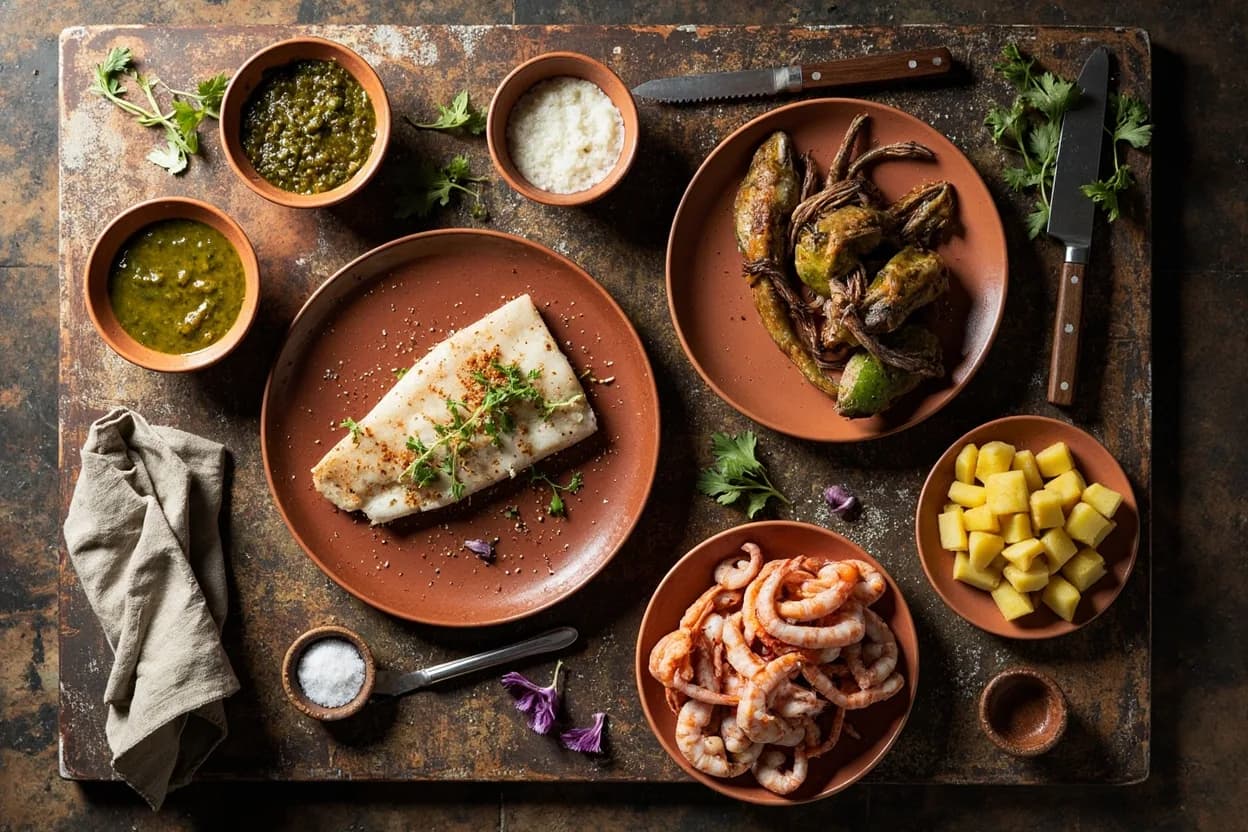
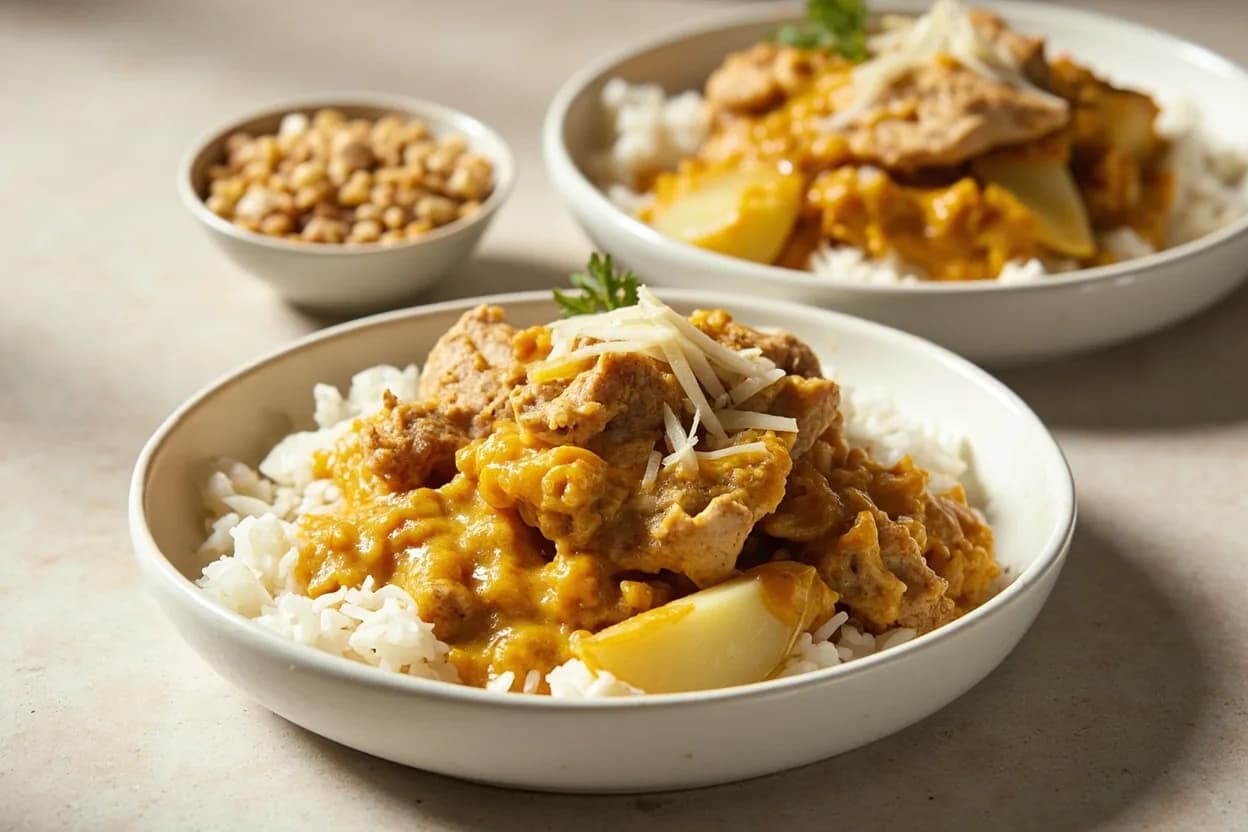
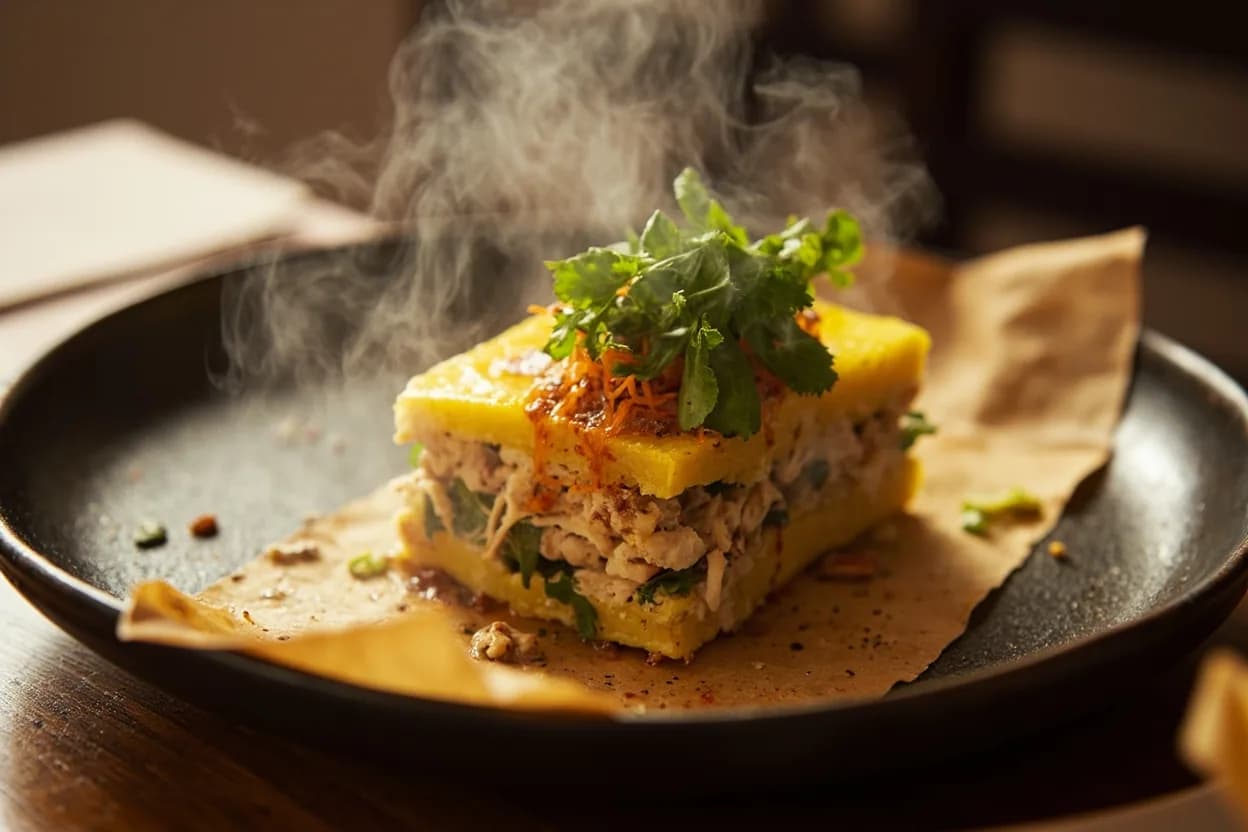
Ají amarillo (yellow Peruvian chile) is the defining aromatic and color agent — its fruity, medium heat and tropical-fruit aroma underpin ceviche, causa, ají de gallina, and most sauces. The secondary base is a sofrito of onion, garlic, and tomato or ají panca (smoky red chile) cooked down in oil, which structures the stewed and braised dishes. Lime juice — specifically Peruvian limes (limón sutil), smaller and more aromatic than Mexican limes — is the acid backbone of all ceviche.
Pantry staples
Key ingredients
Signature techniques
Signature dishes
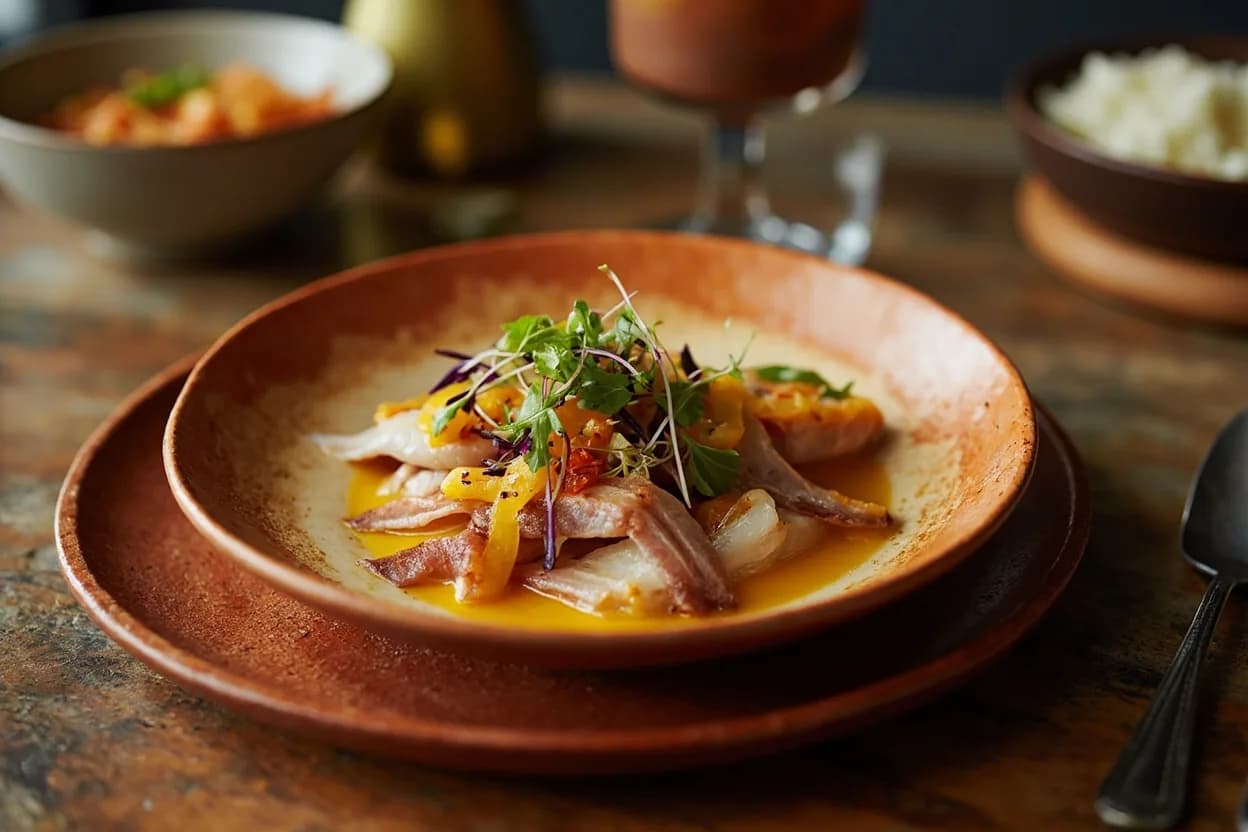
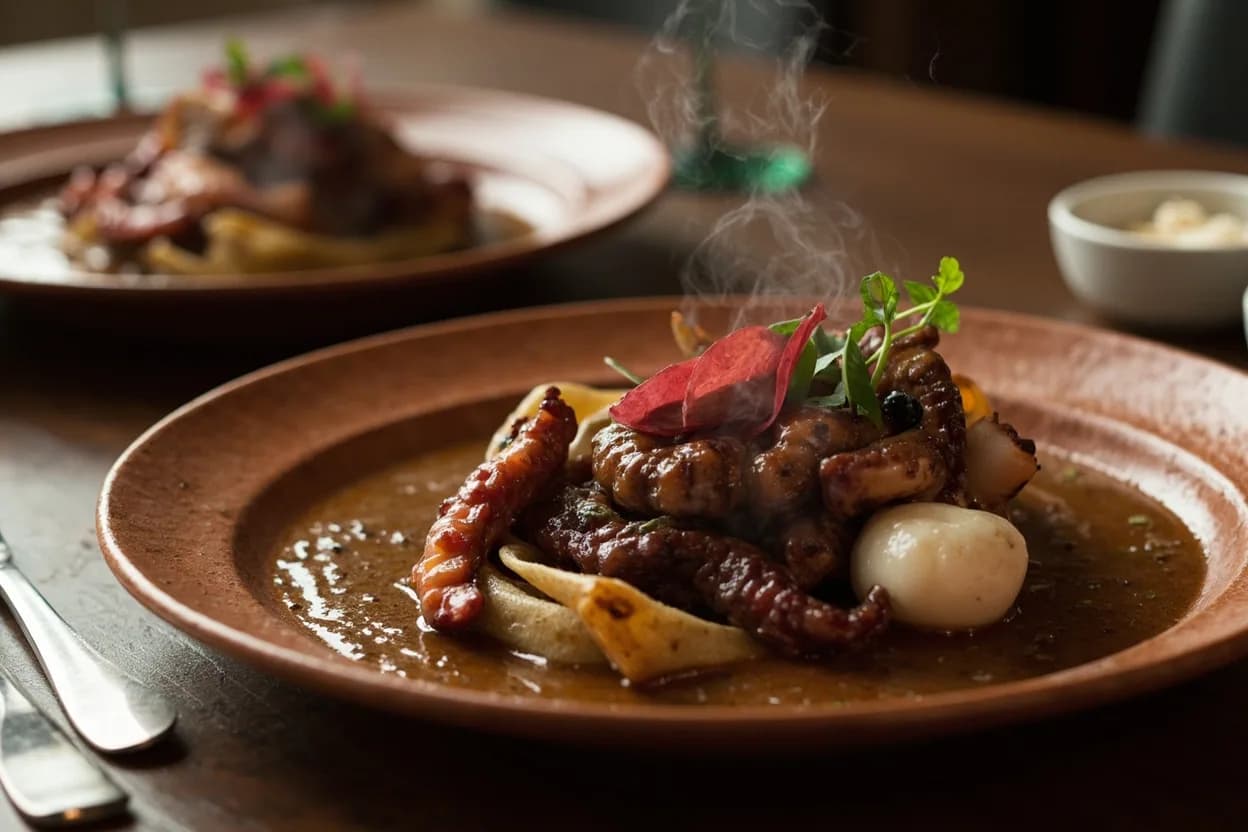
Peruvian Coastal (Criollo) on the table
At the table
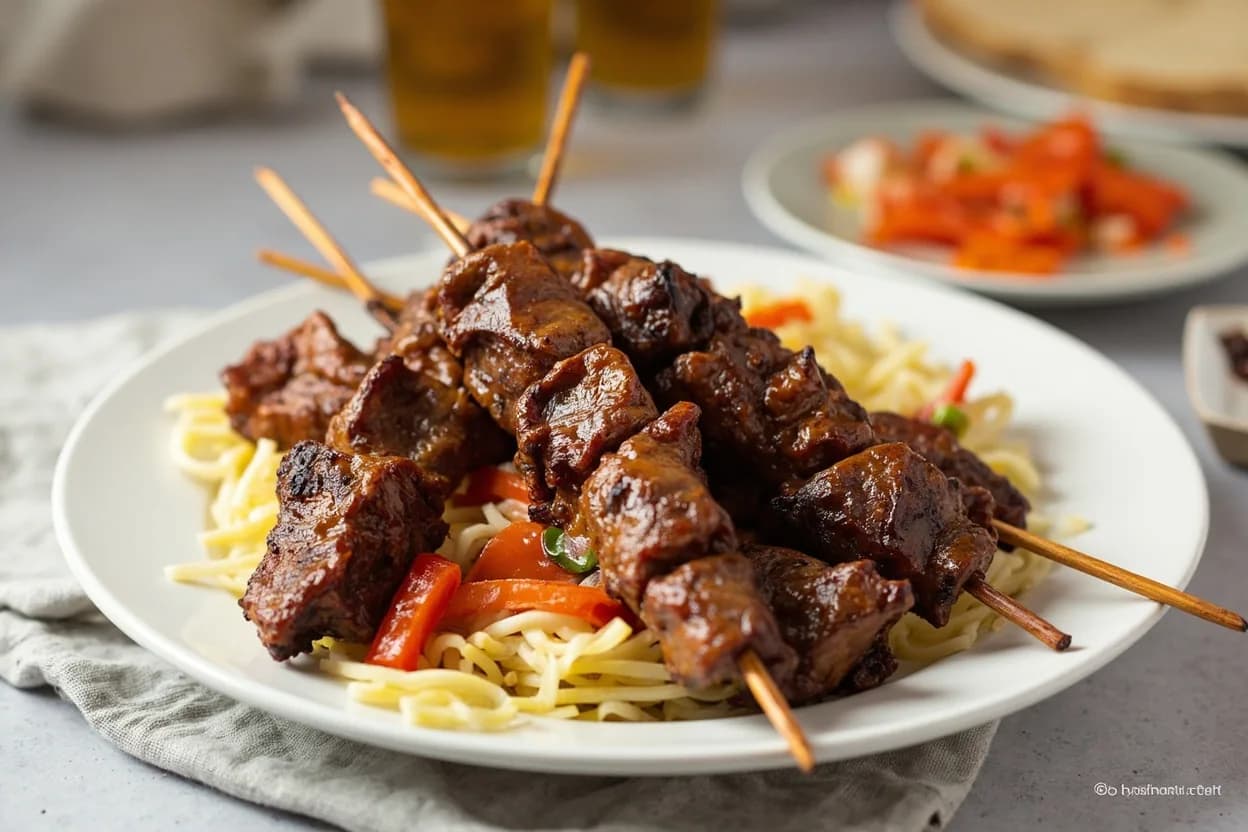
Lima's eating culture is lunch-centric — the almuerzo (lunch) from roughly 1–3 p.m. is the main meal, often three courses at a cevichería or criollo restaurant: soup, ceviche or tiradito, then a stewed main. Breakfast is light (pan de molde, coffee, fruit). Dinner is lighter than lunch — leftovers, sandwiches, or simple stews. Cevicherías traditionally operate only until early afternoon when the fresh catch runs out. Street food — anticuchos, picarones (sweet potato doughnuts), tamales — is a parallel system active from early morning.
History & context
Pre-Columbian coastal Peru (Moche, Chimú, and later Inca coastal populations) already practiced fish preservation and consumption, with archaeological evidence of early ceviche-like preparations using chicha (fermented corn) rather than lime as the curing acid. Spanish conquest from 1532 introduced citrus, onion, garlic, and the slave trade. Enslaved West Africans in Lima's households transformed the criollo kitchen — picarones, anticuchos, and many slow-braised stews are African in technique if not ingredient. The massive Chinese indentured migration (1849–1874, the 'coolies' era) seeded Lima's chifa tradition. Japanese immigration from the 1890s onward produced the nikkei school, which gave the world tiradito. By the 1990s Gastón Acurio and Mitsuharu Tsumura had elevated this synthesis into a globally recognized cuisine; Lima now holds more entries in Latin America's 50 Best Restaurants than any other city.
Regional variations
- Lima (capital)
The densest concentration of the full criollo tradition; ground zero for the nikkei and chifa fusion traditions; world-class fine dining coexists with street cevicherías.
- Piura (north coast)
Peru's northern coast has its own ceviche tradition using different local fish (caballa, mero) and often adds more chile heat; also known for clarito (grape brandy) and chicharrón de pescado.
- Ica and the south coast
Ica is the pisco-producing heartland; carapulcra (a dried-potato stew) is a regional specialty; Chincha has strong Afro-Peruvian community food traditions including sopa seca.
Related cuisines
- Peruvian Andean
The highland counterpart sharing ingredients (potato, corn, ají) but emphasizing roasting, freeze-drying (chuño), and hearty meat stews rather than seafood and acid-cured preparations.
Japanese immigration created a distinct fusion cuisine; tiradito, usuzukuri of Peruvian fish, and the temple of Mitsuharu Tsumura's Maido express this synthesis.
- Chifa (Chinese-Peruvian)
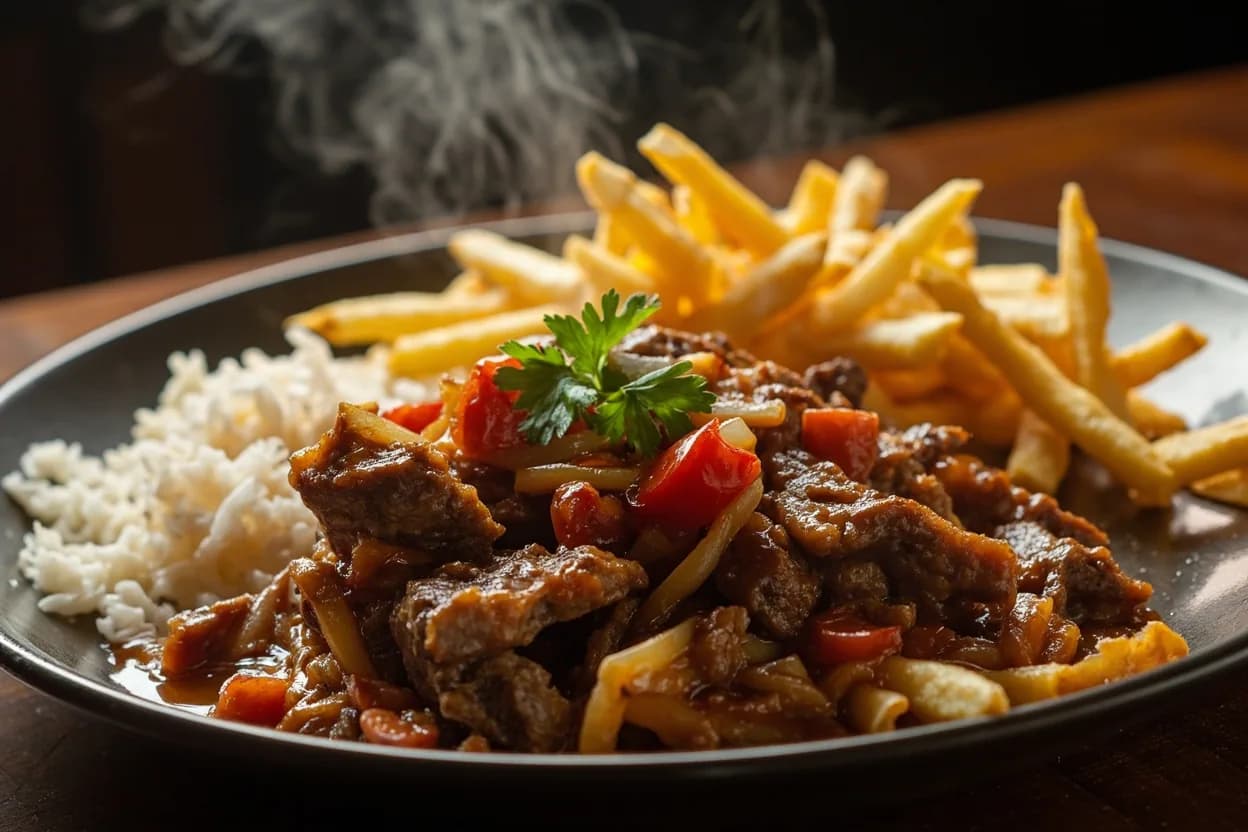
The legacy of 19th-century Chinese indenture; lomo saltado, arroz chaufa, and wonton soup with ají amarillo are now Peruvian staples.
- Chilean coastal
Shares Pacific seafood resources and Spanish colonial foundation; ceviche appears but without the same ají amarillo grammar; Chilean seafood cookery is milder and more European-inflected.
Canonical recipes
The dishes that define Peruvian Coastal (Criollo), documented in the Canon.
References
- 1.The Art of Peruvian Cuisine — Tony Custer
- 2.Peru: The Cookbook — Gastón Acurio
- 3.Ceviche: Peruvian Kitchen — Martin Morales
- 4.Lima the Cookbook — Virgilio Martínez
- 5.Gran Cocina Latina — Maricel Presilla
Confidence: high
Notes
Leche de tigre: cure and tonic
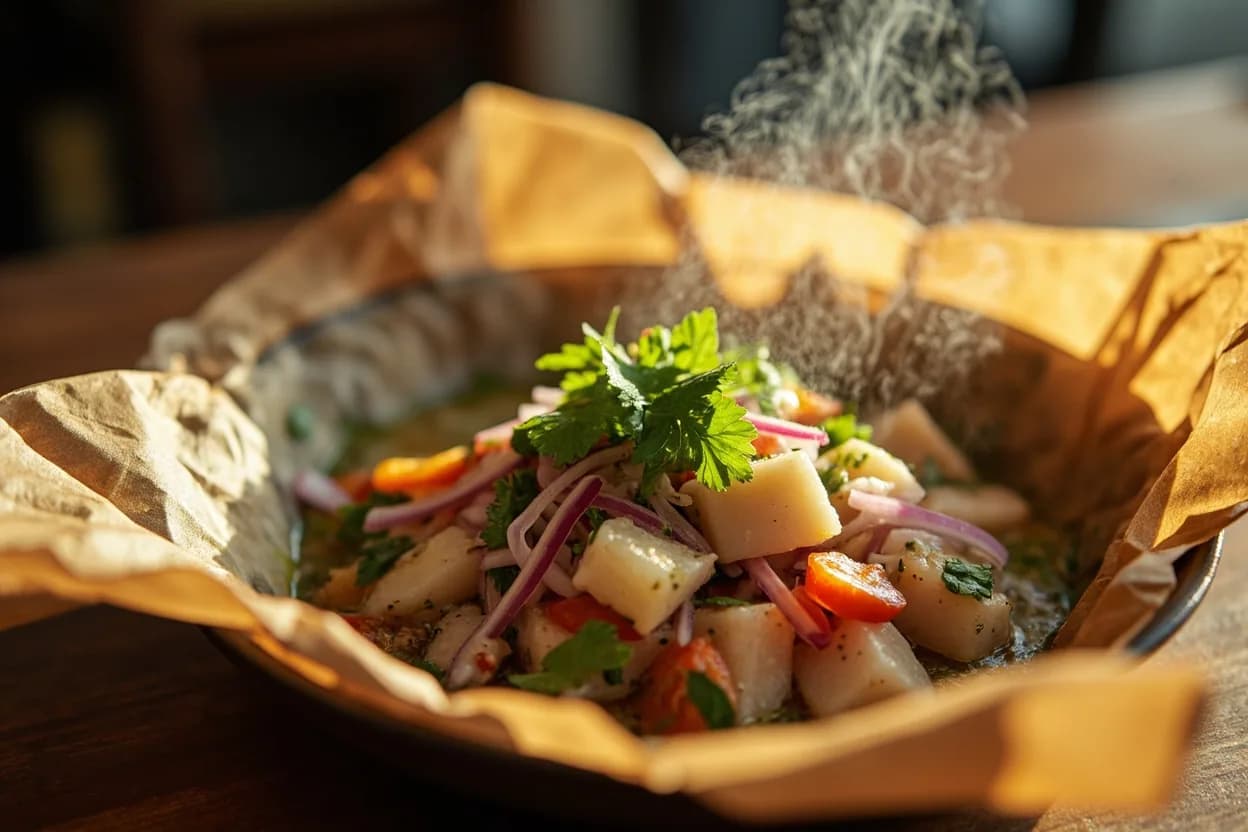
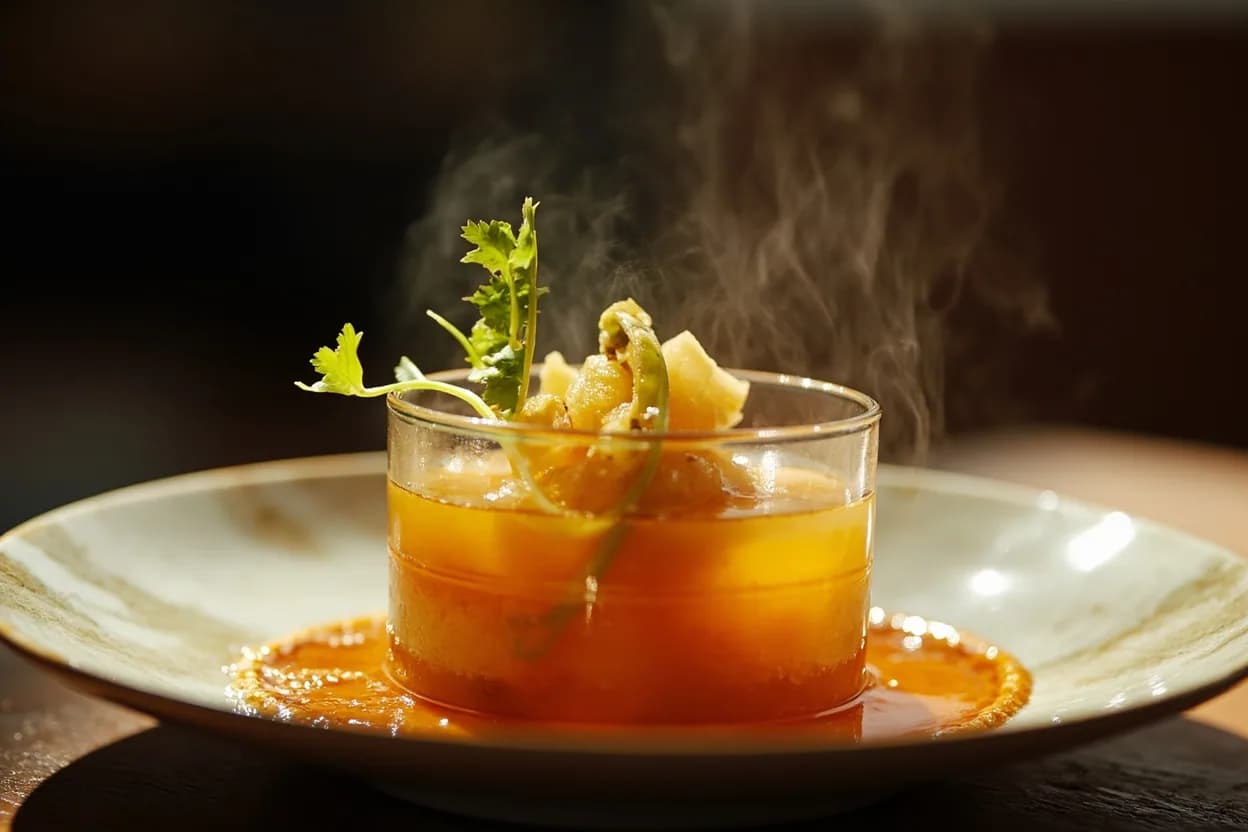
Leche de tigre ('tiger's milk') is the cloudy, acid-spicy liquid that forms during and after ceviche curing — a blend of lime juice, fish juices, red onion, ají amarillo, salt, garlic, and culantro. It is simultaneously the ceviche's curing medium and, when served separately in a shot glass, one of Lima's most beloved tonics and hangover remedies. High-end cevicherías now serve it as a composed amuse-bouche; street vendors pour it over ice.
Ají amarillo: the irreplaceable center
Ají amarillo (Capsicum baccatum) is not substitutable in criollo cooking without fundamentally altering the result. Its heat is medium (30,000–50,000 SHU) but its flavor profile is what matters: a tropical fruitiness — mango and passion fruit undertones — combined with a floral warmth that no other chile replicates. It appears as a fresh chile, as a paste (the standard pantry form), in creamy sauces (ají de gallina, huancaína), and in ceviche leche de tigre. Outside Peru it is available frozen and as jarred paste in Latin American grocery stores.