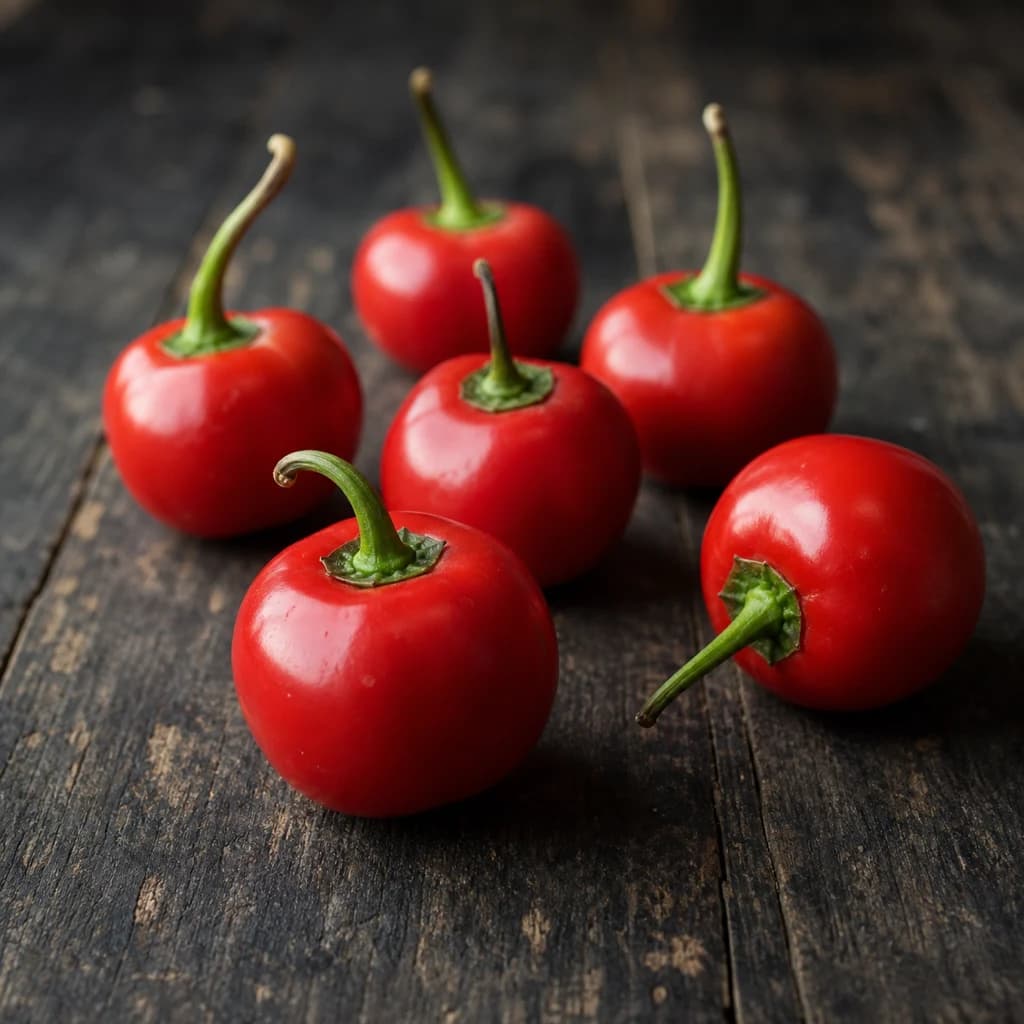
Natural form
Whole rocoto peppers showing their rounded, bell-like shape and vivid red color.
Teaches the reader the distinctive rounded form, thick walls, and characteristic deep-red color that distinguishes rocoto from other chilies.
Produce
Rocoto Pepper
Fiery thick-walled Andean chili used stuffed or in sauces across Peruvian and Bolivian cooking.
Rocoto is a fleshy Andean chili with a rounded, bell-like shape and a hot, fruity bite. Common in Peru and Bolivia, it is hollowed and stuffed for rocoto relleno or blended into table sauces and ajis. It is recognizable by its black seeds and pairs heat with a sweet, slightly grassy flavor.
Rocoto (Capsicum pubescens) is a thick-walled, intensely fiery chili native to the Andean highlands of Peru and Bolivia. What sets it apart from most other cultivated chiles are its distinctive black seeds—a botanical anomaly among common peppers—and the hairy foliage on the plant itself. The flesh is notably thick and meaty, which allows rocoto to withstand prolonged cooking without dissolving into mush, making it ideal for stuffing, slow-simmered stews, and roasting. Heat ranges from 30,000 to 100,000 Scoville units, delivering a slow-building, lingering burn that builds character rather than assault. One of the oldest domesticated chiles in the Americas, rocoto anchors Peruvian identity cuisine—find it in every Lima cevichería, stuffed as the iconic Rocotos Rellenos, blended into sauces, or diced into fresh ceviche.
In the kitchen, rocoto behaves differently than thin-walled chiles. Its cellular structure holds shape under heat, chars develop sweet, smoky complexity when roasted, and the thick walls contribute body to sauces. The flavor has a distinctly floral quality beneath the heat—some describe it as almost fruity, though that descriptor undersells its assertiveness. Color typically runs deep red at maturity, though orange, yellow, and the rarer purple-tinged varieties appear in markets and home gardens.
A word on identification: rocoto and the closely related manzano pepper (Capsicum cardenasii) share those telltale black seeds and thick walls, which causes confusion in some markets. Manzano runs slightly less hot and has a more apple-like, rounder shape. In parts of Bolivia, the term "locoto" encompasses both. For practical cooking purposes, they function as substitutes for one another, but true rocoto tends toward an elongated form and a heat ceiling that demands respect.
- Measured in
- piece
- Storage
- Fridge
Types & varieties
Most common variety; deep red when ripe, medium-thick walls, intense lingering heat
Yellow rocoto; slightly sweeter than red; especially common in Bolivian cooking
Orange variety; balanced heat and fruity sweetness; good all-purpose choice
Purple-tinged variety; often grown ornamentally but fully edible with comparable heat
Handling Safely
Rocoto requires the same respect you would give a habanero or Scotch bonnet. The capsaicin oils penetrate skin and cause prolonged burning that gloves alone sometimes cannot fully prevent. Wear nitrile or latex gloves when cutting and seeding. Never touch your face, eyes, or any sensitive skin during handling. Wash cutting boards, knives, and countertops with hot soapy water immediately after use. If you get capsaicin on your hands, washing with dish soap may not be enough—rubbing alcohol, lemon juice, or a paste of baking soda and water break down the oils more effectively than water alone.
- Gloves are essential, not optional
- Wash hands with degreasing soap, rubbing alcohol, or lemon juice—not water alone
- Clean all surfaces and utensils immediately after contact
Reducing Heat
The seeds and the pale inner membranes (ribs) contain the highest concentration of capsaicin. Removing them entirely eliminates the seeds but leaves much of the membrane intact, still delivering considerable heat. For a milder result, strip out the ribs along with the seeds and rinse the flesh under cold water. The thick walls retain their meaty texture and most of the floral flavor regardless of seed removal, so you lose little in the way of character when you tone down the fire.
- Seeds alone: hot but not unbearable
- Seeds plus membranes: maximum heat
- Rinsing after seeding: noticeably milder
Common uses
Tips & pitfalls
- Gloves are non-negotiable—the oils persist on skin and cause burning that lasts hours
- Remove seeds and inner membranes for less heat while retaining flavor; leave them in for maximum fire
- The thick walls hold up to prolonged cooking; they char well and develop sweet, smoky notes when roasted
- Toast whole rocotos briefly in a dry skillet before using to loosen skins (optional but helpful)
- When stuffing, partially cook the filling first—rocoto flesh needs time in the oven to soften properly
- Rocoto sauce should be made fresh or consumed within 2 days refrigerated—flavor degrades noticeably after 48 hours
- Do not confuse with manzano pepper (often sold as "locoto" in some markets)—manzano has a more apple-like shape and slightly lower heat ceiling
- Rinse cutting boards with diluted bleach solution after slicing rocoto; soap alone may leave capsaicin residue that can transfer to other foods
Nutrition
Energy
121 kJ · per 100 g
Where the calories come from
Protein
0.9g
2% DV
Carbs
6.5g
2% DV
Fat
0.4g
0% DV
Fiber
2.8g
10% DV
Sugars
4.1g
of which
Sodium
3mg
0% DV
Source · USDA FoodData Central · approx. Peppers, jalapeno, raw
View on FDC →In the shops
Matched grocery products
No matched grocery products for Rocoto Pepper yet.
Good to know
- Species
- Capsicum pubescens
- Origin
- Andean region (Peru, Bolivia, parts of Ecuador)
- Heat Level
- 30,000–100,000 Scoville Heat Units (very hot)
- Color
- Typically red; also orange, yellow, and rare purple varieties
- Distinguishing Features
- Black seeds (unique among common chiles), thick flesh, hairy leaves on the plant
- Typical Size
- 3–7 cm long, 2–5 cm wide, round to elongated shape
- Season
- Year-round in Peru; peak harvest varies by altitude in highland regions
- Storage
- Refrigerate unwashed in a paper bag up to 2 weeks; freeze whole for several months
Substitutes
- Ají amarillo paste — Lacks rocoto's floral heat but provides thick-walled fruity flavor; use equal parts, add cayenne to approximate heat
- Manzano pepper — Same Capsicum pubescens species; slightly less heat, rounder shape; direct 1:1 substitute in most preparations
- Habanero — Different citrus-floral flavor but typically hotter (100,000–350,000 SHU); use with caution—less habanero than rocoto for comparable heat
- Cayenne + red bell pepper — For sauce use only; cayenne brings heat, bell adds thickness; does not replicate rocoto's unique character or thick-walled texture
Pairs with
Also called
Locoto · Capsicum Pubescens
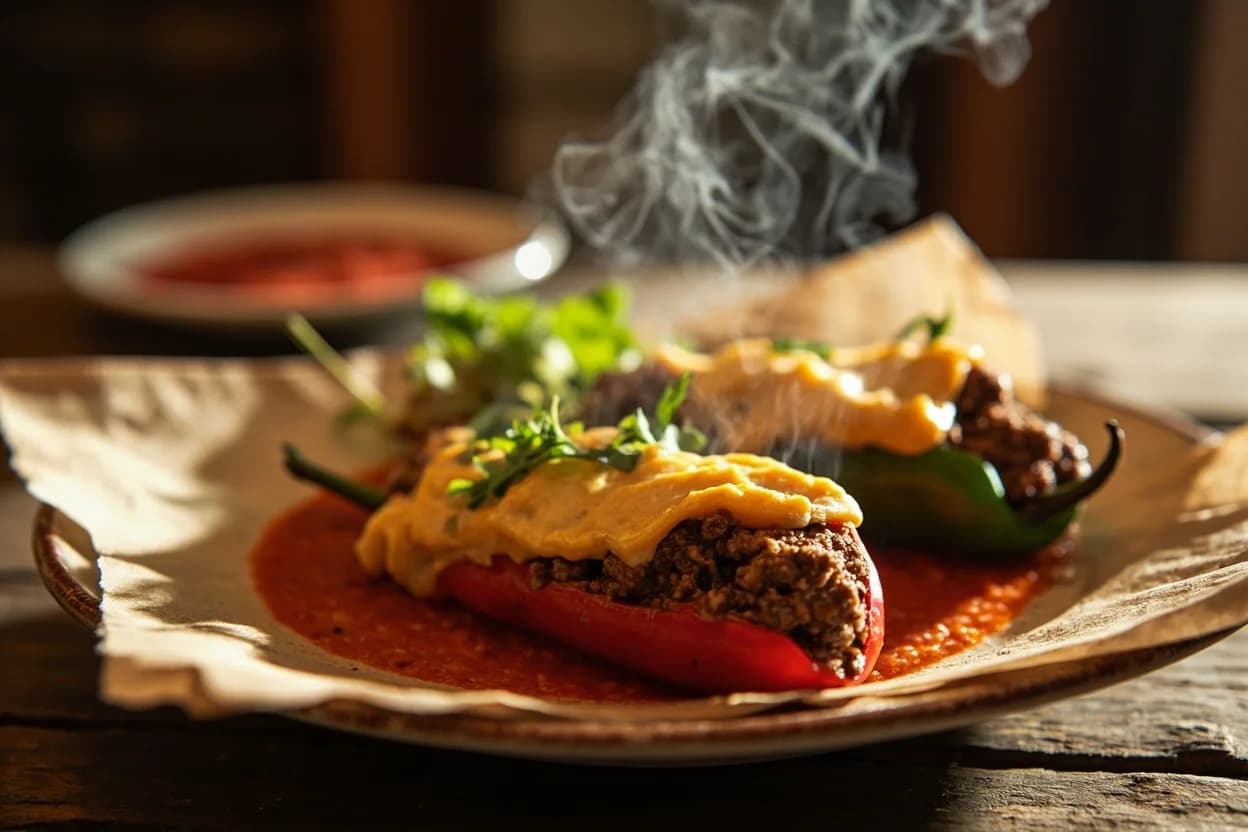
Appears in these dishes

Related
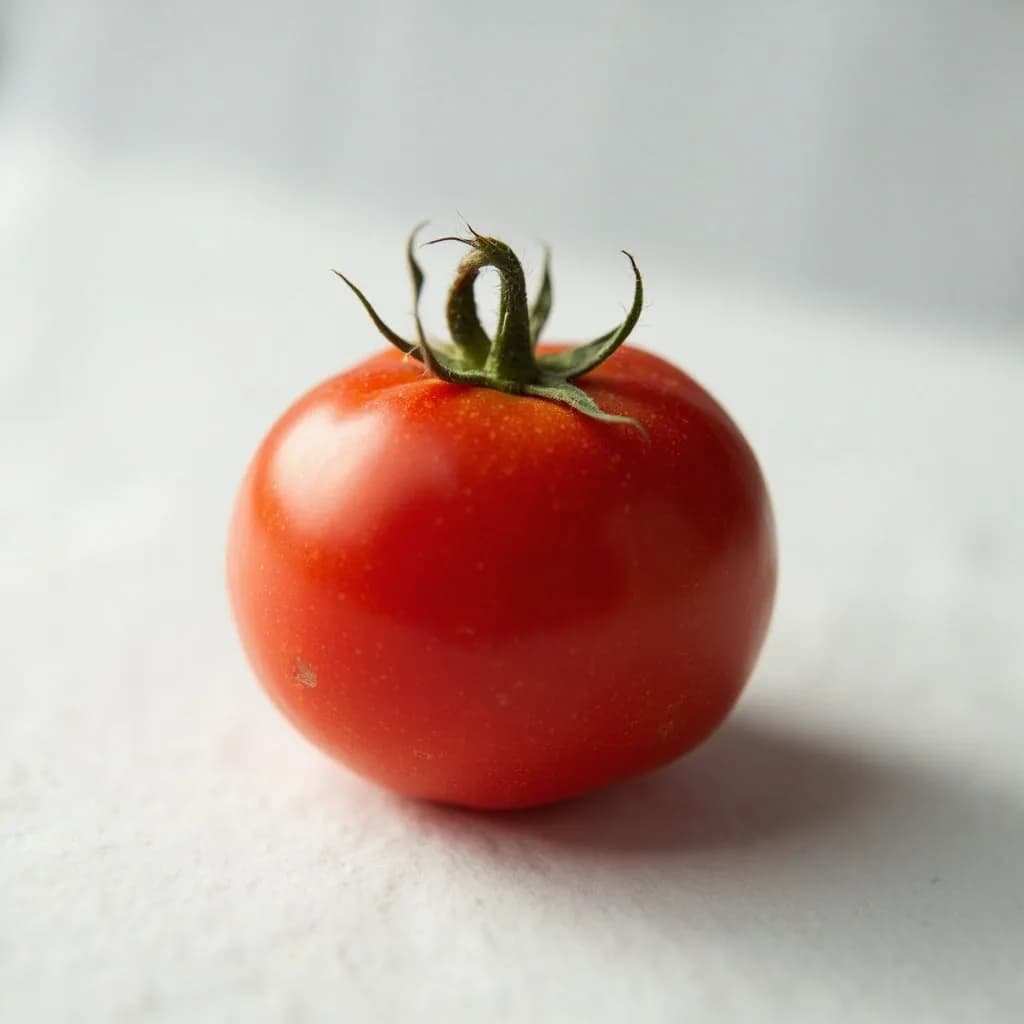
Tomato
Juicy, sun-sweet fruit for sauces, salads, and slow-cooked depth
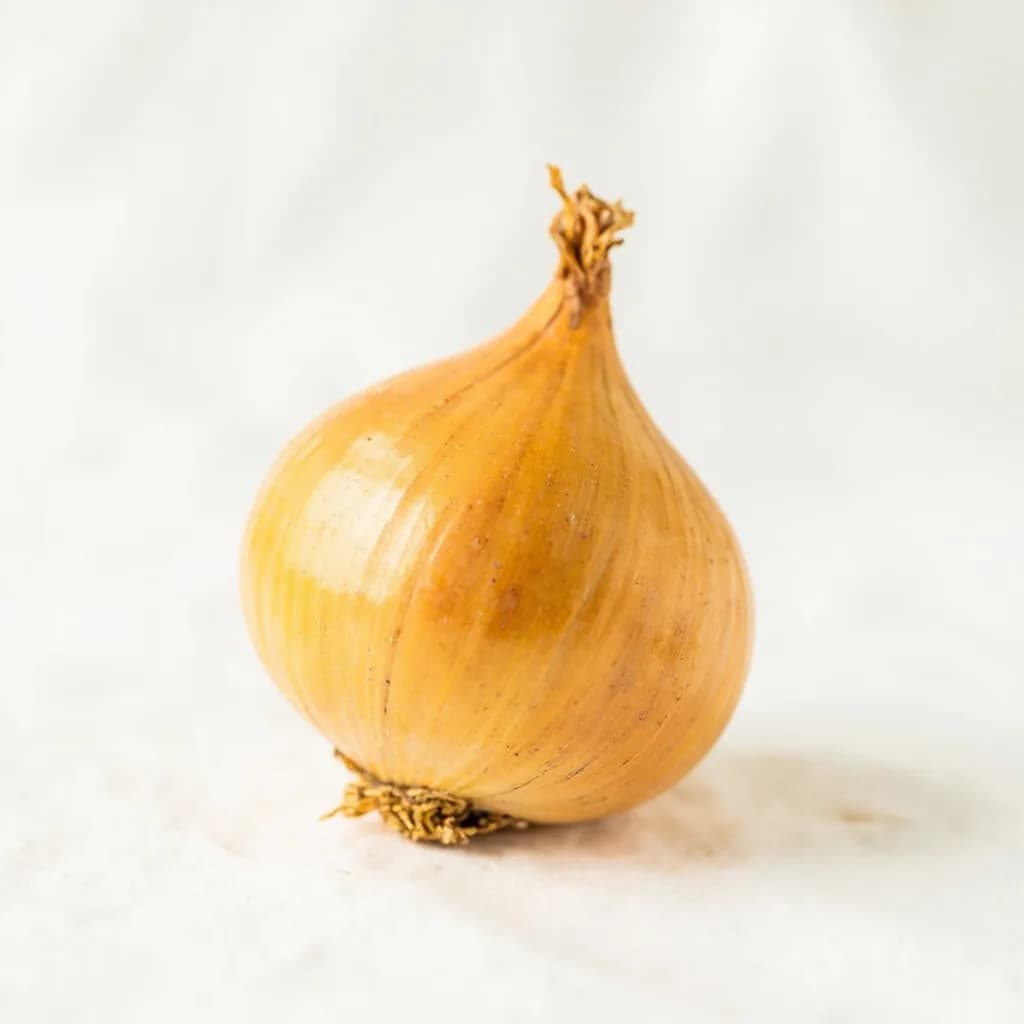
Yellow Onion
The aromatic backbone of soups, sofritos, and braises
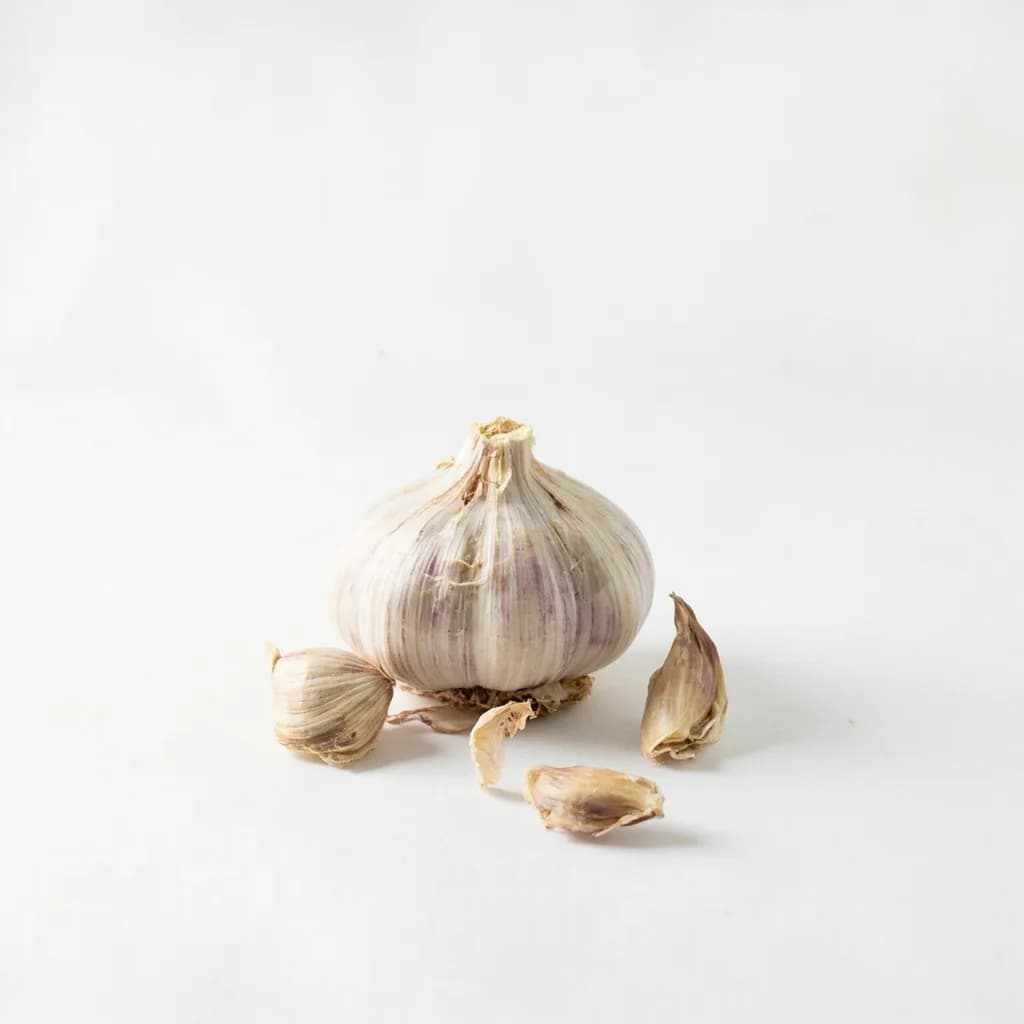
Garlic
Pungent cloves that perfume nearly every savory dish
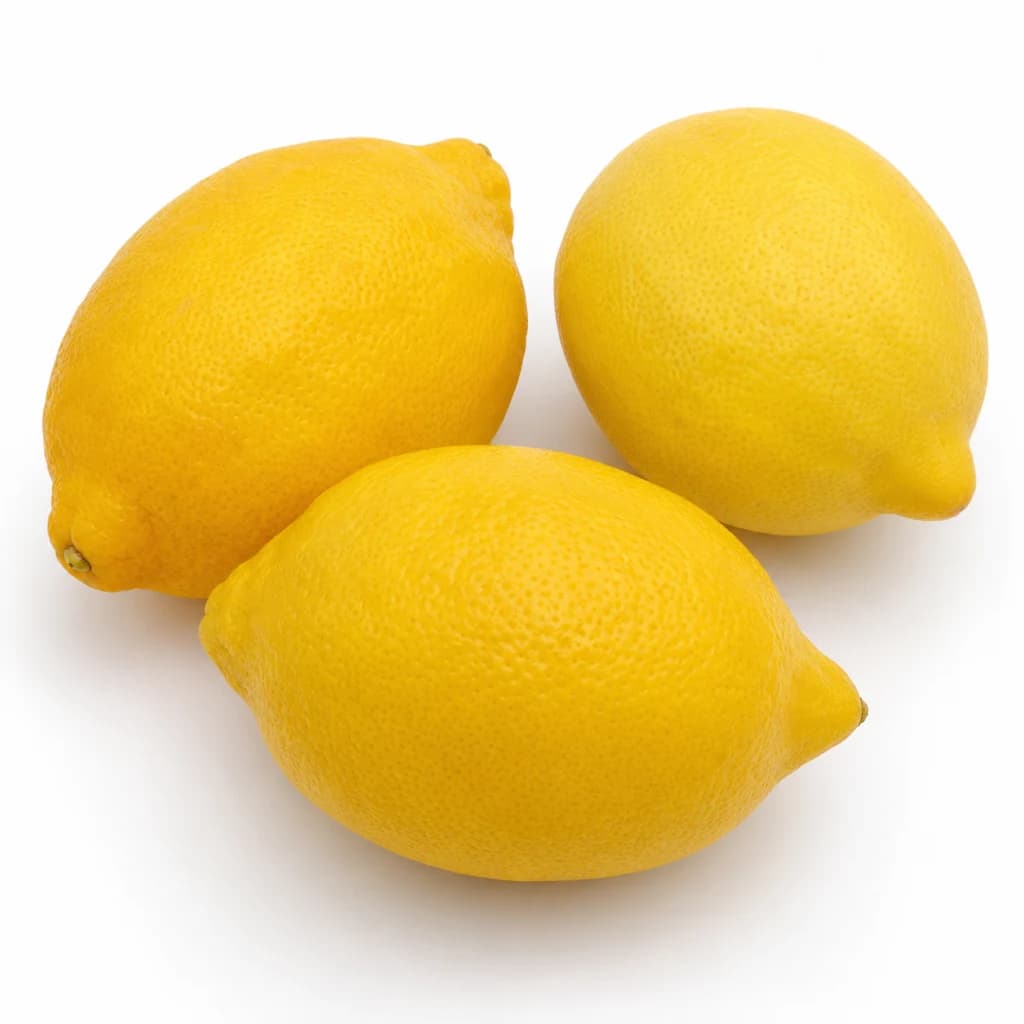
Lemon
Bright, acidic citrus that wakes up almost any dish
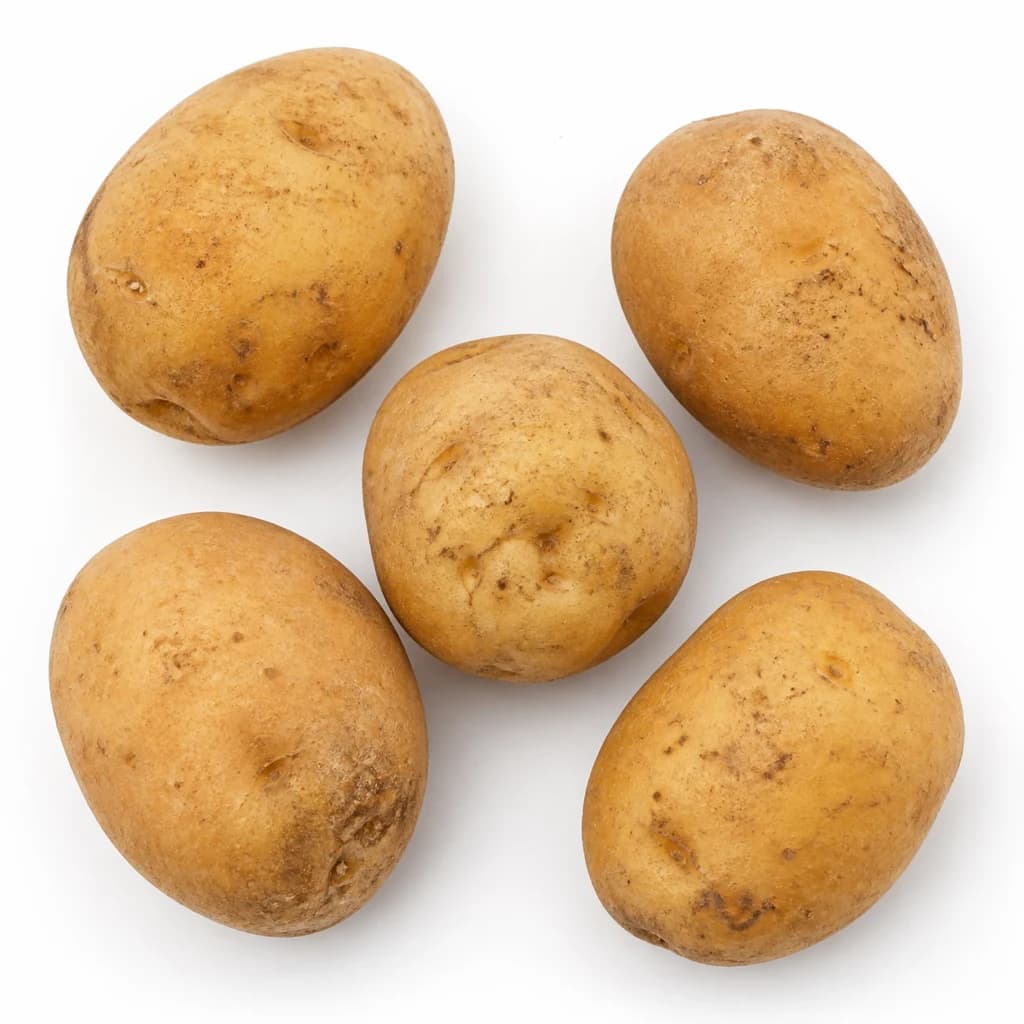
Potato
Humble, hearty staple — roast, mash, fry, or boil
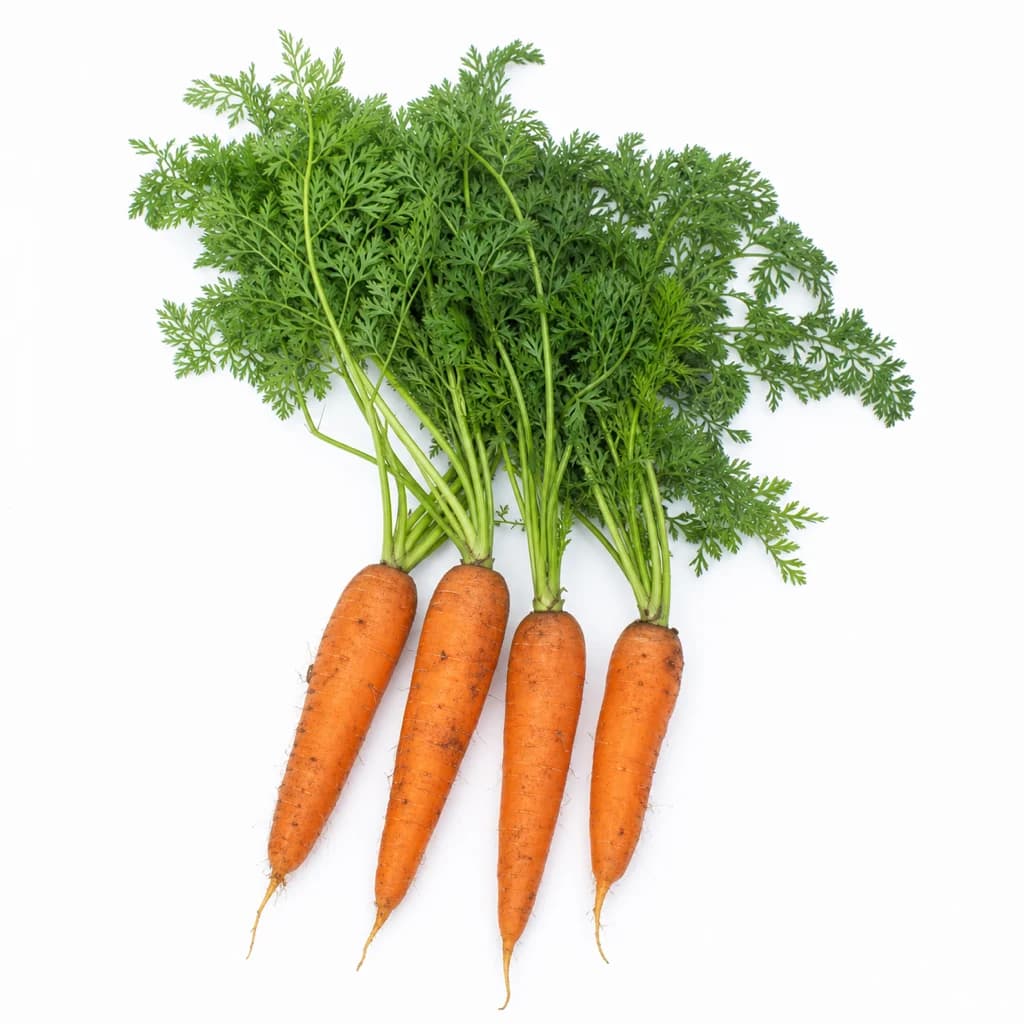
Carrot
Sweet, crunchy root — raw, roasted, or the base of a sofrito
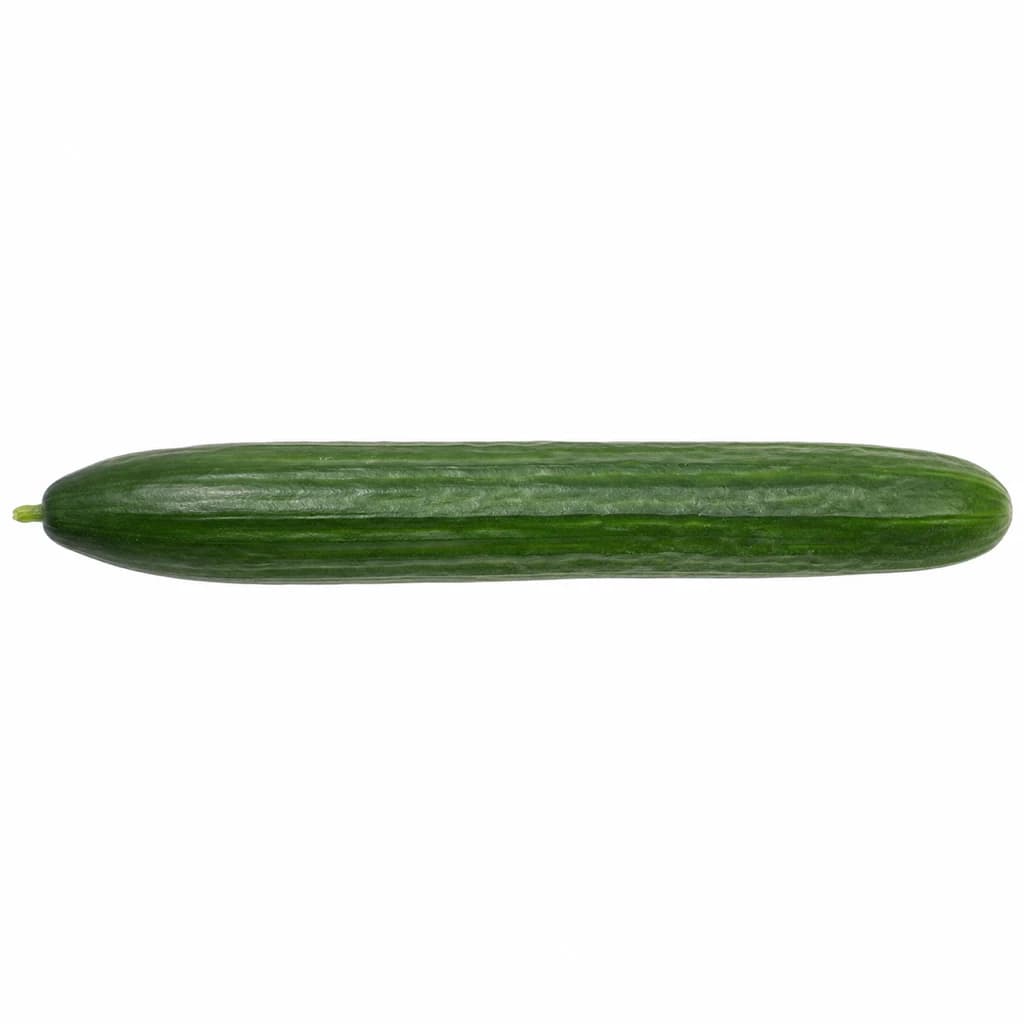
Cucumber
Cool, crisp, and watery — for salads, pickles, and tzatziki

Lettuce
Crisp leaves for salads, wraps, and a fresh crunch