Natural form
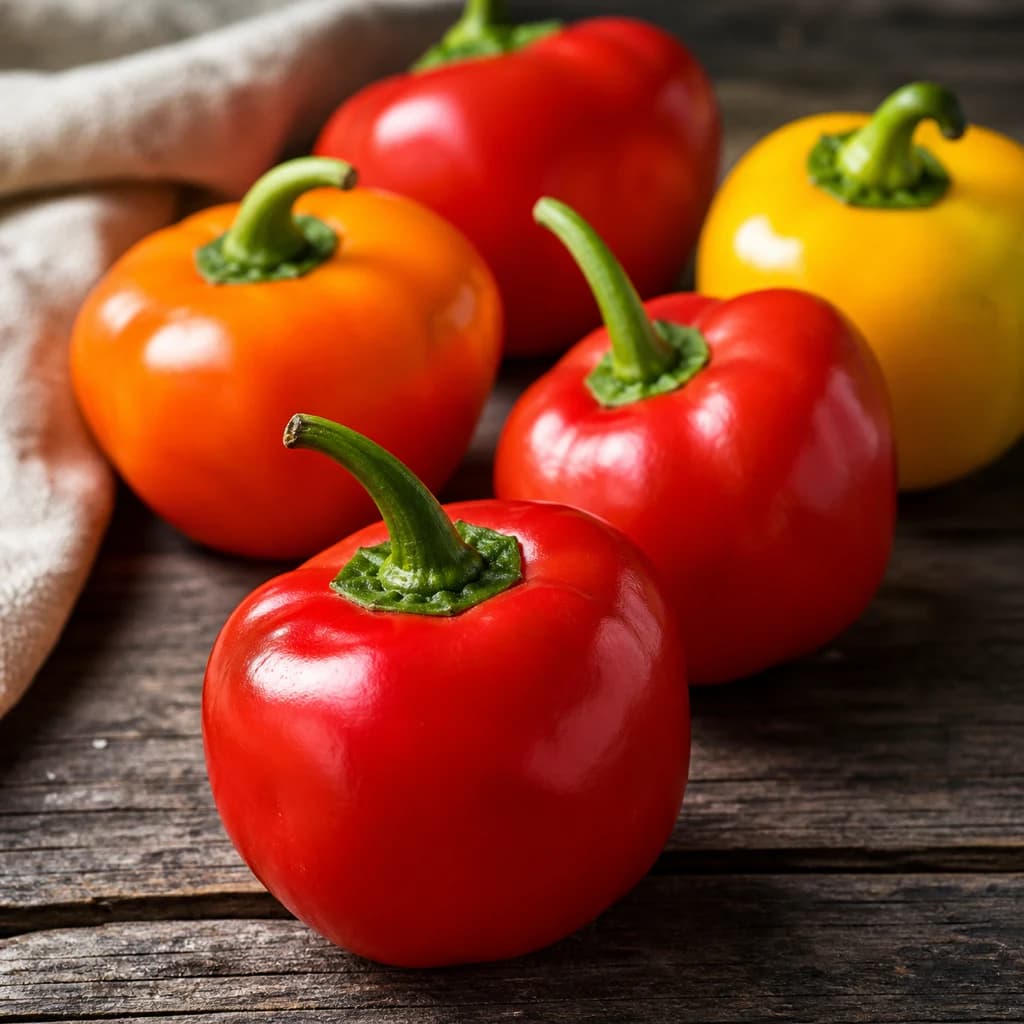
Rocoto peppers: apple-shaped Andean chilies with vibrant red skin and green stems.
Shows the deceptively bell-pepper-like exterior shape, color range, and size that makes rocoto instantly recognizable and often mistaken for a mild pepper.
Produce
Rocoto Pepper (Locoto)
Thick-walled Andean chili resembling a small bell pepper but intensely hot, central to Peruvian rocoto relleno.
The rocoto is a thick-fleshed chili from the Andes with a deceptively apple-like shape and bright red, orange, or yellow color but a fierce, fruity heat. It is a staple of Peruvian and Bolivian cooking, most famously stuffed with meat and cheese for rocoto relleno or blended into spicy sauces. Unlike most chilies it has distinctive black seeds and belongs to the species Capsicum pubescens.
Rocoto (Capsicum pubescens) is a thick-walled Andean pepper that stands apart from the more familiar Capsicum annuum peppers found in most kitchens. Its flesh is substantially meatier than a standard chili—comparable to a small bell pepper—while its heat registers between 30,000 and 100,000 Scoville units, delivering genuine intensity. The pepper's most reliable identifying features are its black seeds (a trait shared only with its close relative the manzano) and the fine hairs covering its leaves and stems. Ranging from rounded to slightly elongated, rocoto ripens most commonly to a deep red, though yellow, orange, and brown varieties exist throughout Peru, Bolivia, Ecuador, and Colombia.
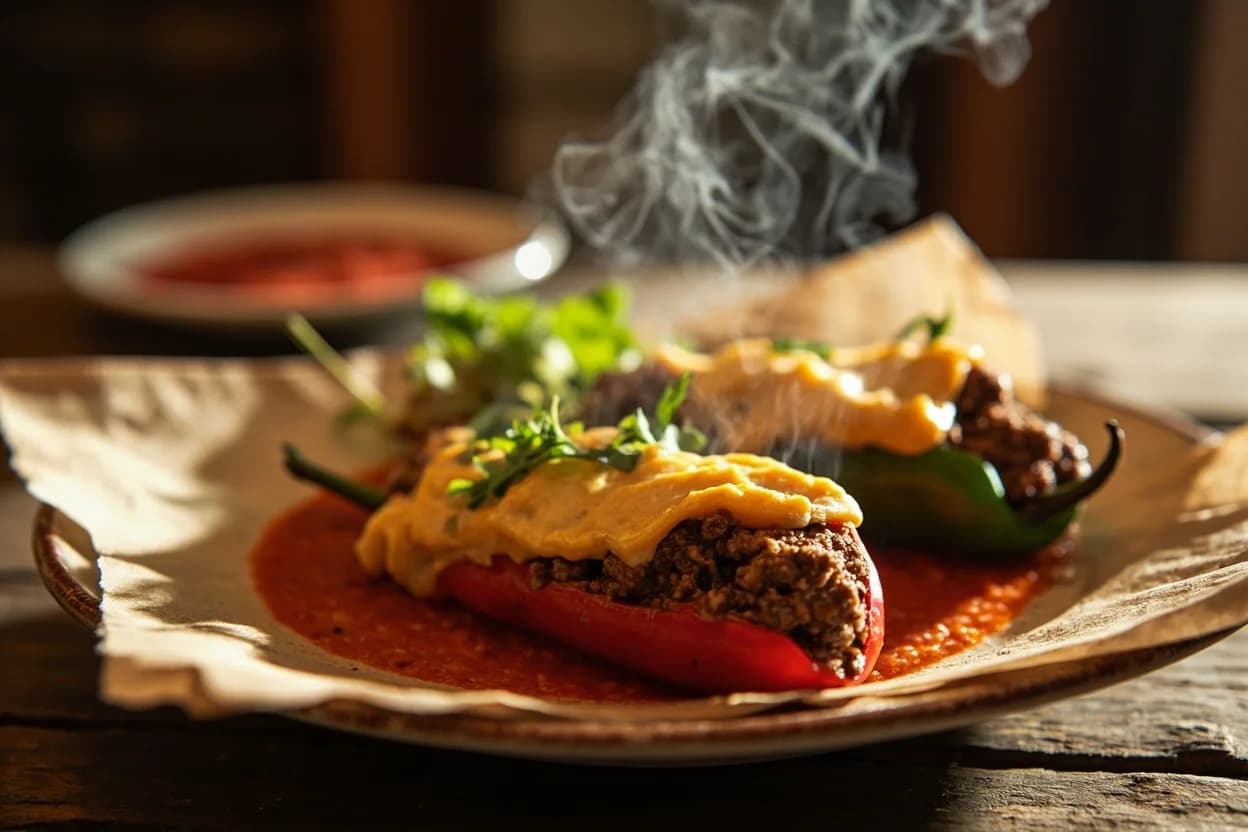
Rocoto holds a foundational place in Peruvian cuisine, particularly in the city of Arequipa, where rocoto relleno—stuffed rocoto topped with a cream-based white sauce—represents the pinnacle of regional cooking. This is not incidental: rocoto is among the oldest domesticated peppers in the Americas, predating European contact by centuries. Its genetic lineage is distinct from common chiles, which explains its unique behavior in the kitchen. The heat profile differs from the immediate punch of a habanero; rocoto builds slowly and lingers, making it suited for dishes eaten over a leisurely meal. Its thick walls also mean it requires longer cooking to soften properly, whether stuffed and baked or added to stews.
Beyond the canonical stuffed preparation, rocoto appears throughout Peruvian cooking as a paste, a sauce base, a ceviche condiment, and a pickled element. Its versatility stems from that combination of thick flesh (which holds up to cooking and pickling) and complex, fruity heat. Outside Latin America, finding fresh rocoto requires searching farmers' markets in areas with Peruvian or Bolivian communities, though frozen peppers and prepared rocoto paste are more widely available in specialty Latin grocery stores and retain excellent flavor.
- Measured in
- piece
- Storage
- Fridge
Types & varieties
Most common variety; deep red when ripe, high heat
Yellow-orange when ripe; slightly milder; also called Canario
Orange-colored variety with medium heat
Less common; earthier, deeper flavor
Smaller-fruited selection popular in Lima
Mexican relative of C. pubescens; similar thick walls and black seeds
Heat Character and Behavior
Unlike the immediate burn of a habanero or Thai chili, rocoto heat arrives gradually and persists. This slow-building, lingering quality makes it uniquely suited to dishes consumed over an extended meal—the heat continues to develop as you eat, creating a cumulative effect. When cooking with rocoto, account for this behavior: a dish seasoned with rocoto will seem to grow hotter as it sits and is eaten. Blanching whole peppers in salted boiling water for 3–5 minutes before cooking softens the flesh and can temper some of this intensity without sacrificing flavor.
Seed and Vein Handling
The black seeds of rocoto are entirely edible and not bitter as jalapeño seeds can be—do not discard them as a matter of course. However, the ribs (pale yellow-white membranes attached to the interior walls) carry concentrated heat. For a milder result while retaining the pepper's thick texture, remove the ribs thoroughly but leave the black seeds. For maximum heat, leave both intact.
Common uses
Tips & pitfalls
- Always wear gloves when handling rocoto—the capsaicin concentration in its thick flesh penetrates skin more aggressively than with thinner-walled peppers
- To reduce heat without losing the thick-fleshed character: seed and vein the pepper, then blanch whole in salted boiling water for 3–5 minutes before stuffing or cooking
- The black seeds are edible and not toxic—keep them when you want the full heat and authentic texture
- Rocoto takes longer to grow than bell peppers; in temperate climates, start seeds indoors 10–12 weeks before the last frost
- If fresh rocoto is unavailable, frozen rocoto paste from Latin grocery stores retains better flavor than dried rocoto for most applications
- Do not assume rocoto will soften as quickly as a bell pepper when stuffed—the thick walls require the full baking time to become tender
- The hairy leaves of a rocoto plant are a reliable identification marker in the garden and distinguish it from look-alike peppers that may be less heat-stable in cooking
- Common mistake: undersalting the blanching water—salt firms the flesh and helps the pepper hold its shape during cooking
Nutrition
Energy
121 kJ · per 100 g
Where the calories come from
Protein
0.9g
2% DV
Carbs
6.5g
2% DV
Fat
0.4g
0% DV
Fiber
2.8g
10% DV
Sugars
4.1g
of which
Sodium
3mg
0% DV
Source · USDA FoodData Central · approx. Peppers, jalapeno, raw
View on FDC →In the shops
Matched grocery products
No matched grocery products for Rocoto Pepper (Locoto) yet.
Good to know
- Scientific Name
- Capsicum pubescens
- Heat Range
- 30,000–100,000 Scoville Heat Units
- Origin
- Andean region: Peru, Bolivia, Ecuador, Colombia
- Identifying Features
- Black seeds (not white), hairy leaves, thick fleshy walls
- Typical Color
- Red (also yellow, orange, brown varieties)
- Shape
- Rounded to slightly elongated, similar to a small bell pepper
- Days to Maturity
- 90–130 days (slower than most peppers)
- Storage
- Refrigerate whole up to 2 weeks; freeze or dry for longer storage
Substitutes
- Ají Amarillo — The other canonical Peruvian pepper; moderate heat (30,000–50,000 SHU), fruity flavor, but thinner walls; use in sauces rather than for stuffing
- Manzano Pepper — Same species (C. pubescens) with similar thick walls, black seeds, and comparable heat; excellent substitute, particularly in Mexican cuisine applications
- Habanero (Orange/Red) — Similar heat range and tropical fruit notes; lacking the thick flesh and smoky depth of rocoto; acceptable in a pinch for sauces
- Bell Pepper + Cayenne — For stuffing: hollow red bell pepper filled with cayenne-seasoned meat provides approximate textural substitute, though heat and flavor profile differ significantly
- Santa Fe Grande — Milder (5,000–8,000 SHU) but shares the thick-walled, fruity character; use double quantity for heat matching
Pairs with
Also called
Locoto · Capsicum Pubescens · Manzano Pepper
Appears in these dishes

Related
Tomato
Juicy, sun-sweet fruit for sauces, salads, and slow-cooked depth
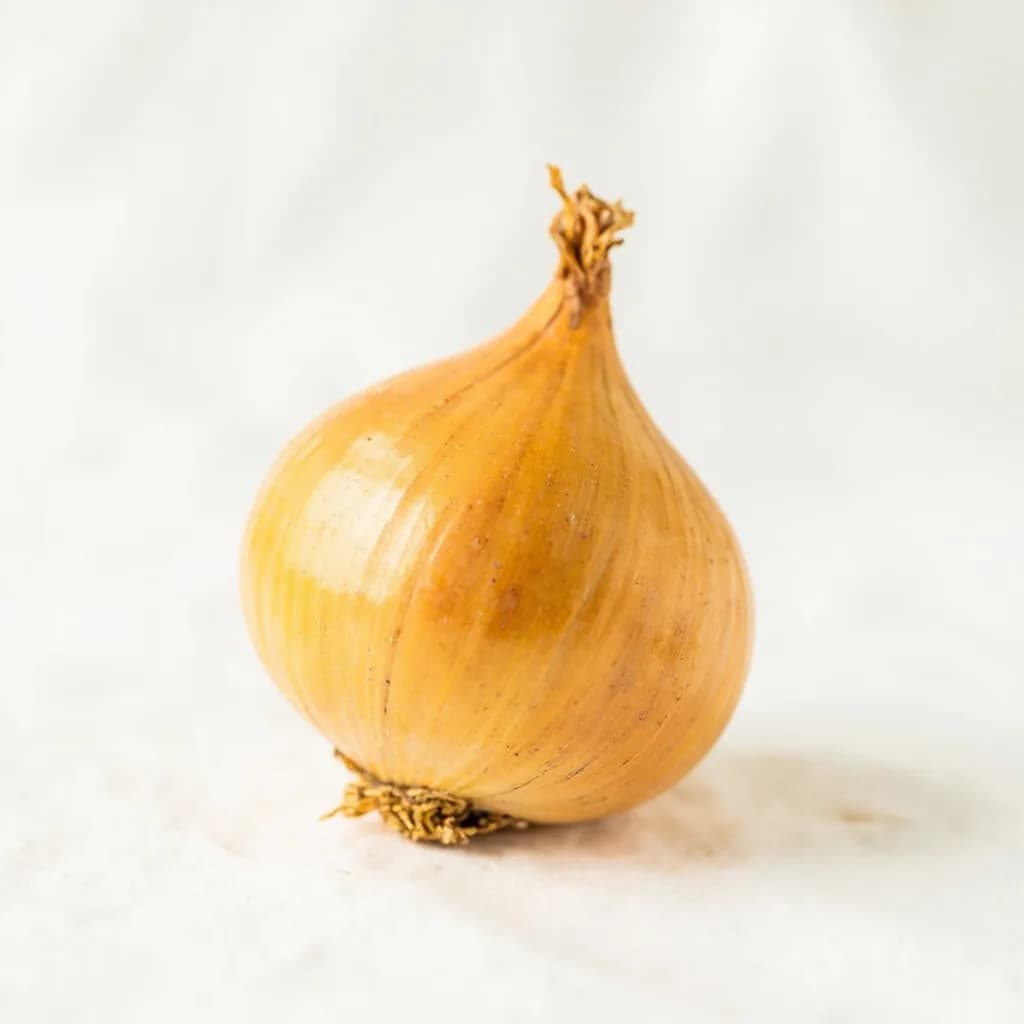
Yellow Onion
The aromatic backbone of soups, sofritos, and braises
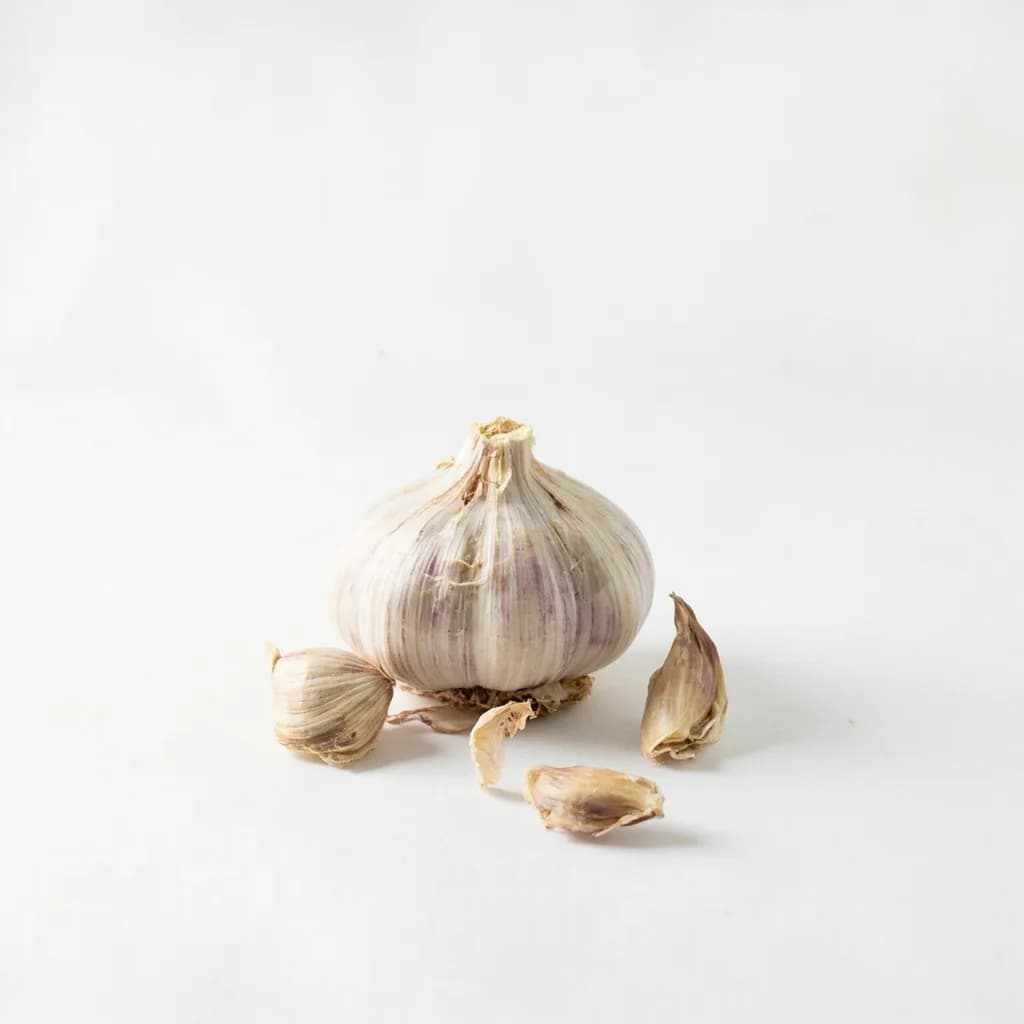
Garlic
Pungent cloves that perfume nearly every savory dish
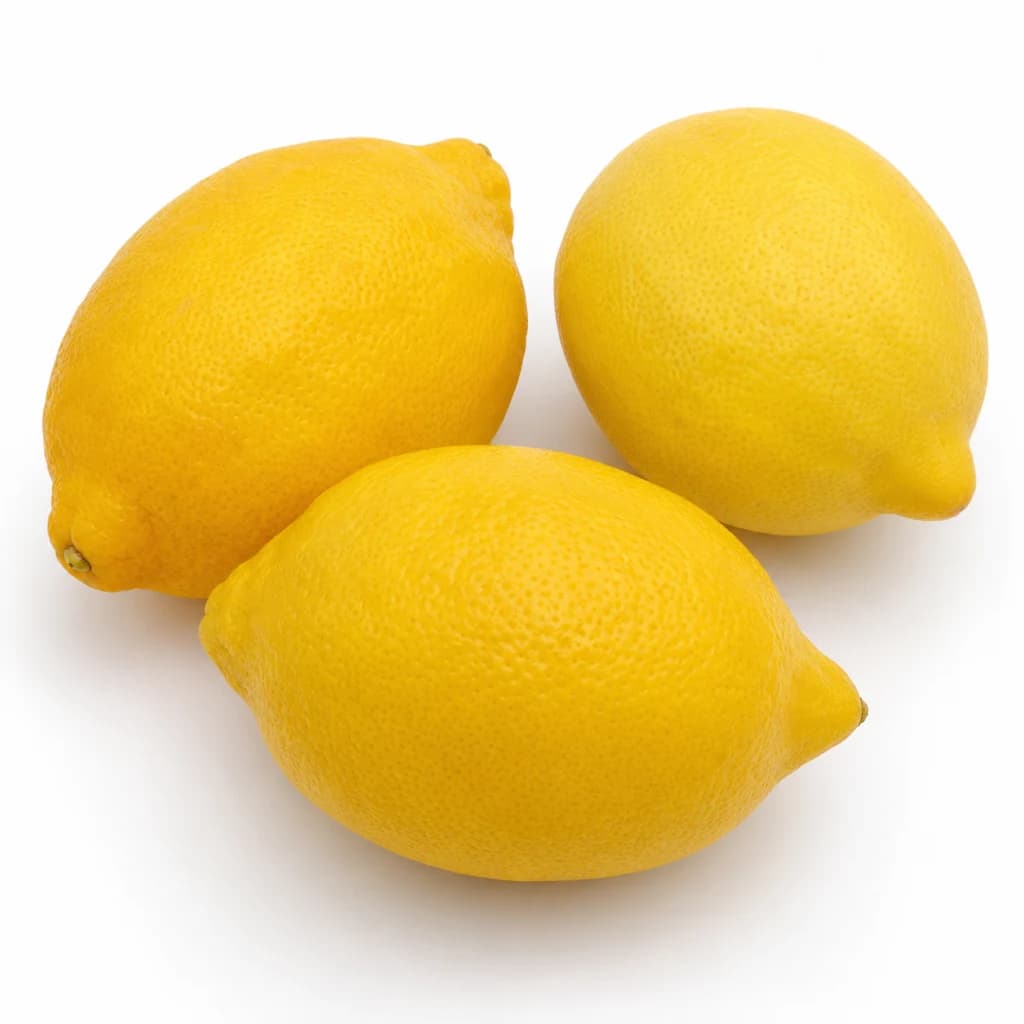
Lemon
Bright, acidic citrus that wakes up almost any dish
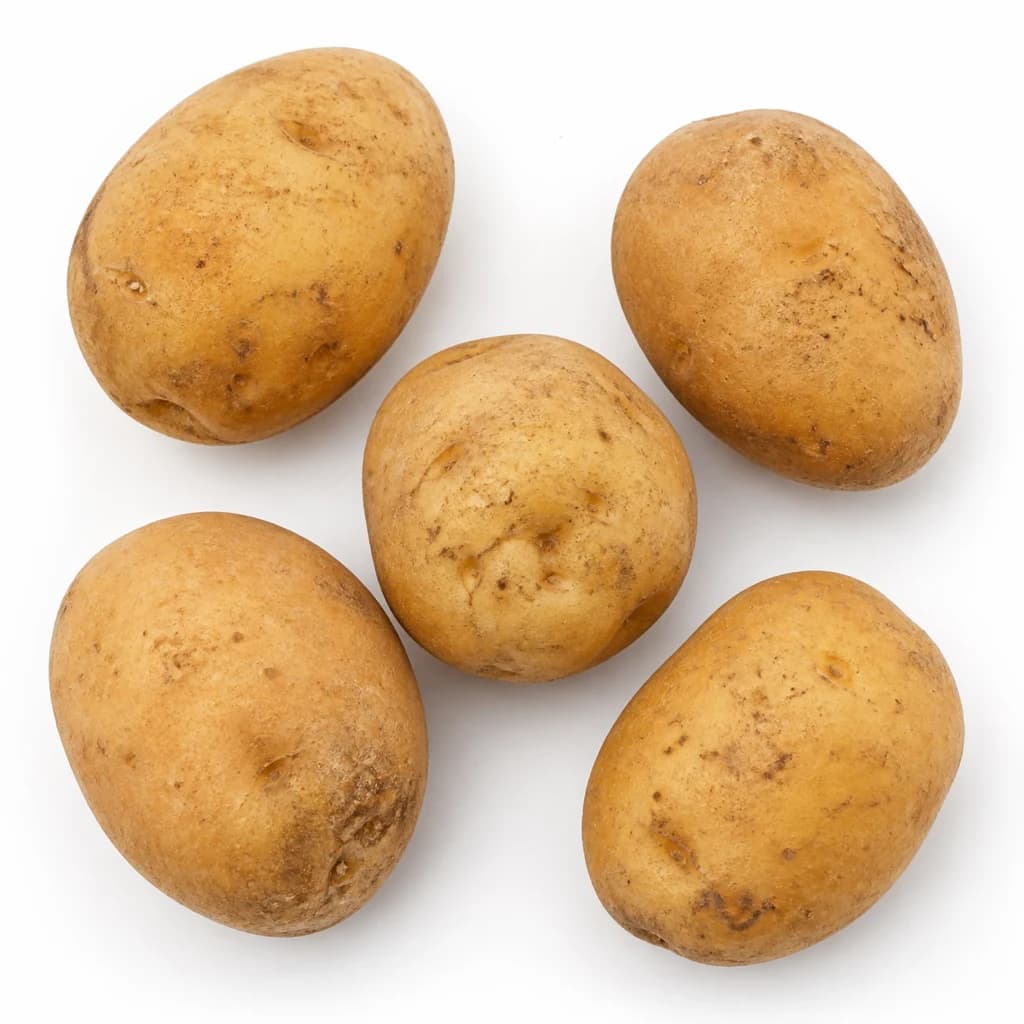
Potato
Humble, hearty staple — roast, mash, fry, or boil
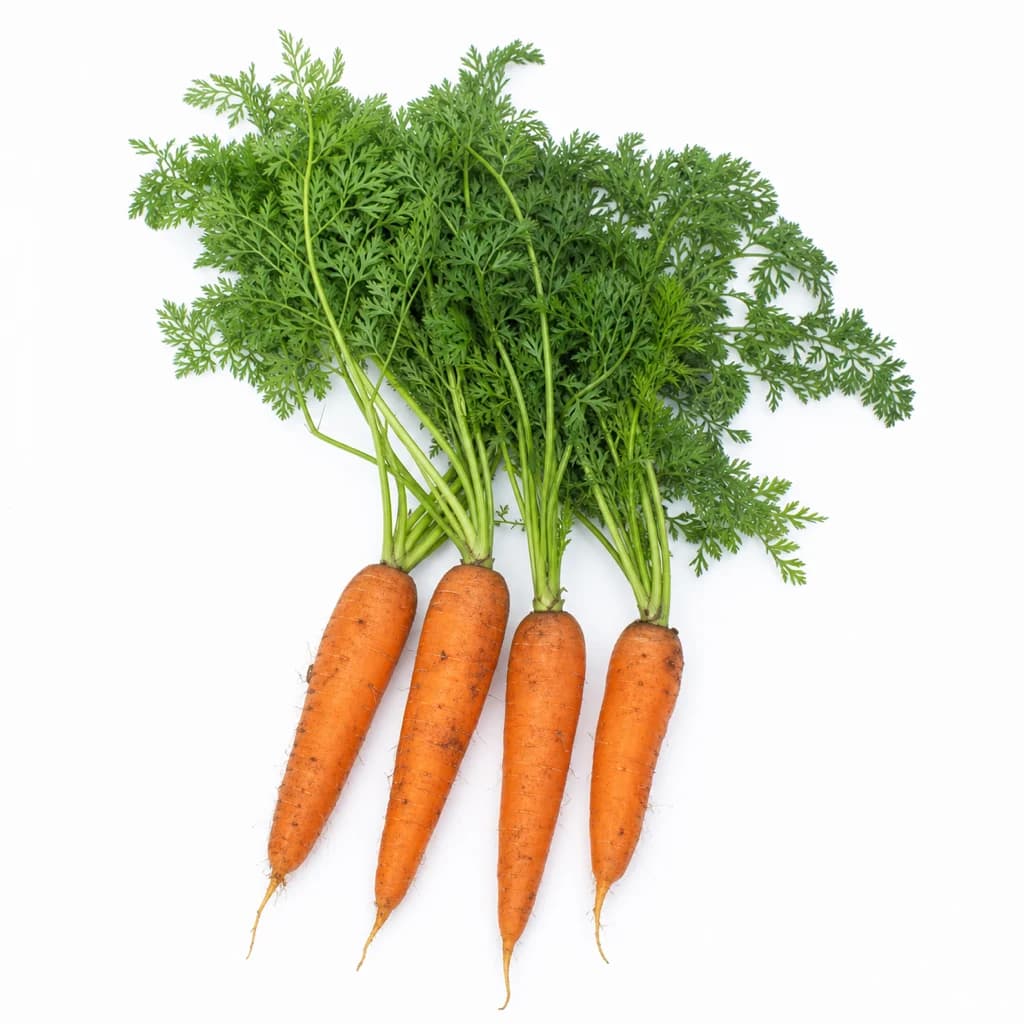
Carrot
Sweet, crunchy root — raw, roasted, or the base of a sofrito
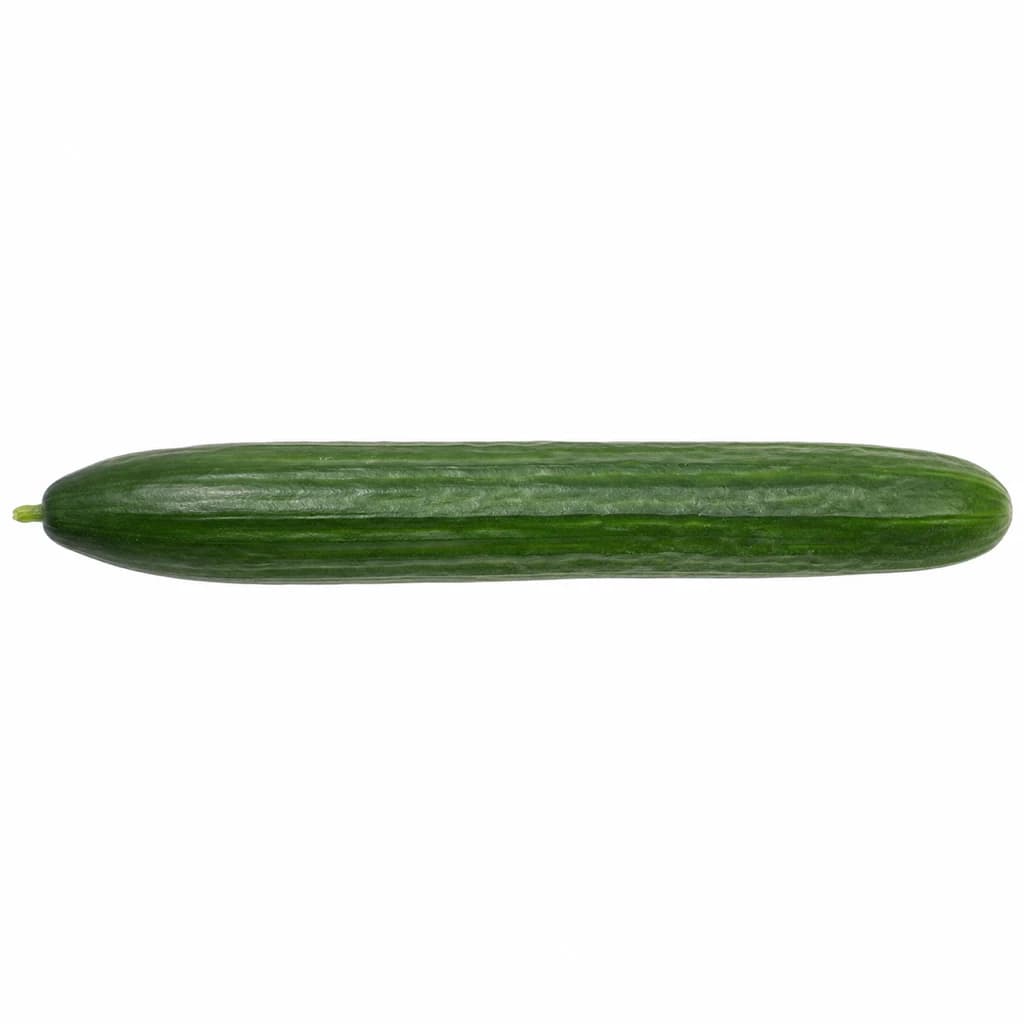
Cucumber
Cool, crisp, and watery — for salads, pickles, and tzatziki

Lettuce
Crisp leaves for salads, wraps, and a fresh crunch