South America
Peruvian Chifa
Also: Chifa, Chinese-Peruvian cuisine, Sino-Peruvian cooking, Comida chifa
Peru's dominant Chinese-Peruvian restaurant cuisine — where Cantonese wok technique meets ají amarillo, Andean potato, and the Peruvian flavor instinct, producing a genre that is entirely its own.
Chifa (from Mandarin 'chī fàn,' to eat rice) is the culinary tradition created by the fusion of Cantonese immigrants and Peruvian ingredients and taste preferences, dating from the mid-19th century. It is neither Chinese nor Peruvian but a stable third cuisine — with its own dishes, its own vocabulary, its own restaurant culture, and its own place in the Peruvian national diet. Chifa restaurants are the most common restaurant type in Peru, outnumbering even cevicherías. The cuisine takes Cantonese wok technique, rice preparation, and noodle dishes and reroutes them through Peruvian ají peppers, native potatoes, tropical fruits, and the Peruvian preference for acidity, heat, and savoriness. The result is a genuinely distinct culinary genre recognized by Peruvians as their own.
The flavour base
Wok-fried aromatics (garlic, ginger, green onion) in sesame oil and neutral oil; soy sauce as the primary salt medium; ají amarillo paste or ají panca integrated into otherwise Cantonese sauce structures; oyster sauce and dark soy for caramelized finish
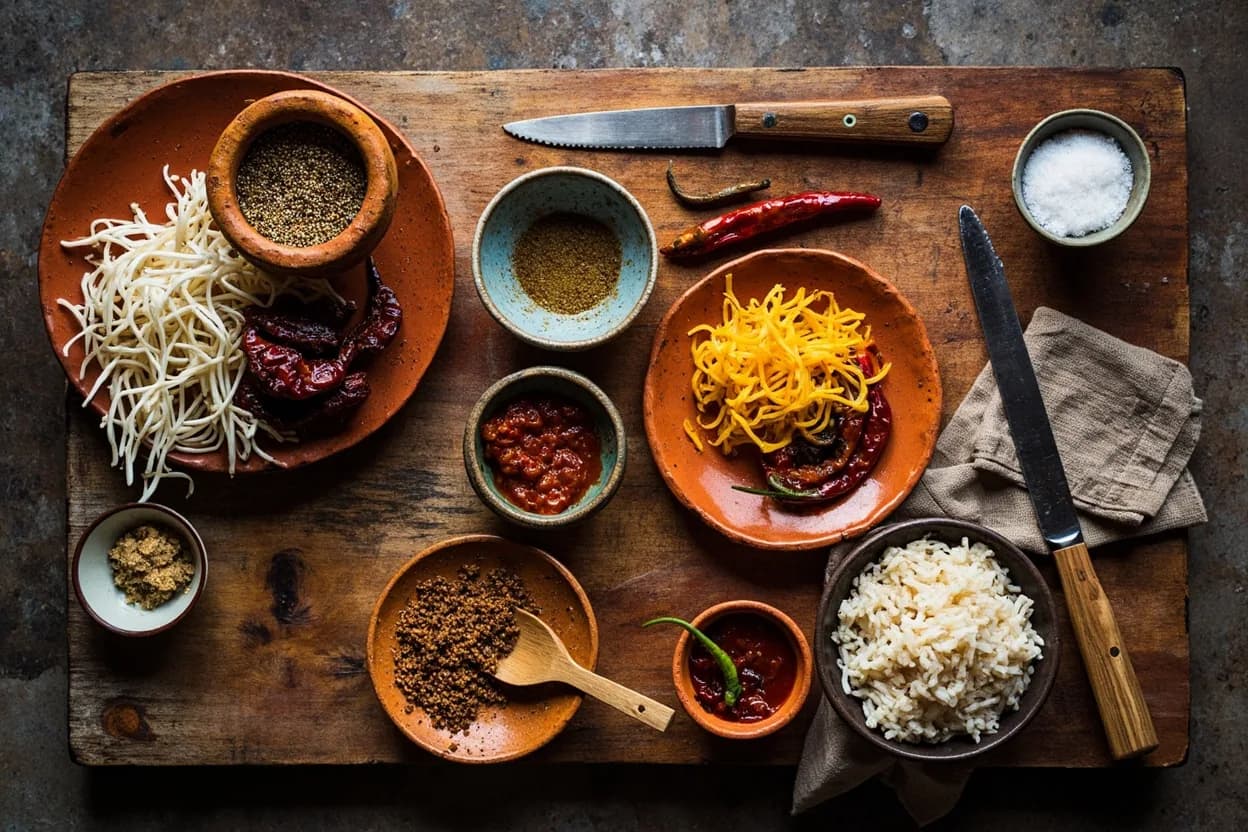
Pantry staples
Key ingredients
Signature techniques
Signature dishes
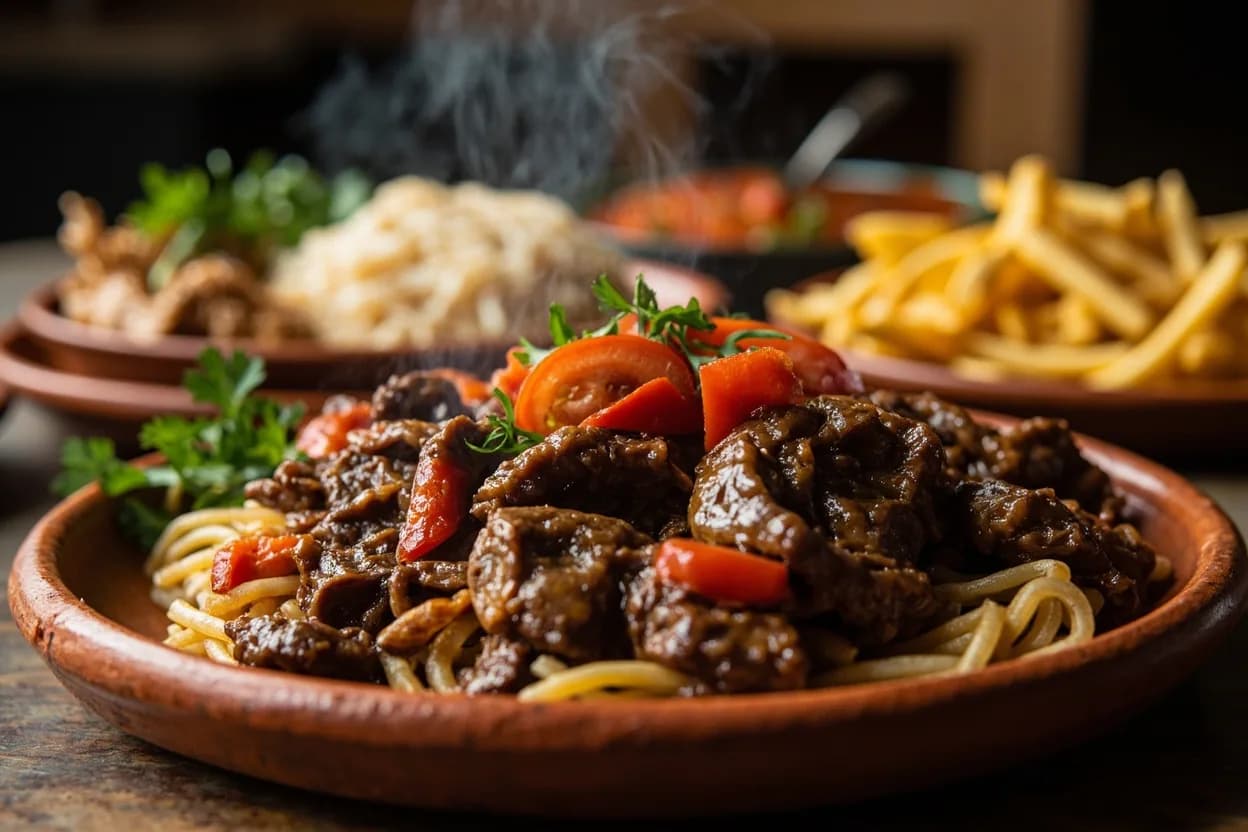
Peruvian Chifa on the table

At the table
Chifa restaurants typically structure meals around communal shared plates, closely following Cantonese banquet logic but adapted for Peruvian eating patterns. A table will order multiple dishes — a soup, a stir-fry, a rice or noodle, a roasted protein — plus the ever-present arroz blanco (plain steamed rice). The cooking is almost always done to order in a high-heat wok kitchen. Takeaway and delivery culture is strong; chifa is Peru's dominant fast-casual restaurant genre. Family banquets in chifa restaurants mark birthdays and celebrations across all social classes in Lima.
History & context
The first significant wave of Chinese immigration to Peru arrived from 1849 onward, recruited as 'coolies' (culíes) to replace slave labor on coastal haciendas and to build the railway through the Andes. Most were Cantonese, primarily from Guangdong province. They were called 'chinos' regardless of regional origin. Confined to brutal labor conditions, these immigrants maintained food culture through improvisation: Cantonese techniques applied to whatever Peruvian ingredients were available — ají peppers, native tubers, Peruvian rice, local meats. When indentured service ended, many opened small restaurants (fondas) in Lima and coastal towns. By the early 20th century, the 'chifería' was a Lima institution. The second wave of migration in the early 20th century reinforced and expanded the culture. By the late 20th century, chifa had been absorbed into the Peruvian national identity — Gastón Acurio and the novoandino movement would later identify chifa as one of the three pillars (alongside Peruvian-Japanese nikkei cuisine and traditional coastal cooking) that make Lima one of the world's great food cities.
Regional variations
- Lima (Calle Capón / Barrio Chino)
Lima's Chinatown, the oldest in South America, contains the most authentic and technically Chinese-rooted chifa restaurants; roast pork (chancho a la caja china) and dim sum variants survive here
- Provincial Peru (outside Lima)
Provincial chifa is more heavily Peruvianized — less Chinese technique, more ají, and the dishes blend almost seamlessly into criollo cooking; arroz chaufa often replaces plain rice entirely
- Upscale novoandino chifa
A fine-dining register pioneered by restaurants like Madam Tusan merges Andean ingredients (quinoa, purple corn, native potatoes) with chifa technique, elevating the genre without erasing its roots
Related cuisines
The direct ancestor; wok technique, soy-oyster sauce glazes, and the rice-and-noodle structure all derive from Guangdong cooking
- Peruvian (criollo)
The host cuisine; ají peppers, the saltado stir-fry technique, and the love of acid-heat-savoriness were absorbed wholesale into chifa
The parallel fusion cuisine; like chifa, nikkei emerged from immigrant labor communities; together they define Lima's identity as a global food capital
- Trinidadian Chinese (Trinidadian cuisine)
Another diaspora Chinese-Caribbean fusion tradition from a similar 19th-century indentured labor wave, producing its own distinct third cuisine
Canonical recipes
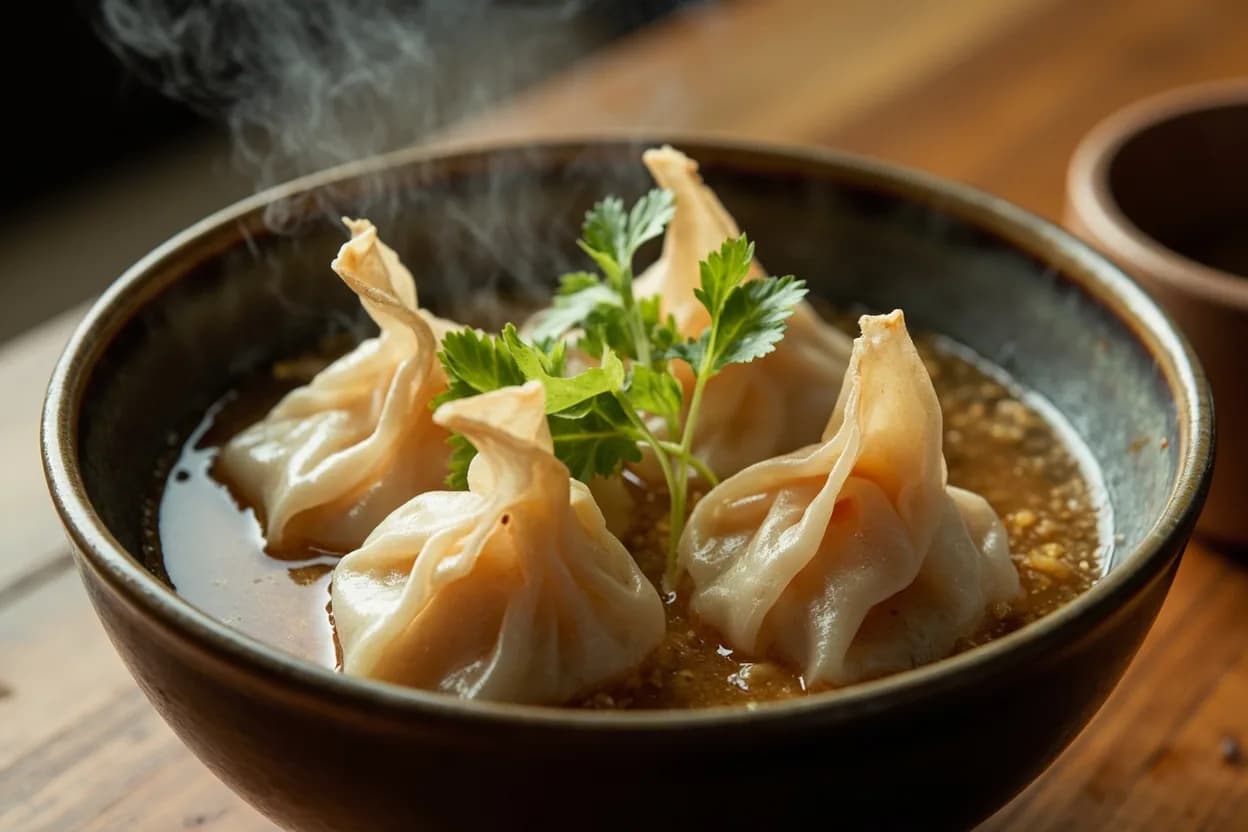
The dishes that define Peruvian Chifa, documented in the Canon.
References
- 1.The Oxford Companion to Food — Alan Davidson, 3rd edition (Oxford University Press, 2014)
- 2.Peru: The Cookbook — Gastón Acurio (Phaidon, 2015)
- 3.Chifa: A Gastronomic Fusion in Peru — Rodolfo Tafur Zevallos, Lima culinary history
- 4.The Chinese in Latin America — Evelyn Hu-DeHart (ed.), University of Arizona Press
- 5.Lima la Única: Historia del Chifa en el Perú, Apega (Peruvian Gastronomy Society)
Confidence: high
Notes
Cebolla china
Green onions are called 'cebolla china' (Chinese onion) throughout Peru — a linguistic artifact of chifa's influence. They appear in an extraordinary range of Peruvian dishes with no Chinese connection, a testament to how thoroughly the ingredient entered the national kitchen.
Lomo saltado as the bridge dish
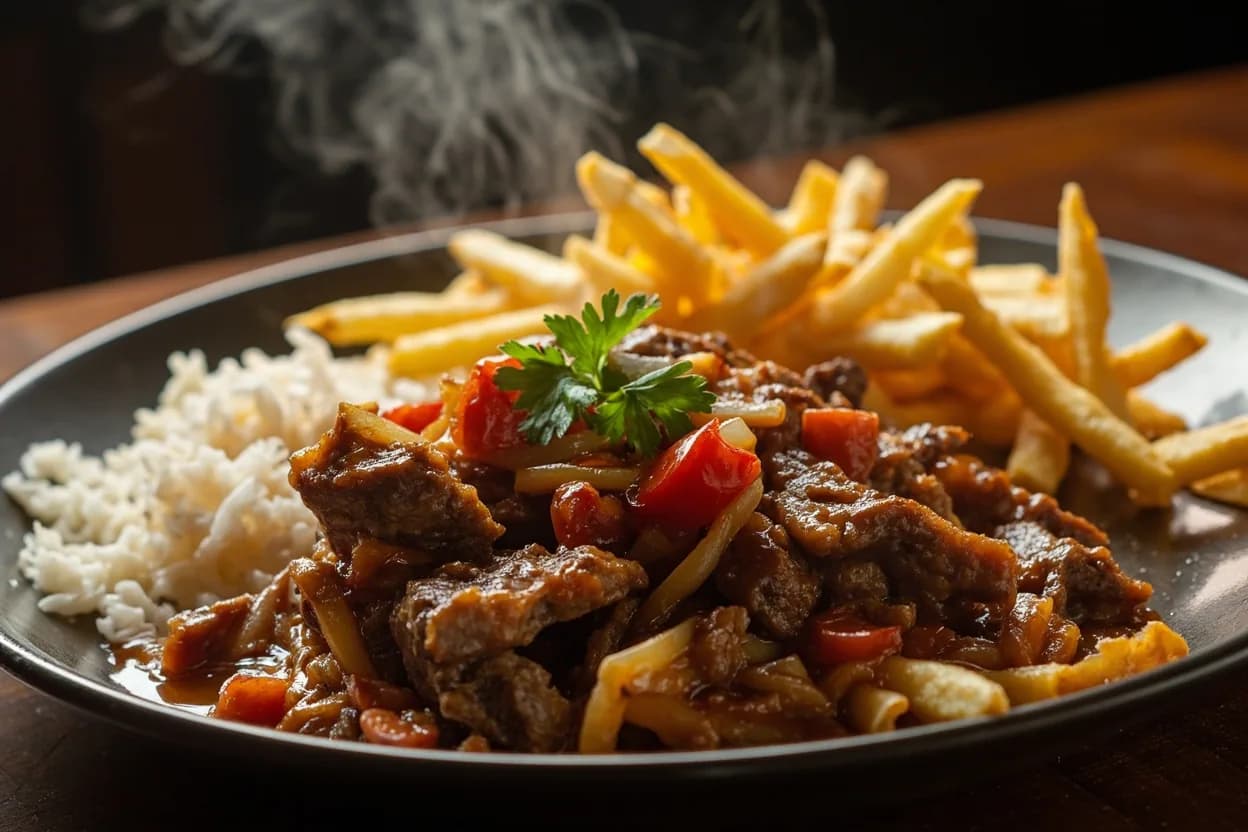
Lomo saltado — stir-fried beef tenderloin with soy sauce, tomato, ají amarillo, and french fries — is the dish that most visibly embodies chifa's synthesis. The wok technique is pure Cantonese; the ají amarillo, cilantro, and french fries are Peruvian-criollo. It is now considered one of Peru's ten national dishes and appears in no form in Chinese cooking.