Grains & Rice
Wonton Wrapper
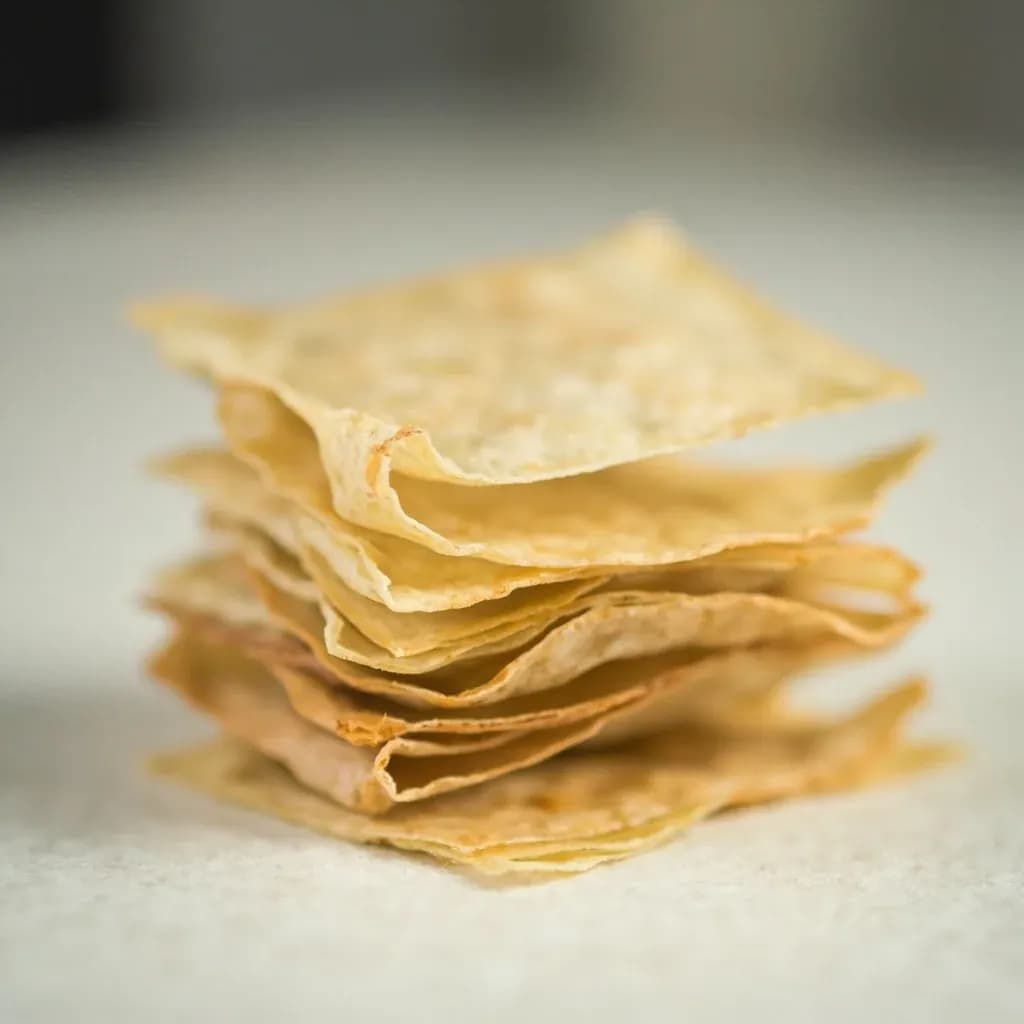
Thin square wheat-and-egg sheets for wrapping dumplings, wontons and crispy snacks.
Wonton wrappers are thin, square sheets of wheat dough, usually enriched with egg, used across Chinese cooking. They are folded around savory fillings to make wontons and fried dumplings, or cut and fried into crisp strips. Sold fresh or frozen, they should be kept covered to stop them drying out before use.
Wonton wrappers are thin, unleavened sheets made from wheat flour and egg that form the delicate envelope for a wide range of filled preparations. Their egg content gives cooked wrappers a faint yellow color and a tender, slightly elastic quality that distinguishes them from other thin doughs. The standard square shape—typically 3½ to 4 inches—sizes a single portion and allows for the classic folded-and-pinched edges that identify wontons and potstickers. The wrapper tradition developed across different regions of China, with northern Chinese cuisines contributing the foundational thin-dough technique and Cantonese cooking establishing wontons as a definitive dim sum and soup staple. The key to working with wrappers lies in understanding their behavior: raw wrappers are brittle when dry but become pliable and cooperative when handled quickly with damp hands or a moistened edge. Fresh or frozen wrappers outperform dried versions in most applications, though all three forms have their place depending on availability and intended use.
- Measured in
- piece
- Storage
- Fridge
Allergens
Types & varieties
Most common standard; 3½ to 4 inch squares, all-purpose for most recipes
Less common; pre-formed circles for different dumpling styles
Found in supermarket refrigerated section; most pliable and best for delicate folding work
Frozen in stacks; thaw in refrigerator overnight before use
Found in Asian grocery stores; require brief dampening or soaking before folding
More translucent; best for fried wontons and crispy applications
Made without eggs; slightly different texture but functional for most uses
Common uses
Tips & pitfalls
- Keep wrappers covered with a damp kitchen towel at all times; they dry out and become brittle within minutes of exposure to air.
- Work in small batches: remove 8–10 wrappers at a time, re-cover the rest, and return unused portions to the refrigerator promptly.
- For a secure seal, use your fingertip or a small brush to dampen the edges with water or beaten egg white before pressing firmly together.
- Do not overfill: 1–2 teaspoons of filling maximum for standard 3½ inch wrappers. Overfilling causes tearing and burst wrappers during cooking.
- If a wrapper tears during filling, pinch the tear closed before sealing; or discard it and use a fresh wrapper.
- To prevent sticking during storage, dust lightly with cornstarch or rice flour between layers.
- For fried wontons, brush or spray oil on the finished pieces before air frying or deep frying for maximum crispiness.
- When making wontons for soup, seal very tightly to prevent broth from leaking into the filling.
- Frozen wrappers should thaw slowly in refrigeration overnight; do not rush thawing at room temperature as condensation makes them gummy.
- Expired or dried-out wrappers can be briefly dampened with water to restore some pliability, though fresh is always preferable.
Nutrition
Energy
1218 kJ · per 100 g
Where the calories come from
Protein
9.8g
20% DV
Carbs
57.9g
21% DV
Fat
1.5g
2% DV
Fiber
1.8g
6% DV
Sodium
572mg
25% DV
Source · USDA FoodData Central · Wonton wrappers (includes egg roll wrappers)
View on FDC →In the shops
Matched grocery products
No matched grocery products for Wonton Wrapper yet.
Good to know
- Main Ingredients
- Wheat flour, eggs, water, salt (some varieties include oil)
- Typical Size
- 3½ to 4 inch square (approximately 8.5–10 cm)
- Thickness
- Thin to medium-thin; thinner than dumpling wrappers
- Common Forms
- Fresh (refrigerated), frozen, and dried shelf-stable
- Egg Content
- Traditional wrappers contain egg; egg-free/vegan versions available
- Gluten
- Contains gluten (wheat flour base)
- Refrigerated Fresh Shelf Life
- 1 week in original packaging
- Frozen Shelf Life
- 6 months or longer in sealed freezer bag
- Dried Shelf Life
- 6–12 months in cool, dry storage
- Typical Yield
- One 12-oz package contains approximately 40–50 wrappers
Substitutes
- Gyoza / Dumpling Wrappers — Round and slightly thicker; acceptable for potstickers and steamed dumplings but not ideal for fried wontons or delicate soup versions
- Egg Roll Wrappers — Larger and thicker; can be cut down to size for fried applications but too thick for soup wontons
- Spring Roll Wrappers (Rice Paper) — Not interchangeable; rice paper wrappers are made from rice flour and water, require no cooking, and have entirely different handling characteristics
- Fresh Pasta Sheets (Thin) — Cut into squares; workable but lacks the specific texture and slight elasticity of wonton wrappers
- Homemade Wonton Wrapper Dough — 2 cups all-purpose flour, 1 whole egg, ½ cup water, pinch salt; knead 8–10 minutes, rest 30 minutes, roll very thin, cut into squares
Pairs with
Also called
雲吞皮 · Wonton Skins · Wonton Skin
Appears in these dishes
Related

White Rice
Fluffy long-grain rice — the neutral base for almost any meal

White Bread
Soft sandwich loaf for toast, sandwiches, and crumbs
Brown Rice
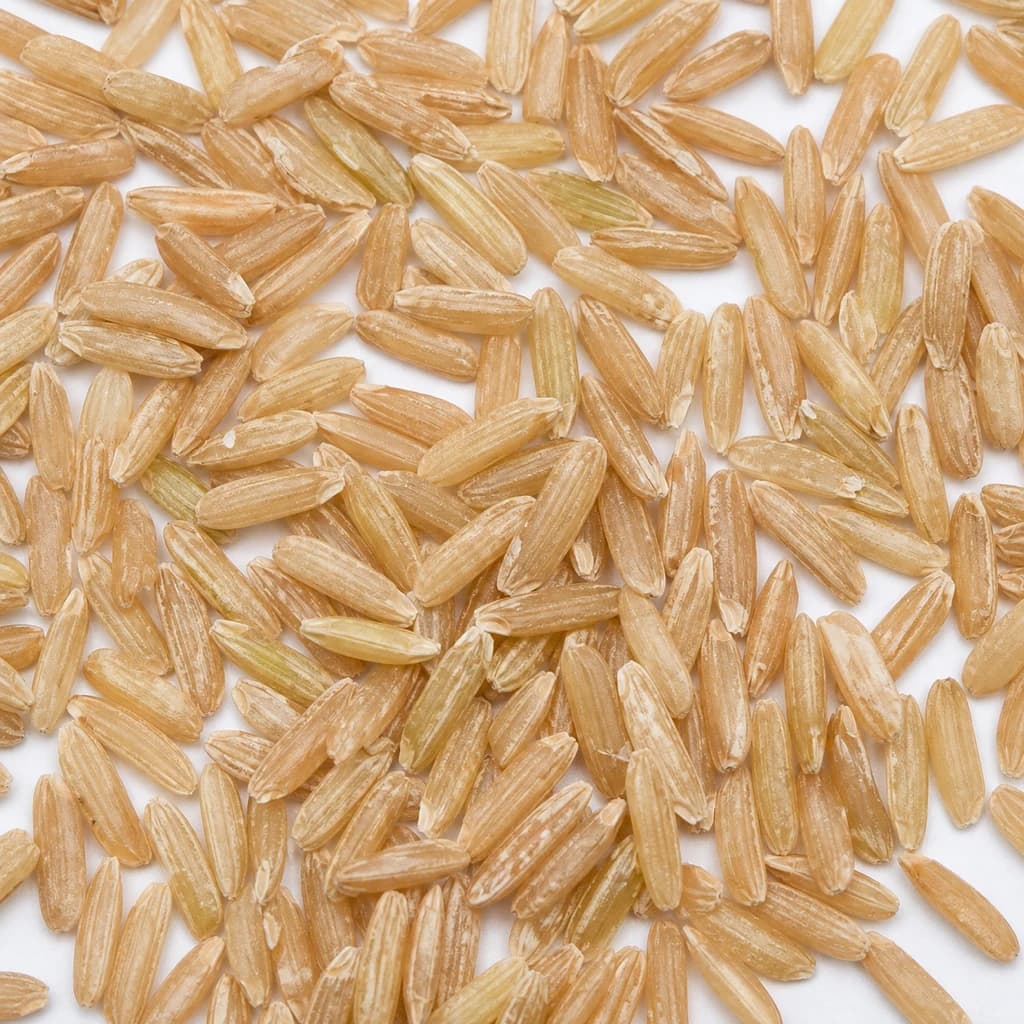
Nutty, whole-grain rice with chew and extra fiber

Basmati Rice
Fragrant, long-grain rice that cooks up light and separate
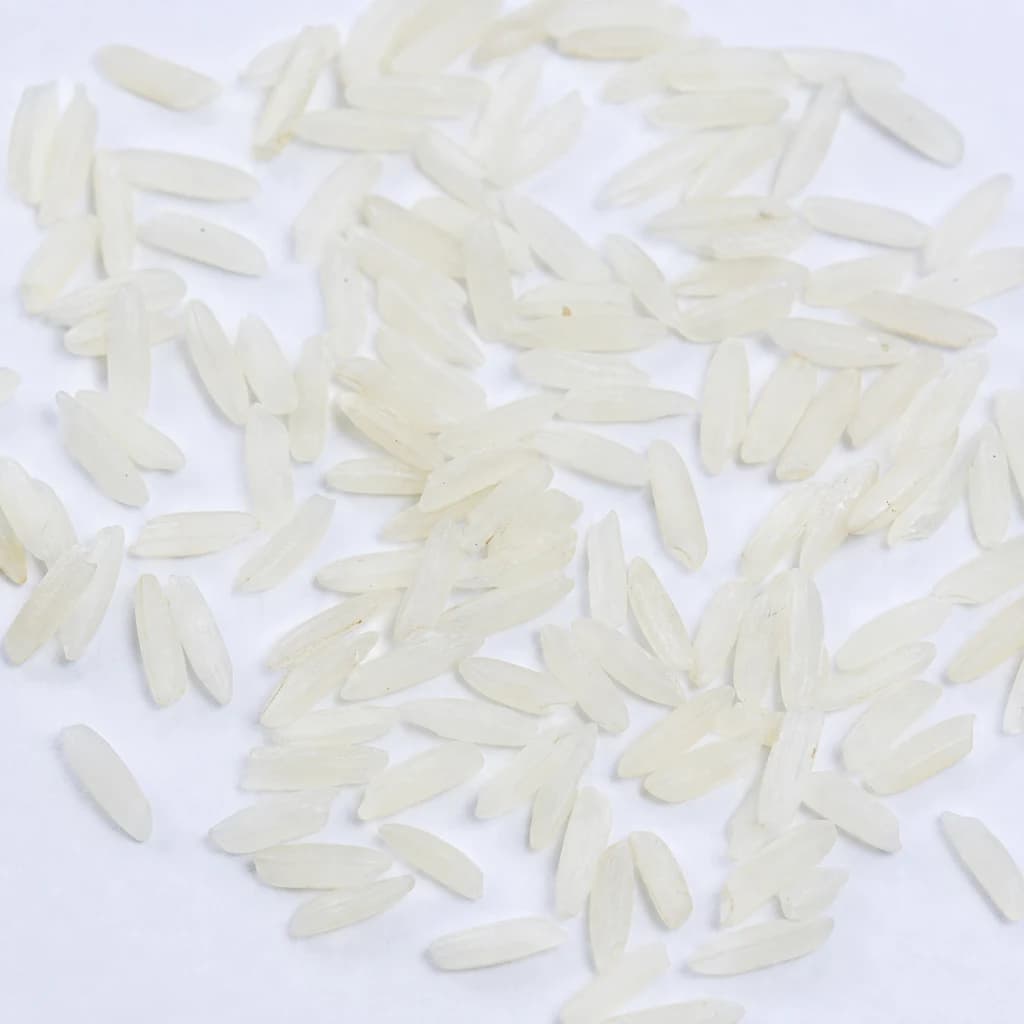
Jasmine Rice
Soft, floral-scented rice that's the pillar of Thai meals
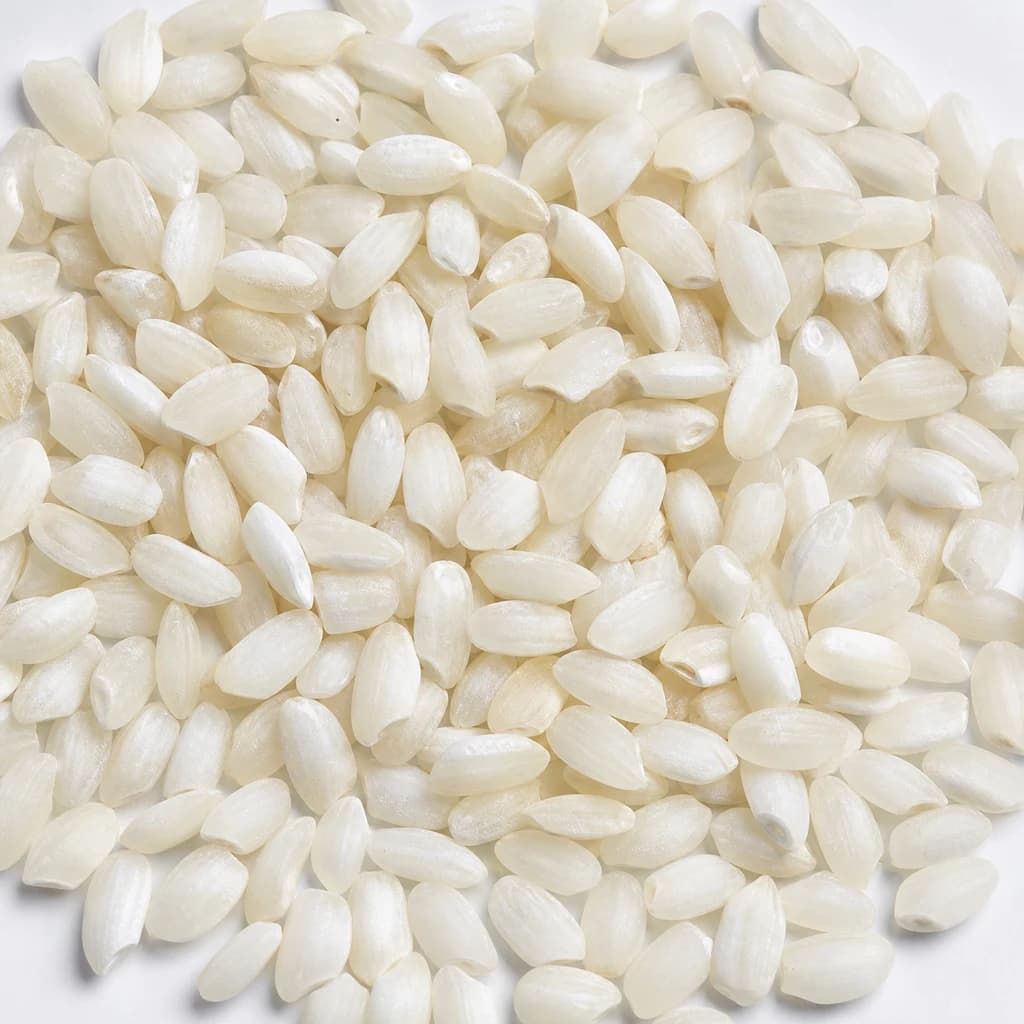
Arborio Rice
Plump, starchy rice that makes risotto creamy
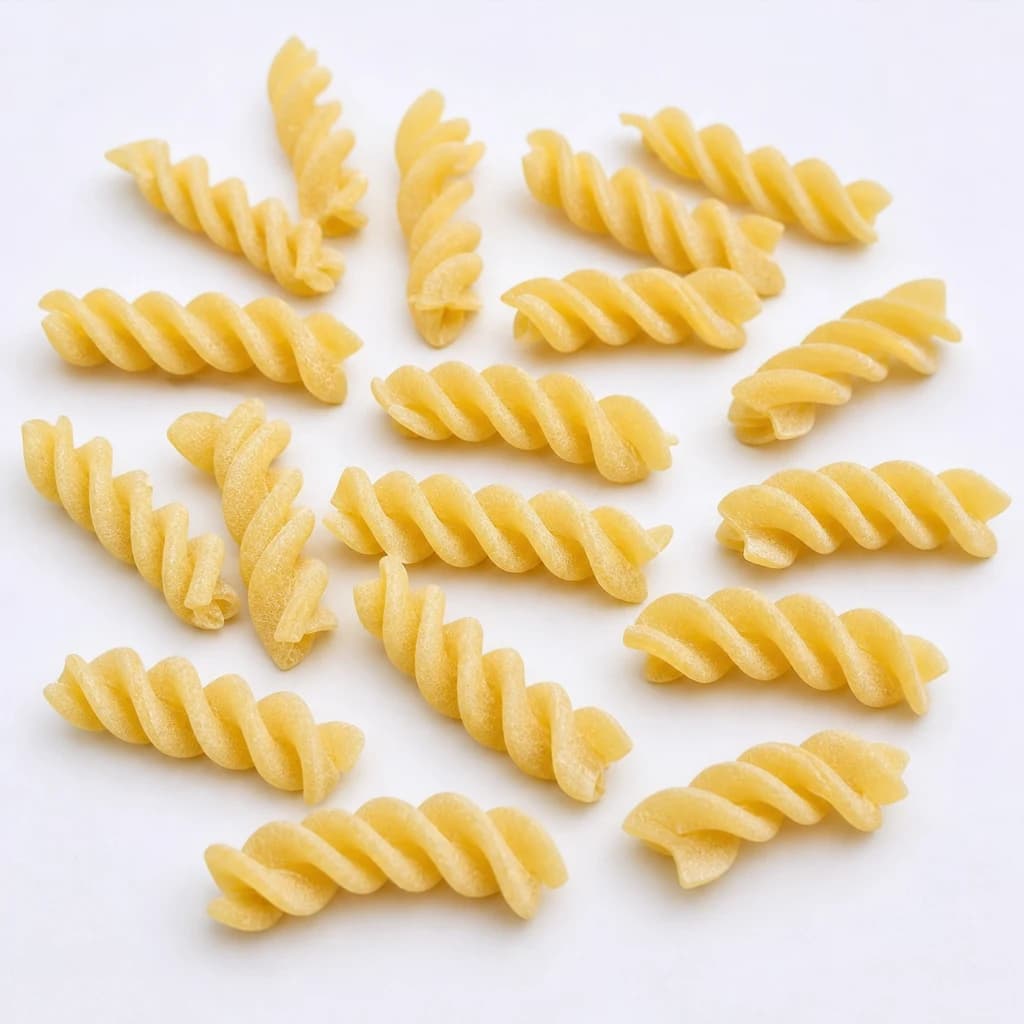
Fusilli
Spiraled pasta that twirls up sauce and dresses cold salads
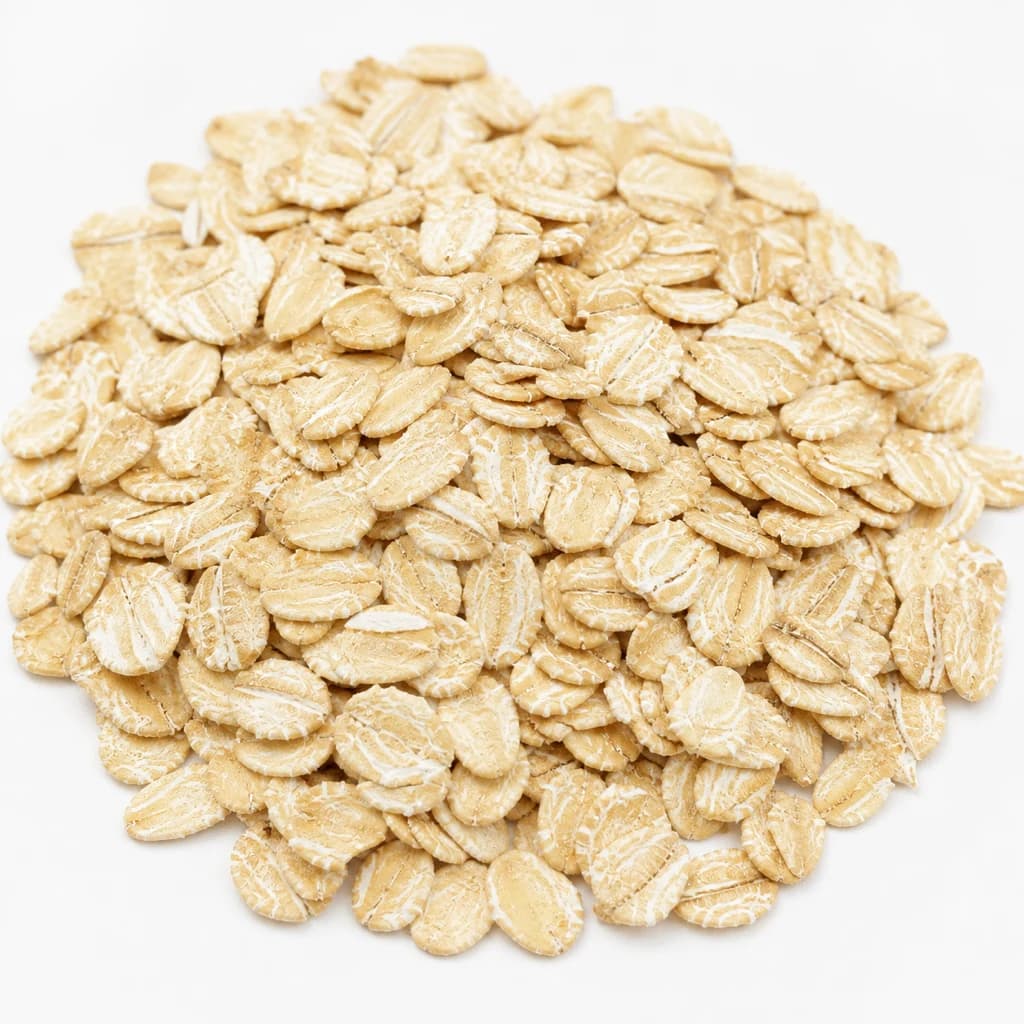
Rolled Oats
Hearty flakes for porridge, granola, and chewy cookies