
Ready to use
Pure white cornstarch powder showing its extremely fine, silky particle texture
Shows the defining physical form readers will encounter — the ultra-fine, matte-white powder that distinguishes cornstarch from other starches and flours.
Baking
Cornstarch
Silky thickener for sauces, gravies, and crisp fried coatings
A fine, gluten-free starch that thickens sauces to a glossy sheen and crisps a fried coating. Whisk it into cold liquid first to avoid lumps. Keep it airtight and dry.
Cornstarch (cornflour, in the UK) is the pure, silky starch milled from the endosperm of corn — a flavorless, gluten-free thickener with about twice flour's thickening power. Stirred into a cold slurry and heated, it thickens sauces, gravies, pie fillings, and custards into glossy, clear bodies far more efficiently than flour. It also lightens and tenderizes baked goods, crisps fried coatings, and keeps powdered sugar from caking. Pound for pound, it has about twice flour's thickening power.
- Measured in
- g
- Storage
- Airtight
Find it in
Types & varieties
Standard fine white thickening starch.
No-cook thickening for cold or quick applications.
Cassava-derived starch that thickens to a glossy, clear, stretchy gel; prized for chewy gluten-free bakes, boba, and bright fruit fillings that won't cloud.
How to use
Always disperse it in a little cold liquid (a slurry) before adding to hot, or it clumps. Bring to a simmer to activate and clear — overheating or prolonged boiling can thin it back out, and acid weakens it. It gives glossy, clear sauces, unlike flour's opaque body.
- Thickening stir-fry sauces and gravies
- Glossy fruit pie fillings
- Custards and puddings
- Crisping fried chicken and tempura coatings
How to store
Keep it airtight and dry; humidity clumps it. It lasts essentially forever.
Common uses
Tips & pitfalls
- Mix with cold liquid first to avoid lumps, then add to the hot pot.
- Use about half as much cornstarch as you would flour to thicken.
- Don't boil too long or add lots of acid — both thin the gel.
- Add to flour in fried coatings for an extra-crisp crust.
Nutrition
Energy
1594 kJ · per 100 g
Where the calories come from
Protein
0.3g
1% DV
Carbs
91.3g
33% DV
Fat
0.1g
0% DV
Fiber
0.9g
3% DV
Sugars
0g
of which
Sodium
9mg
0% DV
Source · USDA FoodData Central · Cornstarch
View on FDC →In the shops
Matched grocery products
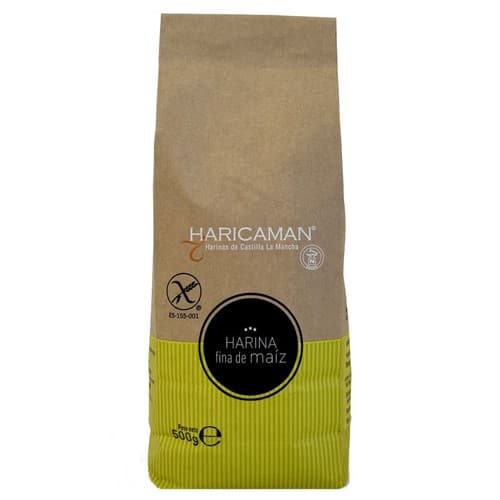 €1.49
€1.49Corn Flour
HARICAM · kg · Bonpreu
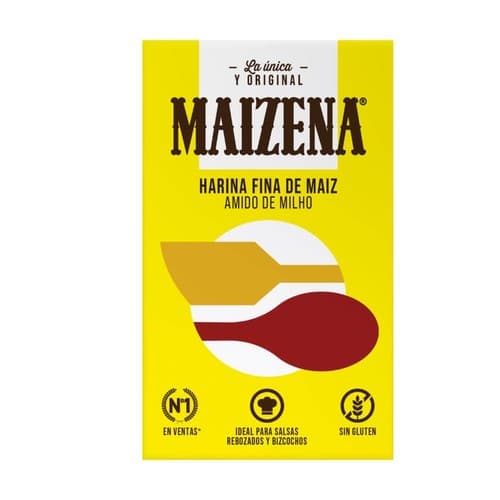 €2.99
€2.99Maizena Corn Flour
MAIZENA · kg · Bonpreu
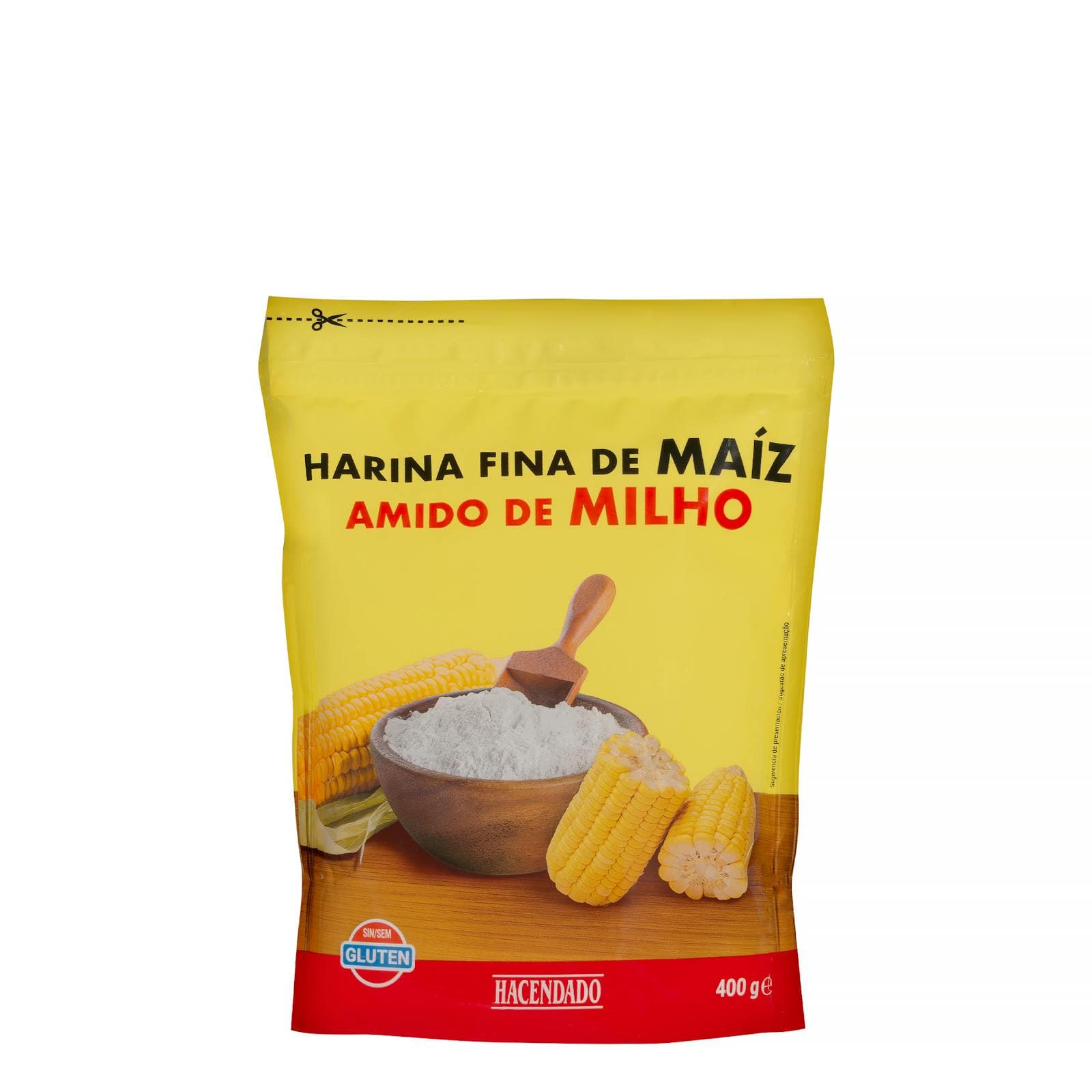 €1.20
€1.20Fine Corn Starch
Hacendado · 400 g · Mercadona
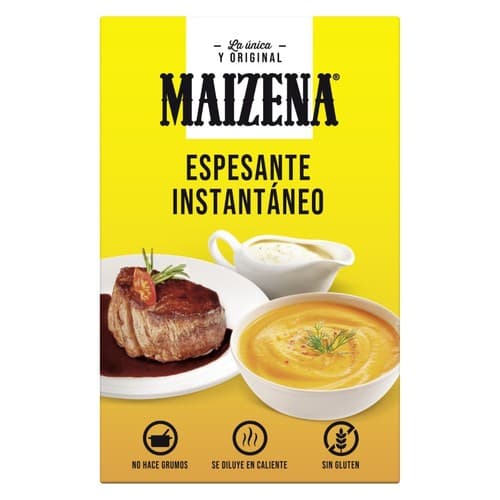 €2.95
€2.95Maizena Instant Thickener
MAIZENA · kg · Bonpreu
Good to know
- Flavor
- Neutral, flavorless
- Made from
- The starchy endosperm of corn
- Best for
- Thickening sauces, gravies, pie fillings, crisping
- Power
- ~2× the thickening of flour; gluten-free
- How to store
- Airtight, dry
- Shelf life
- Indefinite if kept dry
Substitutes
- Flour — Use ~2× as much; gives an opaque, less glossy result.
- Arrowroot or tapioca starch — Gluten-free; clear, glossy, acid-tolerant.
- Potato starch — Similar thickening; good for sauces.
Also called
corn starch · maizena · maicena · fécula de maíz · farina de blat de moro
Appears in these dishes
Related

All-Purpose Flour
The do-anything flour for bread, cakes, sauces, and dredging

Bread Flour
High-protein flour for chewy, well-risen breads
Whole Wheat Flour
Nutty, whole-grain flour for hearty breads and bakes
Cake Flour
Fine, low-protein flour for tender, delicate cakes
Almond Flour
Nutty, gluten-free flour for macarons and tender bakes

Baking Powder
All-in-one leavener for fluffy cakes, pancakes, and biscuits

Baking Soda
Pure leavener that needs acid to lift — and tenderize
Yeast
Living leaven that makes bread rise and dough come alive