Produce
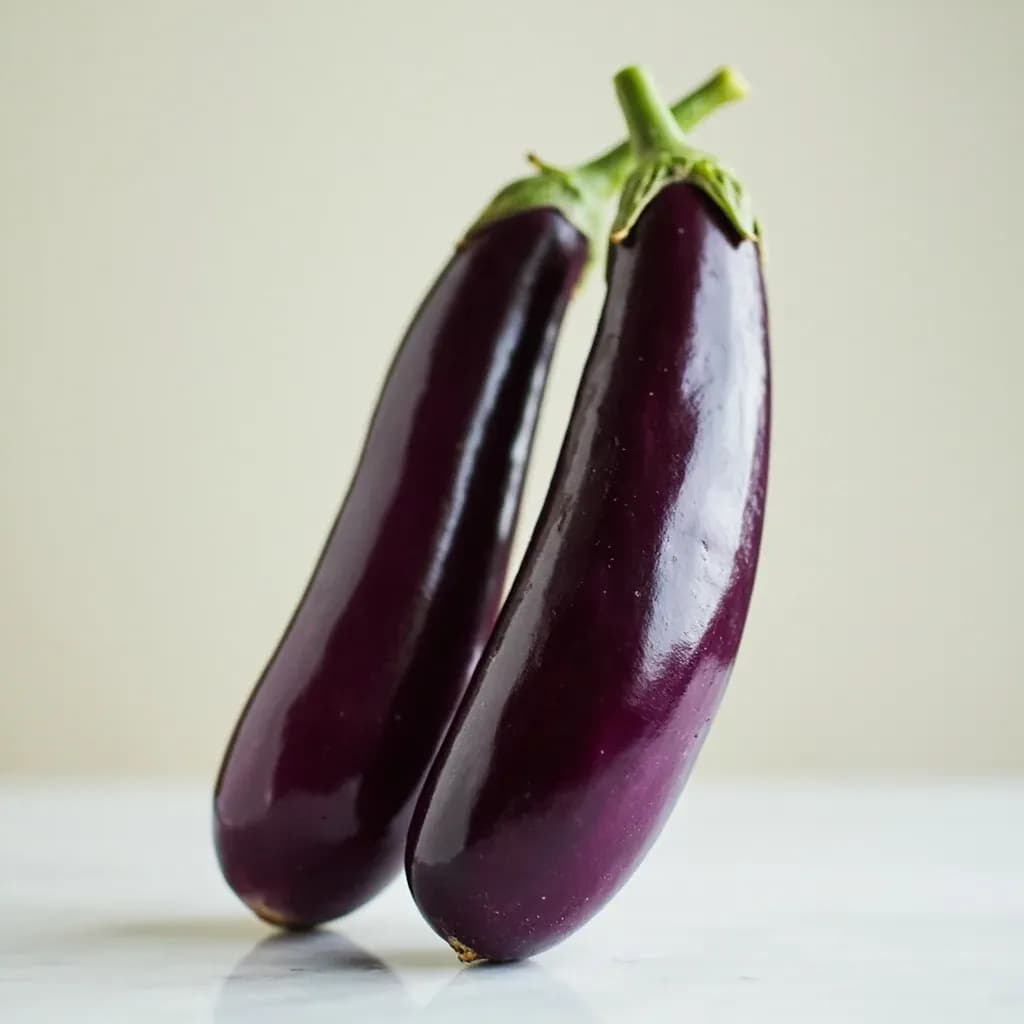
Chinese Eggplant
Long, slender, thin-skinned purple eggplant with sweet, tender flesh.
Chinese eggplant is a long, slim variety with thin lavender-purple skin and creamy, mild flesh that has fewer seeds and less bitterness than globe eggplant. It cooks quickly and is ideal for stir-fries, braises, and steaming, soaking up sauces well. The tender skin needs no peeling.
Chinese eggplant stands apart from its Western counterparts through a fundamental difference in flesh structure. Where globe eggplant develops a spongy, seed-heavy interior that absorbs oil readily, Chinese eggplant maintains a dense, compact grain with minimal seeds. This denser texture means it holds its shape under high heat and resists the heavy oil absorption that makes regular eggplant dishes feel greasy. The consequence for the cook is significant: Chinese eggplant behaves predictably in stir-fries, grills, and braises where other eggplants would turn mushy or soggy.
The thin purple skin requires no peeling—another practical advantage that eliminates a prep step. Its mild sweetness makes the flesh an ideal vehicle for bold seasonings rather than competing with them. This is why Chinese and Sichuan cooks treat eggplant almost as a blank canvas, deliberately using it to absorb complex sauces like the garlicky, spicy, sweet-sour profile of yuxiang qiezi. The vegetable takes on whatever seasoning you apply while contributing its own subtle backdrop of sweetness and satisfying meaty texture. Understanding this role—carrier rather than star—is key to using Chinese eggplant well in any cuisine.
Its year-round availability in Asian markets and 5–7 day refrigerator life make it a reliable kitchen staple. The 85% edible yield after trimming means minimal waste, and the lack of bitterness means you can cook it immediately without the salt-curing step that Western eggplant often demands. These qualities combine to make Chinese eggplant one of the most forgiving and versatile eggplants in any cook's repertoire.
- Measured in
- piece
- Storage
- Fridge
Types & varieties
Taiwanese variety; exceptionally long (up to 18 inches), lavender-purple, very sweet flesh; excellent for grilling and stir-fries
Slightly shorter and darker than Chinese type; fine-grained flesh; standard in Japanese cuisine for nasu dengaku and nimono
Small, round or egg-shaped; green or white skin; firm flesh; essential in Thai curries like green curry
Round or oval; purple, white, or green; used in bharta, curries, and tandoori preparations
Similar to Japanese type; darker purple, slightly more bitter; used in namul and jeotgal
Small, finger-length Chinese variety; intense purple; common in Sichuan cooking
Common uses
Tips & pitfalls
- Unlike Western eggplant, Chinese eggplant rarely needs salt-curing—the flesh is dense and less watery, making it more forgiving for quick-cook methods
- Cut just before cooking to minimize moisture loss; pat dry if adding to a hot pan
- Cook over medium-high to high heat in stir-fries; it browns quickly and develops a pleasantly caramelized exterior
- Score the flesh in a crosshatch pattern before sauce-based cooking to allow deeper penetration of seasonings
- For crispy fried preparations, ensure oil is properly preheated—Chinese eggplant's density means it needs a few extra seconds to cook through
- When braising, cut into larger pieces (2-inch segments) to prevent mushiness from prolonged cooking
- Common mistake: assuming Chinese eggplant behaves like regular eggplant in recipes—it's denser and absorbs less oil, so cooking times and methods must be adjusted
- Avoid peeling unless the recipe specifically requires it—the thin skin contributes structural integrity during cooking
Nutrition
Energy
105 kJ · per 100 g
Where the calories come from
Protein
1g
2% DV
Carbs
5.9g
2% DV
Fat
0.2g
0% DV
Fiber
3g
11% DV
Sugars
3.5g
of which
Sodium
2mg
0% DV
Source · USDA FoodData Central · Eggplant, raw
View on FDC →In the shops
Matched grocery products
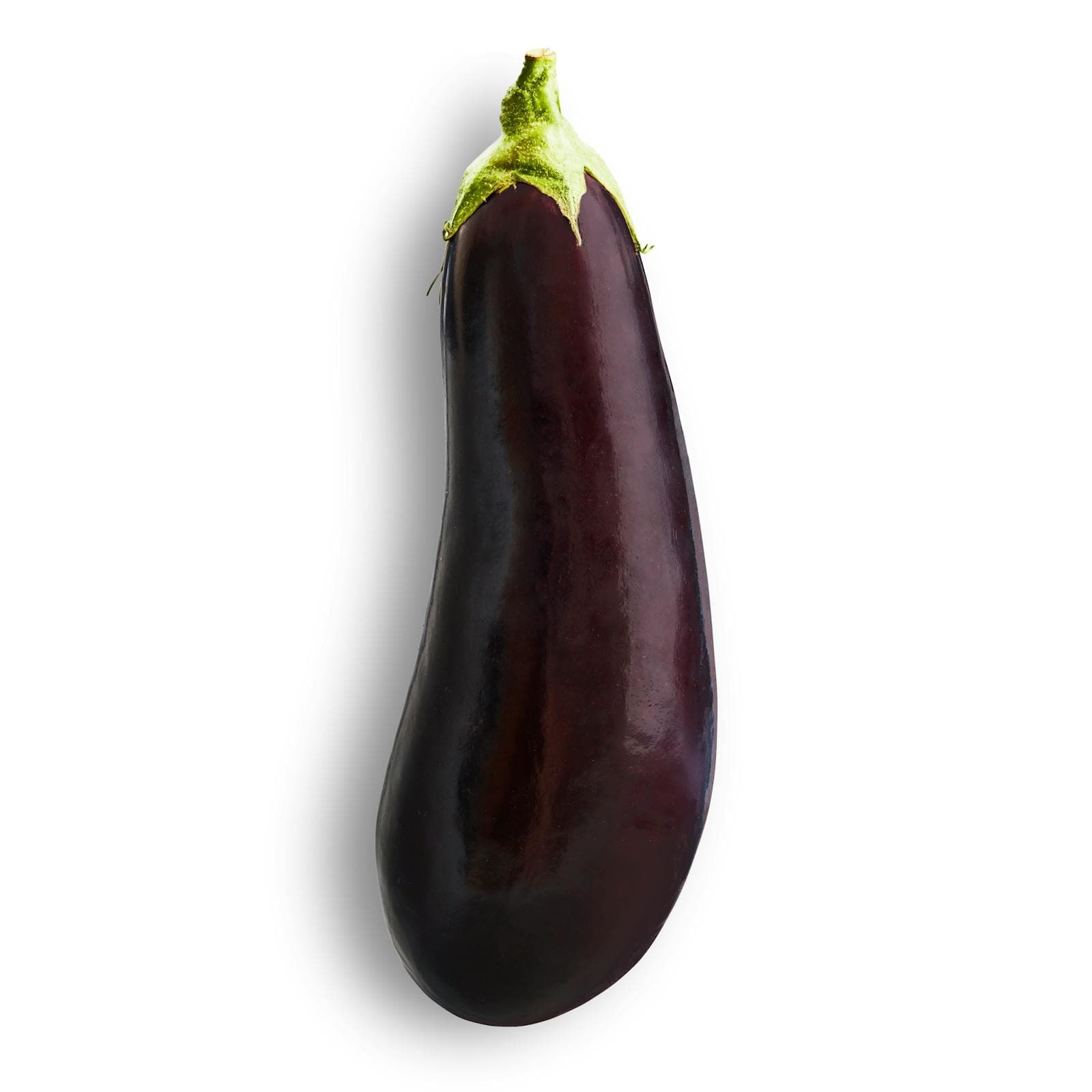 €0.51
€0.51Eggplant
340 g · Mercadona
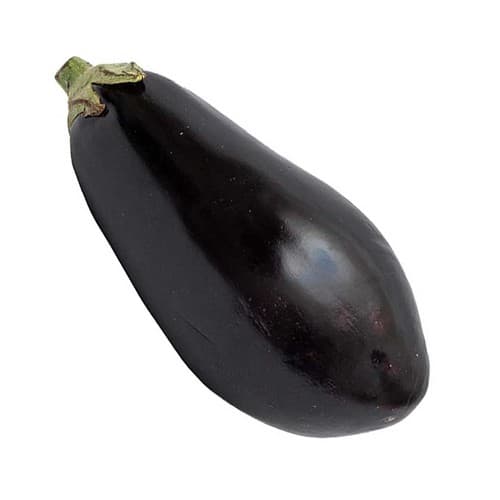 €0.89
€0.89Black Eggplant
Bonpreu
 €0.92
€0.92Black Eggplant 1 unit
ud · Bonpreu
 €3.19
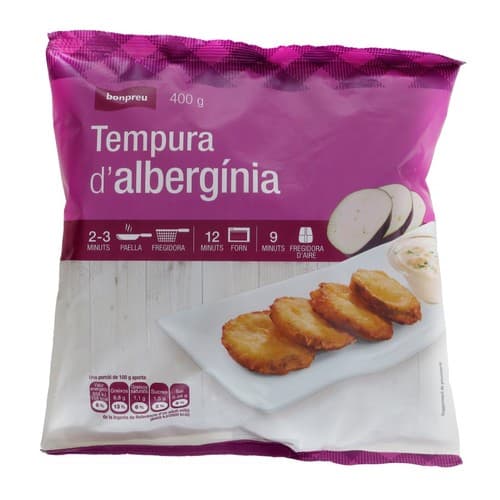
€3.19Bonpreu Aubergine Tempura
BONPREU · kg · Bonpreu
 €3.29
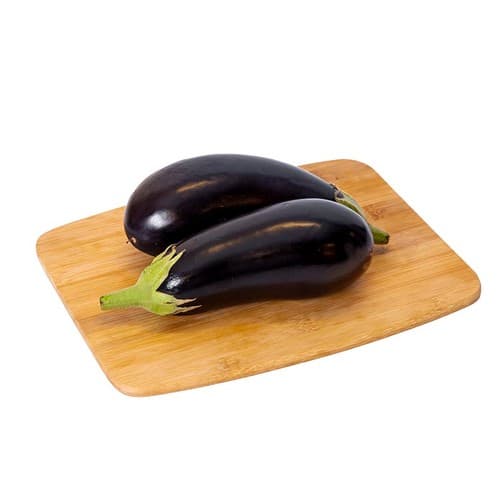
€3.29Organic Aubergine in Tray 500 g
kg · Bonpreu
 €1.29
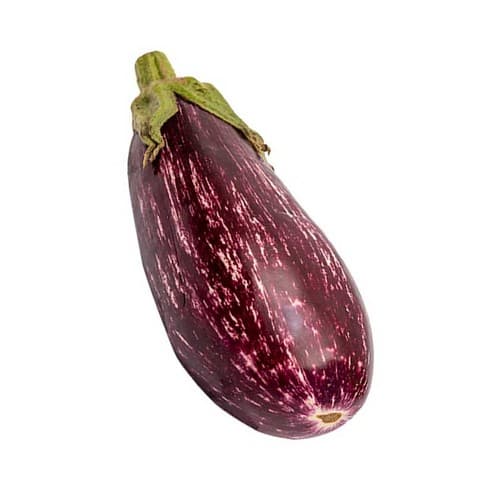
€1.29Grated White Eggplant 1 unit
Bonpreu
Good to know
- Scientific Name
- Solanum melongena
- Origin
- Southeast Asia; primary cultivation in China, Japan, Korea, Thailand, India, and Southeast Asian countries
- Peak Season
- Summer through early fall; available year-round in Asian markets
- Shape
- Long and slender, typically 6–12 inches (15–30 cm) with a slightly curved, cylindrical form
- Skin
- Thin and tender; deep purple to violet; edible without peeling
- Flesh
- White to pale cream; dense and meaty with very few seeds; less spongy than Western eggplant
- Flavor
- Mildly sweet with minimal bitterness; no salt-curing required
- Storage
- Refrigerate unwashed in a plastic bag in the crisper drawer for up to 5–7 days
Substitutes
- Japanese Eggplant — Nearly interchangeable; slightly smaller, same dense flesh and sweet flavor; ideal substitute in all applications
- Italian Eggplant (Globe) — Cut into 1-inch cubes to approximate cooking time; will require salting to remove excess moisture; flesh is spongier
- Thai Eggplant — Good for curries and high-heat cooking; texture is firmer, shape is different; adjust cooking time accordingly
Pairs with
Also called
茄子 · Chinese Eggplant · Asian Eggplant
Appears in these dishes
Related
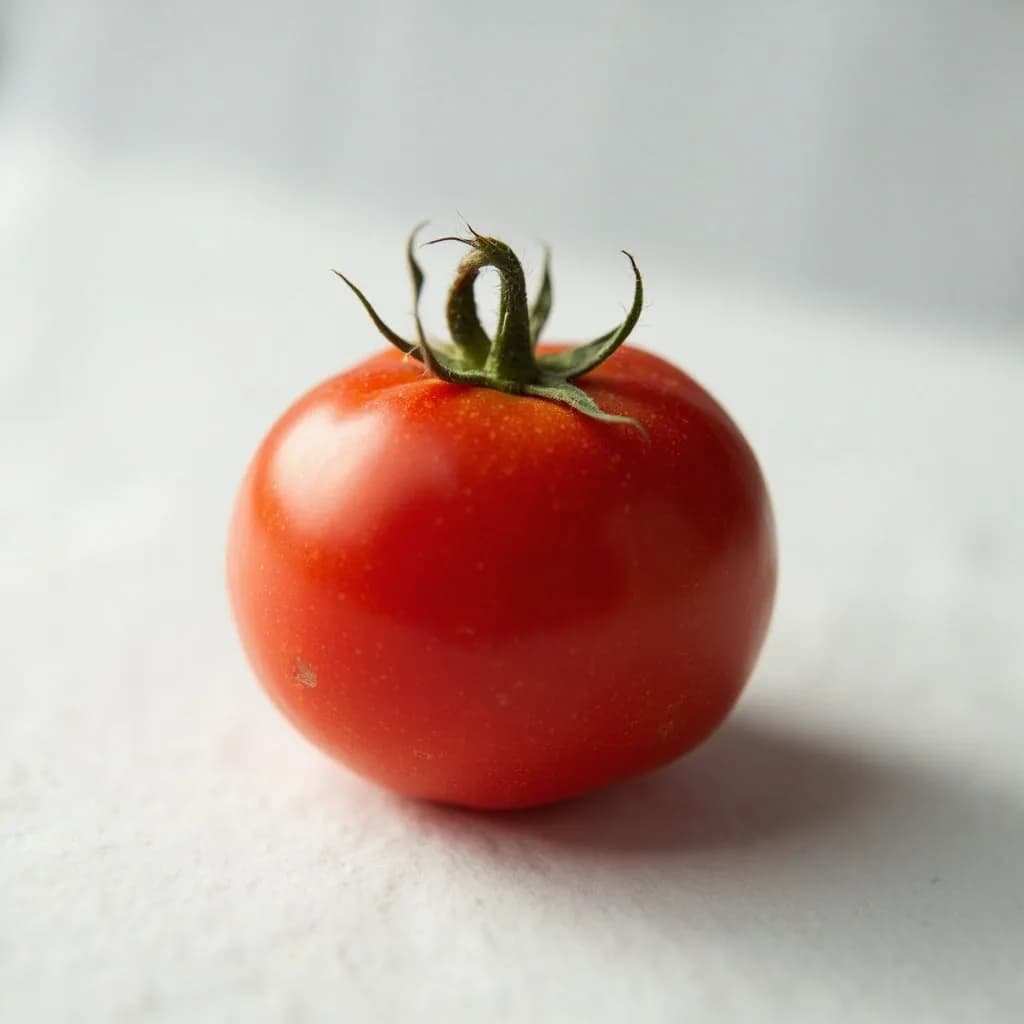
Tomato
Juicy, sun-sweet fruit for sauces, salads, and slow-cooked depth
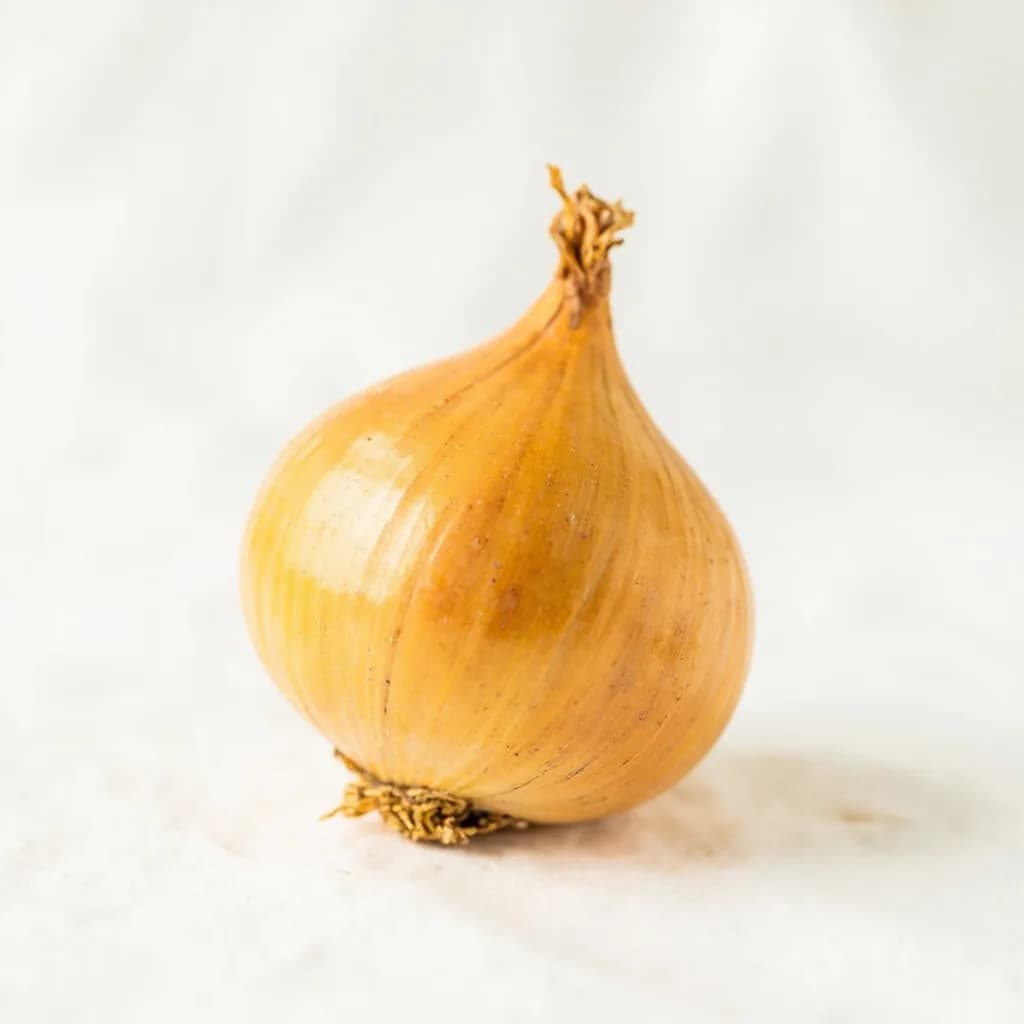
Yellow Onion
The aromatic backbone of soups, sofritos, and braises
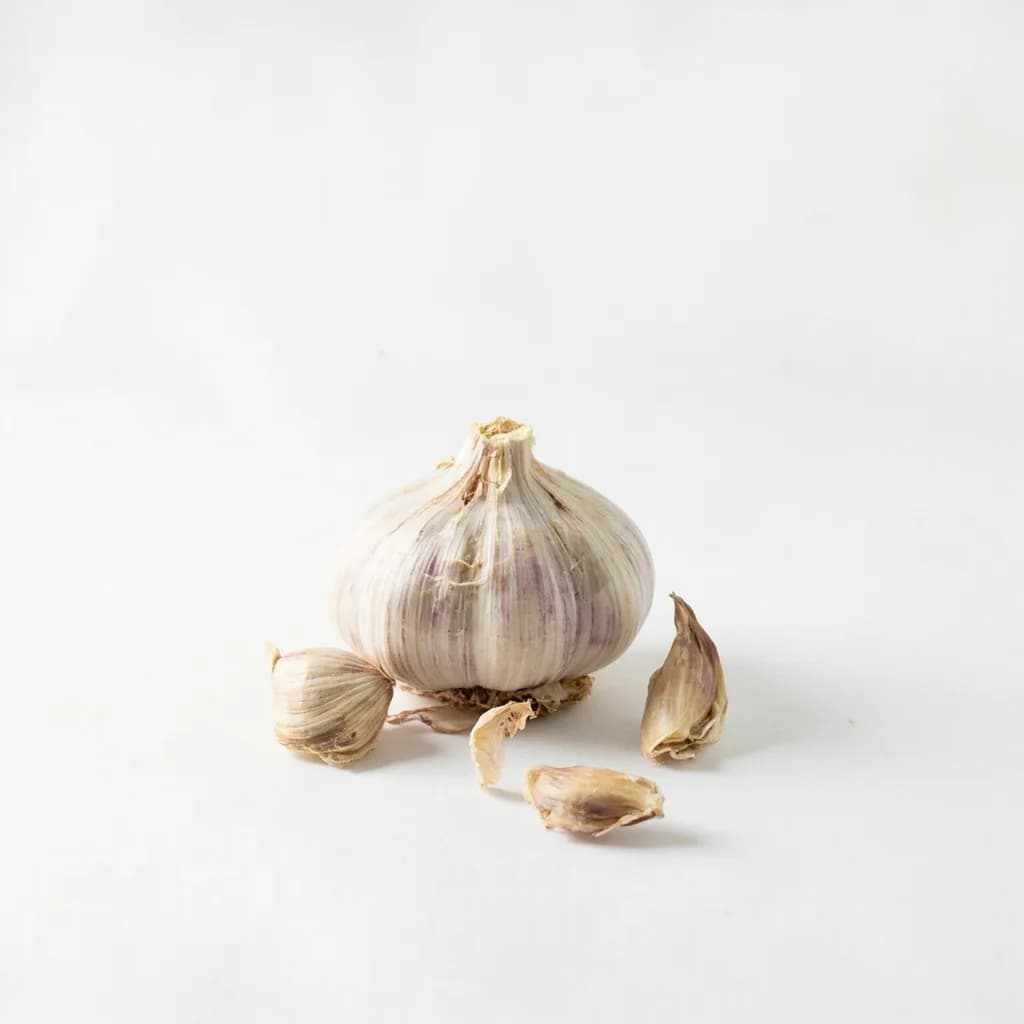
Garlic
Pungent cloves that perfume nearly every savory dish
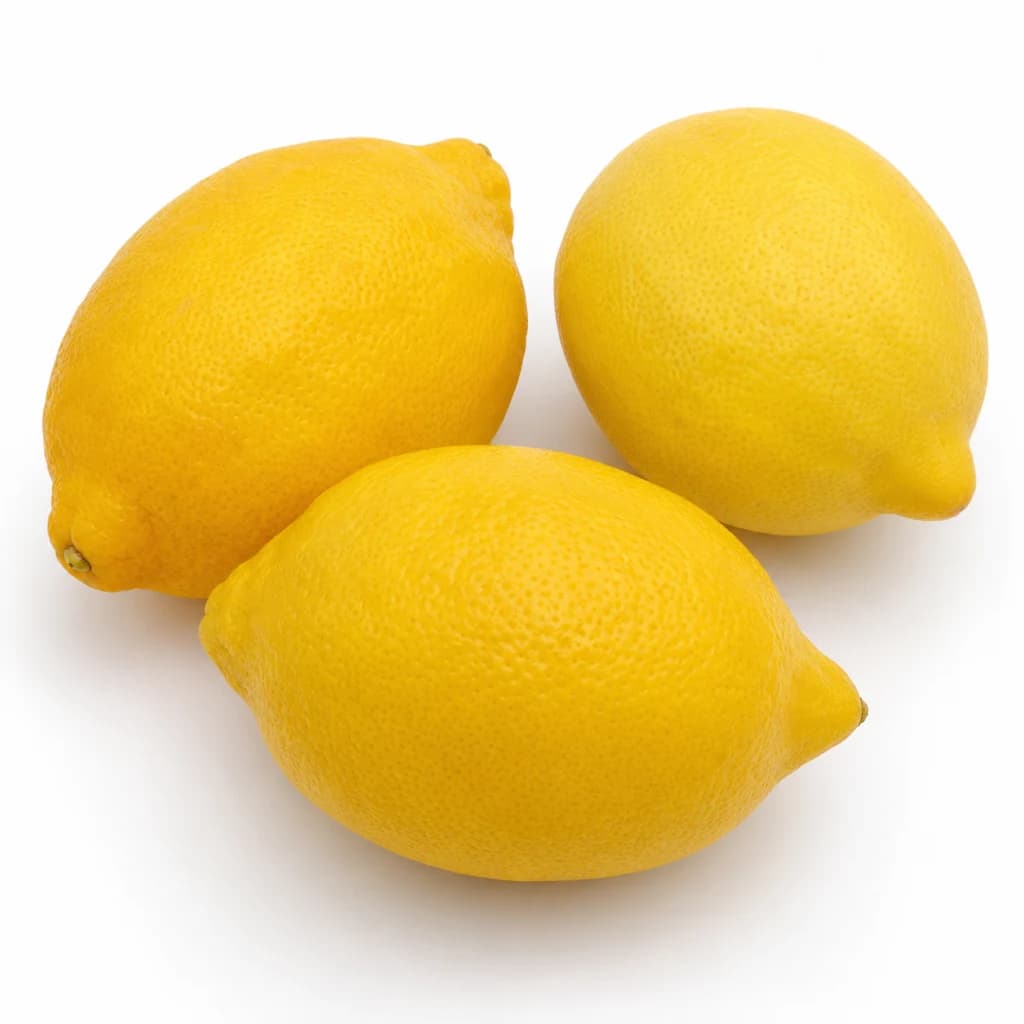
Lemon
Bright, acidic citrus that wakes up almost any dish
Potato
Humble, hearty staple — roast, mash, fry, or boil
Carrot
Sweet, crunchy root — raw, roasted, or the base of a sofrito
Cucumber
Cool, crisp, and watery — for salads, pickles, and tzatziki

Lettuce
Crisp leaves for salads, wraps, and a fresh crunch