Natural form
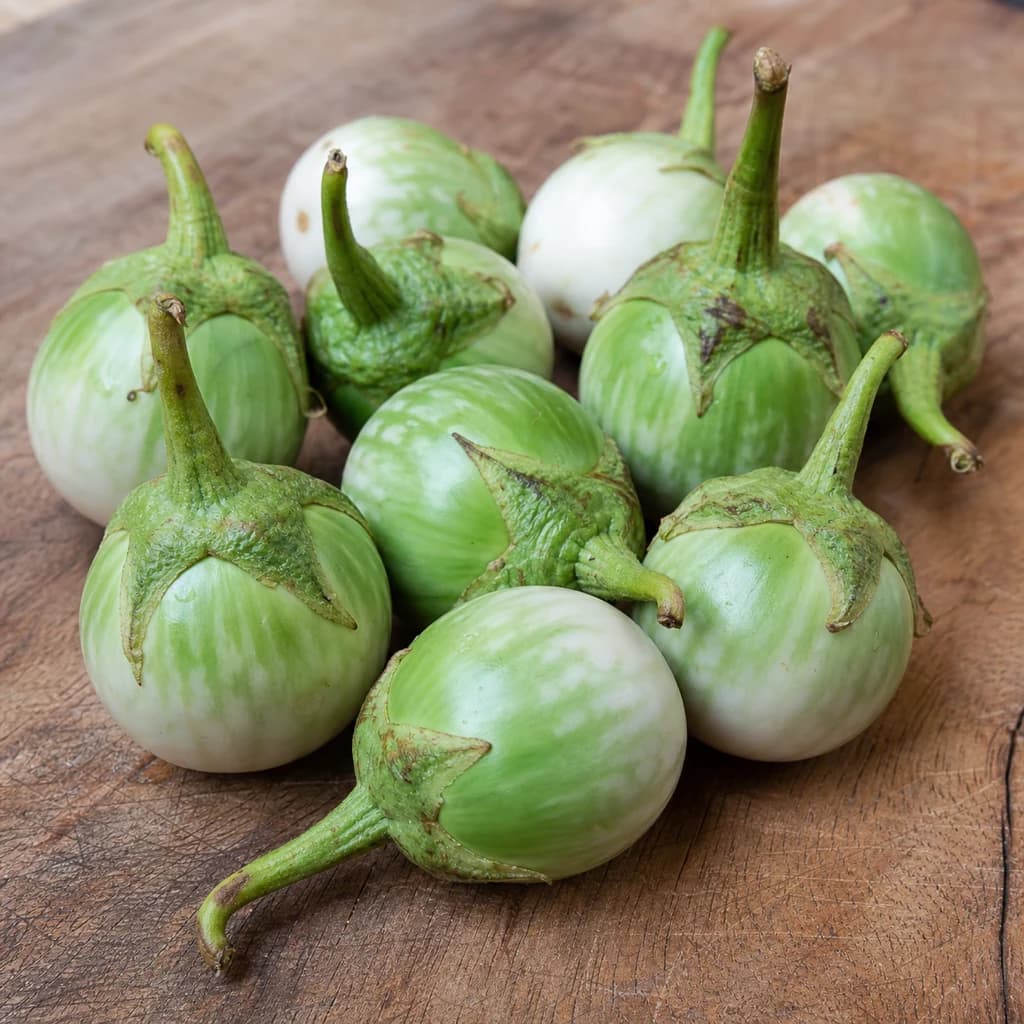
Whole Thai eggplants clustered together, showing their golf-ball size and green-white streaked skin.
Shows the reader exactly what to look for in a market — distinctive round shape, size, and green-with-white streaking that sets makhua apart from other eggplants.
Produce
Thai Eggplant (Makhua)
Small round green-and-white eggplants with a crunchy, slightly bitter bite, essential to Thai curries.
Thai eggplants are small, round, golf-ball-sized eggplants, usually green streaked with white, with crisp flesh and a mild bitterness. They are quartered into Thai green and red curries, where they stay firm and absorb the sauce, and are also eaten raw with nam prik. Their crunch and slight bitterness are a signature texture in Thai curry rather than the soft melt of larger eggplants.
Thai Eggplant, known as Makhua (มะเขือ), is a distinct group of eggplant cultivars bred in Southeast Asia for their firm, dense flesh and clean, slightly bitter flavor. Unlike the large Western globe eggplant, Thai varieties are smaller and contain far less moisture and fewer large seeds, which means they hold their shape in liquid and resist the spongy, mushy texture that makes large eggplant problematic in curry. The most common variety in Thai cooking is Makhua Pro — small round green-and-white variegated eggplants about the size of a golf ball — whose flesh stays firm even after ten minutes in a simmering curry sauce. This structural integrity is not incidental; it is the reason Thai eggplant is added near the end of cooking rather than at the start. The slight bitterness that characterizes these eggplants is intentional and welcome in Thai cuisine, where it balances the richness of coconut milk and the heat of chilies. When you encounter Thai eggplant in a green curry or a panang, you are tasting a vegetable that has been bred specifically for that role — one that absorbs the surrounding flavors while contributing its own vegetal backbone to the dish.
- Measured in
- piece
- Storage
- Fridge
Types & varieties
Small round green-and-white variegated; the most common variety in Thai curries; firm flesh with minimal seeds; the workhorse of the kitchen
Long purple variety, similar to Japanese eggplant; milder flavor; common in central Thai cooking; cut into coins or half-moons
Small green pea-sized eggplants; used primarily in green curry and relishes; intensely bitter — taste one raw before cooking to gauge intensity
Small white round variety; mild flavor; often stuffed or used in southern Thai dishes
Miniature purple variety, about the size of a grape; used whole in curries and as garnishes; requires very brief cooking
Common uses
Tips & pitfalls
- Do not salt and press Thai eggplant as you would Western eggplant — this extracts their mild bitterness and makes them waterlogged and mushy; their low moisture content handles cooking differently and salting is counterproductive
- Score the flesh in a crosshatch pattern before adding to curry sauce — this allows liquid to penetrate without the pieces breaking apart during simmering
- Add to curries in the last 5–8 minutes of cooking — overcooking turns them soft and muted, collapsing the textural contrast that is essential to the dish
- For stir-fries, cook over high heat for 1–2 minutes maximum — the goal is retain a slight crunch, not to soften them through
- Char whole round eggplants over an open flame or under the broiler, then peel and mash for salads — this concentrates flavor, removes bitterness effectively, and creates a smoky base for dressings
- The tiny Makhua Khiao peas are typically cooked whole and can be quite bitter — taste one raw before committing to the dish to gauge intensity and adjust quantity
- Store with stems intact until ready to use — exposed flesh oxidizes and degrades faster, leading to discoloration and loss of texture
- For curry paste-heavy dishes, add eggplant after the paste has bloomed in the coconut milk for 2–3 minutes — this prevents the paste from coating the eggplant too thickly and burning
Nutrition
Energy
105 kJ · per 100 g
Where the calories come from
Protein
1g
2% DV
Carbs
5.9g
2% DV
Fat
0.2g
0% DV
Fiber
3g
11% DV
Sugars
3.5g
of which
Sodium
2mg
0% DV
Source · USDA FoodData Central · Eggplant, raw
View on FDC →In the shops
Matched grocery products
 €0.51
€0.51Eggplant
340 g · Mercadona
 €0.89
€0.89Black Eggplant
Bonpreu
 €0.92
€0.92Black Eggplant 1 unit
ud · Bonpreu
 €3.19
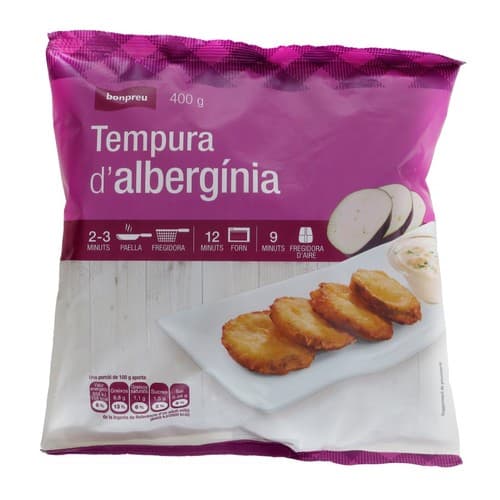
€3.19Bonpreu Aubergine Tempura
BONPREU · kg · Bonpreu
 €3.29
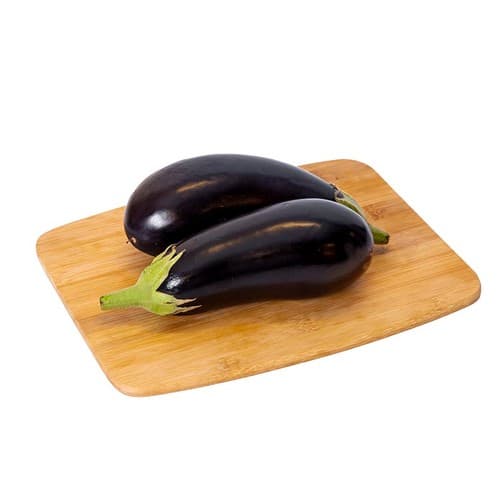
€3.29Organic Aubergine in Tray 500 g
kg · Bonpreu
 €1.29
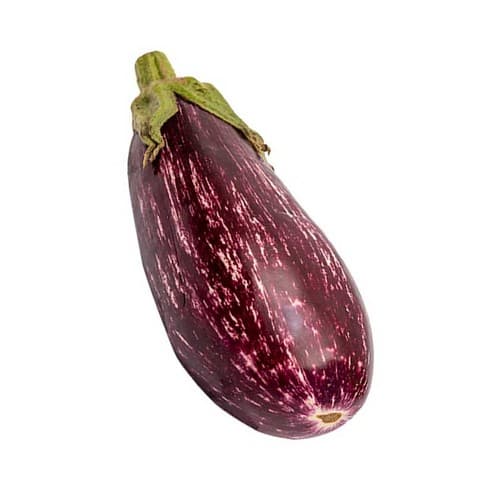
€1.29Grated White Eggplant 1 unit
Bonpreu
Good to know
- Botanical name
- Solanum melongena (Thai cultivars)
- Thai name
- มะเขือ (Makhua)
- Typical size
- Round varieties 1–3 inches diameter; long varieties 3–6 inches
- Flavor
- Slightly bitter, clean, vegetal; less sweet than Western eggplant
- Texture
- Firm, dense flesh; holds shape in liquid; maintains slight crunch when cooked correctly
- Storage
- Refrigerate unwashed in a plastic bag up to 5–7 days; do not freeze
- Yield
- One medium round eggplant yields approximately 1 cup cubed
- Peak season
- Year-round in Thailand; fresh imports available spring through fall in Western markets
- Equipment
- Chef's knife; scoring knife if cross-hatching for curry sauce penetration
Substitutes
- Japanese eggplant — Long purple variety with similar density and subtle flavor; cut into coins to mimic round eggplant wedges; may need 1–2 minutes less cooking time since it is slightly more tender
- Indian round eggplant — Slightly larger but comparable firm texture; good for curries; peel before use if skin is thick; cook time is similar to Makhua Pro
- Zucchini — Not traditional but functional in stir-fries; maintains crunch well; flavor profile differs significantly — lacks the characteristic bitter note and vegetal depth
- Pattypan squash — Closest texture match among Western vegetables; mild flavor accepts Thai aromatics well; cut into wedges; cook quickly to preserve structure
Pairs with
Also called
Makhua · Makheua Phuang · Round Thai Eggplant
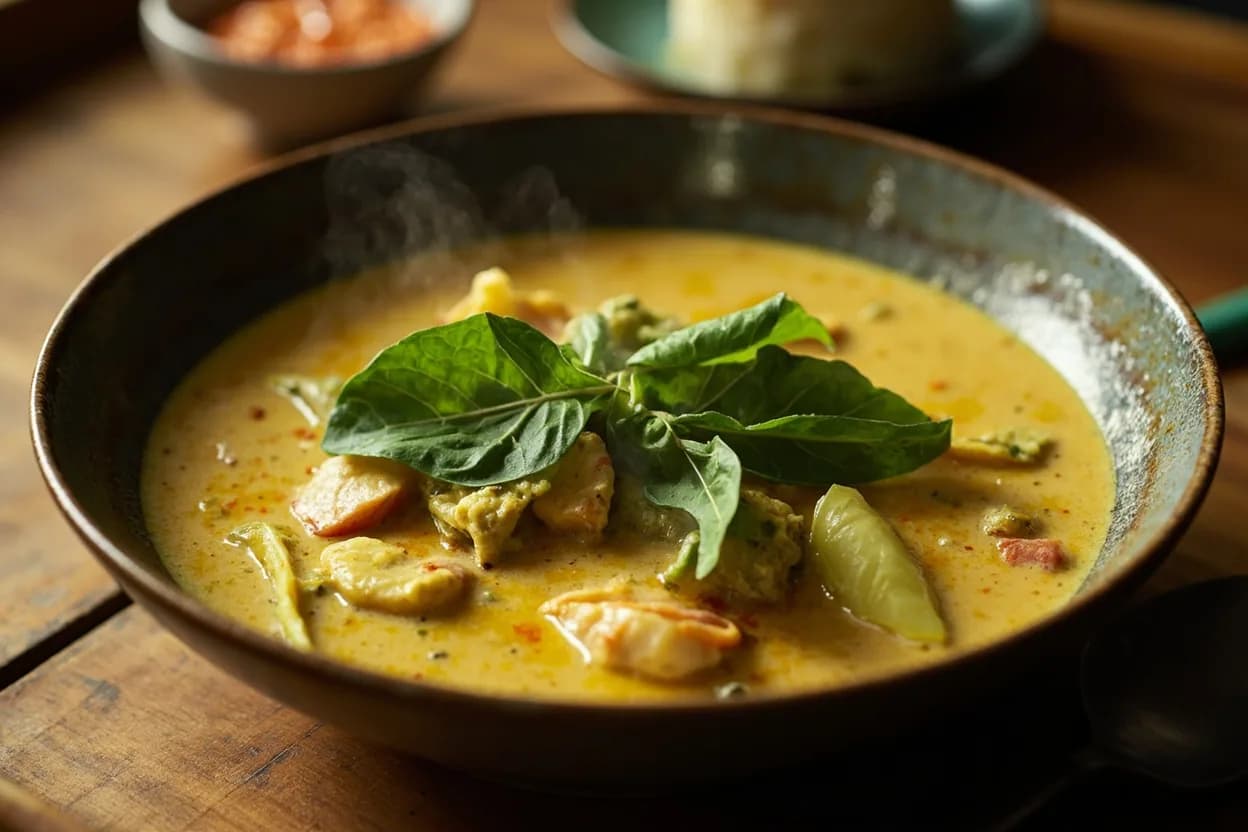
Appears in these dishes
Related
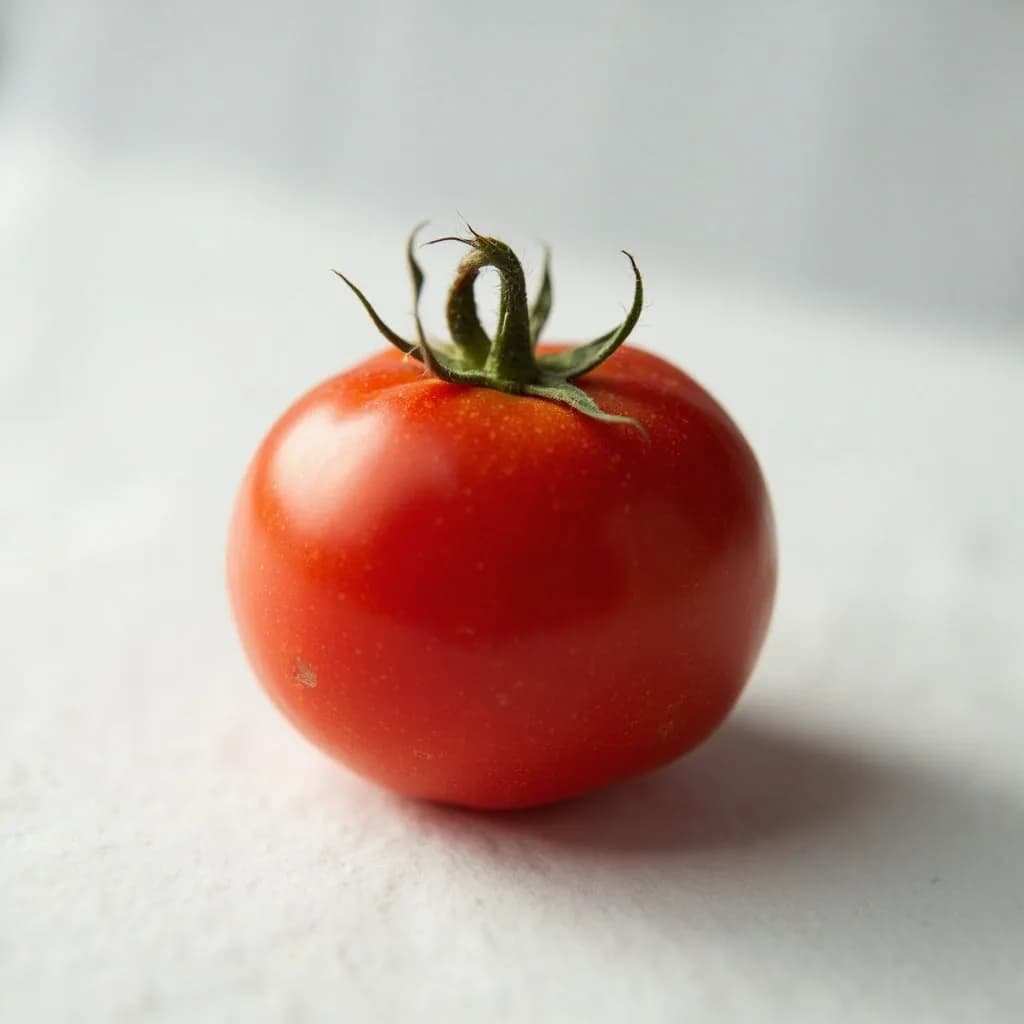
Tomato
Juicy, sun-sweet fruit for sauces, salads, and slow-cooked depth
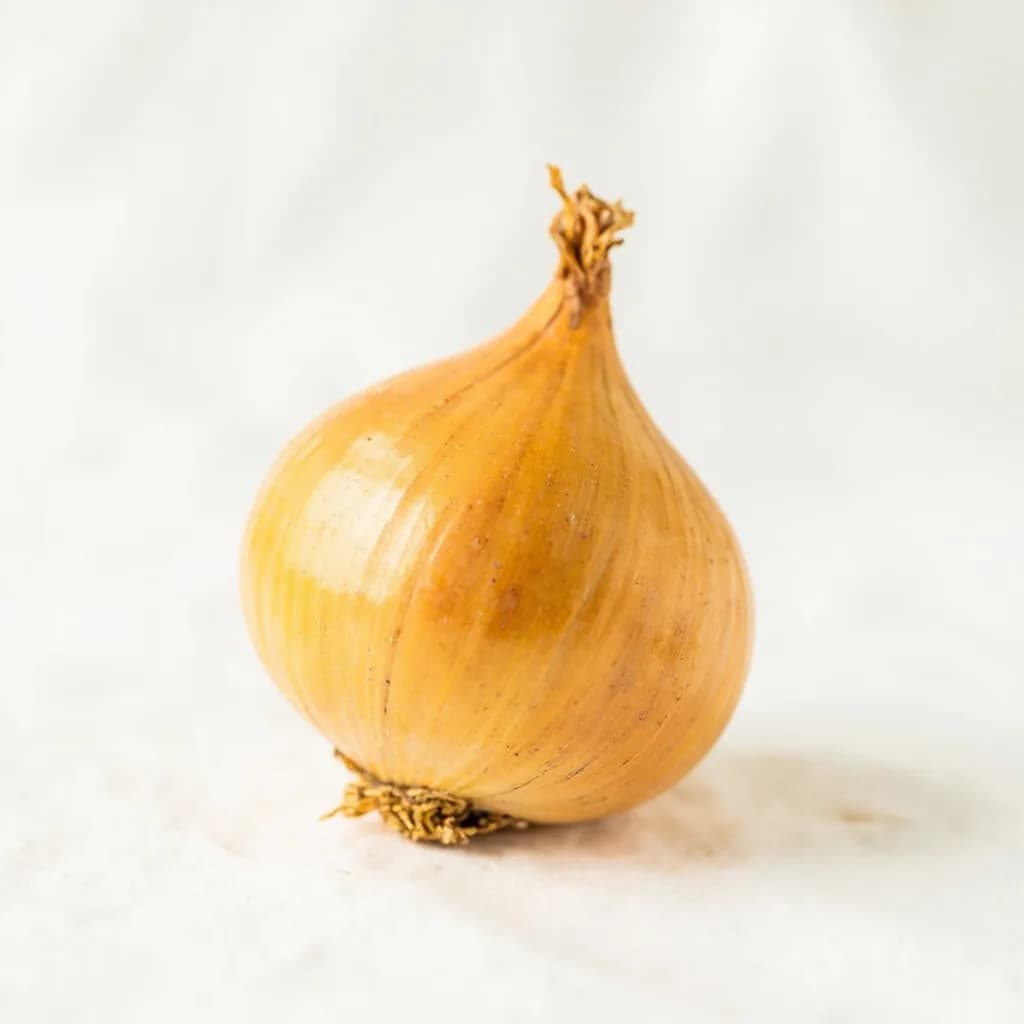
Yellow Onion
The aromatic backbone of soups, sofritos, and braises
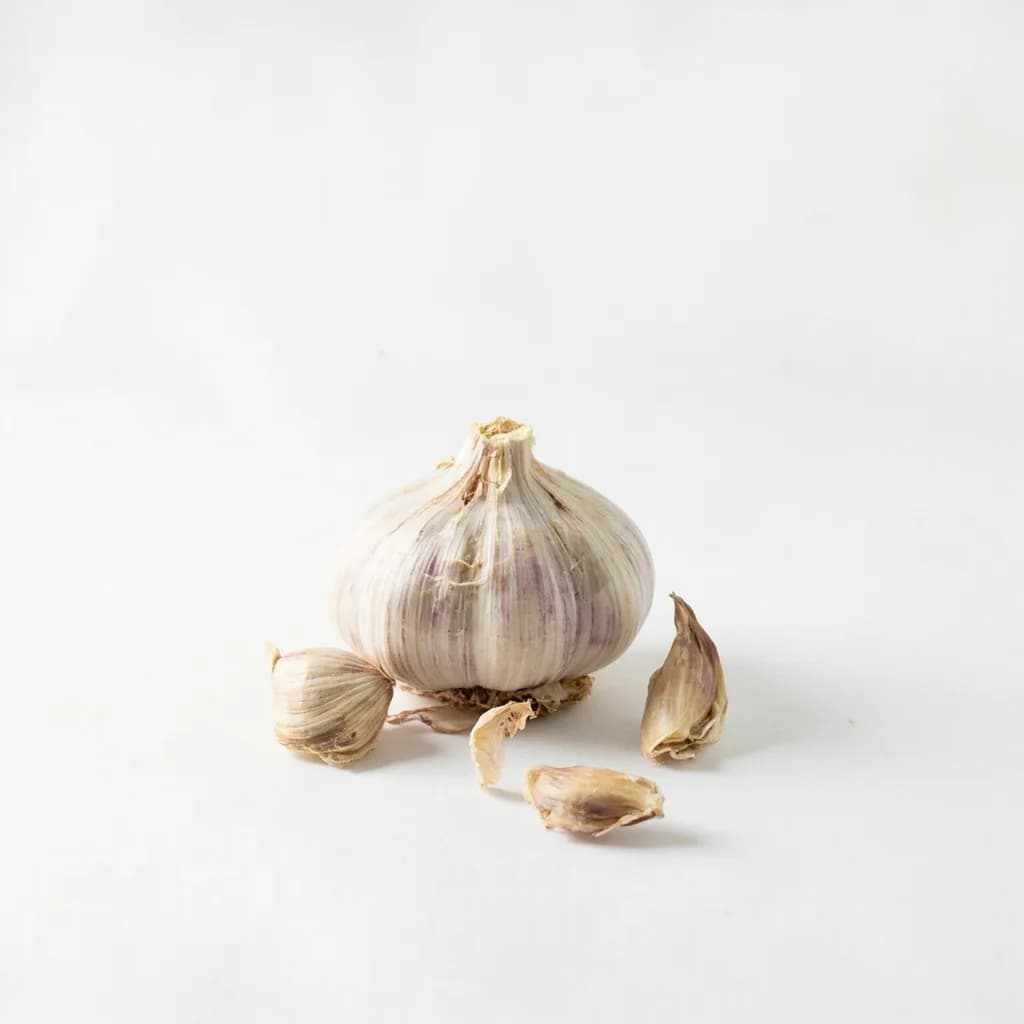
Garlic
Pungent cloves that perfume nearly every savory dish
Lemon
Bright, acidic citrus that wakes up almost any dish
Potato
Humble, hearty staple — roast, mash, fry, or boil
Carrot
Sweet, crunchy root — raw, roasted, or the base of a sofrito
Cucumber
Cool, crisp, and watery — for salads, pickles, and tzatziki

Lettuce
Crisp leaves for salads, wraps, and a fresh crunch