Southern Europe
Piedmontese
Also: Cucina Piemontese, Piedmont cuisine
Aristocratic northern Italian table built on white truffles, aged Barolo, and the refined Franco-Italian sensibility of the House of Savoy.
Piedmontese cuisine is the cooking of Italy's northwestern corner, shaped by the Alpine foothills, the fertile Po Plain, and centuries of Savoyard court culture that absorbed French technique without abandoning Italian soul. It prizes luxury ingredients — white truffles from Alba and Asti, Barolo and Barbaresco wines, Fassone beef, Castelmagno cheese — deployed with aristocratic restraint rather than rustic exuberance. It is also the birthplace of Slow Food (founded in Bra in 1989), and local producers fiercely protect heirloom cultivars and traditional methods.
The flavour base
Burro e salvia (butter and sage), aged Parmigiano or Grana Padano, and the pungent funk of white truffle shaved raw at the table; braised dishes build on Barolo or Barbera reductions.
Pantry staples
Key ingredients
Signature techniques
Signature dishes
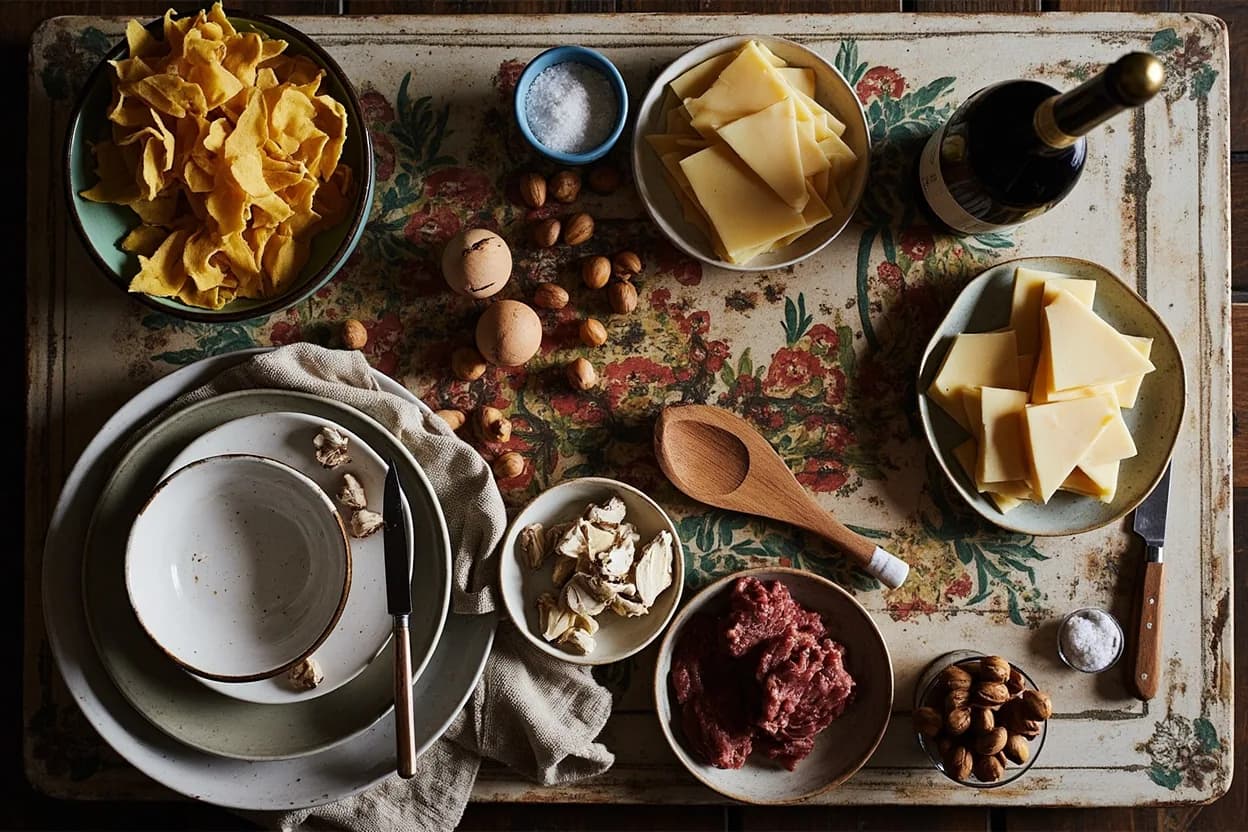
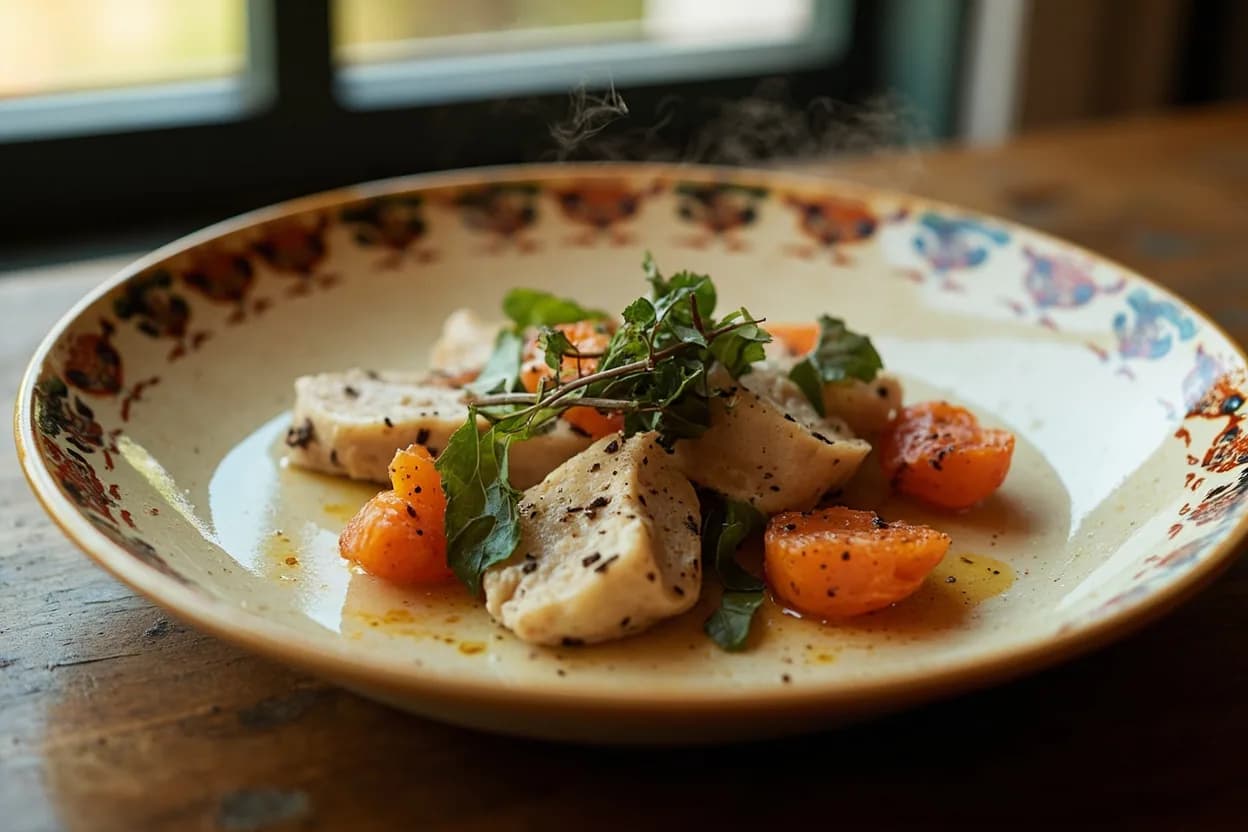
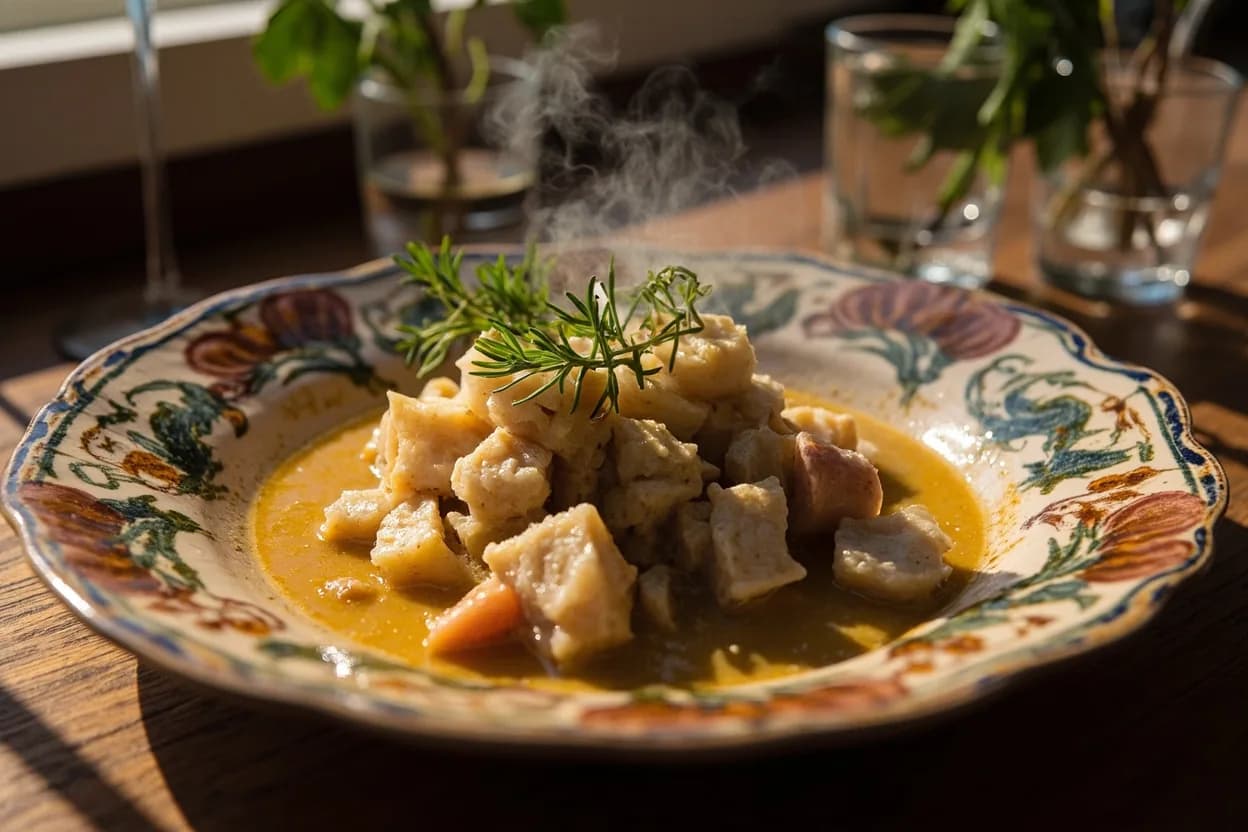
Piedmontese on the table
At the table
A formal Piedmontese meal follows the Italian sequence — antipasto, primo, secondo, contorno, dolce — but antipasti can be lavish multi-course affairs of cured meats, carne cruda, and warm bagna càuda. Truffle dishes appear as standalone primi or as finishing shavings over tajarin. Sunday meals and harvest lunches can run four to five hours.
History & context
Piedmont's culinary identity was forged under the House of Savoy, whose court in Turin imported French pastry chefs and sauciers from the seventeenth century onward, creating a hybrid Franco-Italian refinement. The Po Plain's rice paddies (established under Visconti rule in the fifteenth century) made risotto a staple alongside pasta. The white truffle of the Langhe hills was prized by the Savoy kings and eventually reached the tables of European royalty. Carlo Middione and later Carlo Petrini — who founded Slow Food in Bra in 1989 partly in response to McDonald's opening near the Spanish Steps — made Piedmont the global centre of the agri-food sovereignty movement. The Langhe has been a UNESCO World Heritage landscape since 2014.
Regional variations
- Langhe and Monferrato
Epicentre of white truffle, Barolo, Barbaresco, and tajarin; hazelnuts dominate desserts.
- Turin and surroundings
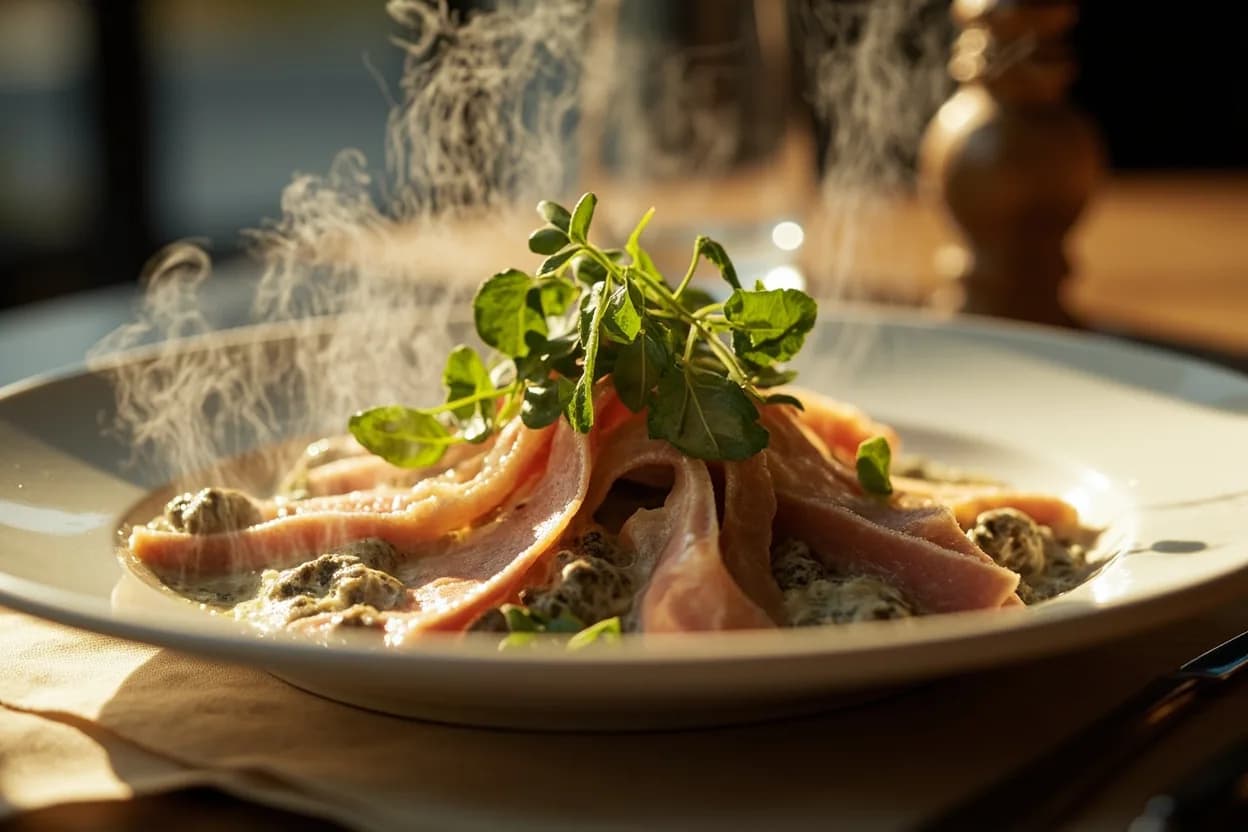
Home of vitello tonnato, fritto misto, and the elaborate bicerin coffee-chocolate-cream drink; strong French pastry influence.
- Ossola and Valsesia valleys
Alpine border zone with buckwheat polenta, violino di capra goat ham, and Austrian-influenced strudel.
- Vercelli and Novara rice triangle
Risotto country; paniscia (rice with borlotti beans and salami) is the defining dish.
Related cuisines
- Lyonnaise
Shared Savoyard court influence; both use butter-rich preparations and offal with refinement.
Southern neighbour; pesto and olive oil cross the Apennines into Piedmontese coastal-adjacent cooking.
- Lombard
Adjacent Po Plain culture; shared risotto tradition and braised meat techniques.
- Aostane
Alpine neighbour sharing fontina cheese use and mountain charcuterie.
Canonical recipes
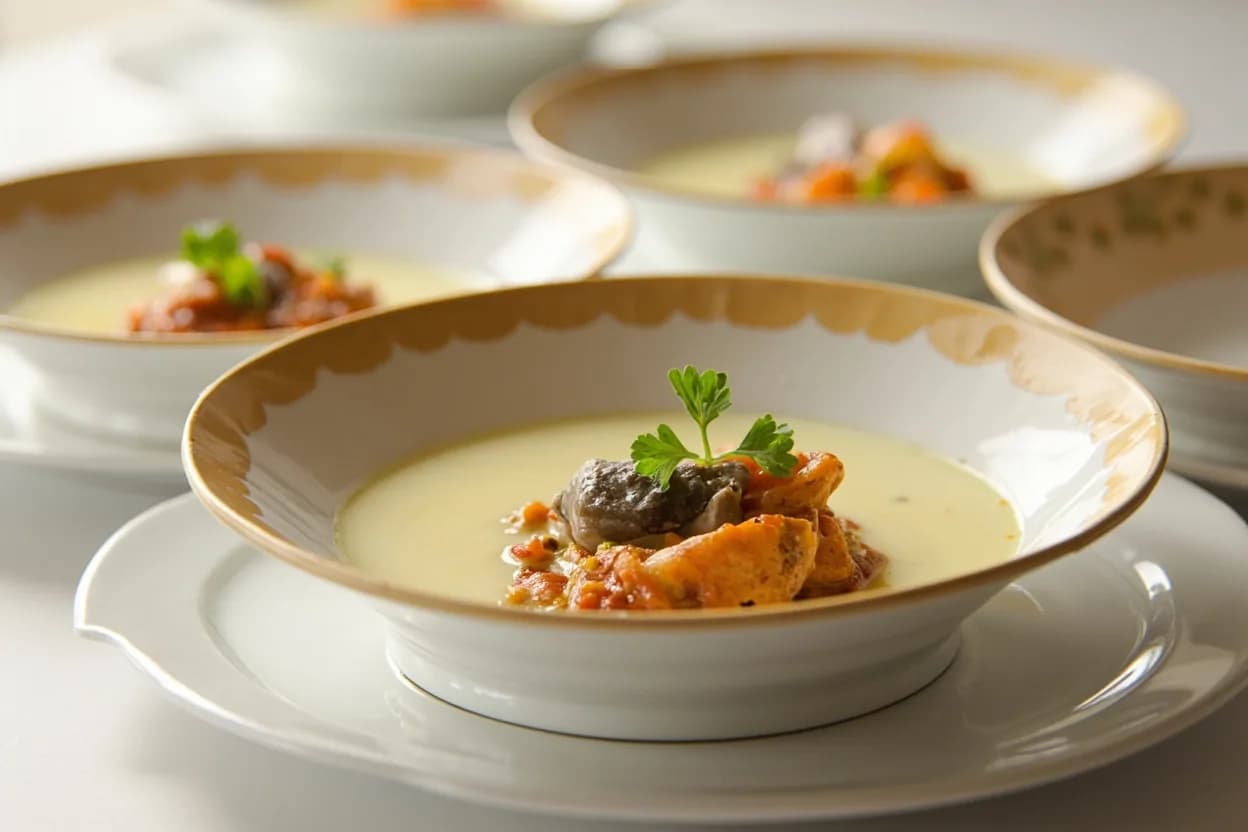
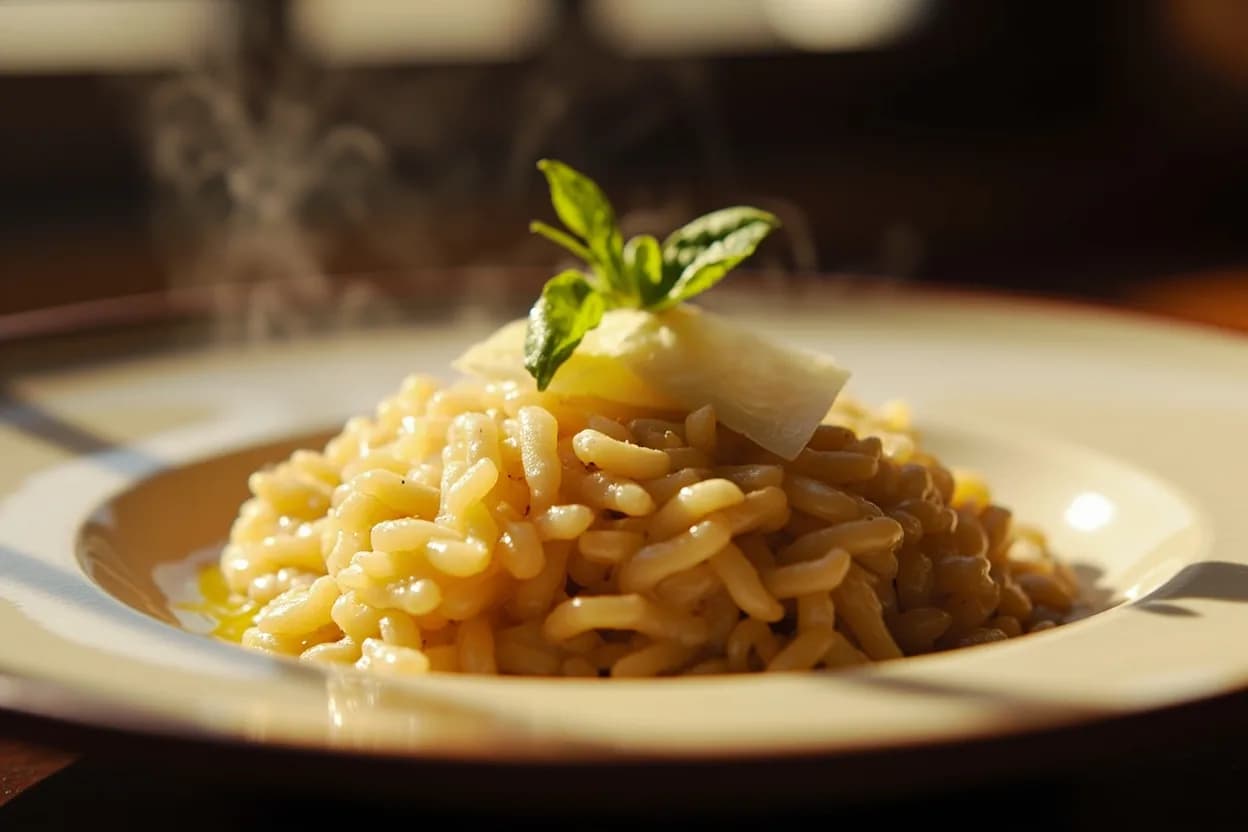
The dishes that define Piedmontese, documented in the Canon.
References
- 1.The Langhe Table — Recipes from the Piedmontese Hills, Anna Gosetti della Salda
- 2.Italian Regional Cooking, Ada Boni (1969)
- 3.Slow Food Nation, Carlo Petrini (2007, Rizzoli)
- 4.Il Cucchiaio d'Argento (The Silver Spoon), Editoriale Domus, 8th ed.
Confidence: high
Notes
Slow Food birthplace
The Slow Food movement was founded in Bra (Cuneo province) in 1989 by Carlo Petrini as a direct protest against fast-food culture. Its Ark of Taste catalogues endangered Piedmontese products including the Tonda Gentile hazelnut, the Cardo Gobbo di Nizza cardoon, and the Grignolino wine grape.
The 40-yolk pasta rule
Authentic tajarin is made with up to 40 egg yolks per kilogram of flour — no whites — producing a deeply golden, silky noodle cut to 2–3 mm width. The richness of the dough is designed to carry white truffle or meat ragù without drowning either.