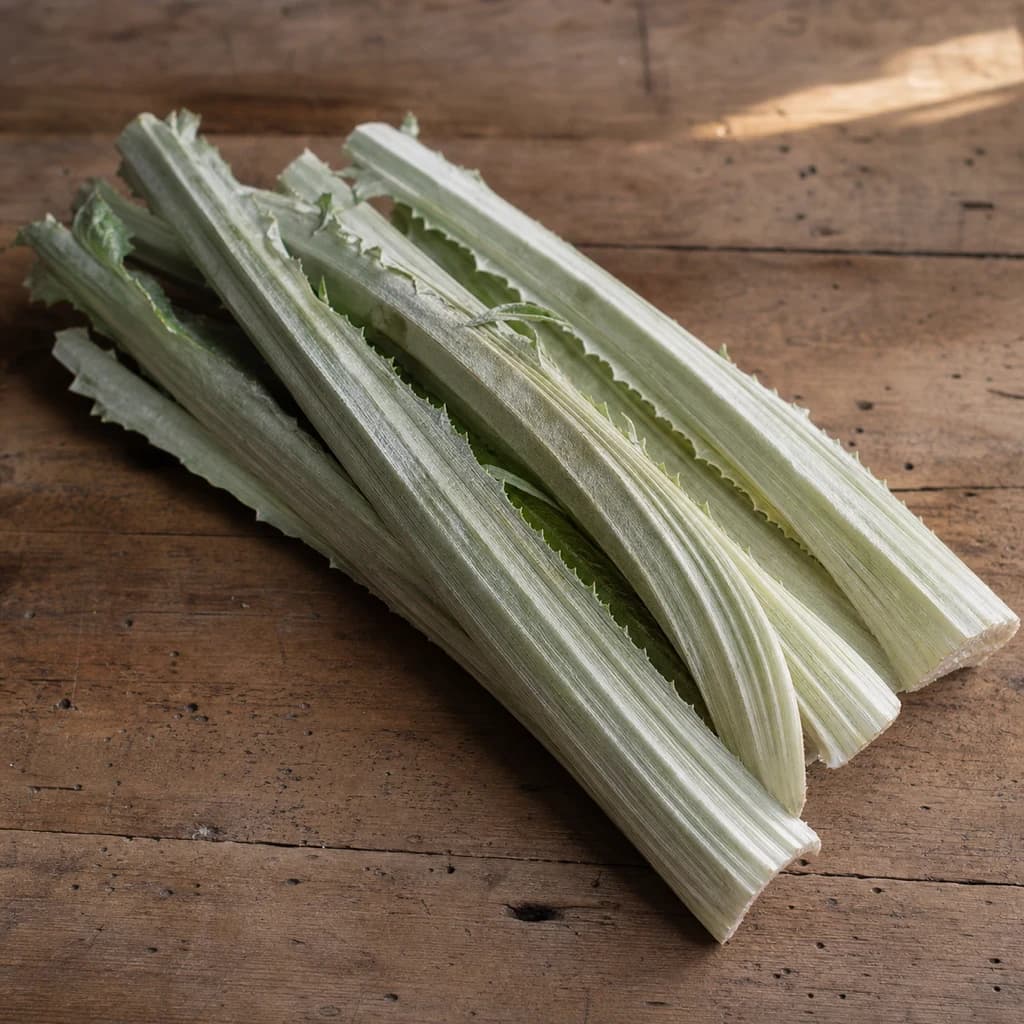
Natural form
Whole cardoon stalks harvested fresh, showing their long silvery celery-like stems and serrated leaf edges.
Establishes the plant's distinctive appearance — tall, silvery, thistle-like — so readers can identify it at a market or in the field.
Produce
Cardoon
Celery-like thistle stalks with an artichoke flavor, braised in Italian cooking.
Cardoon (cardo) is a thistle relative of the artichoke grown for its long, silvery, celery-like stalks. The stalks are trimmed, blanched to remove bitterness, then braised, gratinéed, or battered and fried in Italian, Spanish, and French dishes. The flavor is distinctly artichoke-like with a tender, slightly bitter edge.
Cardoon is the cultivated descendant of the wild thistle, selectively bred over centuries to produce thick, fleshy stalks rather than large flower heads. Botanically Cynara cardunculus var. altilis, it belongs to the same family as the artichoke—and the same species, in fact, with the artichoke being Cynara cardunculus var. scolymus—explaining the shared flavor compound cynarin. The edible portion is the leaf stalk, or petiole: thick, pale ribs that can reach 18 inches long and an inch or more across. When raw, cardoon is fibrous and crunchy, denser than celery; cooked, it becomes tender with a silky quality when properly braised, though it retains a pleasant chew. Its flavor sits at an intriguing intersection: earthy, faintly bitter, with nutty undertones that intensify as the vegetable caramelizes. Once a Roman staple and a cornerstone of Provençal, Ligurian, and Sicilian winter cooking, cardoon remains largely unknown outside these regions—a gap worth correcting, given how well its robust, slightly bitter character stands up to rich preparations. Winter frost is a gift to the cardoon: cold weather converts starches to sugars, mellowing bitterness and deepening flavor, so seek frosted specimens when available.
- Measured in
- g
- Storage
- Fridge
Types & varieties
Classic French variety; large, thick, pale stalks with mild flavor
Spineless French variety; tender and less fibrous
Italian variety with curved, twisted stalks; prized in Piedmont and Liguria
French heirloom; silvery-white stalks, excellent flavor
Common in Andalusia and Catalonia; often blanched in the field by mounding soil around stalks
Selecting and Storing
Choose firm, pale stalks without brown spots or wilted leaves. Thickness is not a drawback—it indicates more flesh relative to fiber. The plant deteriorates within 24–48 hours of purchase, so plan to cook it the same day or the next morning at latest. Refrigerate unwashed in a plastic bag, though the clock is already ticking. If leaves are still attached, trim them off before storing; they draw moisture from the stalks.
- Firm, pale stalks with no brown spots
- Avoid any sign of wilting or yellowing
- Cook within 1–2 days of purchase
The Labor of Preparation
This is not a vegetable for impatient cooks. The outer fibrous layer must be peeled away entirely—run a peeler along each stalk, removing every string. Thick stalks should be split lengthwise to check for and remove the inner thread or pith, which is unpleasantly bitter. Cut the prepared stalks into 2–3 inch pieces and immediately submerge them in cold water acidulated with lemon juice or white wine vinegar; cardoon browns rapidly once cut. Expect to discard 40–50% of what you buy in trimmings—this is simply the nature of the ingredient.
- Peel every stalk thoroughly—outer fiber is inedibly tough
- Split thick stalks and remove inner pith
- Submerge cut pieces in acidulated water immediately
- Plan for significant trim loss
Common uses
Tips & pitfalls
- Always peel stalks thoroughly—the outer fibrous layer is inedibly tough
- Cut into 2–3 inch pieces and soak in cold water with lemon juice or white wine vinegar immediately to prevent browning
- The inner core (pith) is bitter; scrape or cut it out before cooking
- Blanch in salted boiling water for 10–15 minutes before final cooking to reduce bitterness
- Cardoon pairs naturally with rich, fatty ingredients—embrace butter, cream, and aged cheeses
- Do not overcook; overdone cardoon becomes mushy and loses its subtle flavor
- For frying, blanch first, then cool and pat dry before battering
- The cardoon's affinity with anchovies and garlic is classic in Mediterranean cooking
- If stalks are very thick, split them lengthwise and remove the inner thread before cutting crosswise
- Winter frost improves flavor by converting starches to sugars; seek frosted cardoons when available
Nutrition
Energy
71 kJ · per 100 g
Where the calories come from
Protein
0.7g
1% DV
Carbs
4.1g
1% DV
Fat
0.1g
0% DV
Fiber
1.6g
6% DV
Sodium
170mg
7% DV
Source · USDA FoodData Central · Cardoon, raw
View on FDC →In the shops
Matched grocery products
No matched grocery products for Cardoon yet.
Good to know
- Scientific name
- Cynara cardunculus var. altilis
- Family
- Asteraceae (daisy family, same as artichoke)
- Edible part
- Leaf stalks (petioles); leaves and flower heads are inedible
- Origin
- Mediterranean region; ancient crop cultivated since Roman times
- Peak season
- Late fall through winter (October–February)
- Flavor
- Artichoke heart with mild bitterness; nutty, slightly metallic finish from the compound cynarin
- Texture raw
- Fibrous, crunchy, similar to celery but more dense
- Texture cooked
- Tender but retains some chew; becomes silky when well-braised
- Shelf life
- 1–2 days refrigerated; deteriorates rapidly (leaves wilt, stalks yellow)
- Yield
- Roughly 50–60% edible after trimming and peeling
- Difficulty
- Moderate; labor-intensive prep (extensive peeling and trimming)
- Typical size
- Stalks 12–18 inches long; plants grow 3–5 feet tall
- Equipment
- Sharp vegetable peeler or paring knife; large pot for blanching
Substitutes
- Artichoke hearts — Closest flavor match; use canned in emergencies, though texture differs (softer)
- Celery root (celeriac) — Similar earthy flavor; different texture but works in braises and soups
- Fennel bulb — Comparable anise notes and fibrous texture; good for lighter preparations
- Rutabaga — Acceptable in hearty braised dishes; more starchy, less delicate
Pairs with
Also called
Cardo · Cardoon · Cardoni
Appears in these dishes
Related
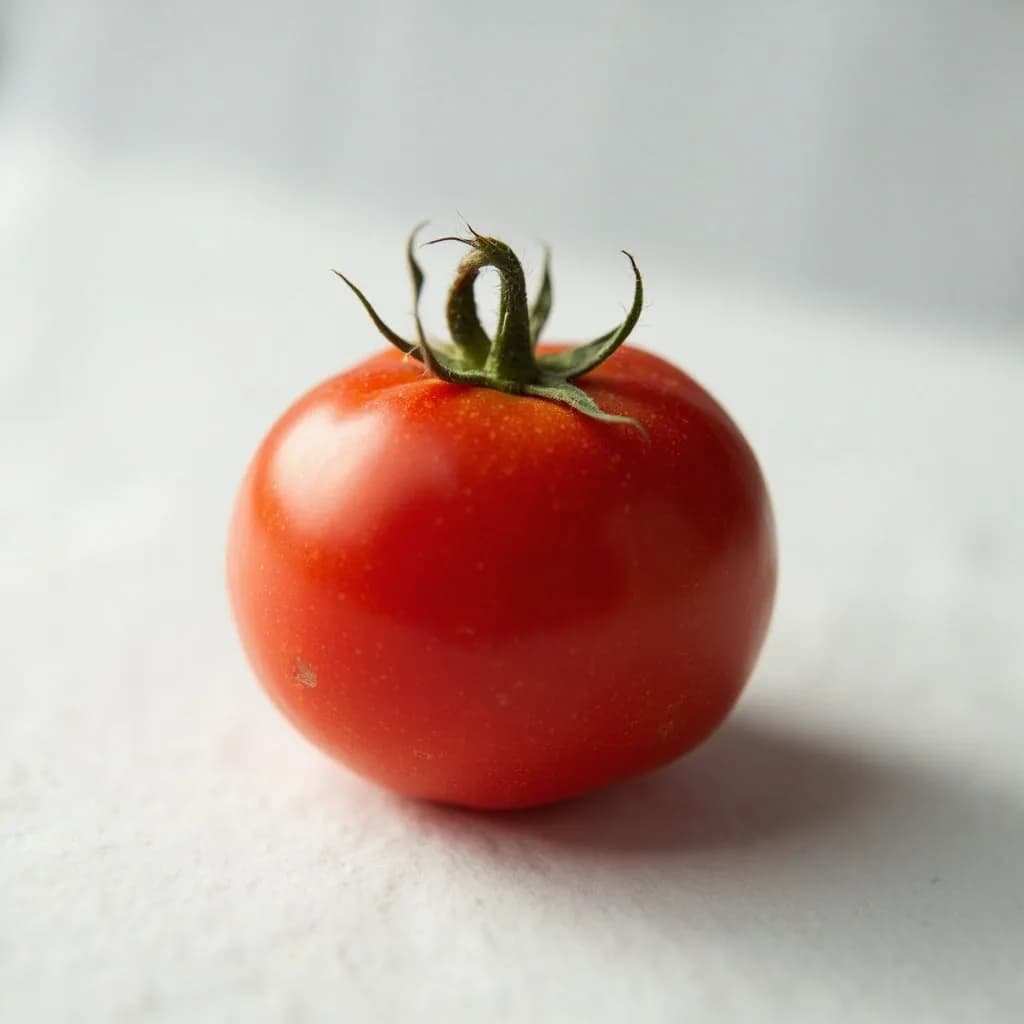
Tomato
Juicy, sun-sweet fruit for sauces, salads, and slow-cooked depth
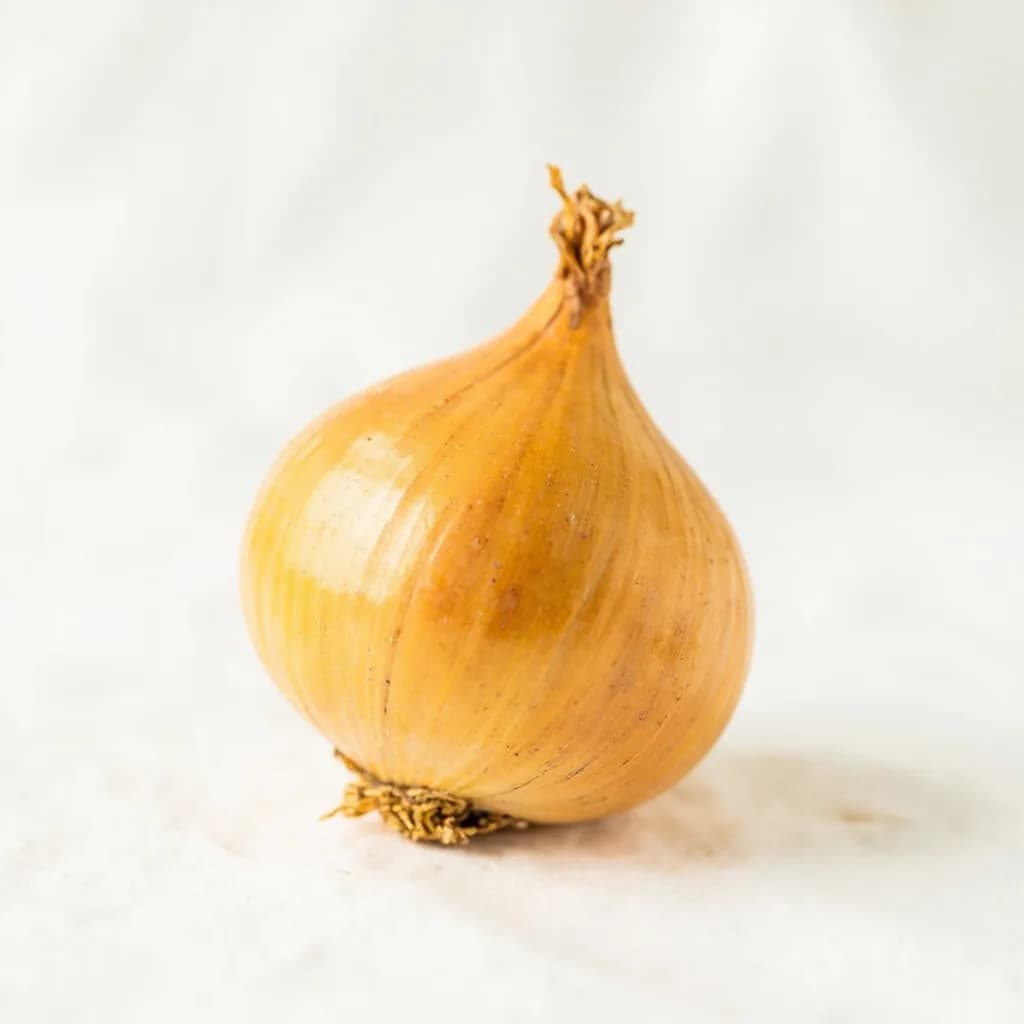
Yellow Onion
The aromatic backbone of soups, sofritos, and braises
Garlic
Pungent cloves that perfume nearly every savory dish
Lemon
Bright, acidic citrus that wakes up almost any dish
Potato
Humble, hearty staple — roast, mash, fry, or boil
Carrot
Sweet, crunchy root — raw, roasted, or the base of a sofrito
Cucumber
Cool, crisp, and watery — for salads, pickles, and tzatziki

Lettuce
Crisp leaves for salads, wraps, and a fresh crunch