Beef — Primal & Subprimal
Beef Tongue — Trim & Peel
Also: lengua de res, langue de boeuf, gyutan, ox tongue
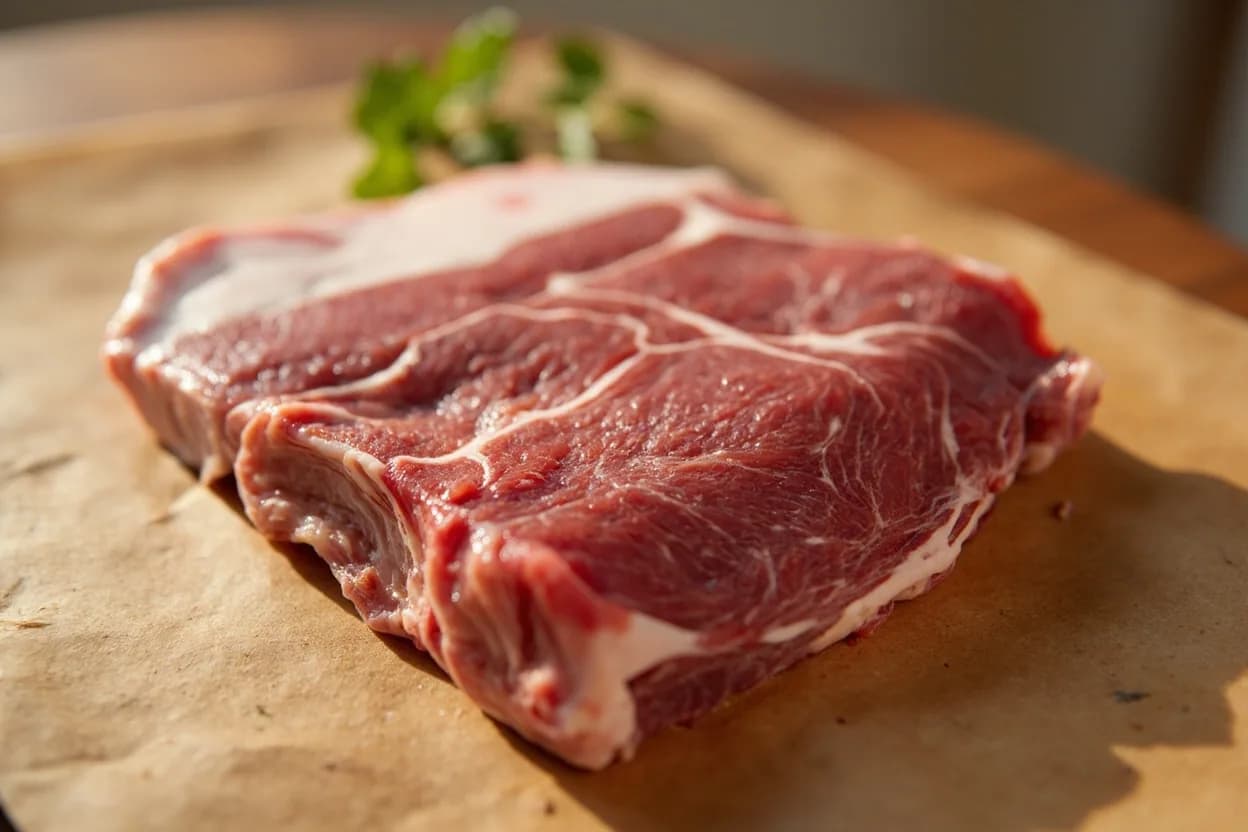
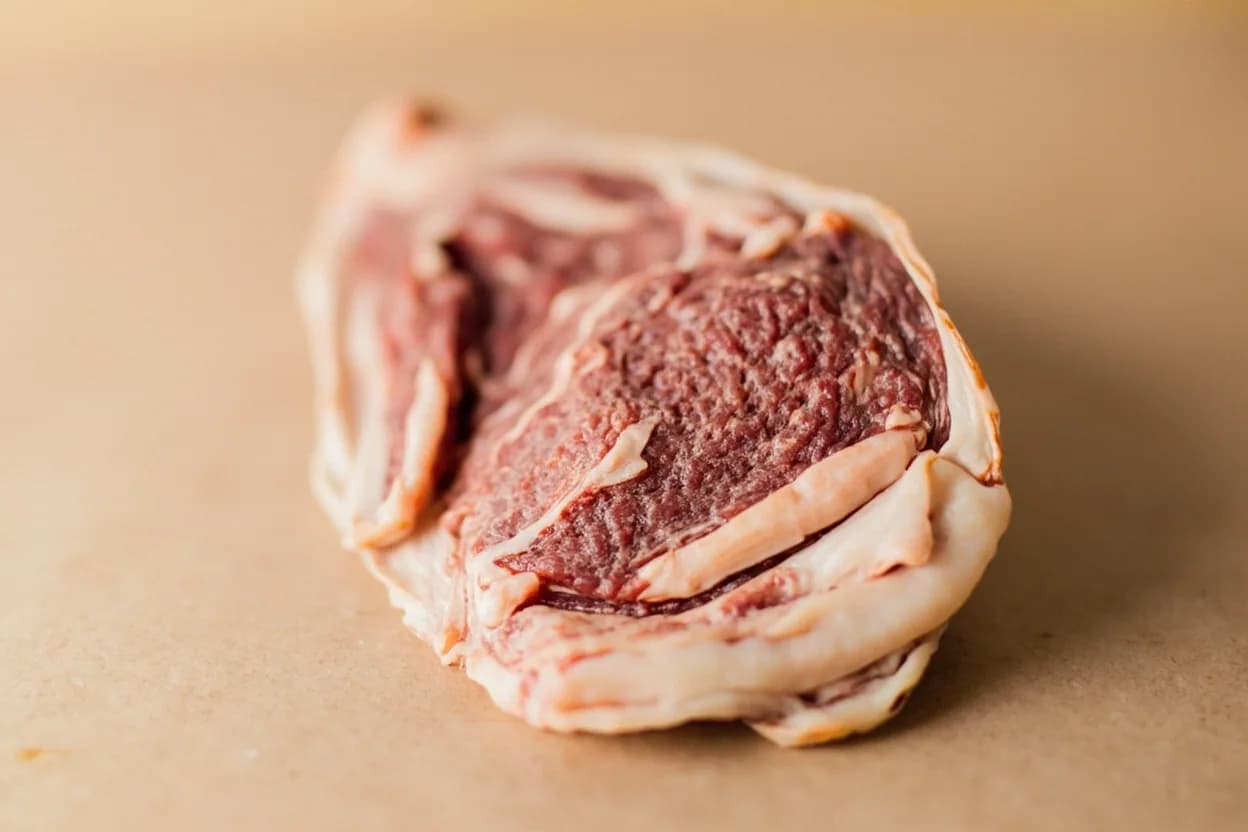
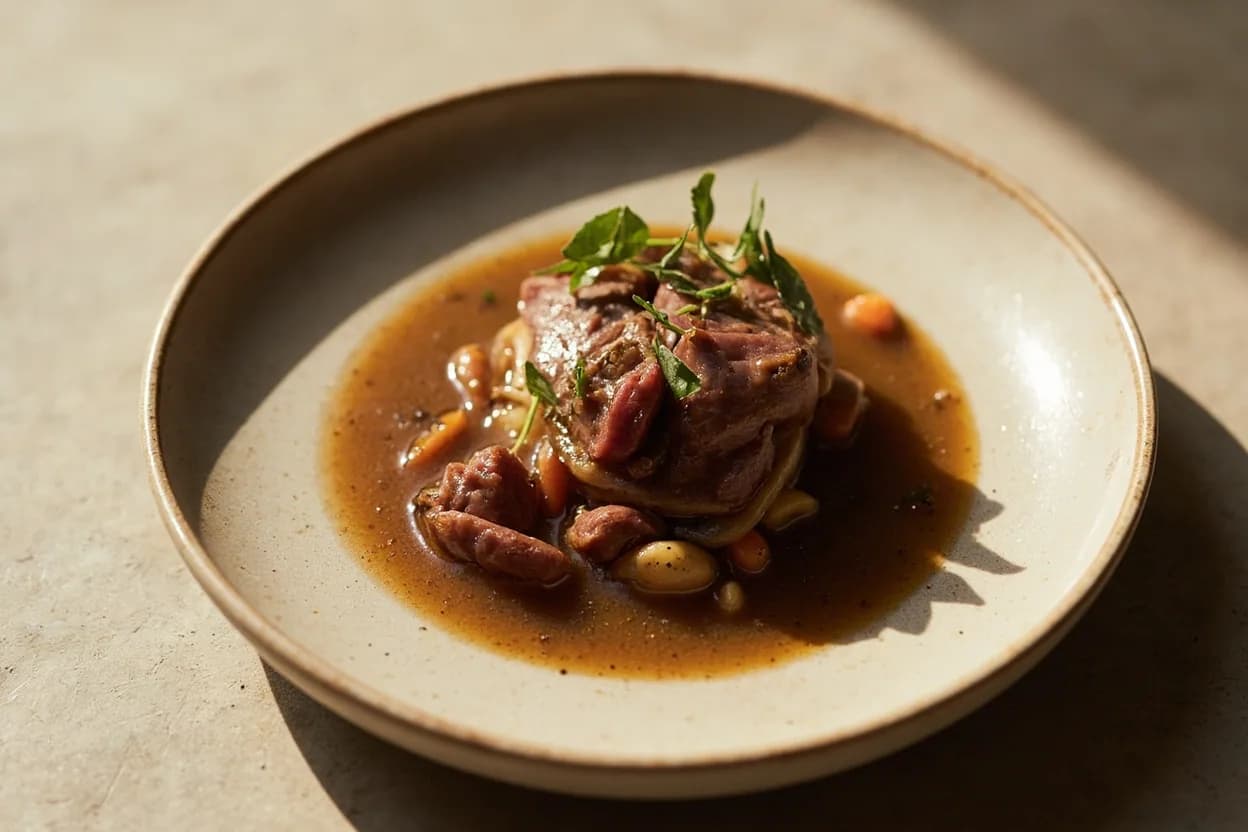
Whole beef tongue cleaned, blanched, and peeled — a globally beloved offal cut that, once prepared, slices into tender, deeply flavored medallions.
Beef tongue is the whole muscular organ of the steer's mouth, typically weighing 1.2–2.2 kg. It is covered by a thick, rough, papillae-studded skin that must be removed after cooking (not before, as the heat loosens the bond between skin and muscle). Beneath the skin lies pure muscle in several overlapping layers, ranging from very tender at the tip to slightly firmer at the base (root), where glands and connective tissue require trimming.
In photos
Where it comes from
The tongue (lingua bovis) is a single large muscle originating at the hyoid bone and extending to the tip. The base (root) contains the lingual salivary glands, tonsil tissue, and cartilaginous structures — all of which are trimmed away. The body and tip are the eating portions.
Best for
How to cook it
- 1Rinse the tongue under cold running water and scrub the surface with a stiff brush to remove any surface debris or blood. Trim the very base: cut away the glandular root tissue, tonsil lobes, and any exposed cartilage or bone fragments using a heavy knife or cleaver.
- 2Place in a large pot, cover with cold water by at least 5 cm, and bring to a boil. Discard this first blanching water, which pulls impurities and reduces gaminess.
- 3Return tongue to the pot with fresh cold water, aromatics (onion, carrot, celery, black peppercorns, bay leaf, parsley stems), and salt. Simmer gently — never boil hard — for 2.5–4 hours depending on size, until a skewer passes through the thickest part of the tip with no resistance.
- 4Remove from liquid immediately and, while still very hot, slit the skin lengthwise along the underside with a paring knife. Starting from the tip, grip the skin and peel back toward the base in one or two large strips — it should release cleanly in large sheets. If it tears or resists, return to the hot liquid for 10 minutes; peeling cold tongue is very difficult.
- 5Trim any remaining glandular tissue or fat from the base once peeled.
- 6Slice against the grain (on the bias for aesthetics) into 5–8 mm rounds or half-rounds. Serve hot in braising liquid or sauce, or press under weights and refrigerate for cold applications.
Prep & butchery
- Do NOT attempt to peel the tongue before cooking — the skin is physically bonded to the muscle and will take the surface of the meat with it when raw.
- Trim the root before simmering: remove the horseshoe of cartilage at the base, any visible gland lobes (pale, smooth, lobular tissue distinct from muscle), and hanging fat.
- The tongue has a dorsal (top, rough) and ventral (bottom, smoother) surface; slit the skin along the ventral surface for easiest peeling.
- If preparing for cold-sliced applications, press the peeled, hot tongue into a terrine mold or loaf pan with some of the strained cooking liquid, weight, and refrigerate overnight for clean, uniform slices.
Substitutes
- Pork Tongue
About one-quarter the size; same technique applies, but cooks in 60–90 minutes; mild and very tender
- Veal Tongue
More delicate flavor; prestige product in classical French cuisine; shorter cook time than beef
- Lamb Tongue
Very small (80–100 g each); served whole after peeling; Turkish and Middle Eastern applications
Related cuts
Another head muscle requiring long moist-heat cooking; similar collagen content
- Beef Heart
Another muscle offal; leaner and more uniform in texture; grills well after marination
- Beef Tripe
Stomach lining offal; also requires extensive cleaning and pre-cooking before final application
Appears in
References
- 1.Nose to Tail Eating — Fergus Henderson (Bloomsbury, 1999)
- 2.The Complete Meat Cookbook — Bruce Aidells & Denis Kelly (Houghton Mifflin, 1998)
- 3.The Art of Offal — Ricky de la Sierra (various culinary translations)
- 4.Japanese Farm Food — Nancy Singleton Hachisu (Andrews McMeel, 2012)
Confidence: high
Notes
Global Traditions
Beef tongue is one of the most globally prepared offal cuts, with deep traditions across cultures that industrialized European food production largely abandoned. In Mexico, lengua is a beloved taco filling — simmered with aromatics, finely diced, and crisped briefly in a hot comal. In Japan, gyutan (gyu = beef, tan from 'tongue') is a Sendai specialty: tongue is sliced thin, salted, and grilled over high charcoal heat, served with mugi-meshi (barley rice) and pickled vegetables. In West African cooking, tongue appears in slow-cooked pepper stews alongside other offal. Ashkenazi Jewish deli tradition produces pickled and smoked tongue that was once ubiquitous in New York delis.
Timing the Peel
The single most common error with beef tongue is attempting to peel it when it has cooled. The peeling window is narrow: the tongue should be handled while hot enough to require tongs or a cloth — roughly 70–80 °C internal. As it cools, the skin re-adheres to the muscle. If you miss the window, a brief return to the hot simmering liquid (5–10 minutes) will loosen it again.