Poultry — Breakdown & Cuts
Whole Duck Breakdown (Cantonese)
Also: Cantonese roast duck fabrication, Peking duck breakdown, bao ya chop, roast duck chop technique, Chinese duck butchery
The Cantonese whole-duck fabrication that separates breasts and legs for distinct cooking while yielding a carcass for master stock — and ends in the dramatic cleaver-chop presentation of roast duck.
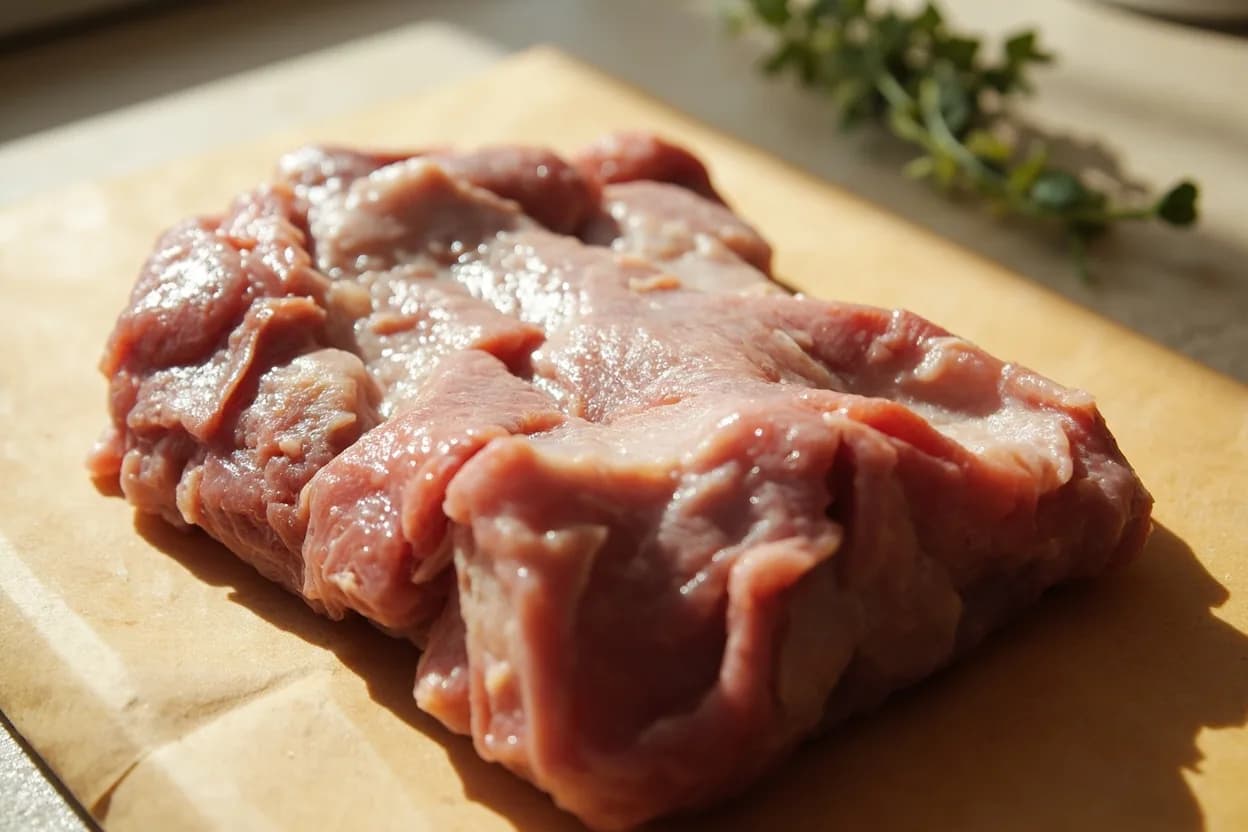
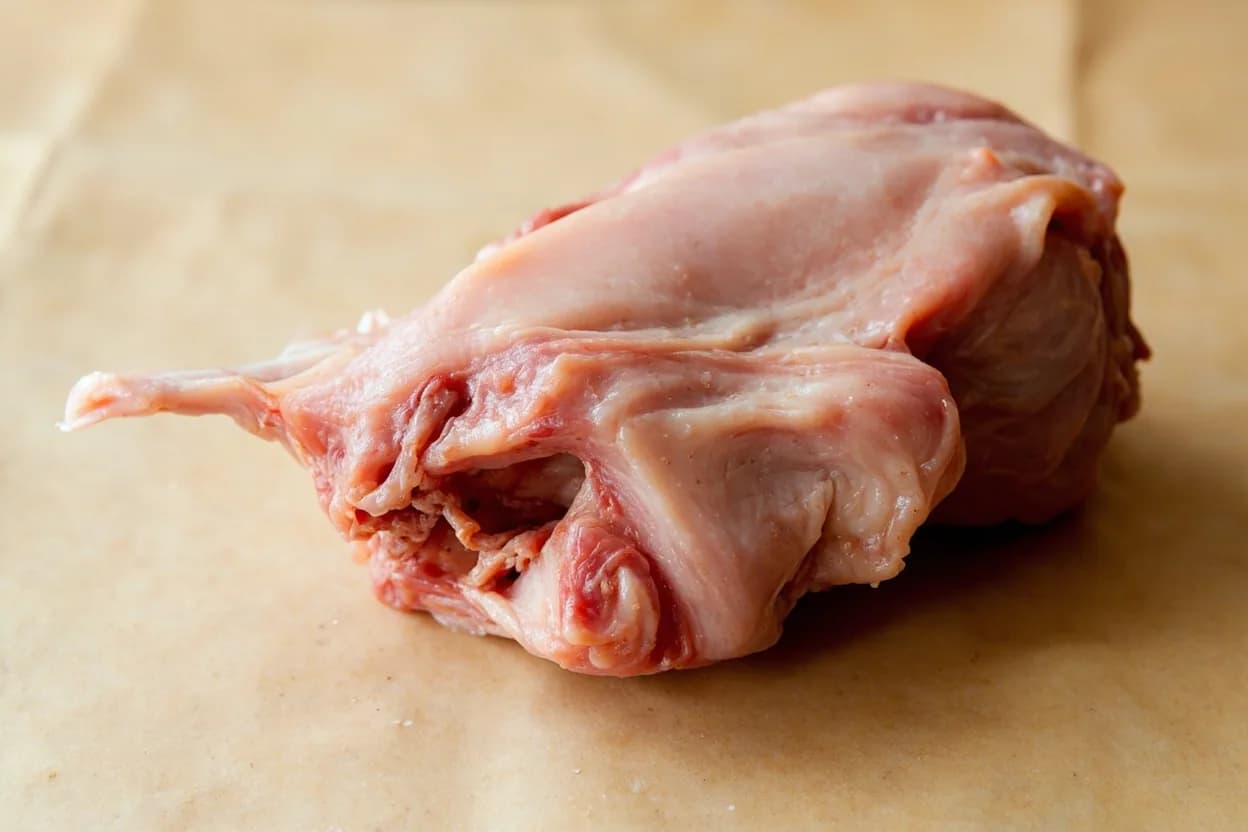
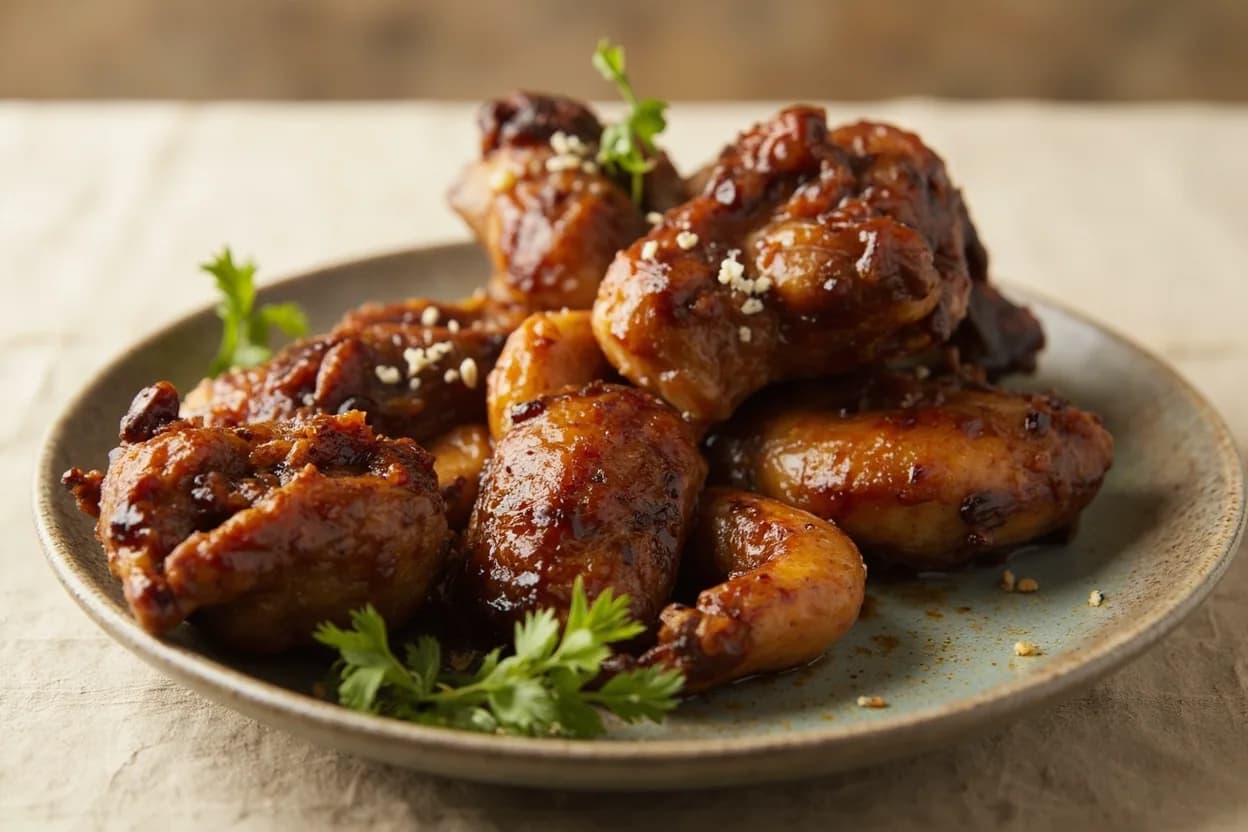
Cantonese duck breakdown (烤鸭分切) is a two-phase process. In the pre-cooking fabrication phase, the whole duck is cleaned, neck and wingtips removed, and the carcass used as an air-drying and roasting vessel — the bird is typically roasted whole. In the post-cooking chop-presentation phase, the roasted duck (siu ngap or char siu duck) is broken down with a heavy cleaver into the iconic Cantonese chop presentation: breast sliced into even oblique pieces, legs separated and chopped across the bone into 3–4 pieces each, wings separated, and all pieces reassembled on the plate in the rough silhouette of the original bird. For raw-prep applications (French-influenced Cantonese kitchens or home cooking), the raw duck is broken down by removing the leg quarters at the hip, separating breasts from the keel, and cracking the carcass for stock.
In photos
Where it comes from
The whole Pekin duck (or Muscovy duck in some regions) weighing 1.8–2.5 kg. The Cantonese breakdown prioritizes the four primary cuts — two bone-in leg quarters and two bone-in breast halves — plus the carcass and neck for stock. The liver, gizzard, and heart are reserved for separate stir-fry preparations. The fat from the cavity is rendered for cooking.
Best for
How to cook it
- 1For roasting: prick the skin all over with a fork or bamboo skewer, focusing on fat deposits over the breast and where the thigh meets the breast — this allows fat to escape during roasting.
- 2Scald the outside of the duck with boiling water to tighten the skin; coat immediately with a maltose-vinegar mixture (1 tablespoon maltose dissolved in 2 tablespoons hot water + 1 tablespoon Shaoxing wine + 1 tablespoon red vinegar).
- 3Hang the duck in a cool, ventilated space for 12–24 hours until the skin is completely dry and slightly papery to the touch.
- 4Roast at 200°C for 30 minutes, then reduce to 180°C for 30–40 more minutes until the skin is a deep mahogany and the juices run clear.
- 5For the chop presentation: allow to cool 10 minutes; remove legs at the hip joint; slice breasts off the keel in long, oblique slices about 5 mm thick; chop each leg into 3–4 pieces across the bone with a heavy cleaver; reassemble on the serving plate skin-side up.
- 6For raw breakdown (leg confit/separate roasting): remove leg quarters first by pulling the leg away from the body and cutting at the hip; remove breasts by cutting along the keel and following the rib cage.
Prep & butchery
- Remove the neck at the base (leave 5 cm of neck skin on the bird for hanging and trussing); reserve neck for stock.
- Remove the wingtips at the second joint — they char before the rest of the bird is done; add to stock pot.
- Remove excess cavity fat from the tail cavity and render it separately — this rendered duck fat is a prized cooking medium.
- Fill the cavity with aromatics: crushed ginger, a broken star anise pod, five-spice, scallion knots, and optional dried tangerine peel.
- Truss the cavity closed with a metal skewer or toothpicks to prevent aromatics from falling out and to maintain shape during roasting.
- For the cleaver chop after roasting: use a heavy, well-balanced Chinese cleaver (caidao) and cut with a single, decisive downward stroke — hesitant repeated blows shatter the bone into splinters rather than cleaving cleanly.
Substitutes
- Pekin duck (Long Island duck)
The standard in North America; slightly fattier than Hong Kong market ducks
- Muscovy duck
Leaner, gamier, and larger — breast is especially lean and prone to drying; better for confit applications
- Magret (duck breast from foie ducks)
Exceptionally fatty breast; not traditional Cantonese but used in fusion applications
- Chicken (for roast-and-chop technique)
The cleaver chop presentation works equally well for Cantonese roast chicken (siu gai)
Related cuts
- Peking Duck Breast Slice
Thin-sliced breast served with pancakes — a related but distinct service format from northern China
- Duck Leg Confit
French application of the same leg quarter cut from a whole duck breakdown
- Duck Magret
The isolated breast from a foie duck — very different fat profile from a roasting duck
Contrasting technique: Japanese boning prioritizes skin integrity over the whole-roast approach
Appears in
References
- 1.The Breath of a Wok — Grace Young and Alan Richardson
- 2.Land of Plenty — Fuchsia Dunlop
- 3.The Chinese Kitchen — Eileen Yin-Fei Lo
- 4.Complete Chinese Cookbook — Ken Hom
Confidence: high
Notes
The maltose coat and air-dry
The maltose-vinegar scalding and air-drying sequence is the technical heart of Cantonese roast duck — without it, the skin steams rather than roasts and the result is soft rather than lacquered. Maltose (麦芽糖) has a higher caramelization temperature than sucrose, which is why it produces deeper color without burning at roasting temperatures. The vinegar acidifies the surface, inhibiting bacterial growth during the air-dry and also contributing to Maillard browning.
The chop presentation
The assembly of the duck back into a rough bird-shaped presentation on the serving plate is both traditional and practical: it helps the carver (and the diner) verify that all parts of the duck are present and that the skin — the main value proposition of a roast duck — is intact and skin-side up on every piece. In Cantonese BBQ shops (siu mei shops), the chop is performed at high speed in front of customers and is a point of professional pride.