Cheese & Dairy Doneness
Affinage Cave Temperature
Also: cheese aging temperature, cave aging conditions, affinage temperature, cellar temperature for cheese
The 10–14°C cellar environment that sustains the molds, bacteria, and enzymatic activity responsible for the transformation of fresh curd into complex, aged cheese.
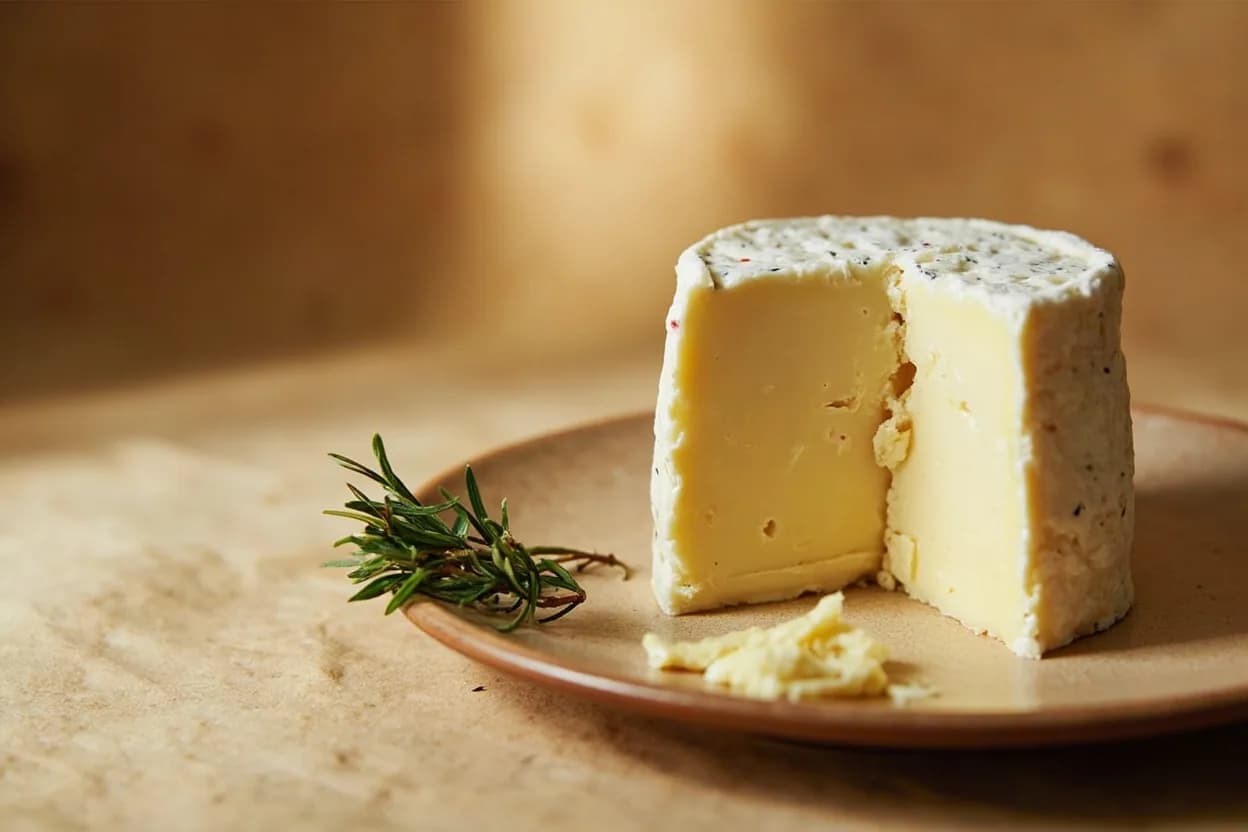
Affinage is the French term for the art and science of maturing (aging) cheese, traditionally conducted in stone-walled caves, rock cellars, or purpose-built humidity-controlled rooms. Standard cave temperature is 10–14°C (50–57°F) at 90–95% relative humidity — conditions that slow but do not halt the microbial and enzymatic processes that develop rind, flavor, and texture over weeks to years. Blue cheeses require a cooler 8–10°C (46–50°F) and the same high humidity; soft-ripened and washed-rind cheeses may be aged at 12–15°C with slightly varied humidity. Together, temperature and humidity control the speed of proteolysis (protein breakdown), lipolysis (fat breakdown), rind microflora succession, and evaporative moisture loss.
In photos

What happens
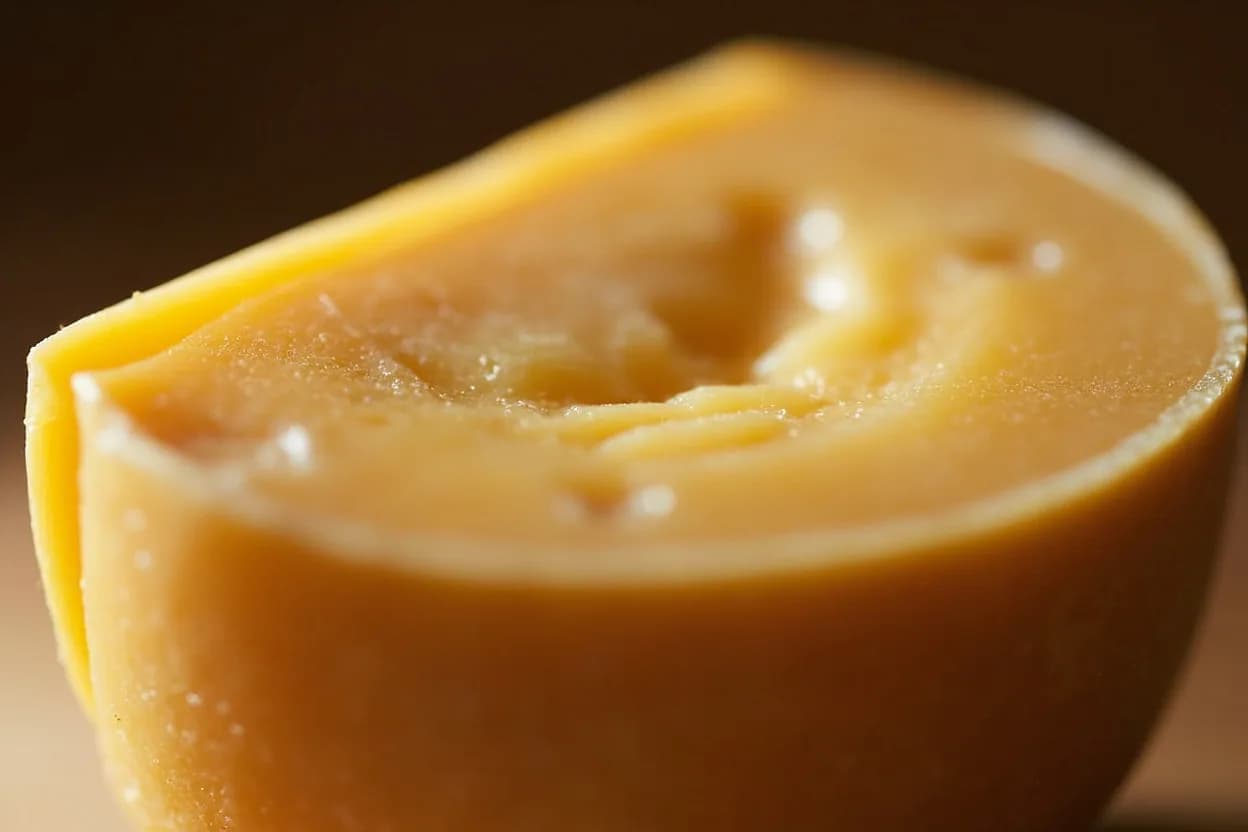
Within the cave environment, several parallel biochemical processes transform fresh curd: **Proteolysis**: Residual rennet, starter bacteria enzymes, and secondary microflora break casein chains into peptides and free amino acids. This creates the creamy, soluble paste of a ripe brie or the granular crystalline texture of aged comté. Faster at higher cave temperatures; too warm (above 16°C) can produce off-flavors from excessive proteolysis. **Lipolysis**: Lipases from Penicillium roqueforti in blue cheeses and surface yeasts in washed-rind cheeses cleave triglycerides into free fatty acids (notably butyric, caproic, and capric acids), generating pungent, buttery, or 'barnyard' aromatic compounds. **Rind succession**: At 10–14°C and 90–95% RH, surface microflora pass through a predictable ecological succession — yeasts first (raising surface pH), then molds or bacteria that require the neutral surface. Washed-rind cheeses (Époisses, Taleggio) are periodically moistened with brine, beer, wine, or spirits to suppress unwanted molds and favor Brevibacterium linens (the orange-pigmented bacterium responsible for pungent aroma). **Moisture loss**: Evaporation at controlled RH dries the rind and concentrates the paste, contributing to texture development. Hard alpine cheeses (comté, beaufort) may lose 10–15% of their original weight over a 6–12 month affinage.
What to look for
- A properly tempered cave smells of damp earth, ammonia (from proteolysis), and mushroom or grassy notes — not stale or putrid
- Rinds of aging cheeses should feel firm and dry to the touch; a slimy rind on a non-washed-rind cheese indicates excessive humidity
- Eyes (holes) in alpine cheeses develop from CO₂ produced by Propionibacterium freudenreichii, which is most active in the 18–24°C 'warm room' before wheels are moved to the main cave
- Blue-green veins of Penicillium roqueforti in blue cheese develop only where oxygen reaches the interior — caves are cool enough to slow gas diffusion, allowing controlled vein formation along skewer channels
How to check
- Monitor with a calibrated min/max thermometer and a digital hygrometer; place sensors at wheel level, not at ceiling or floor where temperature stratifies
- Turn and brush wheels regularly (daily to weekly depending on cheese type) to redistribute moisture and prevent uneven rind development
- Use a cheese iron (sonde) to extract a core sample from aging alpine wheels — resistance, aroma, and taste reveal proteolysis stage
- Weight loss tracking: periodic weighing against initial green weight reveals evaporation rate and indicates if humidity is correct
The science behind it
- Brevibacterium linens
Orange-pigmented bacterium that thrives on washed-rind cheeses at 12–15°C; produces sulfurous, pungent aromas characteristic of Époisses and Limburger
- Penicillium roqueforti
Blue-green mold inoculated into the paste of Roquefort, Gorgonzola, and Stilton; grows optimally at 8–10°C and requires oxygen channeled by skewering
- Penicillium camemberti
White surface mold on brie and camembert; generates proteolytic enzymes that ripen the paste from the outside in at 12–14°C
- Propionibacterium freudenreichii
Produces CO₂ and propionic acid in Swiss-style cheeses; active in the warm room (18–24°C) before return to cave aging at 10–14°C
White, crunchy deposits in long-aged cheeses (24+ month parmigiano, aged gruyère); indicate advanced proteolysis driven by extended affinage at stable cave temperature
Appears in
References
- 1.The Oxford Companion to Cheese — Catherine Donnelly, ed. (2016)
- 2.Cheese and Fermented Milk Foods — Frank Kosikowski & Vikram Mistry (3rd ed., 1997)
- 3.Mastering Artisan Cheesemaking — Gianaclis Caldwell (2012)
- 4.Cheese: Chemistry, Physics and Microbiology Vol. 1 — P.F. Fox et al. (3rd ed., 2004)
Confidence: high
Notes
The affineur's craft
The affineur is a specialist who may not make cheese but who purchases young wheels and ages them to optimal maturity — a recognized trade in France, Italy, and Switzerland. Iconic affineurs like Hervé Mons (Lyon) or the cellars at Neal's Yard Dairy (London) maintain multiple cave environments at different temperatures for different cheese families and are considered co-creators of the cheese's final character.
Seasonal cave temperature variation
Traditional natural caves follow seasonal cycles — slightly cooler in winter (10–11°C), slightly warmer in summer (13–14°C). This variation is not a defect but a feature: cheeses made in spring from milk rich in spring-grass pasture compounds age through the natural summer warmth, accelerating enzyme activity at a biological moment timed to the milk's own composition. Industrial affinage rooms maintain fixed temperature year-round, trading this seasonal complexity for consistency.