Fermentation & Culturing Temperatures
Yogurt Incubation Temperature
Also: yogurt culture temperature, yogurt fermentation temp, dahi setting temperature, laban incubation
40–43°C — the narrow band where Lactobacillus bulgaricus and Streptococcus thermophilus thrive together to set milk into firm, tangy yogurt in 4–8 hours.
Yogurt incubation temperature is the closely controlled thermal environment maintained during fermentation, typically 40–43°C (104–109°F). Two symbiotic thermophilic bacteria drive the process: Streptococcus thermophilus initiates acidification quickly, lowering pH and creating a hospitable environment, while Lactobacillus delbrueckii subsp. bulgaricus deepens lactic acid production and produces acetaldehyde — the compound responsible for yogurt's characteristic clean, slightly sharp aroma. Together they convert lactose to lactic acid, denaturing casein micelles and causing them to aggregate into the characteristic gel network. The result is a semi-solid mass with a pH of around 4.0–4.5. Both strains are thermophilic: they are most active at 40–43°C, begin to slow below 37°C, and are progressively killed above 46°C, with near-total death above 50°C after sustained exposure.
In photos

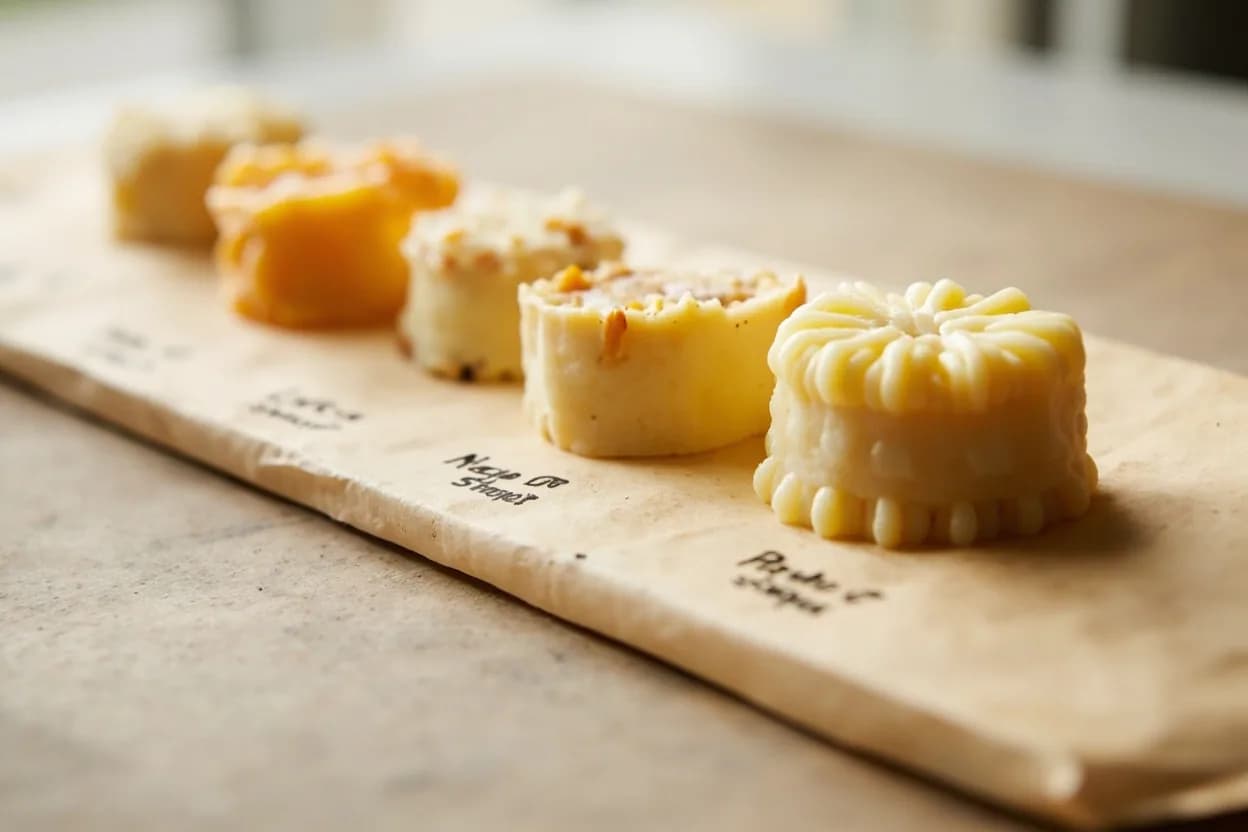
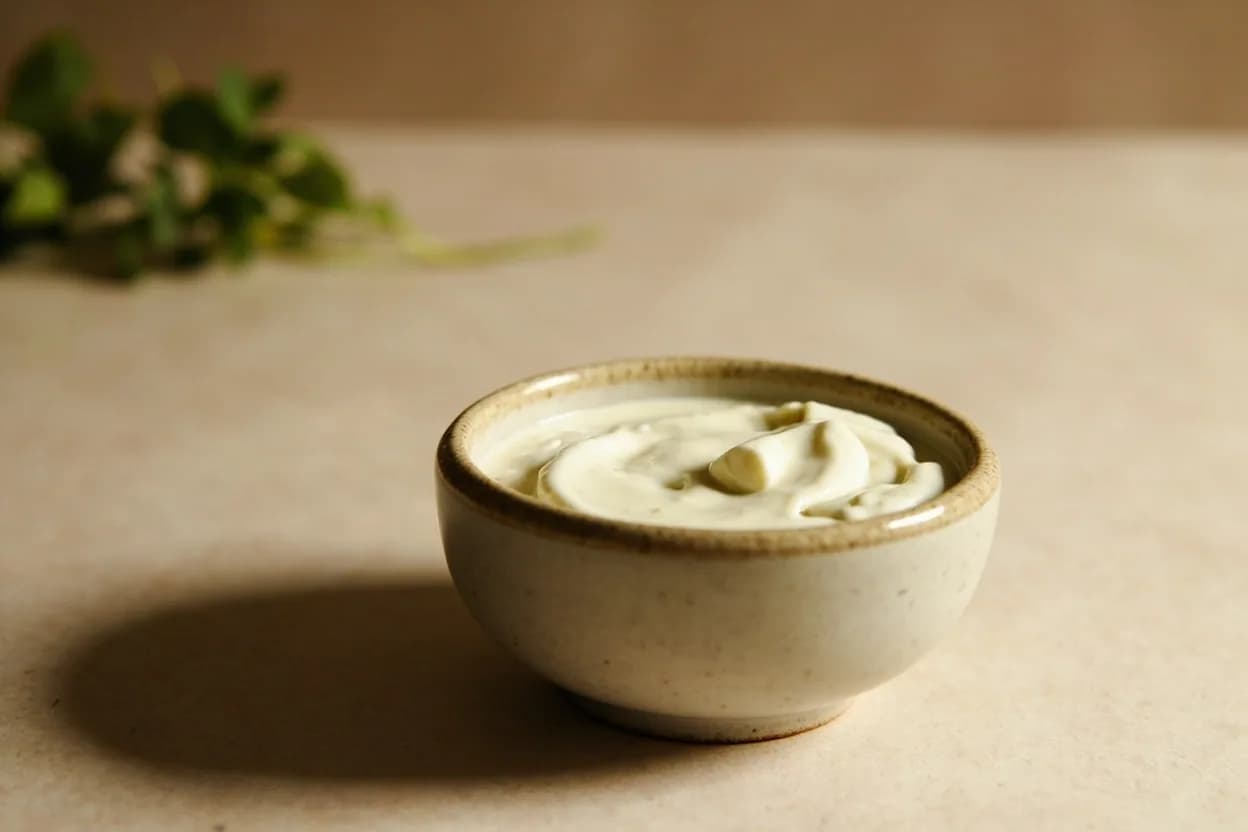
What happens
At 40–43°C, S. thermophilus and L. bulgaricus metabolize lactose via homofermentation, producing predominantly L-lactic acid. Lactic acid lowers the milk's pH from approximately 6.7 toward 4.0–4.6, causing casein micelles — which remain stable in a charge-repulsion cloud at neutral pH — to lose their negative charge as pH approaches the isoelectric point (pH ~4.6). At isoelectric pH, casein proteins aggregate into a continuous three-dimensional gel network, trapping whey and fat globules within it. Simultaneously, acetaldehyde, diacetyl, and trace organic acids are produced, building the flavor profile. Incubation time ranges from 4 hours (active warm culture, high inoculation rate) to 8–12 hours (milder culture or cooler end of range), and is ended by refrigeration, which arrests bacterial metabolism.
What to look for
- Milk transitions from liquid to a firm, spoonable gel that pulls cleanly from the container walls
- Surface appears matte and slightly domed with no liquid pooling (pooling whey indicates over-fermentation)
- Clean, distinctly tangy aroma — lactic acid with a faint yogurt aldehyde note
- Gentle tilt of the jar causes the gel to move as a solid mass rather than sloshing
- pH strip inserted shows 4.0–4.6 at completion
- Taste reveals balanced acidity without sourness or off-flavors
How to check
- Instant-read thermometer in the milk before adding starter — confirm 40–43°C
- Probe thermometer placed in the incubation chamber (Instant Pot, oven with light on, yogurt maker) to verify ambient stability
- Tilt test: after 4–6 hours, gently tilt the jar; if it wobbles as a cohesive gel, fermentation is likely complete
- pH meter or pH strip for precision: target 4.0–4.6 for set yogurt; remove from warmth and refrigerate immediately
Food safety
The science behind it
Another precision-temperature fermentation; mold-based vs. bacterial, different organism type but same principle of narrow thermal optimum.
- Milk Scalding Temperature
Milk is heated to 82°C+ before yogurt inoculation to denature whey proteins and pasteurize — a prerequisite step.
- Crème Fraîche Incubation
Room-temperature mesophilic fermentation (20–24°C) using different cultures; produces a richer, less tangy product.
The biochemical pathway underlying yogurt; also drives sauerkraut, kimchi, and cheese making at lower temperatures.
Appears in
References
- 1.On Food and Cooking — Harold McGee (Scribner, 2004)
- 2.The Art of Fermentation — Sandor Ellix Katz (Chelsea Green, 2012)
- 3.Modernist Cuisine: The Art and Science of Cooking, Vol. 3 — Myhrvold, Young & Bilet (The Cooking Lab, 2011)
- 4.Dairy Microbiology Handbook — R. K. Robinson, ed. (Wiley-Interscience, 2002)
Confidence: high
Notes
Why the temperature window is so narrow
S. thermophilus and L. bulgaricus have overlapping but different optimal ranges. S. thermophilus performs best at 37–40°C; L. bulgaricus prefers 42–45°C. The industry standard of 40–43°C represents the cooperative optimum: S. thermophilus acidifies rapidly and produces formate, stimulating L. bulgaricus growth; L. bulgaricus releases free amino acids that stimulate S. thermophilus. This mutualism collapses below 37°C (S. thermophilus dominates, giving weak set) or above 46°C (both begin to die).
Back-slopping and culture fatigue
Using a spoonful of finished yogurt as starter for the next batch (back-slopping) works for several generations but culture ratios drift over time — S. thermophilus tends to outcompete L. bulgaricus in home conditions, eventually producing a weaker, milder gel. Refreshing from a commercial starter or freeze-dried culture every 4–6 batches restores balance.